The gem tray
From the rock to the ring, every gem laid out.
Real stones at every stage, mined and lab-grown side by side, with the price of each one linked so you can see it for yourself.
Updated
-
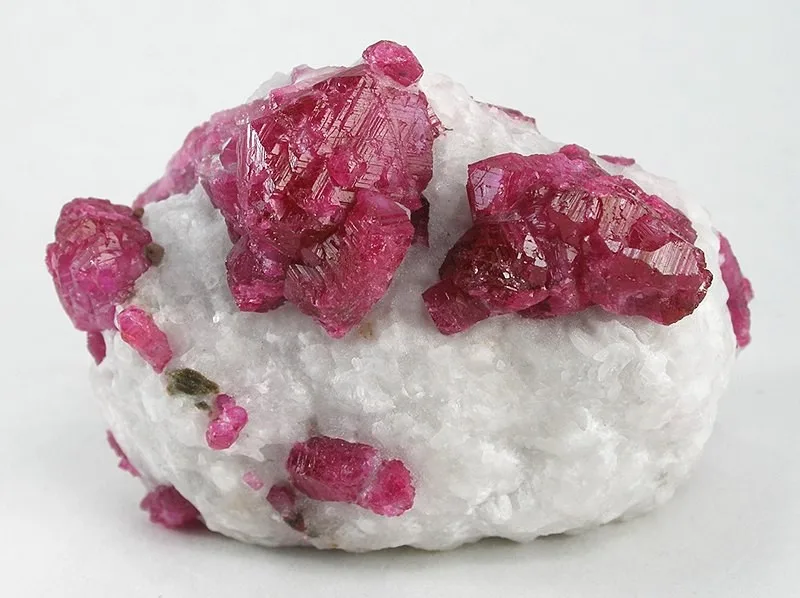 01 In the ground
-
 02 Out of the furnace
-
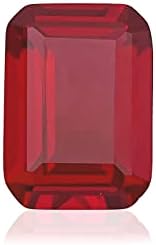 03 Cut
-
 04 Set
One ruby, four moments. 01: real specimen, photo Robert M. Lavinsky, CC BY-SA 3.0. 02 to 04: Amazon listing photos.
Quick answers
- Is moissanite on Amazon real?
- Is a GRA certificate real?
- Does moissanite pass a diamond tester?
- Does moissanite get cloudy?
- Moissanite vs cubic zirconia: what is the difference?
- Moissanite vs white sapphire: which is better?
- Can you shower with moissanite?
- Moissanite carat size chart: how big is 1, 2 or 3 carats in mm?
- Birthstones by month: the lab-created and affordable option for each
- Moissanite grades explained: what D, E, F colour and VVS1 clarity mean
- Is it safe to buy an engagement ring or diamond on Amazon?
- Are lab-grown diamonds on Amazon real?
- How do I verify an IGI or GIA certificate number?
- Do lab-grown diamonds have resale value?
- IGI or GIA: which report should a lab-grown diamond have?
- Are lab rubies real rubies?
- Is a cheap "natural certified" ruby on Amazon real?
- How big is a 5 carat ruby?
- How are lab-grown sapphires and rubies made?
- Is lab-created sapphire real sapphire?
- How are lab-grown emeralds made?
- Are lab emeralds real emeralds?
- How do you tell if gold is real, solid or hollow?
- Does Amazon sell real gold jewelry?
- Can you shower with sterling silver? Water, soap, pools and hot tubs
- Does sterling silver turn your skin green?
- What is a hidden halo engagement ring?
- How many carats can you get for $1,000, $2,000 or $3,000? Lab diamond vs moissanite
- How much is a 1 carat lab-grown diamond in 2026?
- Does moissanite tarnish or turn your finger green?
- Why is moissanite so cheap?
- Is turquoise on Amazon real?
- What does lab-created mean, and how is it different from simulated?
- Is The Gem Tray legit?
- Are cheap diamond earrings on Amazon real?
- Gemstone hardness chart: what is the hardest gem after diamond?
- Why was lapis lazuli so valuable in ancient Egypt?
- Which gems and crystals can get wet? A water-safe list
- Is opalite real, and what is the stone in Taylor Swift’s "Opalite"?
- Can a jeweller tell if a diamond is lab-grown?
- Lab-grown diamond vs cubic zirconia: are they the same?
- Is moissanite pawnable? Does moissanite hold its value?
- Is coloured moissanite coated? Black, blue and pink moissanite
- Is a $50 natural sapphire ring real?
- Do lab-grown diamonds glow under UV light?
- CVD vs HPHT lab diamonds: which is better?
- What does 925 mean on jewelry?
- Is 925 sterling silver on Amazon real?
- What are the most famous lapis lazuli artifacts, and where can you see them?
- How were gemstones cut in ancient times?
- Are coloured lab-grown diamonds real? Pink, yellow, blue and black
- Ruby and sapphire carat size chart: how big is a 1 carat ruby in mm?
- How do you buy real mineral specimens online, and spot the fakes?
Buying an engagement ring?
Buying a gold chain?
Where do you want to start?
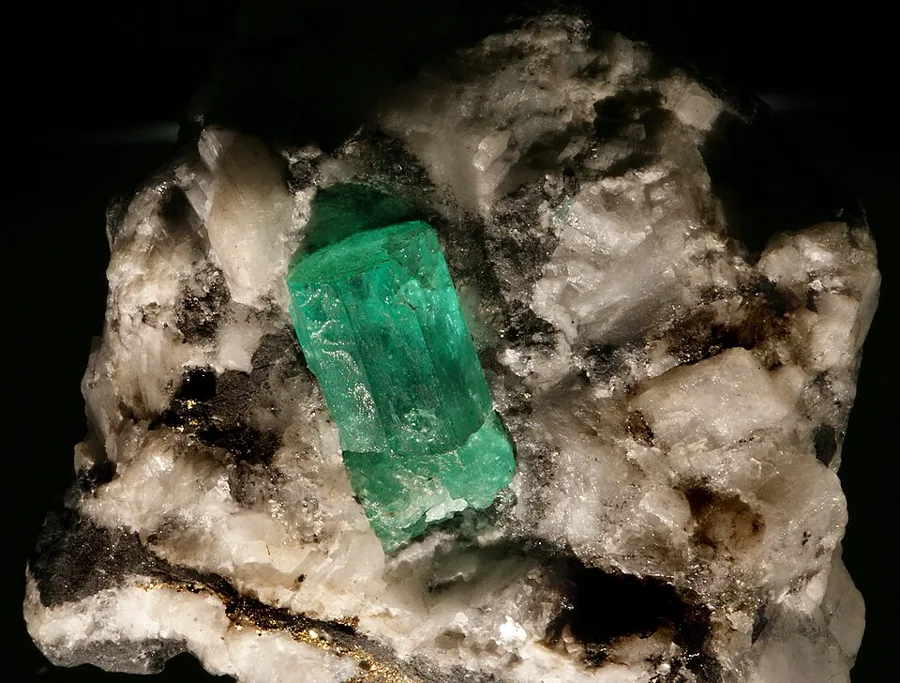 Curious How gems really work How they form, get grown, treated and cut, in plain words and real photos. Start learning → Buying A 30 carat lab ruby, the real mineral Lab gems are the real mineral, priced for the cost of growing them, not for rarity. See the checked list →
 Browsing The lab gem catalog 749 checked lab gems, loose and set, with filters for cut, size and type. Browse the catalog →
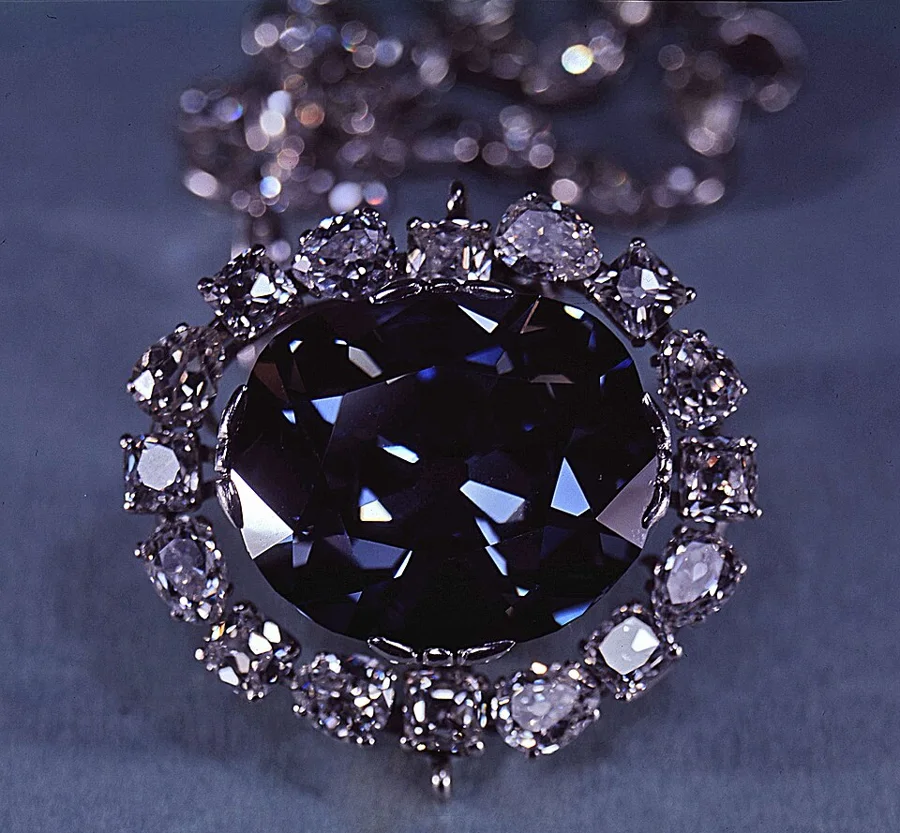 Wandering The gem museum Crown jewels, pharaohs’ treasures and gems still in their rock, in photos. Walk the museum →
 Dreaming The natural gem catalog Real mined diamonds, rubies, sapphires and emeralds with lab reports: the top of the market. See the real thing →
 Collecting The tools jewellers use Loupe, gem torch, tweezers, boxes, scale, and settings to make your own jewellery: what each is for. Get the kit →
Pick a gem
Each one followed from rock to ring, with mined vs lab side by side.
-
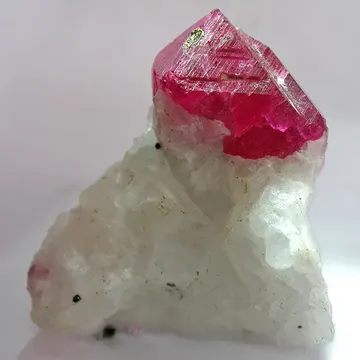 Ruby Red corundum
-
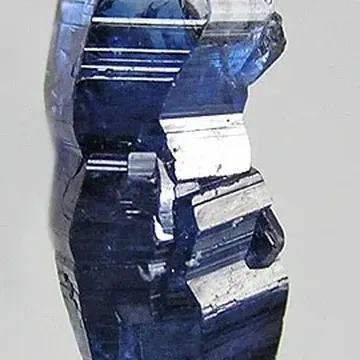 Sapphire Corundum, every other colour
-
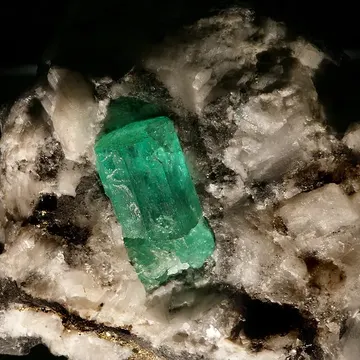 Emerald Green beryl
-
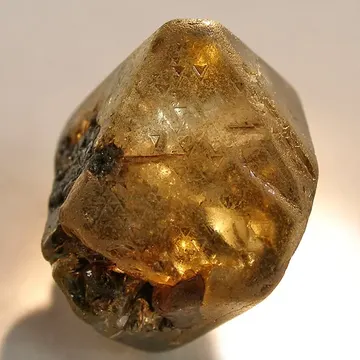 Diamond Carbon, natural and lab
-
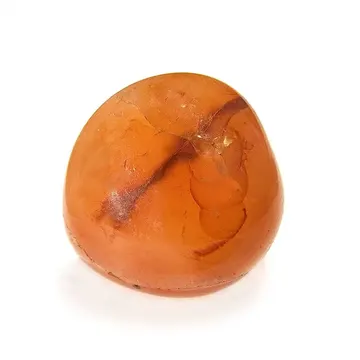 Carnelian Orange chalcedony
-
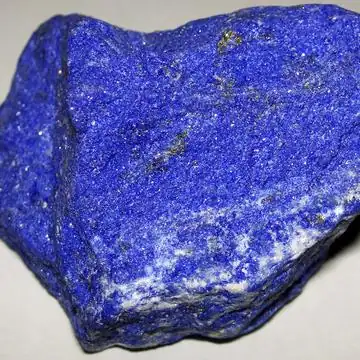 Lapis lazuli Blue rock with gold pyrite
-
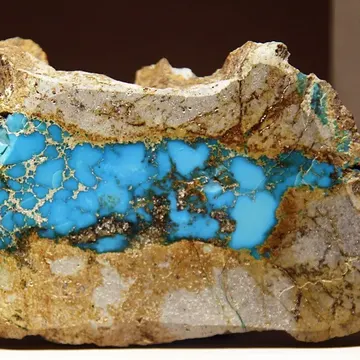 Turquoise Copper phosphate, sky blue
-
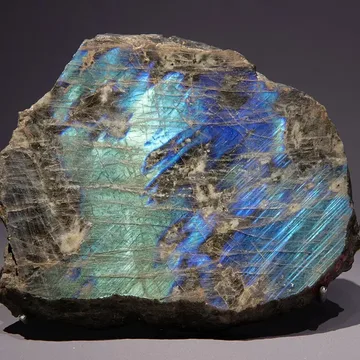 Labradorite Flashes of blue and gold
-
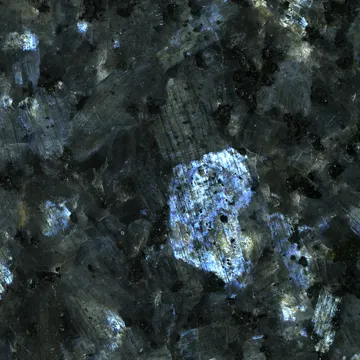 Larvikite Norway’s rock that flashes blue
-
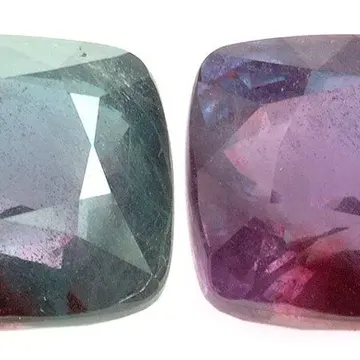 Alexandrite Green by day, red by lamplight
-
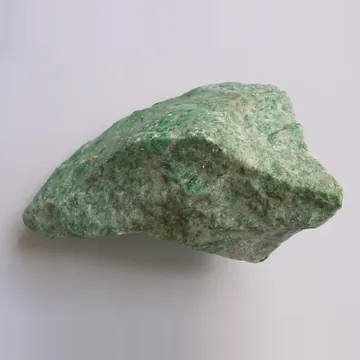 Jade Jadeite and nephrite
-
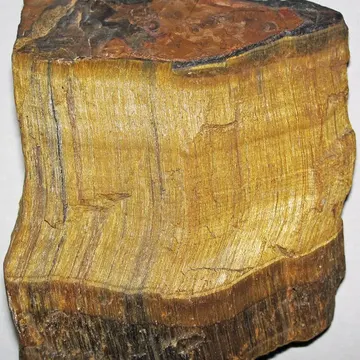 Tiger's eye Quartz with golden fibres
-
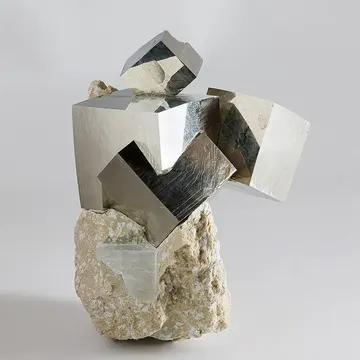 Pyrite Fool’s gold, gold all the way through
-
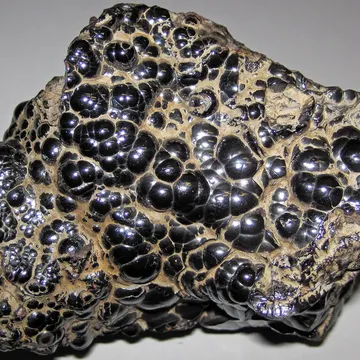 Hematite Iron ore with a blood-red streak
-
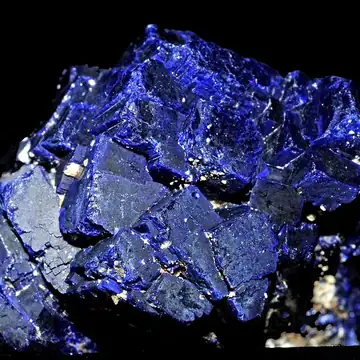 Azurite Deep blue copper carbonate
-
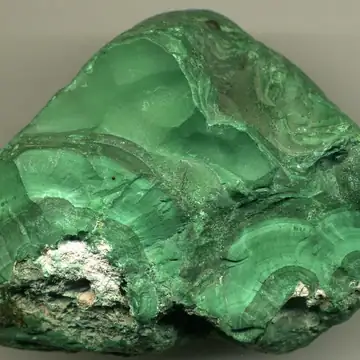 Malachite Banded green copper stone
-
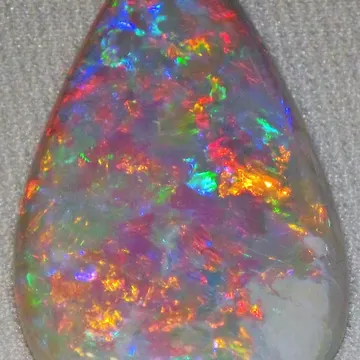 Opal Silica that splits light
-
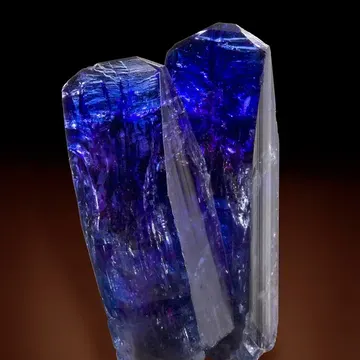 Tanzanite Blue-violet zoisite from one small area of Tanzania
-
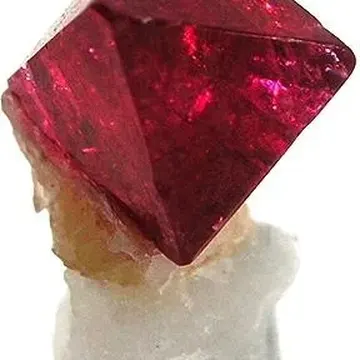 Spinel The ruby in the crown that is not
-
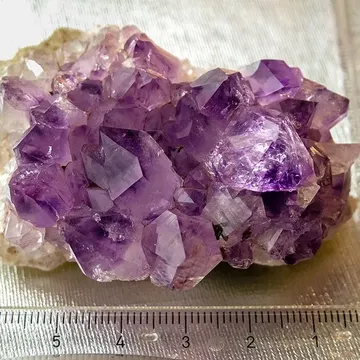 Amethyst Purple quartz
-
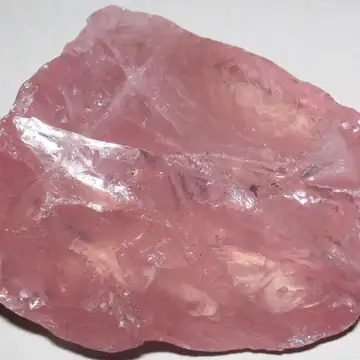 Rose quartz Pink quartz, rarely crystals
-
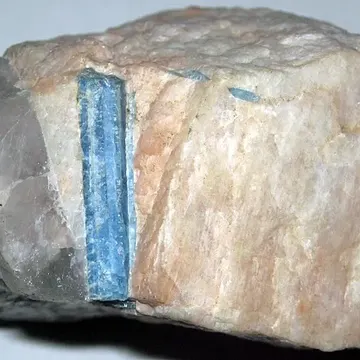 Aquamarine Sea-blue beryl
-
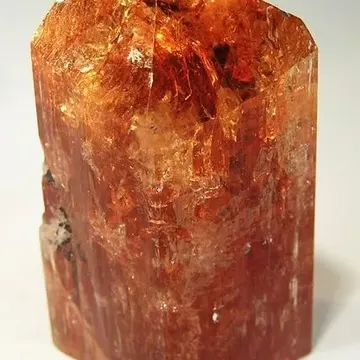 Topaz Blue, golden and imperial
-
 Blue topaz Sky, Swiss and London
-
 Smoky topaz Usually smoky quartz
-
 Lemon topaz Usually lemon quartz
-
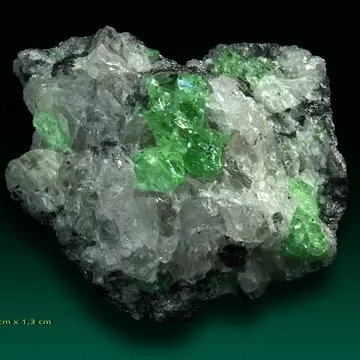 Garnet A whole family, red to green
-
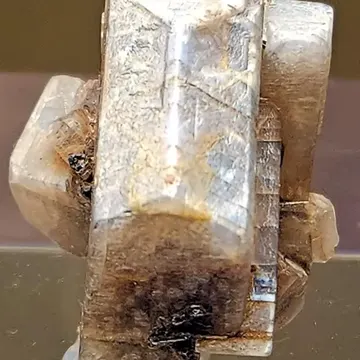 Moonstone Feldspar with a floating glow
-
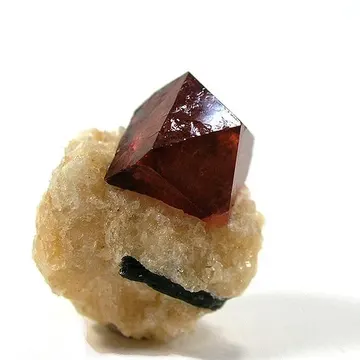 Zircon Natural, not cubic zirconia
-
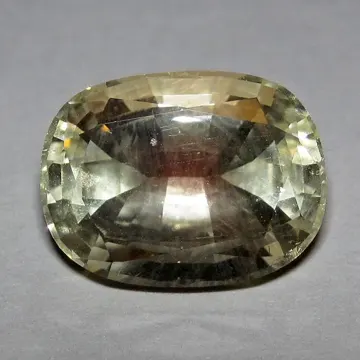 Sunstone Feldspar that glitters
-
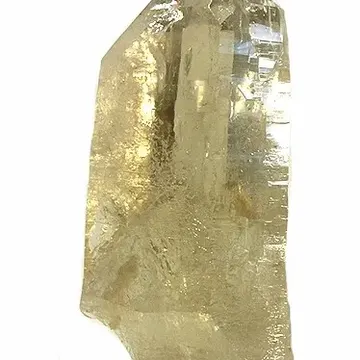 Citrine Golden quartz, mostly heated
-
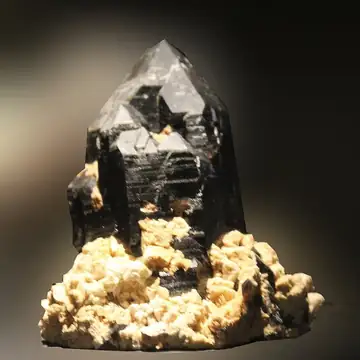 Smoky quartz Quartz browned by radiation
-
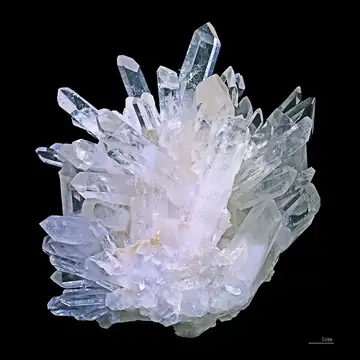 Clear quartz Rock crystal, also lab-grown
-
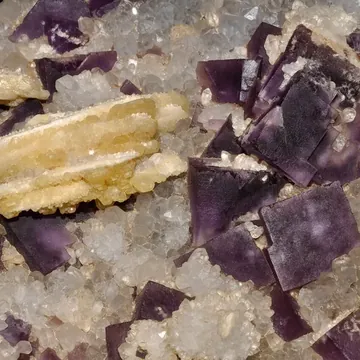 Fluorite Rainbow cubes that glow in UV
-
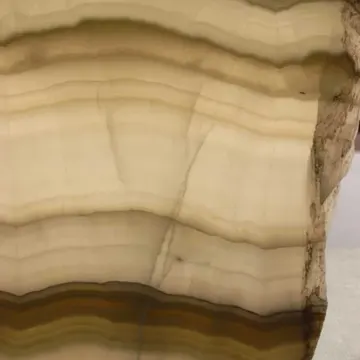 Green onyx Onyx marble and green chalcedony
-
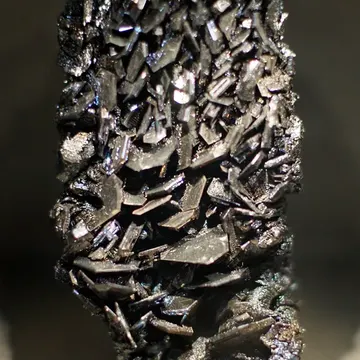 Moissanite Lab-made silicon carbide
-
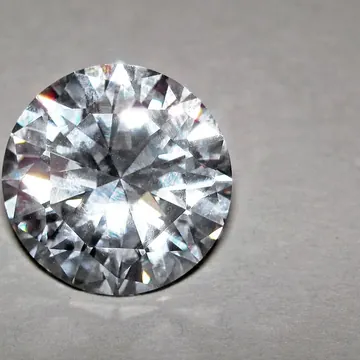 Cubic zirconia Lab-made diamond simulant
-
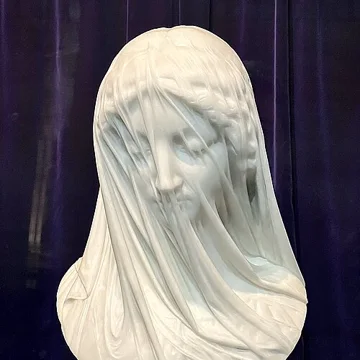 Marble The sculptor's stone
Same mineral, a hundred times the price
100× A mined sapphire can cost a hundred times a lab one of the same mineral, and many times its size.
That gap is the whole story of the gem world: rarity, not chemistry, sets the price of a mined stone, while a lab stone costs what it takes to grow. Here are real listings, so you can check us.
Amazon prices as of . Prices and availability are accurate as of that date and time and are subject to change; the price shown on Amazon at the time of purchase applies.
The starter kit
A loupe, a UV torch, locking tweezers, gem boxes and a pocket scale: the five tools that let you see, handle, store and check every stone, plus a turntable to show it off. The full collector's kit.
 LookGemOro 10x triplet loupeabout $15
 LookDARKBEAM filtered 365 nm UV flashlightabout $13
 HandleHonoson locking tweezers, 3 packabout $10
 StoreTeensery gem display boxes with clear lids, 10 packabout $9
 MeasureGemOro Platinum XP500 pocket scale, 0.01 gabout $40
Your first stones
Tools need something to look at. The cheapest real start is a mixed lot of natural cut gems from GemMartUSA, a long-running gem seller. Each lot is a random mix of cut and polished stones that can include garnet, amethyst, citrine, peridot, topaz, carnelian and green onyx. Expect small stones with visible inclusions, which is exactly what makes them good for learning: look inside them with the loupe, weigh them on the scale, shine the UV torch on them, and sort them into boxes. The blue topaz in these lots is treated, as almost all blue topaz is.

The biggest lab gems you can buy loose on Amazon
Real lab-grown stones only, biggest first, checked in stock October 11, 2026. All the big lab gems or the full catalog.
 Lab ruby 52.5 ct about $60
 Lab ruby 48 ct about $55
 Lab ruby 30 ct about $35
 Lab ruby 19 to 23 ct about $130
 Lab sapphire 29 ct about $75
 Lab sapphire 8.6 ct about $35
 Lab emerald 11 to 15 ct about $1,050
 Lab emerald 10 to 11.5 ct about $660
 Lab diamond 10.5 ct about $4,400
 Lab diamond 9 ct about $4,050
 Moissanite 10 ct about $160
 Lab sapphire rough 150 ct about $65
Learn the gem world
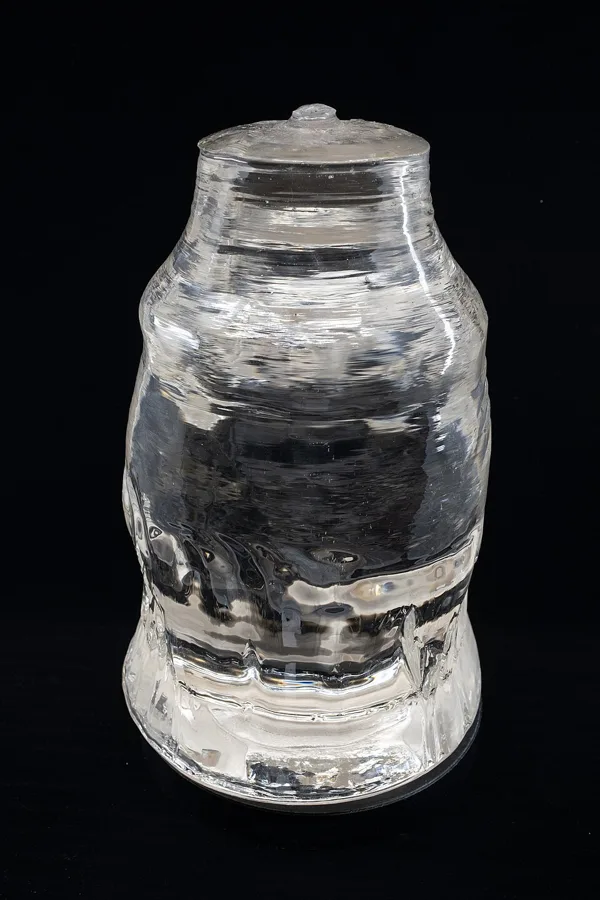 How lab gems are grown The machines, what they cost, how long they take.
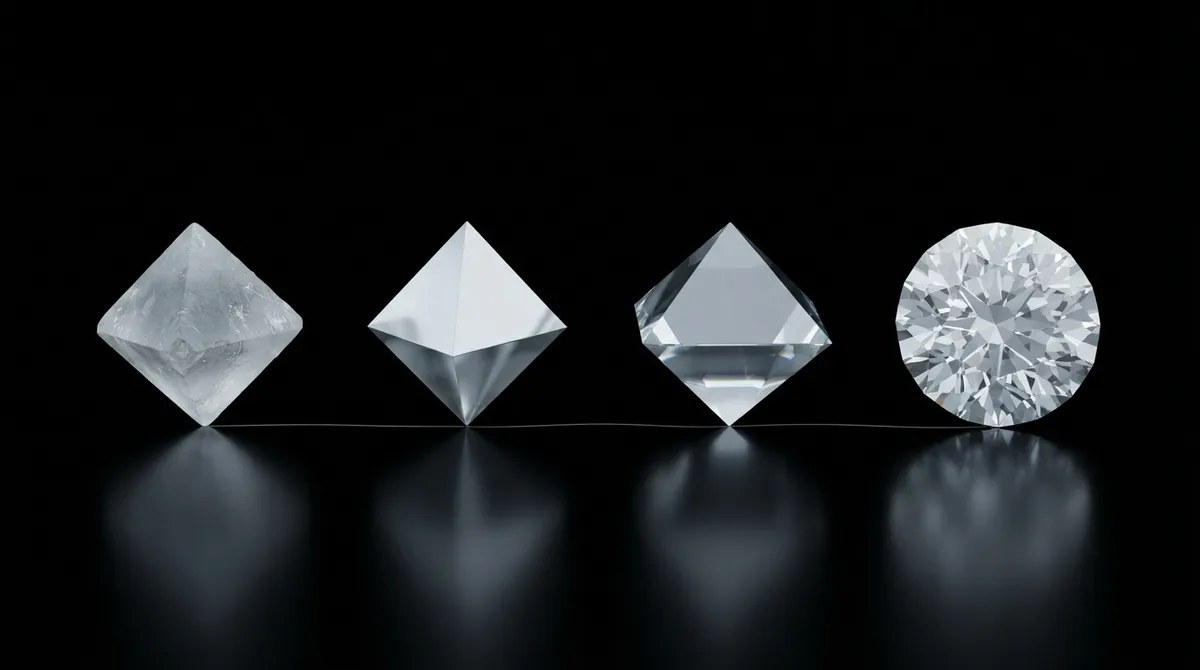 How gems are cut Six steps, ten cuts, what it costs.
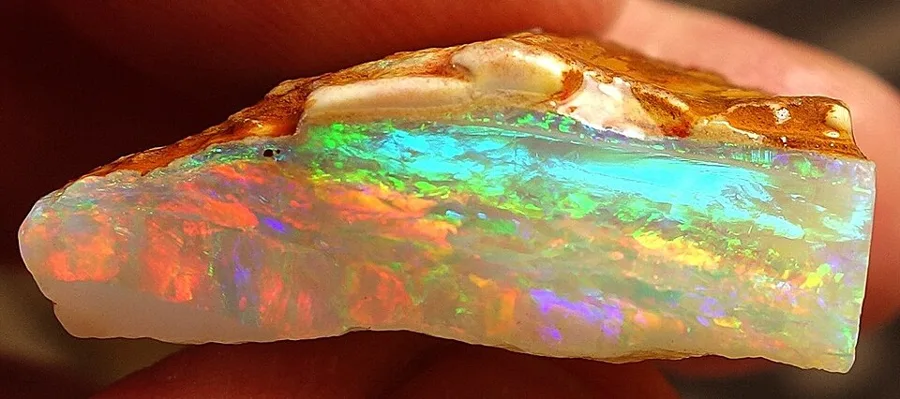 Where gems are mined A map of 50 mining districts.
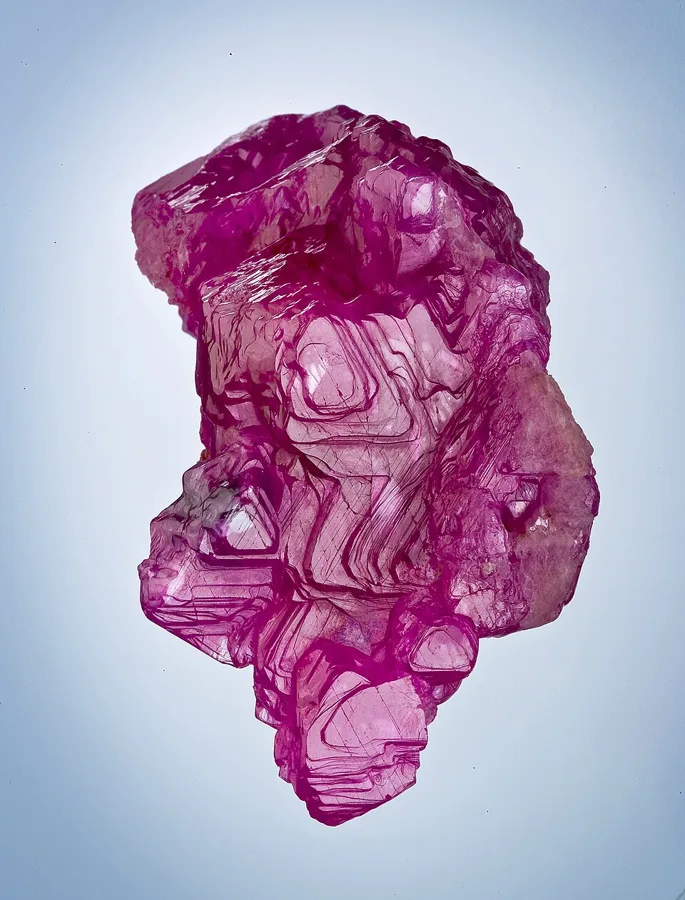 Gem treatments Heat, glass, oil, dye: what is normal. The gem museum The Hope Diamond, the Star of India, and gems still in their rock.
Frequently Asked Questions
Is moissanite a fake diamond?
No. Moissanite is silicon carbide, its own stone, lab-made, harder than any gem except diamond and with more rainbow fire. It is sold as a diamond alternative, and it passes a basic thermal diamond tester, which is why jewellers use an electrical tester to tell them apart. We never call moissanite a diamond: every diamond we link to is labelled lab-grown or natural.
Are lab-grown sapphires and rubies real?
They are real corundum, the same mineral as mined sapphire and ruby, with the same hardness and chemistry. They are grown in a furnace rather than dug up, which is why they cost a small fraction of mined stones and usually show cleaner, more even colour.
What do D colour and VVS1 mean on an Amazon listing?
They are grades borrowed from the diamond scale: D is the top colourless grade, VVS1 means inclusions are very hard to see under 10x magnification. On a moissanite or melee listing they are the seller's description of a batch, not a laboratory grade of the stone you receive, unless a report from a lab like GIA or IGI is included.
Amazon links are affiliate links (tag thegemtray-20): buying through them costs you nothing extra and supports the site. As an Amazon Associate we earn from qualifying purchases. Amazon prices are rounded, as of the time stated above the first price.