
Our first pick
Instagem citrine, cushion checkerboard cut, 14 x 12 mm, about 7 to 8.6 ct
about $120
A large, well-cut citrine from a long-running gem seller that grades its stones.
See it on AmazonQuartz · SiO₂ · 7
Citrine is yellow to orange quartz. Natural citrine is rare and is usually a pale yellow or soft amber. Most citrine sold today is amethyst that has been heated until its purple turns yellow, orange or reddish brown. That is a standard, permanent treatment, and the result is still quartz, so it is not a fake. But it is not natural citrine either. The orange-tipped clusters on white bases sold as citrine are almost always heated amethyst. Citrine is November's birthstone, along with topaz.
The same stone at four moments. Tap a photo of a listing to see it on Amazon.
01 In the ground (step 1 of 4)
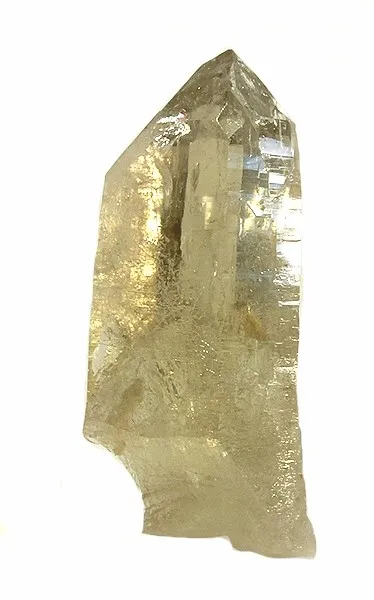
A natural citrine crystal from Araçuaí, Brazil: soft amber, never heated.
Real specimen. Photo: Robert M. Lavinsky, CC BY-SA 3.0.
02 Raw (step 2 of 4)

Half a pound of rough sold as citrine. Most rough like this is heated amethyst.
Amazon listing photo. See it on Amazon
03 Cut (step 3 of 4)

A 15 mm round citrine, about 12 ct, Portuguese cut, from Instagem.
Amazon listing photo. See it on Amazon
04 Set (step 4 of 4)

A 4.60 ct citrine in an 18kt gold over sterling ring by Ross-Simons.
Amazon listing photo. See it on Amazon
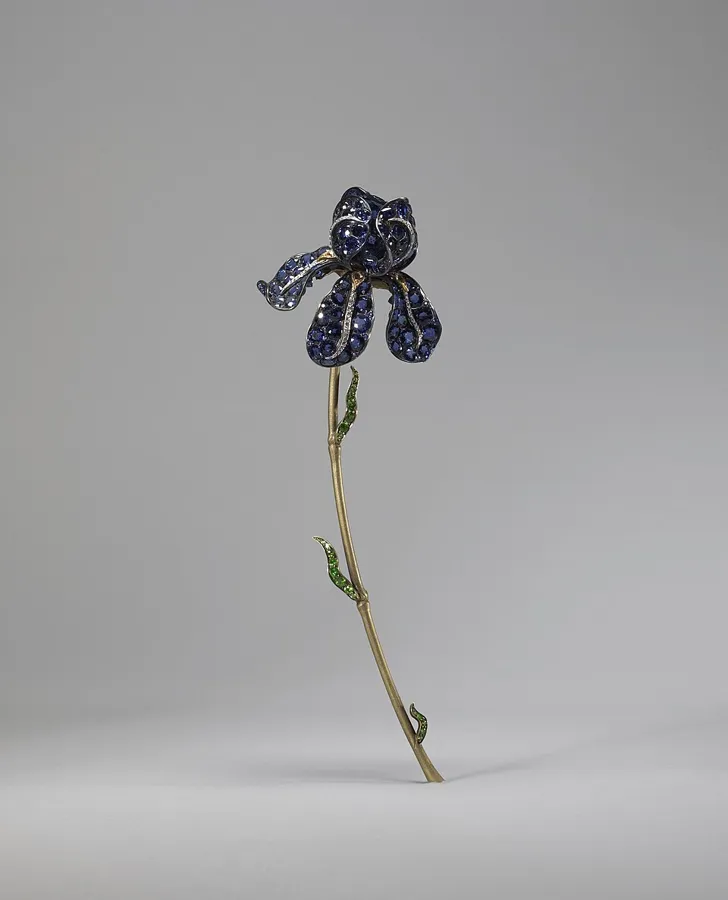
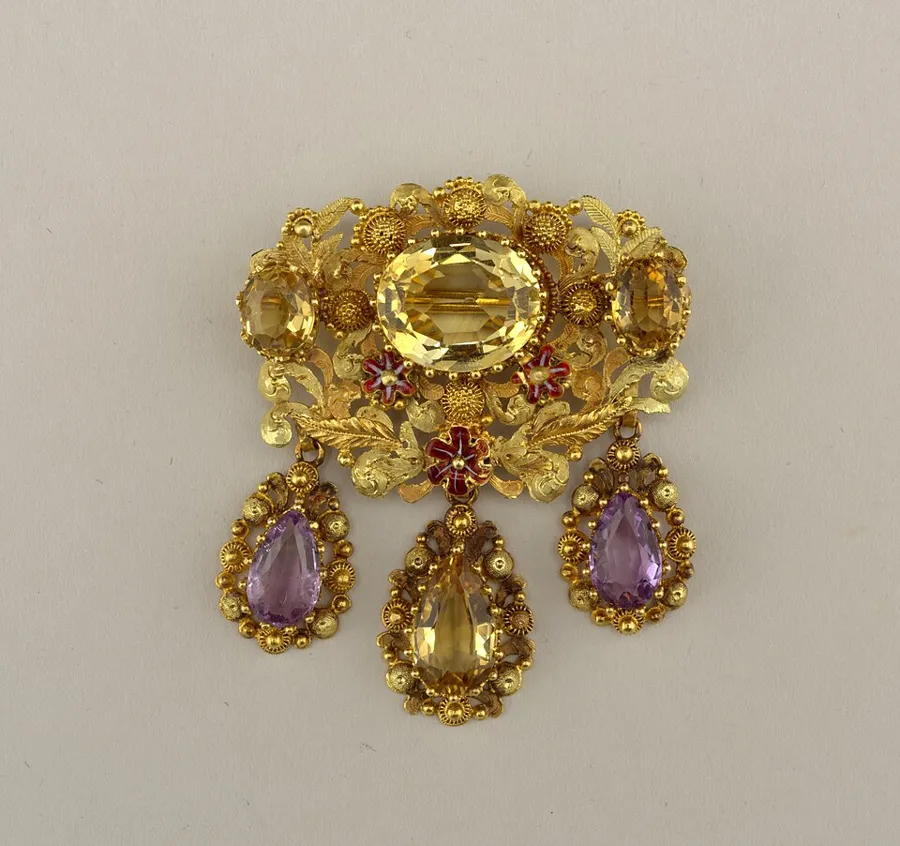
What the finest natural stones look like: real pieces in public collections. The whole gem museum.
| Natural citrine | Heated amethyst (most "citrine") | |
|---|---|---|
| What it is | Quartz that grew yellow in nature | Natural amethyst heated until it turns yellow to orange |
| Colour | Pale yellow, champagne or soft amber, often a little smoky | Golden to orange, often with a reddish tint; clusters have orange tips on white bases |
| Tell-tale sign | Even, gentle colour; usually sold by specialist sellers with a stated origin | Colour concentrated in the crystal tips; white or clear base below |
| Price | More than heated citrine for the same look, and hard to find | Low: a few dollars to tens of dollars a carat |
| How it is listed | Says natural, unheated or untreated, often names Congo, Brazil or Madagascar | Usually just "citrine" or "natural citrine" |
The word natural on a citrine listing usually means natural quartz, not natural colour. If a cluster or geode has deep orange tips on a white or clear base, it is heated amethyst whatever the title says. True natural citrine is paler, rarer and usually sold as single crystals or points with a named locality. Treat faceted citrine as heated unless the seller says otherwise.
Treatments. Heat is the big one: most citrine on the market is amethyst, or sometimes smoky quartz, heated to turn it yellow, orange or reddish brown. The colour is stable and permanent. Natural citrine can fade with long exposure to strong light and heat, so keep it out of hot sunny windows. Clean with warm soapy water. All gem treatments explained.
Pins mark mining districts, not exact mines. Drag to move, pinch or scroll to zoom, tap a pin to read about it. Map data © OpenStreetMap contributors.
Lab citrine is mostly machine-cut in calibrated sizes, which is why a cut lab stone costs little more than its rough. Fine mined stones are often native-cut to keep weight, then recut by precision cutters. See cuts from easiest to hardest and whether cutting your own is cheaper than buying cut.
Checked in stock on October 10, 2026. Photos are the listings' own; prices are rounded.
Our first pick
about $120
A large, well-cut citrine from a long-running gem seller that grades its stones.
See it on AmazonAlso good
about $280
Big citrines in solid gold at a fair price; Ross-Simons labels its imitations as simulated.
See it on AmazonAlso good
about $250
Natural citrine in solid gold from a gem jeweller that names its stones.
See it on AmazonAlso good
about $100
Simple real citrine studs in solid gold.
See it on AmazonAlso good
about $140
A big, honest example of what most citrine really is: heated amethyst. Buy it knowing that.
See it on AmazonEvery piece names the real stone and comes from a seller with a record, checked in stock on October 11, 2026. Photos are the listings' own; prices are rounded.
Loose stones11.5 to 12.75 ctInstagem citrine, round Portuguese cut, 15 mm, about 11.5 to 12.75 ctA big, deep-cut round. Assume heated amethyst unless told otherwise.about $165on Amazon → Loose stones10 ctInstagem lemon citrine, round star cut, 15 mm, about 10 ctPale lemon yellow.about $39on Amazon →
 Loose stonesInstagem citrine, cushion checkerboard, 8 mm, AAAA (heirloom grade)about $55on Amazon →
 Loose stones3.2 to 3.75 ctInstagem citrine, oval, 12 x 9 mm, about 3.2 to 3.75 ctA starter-priced faceted citrine.about $27on Amazon →
 Loose stones2.4 to 2.95 ctInstagem citrine, pear, 12 x 8 mm, about 2.4 to 2.95 ct, AAAabout $33on Amazon →
 Carvings and decorGAF Treasures polished honey citrine cluster with cut base, 3 to 4 lbHeated amethyst, sold as citrine.about $140on Amazon →
 Carvings and decorGeodora citrine crystal cluster, about 0.72 lbHeated amethyst, sold as citrine.about $36on Amazon →Raw and tumbledZentron rough citrine crystal stones, 1/2 lbMostly heat-treated amethyst points; the orange tips give it away.about $11on Amazon →
 Raw and tumbledZenkeeper raw citrine crystal stones, 1 lbMostly heat-treated amethyst points.about $18on Amazon →
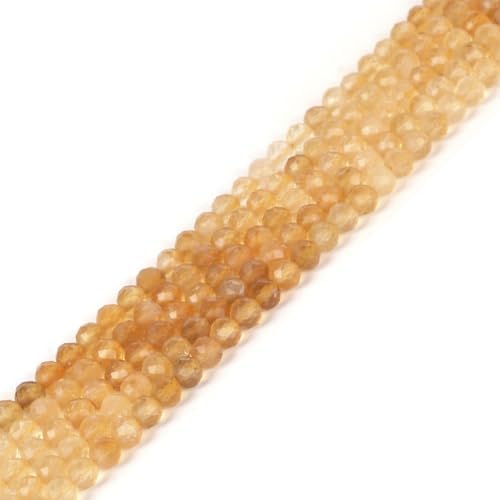 BeadsJustinstones citrine faceted round beads, 4 mm, 16 in strandabout $13on Amazon →
 BeadsGEM-Inside natural yellow citrine quartz faceted beads, 3 mm, 15 in strandabout $10on Amazon →
 BeadsJoe Foreman yellow citrine round beads, 3 mm, 15 in strandabout $11on Amazon →Jewellery4.60 ctRoss-Simons 4.60 ct citrine ring, 18kt gold over sterlingabout $140on Amazon →
 Jewellery6.00 ctRoss-Simons 6.00 ct citrine ring, 18kt gold over sterlingabout $170on Amazon →
 Jewellery2.00 ctRoss-Simons 2.00 ct citrine and diamond sun pendant, 18kt gold over sterlingabout $280on Amazon →
 JewelleryRoss-Simons citrine and smoky quartz sunflower pendant, 18kt gold over sterlingabout $190on Amazon →
 JewelleryMAX + STONE citrine solitaire pendant, 8 mm cushion, 14K white goldabout $235on Amazon →
 JewelleryDecadence natural citrine stud earrings, 5 mm cushion, 14K yellow goldabout $100on Amazon →
Five tools that let you check what you bought (a loupe, a UV torch, locking tweezers, a gem box and a pocket scale), plus a turntable that spins your stone under the light the way jewellers show one. The full collector's kit.
 LookGemOro 10x triplet loupeunder $20
 LookDARKBEAM filtered 365 nm UV flashlightabout $10
 HandleHonoson locking tweezers, 3 packabout $10
 StoreTeensery gem display boxes with clear lids, 10 packabout $9
 ShowComXim motorized turntable, adjustable speed and directionabout $15
 MeasureGemOro Platinum XP500 pocket scale, 0.01 gabout $40
In short
Citrine grows over millions of years in the earth, or in hours to months in a lab. Both are real citrine; the mined stone is rare and priced for rarity, the lab stone is priced for the cost of growing it. Buy lab to wear and enjoy, check the listing names the mineral, and test it when it arrives.
See our first pick: Instagem citrine, cushion checkerboard cut, 14 x 12 mm, about 7 to 8.6 ctIt is not fake, but most of it is heated amethyst. Amethyst is heated until the purple turns yellow or orange. It is still real quartz, but it is not natural citrine.
Heated amethyst is usually orange to reddish, and clusters show dark orange tips fading into a white base. Natural citrine is a softer, more even pale yellow or amber. A gem lab can confirm it.
Small amounts come from Brazil, the Democratic Republic of the Congo, Madagascar, Russia and a few other places. Natural citrine is far rarer than amethyst.
Quartz that is part amethyst and part citrine in one crystal. Most natural ametrine comes from the Anahí mine in eastern Bolivia.
Natural citrine can fade with long exposure to strong sunlight or heat. Heated citrine is generally stable. Either way, do not leave it in a hot window.
Amazon links are affiliate links (tag thegemtray-20): buying through them costs you nothing extra and supports the site. As an Amazon Associate we earn from qualifying purchases.


