We earn a commission if you buy through links on this page, at no extra cost to you.

Metamorphic rock · calcite (CaCO₃) · 3 to 4

Marble

Updated October 16, 2026

Marble is limestone that was buried and baked by heat and pressure deep in the earth until its calcite grains recrystallised into a dense, sparkling stone. Pure marble is white; veins of grey, green, gold and black come from clay, iron and other minerals mixed in. It is soft enough to carve but takes a high polish and holds detail for thousands of years, which is why the great sculptors, from the Greeks to Michelangelo, Bernini and Canova, chose it. The most famous is Carrara marble from the Apuan Alps in Tuscany, quarried since Roman times.

From the ground to your hand

The same stone at four moments. Tap a photo of a listing to see it on Amazon.

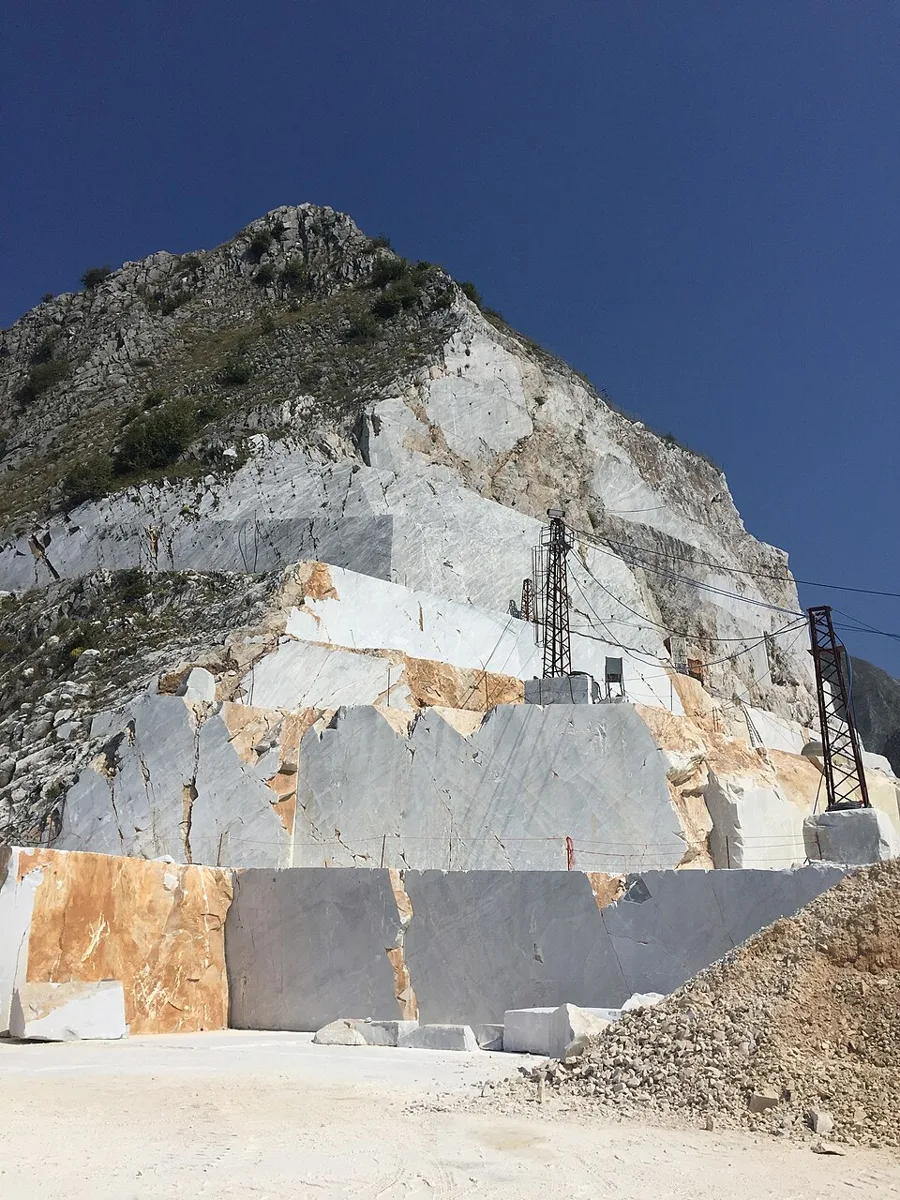
  1. 01 In the ground (step 1 of 4)

    A working quarry face at Carrara in the Apuan Alps of Tuscany, quarried since Roman times.

    A working quarry face at Carrara in the Apuan Alps of Tuscany, quarried since Roman times.

    Real specimen. Photo: Wittylama, CC BY-SA 4.0.

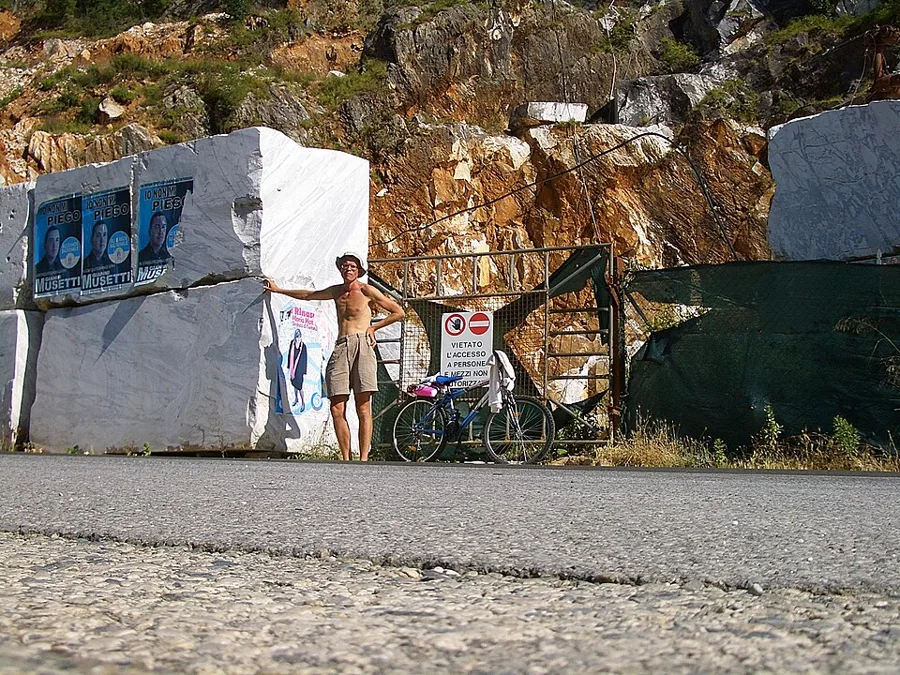
  2. 02 Rough (step 2 of 4)

    Blocks of marble cut from the mountain at Carrara, with a visitor for scale. A statue starts as a block like these.

    Blocks of marble cut from the mountain at Carrara, with a visitor for scale. A statue starts as a block like these.

    Real specimen. Photo: Vmenkov, CC BY-SA 3.0.

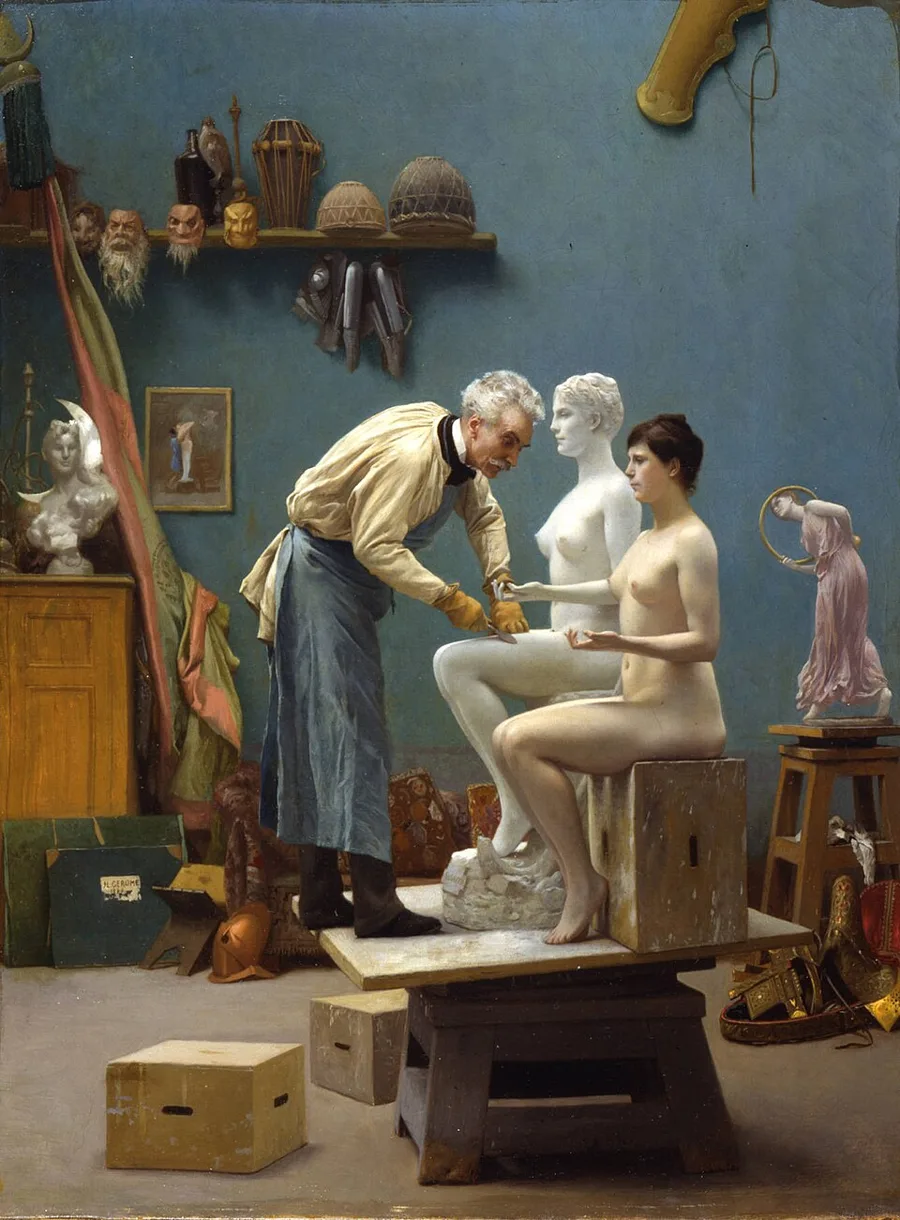
  3. 03 Carved (step 3 of 4)

    Working in Marble (1890), Jean-Léon Gérôme's painting of himself carving a marble statue in his studio.

    Working in Marble (1890), Jean-Léon Gérôme's painting of himself carving a marble statue in his studio.

    Real specimen. Photo: Jean-Léon Gérôme, Public domain.

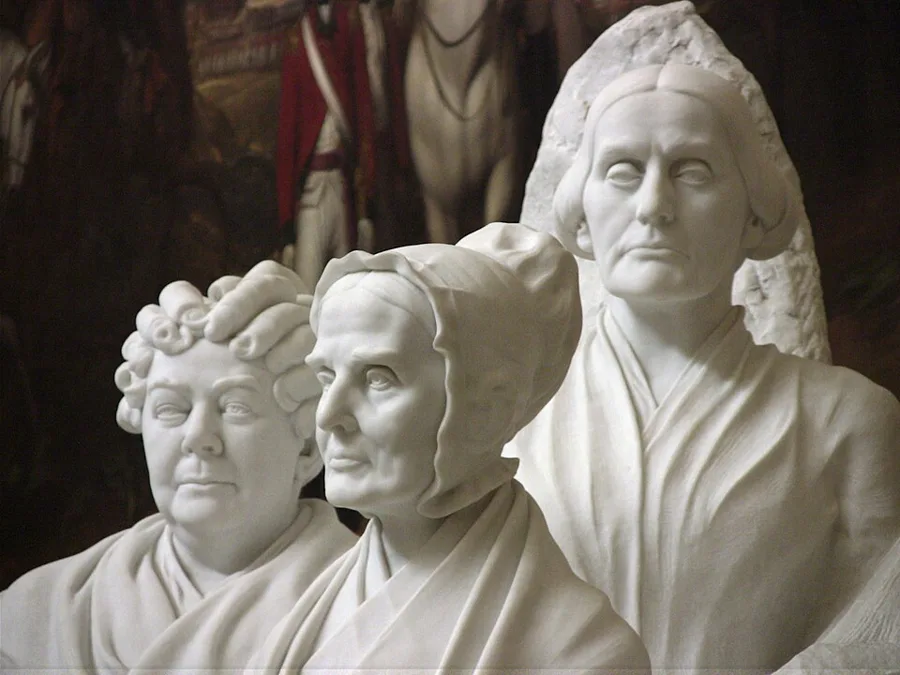
  4. 04 Finished (step 4 of 4)

    The Portrait Monument in the United States Capitol, carved by Adelaide Johnson from a single block of Carrara marble.

    The Portrait Monument in the United States Capitol, carved by Adelaide Johnson from a single block of Carrara marble.

    Real specimen. Photo: DawesDigital, CC0.
Rock
Metamorphic: recrystallised limestone (calcite)
Hardness
3 to 4: a steel knife scratches it
Famous sources
Carrara (Italy), Pentelic and Parian (Greece), Makrana (India)
Weakness
Acids: lemon, vinegar and wine etch it
Grown in labs?
No; "cultured" or "cast" marble is marble dust in resin
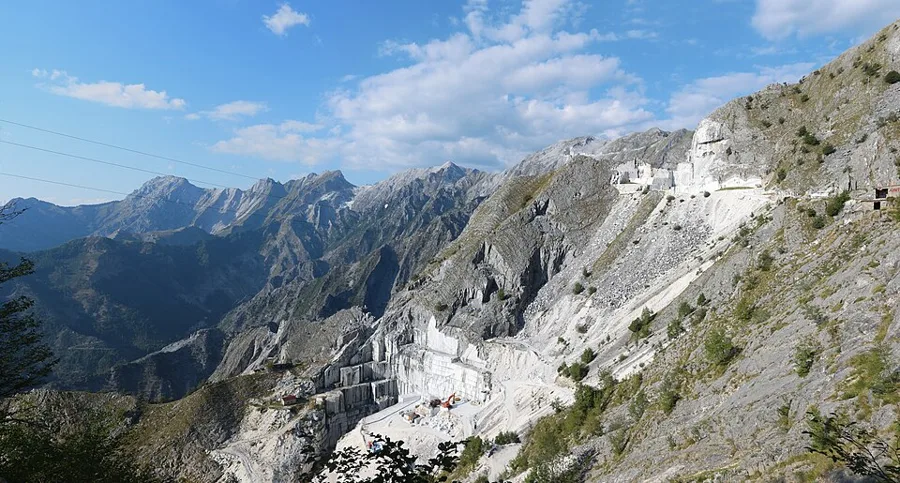
The Apuan Alps above Carrara: the white scars on the mountains are marble quarries, not snow.
The Apuan Alps above Carrara: the white scars on the mountains are marble quarries, not snow. Photo: Ingo Mehling, CC BY-SA 4.0.
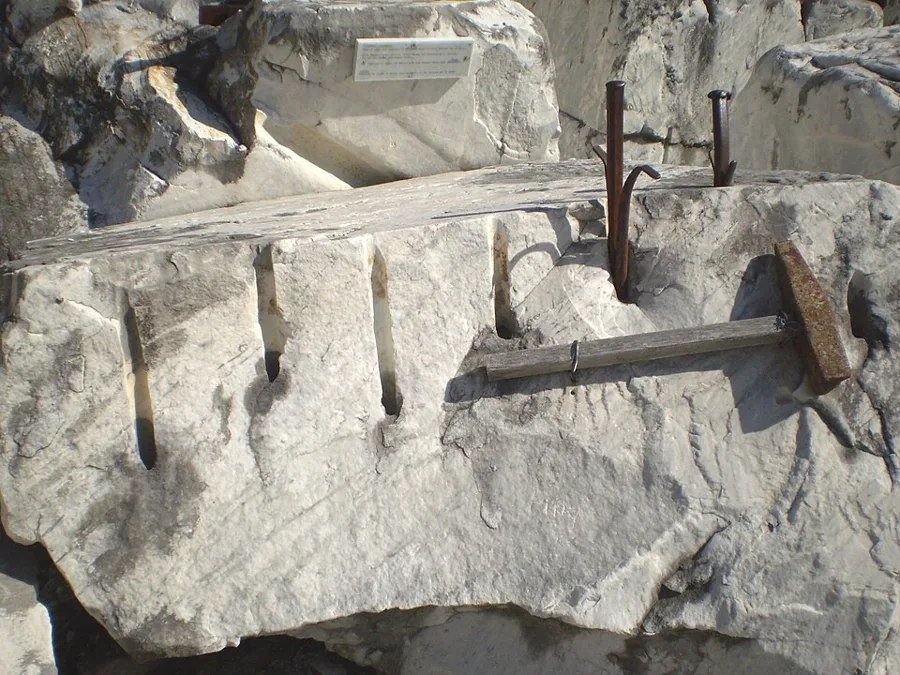
The old way to split marble: holes drilled in a line, then wedges hammered in until the block cracks along the line.
The old way to split marble: holes drilled in a line, then wedges hammered in until the block cracks along the line. Photo: Lucarelli, CC BY-SA 4.0.
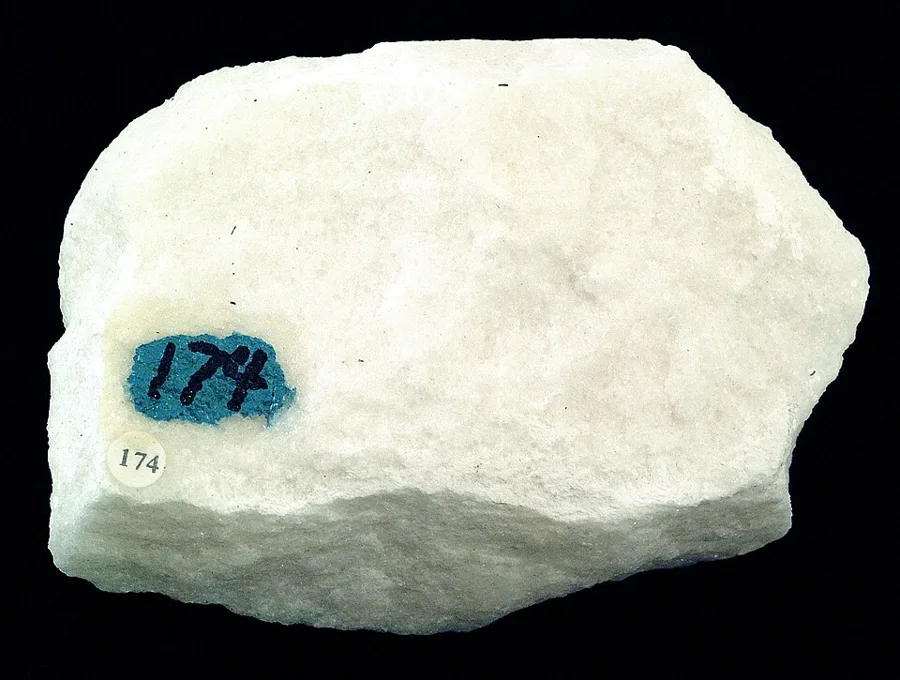
A sample of white marble: the sugary sparkle is countless interlocking calcite crystals.
A sample of white marble: the sugary sparkle is countless interlocking calcite crystals. Photo: Nessa Eull, CC0.

Famous marble in museums

What the finest natural stones look like: real pieces in public collections. The whole gem museum.
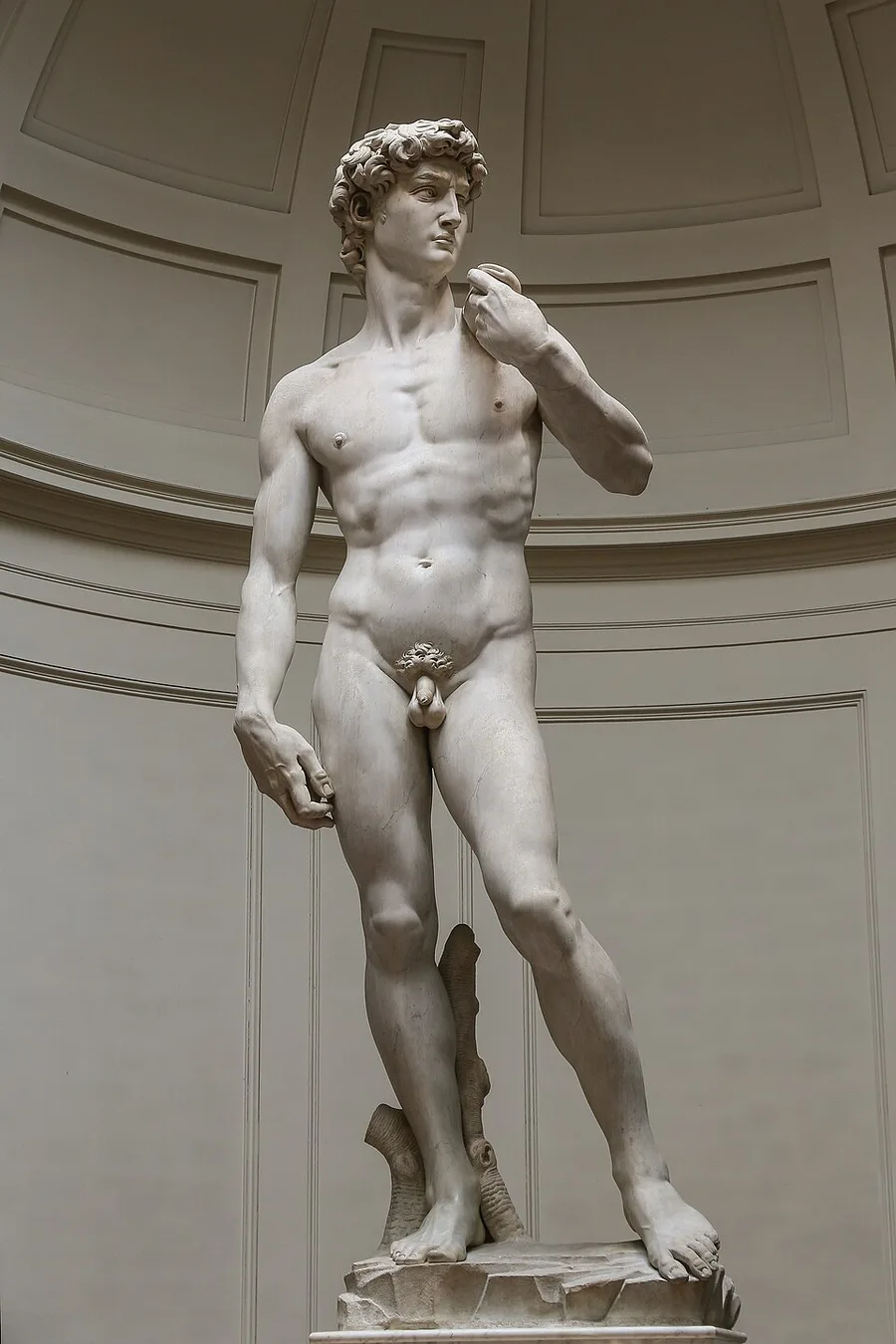
Michelangelo's David: Carrara marble from the Fantiscritti quarry, 5.17 m tall, carved by Michelangelo 1501 to 1504.
Michelangelo's DavidCarrara marble from the Fantiscritti quarry, 5.17 m tall, carved by Michelangelo 1501 to 1504.Galleria dell'Accademia, FlorenceThe block had been started and abandoned by other sculptors, and Florentines called it the giant before Michelangelo took it on.Photo: Jörg Bittner Unna, CC BY 3.0.
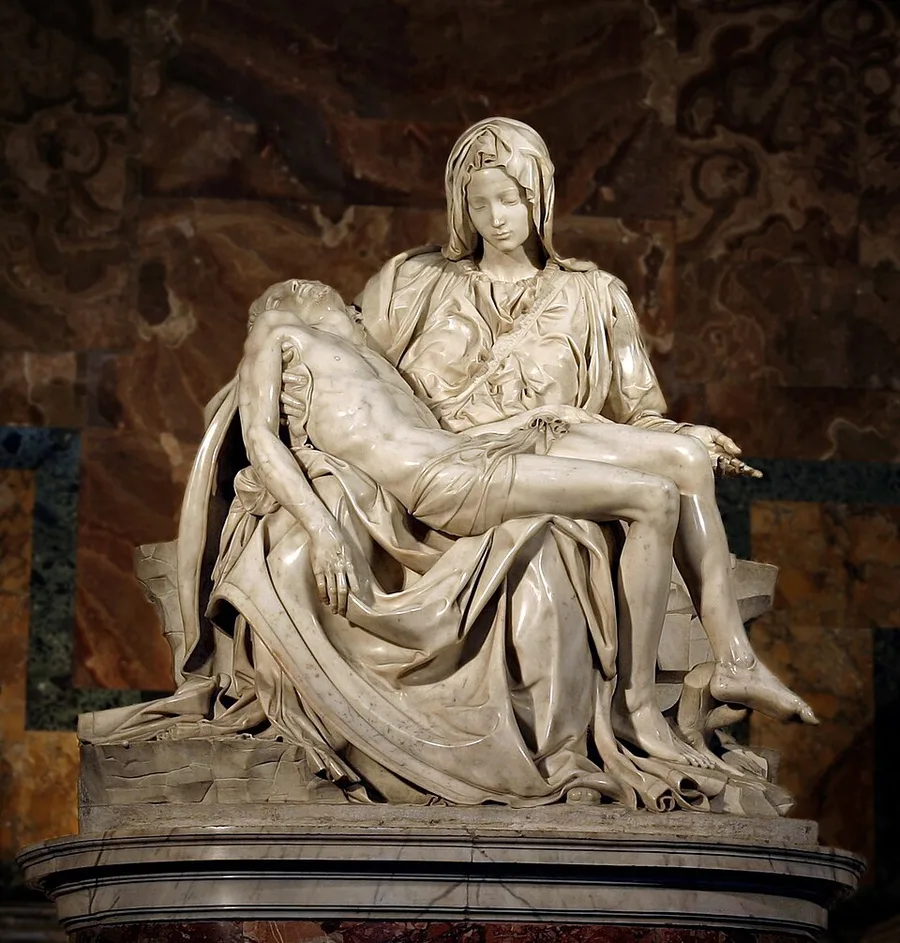
Michelangelo's Pietà: Carrara marble, carved by Michelangelo 1498 to 1499.
Michelangelo's PietàCarrara marble, carved by Michelangelo 1498 to 1499.St Peter's Basilica, Vatican CityIt is the only work Michelangelo signed, after he overheard visitors credit it to another sculptor.Photo: Stanislav Traykov, CC BY 2.5.
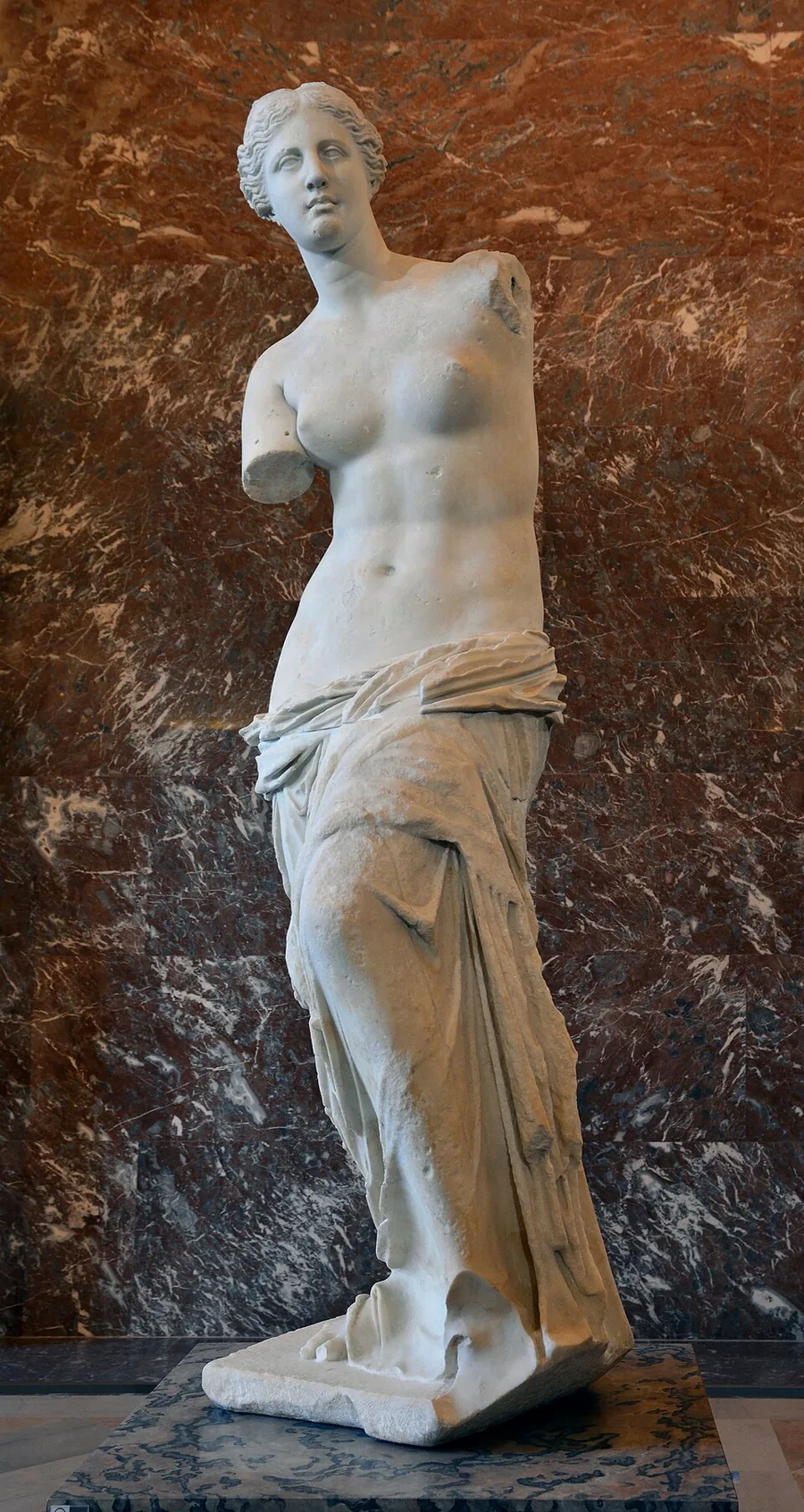
Venus de Milo: Parian marble, over 2 m tall, Hellenistic Greek, probably 160 to 110 BC.
Venus de MiloParian marble, over 2 m tall, Hellenistic Greek, probably 160 to 110 BC.Louvre, ParisIt was found on the island of Milos in 1820 and has been in the Louvre since 1821.Photo: Livioandronico2013, CC BY-SA 4.0.
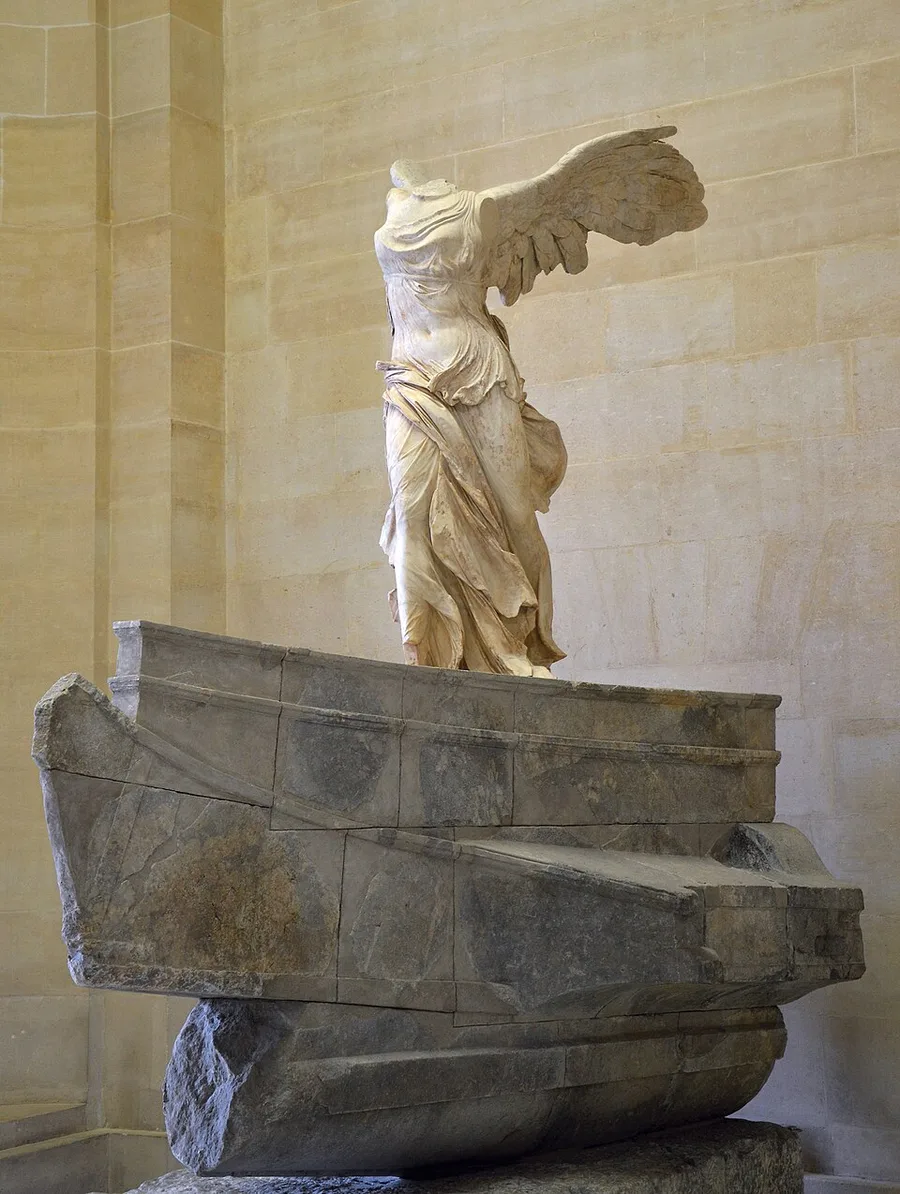
Winged Victory of Samothrace: White Parian marble, the statue alone 2.75 m tall, Hellenistic Greek, about 190 BC.
Winged Victory of SamothraceWhite Parian marble, the statue alone 2.75 m tall, Hellenistic Greek, about 190 BC.Louvre, ParisThe goddess Nike is shown landing on the bow of a warship, which forms the base.Photo: Wikimedia Commons contributor (CC0 dedication), CC0.
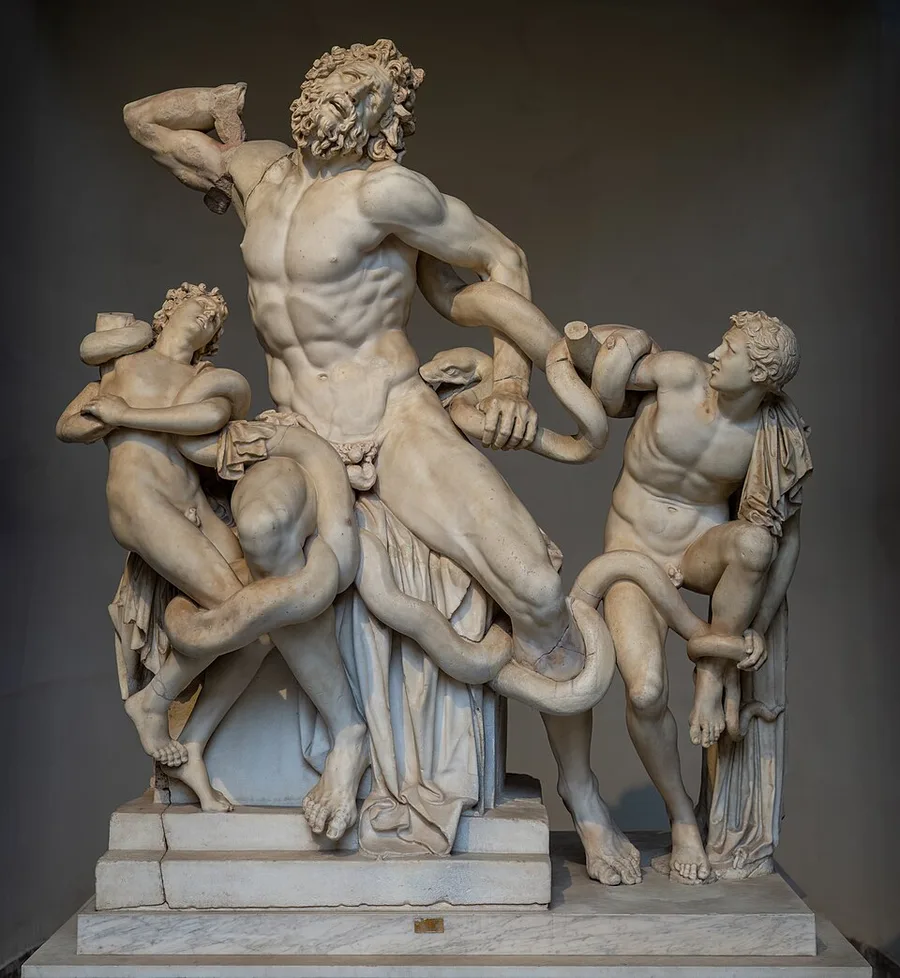
Laocoön and His Sons: Marble group just over 2 m tall, dated anywhere from 200 BC to the 70s AD.
Laocoön and His SonsMarble group just over 2 m tall, dated anywhere from 200 BC to the 70s AD.Vatican Museums, Vatican CityDug up in Rome in 1506, it is very likely the statue Pliny the Elder praised in the highest terms.Photo: Wikimedia Commons contributor (CC0 dedication), CC0.
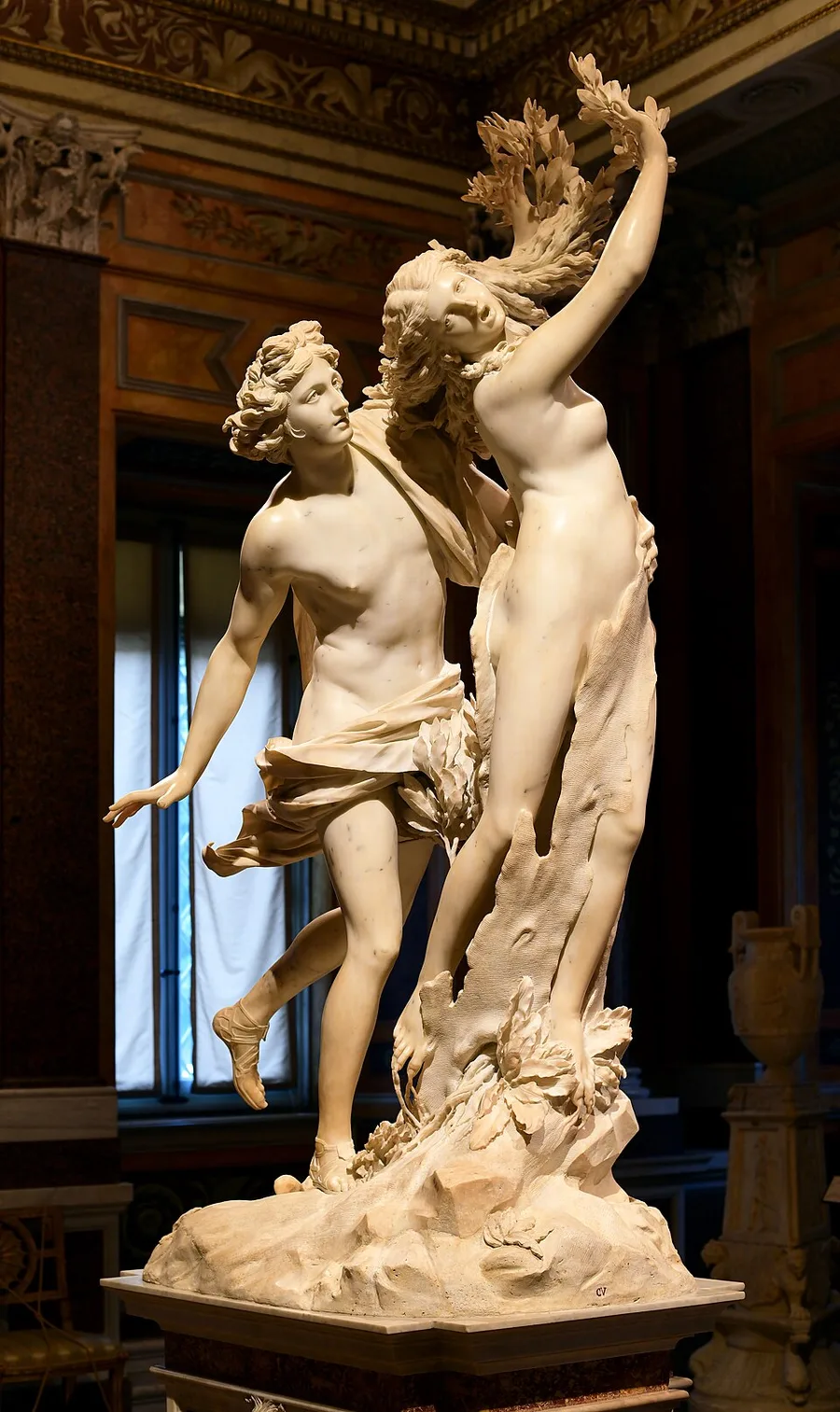
Bernini's Apollo and Daphne: Life-size marble group by Gian Lorenzo Bernini, 1622 to 1625.
Bernini's Apollo and DaphneLife-size marble group by Gian Lorenzo Bernini, 1622 to 1625.Galleria Borghese, RomeBernini caught the instant Daphne's skin turns to laurel bark under Apollo's hand.Photo: Architas, CC BY-SA 4.0.
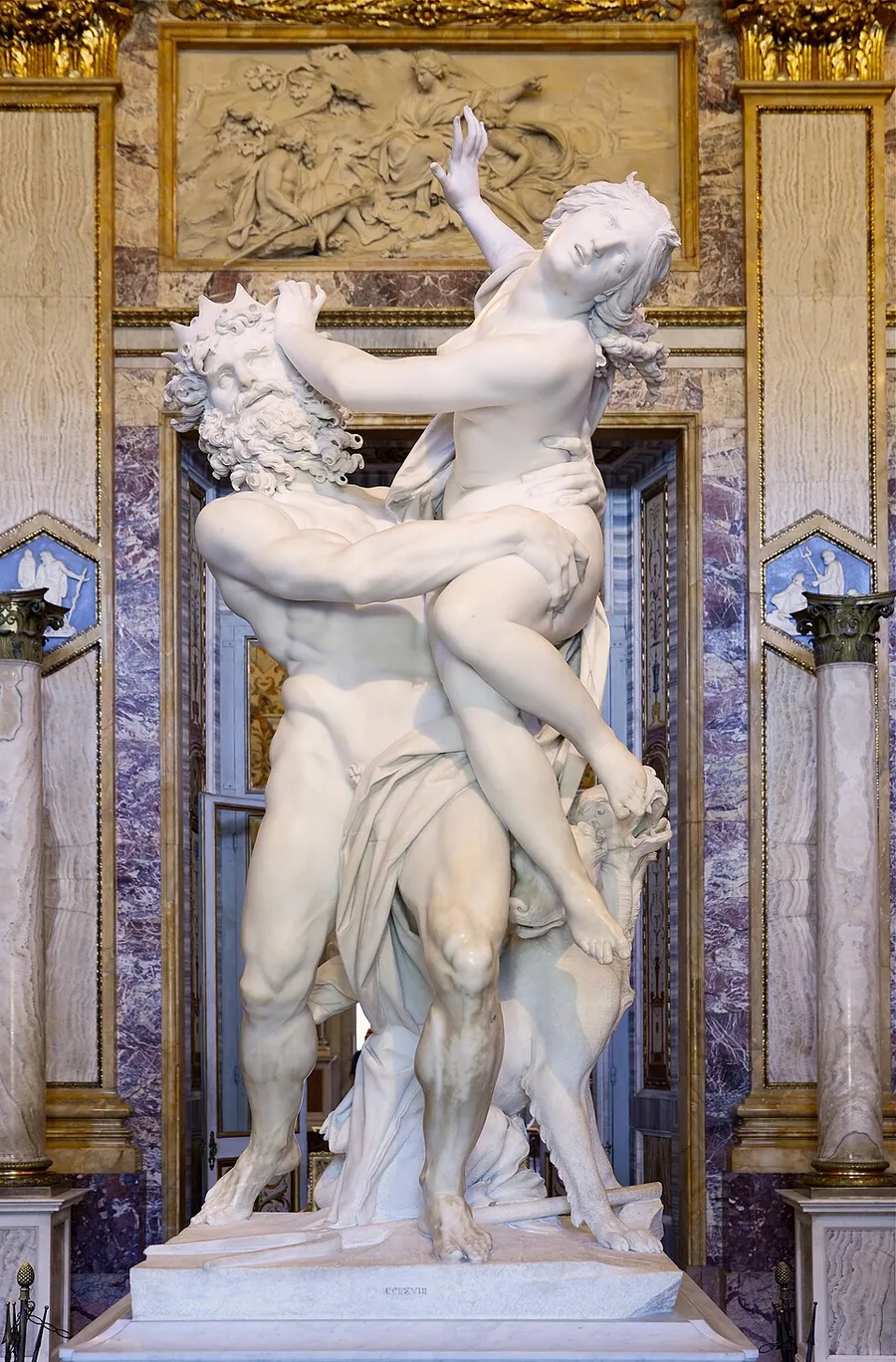
Bernini's Rape of Proserpina: Carrara marble group by Gian Lorenzo Bernini, 1621 to 1622.
Bernini's Rape of ProserpinaCarrara marble group by Gian Lorenzo Bernini, 1621 to 1622.Galleria Borghese, RomeBernini finished it when he was just 23, carving Pluto, Proserpina and Cerberus, the guard dog of the underworld.Photo: Alvesgaspar, CC BY-SA 4.0.
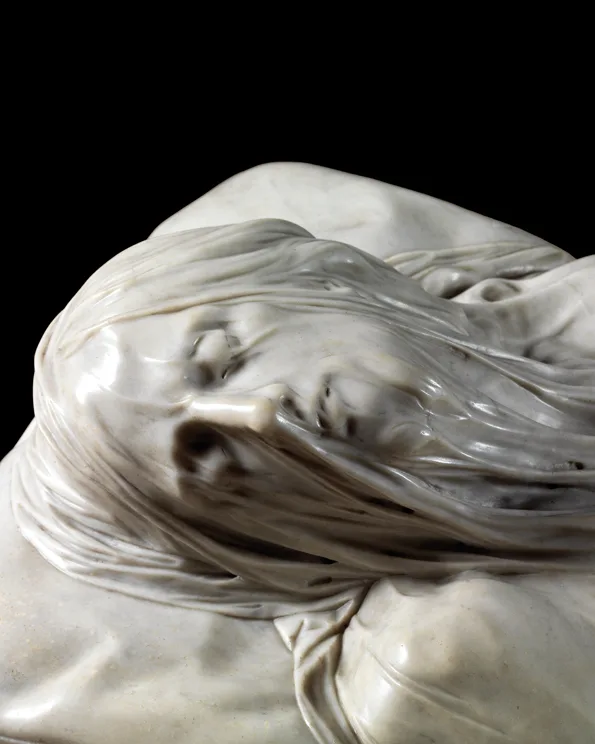
The Veiled Christ: Carved from a single block of white marble by Giuseppe Sanmartino, completed 1753.
The Veiled ChristCarved from a single block of white marble by Giuseppe Sanmartino, completed 1753.Cappella Sansevero, NaplesThe thin veil is cut from the same block as the body, and Canova said he would give ten years of his life to have made it.Photo: David Sivyer, CC BY-SA 2.0.
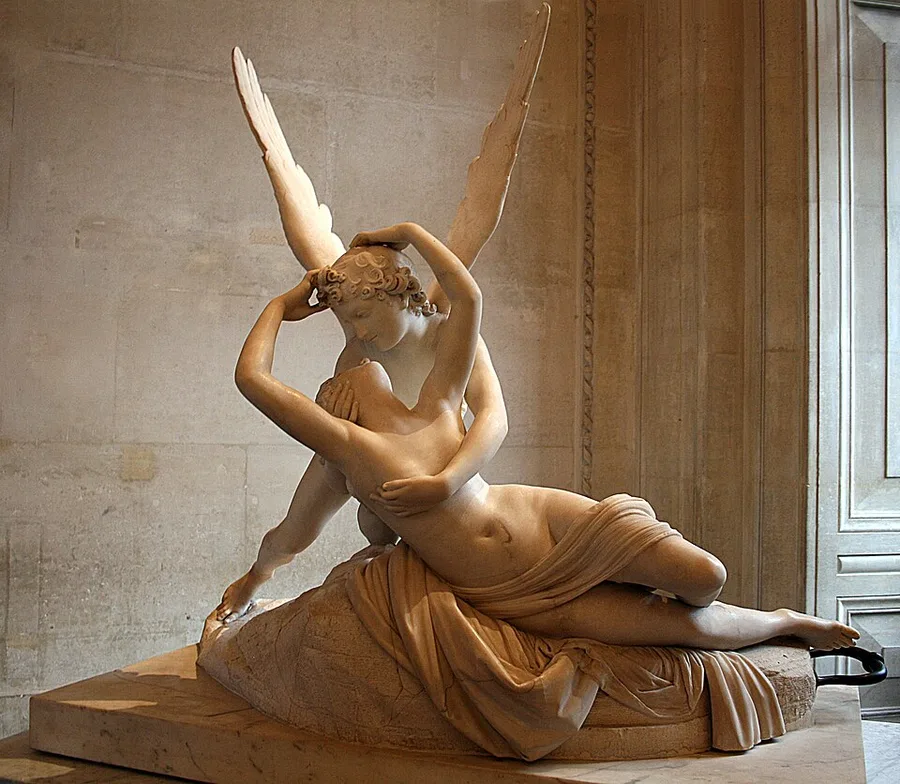
Canova's Psyche Revived by Cupid's Kiss: Marble by Antonio Canova, first commissioned in 1787.
Canova's Psyche Revived by Cupid's KissMarble by Antonio Canova, first commissioned in 1787.Louvre, ParisA handle near Psyche's foot let the statue be turned on its base so viewers could see every side.Photo: Jean-Pol GRANDMONT, CC BY 4.0.
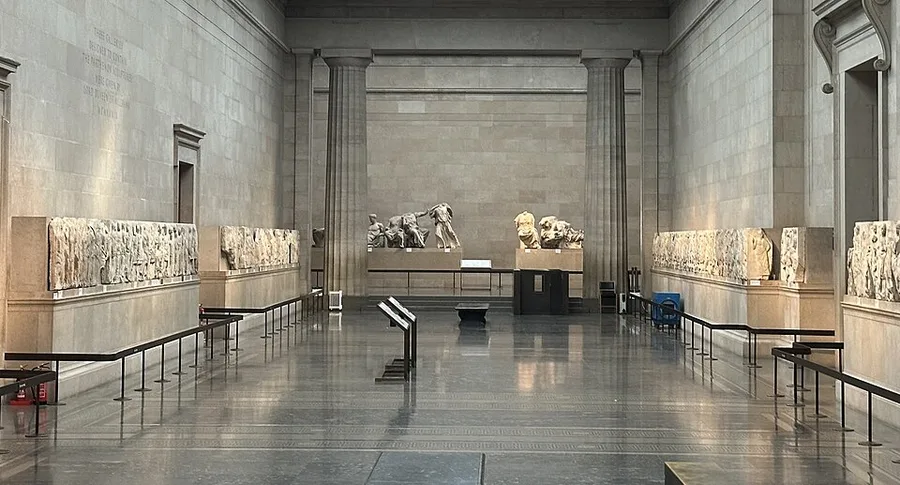
The Parthenon Marbles: Marble sculptures from the Parthenon in Athens, 5th century BC, made under the direction of Phidias; includes 75 m of frieze.
The Parthenon MarblesMarble sculptures from the Parthenon in Athens, 5th century BC, made under the direction of Phidias; includes 75 m of frieze.British Museum, LondonLord Elgin's agents removed them between 1801 and 1812, and Greece formally asked for their return in 1983.Photo: Jay.M, CC BY-SA 4.0.
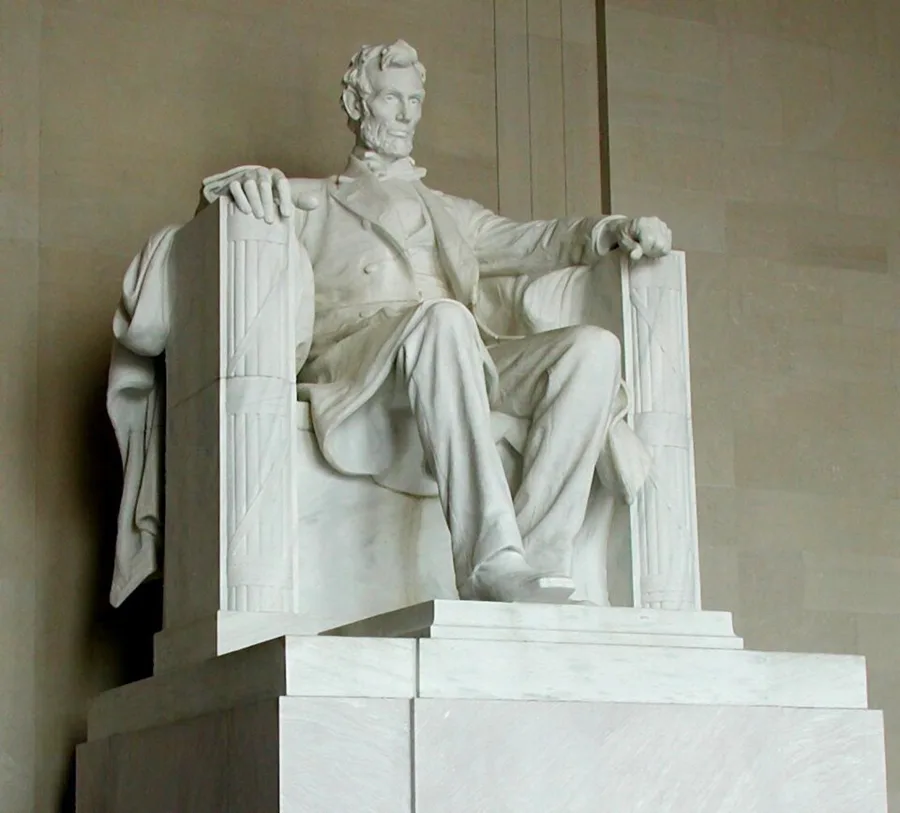
The Lincoln Memorial statue: 28 blocks of white Georgia marble, 170 tons, the seated figure 19 ft high; designed by Daniel Chester French and carved by the Piccirilli Brothers, 1920.
The Lincoln Memorial statue28 blocks of white Georgia marble, 170 tons, the seated figure 19 ft high; designed by Daniel Chester French and carved by the Piccirilli Brothers, 1920.Lincoln Memorial, Washington, D.C.The marble came from a quarry near Tate, Georgia.Photo: Daniel Chester French, Public domain.
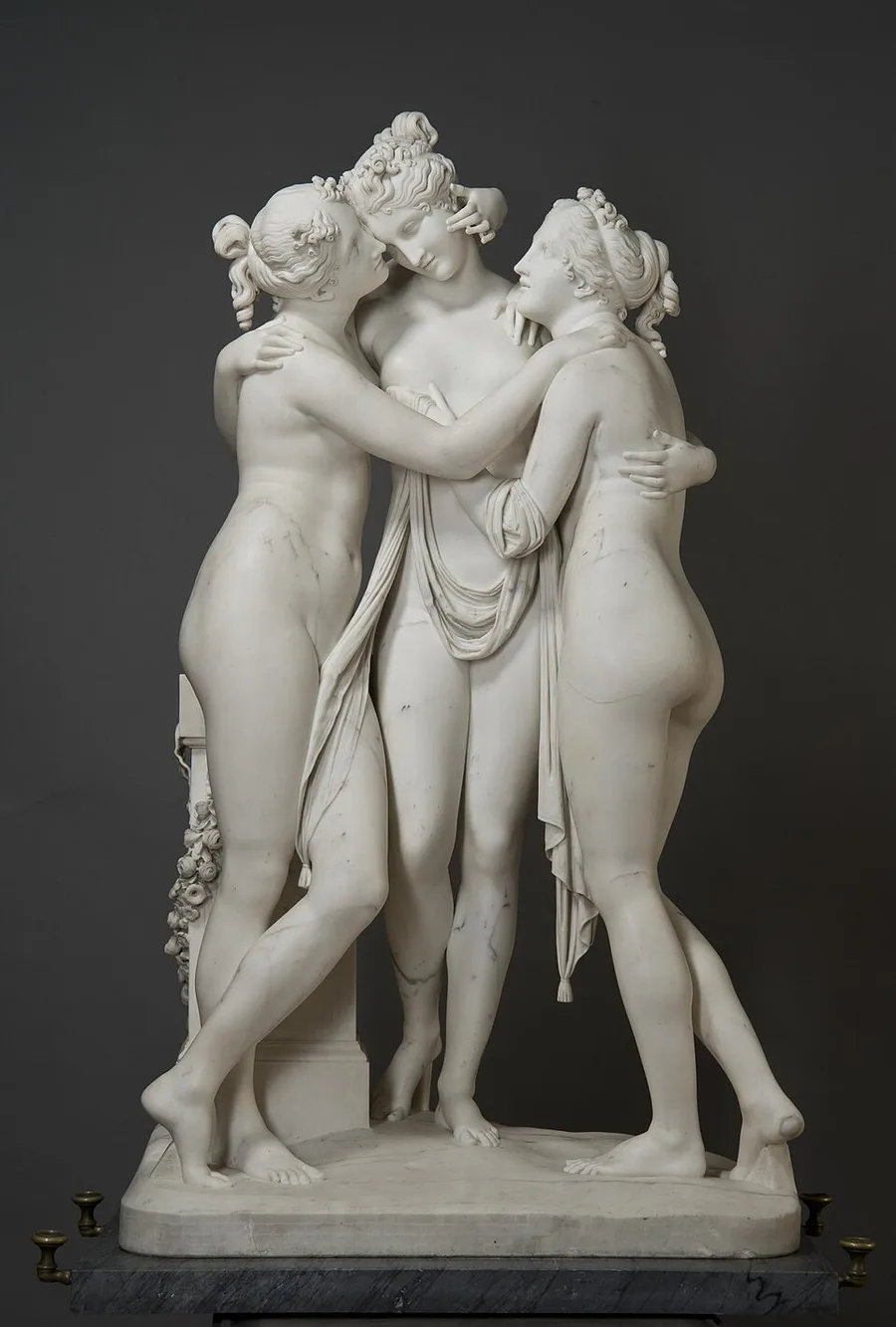
Canova's Three Graces: Marble by Antonio Canova, carved between 1813 and 1816, the version made for the Empress Josephine.
Canova's Three GracesMarble by Antonio Canova, carved between 1813 and 1816, the version made for the Empress Josephine.Hermitage Museum, St PetersburgJosephine died before it could be hers, and her grandson Maximilian took it to St Petersburg; a second version is shared by the V&A and the Scottish National Gallery.Photo: Antonio Canova, Public domain.
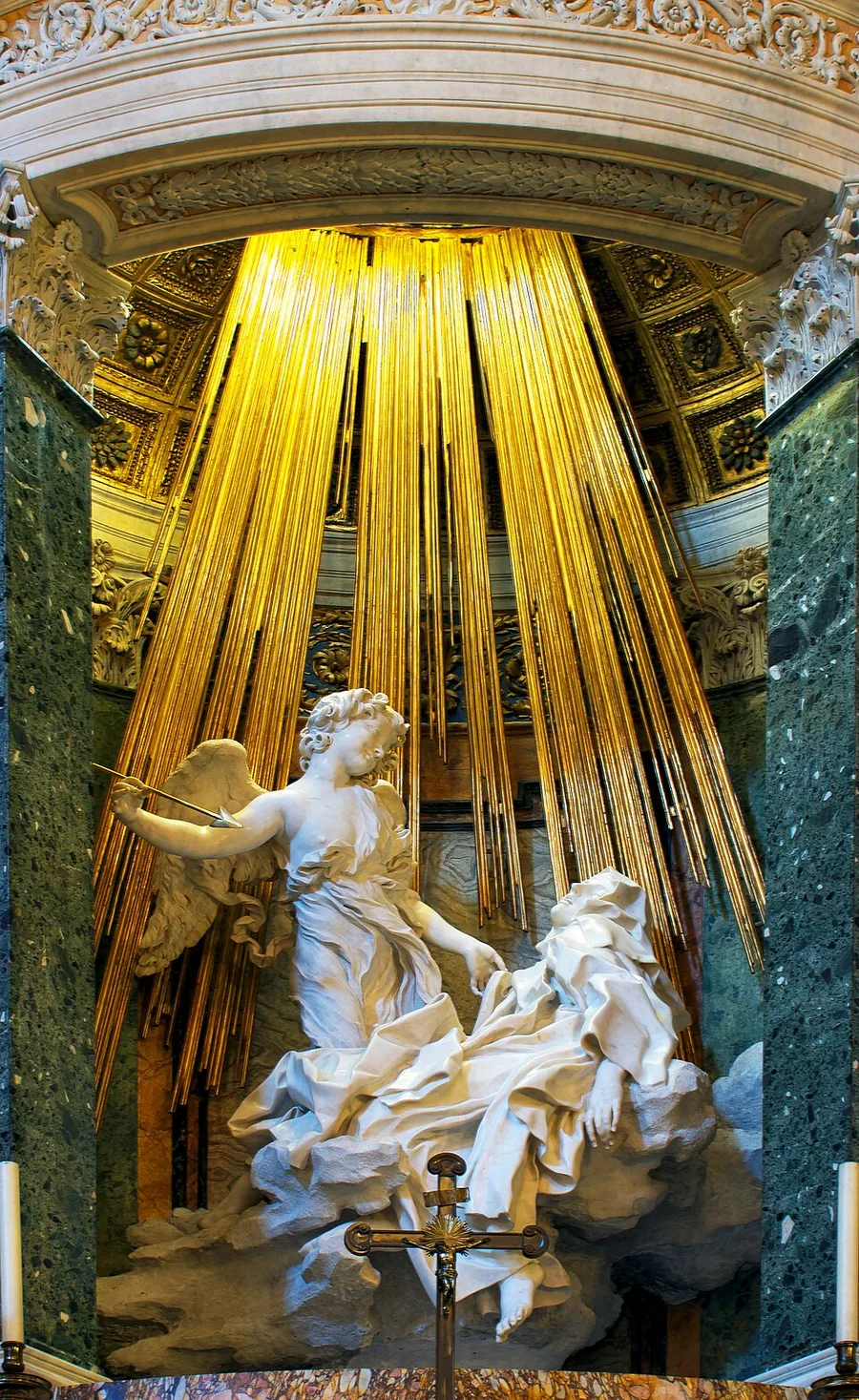
Bernini's Ecstasy of Saint Teresa: White marble altarpiece by Gian Lorenzo Bernini, completed 1652.
Bernini's Ecstasy of Saint TeresaWhite marble altarpiece by Gian Lorenzo Bernini, completed 1652.Santa Maria della Vittoria, RomeBernini set portraits of the Cornaro family at the sides, watching the scene as if from boxes in a theatre.Photo: Livioandronico2013, CC BY-SA 4.0.
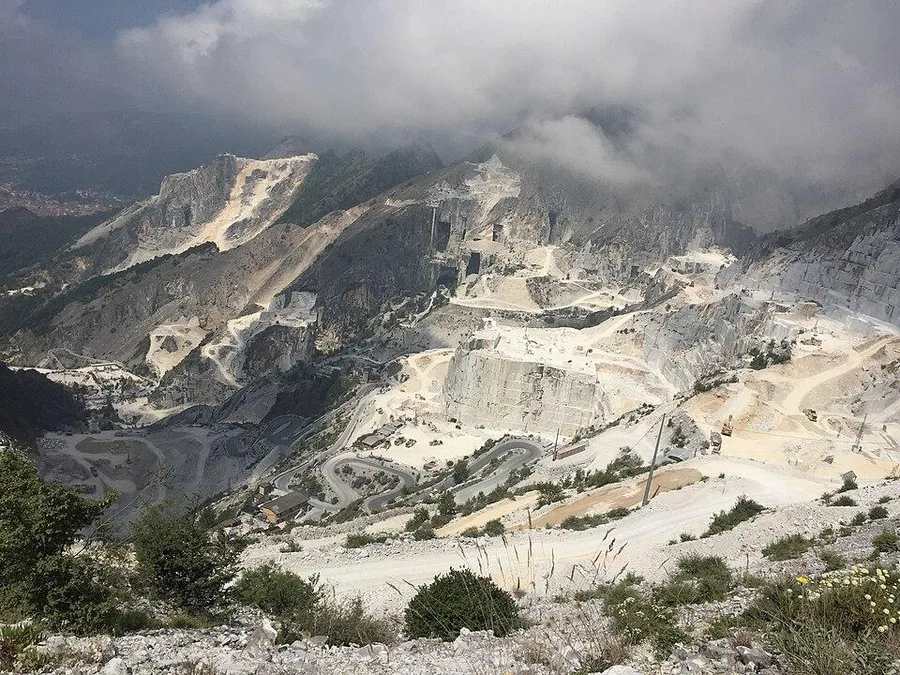
The Carrara marble quarries: Over 650 quarry sites in the Apuan Alps above Carrara, Tuscany, worked since Roman times, when the stone was called Luna marble.
The Carrara marble quarriesOver 650 quarry sites in the Apuan Alps above Carrara, Tuscany, worked since Roman times, when the stone was called Luna marble.Carrara, ItalyMore marble has come from Carrara than from any other place on earth, including the block for Michelangelo's David.Photo: Wittylama, CC BY-SA 4.0.

The robots now carving marble

In the workshops around Carrara, industrial robot arms rough out statues from 3D models; human sculptors still finish them by hand.
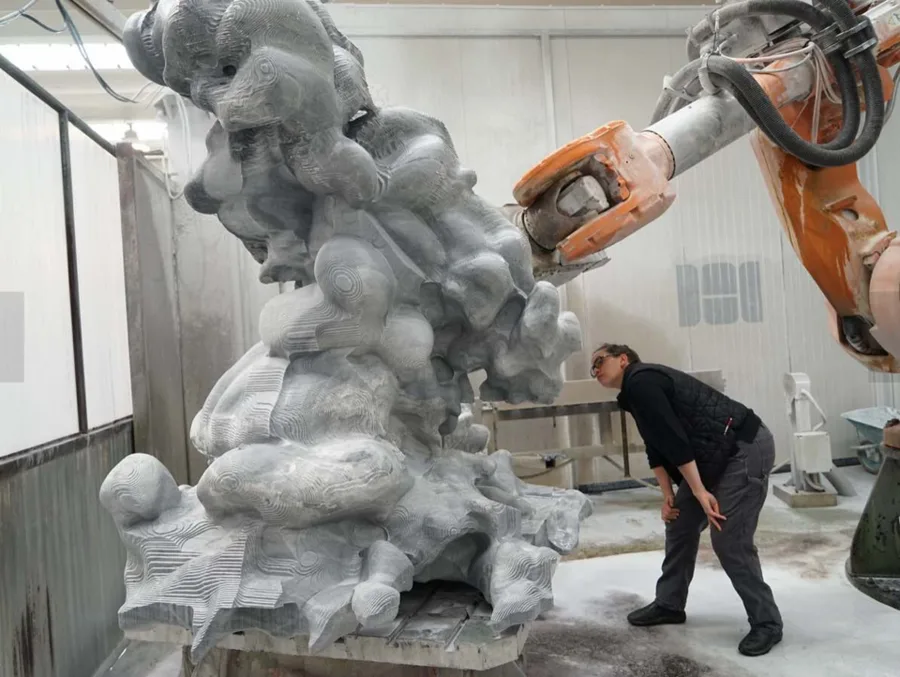
Sculptor Karen LaMonte with Cumulus, a marble she made with weather models, a supercomputer and robots.
Sculptor Karen LaMonte with Cumulus, a marble she made with weather models, a supercomputer and robots. Photo: Karen LaMonte, CC BY-SA 4.0.

Robotor: a robot arm with a chisel

Robotor is a robot carving system built in Carrara by Filippo Tincolini and Giacomo Massari. It reads a detailed 3D model and carves the block largely on its own, with diamond tools on an industrial arm, while artists can adjust the carving as it runs.

It is fast but not finished: a reproduction of Canova's Terpsichore took about twelve days of carving in Carrara marble, and the robot's work still needs many hours of hand finishing and polishing. Artists such as Jeff Koons and Maurizio Cattelan have used the studio, and in 2016 it carved a replica of the Palmyra arch destroyed in Syria.

  • About 12 days for a full-size Canova reproduction
  • Hand finishing and polishing still done by people

Sources: domusweb.it, ifr.org, cbsnews.com
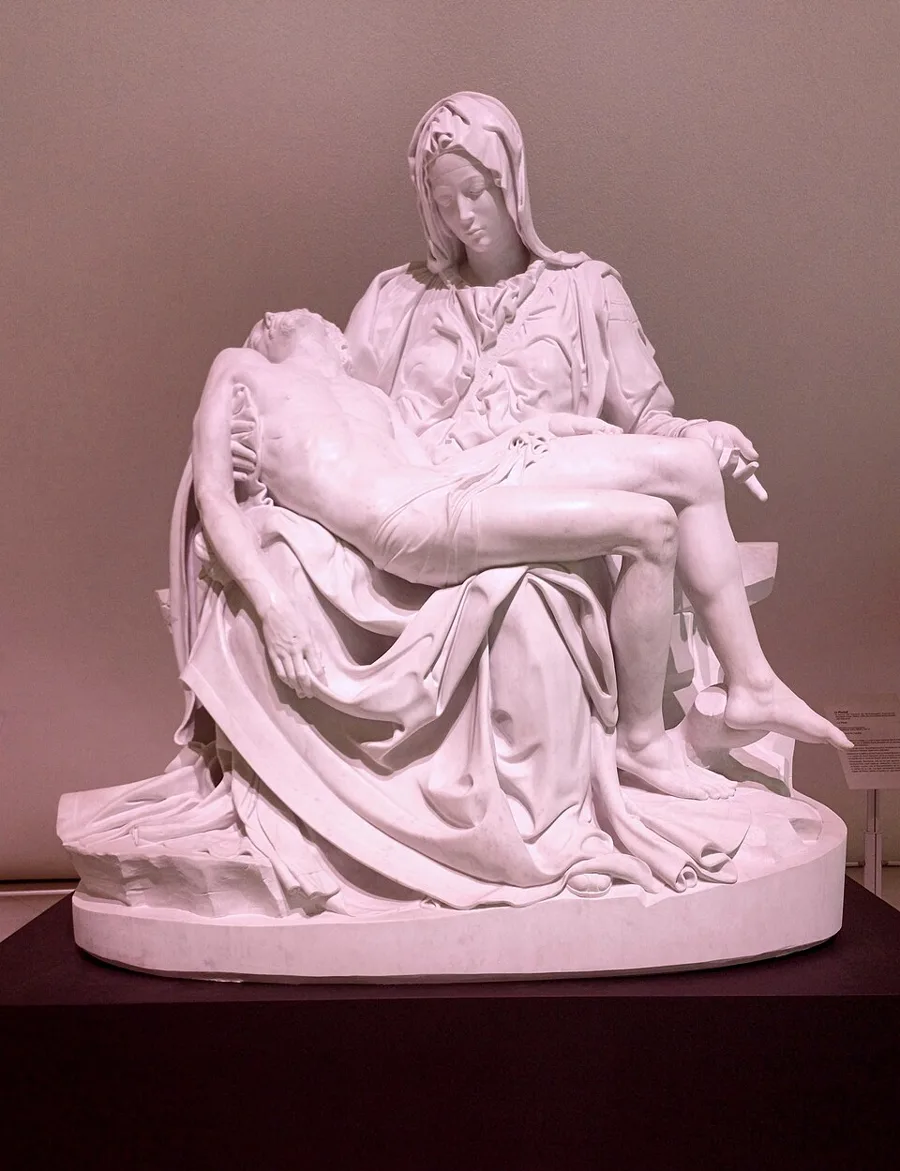
A marble copy of Michelangelo's Pietà made by Robot City Italian Art Factory, now in the Museo Soumaya, Mexico City.
A marble copy of Michelangelo's Pietà made by Robot City Italian Art Factory, now in the Museo Soumaya, Mexico City. Photo: José Luiz, CC BY-SA 4.0.

Copies of the masterpieces

Robot workshops near Carrara now carve full-size marble copies of famous statues from 3D scans of the originals. This Pietà, made between 2006 and 2012 by Robot City Italian Art Factory, stands in the Museo Soumaya in Mexico City.

The debate in Carrara is lively: some sculptors see the robots as a tool like the pneumatic chisel before them, others worry that skills that took years to learn are being lost.

Sources: commons.wikimedia.org, euronews.com
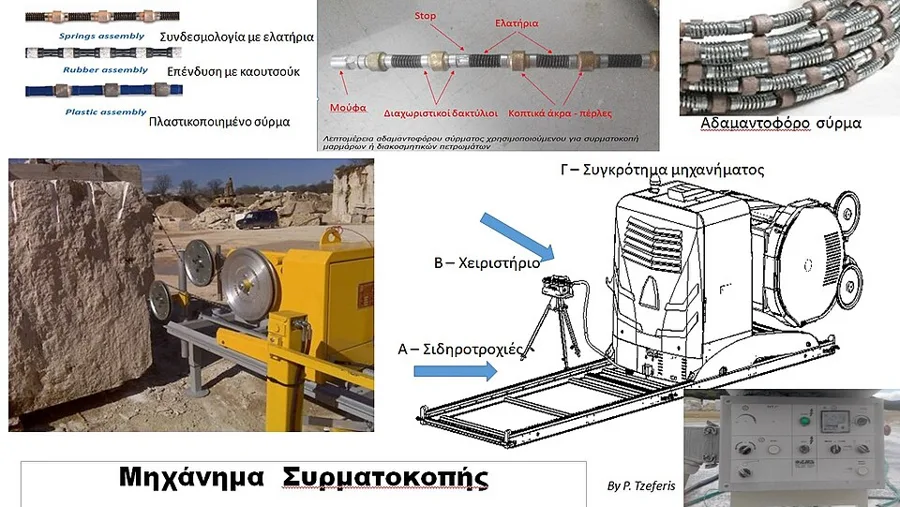
A diamond wire saw at work in a marble quarry.
A diamond wire saw at work in a marble quarry. Photo: Petros Tzeferis, CC BY-SA 4.0.

Cutting the mountain with diamond wire

Modern quarries cut blocks out of the mountain with a diamond wire saw: a steel cable threaded with beads of industrial diamond, looped through drilled holes and pulled at speed by a machine. It slices through marble cleanly, with far less waste than the explosives and hand wedges of the past.

Sources: en.wikipedia.org

Real marble vs cast marble and resin

Mined and lab-grown marble are the same mineral; this is what differs
Solid marbleCast (bonded) marble
What it isCarved from one block of natural stoneCrushed marble dust bound with resin and poured into a mould
WeightVery heavy and cold to the touchHeavy, but lighter than solid stone
DetailSharp, hand or machine carved; no seamsMoulded; may show seams and repeated copies
VeinsNatural veins run right through the stoneLittle or no real veining
PriceHundreds to thousands for a statueTens to a few hundred

Real marble is heavy and cold, and a drop of lemon juice or vinegar on a hidden spot fizzes or leaves a dull mark, because acid dissolves calcite. Cast marble and resin feel lighter and warmer, and moulded pieces may show seam lines. Read the listing: "solid marble" or "hand carved marble" is stone; "cast marble", "bonded marble", "resin" or "marble finish" are not.

Treatments. Marble is often waxed or sealed to resist stains, and some coloured marble is dyed. It is soft and acid-sensitive: dust it, wipe it with a damp cloth, and never use vinegar, lemon or bathroom cleaners on it. Keep marble statues out of the rain and frost outdoors; carved detail slowly dissolves in acid rain. All gem treatments explained.

Where natural marble comes from

Pins mark mining districts, not exact mines. Drag to move, pinch or scroll to zoom, tap a pin to read about it. Map data © OpenStreetMap contributors.

List of every place on the map (7)
  • Marble: Carrara, Apuan Alps, Italy. The most famous white statuary marble, quarried since Roman times; Michelangelo's David and Pieta.
  • Marble: Mount Pentelicus, Greece. Pentelic marble: the Parthenon and much of ancient Athens.
  • Marble: Paros, Greece. Parian marble, prized by ancient Greek sculptors for its translucence.
  • Marble: Makrana, Rajasthan, India. The white marble of the Taj Mahal.
  • Marble: Marmara Island (Proconnesus), Turkey. Proconnesian marble, used across the Roman and Byzantine empires; the Sea of Marmara is named after it.
  • Marble: Yule, Colorado, USA. Yule marble: the Lincoln Memorial exterior and the Tomb of the Unknown Soldier.
  • Marble: Tate, Georgia, USA. Georgia marble: the Lincoln statue inside the Lincoln Memorial.

How it is cut

Marble is cut from the mountain with diamond wire saws, sliced into slabs by gang saws, and carved with chisels, rasps and abrasives. Today many statues are roughed out by robot arms from a 3D model and finished by hand; see the robots below. See cuts from easiest to hardest and whether cutting your own is cheaper than buying cut.

What to buy

Checked in stock on October 10, 2026. Photos are the listings' own; prices are rounded.

Marble stores worth browsing on Amazon

Brand stores whose marble pieces we have checked, with one of their best-reviewed listings as proof. Browse the whole store: anything you buy through these links supports the site.

The marble shop: 25 more pieces we trust

Every piece names the real stone and comes from a seller with a record, checked in stock on October 11, 2026. Photos are the listings' own; prices are rounded.

Your kit for marble

Five tools that let you check what you bought (a loupe, a UV torch, locking tweezers, a gem box and a pocket scale), plus a turntable that spins your stone under the light the way jewellers show one. The full collector's kit.

In short

Marble grows over millions of years in the earth, or in hours to months in a lab. Both are real marble; the mined stone is rare and priced for rarity, the lab stone is priced for the cost of growing it. Buy lab to wear and enjoy, check the listing names the mineral, and test it when it arrives.

See our first pick: Radicaln natural marble chess set, 15 in

Frequently Asked Questions

What is the difference between marble and granite?

Marble is recrystallised limestone made of calcite: soft (Mohs 3 to 4), easy to carve, and etched by acids. Granite is an igneous rock made mostly of quartz and feldspar: much harder and acid-proof, but far harder to carve. Statues are marble; kitchen counters are usually granite or quartz.

Why is Carrara marble famous?

Carrara, in the Apuan Alps of Tuscany, produces the finest pure white statuary marble in the world and has been quarried since Roman times. Michelangelo carved his David and his Pietà from Carrara marble, and the quarries are still working today.

Is a cast marble statue real marble?

Partly. Cast or bonded marble is real marble crushed to powder and mixed with resin, then poured into a mould. It contains marble but is not carved stone; it is lighter, cheaper, and the detail comes from the mould.

How do I clean a marble statue?

Dust it with a soft brush and wipe it with a cloth dampened in plain water, then dry it. Never use vinegar, lemon, bleach or bathroom cleaners: acids etch marble and leave dull spots.

Photo credits

  • marble-carrara-quarry-face.webp: Wittylama, CC BY-SA 4.0, via Wikimedia Commons.
  • marble-carrara-blocks.webp: Vmenkov, CC BY-SA 3.0, via Wikimedia Commons.
  • marble-working-in-marble-gerome.webp: Jean-Léon Gérôme, Public domain, via Wikimedia Commons.
  • marble-portrait-monument-capitol.webp: DawesDigital, CC0, via Wikimedia Commons.
  • marble-apuan-alps-quarries.webp: Ingo Mehling, CC BY-SA 4.0, via Wikimedia Commons.
  • marble-split-block-wedges.webp: Lucarelli, CC BY-SA 4.0, via Wikimedia Commons.
  • marble-white-sample.webp: Nessa Eull, CC0, via Wikimedia Commons.
  • Product photos: Amazon listings, via the Amazon Product Advertising (Creators) API.

Amazon links are affiliate links (tag thegemtray-20): buying through them costs you nothing extra and supports the site. As an Amazon Associate we earn from qualifying purchases.