We earn a commission if you buy through links on this page, at no extra cost to you.
The gem museum
Famous gems, up close
The finest natural gems on earth sit in a handful of museums: the Smithsonian in Washington, the American Museum of Natural History in New York, the Green Vault in Dresden, the Egyptian Museum in Cairo, the Natural History Museum in London, the Topkapi Palace in Istanbul, the Penn Museum, the Met and the British Museum. These are real photographs of them. They show what nature makes at the very top of the scale, and why a big, clean mined stone costs more than a house while the same mineral grown in a lab costs about as much as dinner.
By culture
The Hope Diamond45.52 carats, a deep blue diamond from India, coloured by traces of boron.Smithsonian National Museum of Natural History, WashingtonHarry Winston gave it to the Smithsonian in 1958 and sent it by ordinary registered mail.Photo: Smithsonian Institution, Public domain.
Same cut and the same blue-by-boron chemistry, grown in a lab. No natural blue diamond is sold on Amazon: they are among the rarest gems on earth and sell at auction for millions.
The Dresden Green DiamondAbout 41 carats, the largest natural green diamond known, set in an 18th-century hat ornament.Green Vault (Grünes Gewölbe), DresdenIts green colour comes from natural radiation the diamond absorbed underground over millions of years.Photo: ubahnverleih, CC0.
The same pear shape in lab diamond (colourless). Natural green diamonds are rarer still and not sold on Amazon.
The Napoleon Diamond NecklaceA necklace of old-mine-cut diamonds Napoleon gave to Empress Marie-Louise in 1811.Smithsonian National Museum of Natural HistoryCut by hand two centuries ago, long before the modern brilliant was worked out.Photo: Cliff, CC BY 2.0.
A riviera of graduated diamonds, like the necklace Napoleon gave. For about twice the money, the lab necklace carries six times the diamond.
The Star of IndiaAbout 563 carats, one of the largest star sapphires known, from Sri Lanka.American Museum of Natural History, New YorkStolen in a famous 1964 heist and recovered from a Miami bus-station locker.Photo: Vicpeters, CC BY 4.0.
The same six-rayed star, from the same island as the Star of India, or grown in a lab.
The Logan SapphireAbout 423 carats of blue sapphire from Sri Lanka, ringed with diamonds.Smithsonian National Museum of Natural HistoryOne of the largest faceted blue sapphires on public display.Photo: Chip Clark (Smithsonian), Public domain.
The same cushion cut. The natural stone is one fiftieth the weight of the Logan and still costs as much as a car.
The Star of AsiaAbout 330 carats, a star sapphire from Myanmar with a crisp six-rayed star.Smithsonian National Museum of Natural HistoryThe star is the same effect lab star sapphires copy, made here by natural silk.Photo: thisisbossi, CC BY-SA 2.0.
A star sapphire of your own, natural or lab-grown.
The Bismarck Sapphire NecklaceA blue sapphire of about 98.6 carats from Myanmar, set by Cartier with diamonds.Smithsonian National Museum of Natural HistoryDonated by Countess Mona von Bismarck in 1967.Photo: Cliff, CC BY 2.0.
The cushion cut of the Bismarck sapphire, natural or lab-grown.
The Carmen Lúcia RubyAbout 23.1 carats, one of the largest fine faceted rubies from Myanmar on public display.Smithsonian National Museum of Natural HistoryA clean Burmese ruby this size is far rarer than a diamond of the same weight.Photo: thisisbossi, CC BY-SA 2.0.
The lab oval is nearly the Carmen Lucia size. The biggest fine natural ruby we could find for sale is a Burmese stone like the Carmen Lucia, but under a quarter of its weight, and it costs about 575 times as much as the lab stone.
The Rosser Reeves Star RubyAbout 138.7 carats, a star ruby from Sri Lanka.Smithsonian National Museum of Natural HistoryIts owner, an advertising executive, carried it as a lucky charm before giving it to the museum.Photo: thisisbossi, CC BY-SA 2.0.
The same six-rayed star in red, natural or lab-grown.
The Chalk EmeraldAbout 37.8 carats of Colombian emerald, ringed with diamonds.Smithsonian National Museum of Natural HistoryOnce set in an emerald and diamond necklace belonging to a maharani of Baroda.Photo: Cliff, CC BY 2.0.
The same emerald cut in real lab-grown . Fine natural Colombian emerald of this size is sold by specialist dealers with lab reports, not on Amazon.
The Hooker EmeraldAbout 75.5 carats of Colombian emerald, set as a brooch by Tiffany.Smithsonian National Museum of Natural HistorySaid to have once decorated the belt buckle of an Ottoman sultan.Photo: Cliff, CC BY 2.0.
The square-cornered emerald cut in lab-grown beryl.
The Mackay Emerald NecklaceA Colombian emerald of about 168 carats, set by Cartier in 1931.Smithsonian National Museum of Natural HistoryA wedding gift from the Mackay family; the largest cut emerald in the national collection.Photo: Andrew Bossi, CC BY-SA 2.0.
The largest lab emerald in this cut we found on Amazon; the Mackay is more than ten times bigger.
Tutankhamun's scarab pectoralGold, inlaid with lapis lazuli, carnelian and other coloured stones and glass, about 3,300 years old.Egyptian Museum, Cairo (exhibited 2019)The blue scarab body is lapis lazuli carried thousands of miles from Afghanistan to the Nile.Photo: Claude Valette, CC BY 2.0.
Lapis is not grown in labs. A natural of the same deep blue, with gold pyrite.
Queen Puabi’s headdressGold leaves and rings hung on strings of lapis lazuli and carnelian beads, from about 2500 BCE.Penn Museum, PhiladelphiaFound in her tomb in the Royal Cemetery of Ur, in southern Iraq, in the 1920s. The lapis came about 2,500 km from the mines of Afghanistan.Photo: Mary Harrsch, CC BY 2.0.
The same Afghan lapis, in beads, 4,500 years later.
The Ram in a ThicketA goat rearing against a golden tree, in gold leaf, shell and lapis lazuli, about 2500 BCE.Penn Museum, Philadelphia (its twin is in the British Museum)The horns and the fleece on its shoulders are lapis lazuli. The excavator named it after the ram caught in a thicket in the Book of Genesis.Photo: Mary Harrsch, CC BY 2.0.
The bull-headed lyre of UrA harp-like instrument with a gold bull head and a beard of lapis lazuli, about 2500 BCE.Penn Museum, PhiladelphiaOne of the oldest stringed instruments ever found, from the Royal Cemetery of Ur.Photo: Mary Harrsch, CC BY 2.0.
A single natural lapis cabochon, the same deep blue as the beard.
The Standard of UrA box covered in mosaic of shell, red limestone and lapis lazuli set in bitumen, about 2600 to 2400 BCE.British Museum, LondonScenes of war on one side and a feast on the other, against a lapis blue sky. Nobody knows what it was for.Photo: Agricolae, CC BY-SA 3.0.
A lapis lazuli cylinder sealA small carved lapis cylinder, rolled across wet clay to print a signature scene, about 2500 BCE.Penn Museum, PhiladelphiaSeals like this were how people of rank signed documents. Lapis was the prestige material.Photo: Mary Harrsch, CC BY 2.0.
The pectoral of Princess SithathoryunetGold inlaid with lapis lazuli, carnelian, turquoise and garnet, from about 1880 BCE.Metropolitan Museum of Art, New YorkMade for a daughter of the pharaoh Senusret II and found in her tomb at Lahun in 1914. Each tiny stone was cut to fit its gold cell.Photo: Ismoon, CC BY-SA 4.0.
The princess wore drop beads of lapis, carnelian, turquoise and amethyst between gold. All but turquoise come as honest natural beads; cheap turquoise beads are almost always dyed howlite, so skip them or use a real turquoise piece.
An Egyptian lapis lazuli heart amuletA heart-shaped amulet carved from lapis lazuli.Metropolitan Museum of Art, New YorkEgyptians believed the heart held a person, so heart amulets went with the dead to protect it.Photo: The Metropolitan Museum of Art, CC0.
The Empress of UruguayAbout 3.3 metres tall and 2.5 tonnes, often called the largest amethyst geode on show anywhere.The Crystal Caves, Atherton, AustraliaA single gas bubble in an ancient lava flow in Uruguay, lined with amethyst, then cut open and shipped across the world.Photo: Curiousparrot532, CC0.
A geode from the same lava fields, small enough for a shelf.
An amethyst scarab on amethyst beadsAn amethyst scarab strung with amethyst ball beads, Egyptian Middle Kingdom, about 2000 to 1700 BCE.Petrie Museum of Egyptian Archaeology, LondonMiddle Kingdom Egypt mined amethyst in the desert at Wadi el-Hudi, and for a few centuries it was the fashionable stone.Photo: Osama Shukir Muhammed Amin FRCP(Glasg), CC BY-SA 4.0.
The biggest cut amethyst we could verify on Amazon.
An amethyst and gold pendantA carved amethyst head on a gold mount, about 700 BCE, Egypt, Dynasty 25.Cleveland Museum of ArtFrom the era when kings from Kush, in present-day Sudan, ruled Egypt.Photo: Daderot, CC0.
A Roman amethyst intaglioA portrait of a man carved into amethyst, Roman.Metropolitan Museum of Art, New YorkAn intaglio is cut in reverse into the stone, so pressed into wax it prints the portrait. The Greek name amethystos means not drunk: the stone was thought to protect against drunkenness.Photo: The Metropolitan Museum of Art, CC0.
Natural amethyst, cut for sparkle instead of carving.
Emperor Constantius II in amethystAn amethyst intaglio portrait of the Roman emperor in a jewelled headband, about 360 CE, set in gold.British Museum, LondonImperial portraits in purple stone: purple was the colour of emperors.Photo: Vassil, CC0.
The Dom Pedro AquamarineAbout 10,363 carats, the largest cut aquamarine in the world, carved into an obelisk about 35 cm tall.Smithsonian National Museum of Natural HistoryAquamarine is beryl, the same mineral as emerald, blue from iron. The crystal was found in Brazil in the 1980s and carved by the German artist Bernd Munsteiner.Photo: 颐园居, CC BY-SA 4.0.The Gachala EmeraldAn uncut crystal of 858 carats from the Vega de San Juan mine at Gachala, Colombia, found in 1967.Smithsonian National Museum of Natural HistoryOne of the largest gem emerald crystals known, given to the Smithsonian by the jeweller Harry Winston.Photo: thisisbossi, CC BY-SA 2.0.
Real lab-grown emerald, the same green beryl, at the biggest size we could find.
The Hall Sapphire Necklace36 Sri Lankan sapphires, about 195 carats in all, set with 435 diamonds by Harry Winston.Smithsonian National Museum of Natural HistoryEvery sapphire was matched for the same cornflower blue, which is far harder than finding one big stone.Photo: Chip Clark, Smithsonian Institution, Public domain.
A whole necklace of lab sapphires, the Hall look for a fraction; or one fine mined stone with a report.
The DeLong Star RubyAbout 100 carats, a Burmese star ruby with a sharp six-rayed star.American Museum of Natural History, New YorkTaken in the same 1964 museum burglary as the Star of India, and bought back for a ransom months later.Photo: Vicpeters, CC BY 4.0.
The Patricia EmeraldAn uncut, twelve-sided crystal of about 632 carats from the Chivor mine, Colombia, found in 1920.American Museum of Natural History, New York (shown here with other emeralds in its case)Left uncut because the whole crystal is worth more than any stone that could be cut from it. Named after the mine owner’s daughter.Photo: Vicpeters, CC BY 4.0.
The Devonshire EmeraldAn uncut crystal of about 1,384 carats from the Muzo mine, Colombia.Natural History Museum, LondonGiven to the 6th Duke of Devonshire by Emperor Pedro I of Brazil in 1831, and one of the largest uncut emeralds known.Photo: Thomas Quine, CC BY 2.0.
A lab emerald big enough to see the colour properly.
The Spanish Inquisition NecklaceColombian emeralds and old Indian-cut diamonds on a long necklace.Smithsonian National Museum of Natural HistoryDespite the dramatic name, no link to the Inquisition has ever been shown. The emeralds travelled from Colombia to India, where they were cut.Photo: dbking, CC BY 2.0.
Emerald and white stones on a necklace, lab-grown.
The Topkapi DaggerAn Ottoman dagger of 1746 with three large emeralds on the hilt and a small watch hidden in the end.Topkapi Palace Museum, IstanbulMade as a gift for Nader Shah of Persia, who was killed before it arrived. It became world famous from the 1964 heist film Topkapi.Photo: Joseolgon, CC BY 4.0.
Smooth domed emerald, the way the dagger’s stones are cut.
A carved Mughal emeraldA large Colombian emerald carved with flowers in India in the 17th century, later set in a European mount.Museum of Islamic Art, DohaSpanish ships carried Colombian emeralds around the world; the Mughal emperors of India prized them and had them carved.Photo: Francesco Bini, CC BY-SA 4.0.
The Star of BombayAbout 182 carats, a violet-blue star sapphire from Sri Lanka.Smithsonian National Museum of Natural HistoryA gift from Douglas Fairbanks to the film star Mary Pickford, who left it to the Smithsonian.Photo: Smithsonian Institution, Public domain.
A star sapphire of your own, lab-grown or mined in Sri Lanka.
The Crown of the AndesA gold crown set with hundreds of Colombian emeralds, made in Popayan, Colombia, from about 1660, with arches added about 1770.Metropolitan Museum of Art, New YorkMade for a statue of the Virgin Mary, it is one of the finest pieces of colonial Latin American goldwork known.Photo: The Metropolitan Museum of Art, CC0.
The jade death mask of Pakal the GreatA mosaic of jadeite pieces with shell and obsidian eyes, made for Kinich Janaab Pakal, king of the Maya city of Palenque, who died in 683.National Museum of Anthropology, Mexico CityFound in 1952 on his face inside a sealed tomb deep under the Temple of the Inscriptions. To the Maya, green jade was the colour of maize, water and life itself.Photo: Gary Todd, CC0.
An Olmec jadeite maskJadeite, about the 10th to 6th century BCE, from the Gulf Coast of Mexico.Metropolitan Museum of Art, New YorkThe Olmec carved jade more than a thousand years before the Maya, grinding it with sand and cord because no metal tool would cut it.Photo: Wikipedia Loves Art participant, CC BY-SA 2.5.
A Maya jade pendant of a seated lordJadeite carved with a seated ruler, Maya, Late Classic period.Metropolitan Museum of Art, New YorkMaya nobles wore jade at the ears, neck, wrists and teeth. A bead of jade was placed in the mouth of the dead.Photo: The Metropolitan Museum of Art, CC0.
A Liangzhu jade congA square tube with a round hole, carved from nephrite about 5,000 years ago.Shanghai MuseumNobody knows exactly what the cong was for, but the Liangzhu people of eastern China buried their elite with them, worked without any metal tools.Photo: Gary Lee Todd, Ph.D., CC0.
A solid nephrite bangle, cut from one block like a cong.
A Liangzhu jade bi discA flat nephrite disc with a hole in the centre, Neolithic China.Metropolitan Museum of Art, New YorkThe bi became one of the oldest symbols in China, later linked with heaven. Donut-shaped jade pendants today descend from it.Photo: The Metropolitan Museum of Art, CC0.
The jade burial suit of Prince Liu ShengAbout 2,500 small jade plates sewn together with gold wire, for a Han dynasty prince who died in 113 BCE.Hebei Museum, ShijiazhuangThe Han believed jade would keep the body from decay. It did not work: when the tomb was opened in 1968, only the suit was left.Photo: Gary Todd, CC0.
The Jadeite CabbageA piece of half-white, half-green jadeite carved as a bok choy with two insects hiding in the leaves, Qing dynasty.National Palace Museum, TaipeiJadeite only reached China from Burma in the 18th century; the carver used the natural colour split for the white stalk and green leaves. It is one of the most loved objects in the museum.Photo: National Palace Museum, Taipei, OGDL-Taiwan-1.0.
A knotted dragon pendantA dragon tied in a knot, carved in jade, ancient China.Metropolitan Museum of Art, New YorkNephrite is so tough that carvers could cut thin, curling forms like this without them snapping.Photo: The Metropolitan Museum of Art, CC0.
The wine cup of Shah JahanWhite nephrite carved as a gourd with an ibex-head handle, made in 1657 for the Mughal emperor who built the Taj Mahal.Victoria and Albert Museum, LondonCarved so thin that light passes through it. Its maker is unknown; its owner is not.Photo: Colindla, CC BY-SA 3.0.
A Maori hei-tiki in pounamuA hei-tiki, a human figure pendant, carved from New Zealand nephrite.Auckland War Memorial MuseumHei-tiki were treasured heirlooms, worn and passed down for generations. Under New Zealand law, the pounamu of the South Island belongs to the Ngai Tahu people.Photo: Szilas, Public domain.
A Neolithic jadeite axeheadA polished jadeite axe found in Cornwall, England, made about 6,000 years ago.Royal Institution of CornwallAxes like this were quarried high in the Italian Alps and carried across Europe. They were polished for months and almost never used: they were treasures, not tools.Photo: Royal Institution of Cornwall (Portable Antiquities Scheme), CC BY-SA 2.0.
The Koh-i-Noor (a replica)Today about 105.6 carats, recut in 1852 from a larger, older Indian cut. The real stone is in the British Crown Jewels.Replica: Chhatrapati Shivaji Maharaj Vastu Sangrahalaya, MumbaiMughal emperors, a Persian shah, Afghan rulers and a Sikh maharaja all owned it before it went to Britain in 1849. India and others still ask for it back.Photo: aiva., CC BY 2.0.
The Cullinan Diamond (a replica of the rough)About 3,106 carats, the largest gem-quality diamond ever found, from the Premier Mine, South Africa, in 1905.Replica: Denver Museum of Nature and ScienceIt was cut into nine major stones; the largest, Cullinan I of about 530 carats, sits in the British royal sceptre.Photo: James St. John, CC BY 2.0.
A real lab diamond crystal, as it comes out of the press.
The Oppenheimer DiamondAn uncut yellow diamond crystal of about 253.7 carats from South Africa.Smithsonian National Museum of Natural HistoryLeft uncut so visitors can see what a diamond looks like as it grows: an octahedron with rounded edges.Photo: Alkivar, Public domain.
Yellow from nitrogen, the same reason as the Oppenheimer.
The double-headed serpentCarved cedar covered in a mosaic of turquoise, with red shell mouths and white shell teeth, Aztec or Mixtec, 15th to 16th century.British Museum, LondonProbably worn on the chest in ceremonies. Turquoise was so precious to the Aztecs that conquered towns paid tribute in it.Photo: BabelStone, CC BY-SA 3.0.
Real Arizona turquoise, a long way from Aztec Mexico but the same mineral.
The mask of TezcatlipocaA human skull covered in bands of turquoise and black lignite mosaic, with eyes of pyrite and shell, Aztec or Mixtec, 15th to 16th century.British Museum, LondonTezcatlipoca, the smoking mirror, was a god of night and fate. The mask is one of the treasures of Mexican art outside Mexico.Photo: Andres Rueda, CC BY 2.0.
Genuine turquoise inlay, made the same way: small pieces set side by side.
A turquoise mosaic shieldA ceremonial shield covered in turquoise mosaic, Aztec or Mixtec, 15th to 16th century.British Museum, LondonMade for display, not battle: thousands of tiny turquoise tiles fitted by hand.Photo: Wikimedia Commons contributor, CC BY-SA 3.0.
A Roman carnelian seal of AnubisA carnelian intaglio carved with the Egyptian jackal god Anubis, Roman period.Metropolitan Museum of Art, New YorkCarnelian was a favourite Roman seal stone: hard enough to hold a fine engraving, pressed into wax or clay to sign a letter.Photo: The Metropolitan Museum of Art, CC0.
Carnelian set in a ring, the way a Roman would wear a seal.
An Egyptian carnelian snake-head amuletA snake head carved in carnelian, ancient Egypt.Metropolitan Museum of Art, New YorkSnake-head amulets were thought to protect the wearer, living or dead, from snakebite. Red carnelian was linked with blood and life.Photo: The Metropolitan Museum of Art, CC0.
Precious opal in its rockOpal with play of colour still in its host rock, from the Andamooka opal fields of South Australia.Photographed in a museum collectionOpal formed when silica-rich water seeped into cracks and slowly dried into stacks of tiny spheres. Their spacing splits light into colours.Photo: James St. John, CC BY 2.0.
A Lightning Ridge black opalA polished black opal from Lightning Ridge, New South Wales, the only major source of black opal.Cleveland Museum of Natural HistoryThe dark body makes the colours blaze; fine black opal is among the most valuable gems per carat.Photo: James St. John, CC BY 2.0.
The meteorite that gave us moissaniteA piece of the Canyon Diablo iron meteorite, which made Meteor Crater in Arizona.UCLA Meteorite Gallery, Los AngelesIn 1893 the chemist Henri Moissan found tiny glittering crystals of in this meteorite. They were named moissanite after him. Natural moissanite is so rare that every moissanite gem is grown in a lab.Photo: Vahe Martirosyan, CC BY-SA 2.0.
Moissanite grown in a lab, the same silicon carbide.
The Regent DiamondAbout 140.6 carats, a cushion-cut diamond found in India around 1698.Louvre, Apollo Gallery, ParisNapoleon had it set in the hilt of his sword. It is thought to be one of the most perfectly cut old diamonds there is.Photo: Tangopaso, Public domain.
A big cushion-shaped stone of your own, in lab diamond.
The Sancy DiamondAbout 55 carats, a pale yellow pear-shaped diamond, probably from India.Louvre, Apollo Gallery, ParisIt passed through French and English royal hands for centuries and is one of the first big diamonds cut with symmetrical facets.Photo: Tangopaso, Public domain.
The Imperial Crown of the Holy Roman EmpireAn eight-sided gold crown set with sapphires, emeralds, amethysts and pearls, probably made in the late 10th century.Imperial Treasury (Kaiserliche Schatzkammer), Hofburg, ViennaGerman kings were crowned with it for centuries. The stones are cut as smooth domes, not facets: faceting came later.Photo: Bede735c, CC BY-SA 3.0.
A lab sapphire of the same blue, set and ready to wear or keep loose.
The Crown of Princess BlancheA gold crown set with sapphires, rubies, emeralds, diamonds and pearls, made around 1370 to 1380.Treasury of the Munich ResidenceIt is the oldest surviving crown from England. It left with Princess Blanche when she married into a German royal family in 1402.Photo: Allie Caulfield, CC BY 2.0.
The Sutton Hoo shoulder claspsGold shoulder clasps inlaid with hundreds of cut garnets and coloured glass, early 7th century.British Museum, LondonThey came from the ship burial at Sutton Hoo, likely of an Anglo-Saxon king. Each garnet was cut by hand to fit its gold cell, with gold foil behind it to make it sparkle.Photo: Aiwok, CC BY-SA 3.0.A garnet sword fitting from the Staffordshire HoardA gold fitting from a sword, with animals made of thin slices of garnet set in gold cells, 7th century.Birmingham Museum and Art Gallery and the Potteries Museum, StokeA man with a metal detector found the hoard in a farm field in 2009. It is the largest hoard of Anglo-Saxon gold ever found.Photo: Jon Callas from San Jose, USA, CC BY 2.0.The Great Cameo of FranceA five-layer sardonyx cameo about 31 cm tall, Roman, carved in the first half of the 1st century AD.Cabinet des Médailles, National Library of France, ParisIt is the largest cameo to survive from antiquity. The carver used each coloured layer of the stone for a different part of the scene.Photo: Jastrow, edited by Janmad, CC BY-SA 3.0.
Sard, the dark layer of this cameo, is a close cousin of carnelian. Real carnelian cabochons cost a few dollars.
The stone flowers of the Taj MahalWhite marble inlaid with cut stones such as jasper, jade, lapis and carnelian, a technique called pietra dura, 17th century.Taj Mahal, Agra, IndiaShah Jahan built it for his wife Mumtaz Mahal. The stones were brought from across Asia, and each petal is a separate piece cut to fit.Photo: Rajesnewdelhi, CC BY-SA 3.0.
Lapis is one of the stones in the Taj flowers. A polished lapis sphere shows off the same deep blue.
An Aztec turquoise mosaic discA round disc covered in small pieces of turquoise mosaic, Mexica (Aztec).Museo del Templo Mayor, Mexico CityIt was found at the Great Temple of Tenochtitlan. Turquoise was so prized that the Aztecs collected it as tribute from distant towns.Photo: GiveMeMollusks, CC0.
Real turquoise inlay, done the same way: many small pieces fitted side by side.
A Roman emerald necklaceNatural emerald crystals strung between gold links, Roman Empire, 2nd or 3rd century AD.British Museum, LondonRomans did not facet emeralds. They drilled the natural six-sided crystals end to end and strung them like beads.Photo: Vassil, CC0.
Smooth lab emerald cabochons in the same green, a few dollars each.
Another Roman emerald necklaceNatural emerald crystals and gold, Roman.Metropolitan Museum of Art, New YorkMost of the emeralds the Romans wore came from mines in the Egyptian desert, worked since the time of the pharaohs.Photo: Metropolitan Museum of Art, CC0.
A big lab emerald in the same green, about the size of the biggest Roman beads.
A Mughal dagger with a ram’s headA jewelled dagger whose hilt ends in a ram’s head, with a matching case, Mughal India.National Museum, New DelhiMughal workshops were famous for carved jade dagger hilts in the shape of animal heads, often set with rubies and emeralds.Photo: Saad Akhtar, CC BY 2.0.
A carved nephrite jade dragon, the same stone carvers loved for hilts.
The Marie Louise DiademA diadem of more than 1,000 old-cut diamonds set with Persian turquoise. Napoleon gave it to Empress Marie-Louise in 1810, set with emeralds.Smithsonian National Museum of Natural History, WashingtonIn the 1950s a jeweller took the emeralds out and sold them one by one, and put turquoise in their place.Photo: Cliff from Arlington, Virginia, USA, CC BY 2.0.
Own both sides of its story: a big lab emerald like the stones it began with, and real turquoise like the stones it wears now.
The Crown of Saint Wenceslas (replicas)The Bohemian royal crown, made in 1347 for Charles IV, gold set with sapphires, spinels, emeralds and pearls.Original: St. Vitus Cathedral, Prague (shown only on rare occasions). Replicas shown here.Its big red stones were long called rubies. Many are spinels, a different gem that was not told apart from ruby until modern times.Photo: Przemek Pietrak, CC BY-SA 3.0.
The votive crown of King RecceswinthA gold crown set with sapphires and pearls, with hanging gold letters spelling the king’s name, Visigothic Spain, 7th century.National Archaeological Museum, MadridIt was found with other crowns in 1858 near Toledo, in the Treasure of Guarrazar. Crowns like this were made to hang over an altar as a gift, not to wear.Photo: Ángel M. Felicísimo from Mérida, España, CC BY 2.0.
A lab sapphire of the same blue as the crown’s big stones.
The Holy Crown of Hungary (a reconstruction)A gold crown with enamel pictures, set with garnets, sapphires and pearls, made in the 11th to 12th century.Original: Hungarian Parliament Building, Budapest. This is a modern working reconstruction.It is the crown with the famous bent cross on top. Hungarian kings were crowned with it for centuries.Photo: Barabássy Miklós, CC BY-SA 4.0.A Hunnic diadem with garnetsA diadem of silver and bronze set with cut garnets, late 4th to 5th century.State Hermitage Museum, St. PetersburgThe Huns and their neighbours loved red garnets set in metal cells. The style spread across Europe and reached the Anglo-Saxons at Sutton Hoo.Photo: Netelo, CC BY-SA 4.0.A Bohemian garnet broochA brooch of ears of wheat and leaves covered in small Bohemian garnets, 1840 to 1860.National Museum, PragueBohemian garnets are a deep red pyrope from the north of today’s Czech Republic. In the 1800s all of Europe wore jewellery packed with them.Photo: Zde, CC BY-SA 4.0.The Cross of LothairA gold processional cross set with gems and pearls, made around 1000 AD, with an ancient Roman cameo of the emperor Augustus at its centre.Aachen Cathedral Treasury, GermanyThe makers reused a Roman sardonyx cameo that was already a thousand years old, and put it where the arms of the cross meet.Photo: CEphoto, Uwe Aranas, CC BY-SA 3.0.A Sasanian chalcedony sealA stamp seal of milky chalcedony carved with a seated woman and a child, Persia, Sasanian period (224 to 651).Rijksmuseum van Oudheden, LeidenChalcedony is the same stone family as carnelian, agate and onyx. Pressed into clay or wax, a seal like this worked as a signature.Photo: Rijksmuseum van Oudheden, CC0.An Egyptian broad collarA wide collar of many rows of blue-green faience beads, ancient Egypt.Metropolitan Museum of Art, New YorkFaience is a glazed ceramic made from crushed quartz. Egyptians used it as a cheaper stand-in for turquoise and lapis.Photo: Metropolitan Museum of Art, CC0.
Real turquoise, the stone that faience was made to look like.
The crown of Queen TheodelindaA gold band set with rows of gems and mother-of-pearl, linked to Theodelinda, queen of the Lombards, around 600 AD.Treasury of Monza Cathedral, ItalyTheodelinda gave her treasures to the church she founded at Monza. The same treasury holds the Iron Crown of Lombardy.Photo: Carlo Dell'Orto, CC BY-SA 4.0.The crown of Constance of AragonA gold cap crown set with gems and pearls, with hanging strings of jewels, early 13th century.Treasury of Palermo Cathedral, SicilyIt was found in the tomb of Queen Constance, wife of the emperor Frederick II.Photo: José Luiz, CC BY-SA 4.0.The Malia bee pendantA gold pendant of two bees around a drop of honey, Minoan Crete, about 1800 to 1700 BC.Heraklion Archaeological Museum, CreteIt is made with granulation: tiny gold balls fused onto gold, a skill the Minoans mastered nearly 4,000 years ago.Photo: Cayambe, CC BY-SA 4.0.The Tara Brooch (back)An Irish brooch of gilt silver with gold filigree, amber and glass, around 700 AD.National Museum of Ireland, DublinIt was found on a beach in 1850. Even the back, shown here, is covered in fine work the wearer would never see.Photo: Ceoil, CC BY-SA 4.0.Tutankhamun’s scarab necklaceA gold pectoral and necklace of scarabs, inlaid with lapis lazuli, carnelian, turquoise and feldspar.Egyptian Museum collection, photographed on tour in 2019The lapis in Tutankhamun’s treasures was carried thousands of kilometres from the mountains of Afghanistan.Photo: Claude Valette, CC BY 2.0.
Real Afghan lapis beads, the same blue the pharaoh wore.
A hawk-headed scarab in lapisA scarab beetle with a falcon’s head, carved from one piece of lapis lazuli, ancient Egypt.Museo Egizio, TurinThe scarab rolled the sun across the sky; the falcon was Horus. One small carving joins two gods.Photo: Marco Chemello (WMIT), CC0.The god Ptah, in lapisA small cult statue of Ptah, the creator god of Memphis, carved from lapis lazuli.Metropolitan Museum of Art, New YorkEgyptians said the gods had hair of lapis lazuli. A statue of a god carved from the stone itself was the finest thing a temple could hold.Photo: Metropolitan Museum of Art, CC0.The face of HathorA face of the cow-eared goddess Hathor in lapis lazuli with gold and alabaster, only 1.2 cm tall, about 1100 to 664 BC.Metropolitan Museum of Art, New YorkHathor was the goddess of love, music and joy. Her worshippers called her the Lady of Turquoise, but her face here is the colour of lapis.Photo: Metropolitan Museum of Art, CC0.The Eye of Horus, in lapisA wedjat-eye amulet carved from lapis lazuli, ancient Egypt.Museo Egizio, TurinIn the myth, Seth tore out Horus’s eye and it was healed. The wedjat became the most popular protective amulet in Egypt.Photo: Marco Chemello (WMIT), CC0.
A natural lapis cabochon, flecked with the same gold pyrite.
A necklace from the royal cemetery of UrGold, lapis lazuli and carnelian beads, about 2550 to 2450 BC.Penn Museum, PhiladelphiaBlue from Afghanistan, red from the Indus valley, gold from Anatolia or Iran: one necklace shows the trade routes of the Bronze Age.Photo: Mary Harrsch, CC BY 2.0.
Lapis beads with pyrite, the same stone as the Ur necklaces.
A spouted bowl carved from lapisA small bowl with a pouring spout, carved from a single block of lapis lazuli, royal cemetery of Ur.Penn Museum, PhiladelphiaCarving a whole vessel from lapis, rather than inlaying it, used a huge amount of a stone that had crossed half of Asia.Photo: Mary Harrsch from Springfield, Oregon, USA, CC BY 2.0.
A polished lapis sphere, carved from one block like the bowl.
A lapis seal: a king and the sun godA lapis lazuli cylinder seal showing a king pouring an offering before the sun god Shamash, from a tomb at Ur, about 1900 BC. It belonged to a man named Bur-Dagan.British Museum, LondonRolled across wet clay, a cylinder seal printed its scene again and again. Lapis seals belonged to the powerful.Photo: Zunkir, CC BY-SA 4.0.A Bronze Age lapis bowlA fluted bowl carved from lapis lazuli, Bactria or Iran, about 2000 BC.Louvre, ParisIran sat on the road from the Afghan mines to Mesopotamia, and its workshops took a share of the stone as it passed.Photo: SiefkinDR, CC BY-SA 3.0.A Roman lapis intaglio of SerapisAn oval of lapis lazuli engraved with the god Serapis on his throne, Roman.Metropolitan Museum of Art, New YorkRomans wore engraved gems in rings as seals and charms. Lapis was a favourite for gods, its gold flecks read as stars.Photo: Metropolitan Museum of Art, CC0.
A lapis cabochon of the kind Roman gem cutters engraved.
A Mughal hookah base of jade, lapis and rubiesA jade huqqa (hookah) base inlaid with lapis lazuli and rubies set in gold, Mughal India, about 1700, later mounted in Paris in 1798.British Museum, LondonMughal workshops set gold, lapis and rubies flush into pale jade. A French jeweller later gave it a gilt stand, so it is half India and half Paris.Photo: Daderot, CC0.A Chinese lapis snuff bottleA carved snuff bottle of lapis lazuli with a jadeite stopper, China, late 18th to early 19th century.Metropolitan Museum of Art, New YorkSnuff bottles were the pocket treasures of Qing-dynasty China, and collectors prized ones carved from hard, expensive stones.Photo: Metropolitan Museum of Art, CC0.A Medici serving dish in lapisA three-lobed dish carved from lapis lazuli and mounted in gold, from the treasury of the Grand Dukes of Tuscany.Museo degli Argenti, Pitti Palace, FlorenceThe Medici collected hardstone vessels like modern billionaires collect paintings. Lapis, from the end of the known world, sat at the top.Photo: Sailko, CC BY 3.0.Louis XIV’s lapis shipA nef (ship-shaped vessel) carved from lapis lazuli with silver-gilt and enamelled gold mounts, 1670.Louvre, Apollo Gallery, ParisIt belonged to the Sun King himself. A nef was a royal table ornament, and a lapis one showed that the king could buy the rarest blue on earth.Photo: Tangopaso, Public domain.
A polished lapis sphere: the same stone, without the king’s price.
A lapis vase in the Winter PalaceA tall vase faced with lapis lazuli and mounted in gilt bronze.St George Hall, Winter Palace (State Hermitage), St PetersburgRussian craftsmen covered vases and tables with thin slices of lapis fitted together so tightly the joins vanish, a technique called Russian mosaic.Photo: Andrey Korzun, CC BY-SA 4.0.The lapis columns of St Isaac’sColumns faced with lapis lazuli and malachite around the iconostasis of St Isaac’s Cathedral, finished in 1858.St Isaac’s Cathedral, St PetersburgTwo of the columns are faced with lapis lazuli and eight with green malachite, in thin veneers fitted like a mosaic over a solid core.Photo: GraceKelly, CC BY-SA 3.0.A shrine of crystal, gold and lapisA shrine presented to Pope Pius XI by the city of Milan in 1929, of crystal, gold plate, lapis lazuli, pearls, jade and precious stones.Vatican MuseumsEven in the twentieth century, a gift fit for a pope was still built in lapis.Photo: Daderot, Public domain.Girl with a Pearl Earring: a turban of lapisJohannes Vermeer, about 1665. The blue of the turban is natural ultramarine, a pigment ground from lapis lazuli.Mauritshuis, The HagueUltramarine means from beyond the sea. It cost more than gold by weight, and Vermeer used it lavishly even when he was in debt.Photo: Mauritshuis (public domain reproduction), Public domain.The Wilton Diptych: angels in lapis blueA painted altarpiece made for Richard II of England, about 1395 to 1399, its angels robed in ultramarine from lapis.National Gallery, LondonPatrons of the time often wrote into contracts how much ultramarine a painter had to use, because they knew exactly what it cost.Photo: National Gallery (public domain reproduction), Public domain.Titian’s Bacchus and Ariadne: a lapis skyTitian, 1520 to 1523. The deep blue sky and Ariadne’s robe are natural ultramarine, ground from lapis lazuli.National Gallery, LondonTo make the pigment, painters ground lapis, kneaded it in wax and oil, and washed out the blue. The best first wash was worth a fortune.Photo: National Gallery (public domain reproduction), Public domain.Lady with a Lapis Lazuli BowlA portrait of a woman holding a bowl carved from lapis lazuli, attributed to Guido Reni, 17th century.Birmingham Museums Trust, UKA lapis bowl in a portrait was a quiet boast: the sitter could afford the bluest thing in the world, twice over in the paint.Photo: Birmingham Museums Trust, CC BY-SA 4.0.The Imperial State Crown and the Black Prince’s RubyThe British crown made in 1937 and altered in 1953. At the front sits the Black Prince’s Ruby, a red spinel of about 170 carats, above the Cullinan II diamond.Jewel House, Tower of LondonThe stone has been called a ruby for over 600 years. According to tradition it was given to Edward the Black Prince in 1367. Only in modern times was it identified as spinel.Photo: Wikimedia Commons, Public domain.
Spinel to own: a cut lab stone, or small natural rough.
The spinel on Catherine the Great’s crownA red spinel of about 398 carats, set on top of the Great Imperial Crown made for Catherine the Great’s coronation in 1762. Drawing from the 1925 Fersman catalogue.Diamond Fund, Moscow KremlinEvery Russian emperor after Catherine was crowned under this spinel. It came to Russia from China in the 1600s.Photo: Fersman catalogue, 1925, Public domain.
Small natural spinel rough: the same mineral as the crown stone, at the other end of the price scale.
The Timur Ruby (a spinel)A spinel of about 352 carats, engraved with the names of earlier owners, here worn by Maharaja Sher Singh of the Sikh Empire in a painting by August Schoefft.Royal Collection, United Kingdom (since the 1800s)It passed between Persian, Mughal, Afghan and Sikh rulers, several of whom had their names cut into it. Like the Black Prince’s Ruby, it was a spinel all along.Photo: August Schoefft (painting), Public domain.
Small natural spinel rough: the same mineral as the crown stone, at the other end of the price scale.
The Maharani Cat’s EyeA chrysoberyl cat’s eye of 58.2 carats from Sri Lanka: the same mineral as alexandrite, with a silky band of light across it.Smithsonian National Museum of Natural History, WashingtonChrysoberyl has two famous forms: alexandrite, which changes colour, and cat’s eye, whose fine needles make a sliding line of light.Photo: thisisbossi from Washington, DC, USA, CC BY-SA 2.0.An amethyst scarab necklaceAn uninscribed amethyst scarab at the centre of a string of amethyst ball beads, Middle Kingdom Egypt (about 2000 to 1700 BC).Petrie Museum of Egyptian Archaeology, LondonEgypt’s Middle Kingdom loved amethyst: it was mined in the desert at Wadi el-Hudi, far to the south.Photo: Osama Shukir Muhammed Amin FRCP(Glasg), CC BY-SA 4.0.
A Roman amethyst cameo of a womanA head of a woman carved in relief from amethyst, Roman, about the 1st century AD.Cleveland Museum of ArtCameo carvers used the stone’s own colour bands: the lighter purple of the face stands out from the darker ground.Photo: Madreiling, CC0.A bishop’s amethyst ringA pastoral ring of gilt bronze set with a large amethyst, 15th century.Musée de Cluny, ParisAmethyst became the stone of bishops in medieval Europe. Its name comes from the Greek for "not drunk", and it stood for sobriety.Photo: Jastrow, Public domain.Lalique’s cockerel diademA diadem of gold, enamel, horn and amethyst made by René Lalique in 1897 to 1898.Calouste Gulbenkian Museum, LisbonLalique made jewellery look like nature caught in motion. Here a cockerel’s head holds a large amethyst in its beak.Photo: Antonio, CC BY-SA 2.0.An amethyst ball pendantA pendant set with a polished ball of amethyst in a gold mount.Smithsonian American Art Museum, WashingtonA polished sphere shows amethyst’s colour zoning: the purple often deepens toward one side of the crystal.Photo: Sonoet2, CC0.A revival bracelet with an amethyst bossA gold bracelet in an ancient revival style, centred on a large amethyst, France, about 1865.Cooper Hewitt, Smithsonian Design Museum, New YorkIn the 1860s, new finds from Etruscan and Roman tombs set off a fashion for jewellery in the ancient style.Photo: Fæ, Public domain.A giant amethyst geodeA geode from Rio Grande do Sul, Brazil, taller than a person, lined with amethyst and a few calcite crystals.Natural History Museum, Schleusingen, GermanyIt formed inside a gas bubble in an ancient lava flow. Water seeped in over a very long time and left the crystals behind.Photo: FerdiBf at de.wikipedia, Public domain.
A small piece of an amethyst geode from Uruguay, to hold the same thing in your hand.
The Qianlong Emperor’s jade bookA poem in the emperor’s calligraphy, engraved and gilded on ten leaves of nephrite jade, China, dated 1745.Museum collection (Commons photograph)The Qianlong Emperor was obsessed with jade and wrote hundreds of poems about it. Here one of his poems is itself made of jade.Photo: Wikimedia Commons (public domain), Public domain.A Han jade bi discA flat jade disc with a hole in the centre, carved with rows of raised spirals, Western Han dynasty (206 BC to AD 9).Henan Provincial Museum, ZhengzhouThe bi is one of the oldest Chinese jade shapes. It was placed with the dead and may stand for heaven.Photo: Gary Todd, CC0.
A jade pendant to own; the bi shape is still carved today.
A Qing jade sealA jade seal carved with a beast on top, Qing dynasty.Shanxi Provincial Museum, TaiyuanIn China a seal was a signature. The emperor’s own seals were carved from jade, and the imperial seal itself was called a jade seal.Photo: Gary Lee Todd, Ph.D., CC0.A Han jade pig with gold foilA small jade pig wrapped in gold foil, placed in the hand of the dead, Han dynasty.National Palace Museum, TaipeiThe dead held jade pigs, symbols of wealth, so they would not leave the world empty-handed.Photo: Gary Todd, CC0.A Shang jade deerA flat jade deer with tall antlers, Shang dynasty (about 1600 to 1046 BC).Museum collection (Commons photograph)More than three thousand years old: Shang carvers cut jade with abrasive sand, since jade is too hard to carve with metal.Photo: User:Mountain, CC BY-SA 3.0.An Olmec jadeite figureA standing figure carved from blue-green jadeite, Olmec culture, Mexico, about 900 to 400 BC.Kimbell Art Museum, Fort WorthThe Olmec were the first great jade carvers of the Americas, a thousand years before the Maya.Photo: User:FA2010, Public domain.A Maya jade plaque of a kingA jade plaque carved with a seated Maya king, Classic period, found far from home at Teotihuacan.British Museum, LondonFound in central Mexico, hundreds of kilometres from the Maya world: jade like this was traded and given as a royal gift.Photo: Ooligan, CC BY-SA 3.0.A Maori mere of pounamuA short club of New Zealand greenstone (nephrite jade), a weapon and a treasure handed down through generations.Te Papa, Museum of New Zealand, WellingtonA mere was shaped by months of grinding with sandstone. The finest had names and histories of their own.Photo: Rudolph89, CC BY-SA 3.0.
Shah Jahan’s jade thumb ringAn archer’s thumb ring of white nephrite jade inscribed in gold, Mughal, dated 1632.Victoria and Albert Museum, LondonMade for the emperor who built the Taj Mahal. Archers wore thumb rings to draw a bowstring; by this time they had also become royal jewellery.Photo: SpeakingArch, CC BY-SA 4.0.A necklace from UrukA necklace of carnelian and lapis lazuli beads from the late Uruk period, Mesopotamia, before 3000 BC.Louvre, ParisUruk was one of the first cities on earth. Even then its people traded across thousands of kilometres for blue lapis and red carnelian.Photo: Francesco Bini, CC BY-SA 4.0.
A Chinese lapis mountain carvingA carved block of lapis lazuli showing a landscape, China.Metropolitan Museum of Art, New YorkChinese carvers made small mountains from jade and lapis, with paths, trees and figures, for scholars to contemplate on their desks.Photo: Wikimedia Commons, CC0.A Russian lapis bowl on tripod feetA bowl of lapis lazuli on gilded bronze legs, St Petersburg, early 19th century.Walters Art Museum, BaltimoreRussian workshops in St Petersburg were famous for lapis and malachite work, using stone from Siberia and Afghanistan.Photo: File Upload Bot (Kaldari), Public domain.
A polished lapis sphere: the same blue in one solid piece.
An emerald pendant from JaipurA pendant of gold, emeralds, diamonds, enamel and a pearl, made in Jaipur, Rajasthan, in the 1700s.Cleveland Museum of ArtMost emeralds in Mughal and Rajput jewellery came from Colombia, carried by Spanish and Portuguese traders across the world.Photo: Tim Evanson from Cleveland Heights, Ohio, USA, CC BY-SA 2.0.
The Indian Emerald Necklace by CartierAn Art Deco necklace in platinum with 24 graduated emerald drops and hundreds of small diamonds, made by Cartier in 1928 to 1929.Smithsonian National Museum of Natural History, WashingtonThe emeralds are Colombian, cut and set in an Indian style. Cartier’s Indian-inspired pieces were the height of fashion in the 1920s.Photo: thisisbossi from Washington, DC, USA, CC BY-SA 2.0.
A spinet set with 1,928 gemsA small keyboard instrument of boxwood, ebony and ivory set with 1,928 precious and semi-precious stones, signed by Annibale dei Rossi, Milan, 1577.Victoria and Albert Museum, LondonA musical instrument covered in gems: a Milanese writer described it in a book of 1595.Photo: art_traveller, CC BY-SA 2.0 uk.The Cap of MonomakhA cap of gold filigree trimmed with sable fur and set with gems and pearls, used to crown Russian rulers.Kremlin Armoury, MoscowLegend said it came from the Byzantine emperor Constantine Monomachos. It is probably Central Asian work of around 1300.Photo: Ramón from Llanera, España, CC BY-SA 2.0.St Edward’s CrownThe crown used at the moment of coronation in Britain, made in 1661 of solid gold and set with sapphires, rubies, amethysts, garnets and other gems.Jewel House, Tower of LondonIt replaced a medieval crown melted down after the English Civil War. It weighs over 2 kg and is worn only for a few minutes, at the crowning itself.Photo: Firebrace, Public domain.The Daria-i-NoorThe Sea of Light, a pale pink diamond of about 182 carats, one of the largest pink diamonds known.Iranian National Jewels, Central Bank of Iran, TehranIt came from the same Indian mines as the Koh-i-Noor and was taken to Persia by Nader Shah in 1739.Photo: Alborzagros, Public domain.The Iranian imperial beltA coronation belt with a huge emerald at its buckle, from the Iranian crown jewels.Iranian National Jewels, Central Bank of Iran, TehranThe Iranian treasury holds one of the largest collections of emeralds in the world, much of it gathered by the Safavid and Qajar shahs.Photo: Siroos777, Public domain.
The Napoleonic Fabergé eggA jewelled Easter egg of gold, enamel and diamonds, made in 1912 for Tsar Nicholas II as a gift to his mother.Matilda Geddings Gray Foundation collectionIt honours the regiments that fought Napoleon in 1812. Fabergé made 50 imperial eggs; this one hides a folding screen of miniature paintings.Photo: James Petts, CC BY-SA 2.0.The Pala d’OroThe gold altarpiece of St Mark’s in Venice, set with Byzantine enamels and nearly 2,000 gems: emeralds, sapphires, garnets, amethysts, pearls and more.Basilica di San Marco, VeniceMany of its enamels were made in Constantinople, and some were taken from the city when crusaders sacked it in 1204.Photo: Gérard, CC BY-SA 4.0.Byzantine-style gold earringsGold basket earrings and a necklace from graves at the late Roman fortress of Keszthely-Fenékpuszta, Hungary, 6th to 7th century.Museum collection, Hungary (Commons photograph)Jewellery like this copied the fashions of Constantinople, the richest city in Europe at the time.Photo: James Steakley, CC BY-SA 3.0.The Cross of DesideriusA processional cross covered in gems, cameos and gold-glass portraits, 9th century, named after the last Lombard king.Museo di Santa Giulia, BresciaIts makers reused ancient Roman cameos and gems alongside new ones, a treasure chest of a thousand years of jewellery in one cross.Photo: PrincipeRoby, CC BY-SA 4.0.The Snettisham torcsGold and silver neck rings twisted from solid wire, Iron Age Britain, about 75 BC.British Museum, London (found at Snettisham, Norfolk)A torc was a sign of rank among the Celts. These were worn for years, then buried in pits, perhaps as offerings.Photo: Portable Antiquities Scheme, CC BY 2.0.The Muisca golden raftA small gold raft carrying a chief and his attendants, made by the Muisca of Colombia, found in a cave at Pasca in 1969.Museo del Oro, BogotáIt shows the ceremony behind the legend of El Dorado: a new ruler, covered in gold dust, sailing onto Lake Guatavita to make offerings.Photo: Andrew Bertram, CC BY-SA 1.0.A giant tiger’s eye specimenA mushroom-shaped mass of tiger’s eye with riebeckite and hematite, about 12 cm across, from Atikokan, Ontario.Private collection (Robert M. Lavinsky)Tiger’s eye is quartz that replaced blue asbestos-like fibres of riebeckite. The fibres were turned gold by iron, which is what makes the light ripple.Photo: Robert M. Lavinsky, CC BY-SA 3.0.
Tiger’s eye, rough and polishedA rough piece beside a polished one, showing how the dull, fibrous rock turns to rolling gold light when it is cut smooth.Commons photographMost tiger’s eye comes from the Northern Cape of South Africa, near Griquatown.Photo: Marek Novotnak, CC BY-SA 4.0.
An Isis amulet in lapisA small figure of the goddess Isis carved from lapis lazuli, ancient Egypt.Museo Egizio, TurinIsis was the great mother goddess who brought her husband Osiris back to life. Her amulets were among the most popular in Egypt.Photo: Marco Chemello (WMIT), CC0.Maat, the goddess of truth, in lapisA tiny seated figure of Maat, who wears an ostrich feather, ancient Egypt.Metropolitan Museum of Art, New YorkMaat stood for truth and cosmic order. In the afterlife the heart of the dead was weighed against her feather.Photo: Metropolitan Museum of Art, CC0.A lapis frogA frog amulet carved from lapis lazuli, ancient Egypt.Metropolitan Museum of Art, New YorkFrogs appeared in their thousands after the Nile flood, so Egyptians made them a symbol of fertility and new life.Photo: Metropolitan Museum of Art, CC0.Princess Sithathoryunet’s lapis scarabAn uninscribed scarab of deep blue lapis lazuli from the tomb treasure of Princess Sithathoryunet, Middle Kingdom Egypt, about 1850 BC.Metropolitan Museum of Art, New YorkFrom the same tomb as her famous gold pectoral: the princess was buried with the finest blue stone Egypt could get.Photo: Metropolitan Museum of Art, CC0.A lapis heart scarabA large scarab placed over the heart of a mummy, ancient Egypt.Metropolitan Museum of Art, New YorkHeart scarabs were inscribed with a spell asking the heart not to testify against its owner when it was weighed in the afterlife.Photo: Metropolitan Museum of Art, CC0.A lapis flowerA small flower carved from lapis lazuli, Egypt, New Kingdom (about 1539 to 1292 BC).Brooklyn Museum, New YorkInlays like this were set into jewellery and furniture, petal by petal, alongside carnelian and turquoise.Photo: Brooklyn Museum, CC BY 2.5.A necklace of lapis barrel beadsA long strand of small barrel-shaped lapis beads, ancient Egypt.Metropolitan Museum of Art, New YorkEvery bead was drilled by hand with a bow drill and sand, one of the slowest jobs in an Egyptian workshop.Photo: Metropolitan Museum of Art, CC0.
A lapis scarab ringA gold wire finger ring holding a lapis scarab that could swivel to show its base, ancient Egypt.Metropolitan Museum of Art, New YorkThe base of a scarab often carried a name or a charm, so a swivelling ring worked as both a seal and an amulet.Photo: Tillman, CC0.
A lion and a ram in lapis and shellA cosmetic box lid inlaid with lapis lazuli and shell, showing a lion bringing down a ram, royal cemetery of Ur, about 2500 BC.Penn Museum, PhiladelphiaBlue lapis for the background, white shell for the animals: the same inlay style as the Standard of Ur.Photo: Mary Harrsch, CC BY 2.0.A Sumerian ring of gold, carnelian and lapisA gold ring inlaid with carnelian and lapis lazuli, from ancient Girsu (Tello), Iraq, mid 3rd millennium BC.Excavated at Girsu (Tello), IraqGirsu was one of the oldest Sumerian cities. Its rulers wore the same blue and red stones as the royals of Ur.Photo: ALFGRN, CC BY-SA 2.0.A Sumerian head with lapis eyesA head of a woman from a temple, made of alabaster with eyes and brows inlaid in lapis lazuli, limestone and bitumen.Louvre, ParisSumerian statues stared wide-eyed at their gods. Lapis was the colour of the heavens, so it was used for eyes and brows.Photo: Gary Todd from Xinzheng, China, CC0.A Sumerian eye inlayAn eye for a statue, made of white stone with a pupil of lapis lazuli, Sumer.Metropolitan Museum of Art, New YorkThe statue it belonged to is lost. Only the eye survives, still looking out after more than four thousand years.Photo: Shakko, CC0.Necklaces from the temple of Ishtar at MariBead necklaces of lapis lazuli, carnelian and other stones from the temple of Ishtar at Mari, Syria, about 2500 to 2340 BC.Louvre, ParisMari sat on the Euphrates, on the road the lapis took from Afghanistan to Mesopotamia and Egypt.Photo: Zunkir, CC BY-SA 4.0.
A lapis cameo of Cosimo I de’ MediciA portrait of Cosimo I de’ Medici, Grand Duke of Tuscany, carved in lapis lazuli by the grand-ducal workshops of Florence, 16th century.Metropolitan Museum of Art, New YorkThe Medici ran their own hardstone workshops. A portrait carved in lapis was a gift for kings.Photo: Metropolitan Museum of Art, CC0.Hercules and Omphale, carved in lapisAn Italian cameo of Hercules and Queen Omphale carved in lapis lazuli, later mounted as a gold ring.Walters Art Museum, BaltimoreThe myth: Hercules served Omphale for a year, and the two swapped clothes. Renaissance carvers loved the story.Photo: Walters Art Museum, Public domain.A lapis ewer from PragueA ewer carved from a single block of lapis lazuli and wrapped in gold, probably made in Prague around 1600, the mounts perhaps by Paulus van Vianen.Museum collection (Commons photograph)The court of Emperor Rudolf II in Prague collected rare stones and natural wonders, and paid the best carvers in Europe to work them.Photo: Eissink, Public domain.Fabergé’s lapis lazuli eggAn Easter egg carved from lapis lazuli, opening to a gold yolk with a tiny crown and a ruby inside, by Fabergé.Cleveland Museum of ArtFabergé loved hardstones. The surprise inside follows the tradition of the very first imperial egg, a hen within a yolk within an egg.Photo: Public domain reproduction, CC0.A table veneered in lapisA small table covered in thin slices of lapis lazuli, with Chinese famille rose vases.Villa Necchi Campiglio, MilanThin lapis veneer fitted like tiles let craftsmen cover a whole table in a stone too precious to use solid.Photo: Sailko, CC BY 3.0.
A polished lapis sphere, the same blue in one piece.
The Virgin in Prayer: a robe of lapisSassoferrato, about 1640 to 1650. The deep blue of the Virgin’s robe is natural ultramarine, ground from lapis lazuli.National Gallery, LondonPerhaps the most famous ultramarine blue in any painting. Painters saved the costly pigment for the Virgin’s robe, so the colour itself honoured her.Photo: Public domain reproduction, Public domain.Michelangelo’s unfinished EntombmentMichelangelo, about 1500 to 1501. The kneeling Virgin at the bottom right was never painted: the space is still bare.National Gallery, LondonExperts think Michelangelo was waiting for ultramarine for the Virgin’s robe. It may never have arrived, and he left the painting unfinished.Photo: Public domain reproduction, Public domain.Natural ultramarine: lapis turned to paintGround lapis lazuli pigment, the blue of the painters above.Pigment sample (Commons photograph)Lapis was ground, kneaded with wax, resin and oil, then washed in lye to draw out the pure blue. The first wash gave the finest colour.Photo: PolBr, Public domain.A Norse bishop’s ring from GreenlandA gold episcopal ring and the head of a walrus-ivory crozier, found together in a bishop’s grave at Garðar (Igaliku), Greenland. The skeleton dates to about 1223 to 1290, probably Bishop Óláfr, who held the see from 1246 to 1280.National Museum of Denmark, CopenhagenThe edge of the medieval world: a Viking-descended church at the far end of the North Atlantic, its bishop buried with his ring and a staff carved from walrus tusk.Photo: Lennart Larsen, CC BY-SA 2.0.A bishop’s amethyst ringA pastoral ring of gilt bronze set with an amethyst, 15th century.Musée de Cluny, ParisAmethyst was the bishop’s stone: its name means "not drunk" in Greek, a fitting sign for a sober shepherd of souls. Bishops still wear amethyst rings today.Photo: Musée de Cluny, Public domain.
A bishop’s ring with a "toadstone"An English gold bishop’s ring with openwork eagles, animal heads and flowers, set with a large green malachite dome.Walters Art Museum, BaltimoreThe green stone was meant to look like toadstone, said to grow in a toad’s head and to heal. Bishops wore these rings over their gloves, which is why they are so big.Photo: Walters Art Museum, Public domain.The ring of Archbishop Albero of TrierA gold bishop’s ring with a large rectangular blue stone, from Albero de Montreuil, Archbishop of Trier from 1131 to 1152.Trier Cathedral Treasury, GermanyA bishop received his ring when he was consecrated, as a sign that he was married to his church. Many were buried with their owners and found again centuries later.Photo: Chris 73, CC BY-SA 3.0.A slab of golden tiger’s eyeA cut and polished slab of tiger’s eye from a geology teaching collection, the golden bands running side by side like silk.Geology teaching collection (GeoDIL)Almost all tiger’s eye comes from Griqualand West in South Africa, where quartz grew threaded with fibres of blue crocidolite. Where the iron in the fibres rusted, the blue turned gold.Photo: Darla Sondrol, CC0.
A tiger’s eye cabochonA polished dome of tiger’s eye with the bright band that moves as you tilt it.Estonian Museum of Natural History, TallinnCut as a dome, the fibres throw a single line of light across the stone, the cat’s eye effect jewellers call chatoyancy.Photo: Tiit Hunt, CC BY-SA 4.0.Hawk’s eye, the blue formA polished slab of blue-grey hawk’s eye from South Africa, labelled in the collection as blue tiger eye.Estonian Museum of Natural History, TallinnHawk’s eye is tiger’s eye before the iron rusted: the original blue fibres are still blue.Photo: Tõnis Saadre, CC BY-SA 4.0.Tiger iron from the Hamersley RangeFolded bands of red jasper, black iron and golden tiger’s eye, about 11 cm top to bottom, from Western Australia.Hamersley Range, Western AustraliaThese bands were laid down on an ancient sea floor more than two billion years ago, when the first oxygen in the oceans rusted the iron out of the water. Then the rock was folded like ribbon.Photo: James St. John, CC BY 2.0.An amethyst parure from ParisA matching set of necklace, earrings and brooch in gold set with amethysts, made in France between 1820 and 1830.Paris Musées collectionA parure is a full matching set. Rich women of the 1820s wore amethyst parures to balls, and the stone was as fashionable as diamonds.Photo: Public domain reproduction, CC0.
A Roman amethyst cameoThe head of a woman carved in relief from amethyst, Roman, 1st century AD.Cleveland Museum of ArtCarving a cameo meant grinding the stone away with drills and abrasive powder, a millimetre at a time, for months.Photo: Madreiling, CC0.An ancient amethyst reused as a sealAn amethyst intaglio carved in the 1st century BC, later set in a ring as the seal of Iohannes Pignatelli.Guy Ladrière Collection, shown at the Paris School of Jewelry ArtsAncient engraved gems were treasured in the Middle Ages and Renaissance. Nobles reused them as personal seals, pressing a 1,500-year-old carving into their wax.Photo: TimeTravelRome, CC BY 2.0.Twin amethyst geodes, 9 and 12 feet tallA 9 ft, 11,000 lb amethyst geode, shown back to back with a second geode 12 ft tall, both from the Bolsa mine in Uruguay.Museum of Natural History, New YorkEach one was a single gas bubble in a lava flow about 130 million years ago, lined slowly with purple crystals. Visitors can walk right up to them.Photo: Jan Schaumann, CC BY 4.0.
A Uruguay amethyst geode small enough for a shelf.
A Fabergé amethyst cane handleA cane handle of polished amethyst by Fabergé, with white enamel, rose and yellow gold and a string of pearls, about 1890 to 1898.Antiques collection (Commons photograph)Fabergé made everyday objects for the Russian court, from cane handles to cigarette cases, out of hardstones and gold.Photo: Rauantiques, CC BY-SA 4.0.A Russian amethyst brooch and earringsA gold and amethyst brooch by A. Holmström, St Petersburg, 1857 to 1864, with amethyst and diamond earrings made between 1908 and 1917.Peterhof State Museum and the Moscow Kremlin MuseumsDeep purple Siberian amethyst from the Urals was the most prized amethyst in the world in the 1800s, and Russia’s jewellers used it lavishly.Photo: shakko, CC BY-SA 3.0.A pietre dure tabletop from FlorenceA tabletop of inlaid hardstones with lapis lazuli, made in the Florentine pietre dure tradition.Florence, ItalyPietre dure means hard stones. Craftsmen cut lapis, agate and jasper into pieces as thin as card and fitted them so tightly the joins disappear, painting with stone.Photo: Artinpl, CC0.
A lapis lazuli vase in the Catherine PalaceA vase of lapis lazuli and gilded bronze on a stand, designed by I. A. Monighetti and made at the Peterhof lapidary factory.Catherine Palace, Tsarskoye Selo, RussiaRussia had its own lapis from Lake Baikal, and the tsars filled their palaces with it, from vases to whole wall panels.Photo: Andrey Korzun, CC BY-SA 4.0.Gold, lapis and carnelian necklaces from UrThree necklaces: two of carnelian beads imported from the Indus Valley, and one of gold-covered beads alternating with lapis from Afghanistan, Old Babylonian Ur, about 2000 to 1600 BC.Excavated at Ur, IraqOne necklace, three countries: lapis from Afghanistan, carnelian from India and gold, all strung together in Mesopotamia four thousand years ago.Photo: Zunkir, CC BY-SA 4.0.
The Dauphin’s lapis goblet with dragonsA goblet of lapis lazuli with enamelled gold dragons for handles, made around 1630.Museo del Prado, Madrid (the Dauphin’s Treasure)It belonged to the Grand Dauphin, son of Louis XIV. His son became King Philip V of Spain and brought the collection to Madrid.Photo: Pierre Delabarre, CC BY 2.0.A vase of agate, lapis and cameosA vase made of chalcedony, moss agate, lapis lazuli, carnelian and jasper, mounted in enamelled gold and set with cameos.Museo del Prado, Madrid (the Dauphin’s Treasure)The Dauphin collected hardstone vessels the way others collected paintings: more than a hundred pieces survive in the Prado.Photo: European workshop (probably from 17th century, CC BY 2.0.A Cartier lapis lazuli clock, 1925A table clock by Cartier New York, 1925, of gold, silver and lapis lazuli, shown in the exhibition Lapislazzuli: Magia del blu.Exhibition Lapislazzuli: Magia del blu, 2015Art Deco loved bold blocks of colour, and Cartier paired lapis with jade, coral and onyx.Photo: Sailko, CC BY 3.0.A lapis lazuli snuffboxA snuffbox with panels of lapis lazuli mounted in gold.Louvre, ParisSnuff was the fashion of the 1700s, and a jewelled box to carry it in was a gentleman’s status symbol, opened in company to be admired.Photo: Shonagon, CC0.Tutankhamun’s gold maskThe funeral mask of Tutankhamun, solid gold inlaid with lapis lazuli, carnelian, quartz and coloured glass, about 1323 BC, in an early hand-coloured postcard.Egyptian Museum, CairoThe dark blue stripes of the headdress and the lines around the eyes are lapis. It came 4,000 km from the mountains of Afghanistan.Photo: Leo Wehrli, CC BY-SA 4.0.The Dauphin’s TreasureCups, goblets and vases of rock crystal, agate, jasper and lapis, mounted in gold and enamel, collected by the son of Louis XIV.Museo del Prado, MadridIt came to Spain as the inheritance of Philip V. Carried off to Paris during the Napoleonic wars, it came back with pieces missing.Photo: Carlos Reusser Monsalvez from Santiago, Chile, CC BY 2.0.A Cartier diamond bandeauA diamond headband by Cartier from the Jazz Age, worn low across the forehead.Cleveland Museum of Art (Jazz Age exhibition)In the 1920s the tall tiara gave way to the bandeau, worn over short bobbed hair.Photo: Tim Evanson from Cleveland Heights, Ohio, USA, CC BY-SA 2.0.The Crown of BavariaThe crown of the Kings of Bavaria, made in Paris in 1806 and 1807 by the jeweller Marie-Étienne Nitot with the goldsmiths Leblond and Biennais.Treasury of the Residenz, MunichBavaria became a kingdom in 1806 with Napoleon’s backing, so the new king ordered his crown from Napoleon’s own jewellers.Photo: Jebulon, CC0.The Bedale Viking hoardSilver neck rings, arm rings and ingots with a gold-foiled sword pommel, buried around 850 to 950 and found in North Yorkshire in 2012.Yorkshire Museum, YorkVikings paid by weight, so silver jewellery was money. Arm rings were cut into pieces to make change.Photo: Portable Antiquities Scheme, CC BY 2.0.A necklace from the Cheapside HoardA gold and white enamel necklace of linked lovers’ knots, England, 1590 to 1620.Victoria and Albert Museum, LondonThe Cheapside Hoard was a jeweller’s whole stock, buried under a London shop and found by workmen in 1912: almost 500 pieces.Photo: Vassil, CC0.The Great Dish of the Mildenhall TreasureDetail of a huge Roman silver dish, 4th century AD, with dancing satyrs and maenads around the god Bacchus.British Museum, LondonFound by a farmer ploughing in Suffolk in 1942. The finders kept it at home for four years before anyone reported it.Photo: Public domain reproduction, CC BY-SA 3.0.The gold crown of Tillya TepeA gold crown of trees and birds hung with small gold discs, from a nomad princess’s grave at Tillya Tepe, Afghanistan, 1st century AD. It folds flat for travel.National Museum of Afghanistan, KabulThe Bactrian gold was hidden in a bank vault through decades of war and only revealed to be safe in 2003.Photo: H Sinica, CC BY-SA 2.0.The Panagyurishte TreasureNine Thracian gold vessels, an amphora, a dish and seven rhyta, over 6 kg of gold, 4th to 3rd century BC.National Archaeological Museum, SofiaThree brothers digging clay at a tile works in Bulgaria found it in 1949.Photo: Ann Wuyts, CC BY 2.0.The Wittelsbach-Graff diamondA deep blue diamond of 31.06 carats, once in the Bavarian crown jewels, recut by Laurence Graff after he bought it in 2008.Shown at the Smithsonian, WashingtonRecutting it removed chips and made it brighter but cost more than four carats, which angered many historians.Photo: 350z33 (talk)., CC BY-SA 3.0.A lapis cup with a Paris gold mountA cup carved from lapis lazuli in Florence or Milan in the late 1500s, later fitted with an enamelled gold mount by the Paris goldsmith Pierre Delabarre. It belongs to the Dauphin’s Treasure, the collection of hardstone vessels that Philip V of Spain inherited from his father, the Grand Dauphin.Museo del Prado, MadridTwo cities made one cup: Italian carvers cut the blue stone, and a Paris goldsmith dressed it in gold decades later.Photo: Sailko, CC BY 3.0.
A bowl carved from a single block of Afghan lapis, 6 inches across.
Two lapis saucers from MilanA pair of shallow lapis lazuli saucers cut in Milan around 1600 and mounted in French silver-gilt, attributed to Jean Royel. They are part of the Dauphin’s Treasure at the Prado.Museo del Prado, MadridMilan was Europe’s great hardstone-cutting city around 1600, and its lapis work ended up on royal tables in Paris and Madrid.Photo: Sailko, CC BY 3.0.
A bowl carved from a single block of Afghan lapis, 6 inches across.
Miseroni’s lapis shell cupA cup carved from a single block of lapis lazuli in the shape of a shell, made around 1563 by the Milanese carver Gasparo Miseroni for the Medici. It is kept in the Medici hardstone collection at Florence’s natural history museum.Museo di Storia Naturale (mineralogy section), FlorenceThe Medici bought lapis vessels from Milan before Florence had its own grand-ducal workshops.Photo: Sailko, CC BY 3.0.
A bowl carved from a single block of Afghan lapis, 6 inches across.
The lapis cup Vasari praisedA lapis lazuli cup by Gasparo Miseroni of Milan, bought by Cosimo I de’ Medici around 1567. Giorgio Vasari mentioned it in the 1568 edition of his Lives of the Artists.Museo di Storia Naturale (mineralogy section), FlorenceFew cups get a review from the man who invented art history; this one did, within a year of its purchase.Photo: Sailko, CC BY-SA 3.0.
A bowl carved from a single block of Afghan lapis, 6 inches across.
A covered lapis vase from ModenaA lidded vase of lapis lazuli with silver and enamel mounts, attributed to Gasparo Miseroni, from the collection of the Este dukes.Galleria Estense, ModenaThe Este dukes of Ferrara and Modena collected Milanese lapis just as eagerly as their Medici rivals.Photo: Sailko, CC BY 3.0.
A bowl carved from a single block of Afghan lapis, 6 inches across.
A Miseroni lapis cup in StuttgartA lapis lazuli cup carved by Gasparo Miseroni in the 1560s, whose metal mount was completed around 1810.Landesmuseum Württemberg, StuttgartThe stone outlived its first setting; a goldsmith 250 years later finished the job.Photo: Sailko, CC BY 3.0.
A bowl carved from a single block of Afghan lapis, 6 inches across.
A Medici lapis ewer in the Green VaultA tall lapis lazuli ewer attributed to the Medici court workshops in Florence, now in the treasure chamber of the Saxon electors in Dresden.Green Vault (Grünes Gewölbe), DresdenFlorentine lapis travelled north as diplomatic gifts and purchases, and Dresden’s Green Vault kept the best of it.Photo: Sailko, CC BY 3.0.
A bowl carved from a single block of Afghan lapis, 6 inches across.
A lidded lapis cup in the LouvreA covered cup of lapis lazuli with gilded mounts, attributed to Giovanni Ambrogio Miseroni, from the French royal collection of hardstone vessels.Musée du Louvre, ParisLouis XIV collected hardstone vessels by the hundred; this lidded cup is one of the lapis pieces from that crown collection.Photo: Tangopaso, Public domain.
A bowl carved from a single block of Afghan lapis, 6 inches across.
Miseroni’s dragon bowlA bowl of lapis lazuli shaped as a dragon, made by Gasparo Miseroni in Milan around 1570, with gold, enamel, pearls and precious stones. It belongs to the Habsburg Kunstkammer.Kunsthistorisches Museum (Kunstkammer), ViennaThe whole bowl is the dragon: its head rears up at one end and its tail curls at the other.Photo: Vassil, CC0.
A bowl carved from a single block of Afghan lapis, 6 inches across.
The Waddesdon lapis vaseA lapis lazuli vase with enamelled gold mounts, part of the Waddesdon Bequest, the treasure collection left to the British Museum by Baron Ferdinand de Rothschild in 1898.British Museum, London (Waddesdon Bequest)Rothschild left his treasure room to the nation on condition it be shown together, so this vase still sits in its own dedicated gallery.Photo: Jonathan Cardy, CC BY-SA 3.0.
A bowl carved from a single block of Afghan lapis, 6 inches across.
A Florentine lapis niche cupAn oval lapis lazuli cup carved in the Medici grand-ducal workshops (the Galleria dei Lavori) in Florence around 1600.Museo di Storia Naturale, FlorenceBy 1600 Florence no longer needed Milan: the Medici had built their own hardstone workshop in the Uffizi.Photo: Francesco Bini, CC BY-SA 4.0.
A bowl carved from a single block of Afghan lapis, 6 inches across.
Ferdinando de’ Medici’s lapis cupA lapis lazuli cup carved with the monogram FM, for Grand Duke Ferdinando I de’ Medici, around 1600.Museo di Storia Naturale (mineralogy section), FlorenceThe grand duke put his initials on the stone itself, not just on the mount.Photo: Sailko, CC BY 3.0.
A bowl carved from a single block of Afghan lapis, 6 inches across.
A Medici lapis and gold casketA small casket of lapis lazuli and gold made in Florence around 1600 and kept in the Medici hardstone collection.Museo di Storia Naturale (mineralogy section), FlorenceEven the Medici’s smallest boxes were cut from the most expensive blue stone in Europe.Photo: Sailko, CC BY-SA 3.0.
A lapis lazuli jewellery box cut from Afghan lapis, the same stone as the Medici caskets.
A grand-ducal lapis casketA casket of lapis lazuli with gold and brass fittings from the Medici grand-ducal workshops.Museo di Storia Naturale (mineralogy section), FlorenceA lapis jewellery box fit for a grand duke: the same idea as a modern lapis trinket box, four centuries earlier.Photo: Sailko, CC BY 3.0.
A lapis lazuli jewellery box cut from Afghan lapis, the same stone as the Medici caskets.
A fluted lapis cup set with cabochonsA fluted lapis lazuli cup with silver mounts set with cabochon stones.Ashmolean Museum, OxfordThe fluting was cut into the stone itself, so each ridge of blue had to be ground by hand.Photo: Sailko, CC BY 3.0.
A bowl carved from a single block of Afghan lapis, 6 inches across.
A Florentine lapis cup in a Paris museumA lapis lazuli cup carved in Florence in the 16th century and given a bronze mount in Paris in the 18th century, shown in the mineral gallery of the French natural history museum.Muséum national d’histoire naturelle (Grande Galerie de minéralogie), ParisIt sits among raw mineral specimens, a reminder that lapis was collected as both art and science.Photo: Hypsibius, CC BY 4.0.
A bowl carved from a single block of Afghan lapis, 6 inches across.
Buontalenti’s lapis flaskA flask carved from lapis lazuli to a design by Bernardo Buontalenti for Grand Duke Francesco I de’ Medici, with an enamelled gold mount by the goldsmith Jacques Bylivert.Museo degli Argenti (Treasury of the Grand Dukes), Palazzo Pitti, FlorenceIt is the most famous lapis vessel of the Renaissance: one block of blue stone hollowed into a flask, with a gold harpy and chain on top.Photo: Sailko, CC BY 3.0.
A bowl carved from a single block of Afghan lapis, 6 inches across.
A Qing lapis tripod with a dragonA small tripod vessel carved from lapis lazuli with a dragon, in the shape of an ancient bronze ding, made in Qing dynasty China.The Metropolitan Museum of Art, New YorkQing carvers copied the shapes of 3,000-year-old ritual bronzes in stone the colour of the sky.Photo: The Metropolitan Museum of Art, CC0.
A lapis lion and cubA Qing dynasty carving of a lion with its cub in lapis lazuli.The Metropolitan Museum of Art, New YorkIn China lapis was called qingjinshi, the blue-gold stone, for the golden pyrite flecks you can see in pieces like this.Photo: The Metropolitan Museum of Art, CC0.
A luohan in a lapis grottoA lapis lazuli boulder carved as a mountain grotto with a seated luohan, a Buddhist holy man.The Metropolitan Museum of Art, New YorkThe carver let the boulder keep its rough shape and cut a whole hermit’s cave into it.Photo: The Metropolitan Museum of Art, CC0.
Fabergé’s lapis elephantsElephant figures carved from lapis lazuli with silver, gold, enamel, ivory and diamond details, from the workshop of Carl Fabergé.American Museum of Natural History, New YorkFabergé’s hardstone animals were small enough to hold, and Russian high society collected them like trading cards.Photo: Hiart, CC0.
The altar of Saint Ignatius and its lapis globeThe altar over the tomb of Saint Ignatius of Loyola, designed by Andrea Pozzo, rich in coloured marbles, gilt bronze and lapis lazuli. A globe faced with lapis lazuli is held above the statue of the saint.Church of the Gesù, RomeThe blue globe at the top stands for the world the Jesuits set out to reach.Photo: Jastrow, Public domain.The tomb of Saint Aloysius GonzagaThe altar of Saint Aloysius Gonzaga in the church of Sant’Ignazio, where the saint’s remains rest in an urn of lapis lazuli beneath a marble relief.Sant’Ignazio, RomePilgrims come for a young saint, and find him in a casket of the same blue as the sky painted on the ceiling above.Photo: Jastrow, Public domain.A lapis ciborium in San MarcelloA ciborium (a small altar shrine) faced with lapis lazuli, designed by Francesco Carlo Bizzaccheri in 1691.San Marcello al Corso, RomeBaroque Rome dressed its holiest objects in the costliest blue on earth.Photo: Sailko, CC BY 3.0.
A silver chalice set with lapis stones, made in Italy today.
The blue tabernacle of PalermoA tabernacle covered in lapis lazuli in the Chapel of the Holy Sacrament of Palermo Cathedral, made to a design by Cosimo Fanzago.Palermo Cathedral, SicilyFanzago was a Neapolitan master of coloured stone, and here he let lapis do almost all the talking.Photo: José Luiz, CC BY-SA 4.0.
A silver chalice set with lapis stones, made in Italy today.
Valadier’s lapis altar cardAn altar card frame (cartagloria) of silver, bronze and lapis lazuli made by the Roman goldsmith Luigi Valadier in 1762 for the Borghese Chapel of Santa Maria Maggiore.Treasury of Santa Maria Maggiore, RomeAltar cards held the Latin prayers the priest read at Mass; Valadier turned a reading aid into a lapis jewel.Photo: Sailko, CC BY 3.0.
A silver chalice set with lapis stones, made in Italy today.
A Cartier cigarette case in lapis and turquoiseA cigarette case of gold, lapis lazuli, turquoise, sapphires and diamonds made by Cartier in Paris in 1930.Cartier Collection, GenevaArt Deco loved strong colour pairs, and lapis against turquoise is one of the boldest.Photo: Sailko, CC BY 3.0.
A lapis lazuli jewellery box cut from Afghan lapis, the same stone as the Medici caskets.
A Boucheron Art Deco corsage ornamentA corsage ornament of palladium gold, lapis lazuli, coral, jade, onyx and turquoise made by Boucheron in 1925, the year of the Paris exhibition that gave Art Deco its name.Boucheron Collection, ParisFive coloured stones in one jewel: Art Deco treated gems like paint.Photo: Sailko, CC BY 3.0.The lapis head of an Achaemenid princeA small head of a young man wearing a crenellated crown, found at Persepolis and usually described as lapis lazuli. It is one of the best-known pieces in the National Museum of Iran.National Museum of Iran, TehranNobody knows exactly who he was, but the crown suggests royalty.Photo: DanielTheGreat, CC BY-SA 4.0.Ebih-Il and his lapis eyesAn alabaster statue of Ebih-Il, a high official of the city of Mari, seated with his hands clasped. His eyes are inlaid with shell and lapis lazuli.Musée du Louvre, ParisMore than 4,000 years later, the lapis pupils still give him a startled, wide-awake stare.Photo: Jastrow, Public domain.Taweret in gilded lapisA small figure of Taweret, the hippopotamus goddess who protected mothers and childbirth, carved in lapis lazuli and gilded.Egyptian Museum (Ägyptisches Museum), BerlinTaweret looks fierce on purpose: she was a bodyguard for women in labour.Photo: SpeakingArch, CC BY-SA 4.0.
A lapis beaker of bulls and a lionA small beaker carved from lapis lazuli with domesticated bulls and a lion in relief, from about 3000 BC.Bible Lands Museum, JerusalemIt is among the oldest carved lapis vessels anywhere, made 5,000 years ago.Photo: DaringDonna, CC BY-SA 4.0.
A bowl carved from a single block of Afghan lapis, 6 inches across.
A painting on touchstone and lapisA bacchanal of putti by Giovanni Campi, set on black touchstone over lapis lazuli.Galleria Borghese, RomeIn the 1600s rich collectors liked paintings on stone, where the gem itself became part of the picture.Photo: Sailko, CC BY 3.0.Yeats’s lapis lazuli mountainA Chinese carving of a mountain in lapis lazuli, given to the poet W. B. Yeats by Harry Clifton in 1935. It inspired his poem Lapis Lazuli.National Library of Ireland, DublinYeats looked at two little carved figures climbing this stone mountain and wrote one of his greatest late poems about them.Photo: Sailko, CC BY 3.0.
A malachite and lapis altar in the LateranThe altar of the Torlonia Chapel in Saint John Lateran, designed by Quintiliano Raimondi, faced with green malachite and blue lapis lazuli.Torlonia Chapel, Archbasilica of Saint John Lateran, RomeGreen malachite and blue lapis came mostly from Russia and Afghanistan; only the richest Roman families could afford both.Photo: Sailko, CC BY 3.0.A lapis ciborium in Viterbo CathedralAn altar of coloured marbles in the canons’ choir of Viterbo Cathedral, topped by a ciborium of lapis lazuli and malachite.Viterbo Cathedral, ItalyA small church treasure in a small city, built from the same blue stone as papal Rome.Photo: Sailko, CC BY-SA 4.0.
A silver chalice set with lapis stones, made in Italy today.
A Neapolitan gold and lapis crucifixA crucifix of gold and lapis lazuli made in Naples, from the treasury of the Franciscan Custody of the Holy Land.Terra Sancta Museum collection (shown at the Calouste Gulbenkian Museum, Lisbon)Catholic kings sent treasures like this to the shrines of Jerusalem for centuries.Photo: Jules Verne Times Two, CC BY-SA 4.0.The Master of Dragons pendantsA pair of gold pendants showing a figure holding two dragons, inlaid with turquoise, garnet, lapis lazuli and carnelian and hung with pearls, from Tomb II at Tillya Tepe.National Museum of Afghanistan, KabulHidden from looters through decades of war, the Bactrian gold resurfaced intact in 2003.Photo: World Imaging, CC BY-SA 3.0.The Emerald UnguentariumA small vessel hollowed out of a single 2,680-carat Colombian emerald crystal by Dionysio Miseroni in Prague in 1641, with an enamelled gold lid.Imperial Treasury (Kaiserliche Schatzkammer), ViennaInstead of cutting the crystal into gems, Miseroni hollowed it out, keeping almost the whole stone as one vessel.Photo: MyName (Gryffindor), Public domain.Sultan Abdulhamid I’s emerald turban pendantA turban ornament of Sultan Abdulhamid I, built around three large emeralds, in the treasury of Topkapı Palace.Topkapı Palace Museum, IstanbulOttoman sultans pinned jewels like this to the front of the turban, so the emeralds sat right at the centre of attention.Photo: Daniel Villafruela, CC BY 3.0.The Rubens VaseA vase carved in high relief from a single piece of agate, probably in an imperial workshop in Constantinople. It is named after the painter Peter Paul Rubens, who once owned it.Walters Art Museum, BaltimoreRubens owned it in the early 1600s and drew it, which is how it got his name.Photo: Walters Art Museum, Public domain.The Holy Chalice of ValenciaA cup of dark red agate set in a medieval gold mount with handles, pearls and gems, venerated in Valencia Cathedral as the Holy Grail.Valencia Cathedral, SpainPopes John Paul II and Benedict XVI both celebrated Mass with it.Photo: Zarateman, CC0.The Chalice of Doña UrracaA chalice made from two Roman onyx cups joined by a gold mount set with gems, given by Infanta Urraca of Zamora, daughter of King Ferdinand I of León.Basilica of San Isidoro, LeónA princess turned two pagan Roman drinking cups into one Christian chalice.Photo: Locutus Borg (José-Manuel Benito Álvarez), CC BY-SA 3.0.The Cup of the PtolemiesA two-handled cup carved from a single block of sardonyx with Dionysian scenes. It was used as a chalice in the treasury of Saint-Denis and is now in the French national library’s museum.Cabinet des Médailles (BnF Museum), ParisThieves stole it in 1804 and pried off its gold medieval mount; the stone cup survived, the mount did not.Photo: Unknown photographer, CC BY-SA 3.0.The Chalice of Abbot SugerAn ancient sardonyx cup that Abbot Suger of Saint-Denis set in gilded silver with gems and pearls in the 12th century to serve as a chalice.National Gallery of Art, WashingtonSuger believed gleaming gems could lift the mind toward God, and he built Gothic architecture on the same idea.Photo: National Gallery of Art, CC0.The Domagnano eagle broochAn eagle-shaped gold brooch inlaid with garnets in cloisonné, from the Domagnano Treasure found in San Marino.Germanisches Nationalmuseum, NurembergGothic goldsmiths cut thin slices of garnet to fit each little gold cell, like stained glass.Photo: Unknown author, CC BY-SA 3.0.The Pietroasele eagle broochesGold eagle-shaped brooches set with garnets and other stones from the Pietroasele Treasure, a Gothic hoard found by quarrymen in Romania in 1837.National History Museum of Romania, BucharestThe treasure was sent to Moscow for safekeeping in 1916 and only came back to Romania in 1956.Photo: Dorieo, CC BY-SA 4.0.Childeric’s golden beesSmall gold bees with wings inlaid with garnets, from the tomb of the Frankish king Childeric I, found at Tournai in 1653.Cabinet des Médailles (BnF Museum), ParisNapoleon chose bees as his emblem because of Childeric’s; most of the originals were stolen in 1831.Photo: Unknown author, Public domain.A Portuguese choker of topazesAn 18th-century Portuguese choker set with topazes.National Museum of Ancient Art (Museu Nacional de Arte Antiga), LisbonGold and gems from Brazil poured into Lisbon in the 1700s, and Brazilian topaz became a Portuguese favourite.Photo: Manederequesens, CC BY-SA 4.0.A topaz necklace from 1868A necklace of topazes made by the Stockholm jeweller Gustaf Möllenborg in 1868, from the collection of Countess Wilhelmina von Hallwyl.Hallwyl Museum, StockholmThe countess catalogued everything she owned, down to the spoons, and left her whole house to the Swedish state as a museum.Photo: Erik Lernestål, Public domain.A Tiffany topaz and diamond necklaceA necklace of topazes and diamonds in gold and platinum, designed by Tiffany & Co., in the gem gallery of the Cleveland Museum of Natural History.Cleveland Museum of Natural HistoryGolden topaz and white diamond is a classic pairing that jewellers still use today.Photo: Tim Evanson, CC BY-SA 2.0.A labradorite snuffbox for Catherine’s courtA gold snuffbox set with panels of labradorite, made in Saint Petersburg in 1792 by the goldsmith I. Kayser.State Hermitage Museum, Saint PetersburgLabradorite was new to European collectors in the 1770s and 1780s, so this flashing blue stone was a fresh luxury.Photo: shakko, CC BY-SA 3.0.A labradorite dish for Nicholas IIA labradorite dish and saltcellar with silver mounts, presented to Emperor Nicholas II by the nobility of Kyiv in 1896, the year of his coronation.State Hermitage Museum, Saint PetersburgBread and salt is the traditional Slavic welcome, so a dish and saltcellar was a fitting coronation gift.Photo: shakko, CC BY-SA 3.0.A Tiffany pendant with a blue zirconA pendant necklace by Tiffany & Co. with a large blue zircon in the centre, surrounded by canary and coloured diamonds, demantoid garnets and amethysts, on platinum chains with coloured pearls.Walters Art Museum, BaltimoreIt was bought as a wedding present, at a time when Louis Comfort Tiffany was pushing the firm toward bold coloured stones.Photo: Walters Art Museum, Public domain.Lalique’s peacock pectoralA pectoral ornament of gold, enamel, opals and diamonds with peacocks, made by René Lalique.Calouste Gulbenkian Museum, LisbonLalique used opals for their shifting colours, which suited peacock feathers perfectly.Photo: Sailko, CC BY 3.0.Lalique’s eagle and pines choker plaqueA choker plaque of gold, enamel and opals showing an eagle among pine trees, by René Lalique.Calouste Gulbenkian Museum, LisbonCalouste Gulbenkian bought Lalique’s jewels directly from the artist, and Lisbon now has the world’s finest group of them.Photo: Sailko, CC BY 3.0.A Mughal jade wine cup set with rubies and emeraldsA wine cup of jade inlaid with gold, rubies and emeralds, made in Mughal India in the 18th century.Guimet Museum (Musée Guimet), ParisMughal jewellers set gems into jade so finely that the gold lines look painted on.Photo: Vassil, Public domain.A Fatimid rock crystal ewerA ewer hollowed and carved from a single block of rock crystal in Fatimid Egypt around the year 1000.The David Collection, CopenhagenOnly a handful of these Fatimid crystal ewers survive, most of them in European church treasuries.Photo: Richard Mortel, CC BY 2.0.A Seljuk bracelet of garnets and sapphiresA gold bracelet set with garnets, sapphires and turquoises, made in Iran under the Seljuks in the 12th century (V&A M.32-1957).Victoria and Albert Museum, LondonMedieval Persian goldsmiths built bracelets from fine gold wire and granules, then studded them with stones.Photo: Vassil, CC0.The Crown of Stephen BocskaiA gold crown set with rubies, spinels, emeralds, turquoises and pearls, given by the Ottoman sultan to Stephen Bocskai, Prince of Transylvania, in 1605.Imperial Treasury (Kaiserliche Schatzkammer), ViennaA Muslim sultan crowned a Protestant prince, and the crown ended up in the treasury of the Catholic Habsburgs he had fought.Photo: Dennis G. Jarvis, CC BY-SA 2.0.A bunch of amethyst grapesA paperweight with a bunch of grapes carved in amethyst on serpentine and marble, made by the Ekaterinburg lapidary works and once owned by the Stroganov family.Fersman Mineralogical Museum, MoscowUral amethyst was prized for its deep purple, and Russian carvers turned it into fruit that looks good enough to eat.Photo: shakko, CC BY-SA 3.0.A Tillya Tepe sheath set with turquoiseA sheath for three knives from Tomb IV at Tillya Tepe, of gold and bronze set with turquoise.National Museum of Afghanistan, KabulIt belonged to the only man buried among the Tillya Tepe graves, probably a nomad chieftain.Photo: Artacoana, CC BY-SA 3.0.Tanzanite and white sapphire necklaceDesigned and made by Ernesto Moreira in Houston in 2006: 16 graduated tanzanites totalling 208.85 carats with 17.5 carats of white sapphires, set in 18kt white gold.Houston Museum of Natural Science, TexasTanzanite comes from one mining area on earth, the Merelani Hills of Tanzania.Photo: Wikipedia Loves Art participant "Assignment_H, CC BY-SA 2.5.Tanzanite at the Cleveland Museum of Natural HistoryA tanzanite on display in the museum gem gallery, photographed in 2014.Cleveland Museum of Natural History, OhioTanzanite comes from one mining area on earth, the Merelani Hills of Tanzania.Photo: Tim Evanson, CC BY-SA 2.0.The bracelet of Queen Ahhotep, with Geb on his throneA hinged gold bracelet inlaid with lapis lazuli, bearing the name of King Ahmose I. One half shows the earth god Geb, wearing the double crown, enthroned with his hands on the shoulder of the kneeling king.Egyptian Museum, Cairo (JE 4684)Found in the burial of Queen Ahhotep, mother of Ahmose, the king who drove out the Hyksos and founded the New Kingdom.Photo: Viva Fox, CC BY-SA 2.0.The lapis bead of King MesannepadaA long lapis lazuli bead, about 12 cm, inscribed in cuneiform: it was dedicated to the god Lugalkalam by Mesannepada, king of Ur, son of Meskalamdug, king of Kish.National Museum of Damascus, Syria (M 4439)It was found far up the Euphrates at Mari, in a jar of about 50 precious objects buried in the palace, which is why the hoard is called the Treasure of Ur.Photo: UNESCO, CC BY-SA 3.0 IGO.The Queen’s Lyre of UrA gold-covered bull’s head with eyes of lapis lazuli and shell and hair and beard of lapis lazuli, from a lyre found in the grave of Queen Puabi (PG 800) in the Royal Cemetery at Ur. The head and mosaic are ancient; the wooden body, pegs and strings are modern.British Museum, London (1928,1010.1)One of two lyres Leonard Woolley found in Puabi’s grave; nobody knows why the bull wears a beard.Photo: Osama Shukir Muhammed Amin, CC BY-SA 4.0.Tutankhamun’s vulture pectoralA gold vulture pendant set with lapis lazuli, carnelian and blue and red glass, on a chain with a counterpoise. The vulture is Nekhbet, protector goddess of Upper Egypt.Grand Egyptian Museum, Giza (JE 61894; formerly Egyptian Museum, Cairo)Unusually, the jeweller turned the vulture’s head to look up at the king wearing it, instead of the usual profile.Photo: Siren-Com, CC BY-SA 4.0.Tutankhamun’s falcon pectoralA gold pectoral of the falcon god Horus with wings spread and a sun disc on his head, holding shen rings in his talons, inlaid with lapis lazuli, carnelian, turquoise and blue glass.Grand Egyptian Museum, Giza (formerly Egyptian Museum, Cairo)The upturned wings were meant to wrap the dead king in protection.Photo: Claude Valette, CC BY 2.0.Tutankhamun’s golden throneA wooden throne overlaid with sheet gold and silver and inlaid with coloured glass, faience and semi-precious stones. The back panel shows Queen Ankhesenamun anointing the king under the rays of the Aten.Grand Egyptian Museum, Giza (formerly Egyptian Museum, Cairo)Howard Carter found it in the tomb’s antechamber in 1922 and called it the most beautiful thing yet found in Egypt.Photo: Djehouty, CC BY-SA 4.0.The Triad of Osorkon IIA gold pendant 9 cm high: Osiris crouches on a pillar of lapis lazuli carved with the king’s name, flanked by Horus and Isis.Louvre, Paris (E 6204)The Louvre suggests it was a temple offering, perhaps hung on the chest of a royal statue by the two rings on its back.Photo: Rama, CC BY-SA 3.0 FR.A Babylonian lapis conical sealAn inscribed stamp seal of lapis lazuli in a cone shape, 2.7 cm high, from the Neo-Babylonian era.Metropolitan Museum of Art, New York (1999.325.97)A seal like this was pressed into clay rather than rolled, and lapis made it a mark of status.Photo: Metropolitan Museum of Art, CC0.A Mughal mango-shaped flaskA 6.5 cm flask in the shape of a mango, made of two halves of rock crystal held by gold wire scrolls set with rubies and emeralds, with enamel.Metropolitan Museum of Art, New York (1993.18)The Met dates it to the reign of Shah Jahan, builder of the Taj Mahal, when the Mughal court loved jewelled objects shaped like nature.Photo: Metropolitan Museum of Art, CC0.A centaur made from a baroque pearlA pendant 8.9 cm high whose body is one irregular baroque pearl, finished in enamelled gold set with sapphires and rubies, with more pearls hanging below.Metropolitan Museum of Art, New York (1982.60.381)Renaissance goldsmiths let the odd shape of a pearl suggest the creature, here the half-man, half-horse of Greek myth.Photo: Metropolitan Museum of Art, CC0.A Tibetan conch-shell trumpetA conch-shell trumpet (dung-dkar) mounted in copper and gilt copper alloy set with semi-precious stones, with a dragon on its metal flange, 44 cm long, used in a monastery orchestra.British Museum, London (1992,1214.16)In Tibetan Buddhism the white conch stands for the voice of the Buddha spreading the teaching.Photo: Andreas Praefcke, Public domain.A carnelian Isis knot amuletA tiny tyet amulet of carnelian, 1.1 cm high, from a string of amulets. Egyptian, Third Intermediate Period, About 1080 to 945 BC.Metropolitan Museum of Art, New York (25.3.169f)Chapter 156 of the Book of the Dead links the knot with the blood of Isis, which is why it was cut from red stone.Photo: Metropolitan Museum of Art, CC0.A carnelian amulet of TaweretThe hippopotamus goddess Taweret, carved in carnelian, 3 cm high. Egyptian, New Kingdom, About 1550 to 1300 BC.Metropolitan Museum of Art, New York (30.8.273)Taweret protected women in childbirth and small children; a red stone added the power of blood and life.Photo: Metropolitan Museum of Art, CC0.A silver and carnelian butterflyA butterfly amulet of silver, carnelian and faience, about 2 cm wide. Egyptian, Middle Kingdom, About 1900 to 1802 BC.Metropolitan Museum of Art, New York (15.3.307)Silver was rarer than gold in Middle Kingdom Egypt, so this little insect was a true luxury.Photo: Metropolitan Museum of Art, CC0.A Minoan carnelian sealA lens-shaped (lentoid) seal of carnelian, 1.6 cm across. Minoan, Crete, About 1600 to 1400 BC.Metropolitan Museum of Art, New York (Seager bequest, 1926)Minoan officials pressed seals like this into clay to close jars, boxes and doors.Photo: Metropolitan Museum of Art, CC0.A Minoan almond-shaped sealAn amygdaloid (almond-shaped) carnelian seal, 1.7 cm long. Minoan, Middle Minoan III, About 1750 to 1600 BC.Metropolitan Museum of Art, New York (Seager bequest, 1926)Bequeathed by Richard Seager, the American archaeologist who excavated on Crete.Photo: Metropolitan Museum of Art, CC0.An Etruscan carnelian scarabA carnelian scarab, 2.7 cm high, engraved on its flat underside. Etruscan, Classical, About 450 BC.Metropolitan Museum of Art, New YorkThe Etruscans borrowed the scarab from Egypt and used it as a seal for scenes from Greek myth.Photo: Metropolitan Museum of Art, CC0.Alexander the Great on a carnelian ringA gold ring set with a carnelian intaglio head of Alexander the Great. Greek, Hellenistic, 3rd century BC.Metropolitan Museum of Art, New YorkAfter Alexander died in 323 BC his portrait became a favourite image for rings, carried by people who wanted some of his luck.Photo: Metropolitan Museum of Art, CC0.A gladiator fights a lionA carnelian intaglio 1.5 cm high showing a gladiator battling a lion. Roman, Early Imperial, First half of the 1st century AD.Metropolitan Museum of Art, New York (41.160.710)Pressed into wax, the reversed carving printed the arena scene the right way round.Photo: Metropolitan Museum of Art, CC0.The seal of Nasir al-Din ShahA wheel-cut carnelian seal of Nasir al-Din Shah, dated the year he became shah. Qajar Iran, 1848 (1264 AH).Khalili Collection of Islamic Art, LondonIts verse says his seal became like rings of the sun and the moon. Carnelian (aqiq) was the classic seal stone of the Islamic world.Photo: Khalili Collections, CC BY-SA 3.0 igo.An Ottoman octagonal sealAn octagonal carnelian seal, wheel cut, inscribed in Turkish: "May the Divine Grace manifest, Yar Hasan". Ottoman Turkey, 18th century.Khalili Collection of Islamic Art, LondonAn everyday personal seal, the same eight-sided shape as the carnelian Napoleon is said to have found in Egypt.Photo: Khalili Collections, CC BY-SA 3.0 igo.Shulgi’s bead from SusaA long carnelian bead inscribed for Shulgi, king of Ur, dedicated to Ningal. Ur III, found at Susa, About 2094 to 2047 BC.Louvre, Paris (Sb 6627)Found at Susa by Jacques de Morgan. The stone and the bead shape came from the Indus; the king’s words were added in cuneiform.Photo: Rama, CC BY-SA 3.0 fr.Etched carnelian beads from UrGold and carnelian beads from the Royal Cemetery of Ur, including white-etched carnelian. Sumerian, with Indus beads, About 2600 to 2300 BC.British Museum, LondonThe etched beads were probably imported from the Indus Valley, about 2,000 km away.Photo: Vassil, CC0.Aquamarine, blue sapphire and diamond necklaceMade by Ernesto Moreira in Houston in 2006: 224.47 carats of aquamarines with 6.39 carats of blue sapphires and 6.29 carats of diamonds, set in white gold.Houston Museum of Natural Science, TexasErnesto Moreira necklace and earrings with 224.47 carats of aquamarines, Houston Museum of Natural Science.Photo: Ed Uthman, CC BY 2.0.A 15,256 carat aquamarine from Minas GeraisA large aquamarine from Minas Gerais, Brazil, labelled at 15,256 carats in the Smithsonian gem hall.Smithsonian National Museum of Natural History, Washington, D.C.A 15,256 carat aquamarine from Minas Gerais, Brazil, in the Smithsonian gem hall.Photo: thisisbossi, CC BY-SA 2.0.The Iris Corsage Ornament by Tiffany & Co.An iris brooch designed by G. Paulding Farnham for Tiffany & Co. and shown at the Paris Exposition Universelle of 1900. The petals are Montana sapphires, the bearding on the petals is set with citrines, and the leaf-like sheaths on the stem are demantoid garnets.Walters Art Museum, BaltimoreTiffany & Co. iris brooch of about 1900: sapphire petals, citrine bearding and demantoid garnets on the stem. Walters Art Museum.Photo: Walters Art Museum, Public domain.A French gold brooch with citrines and amethystsA gold brooch made in France about 1820 to 1840, with a large yellow citrine at its centre and drops of citrine and amethyst.Cooper Hewitt, Smithsonian Design Museum, New YorkA French gold brooch of about 1820 to 1840 set with citrines and amethysts, Cooper Hewitt, Smithsonian Design Museum.Photo: Cooper Hewitt, Smithsonian Design Museum, Public domain.Demantoid brooch and pendantA pendant made in Moscow and a brooch made in Yekaterinburg, both between 1908 and 1917, set with Russian green demantoid garnets in gold.Museum of the History of Stone-Cutting and Jewellery Art, Yekaterinburg, RussiaA demantoid pendant (Moscow) and brooch (Yekaterinburg), 1908 to 1917, Museum of the History of Stone-Cutting and Jewellery Art, Yekaterinburg.Photo: shakko, CC BY-SA 3.0.Demantoid in its rock from Val MalencoGreen demantoid garnets scattered through rock from Val Malenco, Sondrio, Italy, one of the classic European demantoid localities.Mineralogical Museum, University of Bonn, GermanyDemantoid garnet in rock from Val Malenco, Italy, on show in the Mineralogical Museum, Bonn.Photo: Raimond Spekking, CC BY-SA 4.0.A Labrador specimen in the Paris mineral galleryPolished labradorite from Labrador, shown in the Paris museum’s mineral gallery. Labrador, Canada, Natural specimen.Muséum national d’Histoire naturelle, Paris (Gallery of Mineralogy and Geology)The label calls it anorthite (labradorite), a reminder that labradorite is a middle member of the anorthite to albite feldspar series.Photo: Marie-Lan Taÿ Pamart, CC BY 4.0.Two cabochons from the Labrador coastTwo domed cabochons of labradorite from the Labrador coast, where the mineral was first described. Labrador coast, Canada, Natural stone, cut as cabochons.Mineralogical Museum, University of Bonn, GermanyLabradorite’s colour shows best on one particular face of the crystal, so a cutter has to orient each cabochon to put the flash on top.Photo: Ra'ike, CC BY-SA 3.0.Spectrolite on display in OsloA piece of spectrolite, the dark, many-coloured labradorite variety, photographed in an Oslo museum. Spectrolite variety, Natural specimen.Museum display in Oslo, Norway (photographed 2008)Spectrolite is a brand name for labradorite mined at Ylämaa in Finland, with a wider range of colours than most labradorite.Photo: Shyamal, CC BY 3.0.Spectrolite from Ylämaa in KazanSpectrolite from the Ylämaa deposit in south-eastern Finland, labelled as labradorite (spectrolite). Ylämaa, Finland, Natural specimen.Museum of Natural History of the Republic of Tatarstan, KazanThe Ylämaa deposit was found in 1940, when Pekka Laitakari came across it while building the Salpa Line.Photo: Lumaca, CC BY-SA 4.0.A two-hand-high chunk in OttawaA strongly iridescent block of labradorite that stands about two hands high. Origin not labelled, possibly Madagascar, Natural specimen.Canadian Museum of Nature, OttawaThe fine parallel lines across its face are twinning striations, a tell-tale sign of plagioclase feldspar.Photo: Mike Beauregard, CC BY 2.0.A Labrador specimen in VancouverLabradorite from Labrador, photographed and shared by the museum itself. Labrador, Newfoundland and Labrador, Canada, Natural specimen.Pacific Museum of Earth, Vancouver, CanadaLabrador’s labradorite comes from anorthosite of the Nain area, rock that crystallised 1.29 to 1.35 billion years ago.Photo: Pacific Museum of Earth, CC BY-SA 2.0.A polished slab at UCLA cut and polished sample of labradorite from University College London’s teaching collection. Unknown locality, Natural specimen, cut and polished.UCL Geology Collections, LondonA polished face shows the colour in patches, because the hidden layers that make it are not perfectly parallel across a crystal.Photo: UCL Mathematical and Physical Sciences, CC BY 2.0.A Madagascar specimen in LausanneLabradorite found in Madagascar, inventory number AMGL 53619. Madagascar, Natural specimen.Cantonal Museum of Geology, Palais de Rumine, Lausanne (AMGL 53619)Madagascar is one of the notable sources of labradorite today, alongside China, Australia, Slovakia and the United States.Photo: Rama, CC BY-SA 3.0 fr.Labradorescence at the University of PaduaA collage of one labradorite specimen photographed to show its labradorescence. Unknown locality, Natural specimen.Mineralogical collection, University of Padua, ItalySeen from different angles, the same stone can go from dull grey to bright blue, because the colour comes from light reflecting off layers inside it.Photo: Matilde.Spagnolo, CC BY-SA 4.0.North American labradorite in La PlataA labradorite specimen labelled as a silicate from North America. North America, Natural specimen.Museo de La Plata, ArgentinaLabradorite is a silicate of calcium, sodium and aluminium, a plagioclase feldspar with 50 to 70 percent anorthite.Photo: Beatrice Murch, CC BY 2.0.Labradorite at the Akita University mining museumA labradorite specimen on display at the mining museum of Akita University. Unknown locality, Natural specimen.Mining Museum of Akita University, JapanLabradorite is found mainly in dark igneous rocks such as basalt and gabbro, and in anorthosite, which can be almost pure labradorite.Photo: 掬茶, CC BY-SA 4.0.
Museum looks you can own
The famous pieces above are priceless. These are lab-grown pieces in the same style, from sellers we trust, checked in stock October 11, 2026.
Before a gem is cut, it is a crystal growing inside a rock: emerald in a calcite vein, ruby in marble, diamond in the volcanic pipe that carried it up. Museums keep the best of these whole, because a crystal in its rock tells you where and how it grew. These are some of the finest, photographed in museums and private collections.
Fine natural stones still change hands, and a few are listed on Amazon by specialist dealers with lab reports. Real listings, for scale:
For the lab-grown versions of the same minerals, see the gem pages, where each one is followed from the ground to the finished piece.
Photos from Wikimedia Commons under the licences shown on each card. Amazon links are affiliate links (tag thegemtray-20). Listings checked October 2026; prices rounded.
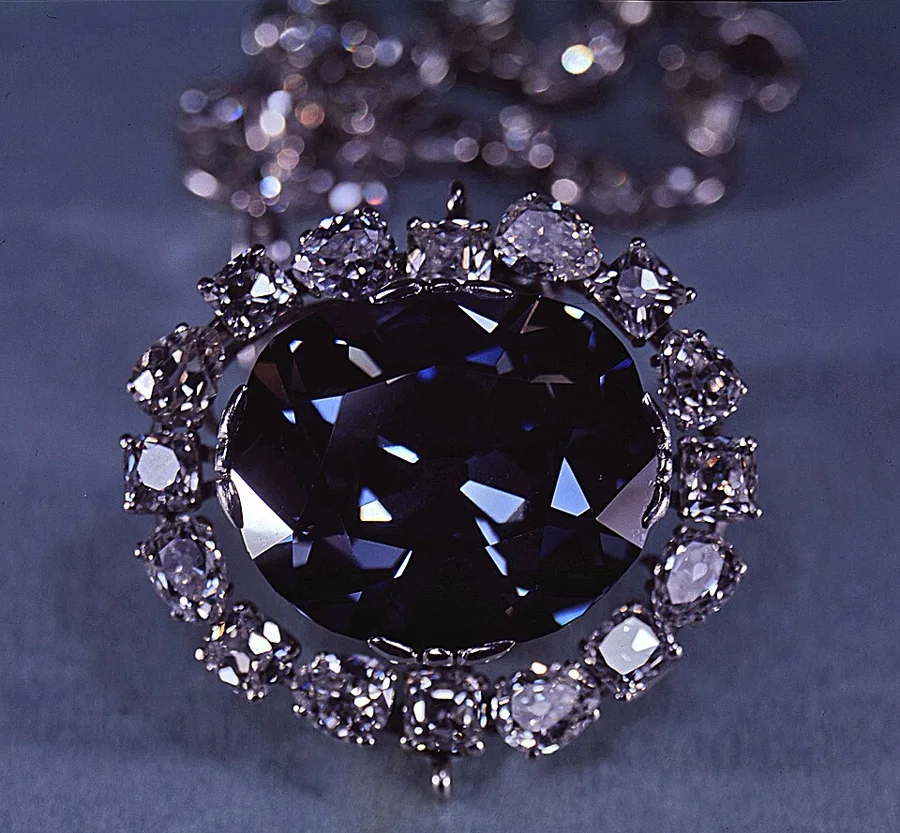
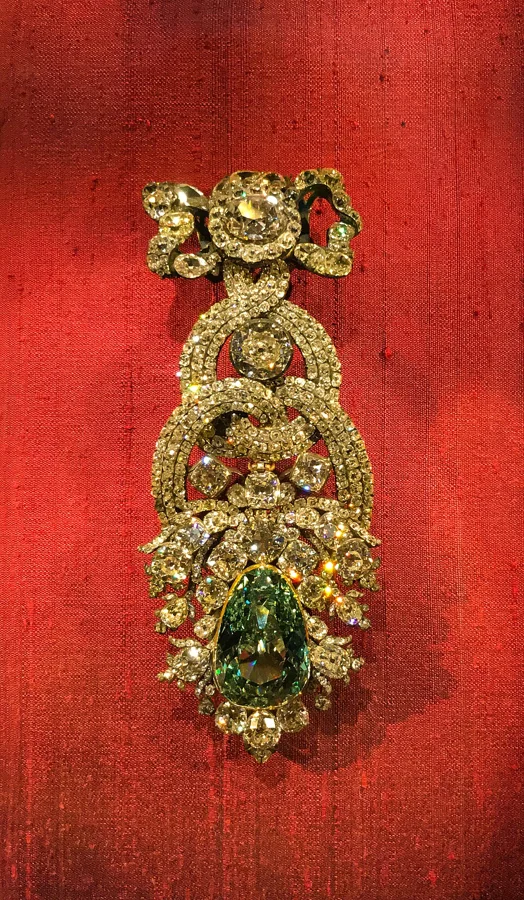

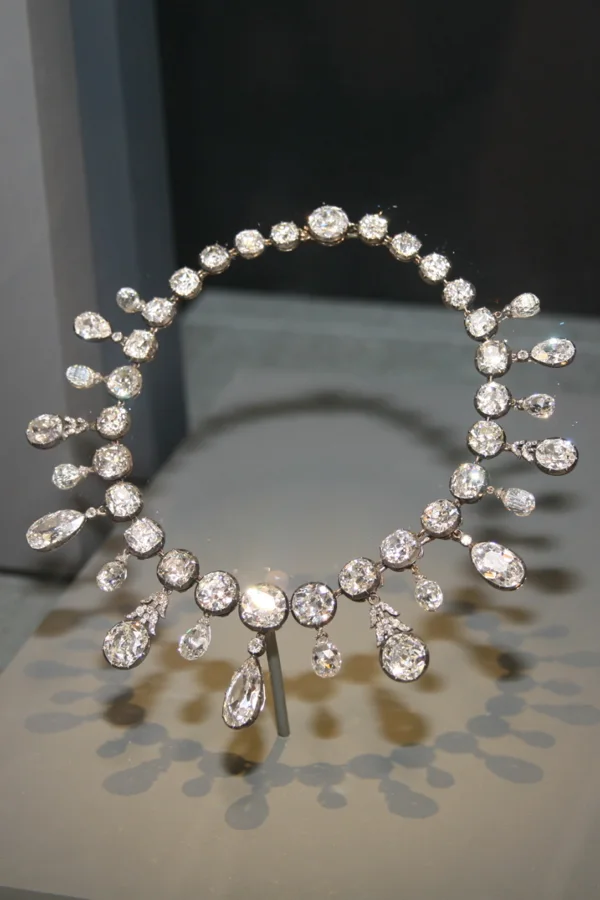
 Lab-grown30 ct lab-grown graduated diamond riviera necklace, 14kabout $11,500on Amazon →
 Natural5 ct natural diamond riviera necklace, 14k white goldabout $5,200on Amazon →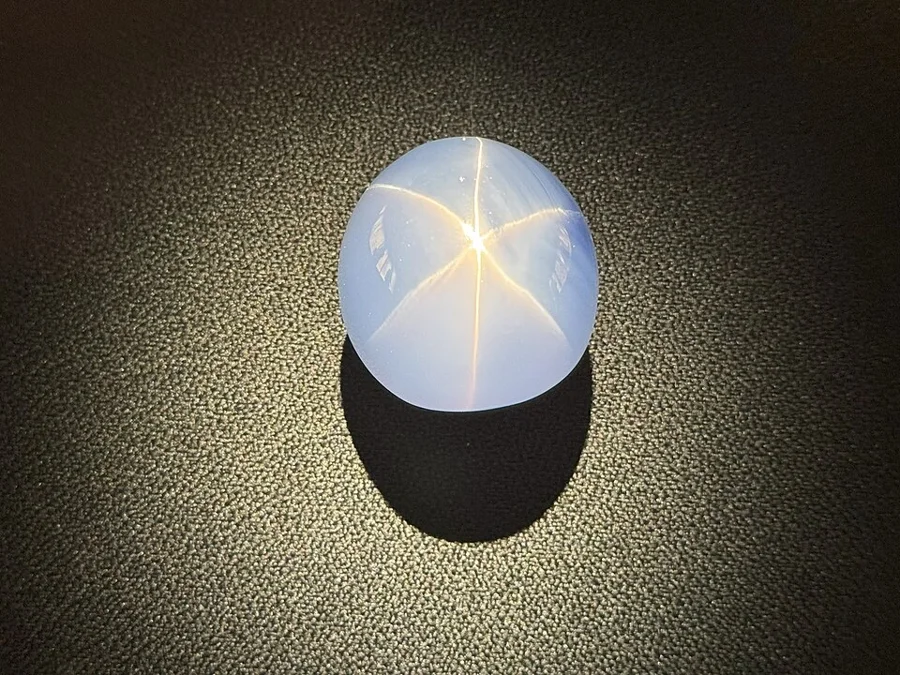
 Lab-grownLab-created star sapphire cabochon, ovalabout $16on Amazon →
 NaturalUnheated natural star sapphire, 19.17 ct, Sri Lanka, GRS reportabout $7,200on Amazon →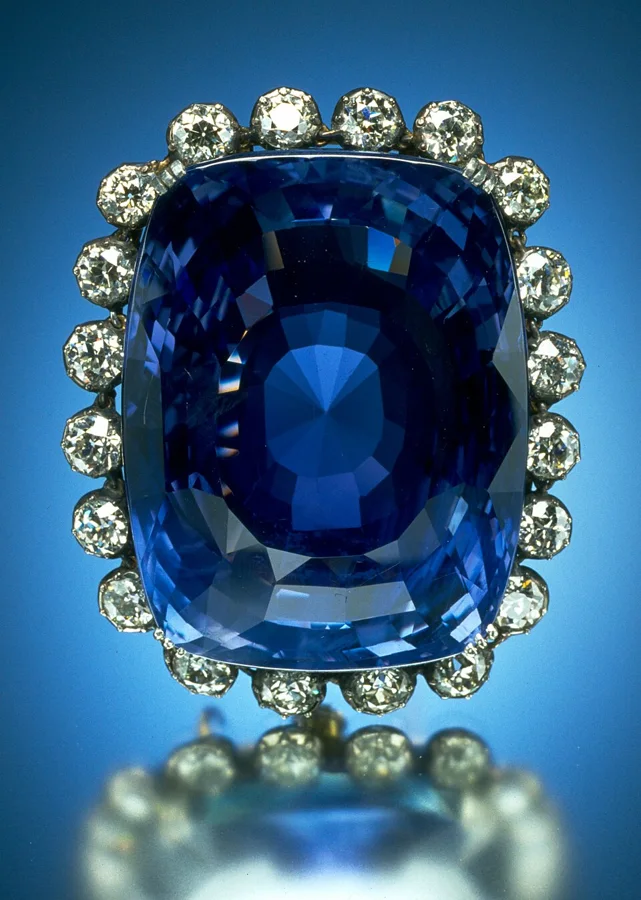
 Lab-grownLab-created blue sapphire, cushion, 8 mmabout $20on Amazon →
 NaturalNatural blue sapphire, cushion, 9.03 ct, GIA reportabout $23,500on Amazon →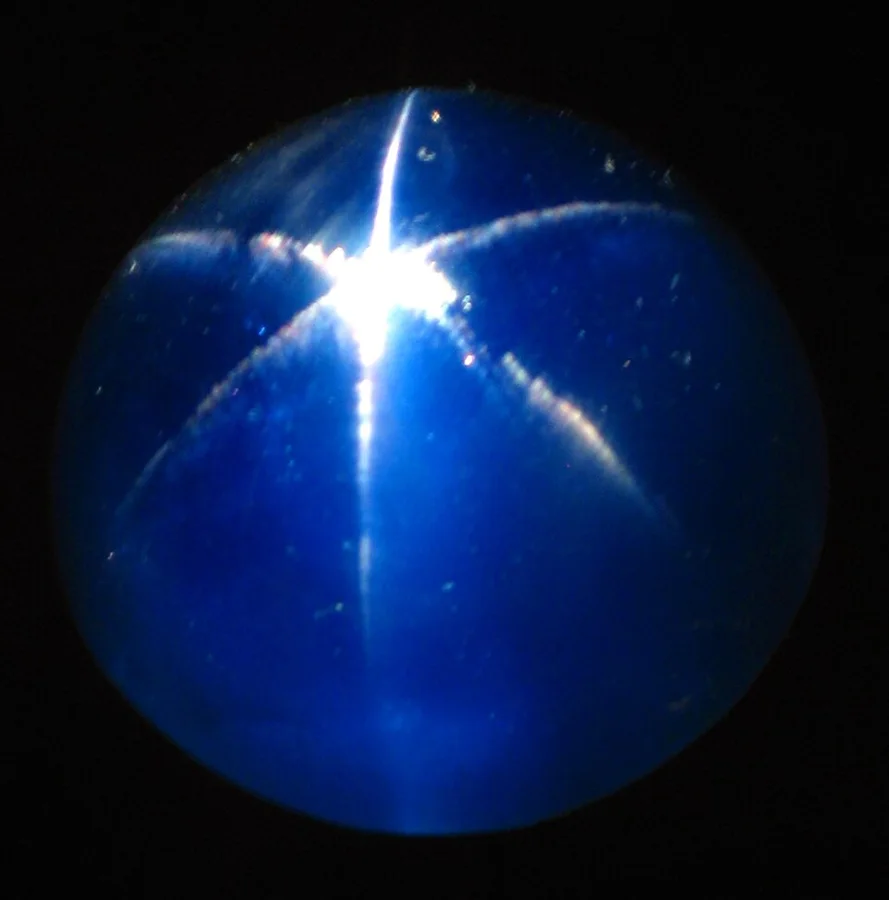
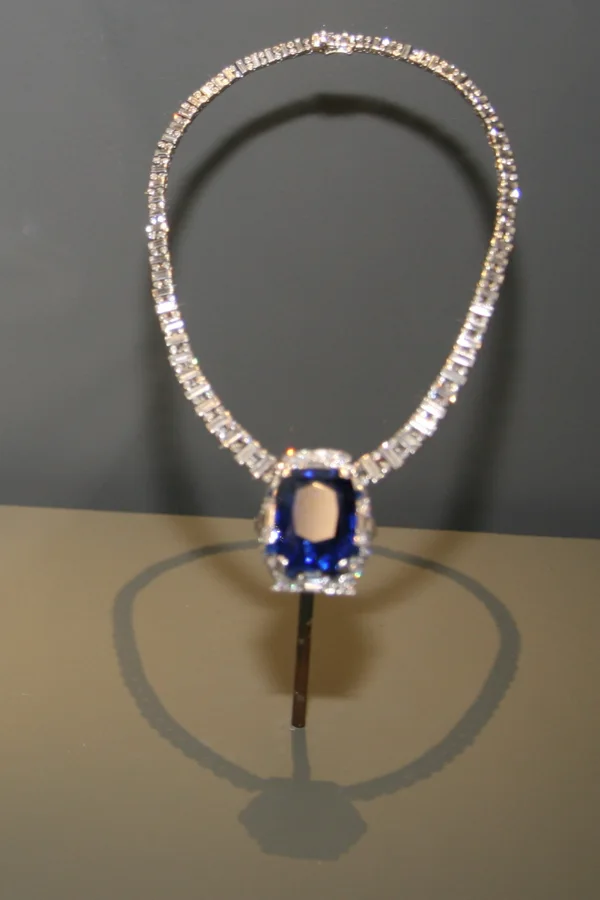
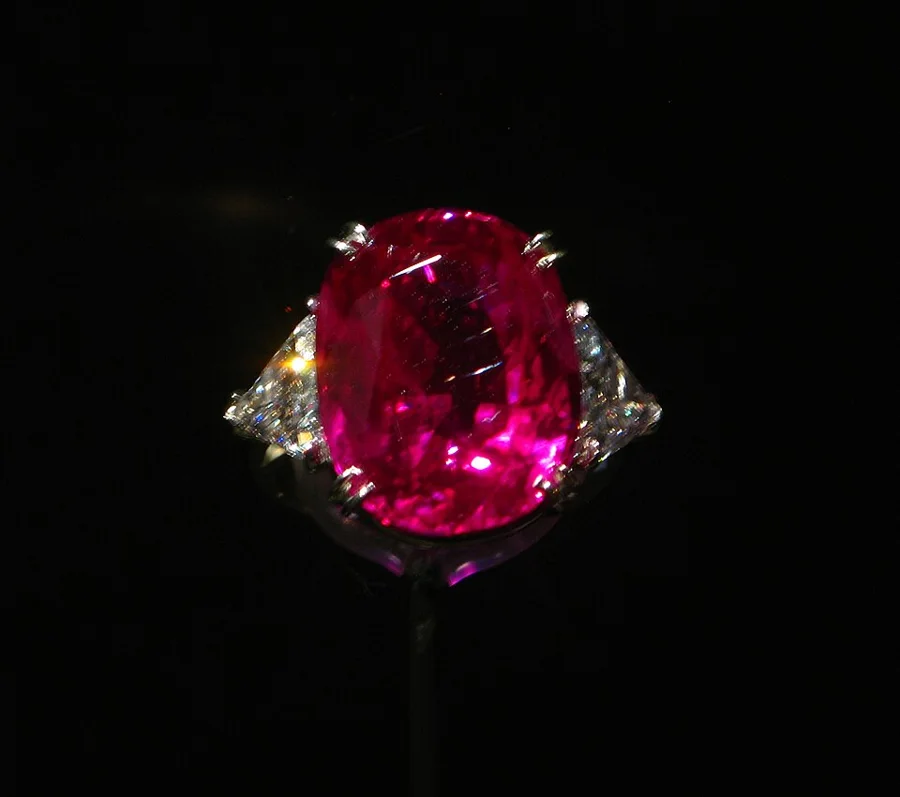
 Lab-grownLab ruby, oval, 20.5 ct, 20 x 15 mmabout $30on Amazon →
 NaturalNatural Burmese ruby, 5.11 ct, unheated, GIA reportabout $17,250on Amazon →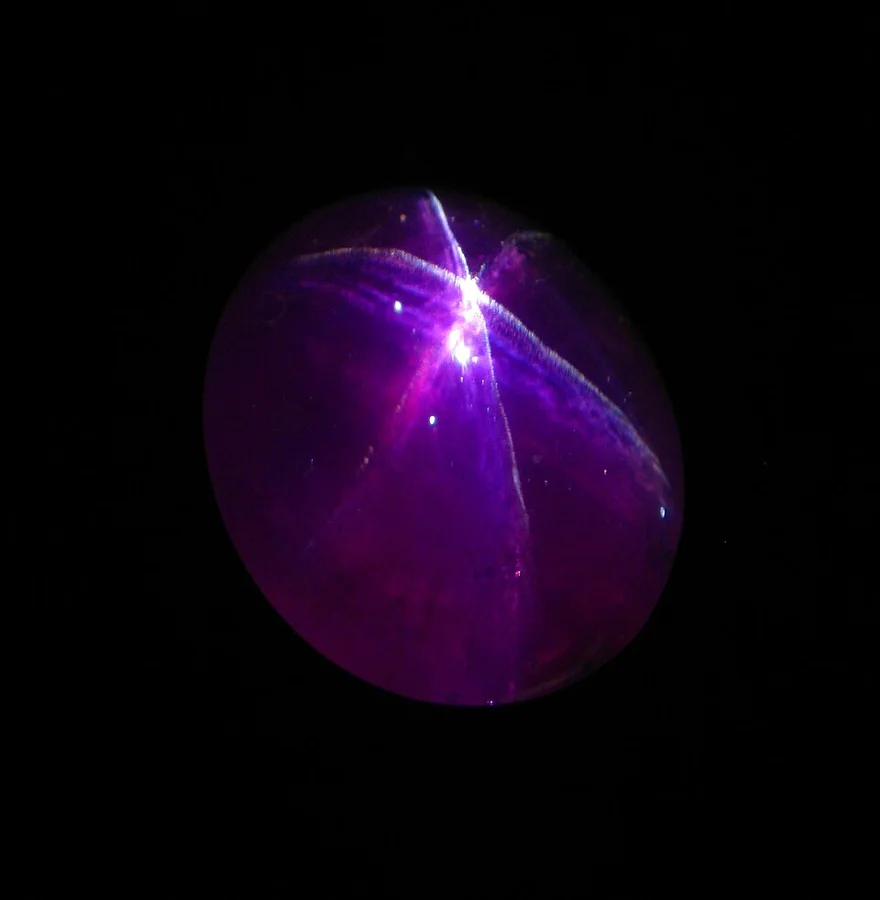
 Lab-grownLab-created star ruby cabochon, ovalabout $15on Amazon →
 NaturalNatural Burmese star ruby, 17.83 ct, untreated, GRS reportabout $3,600on Amazon →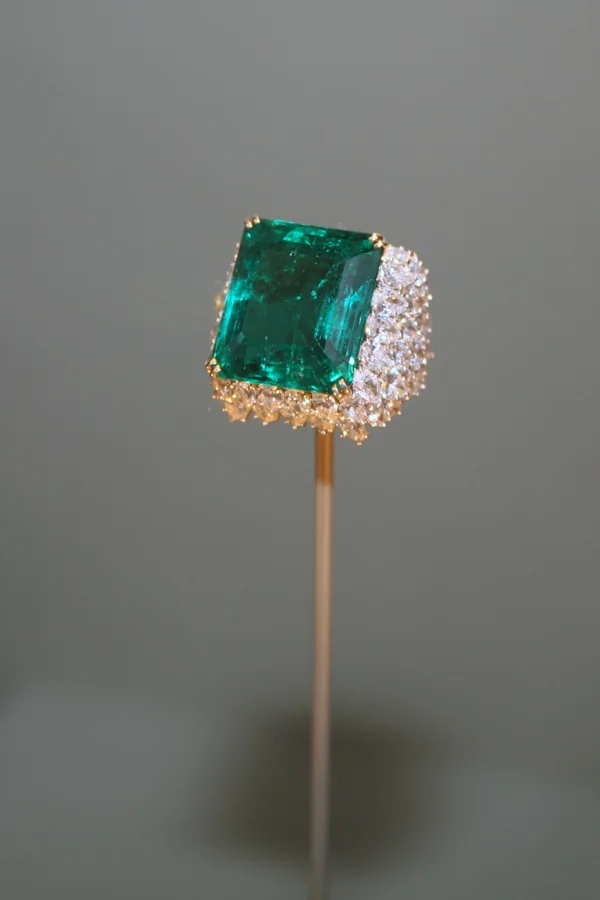
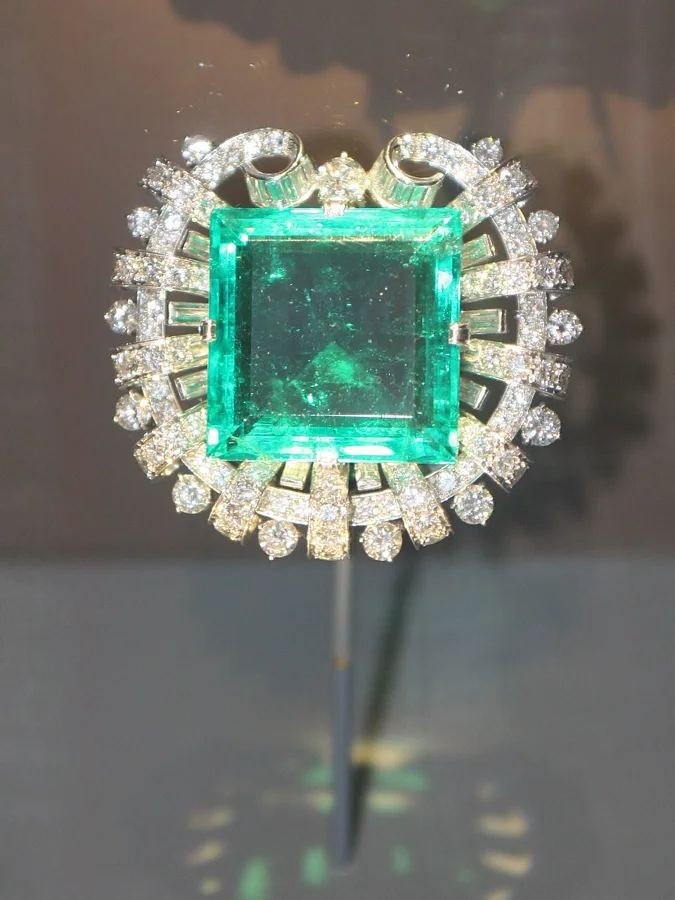
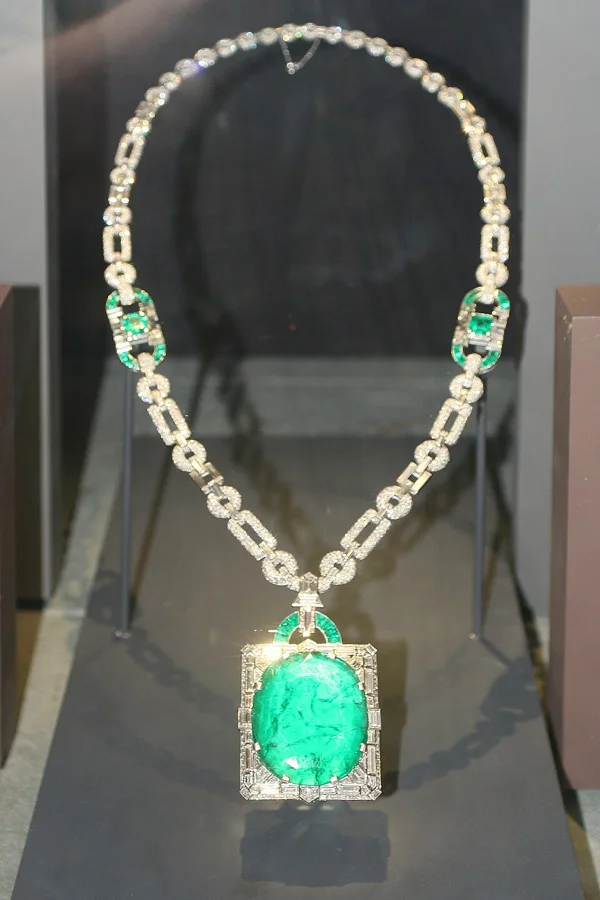
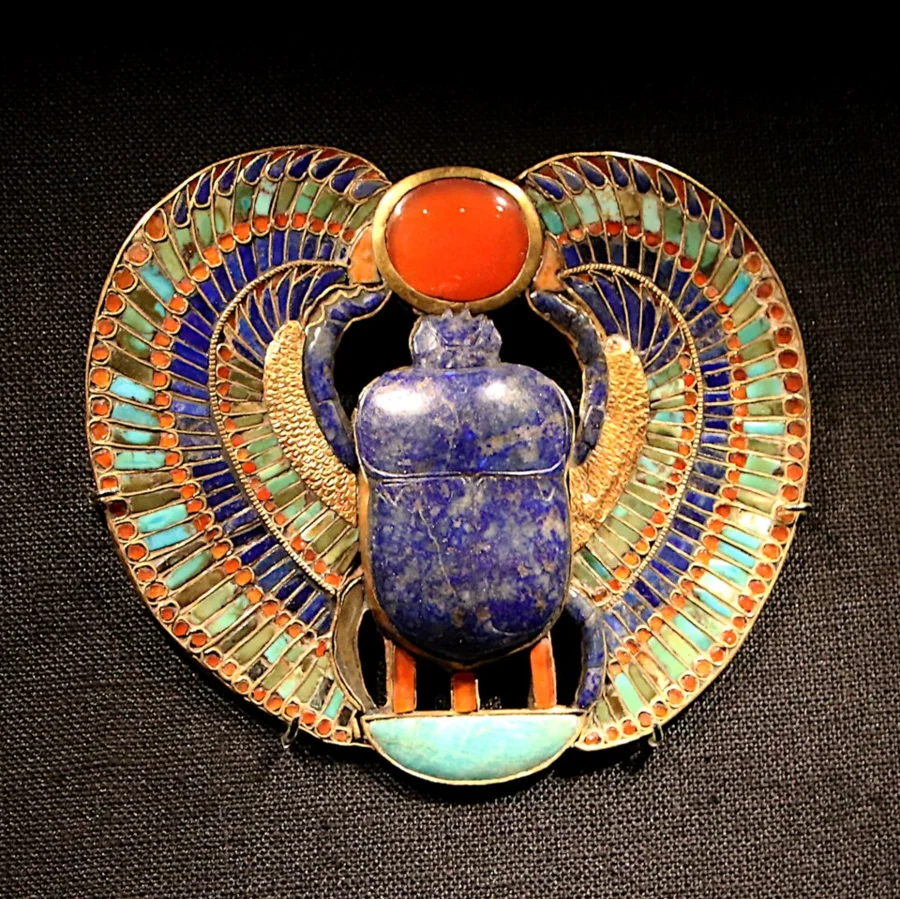

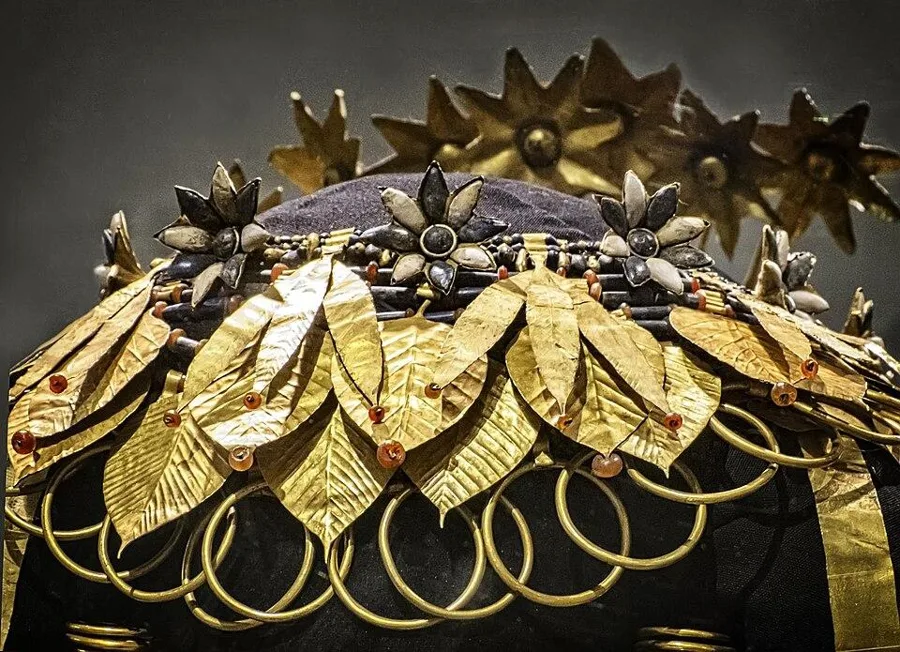

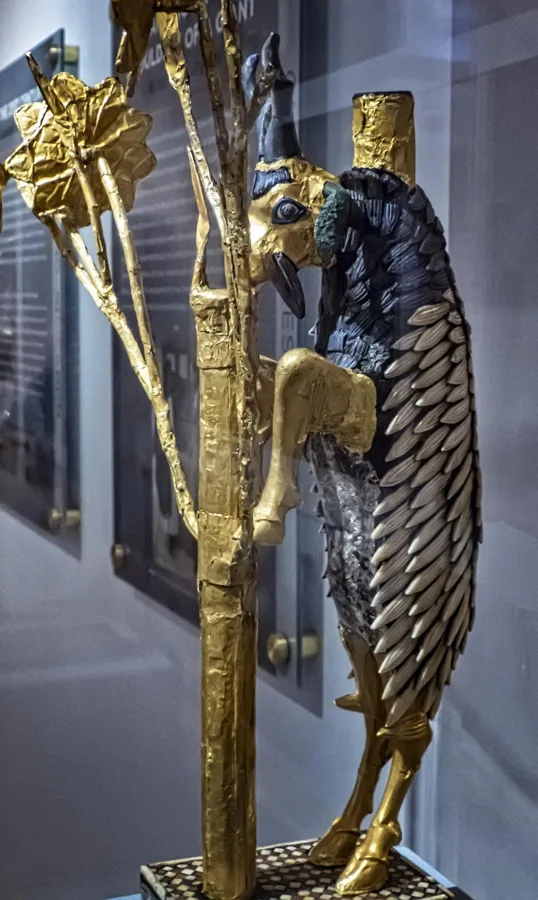

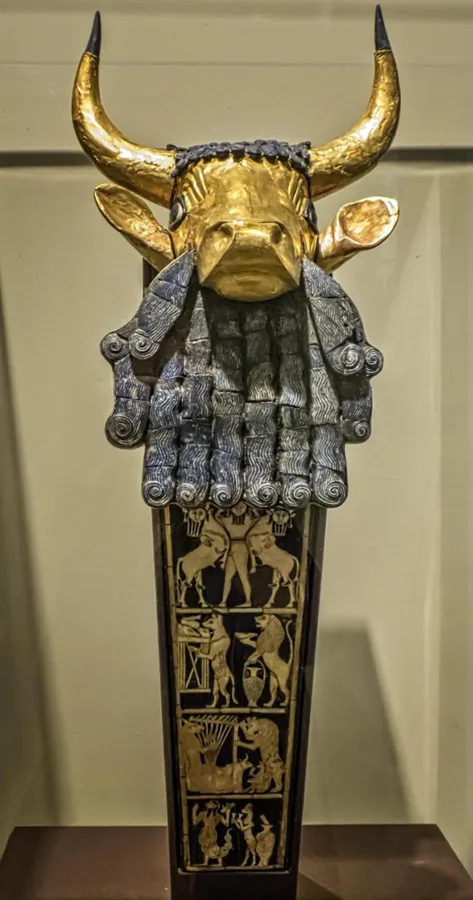
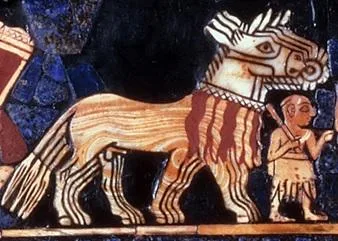
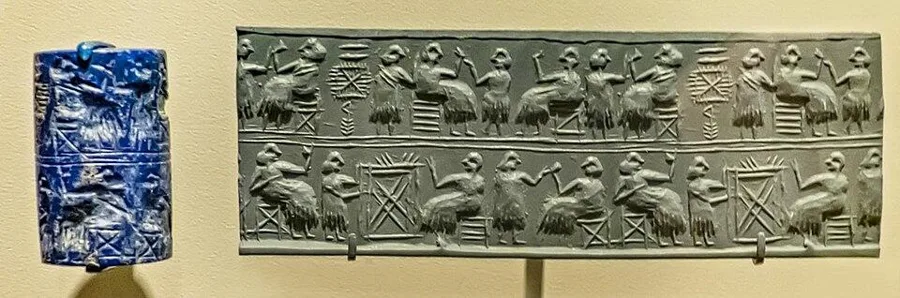
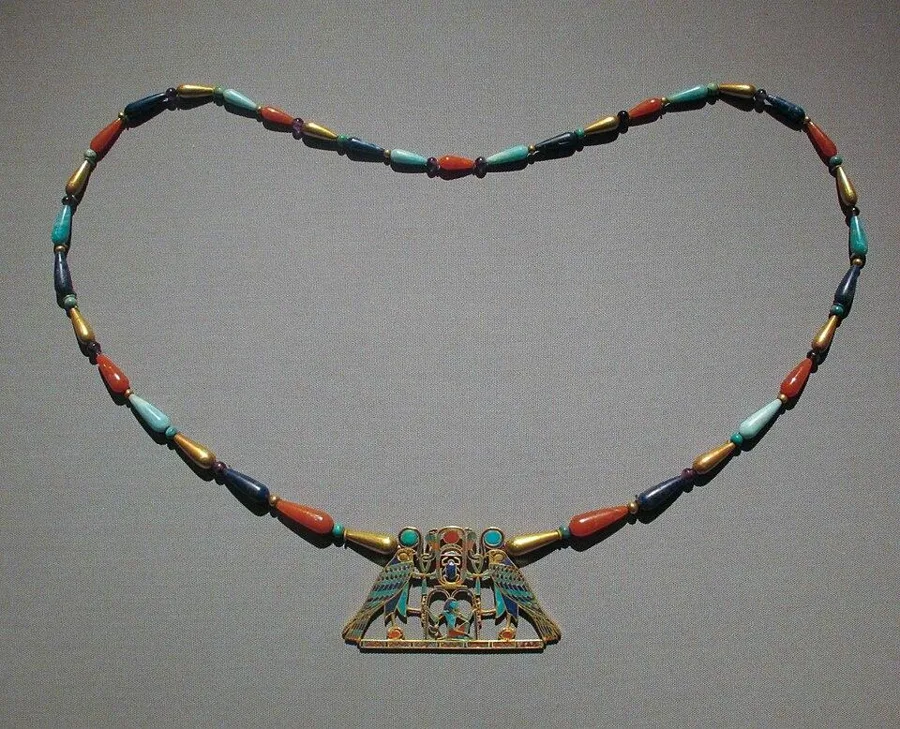


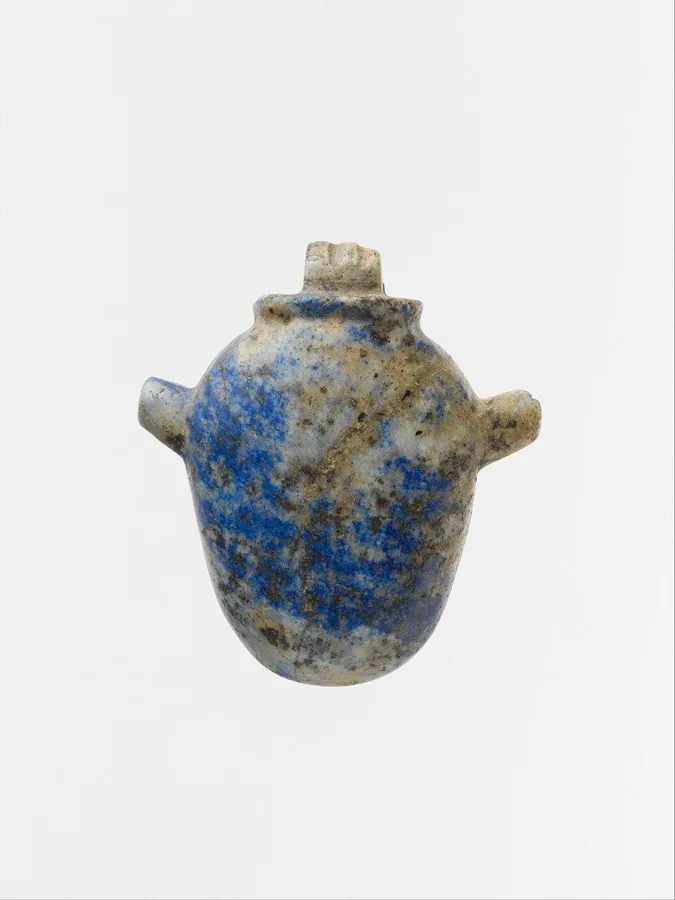
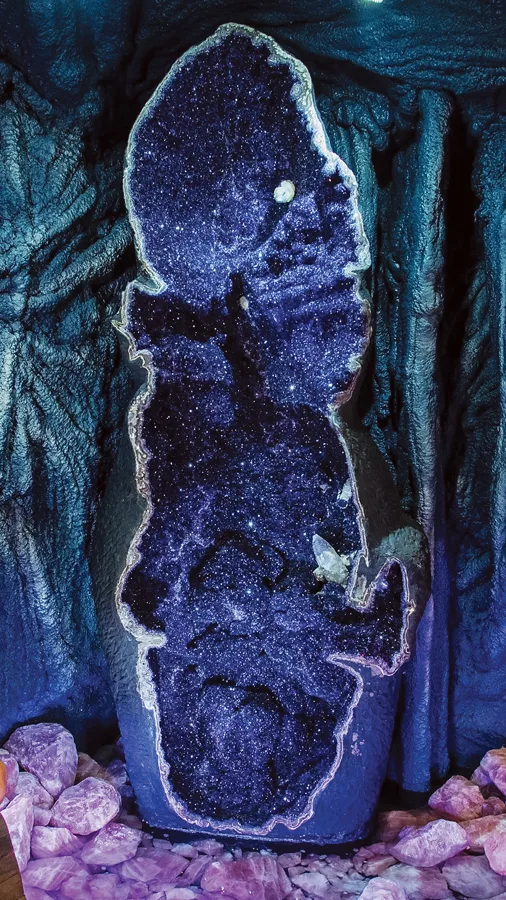

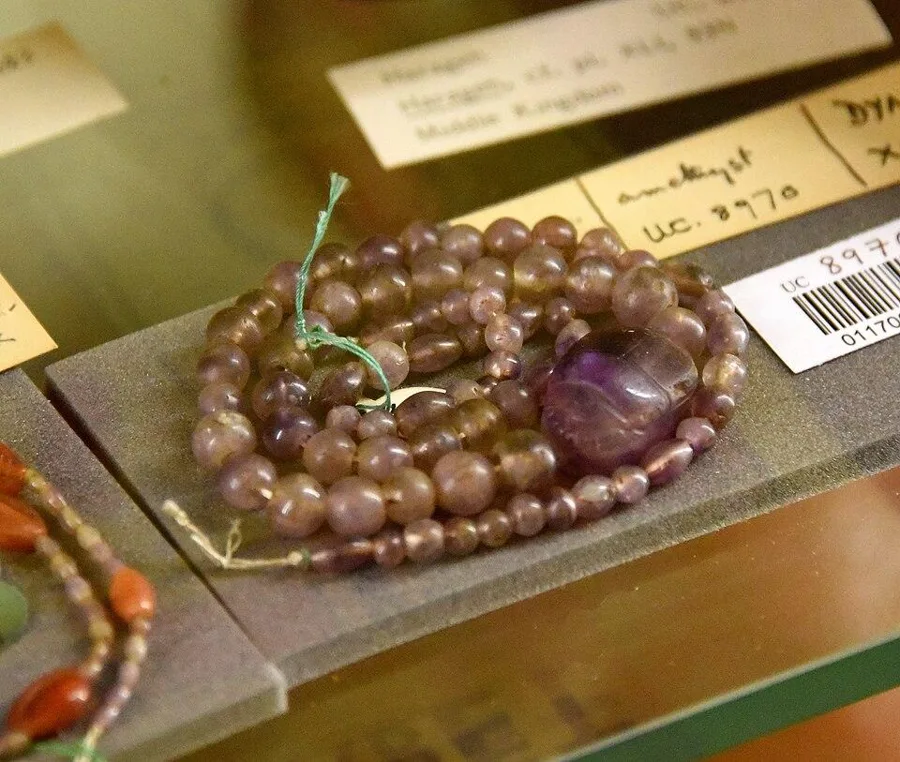
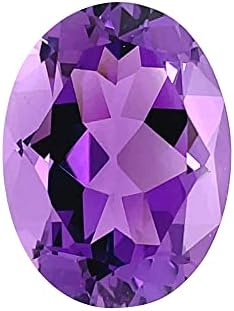
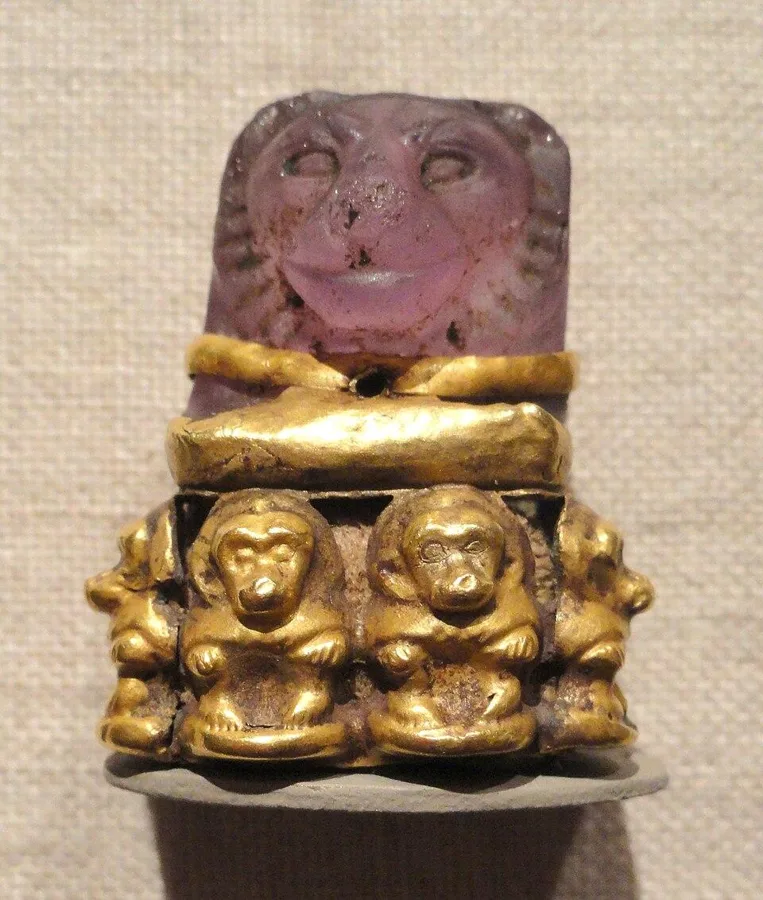
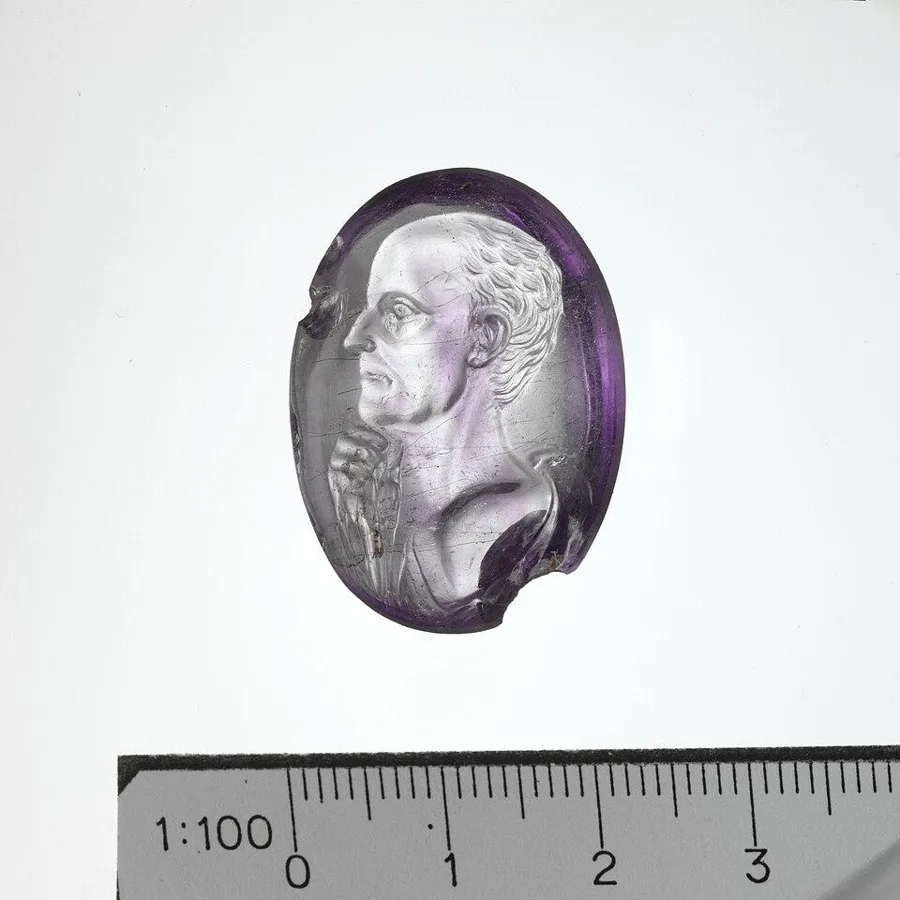
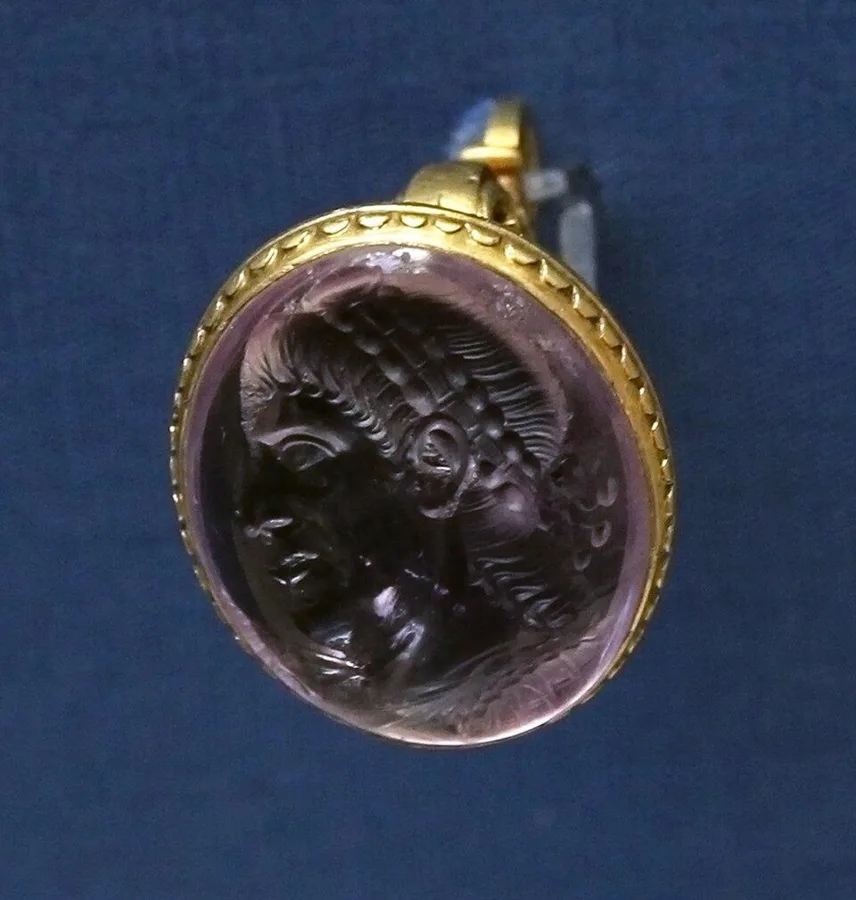
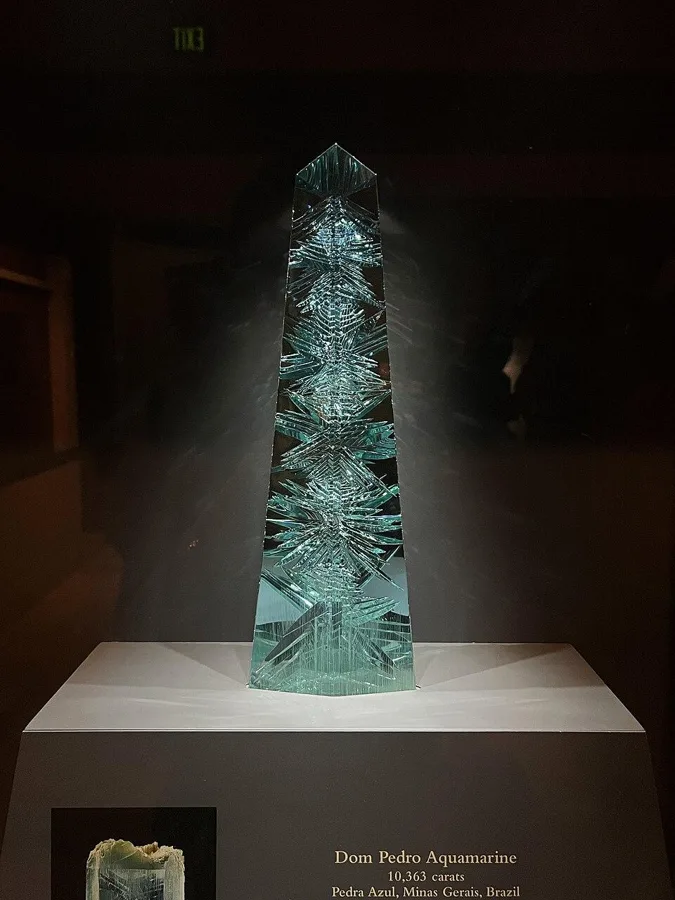
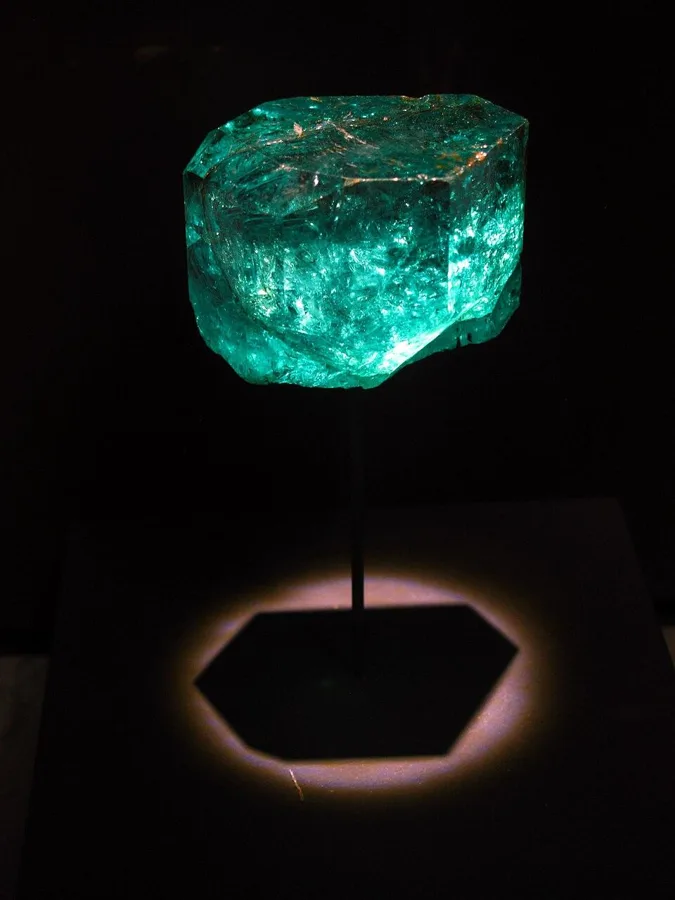
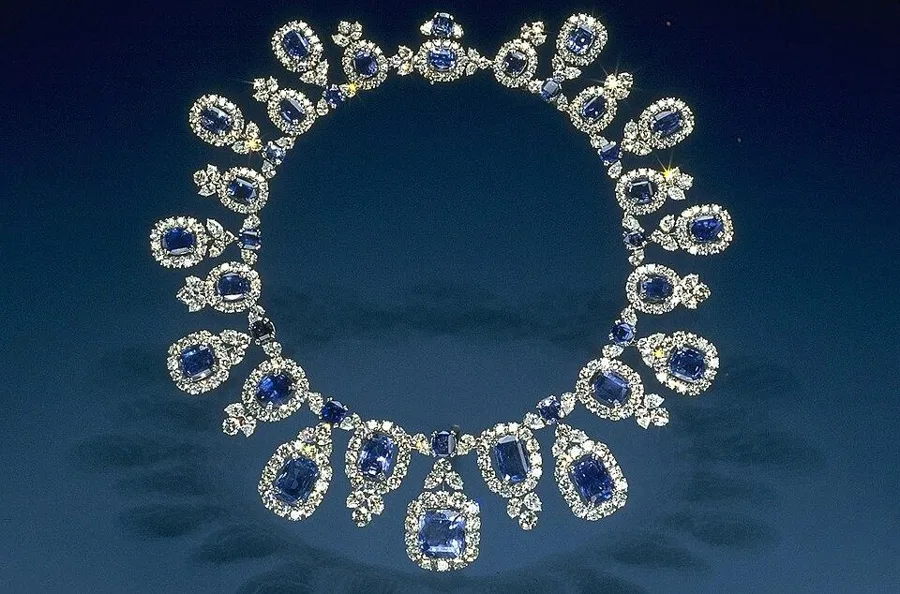
 Lab-grownLab sapphire tennis necklace, 9.4 ct total, white goldabout $350on Amazon →
 NaturalNatural blue sapphire with a GIA reportabout $7,700on Amazon →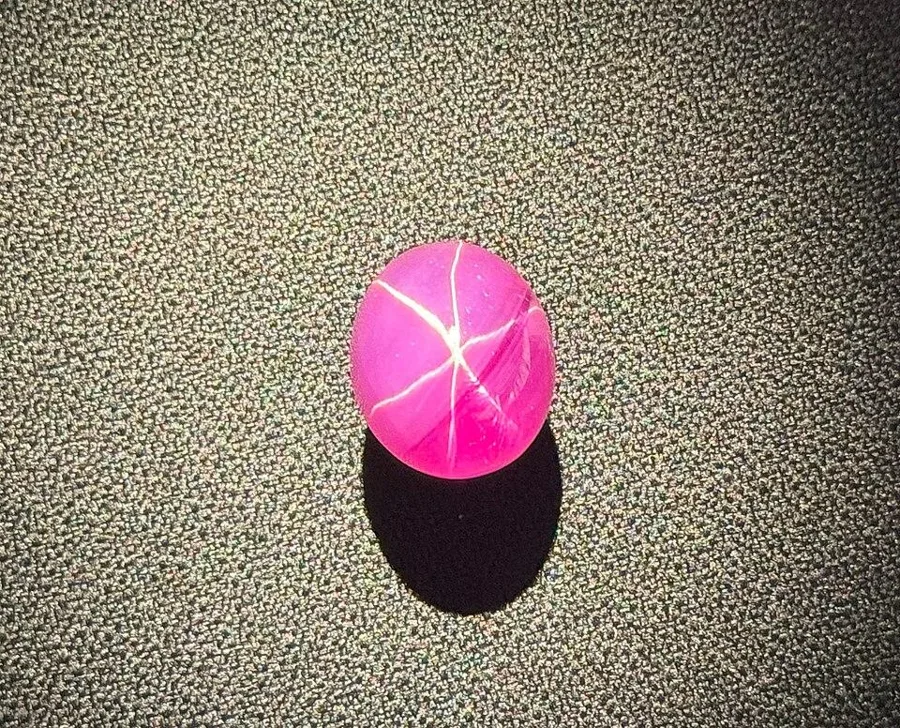
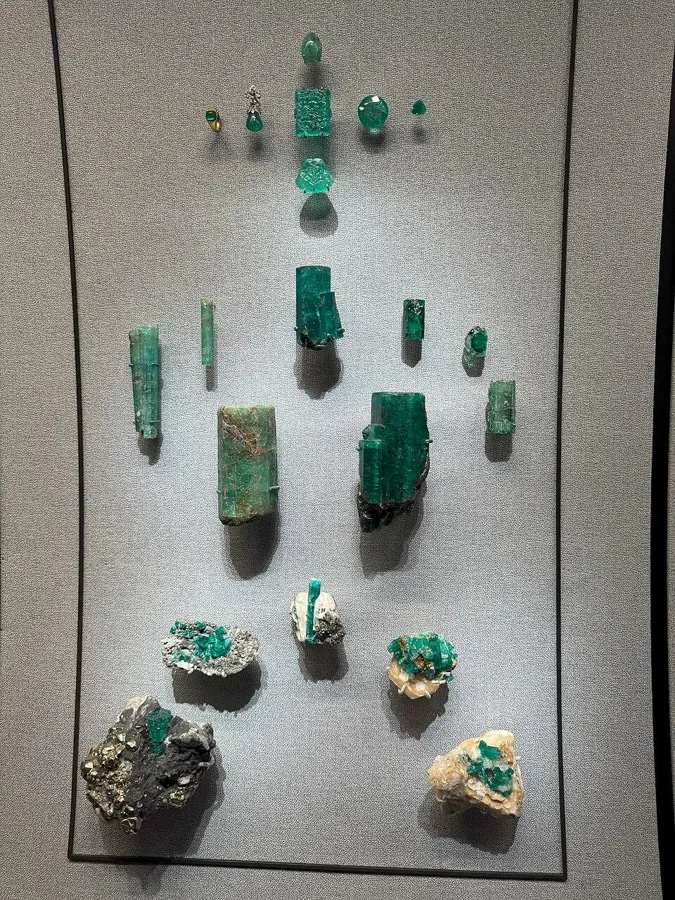
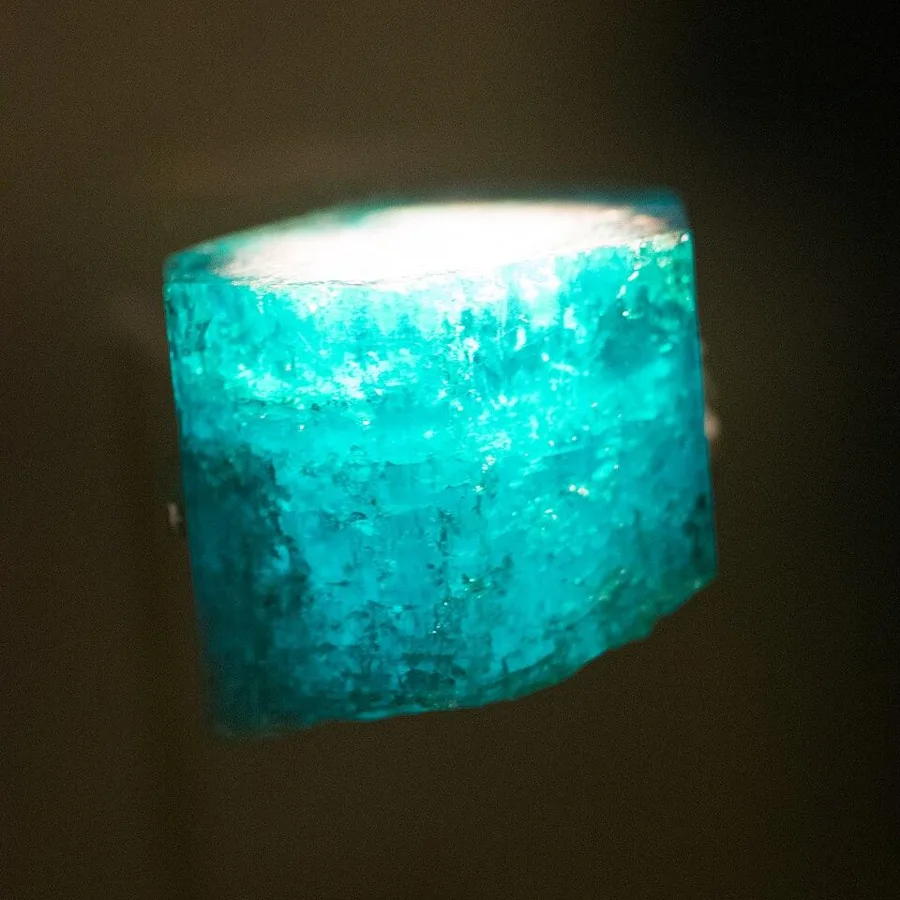

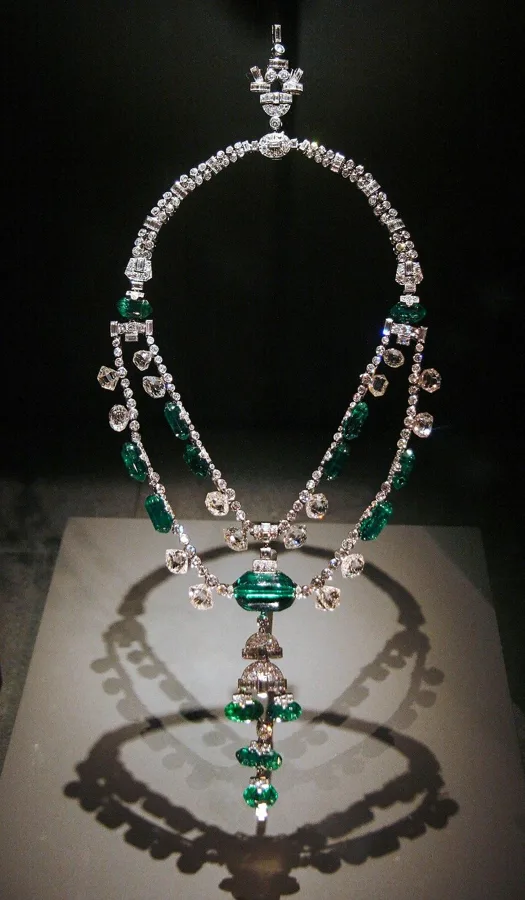
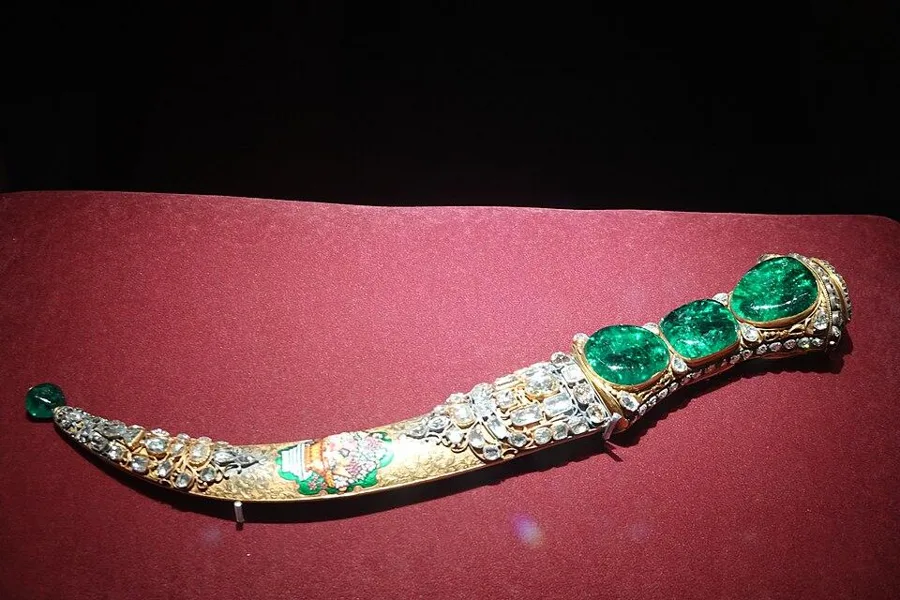

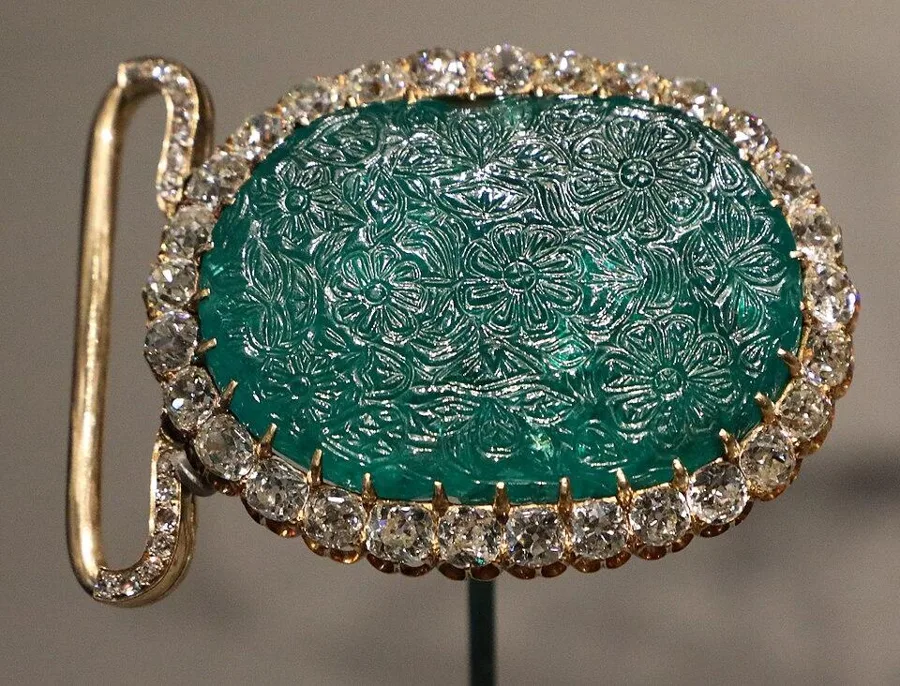

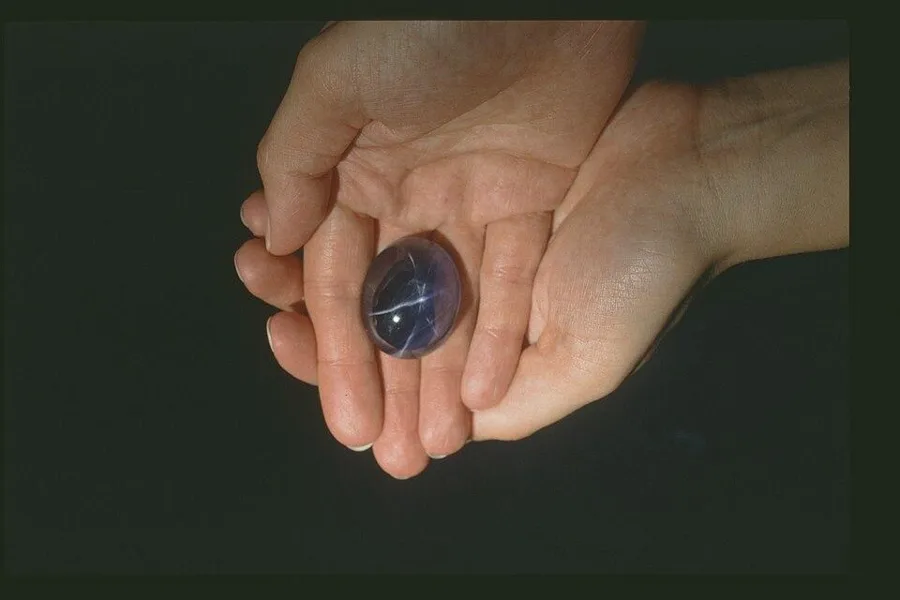
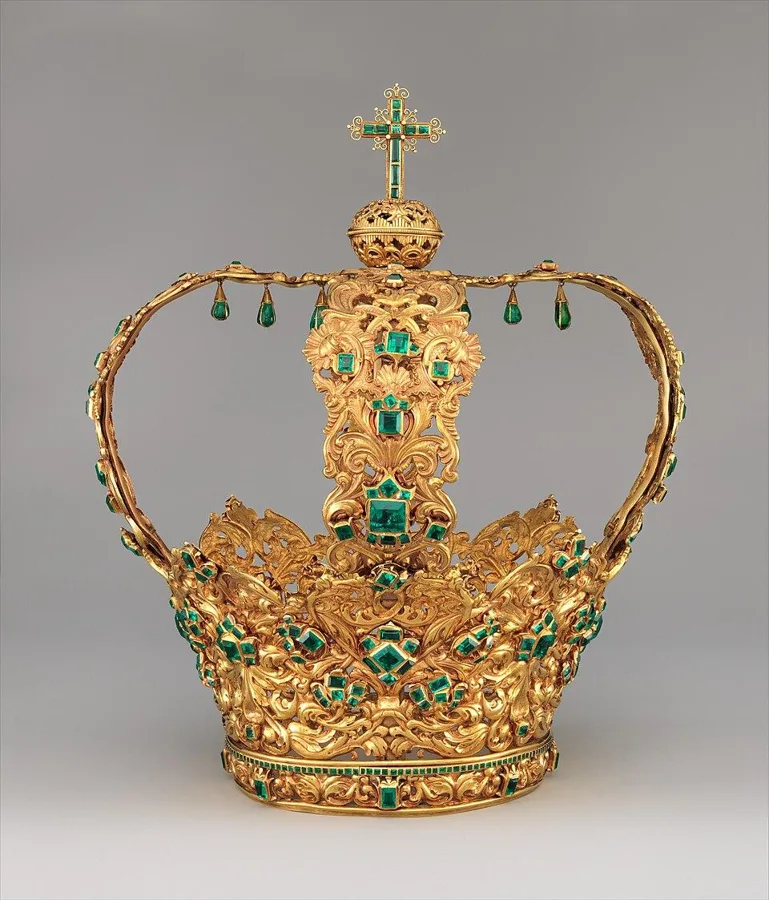
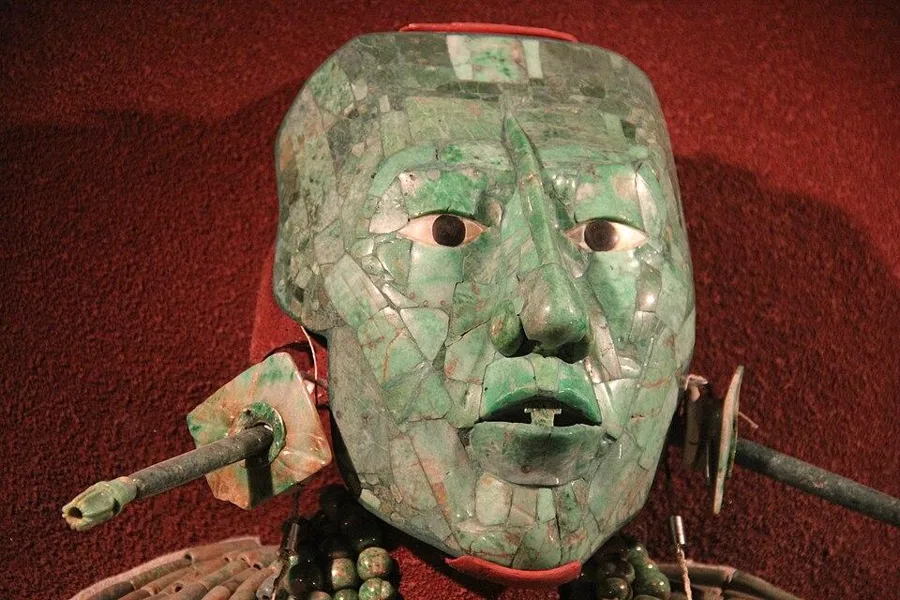

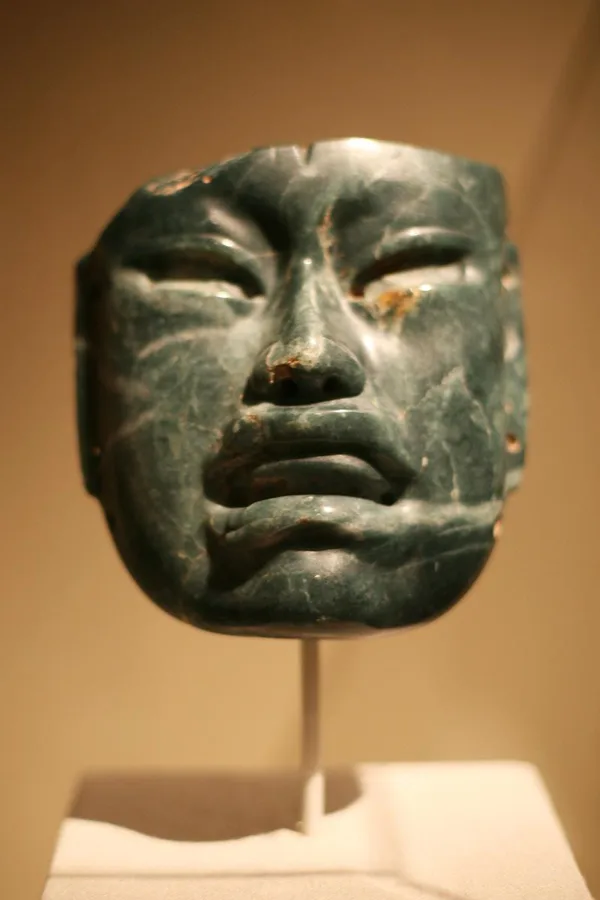

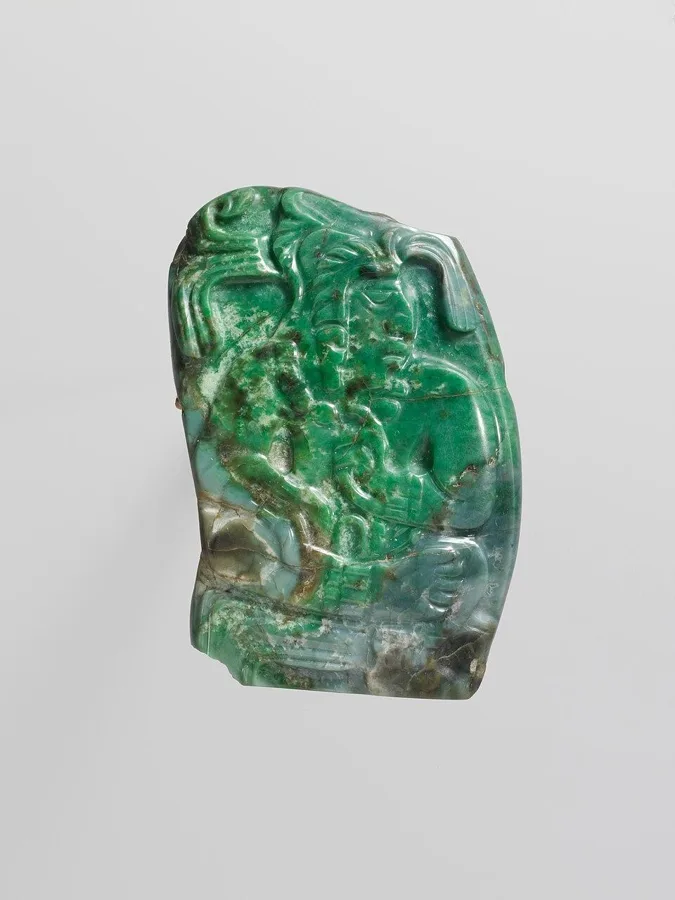
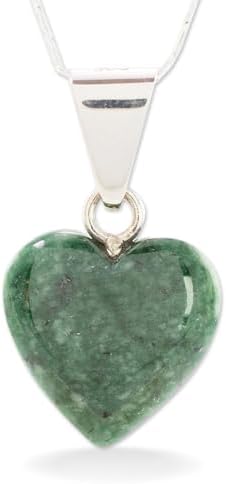
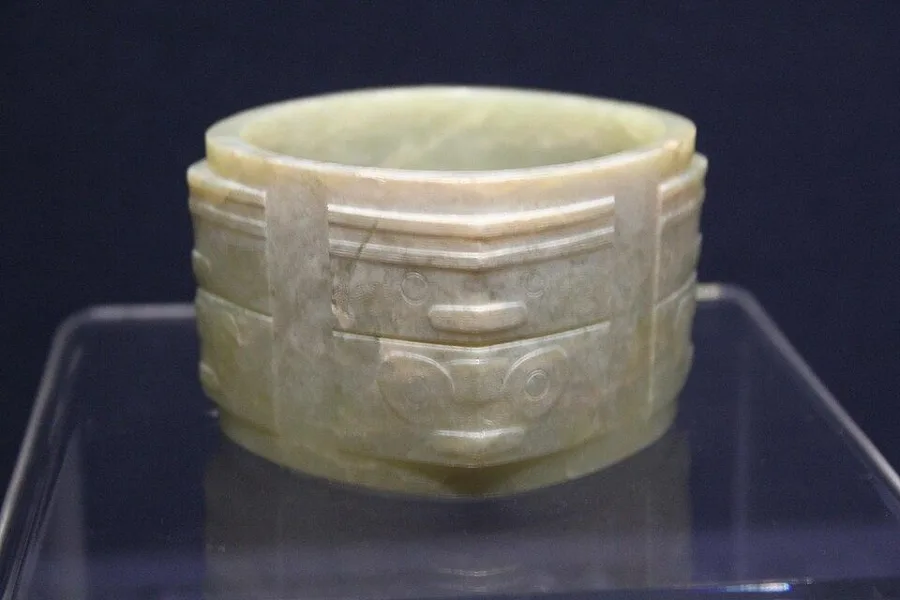

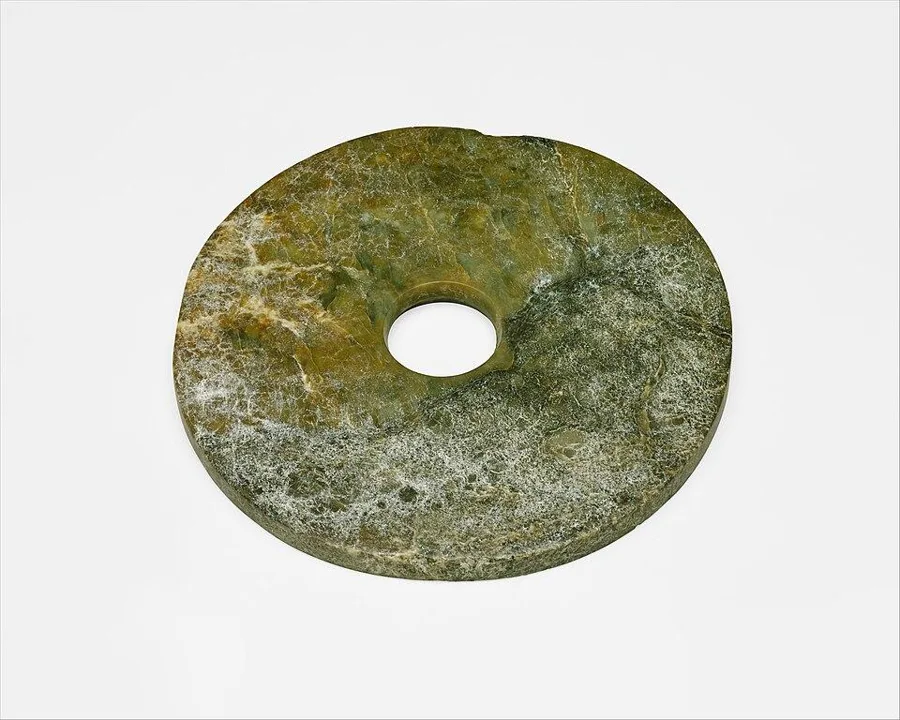

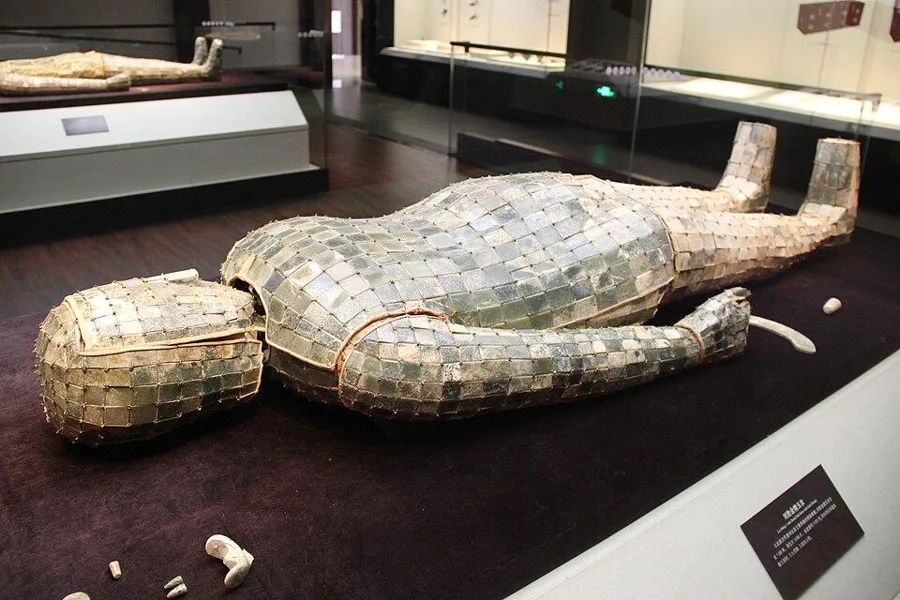

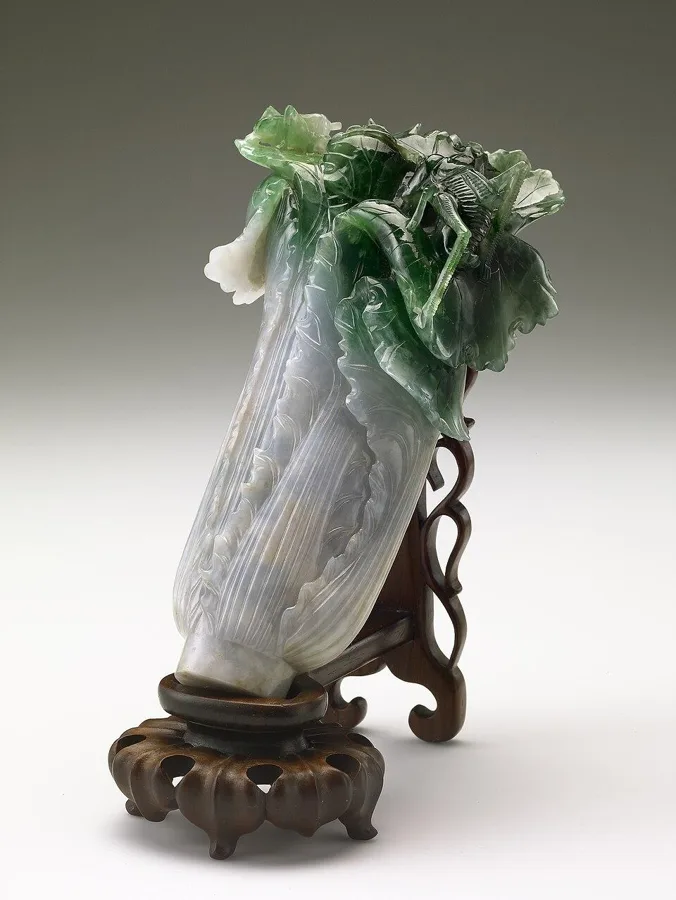

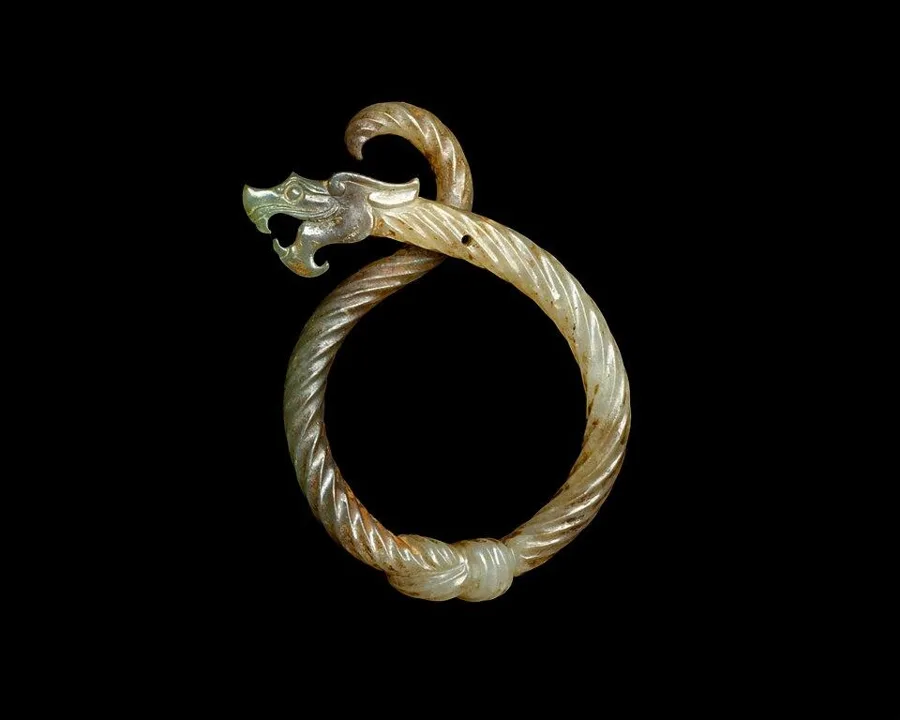
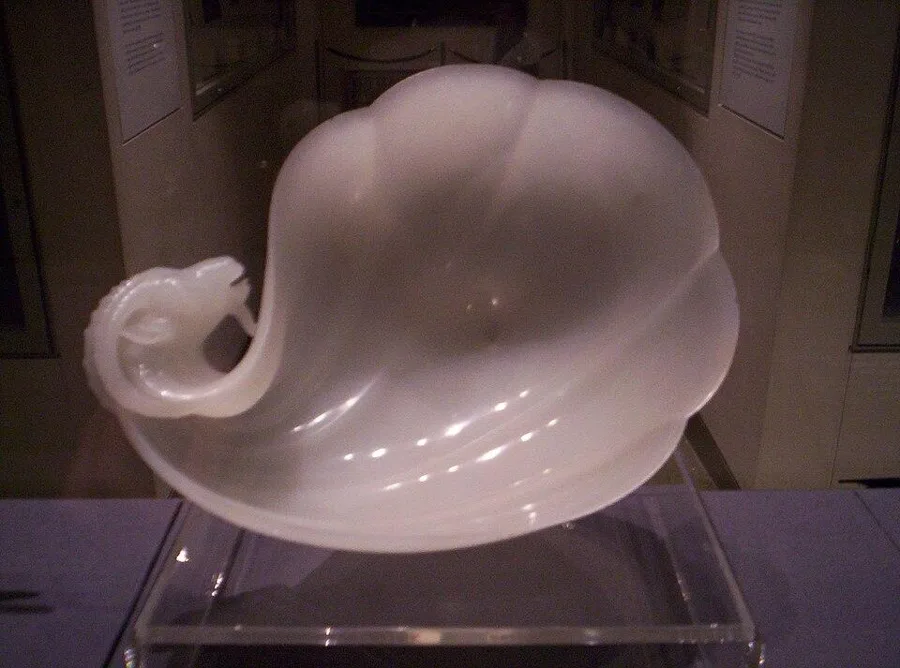

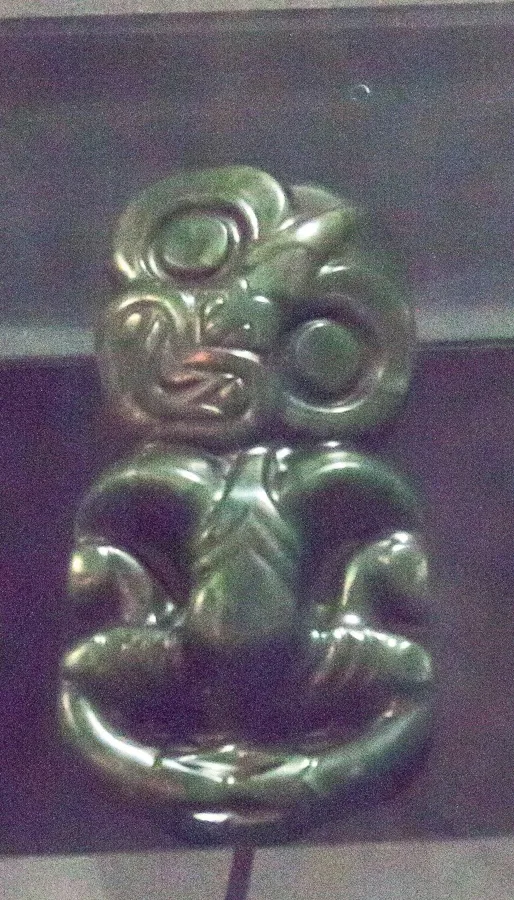

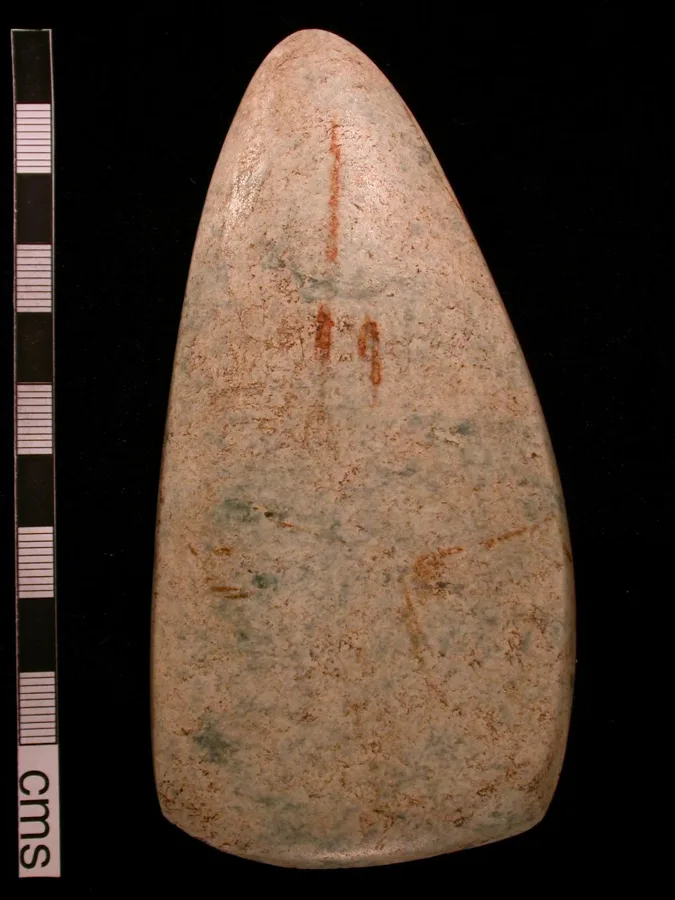

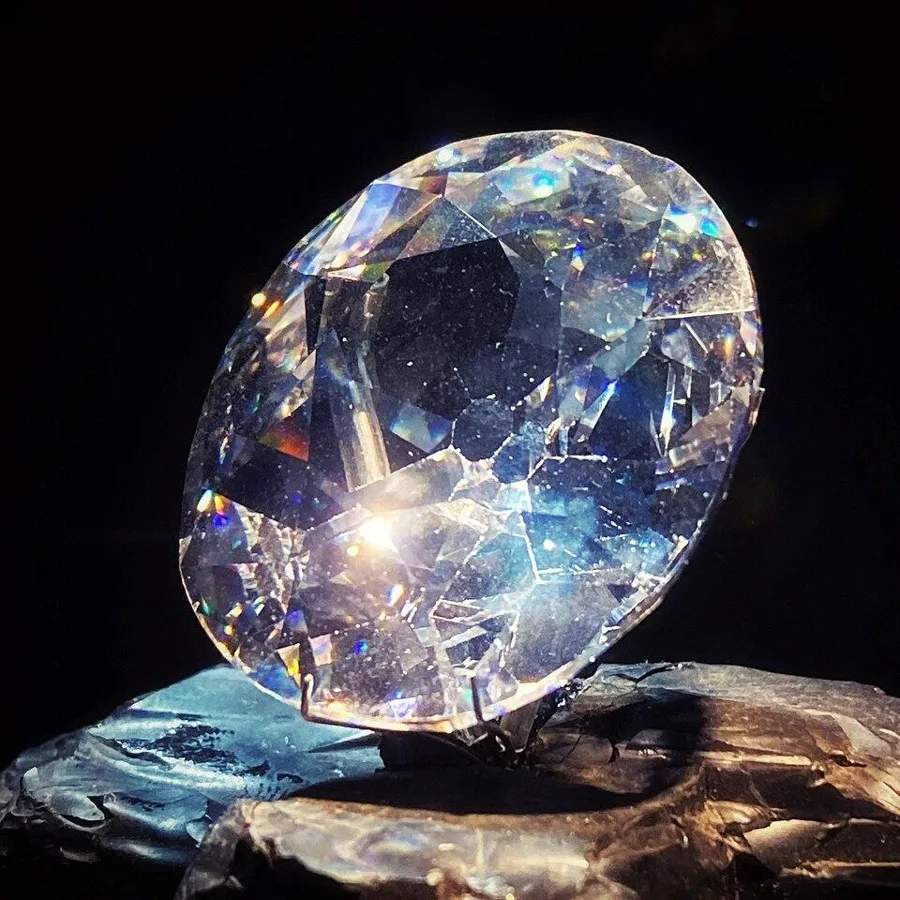

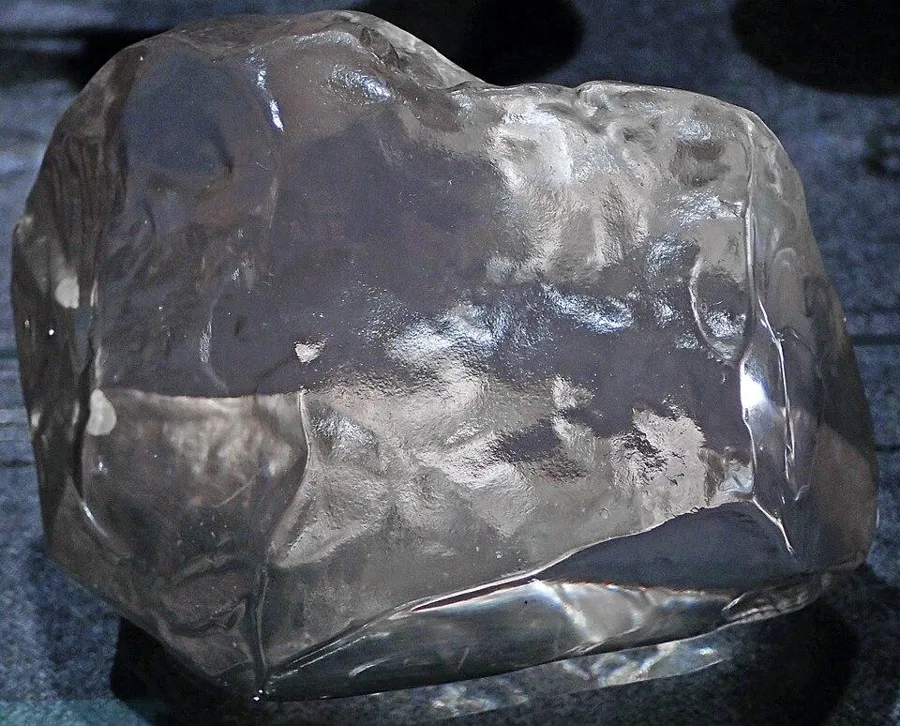

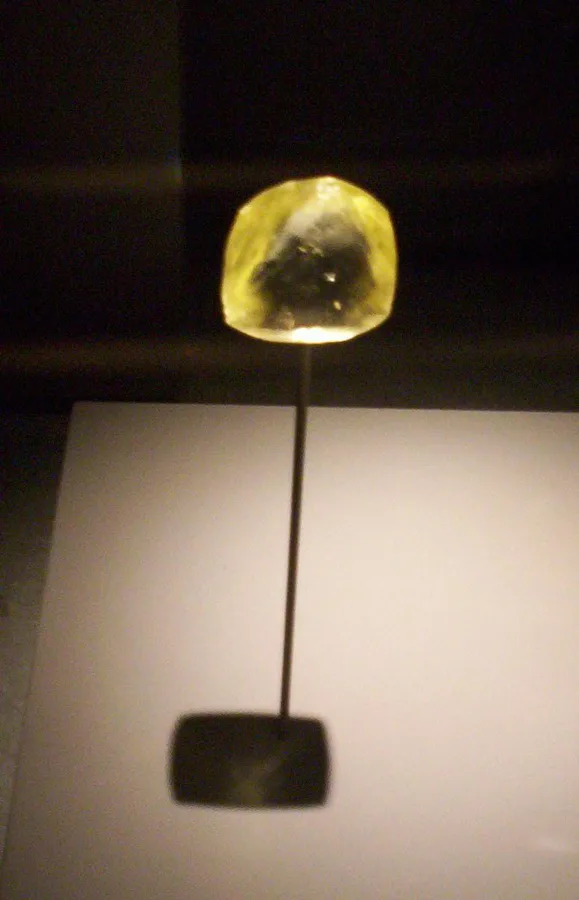
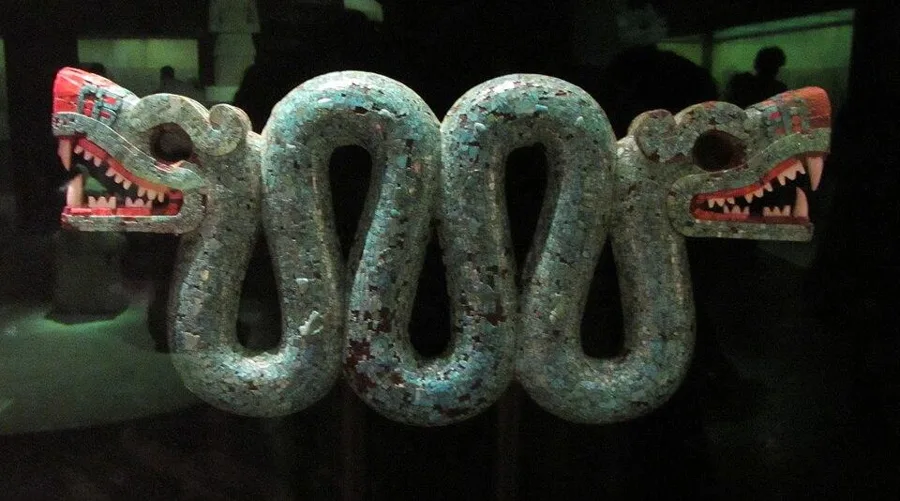
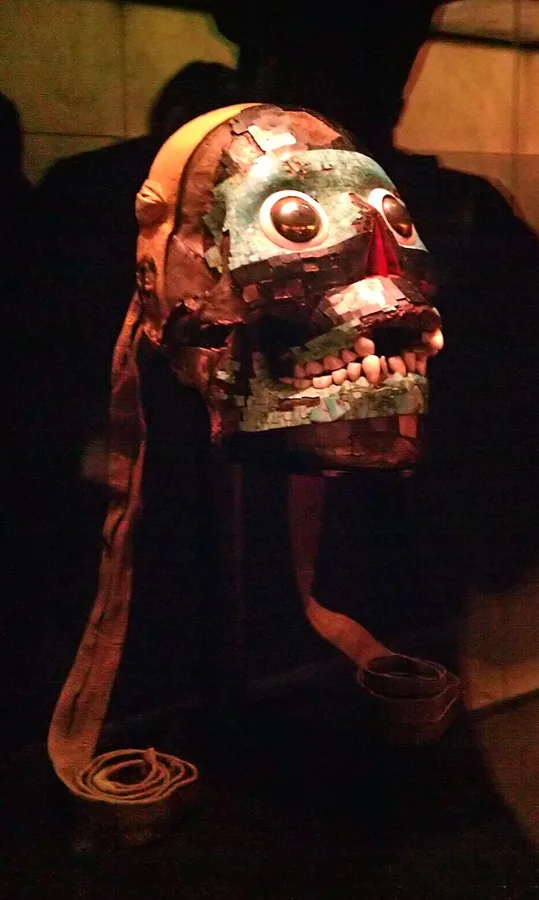

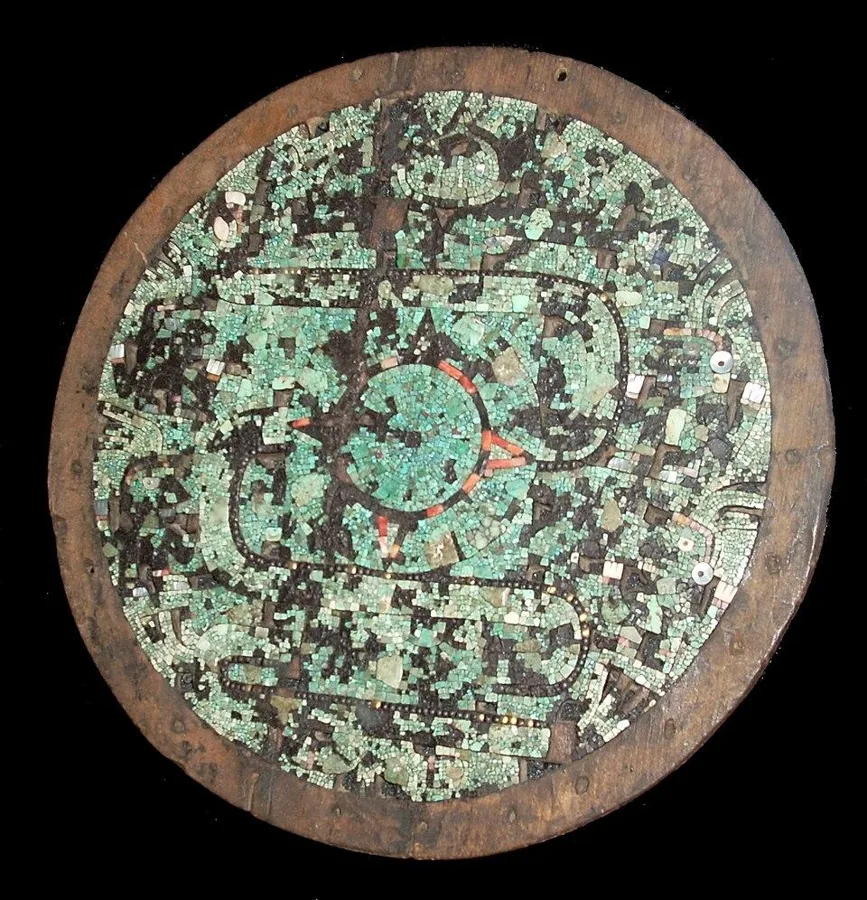

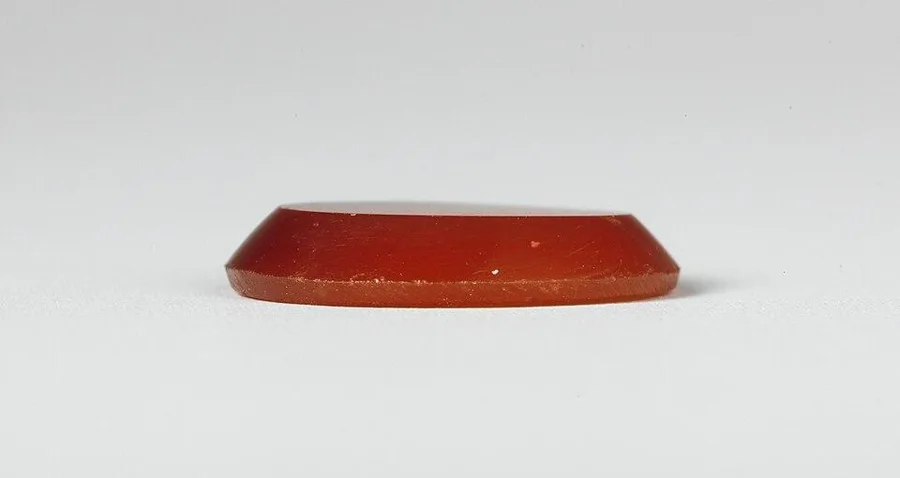

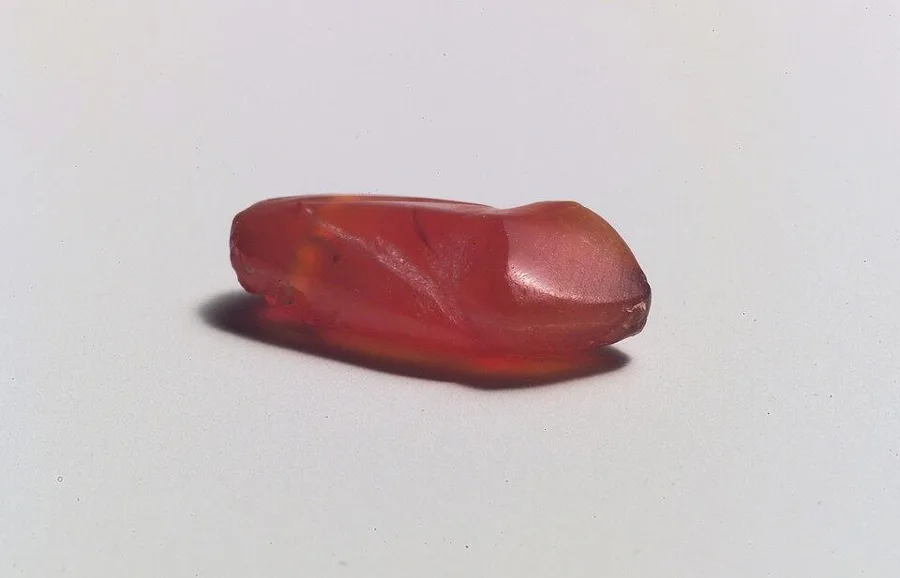

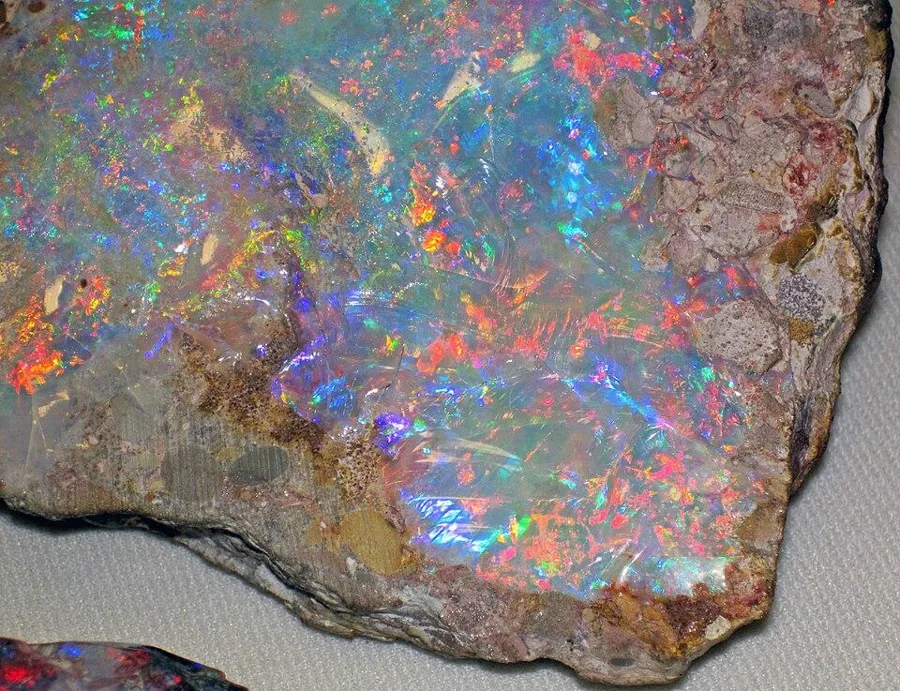
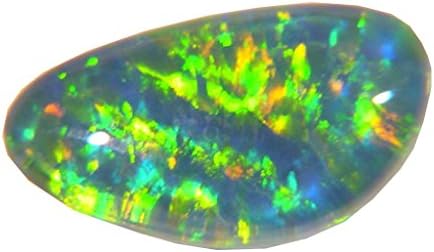 Lab-grownGilson lab opal tripletabout $13on Amazon →
 NaturalEthiopian Welo opal cabochonsabout $30on Amazon →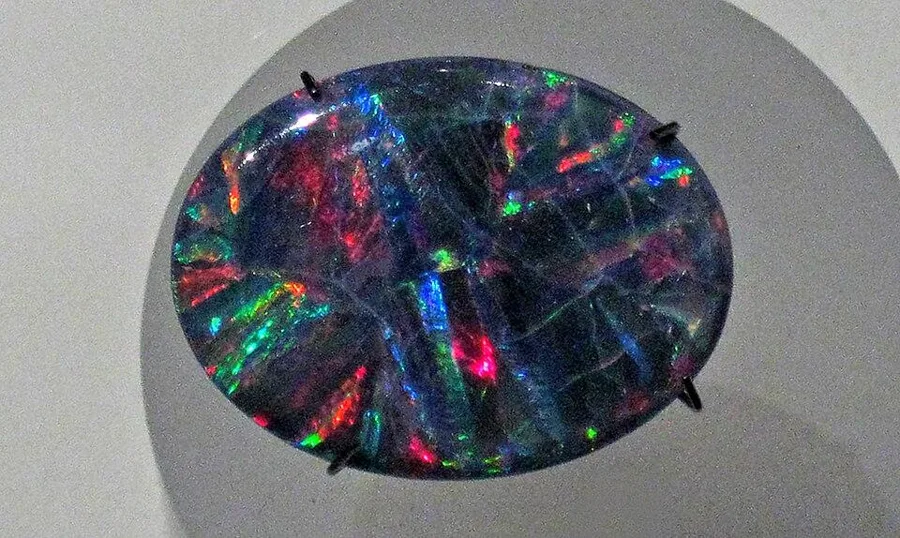
 NaturalSolid natural black opal, Lightning Ridge, 1.35 ctabout $1,150on Amazon →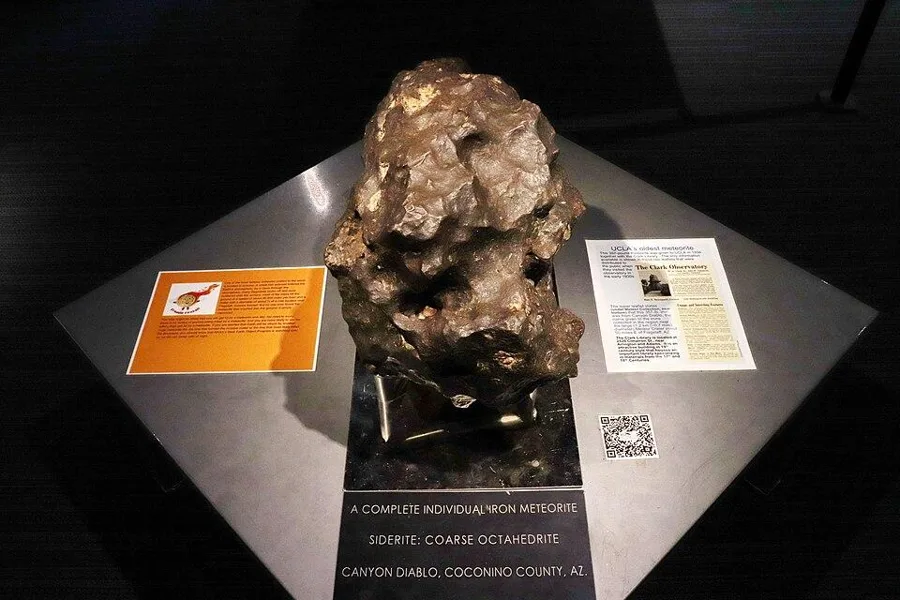

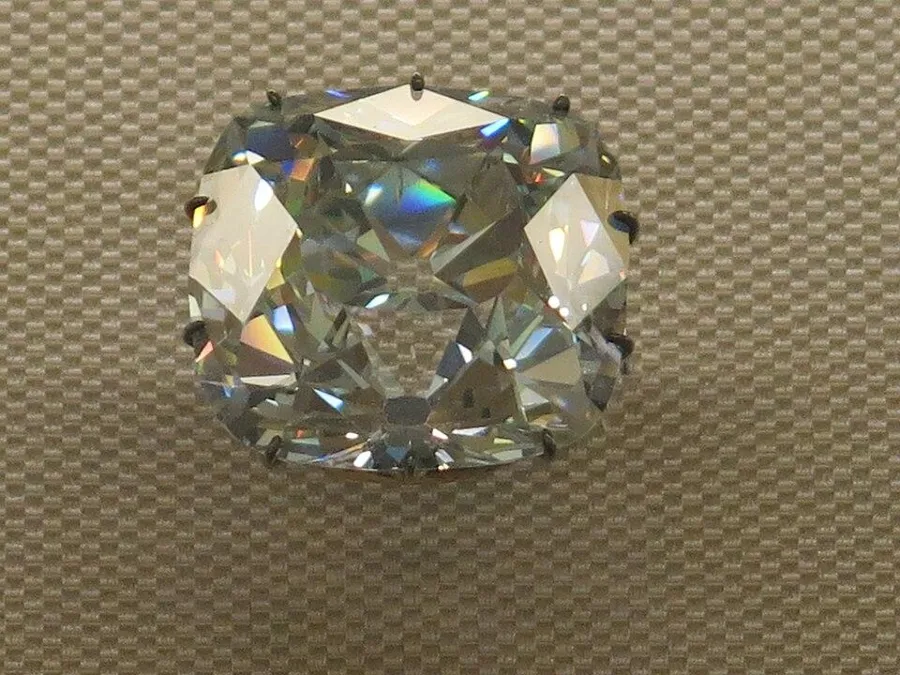
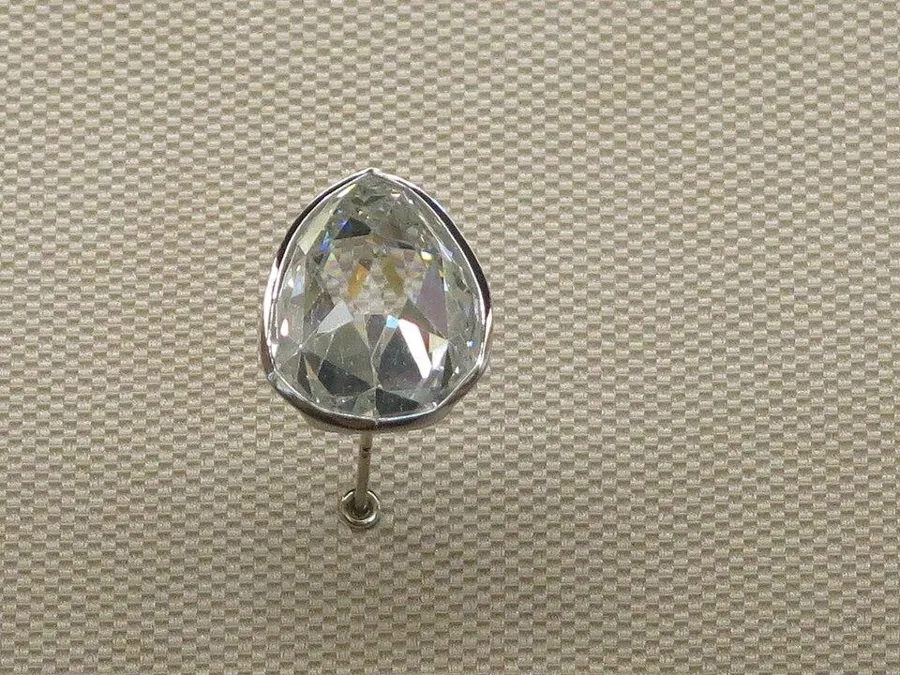
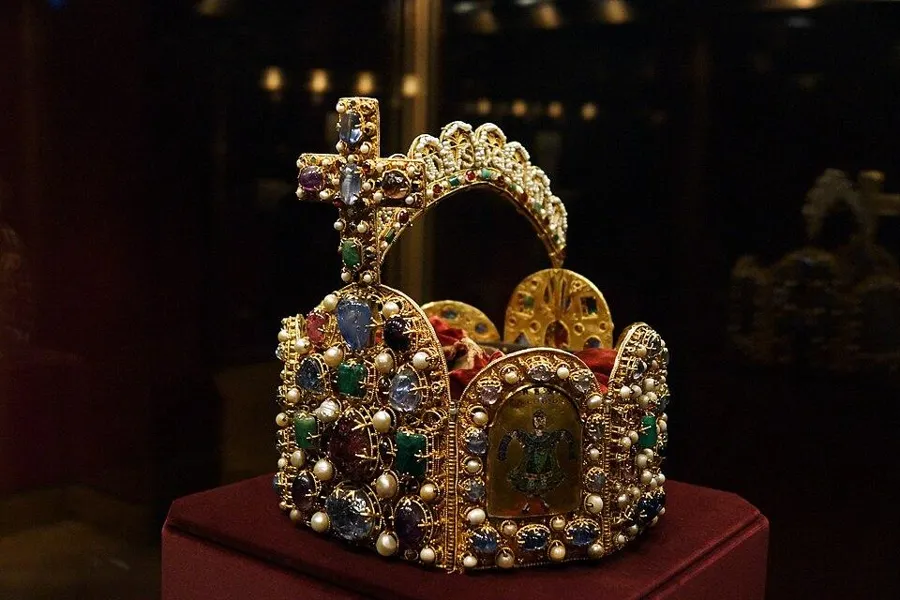
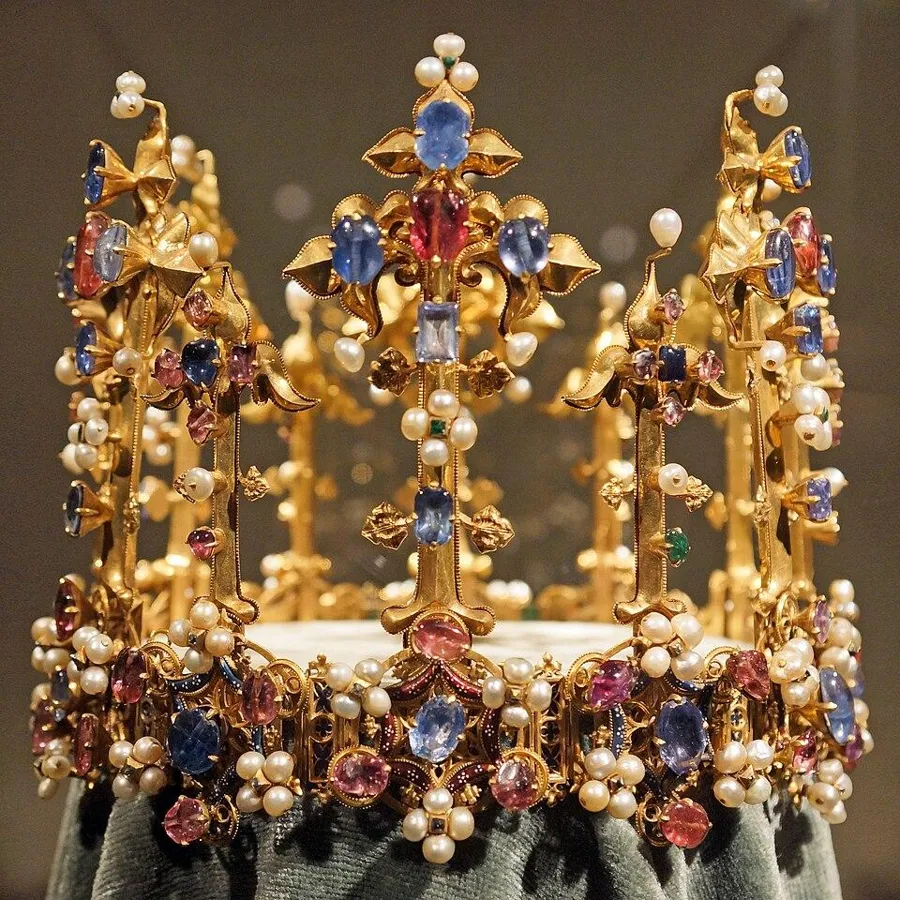
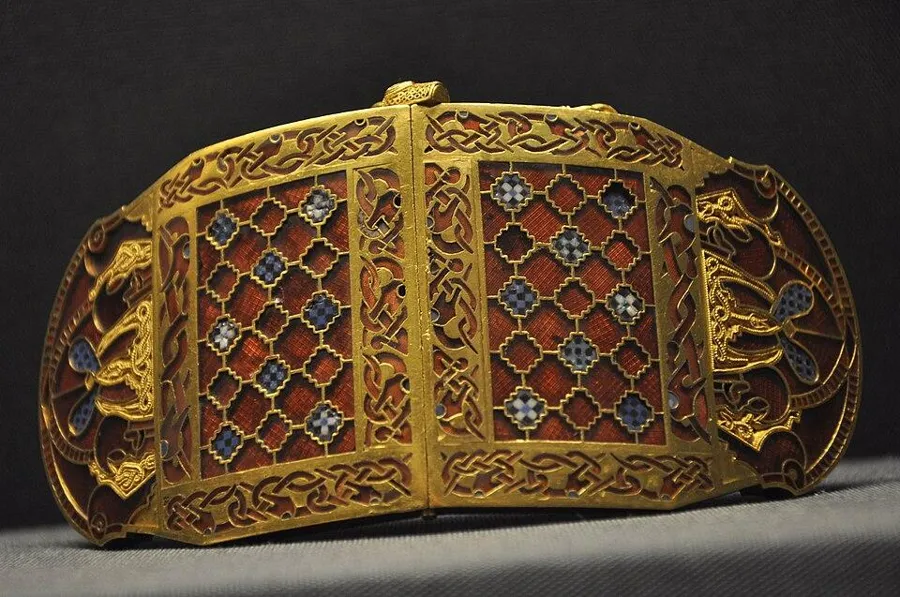
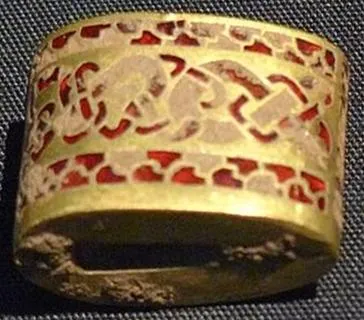
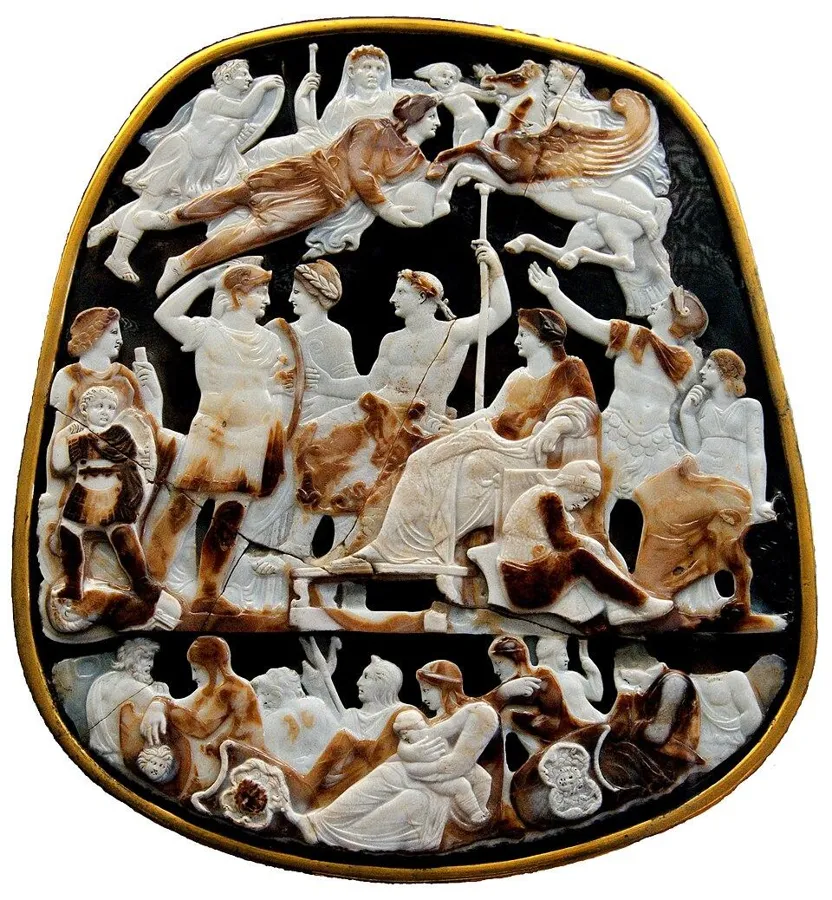
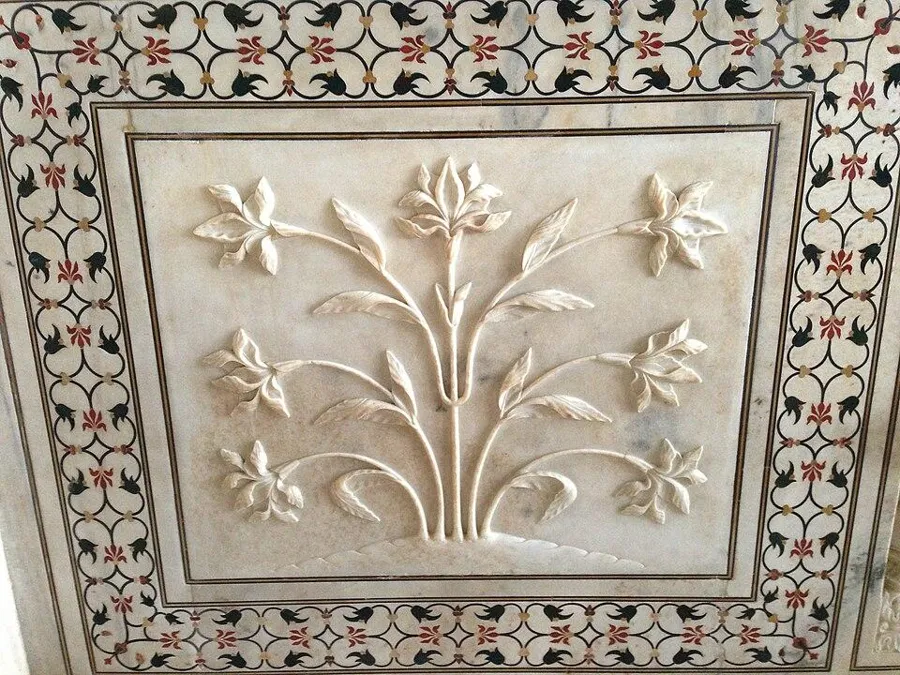
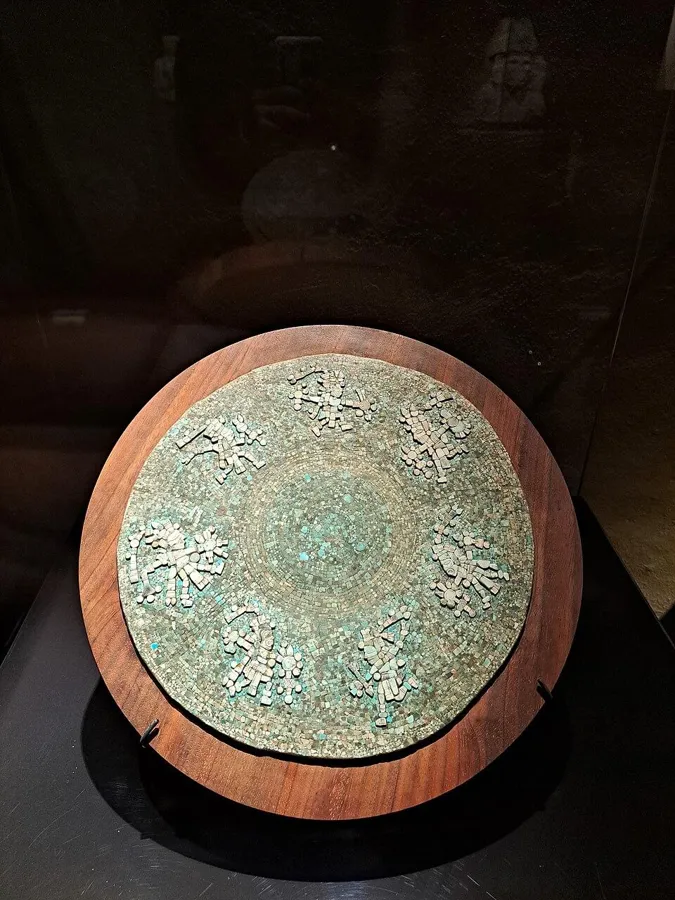
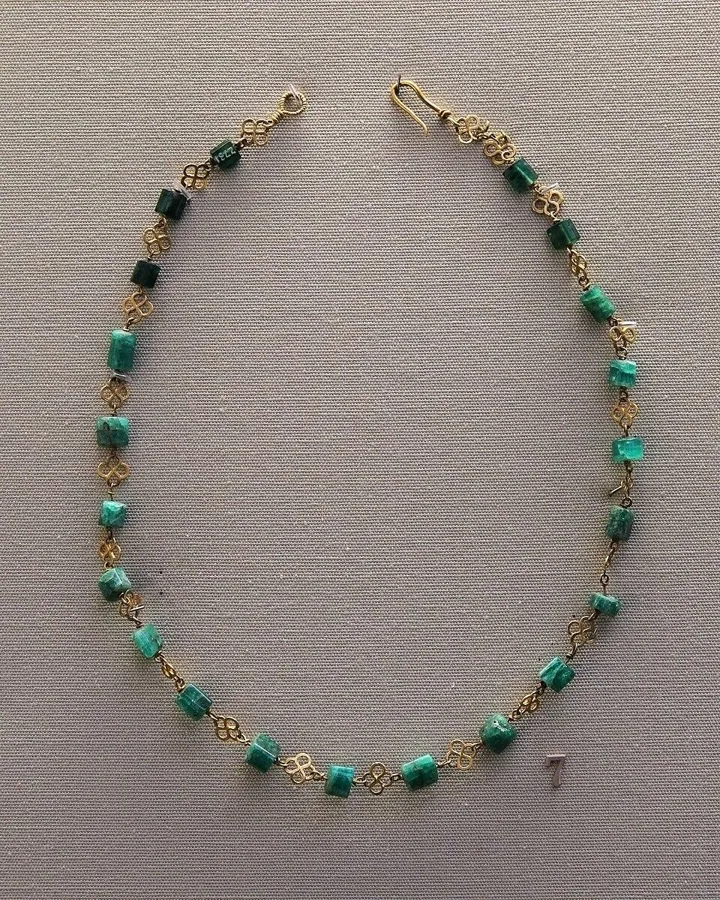
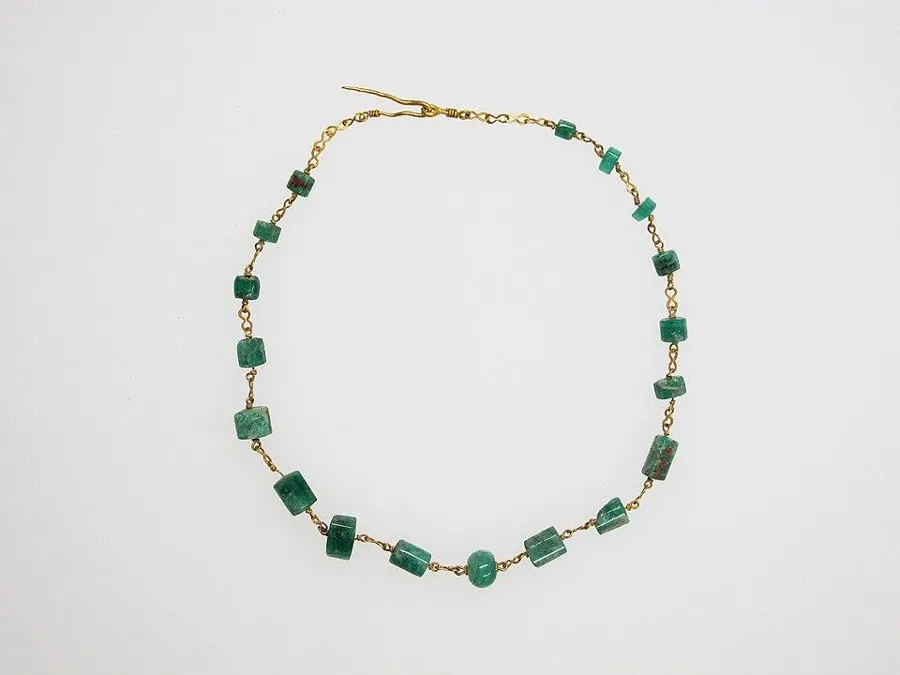
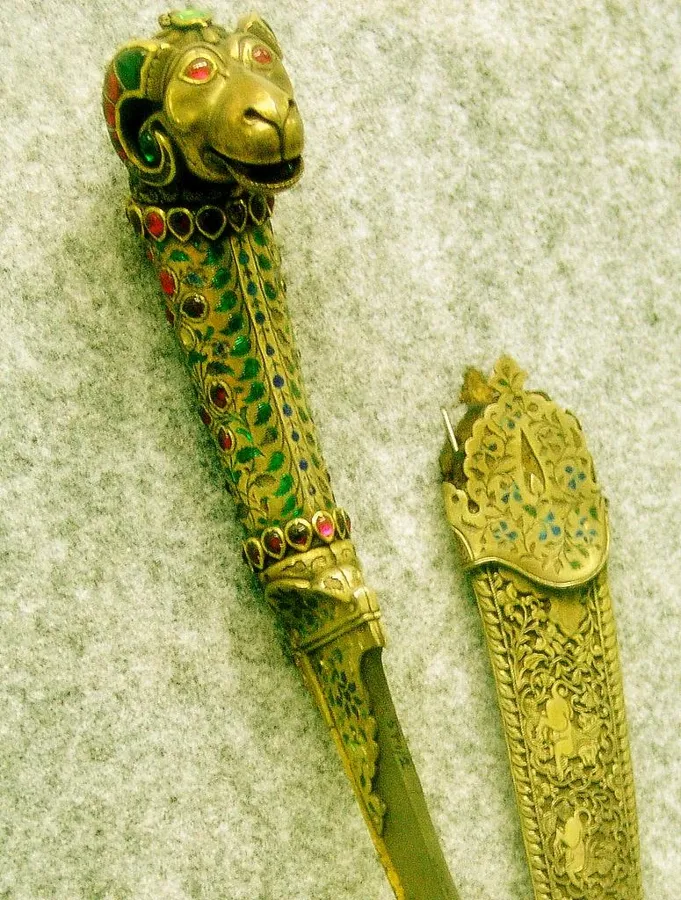
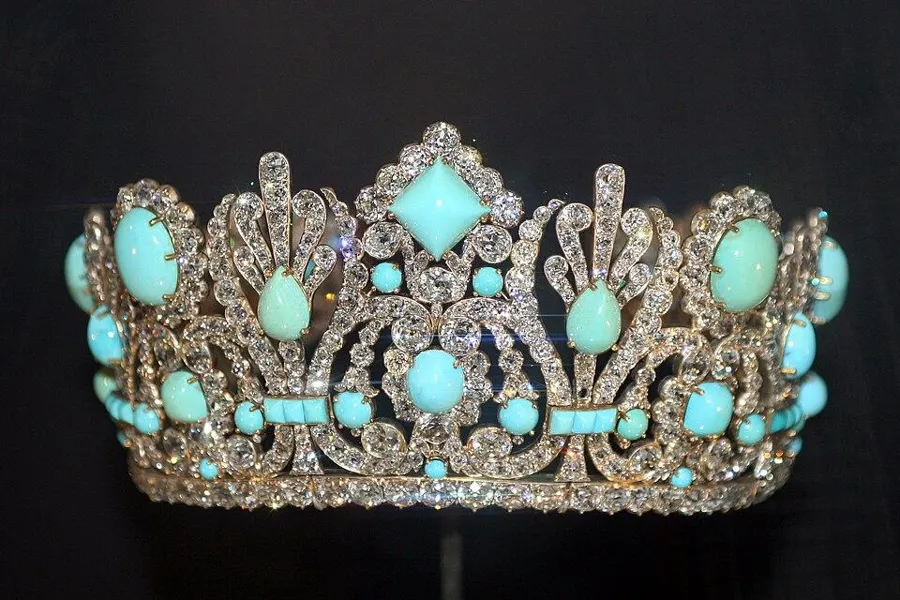
 Lab-grownLab emerald, emerald cut, 18 x 13 mm, 11 to 15 ctabout $1,070on Amazon →
 NaturalSleeping Beauty turquoise studs, sterling silverabout $30on Amazon →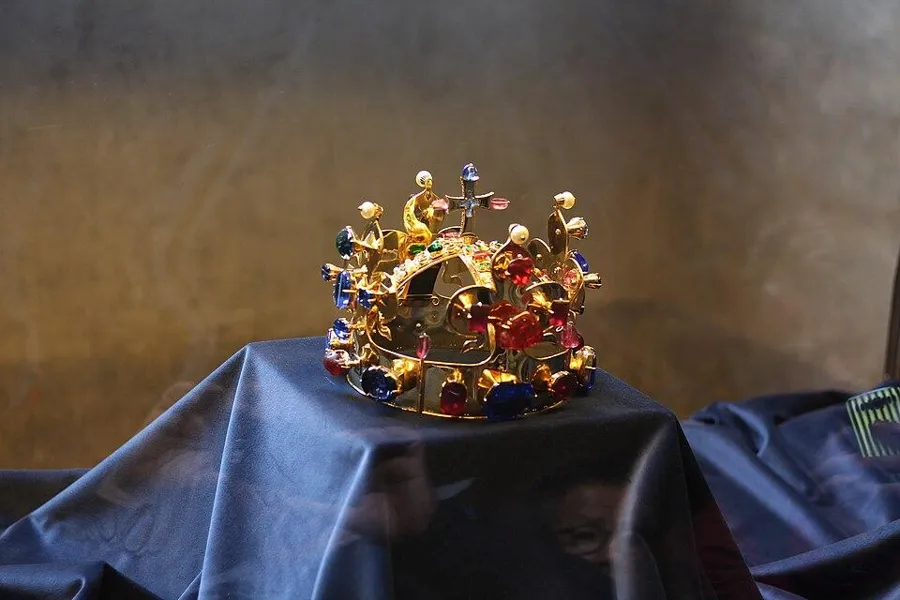
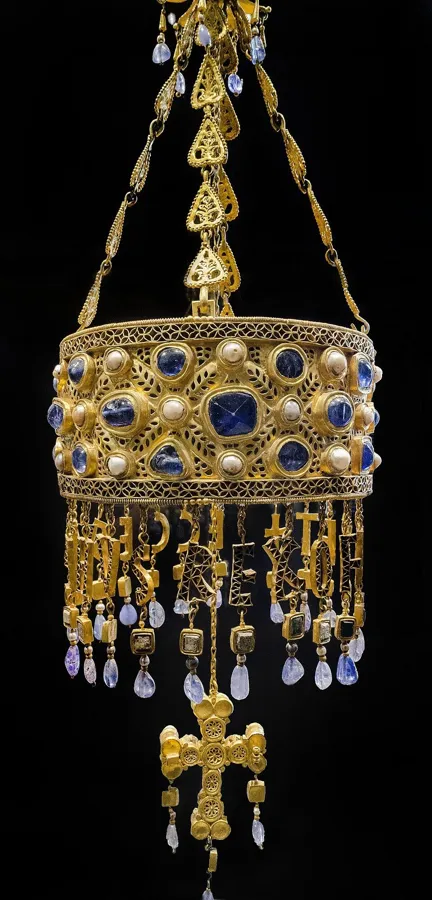
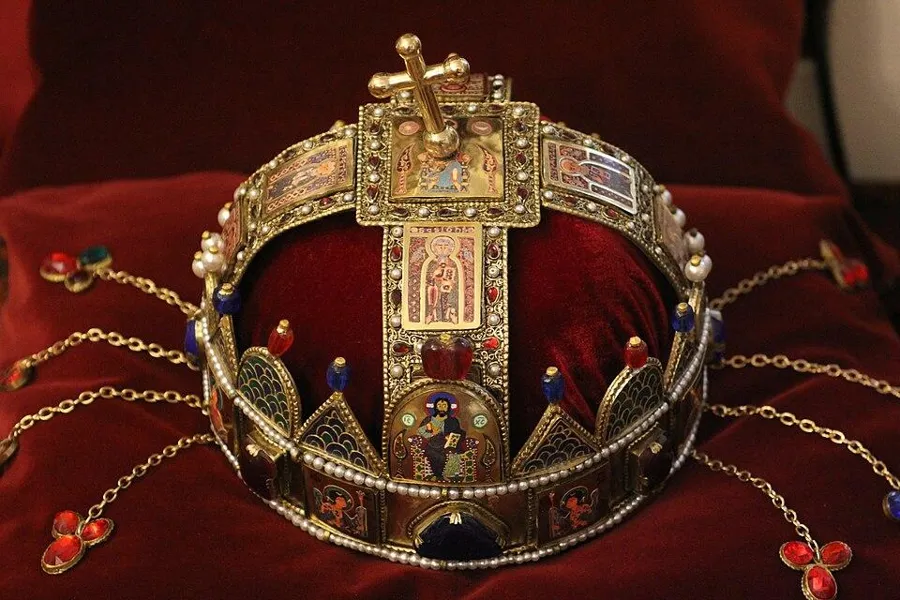
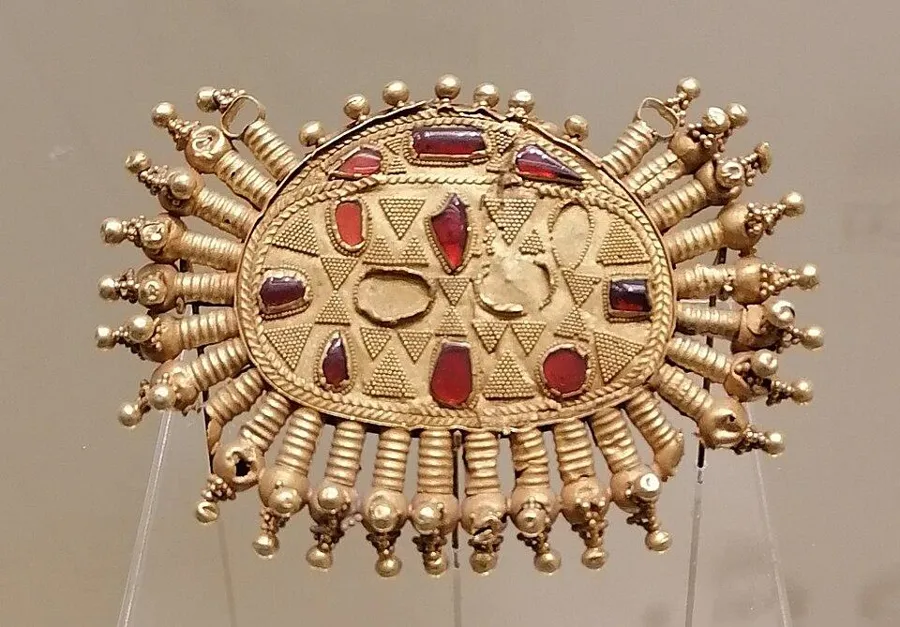
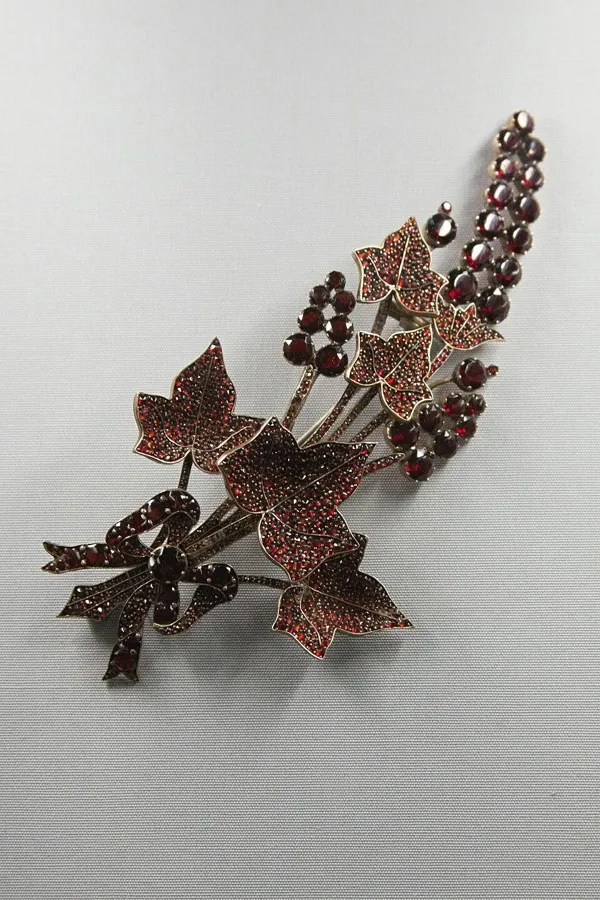
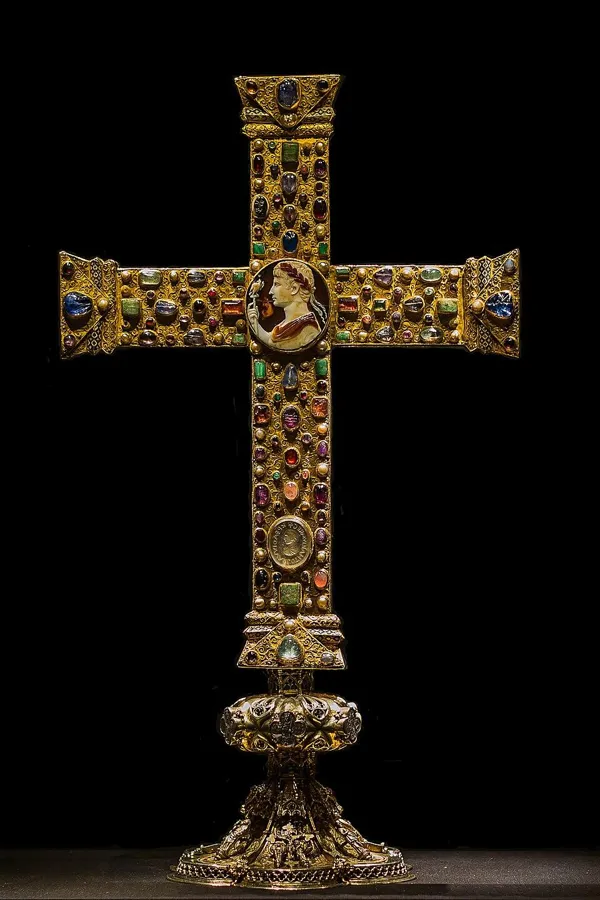
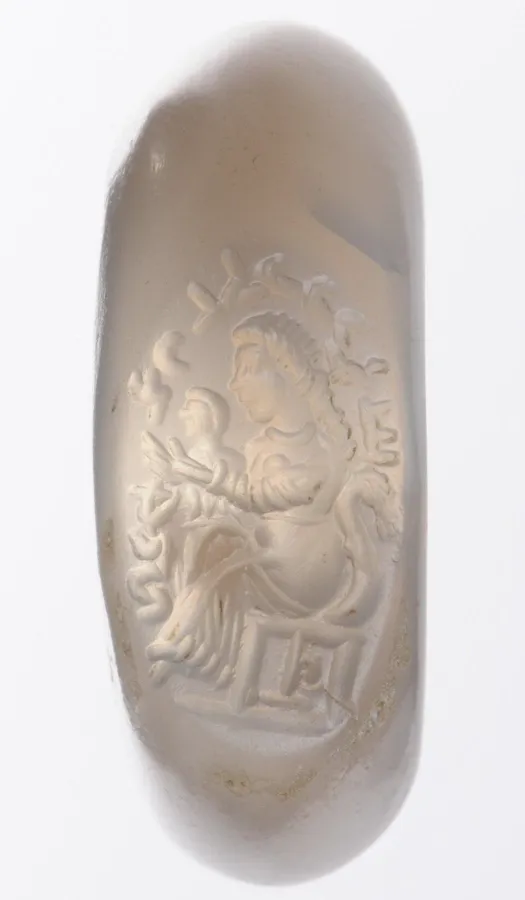
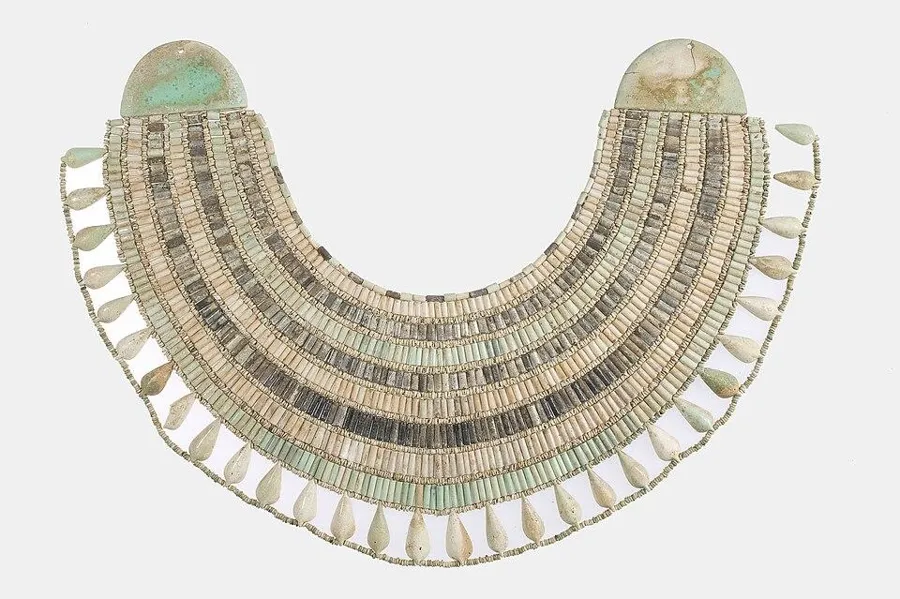
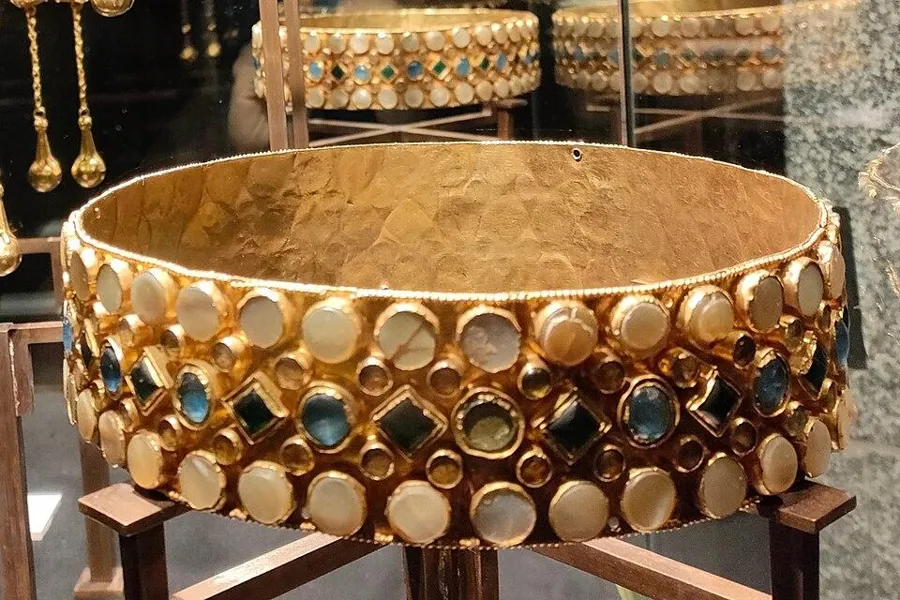
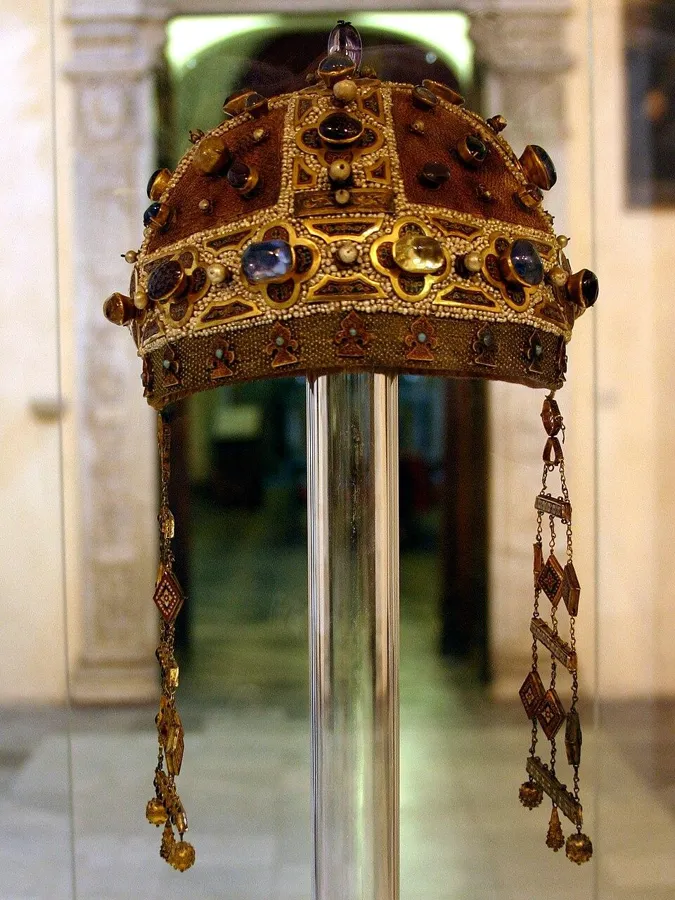
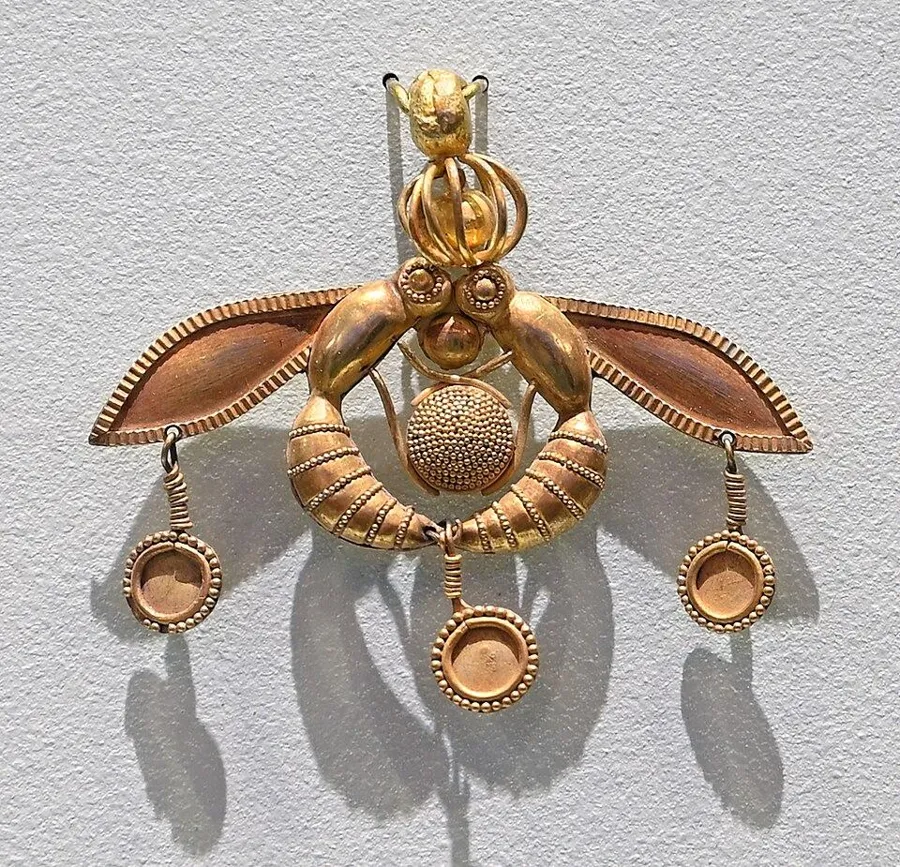
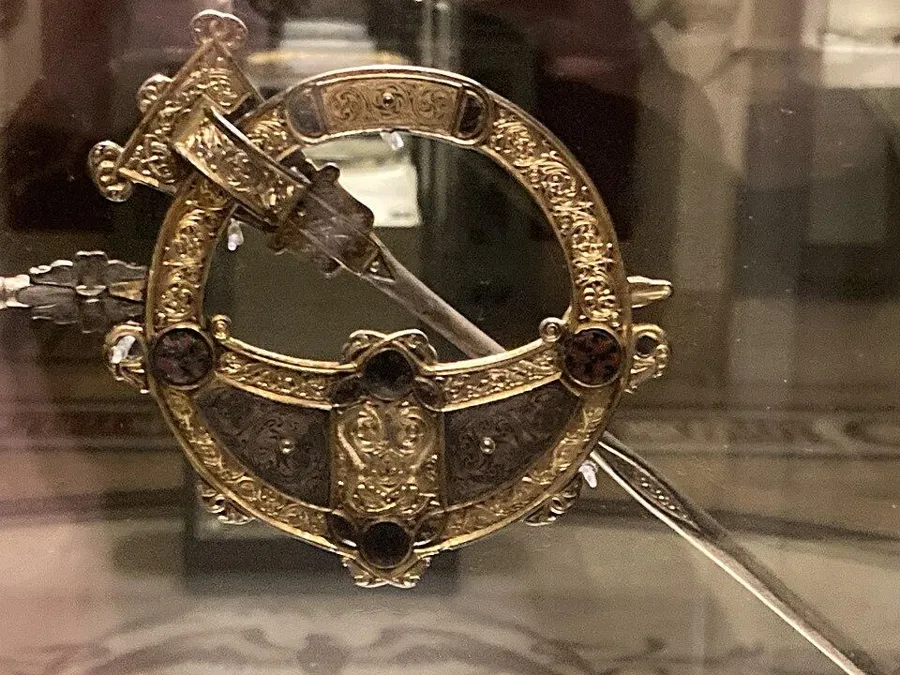
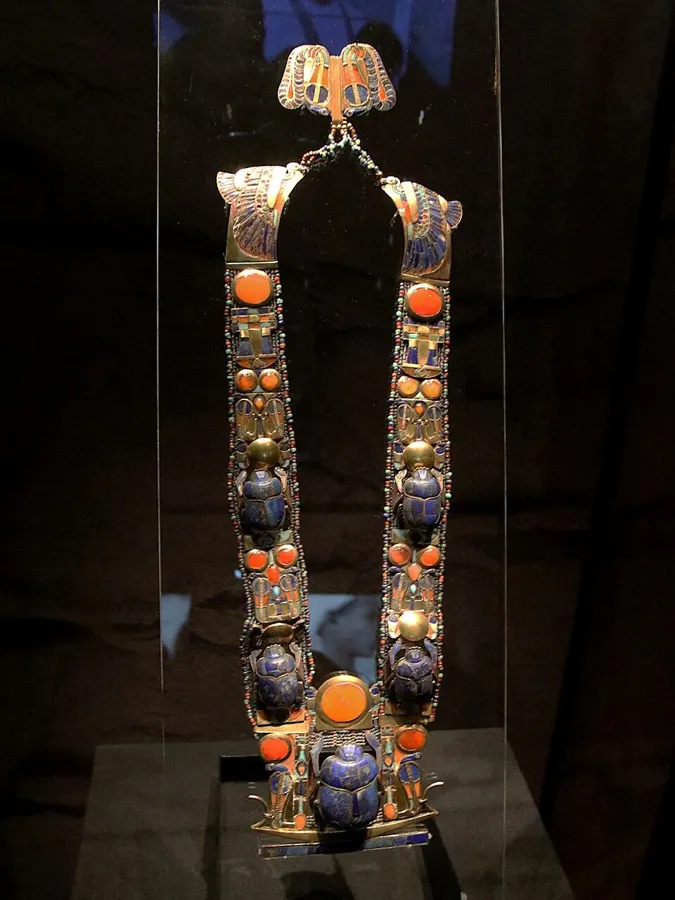
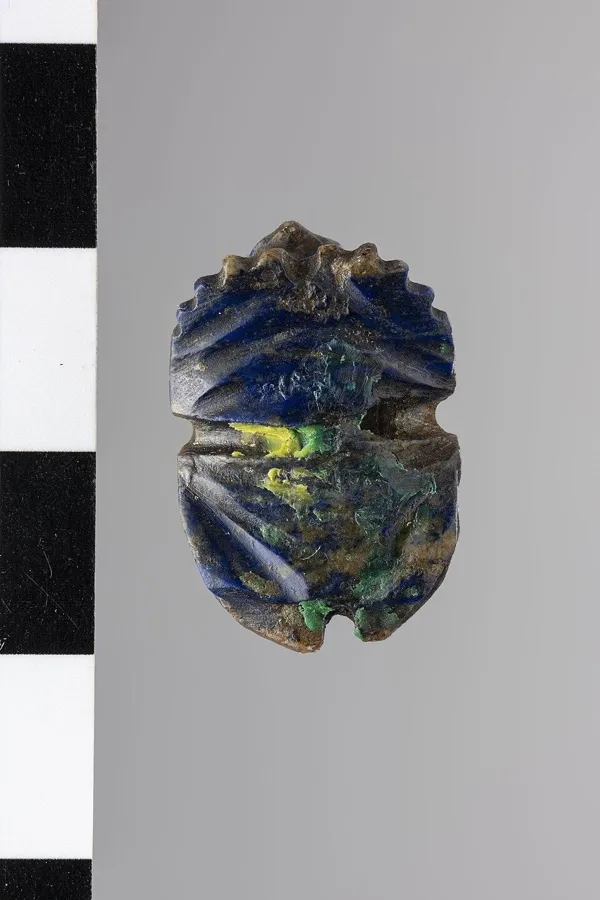
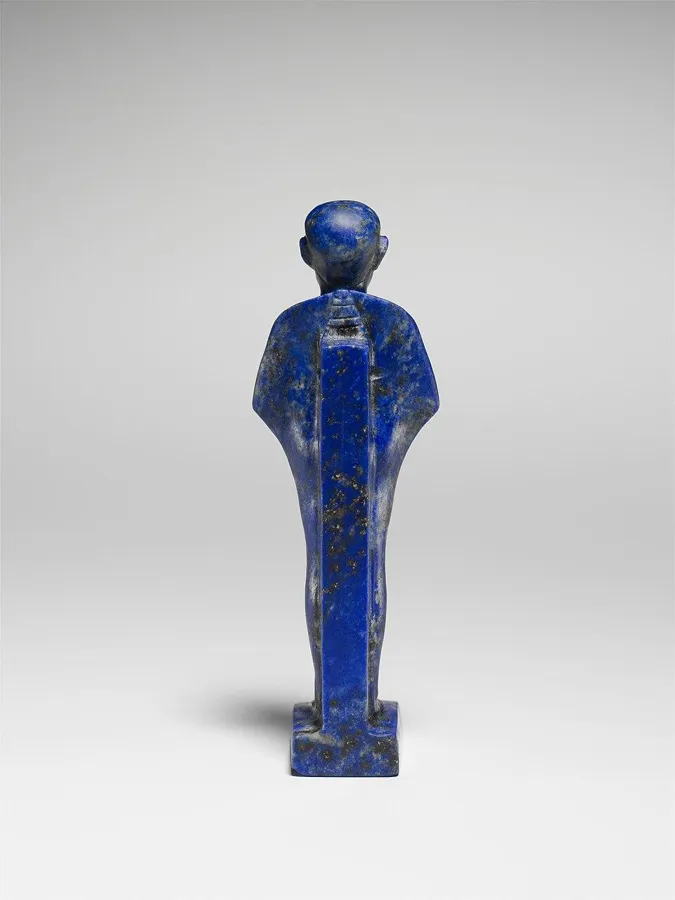
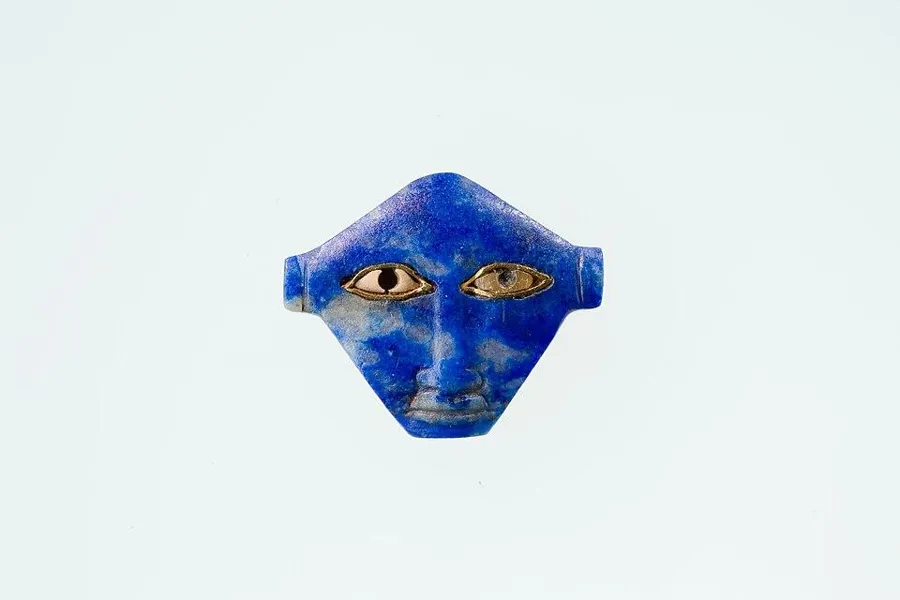
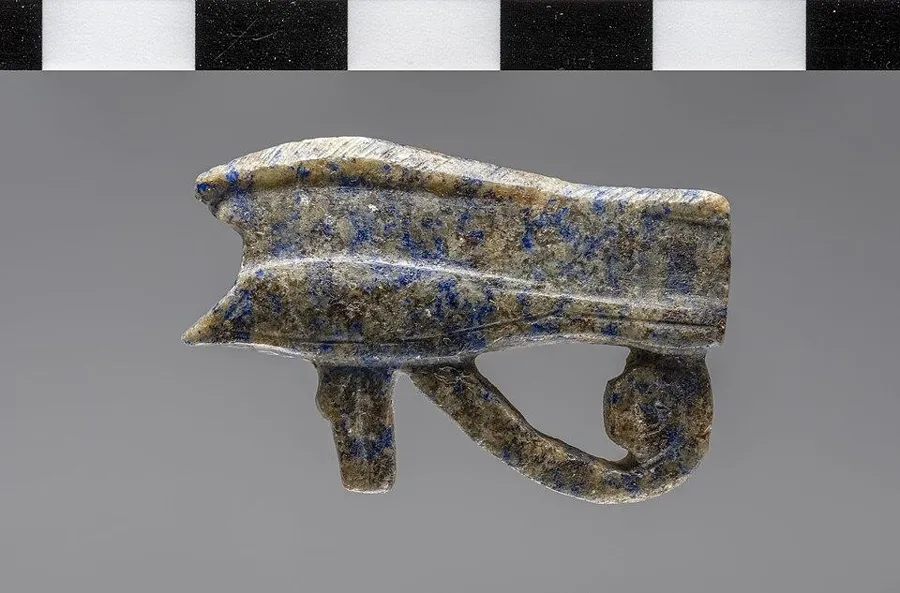
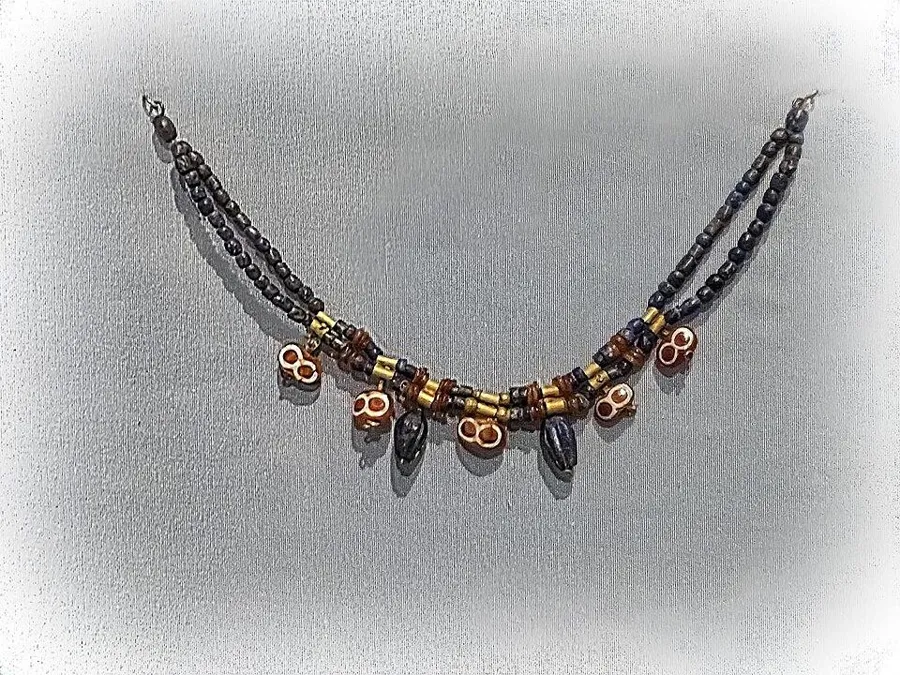
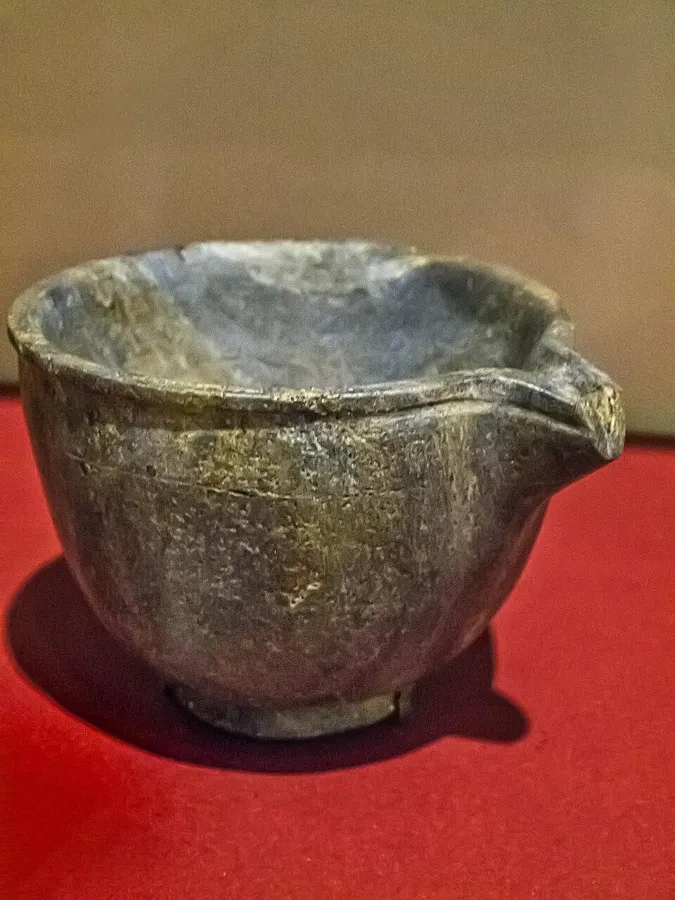
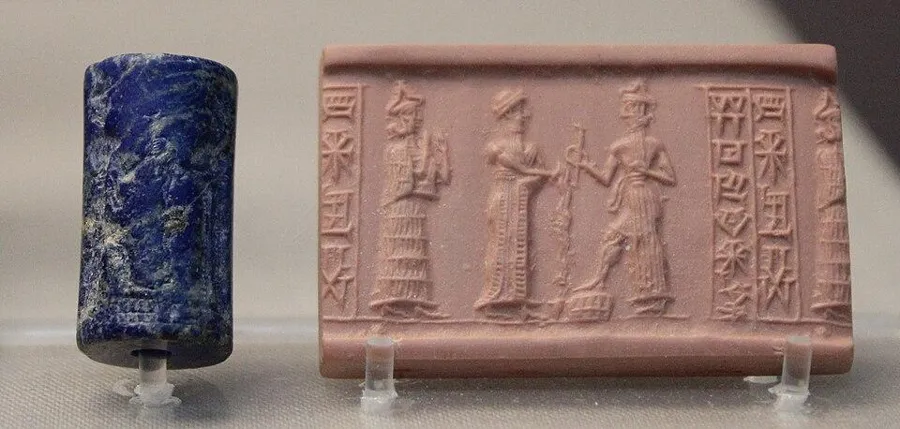
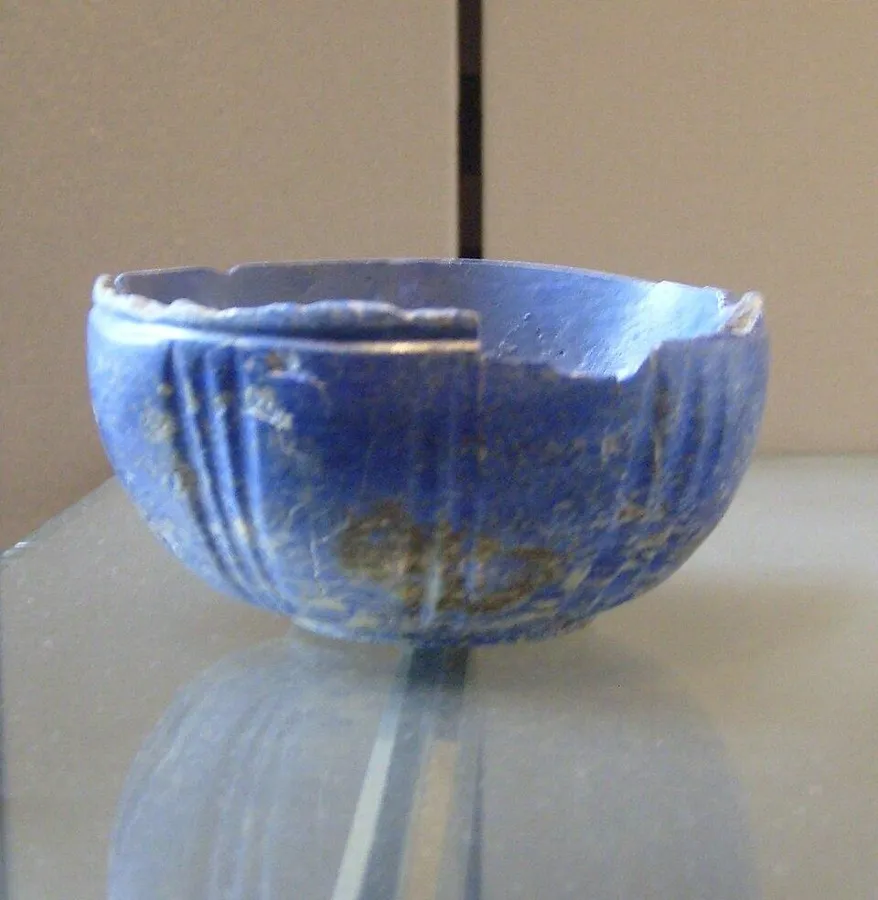
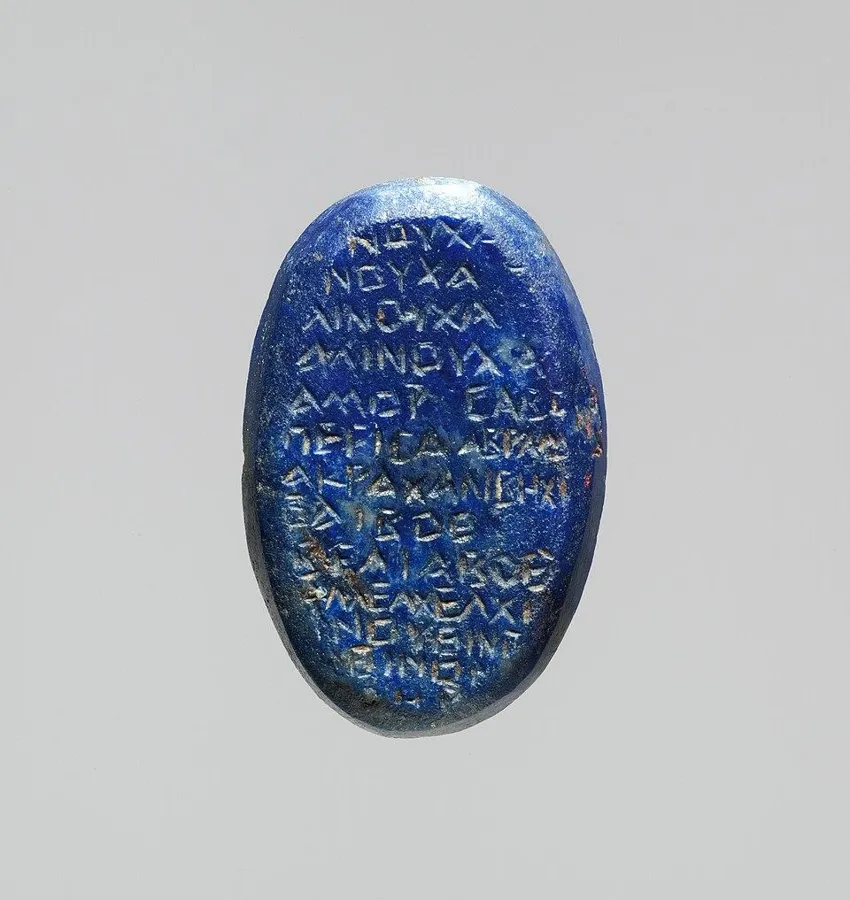
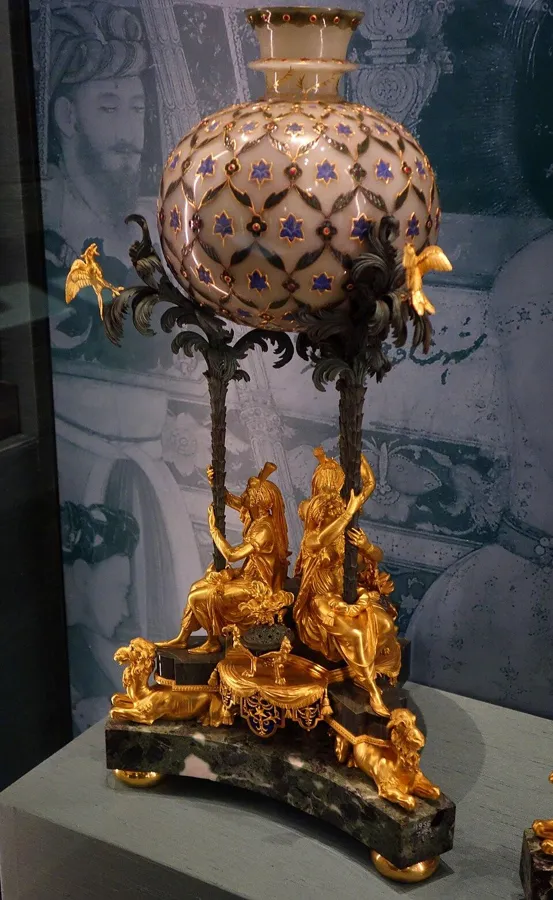
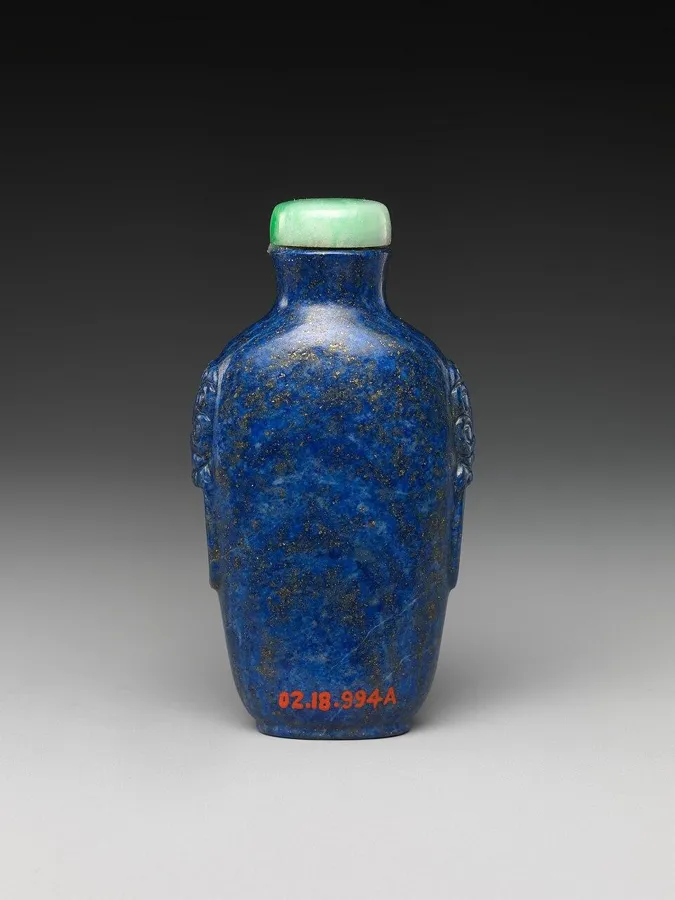
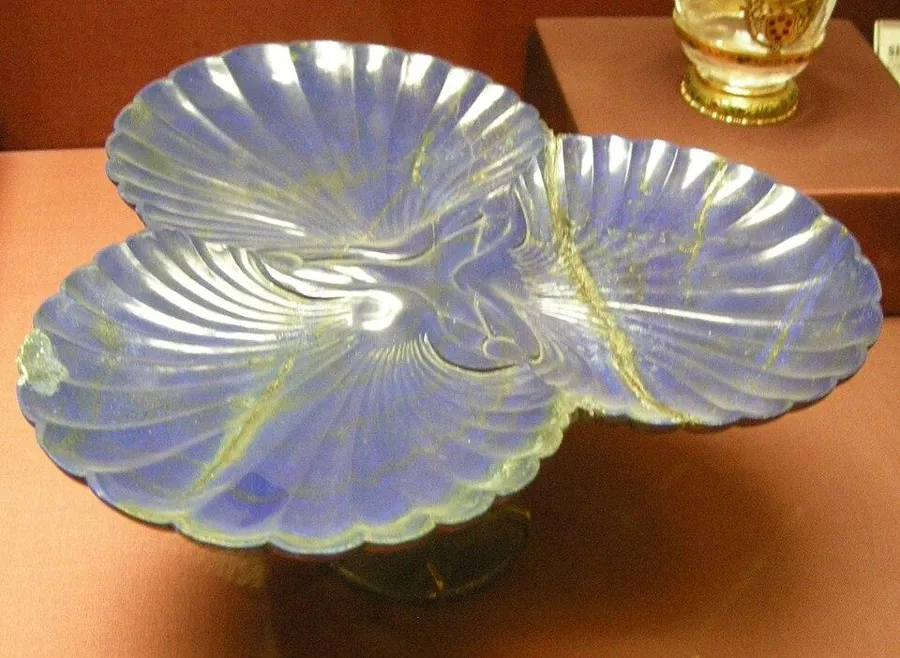
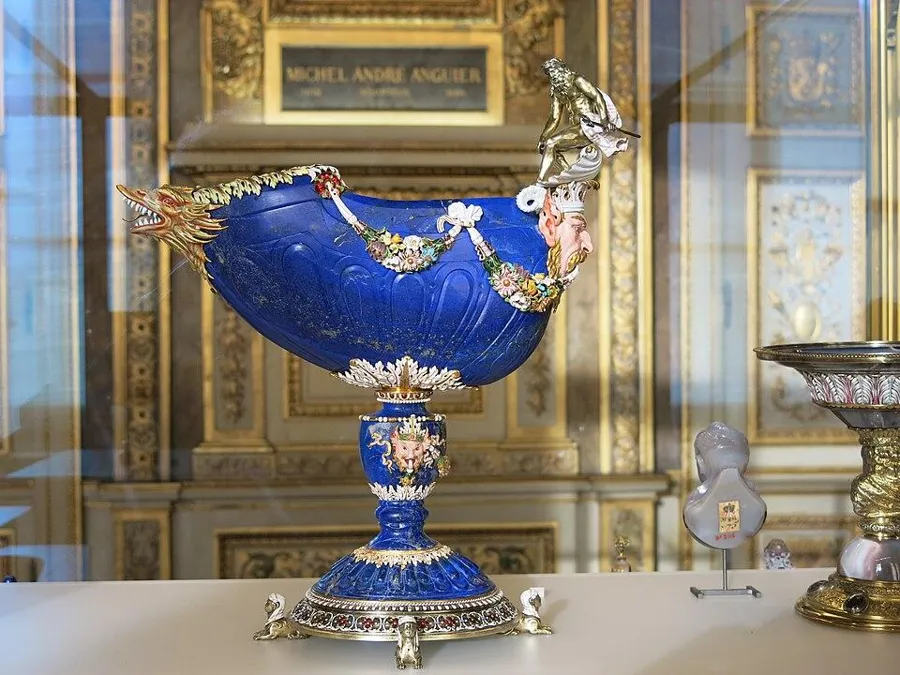
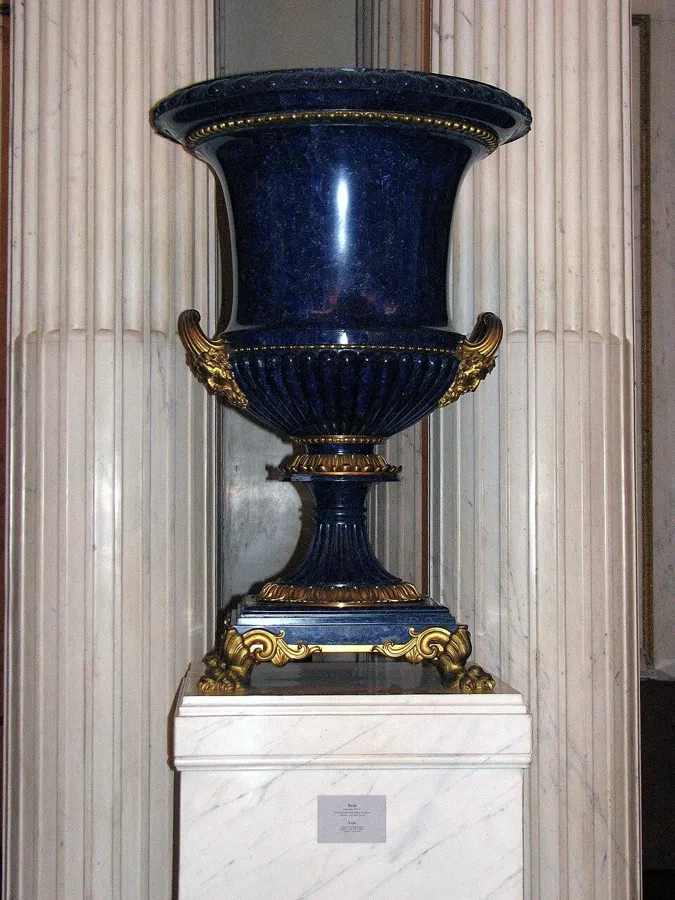
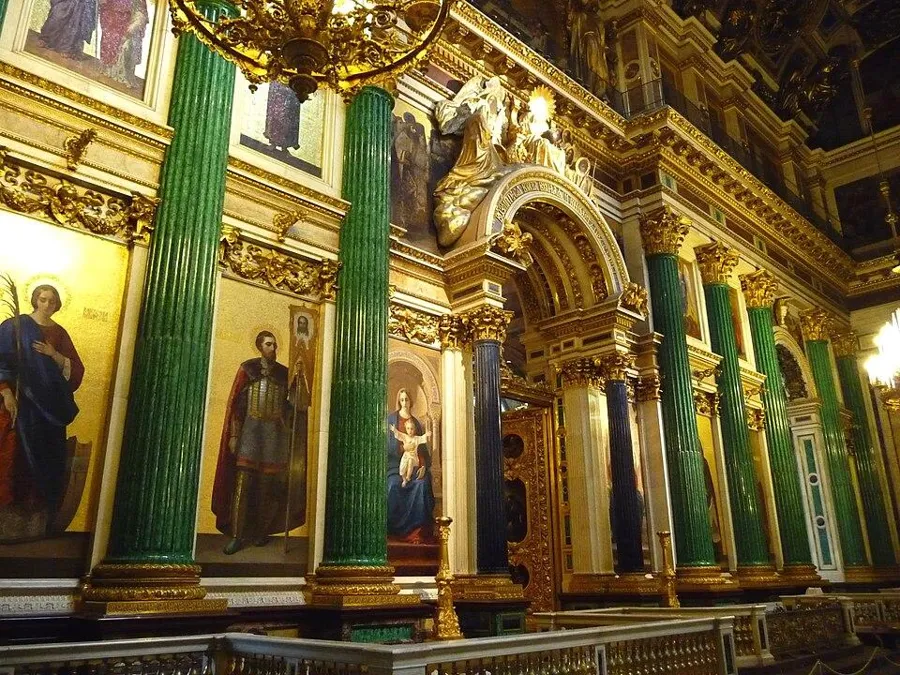
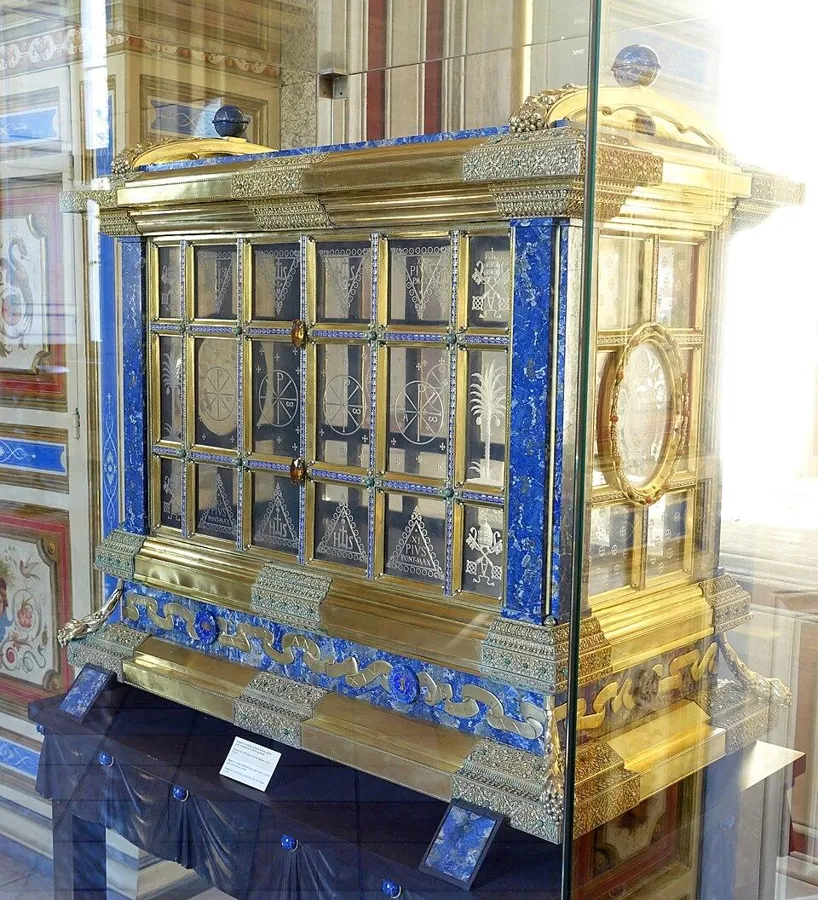
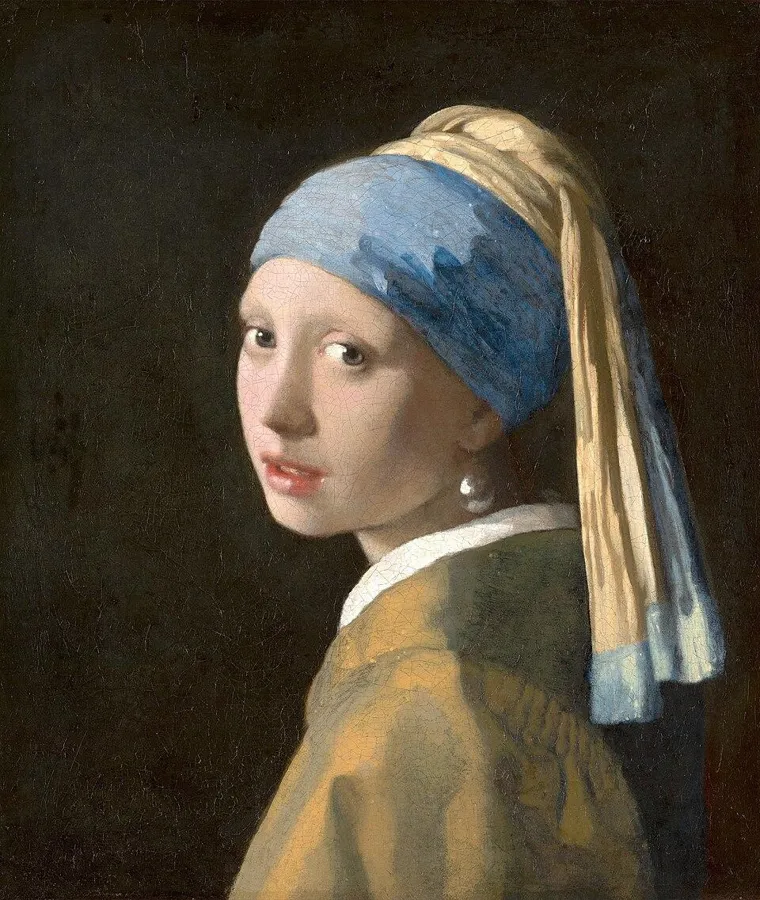
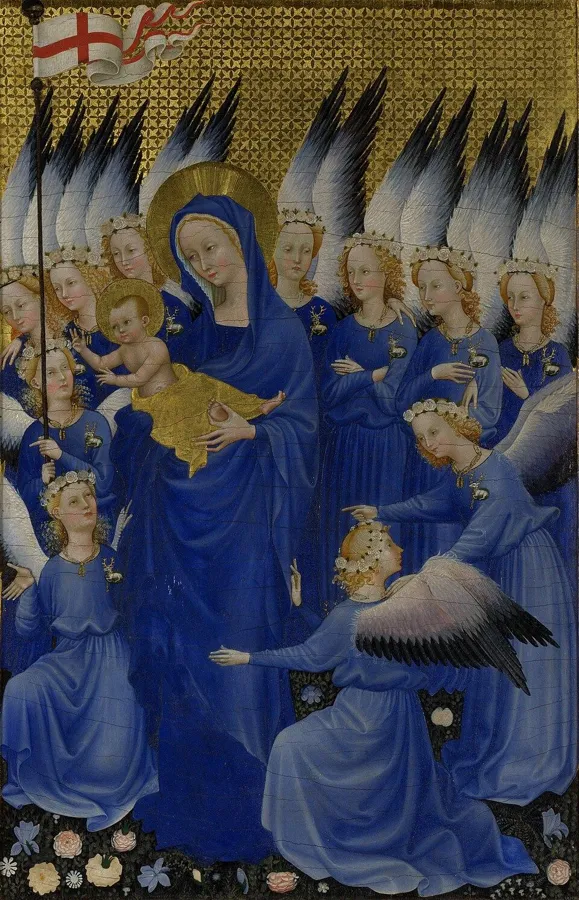
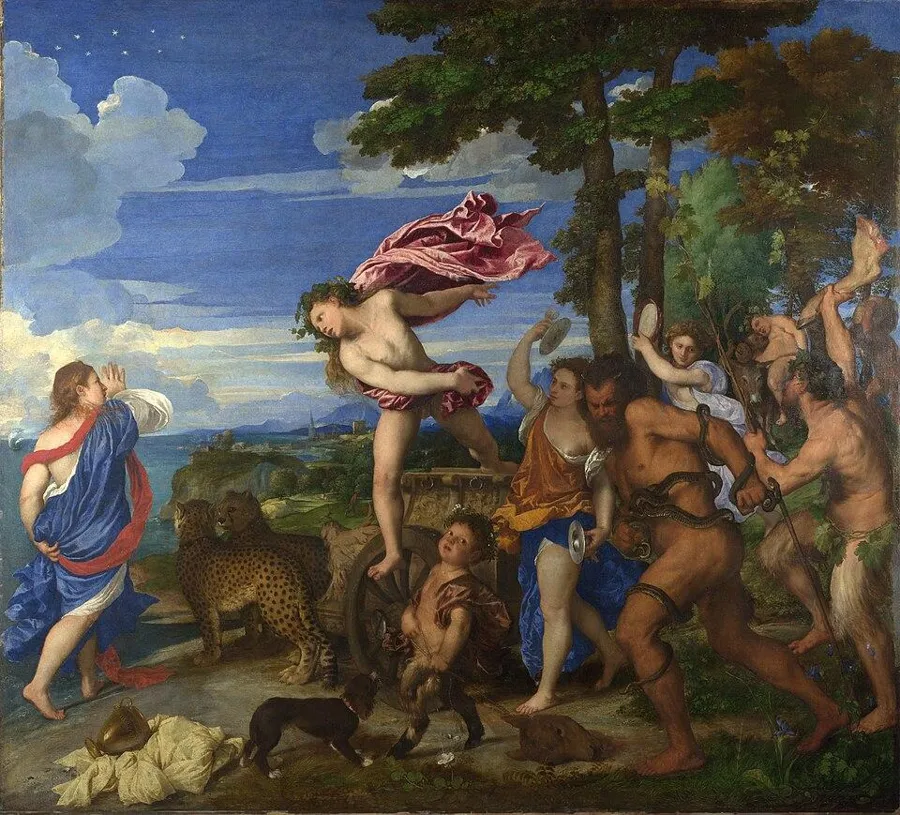
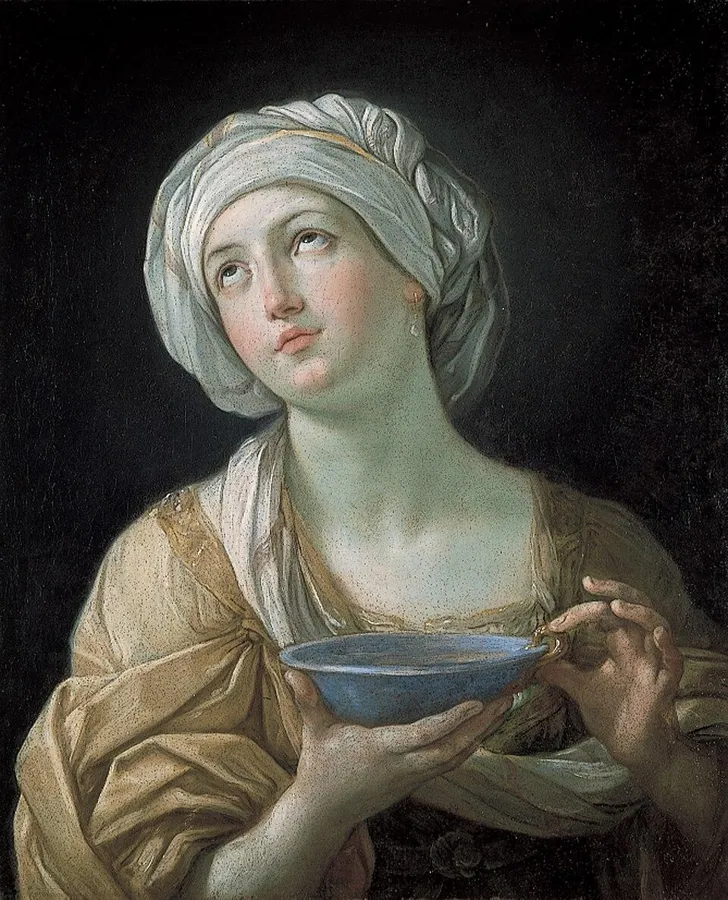
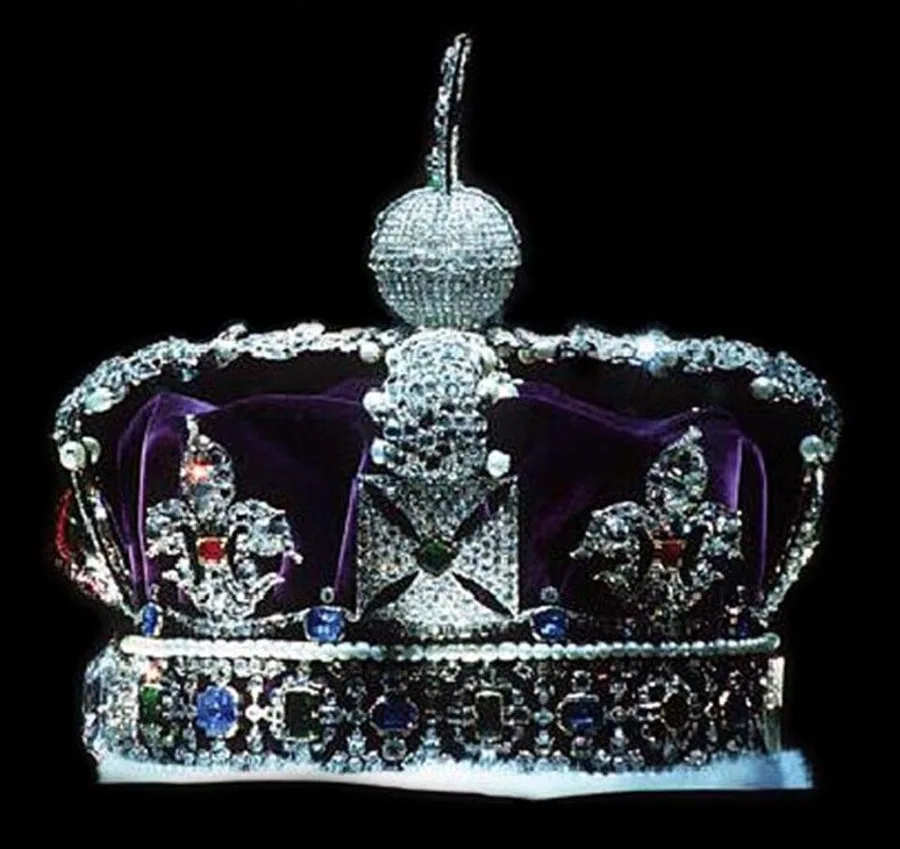
 Lab-grownLab cobalt-blue spinel, oval, 9 x 7 mmabout $65on Amazon →
 NaturalNatural red spinel rough, 25 ct lotabout $25on Amazon →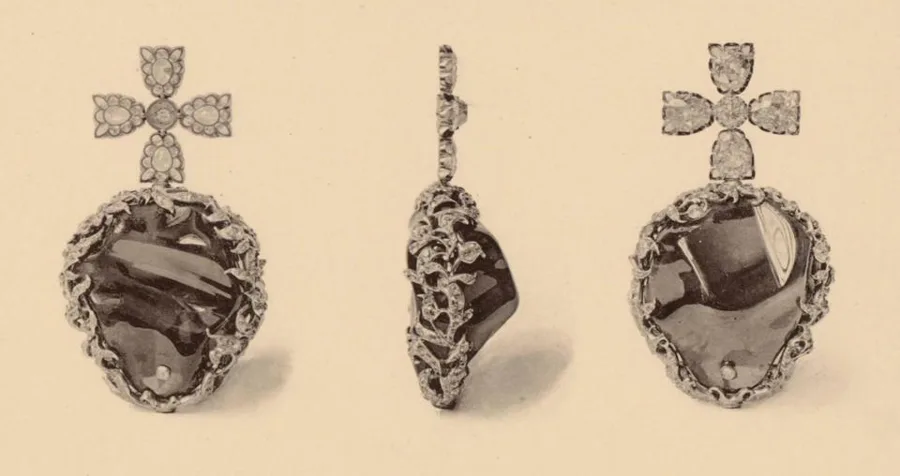
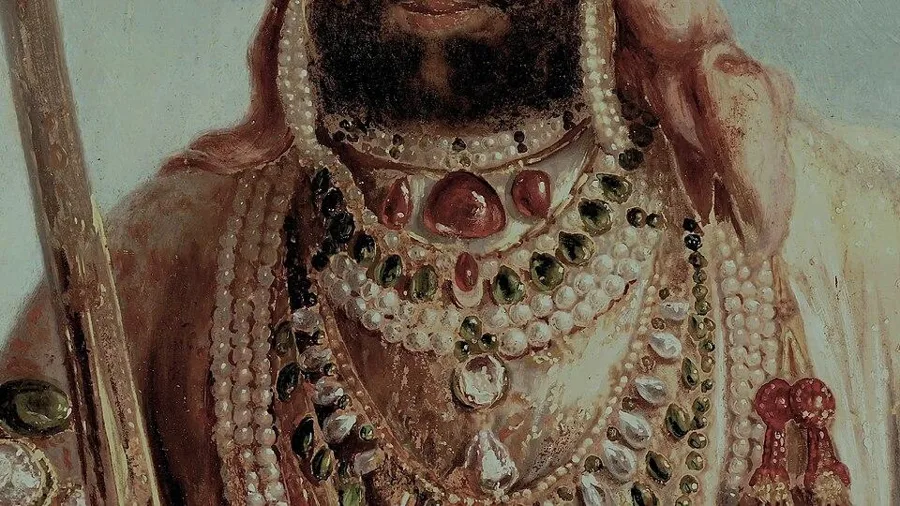
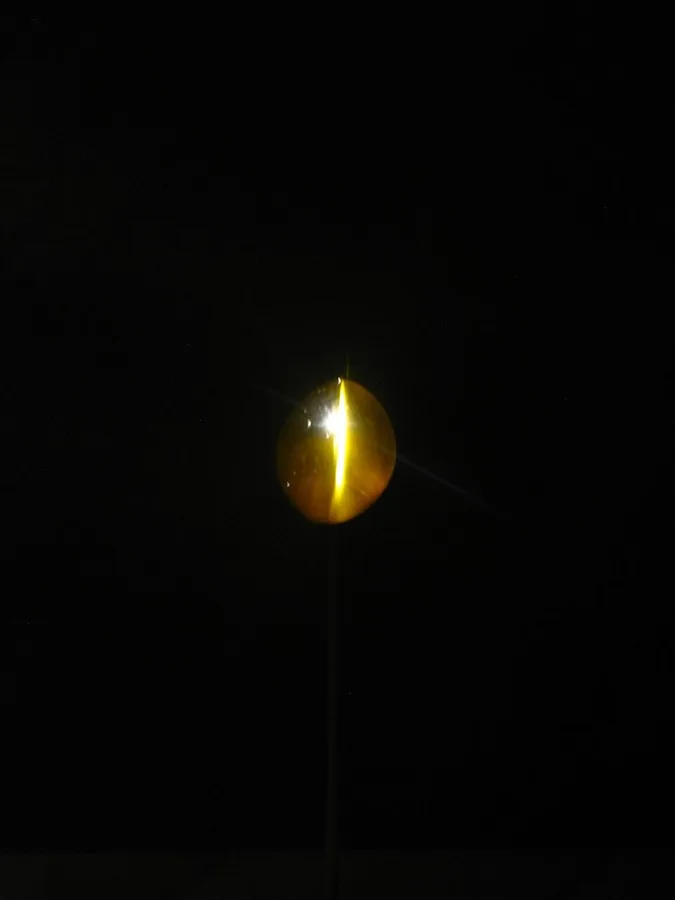
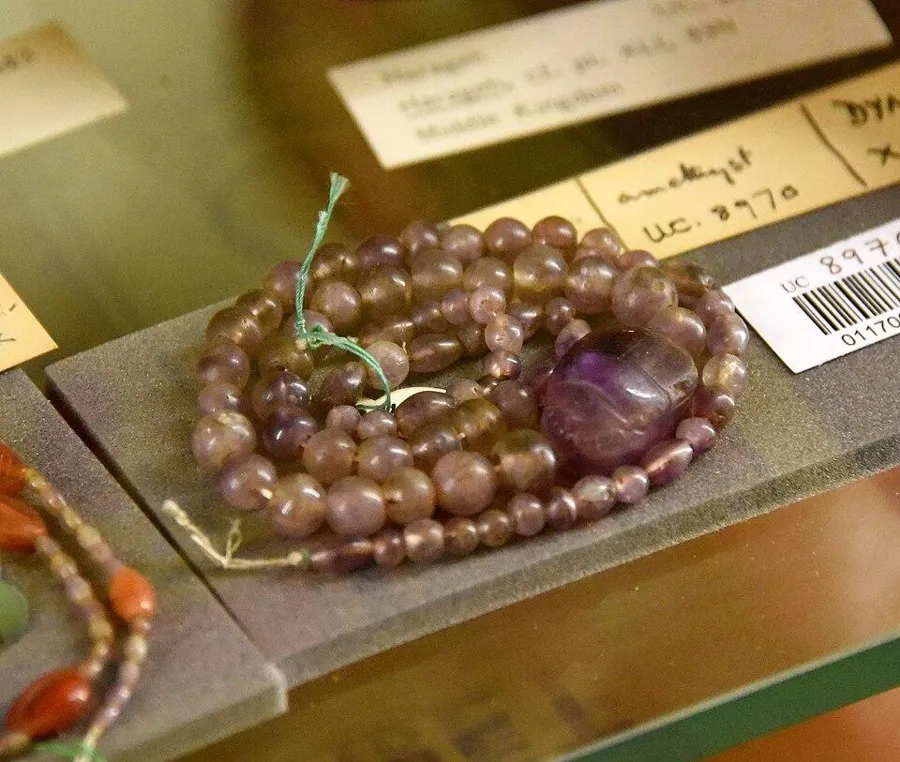
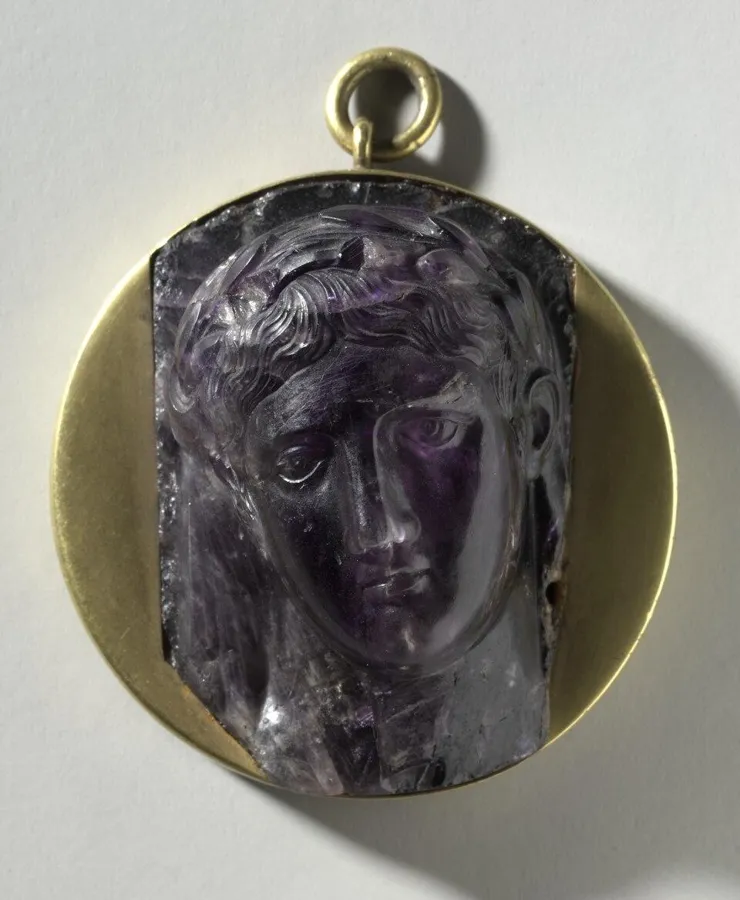
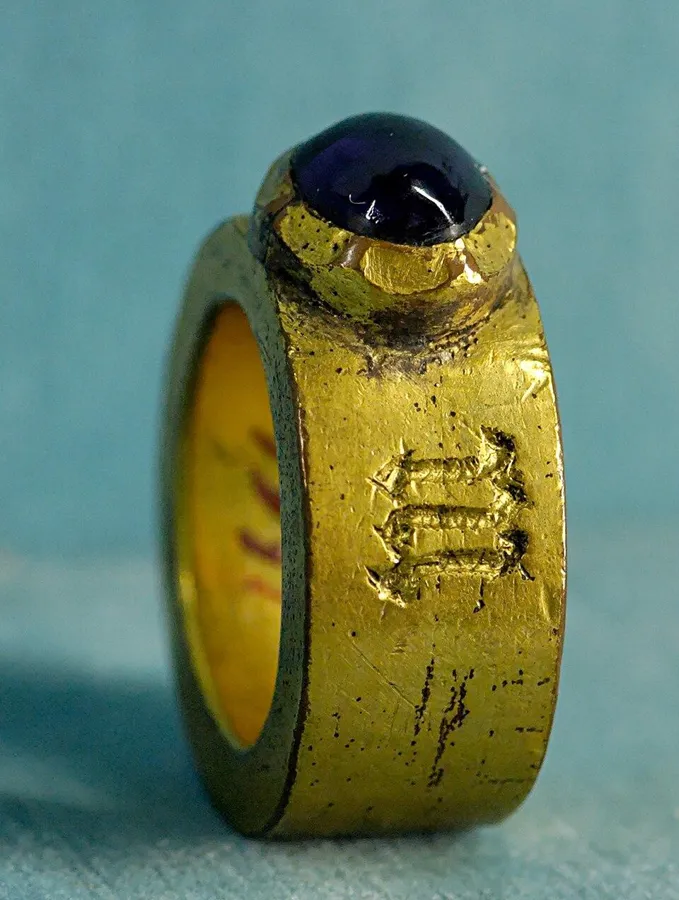
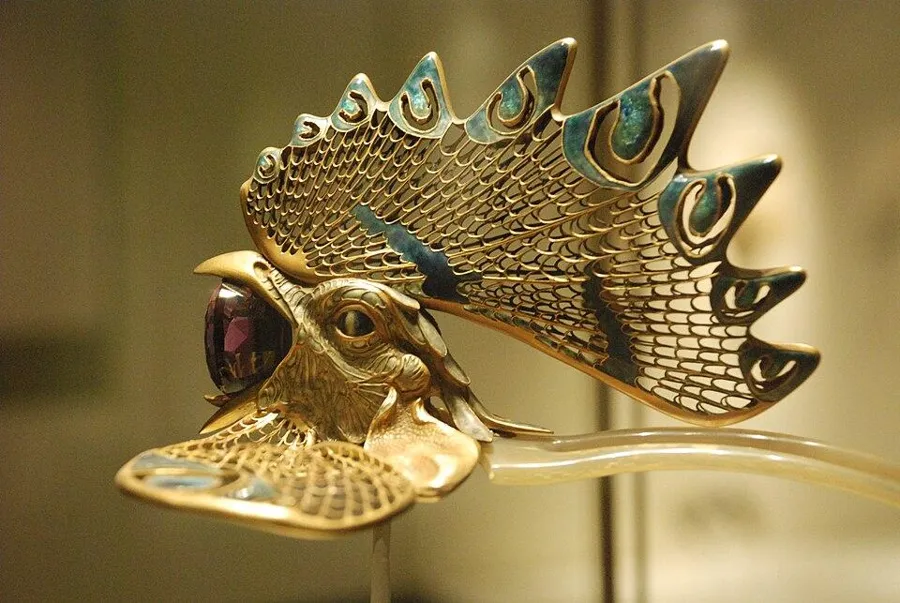
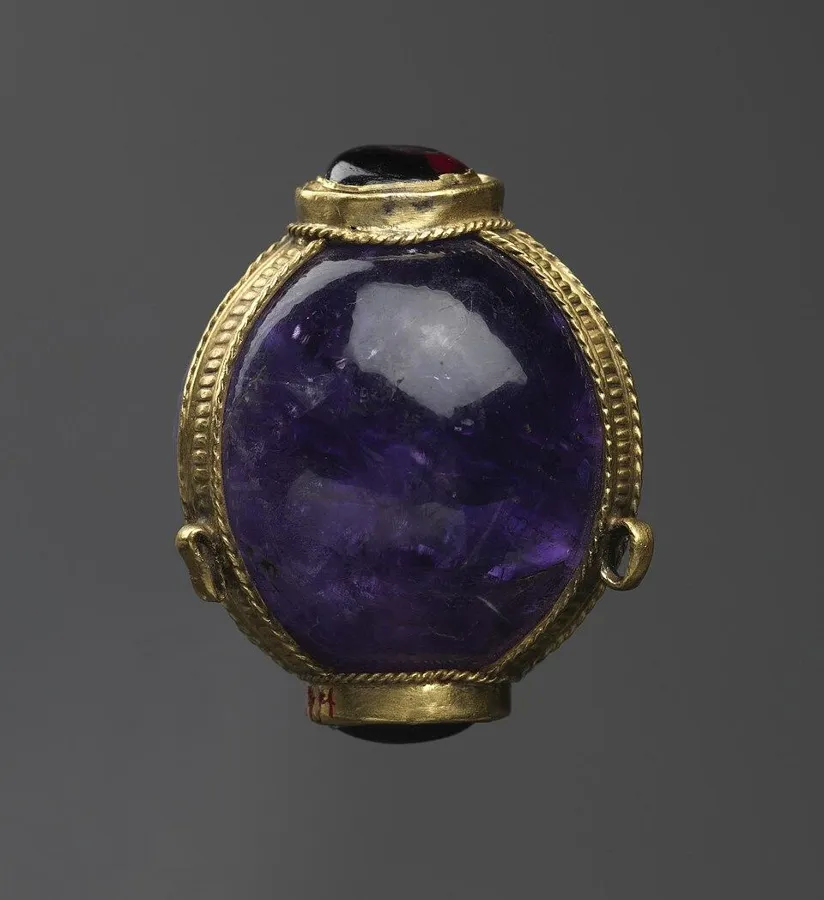
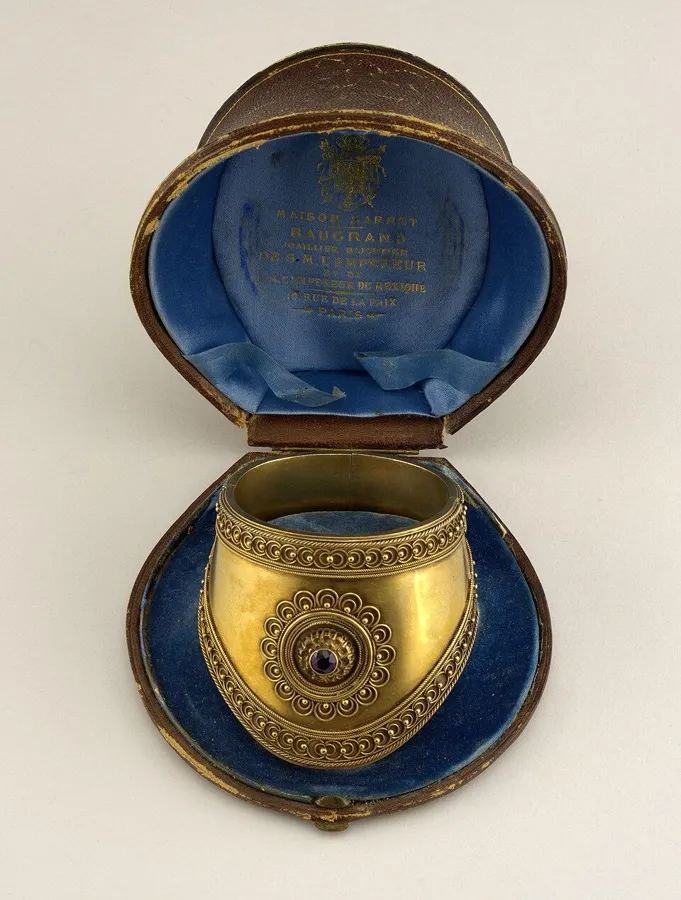
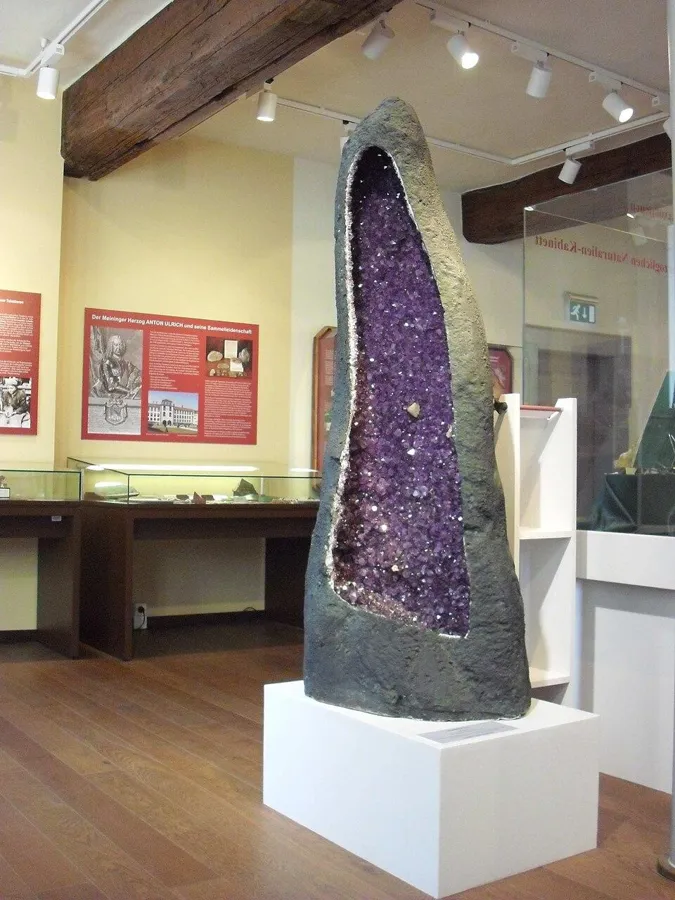
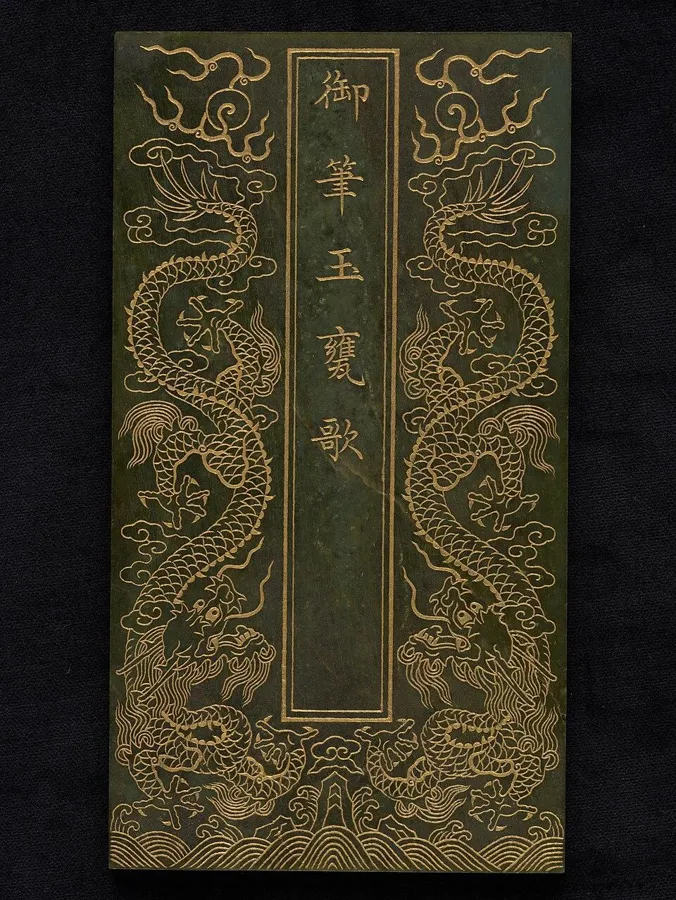
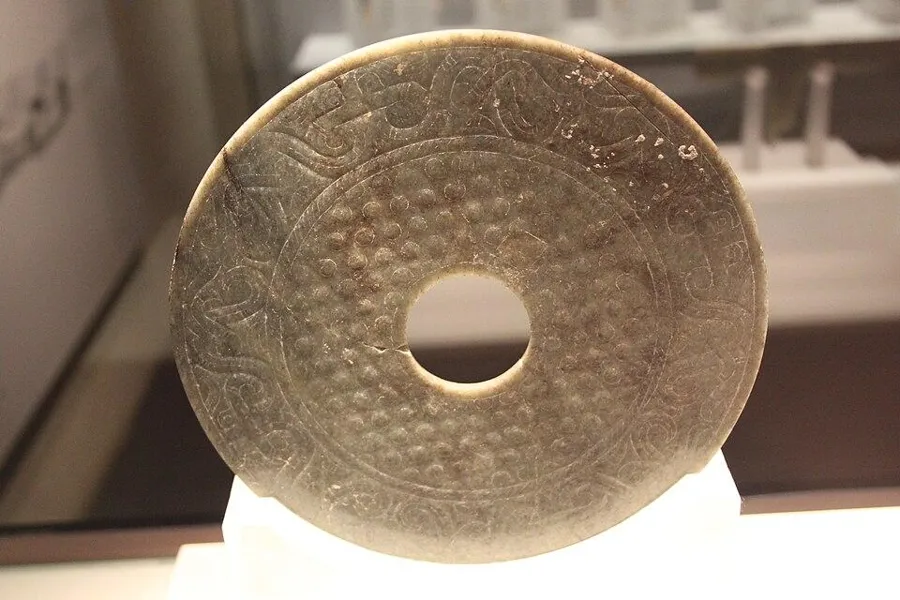
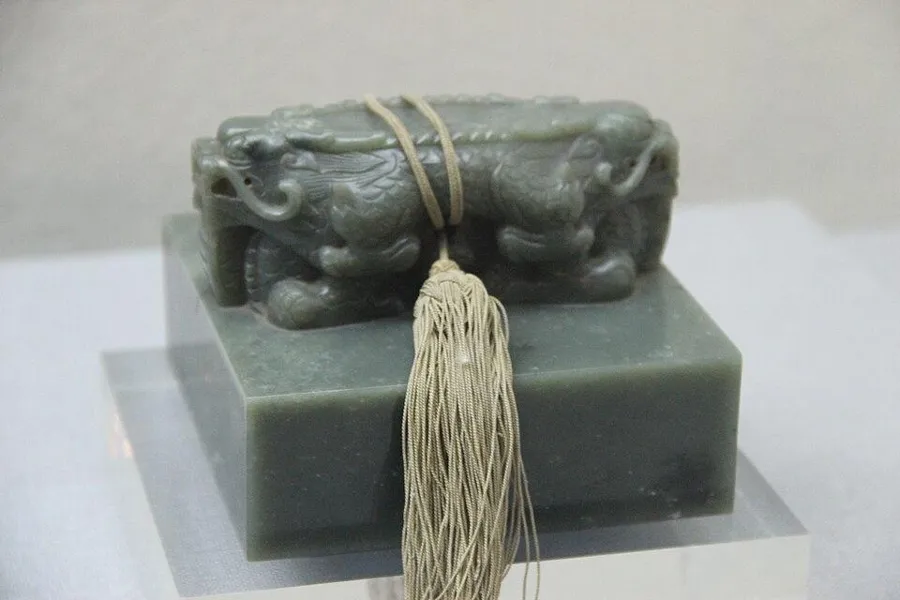
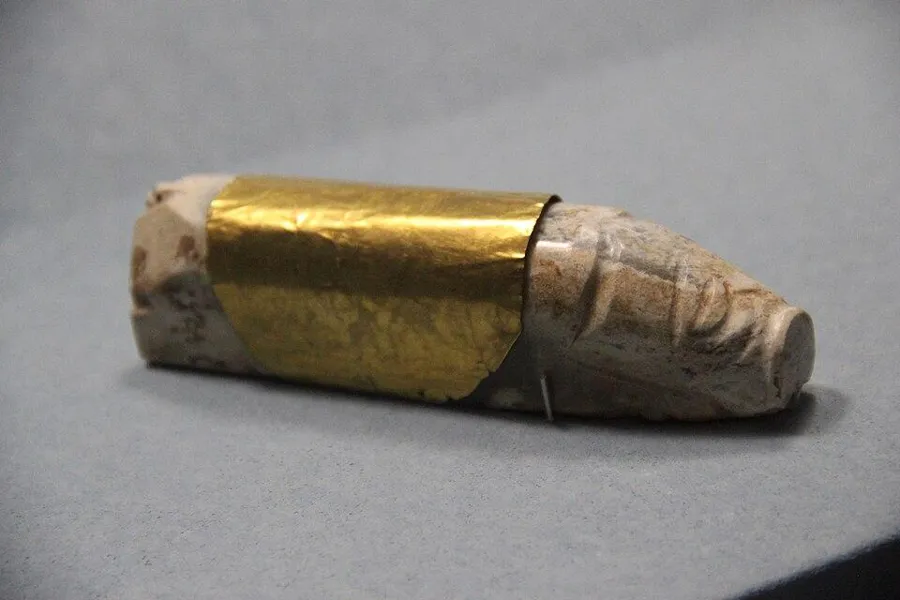
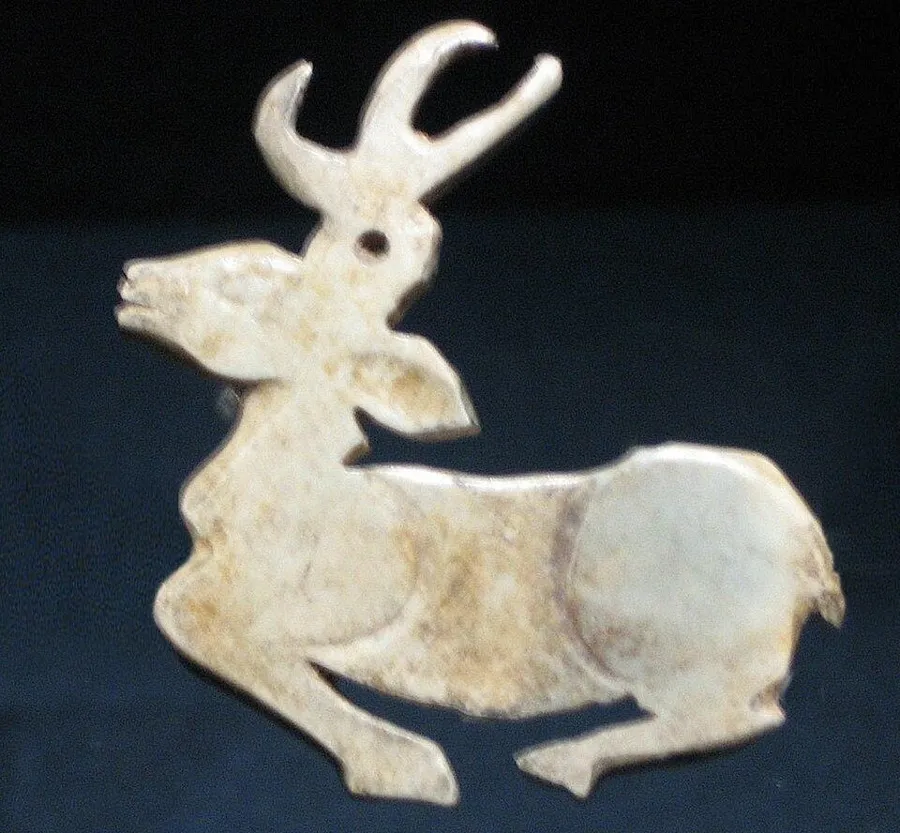
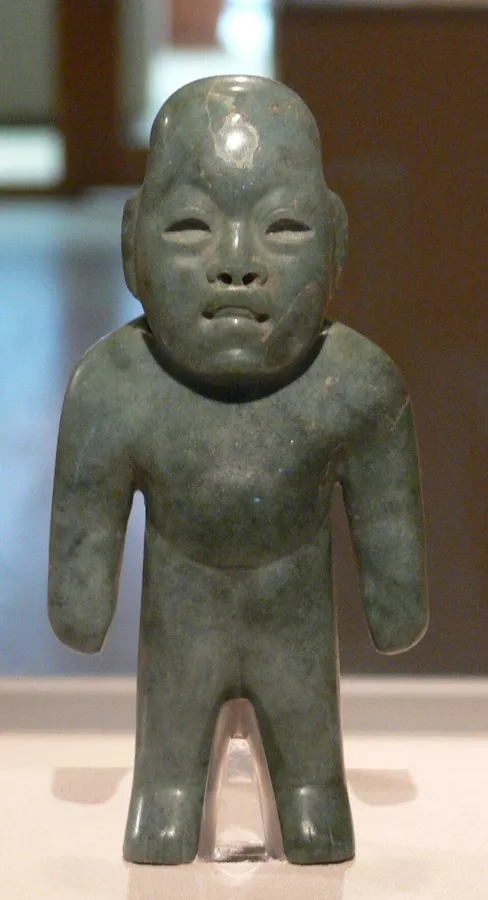
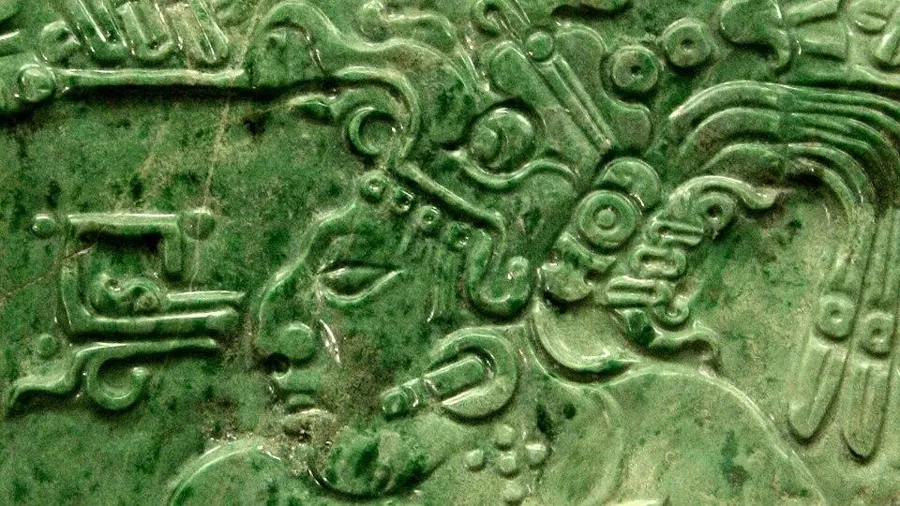
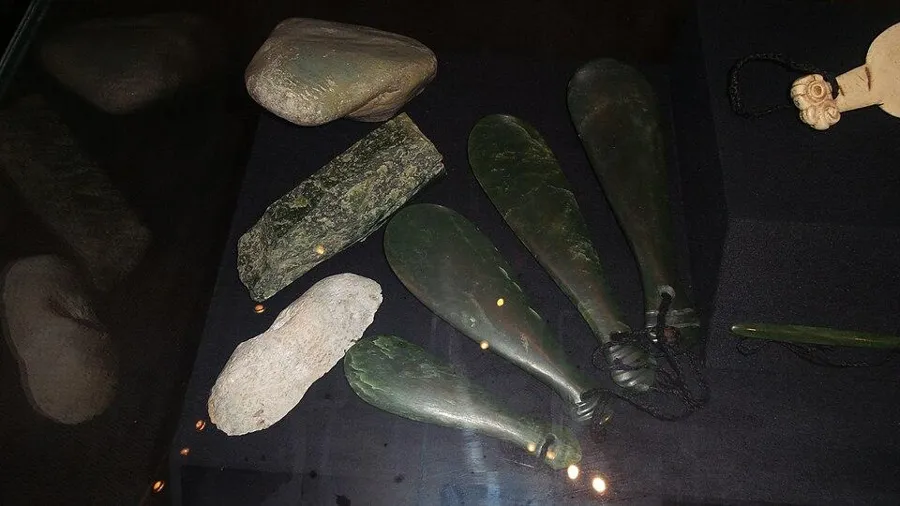
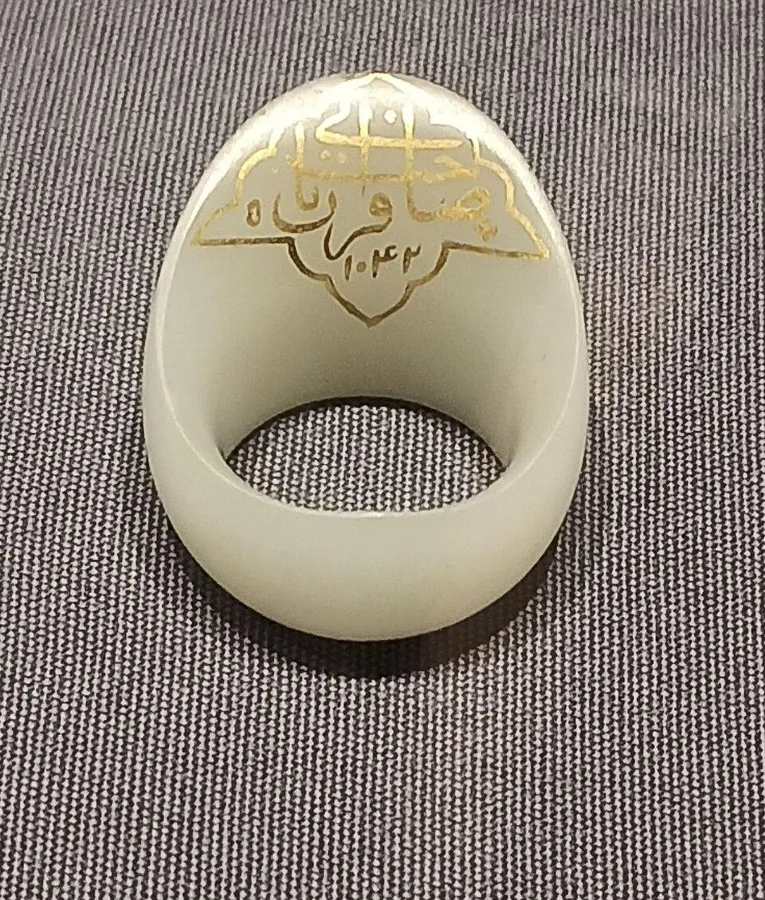
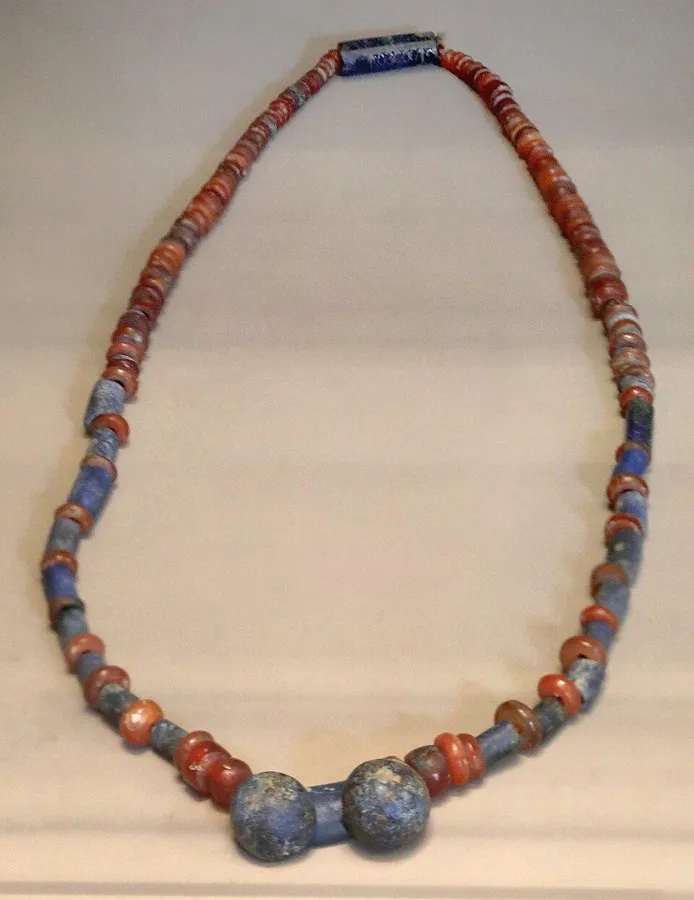
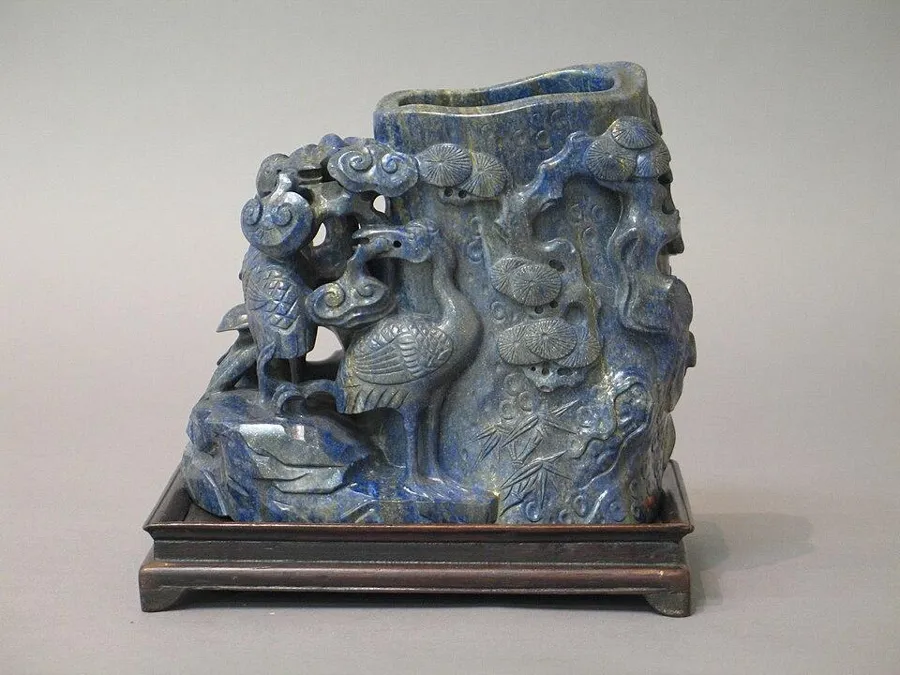
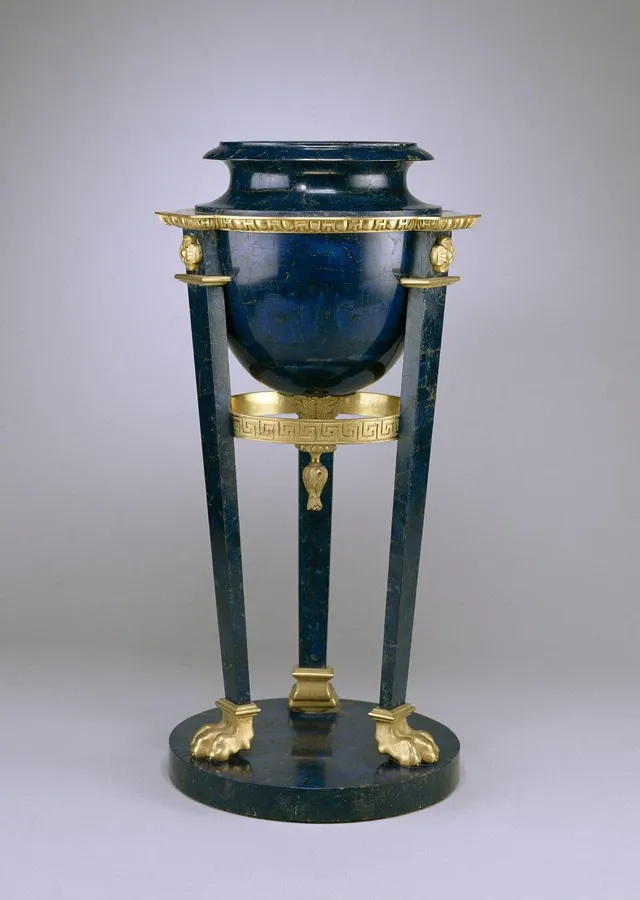
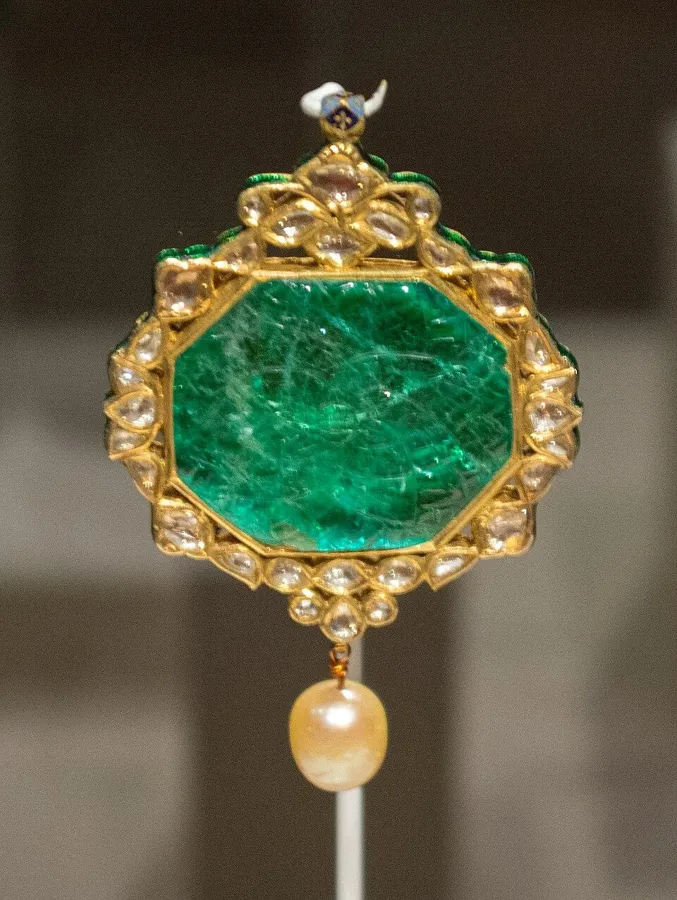
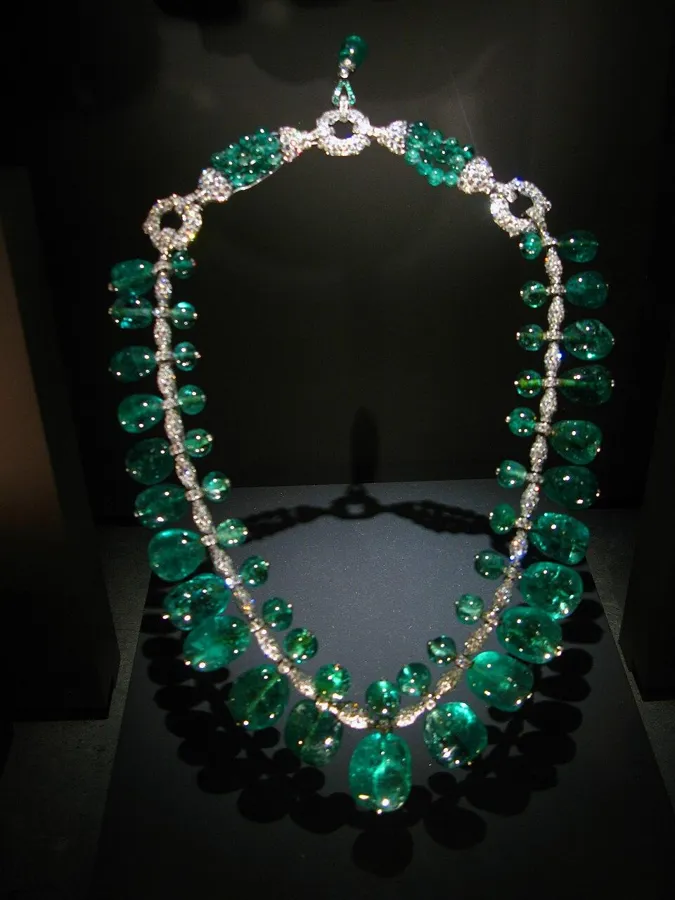
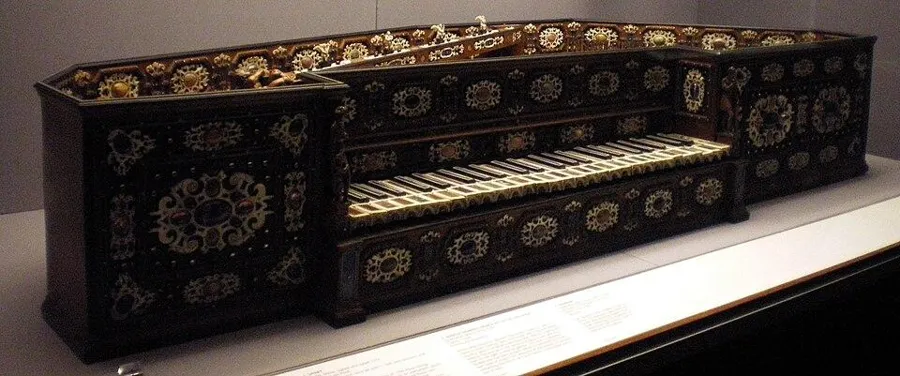
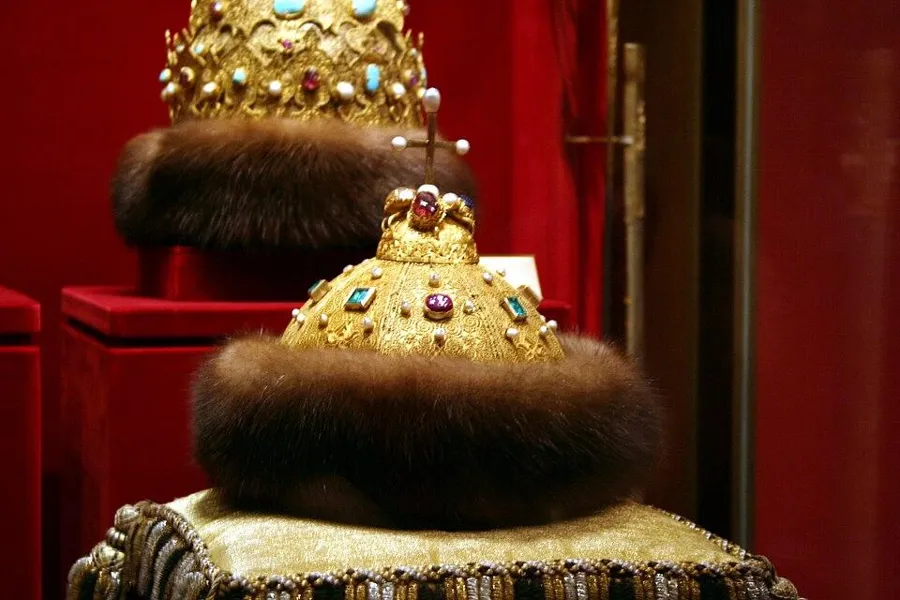
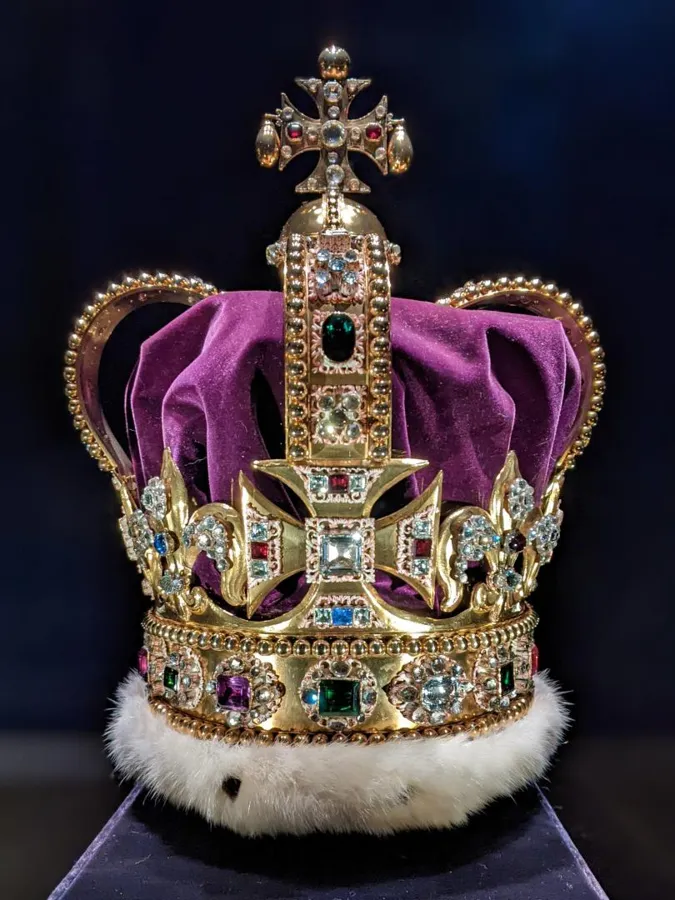
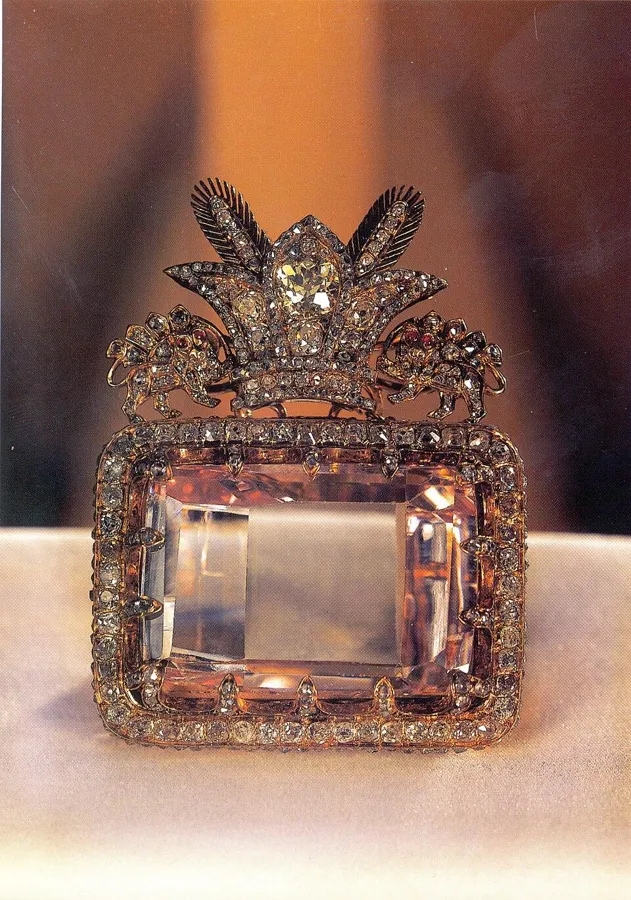
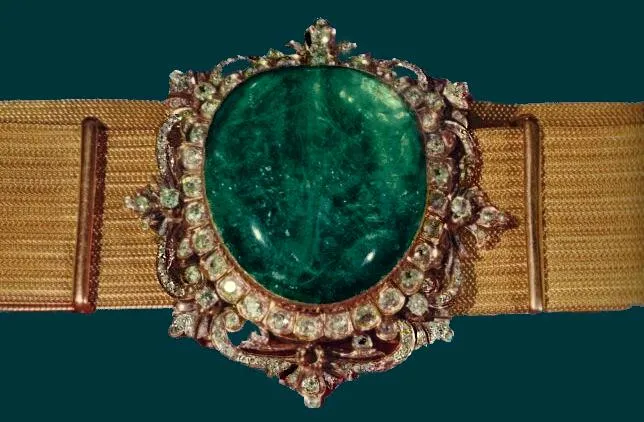
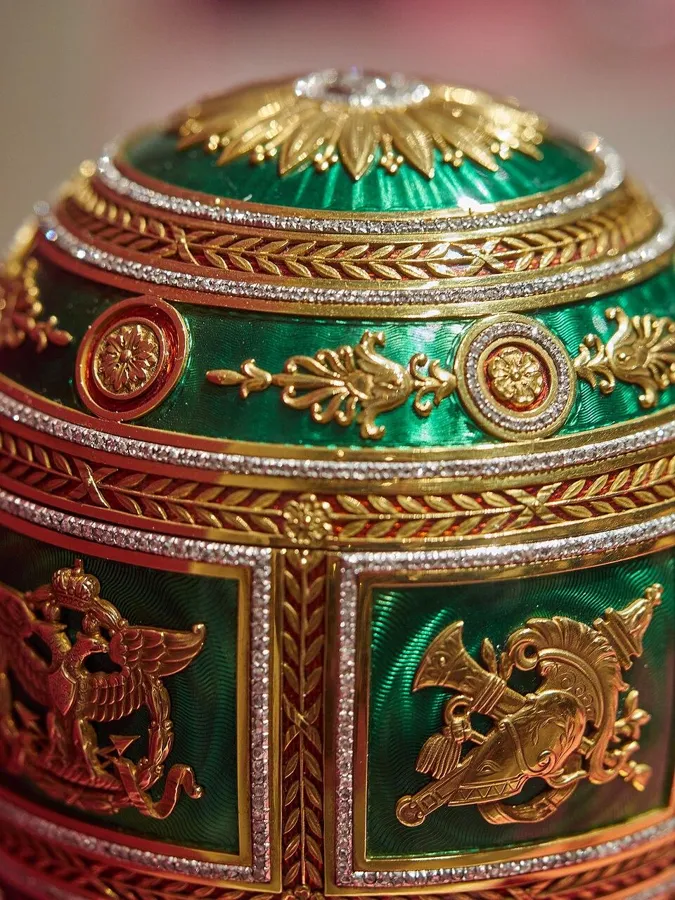
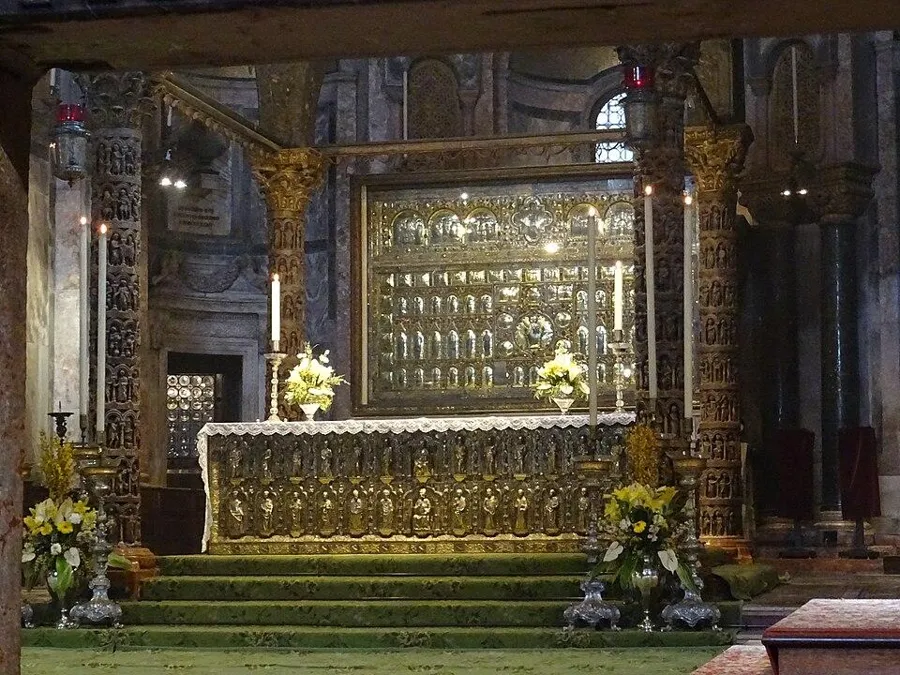
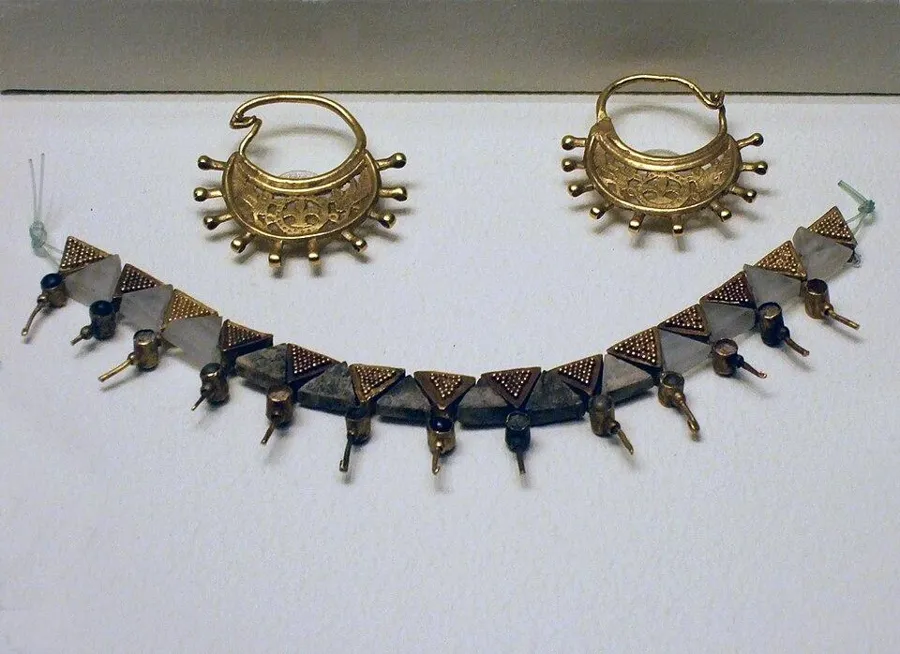
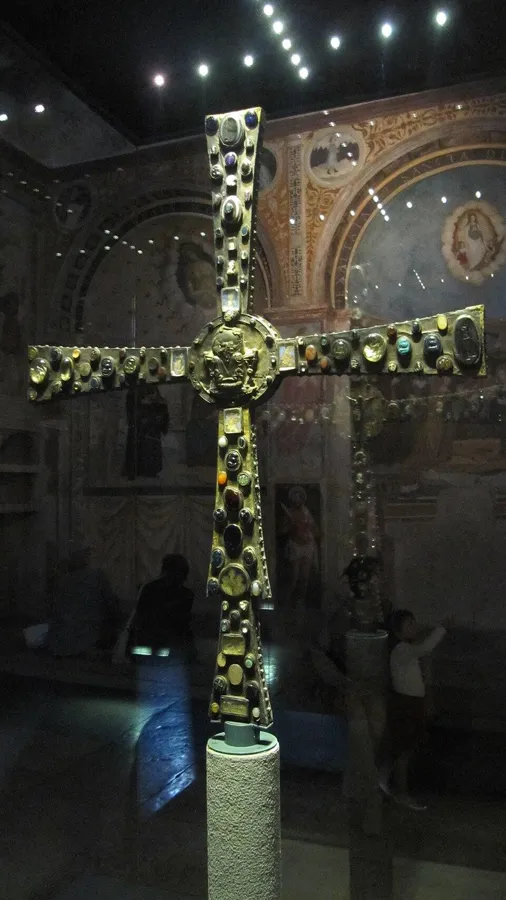
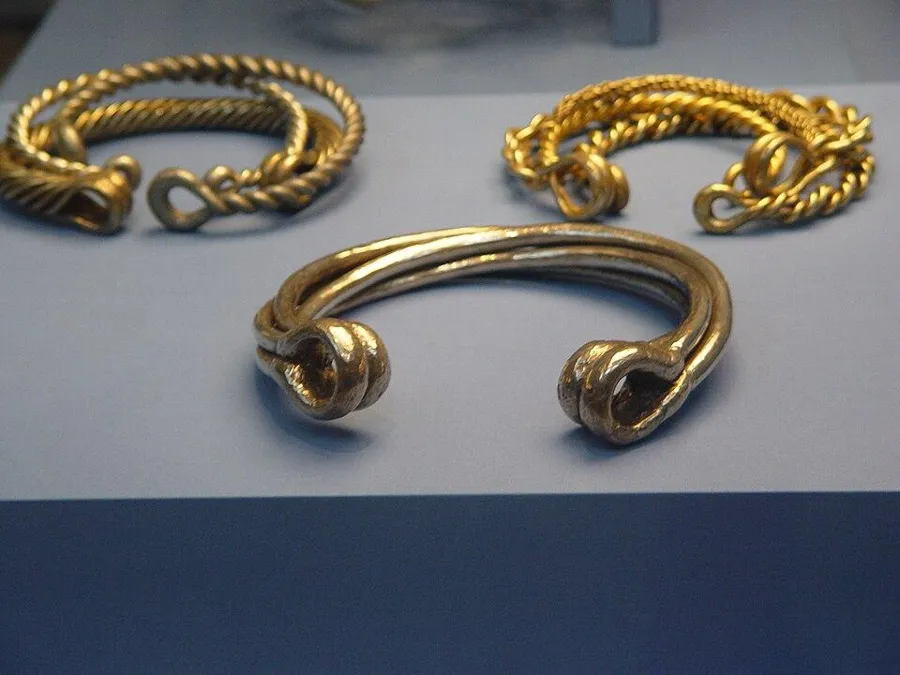
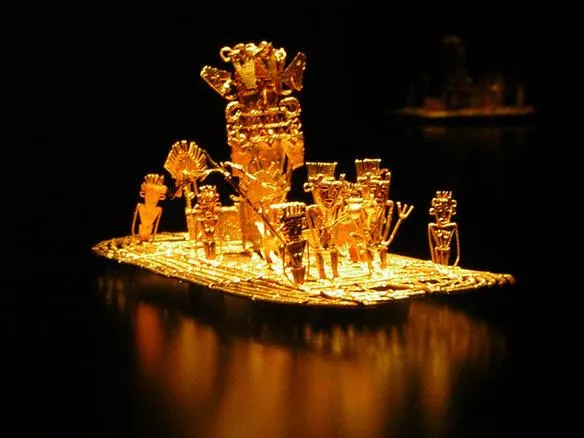
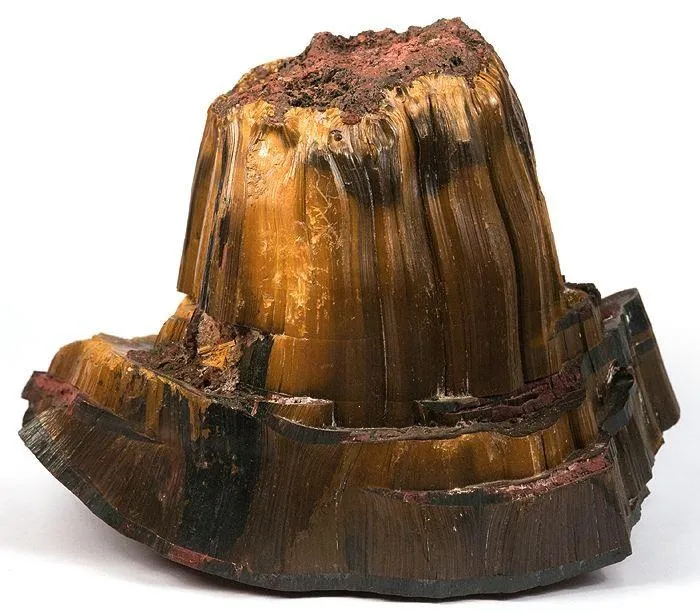

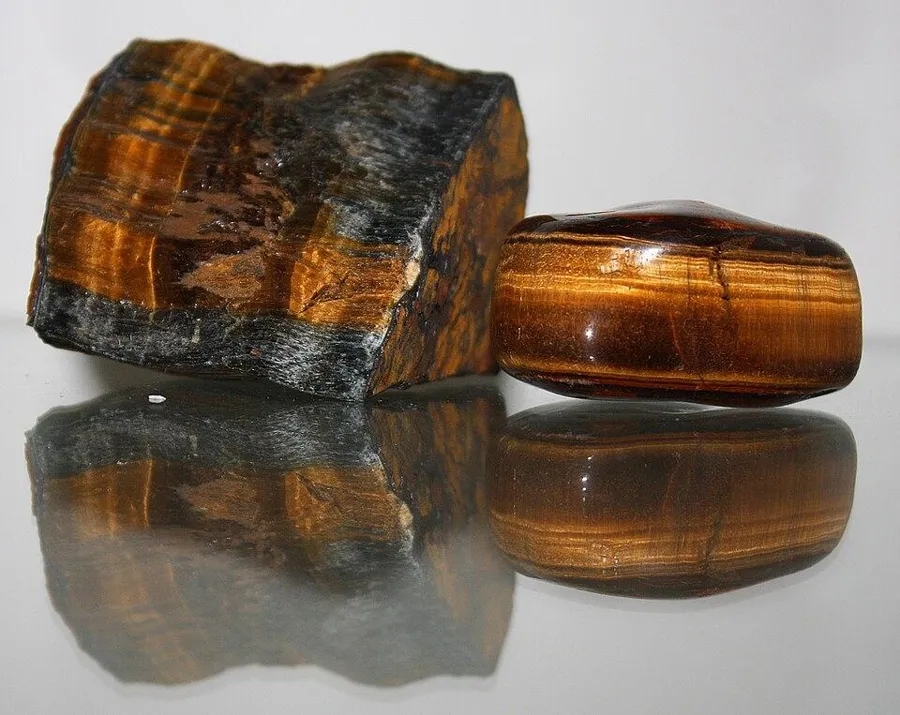
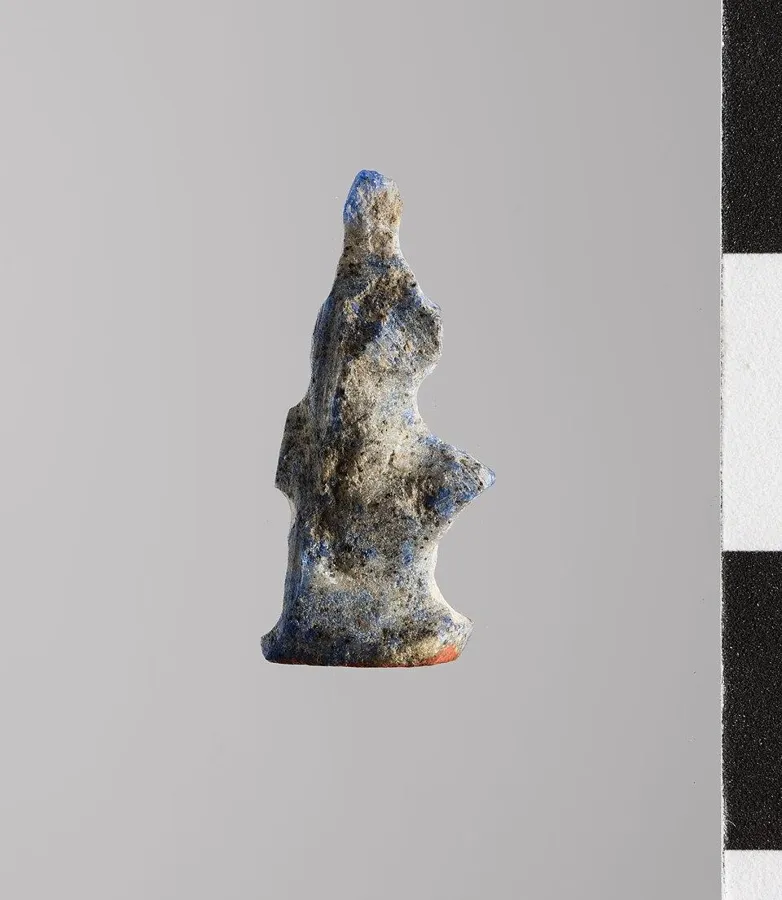
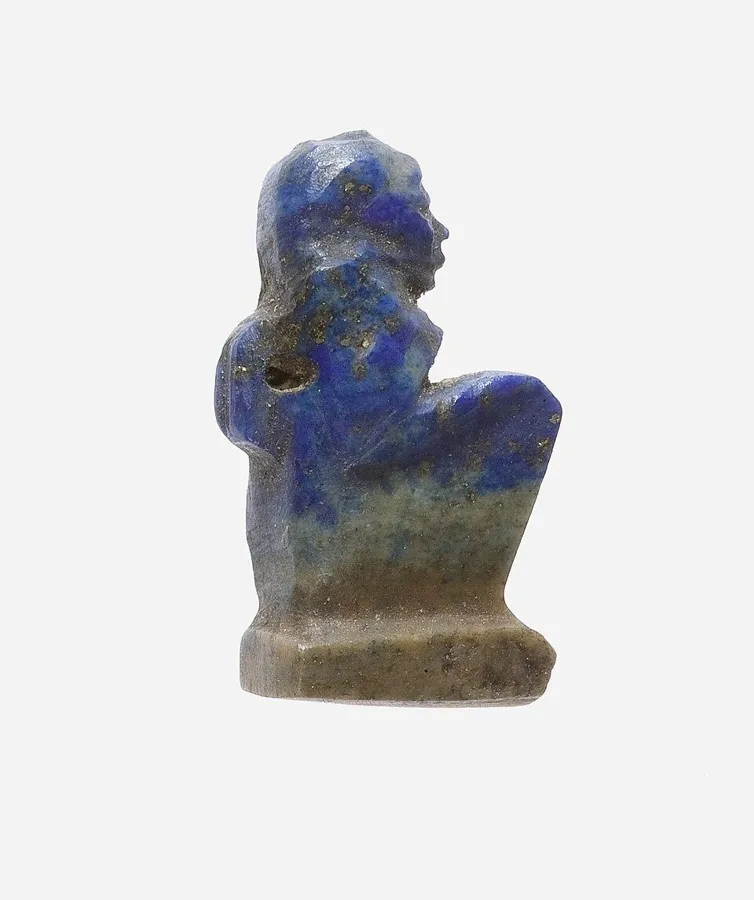
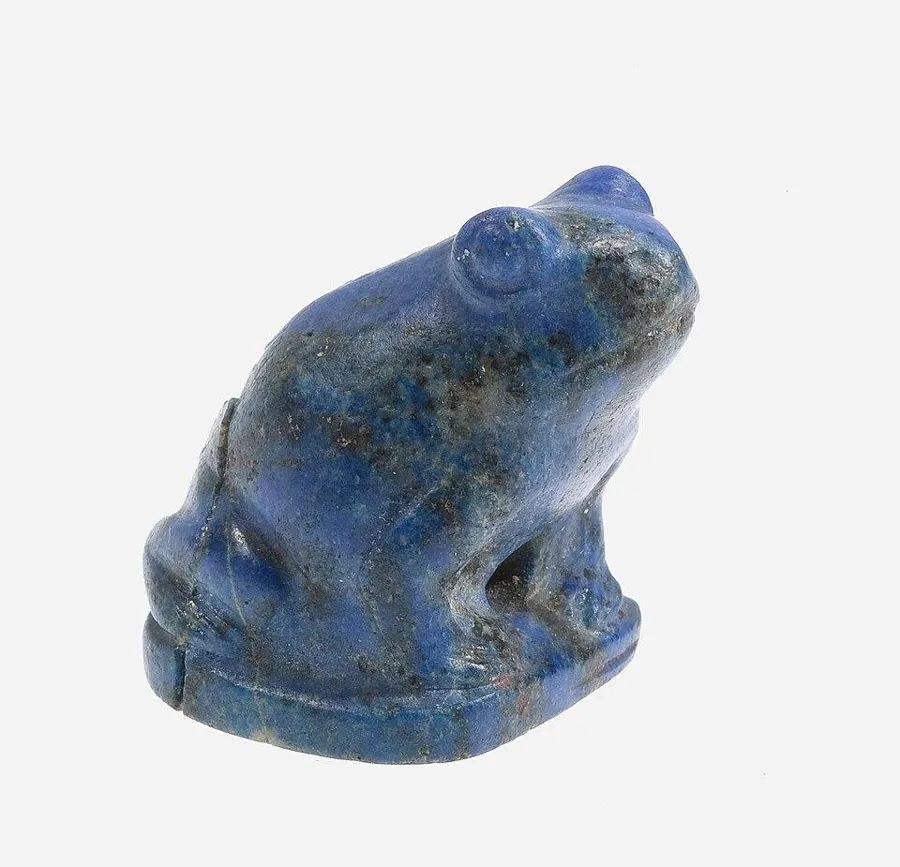
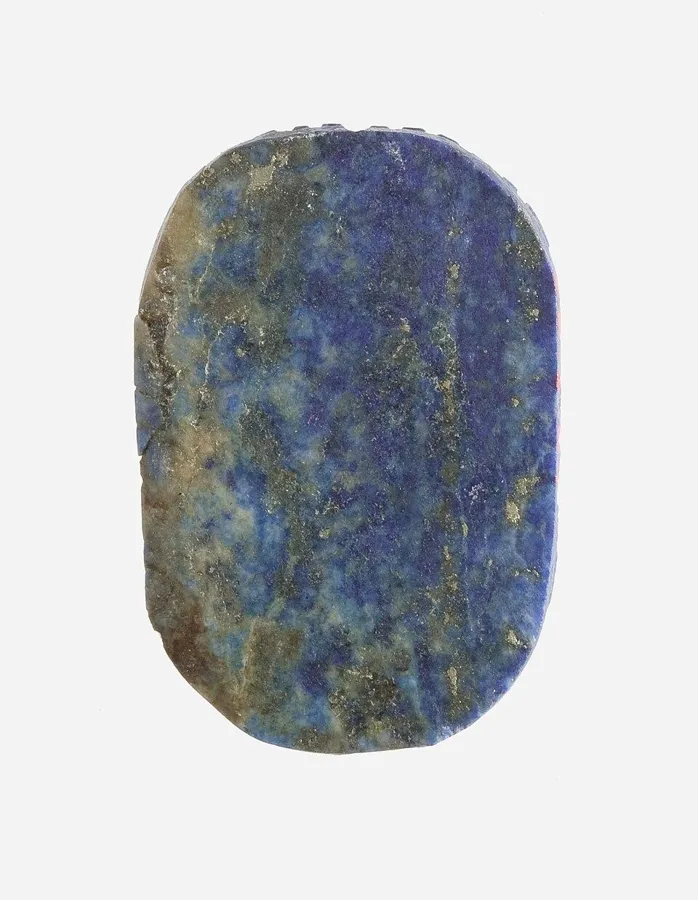
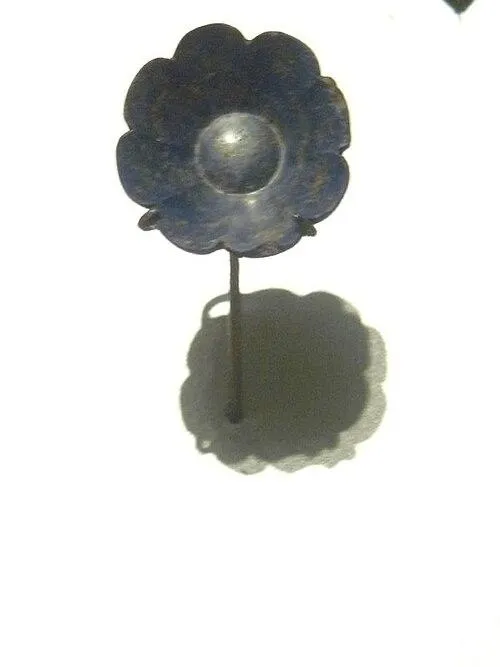
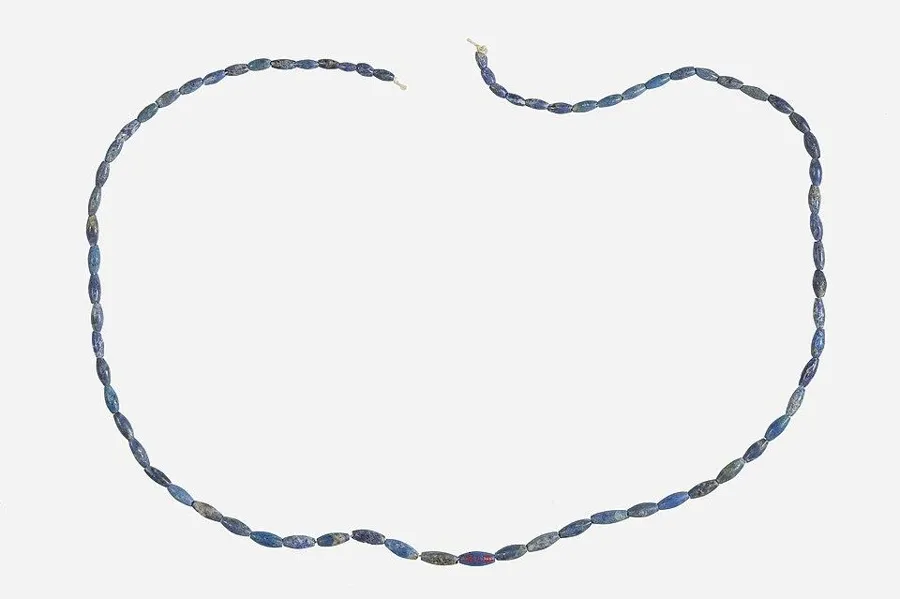
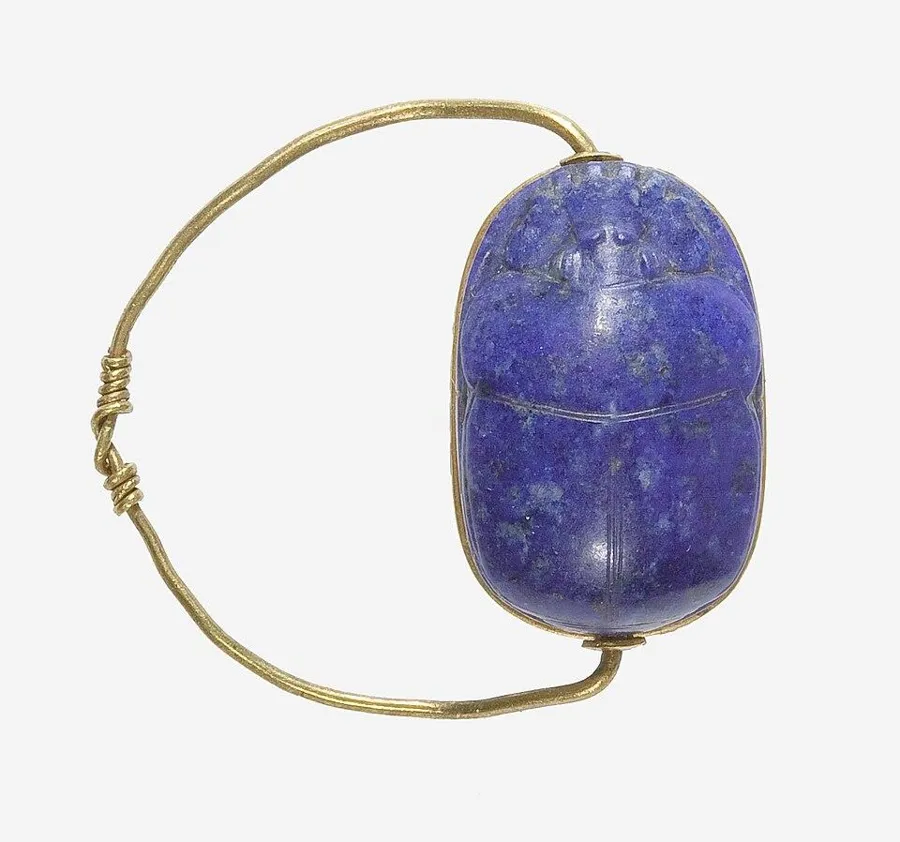
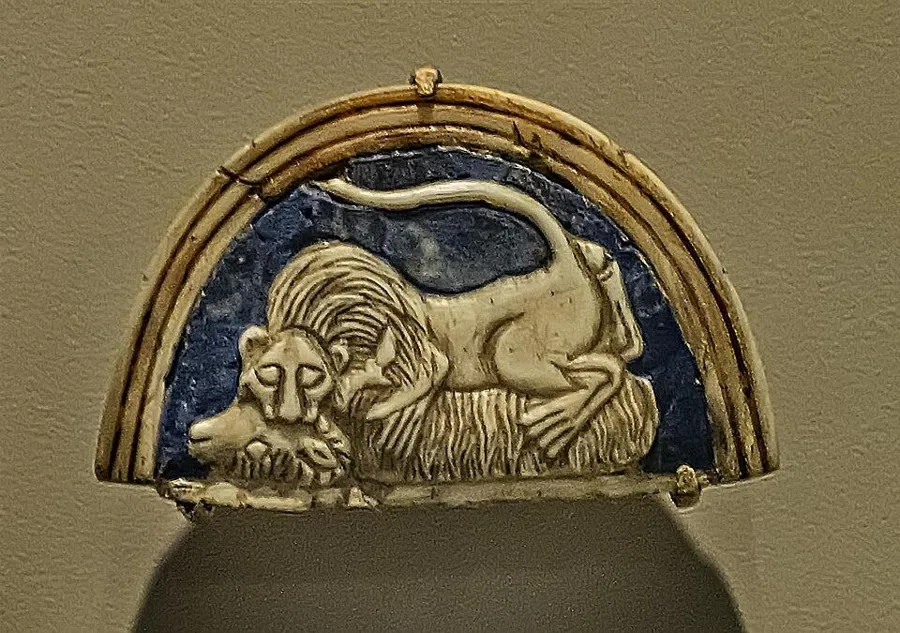
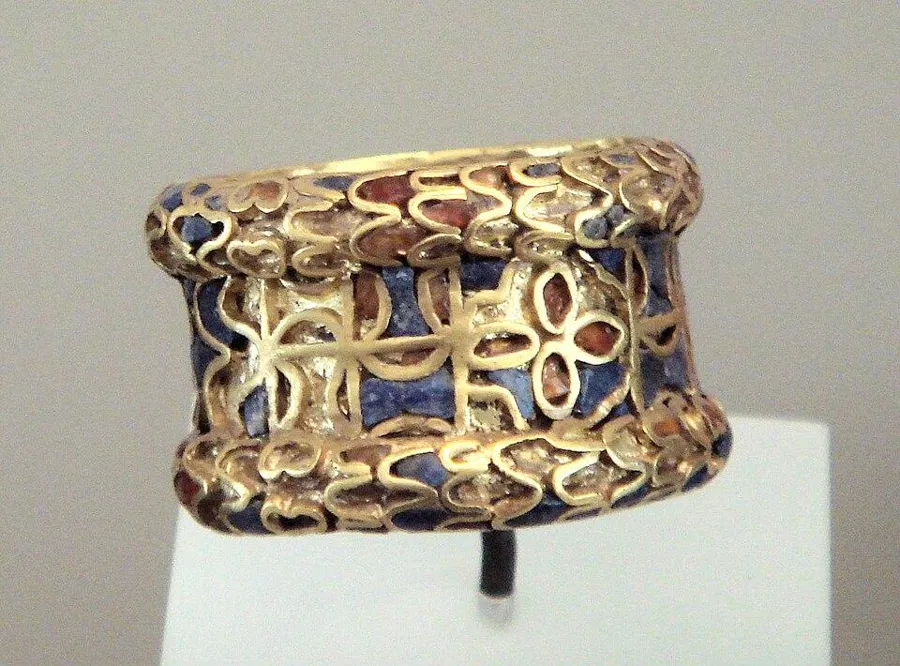
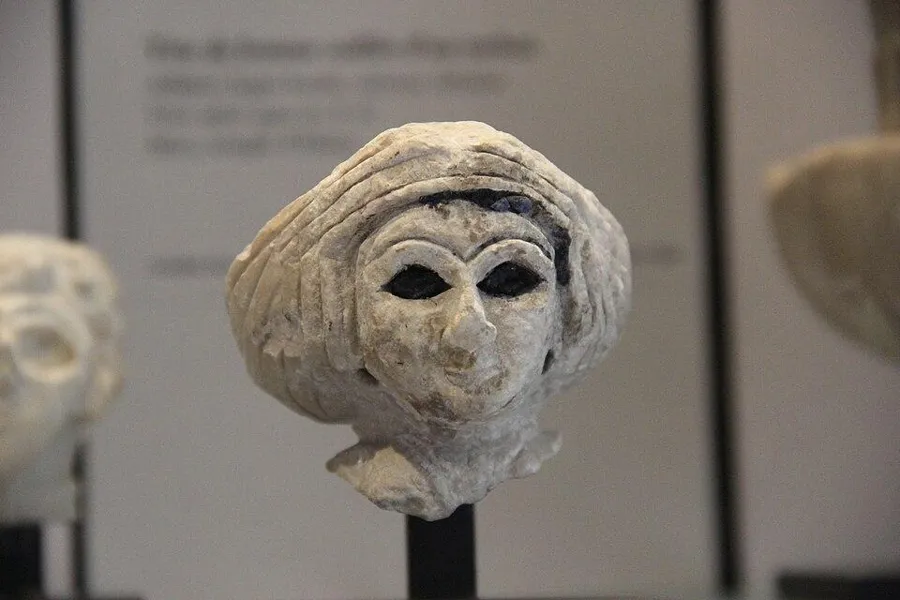
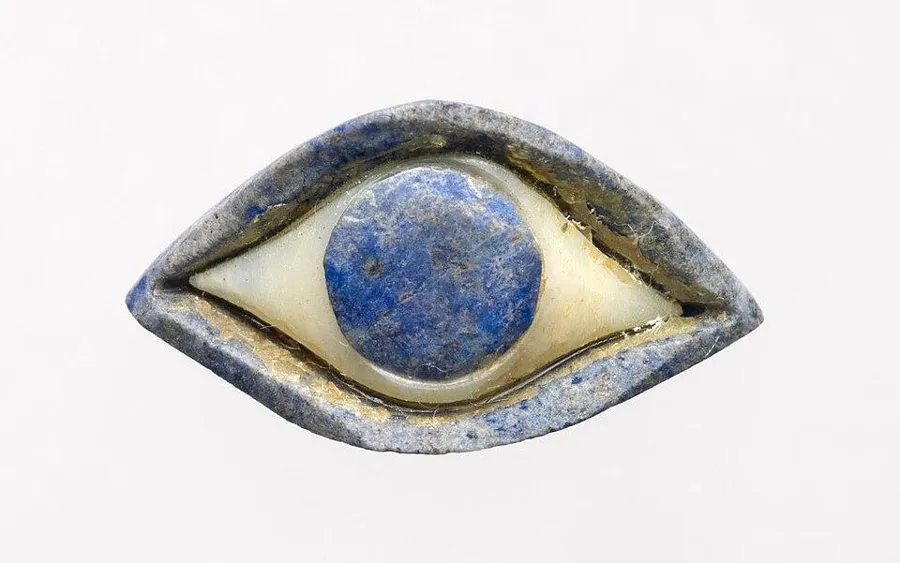
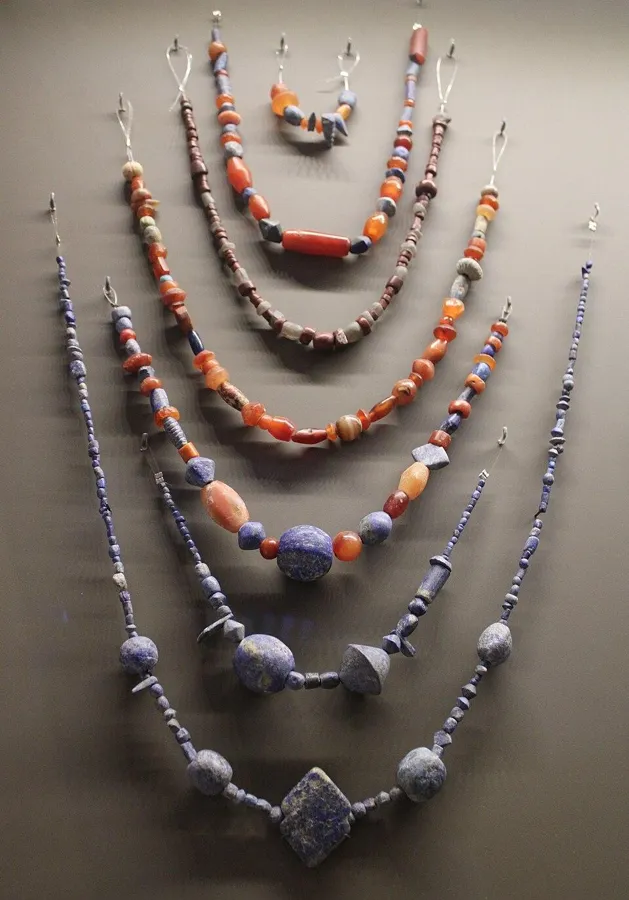
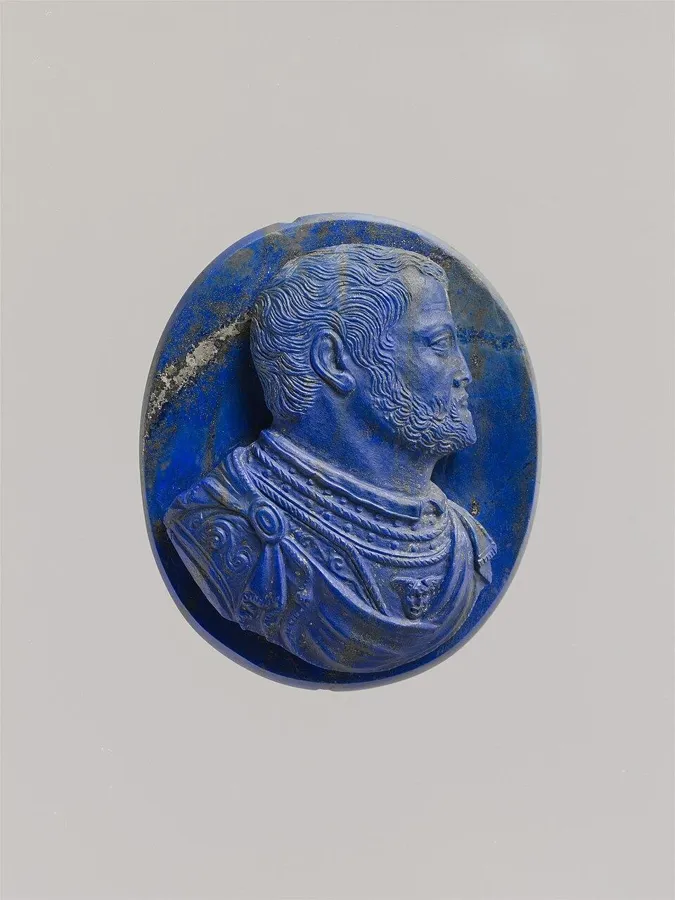
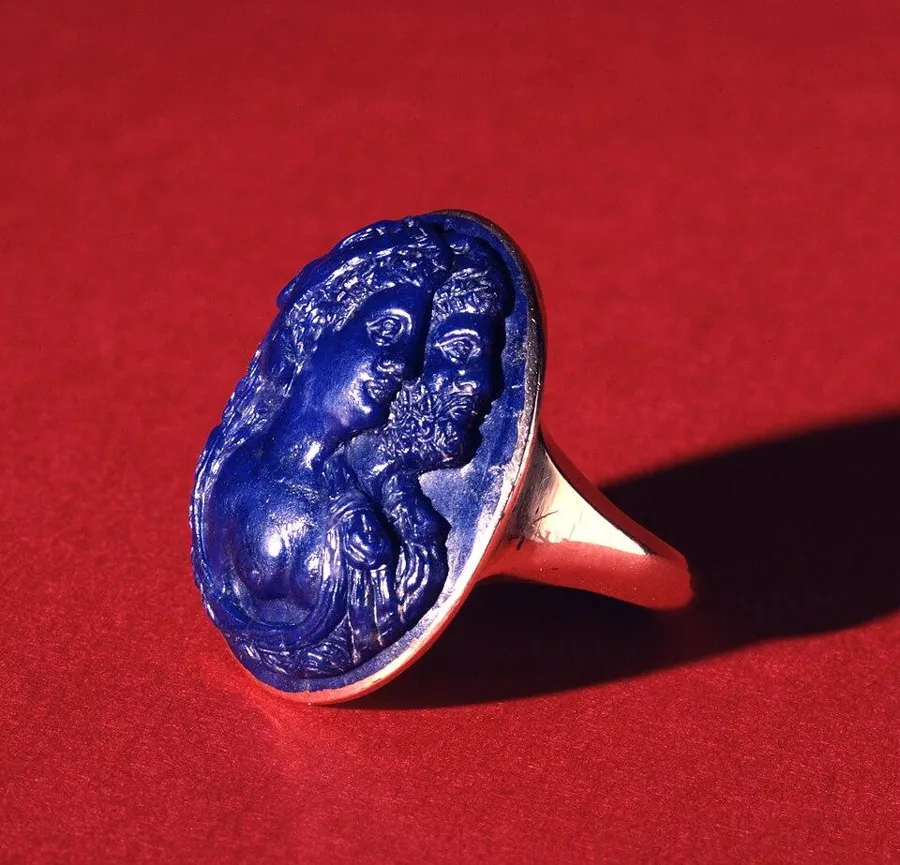
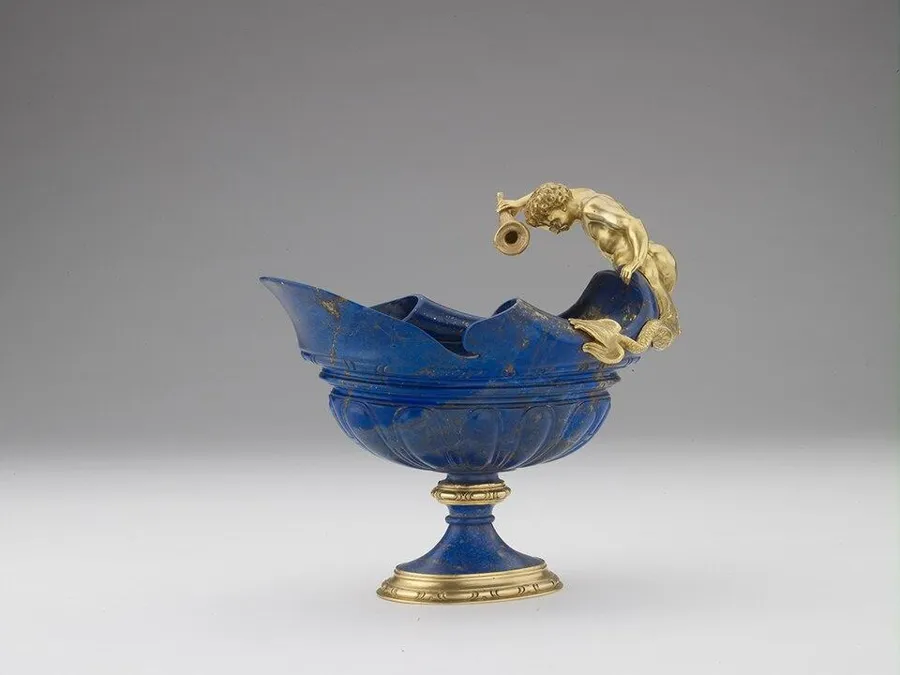
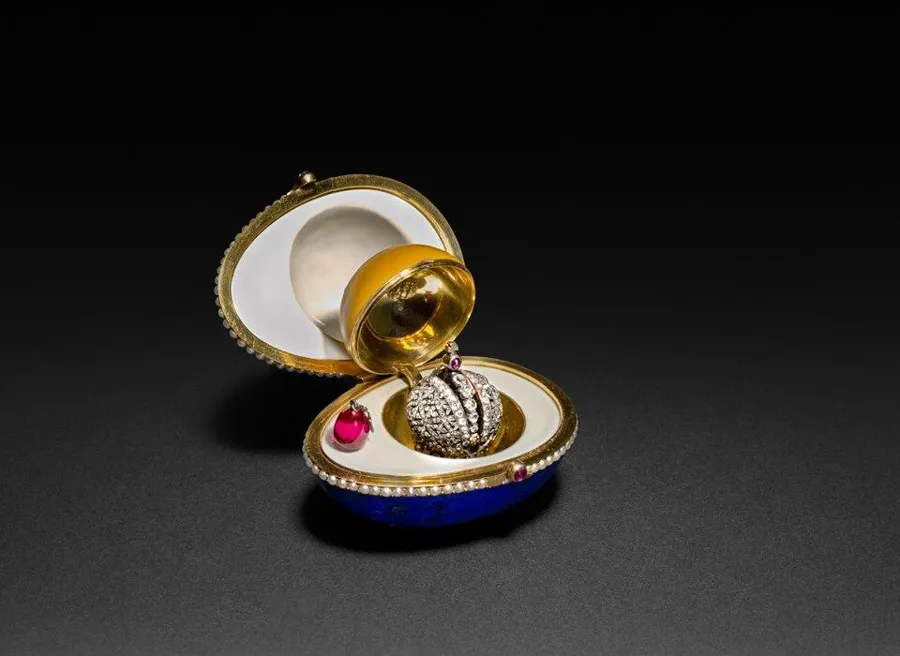
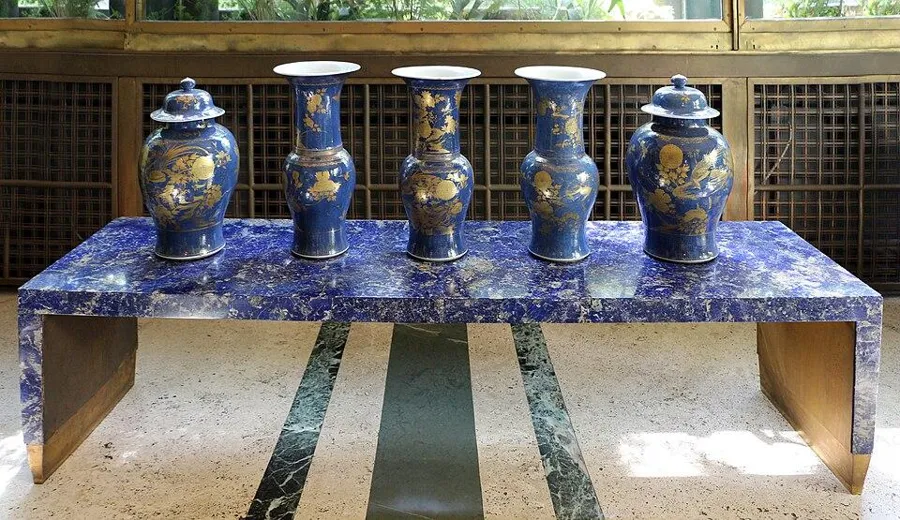

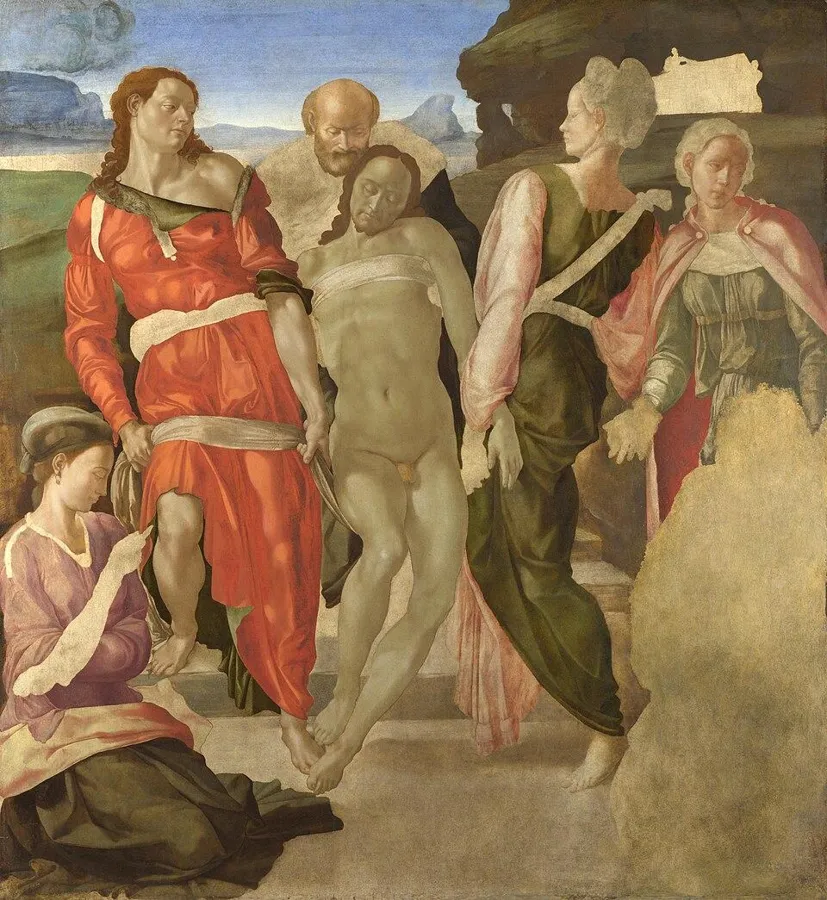
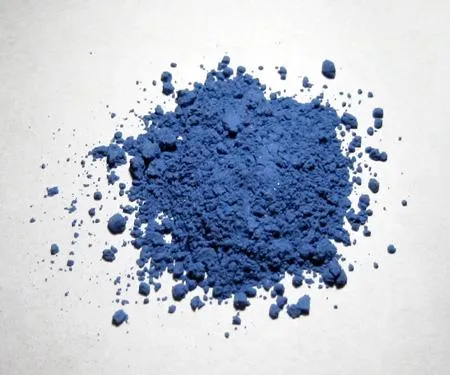
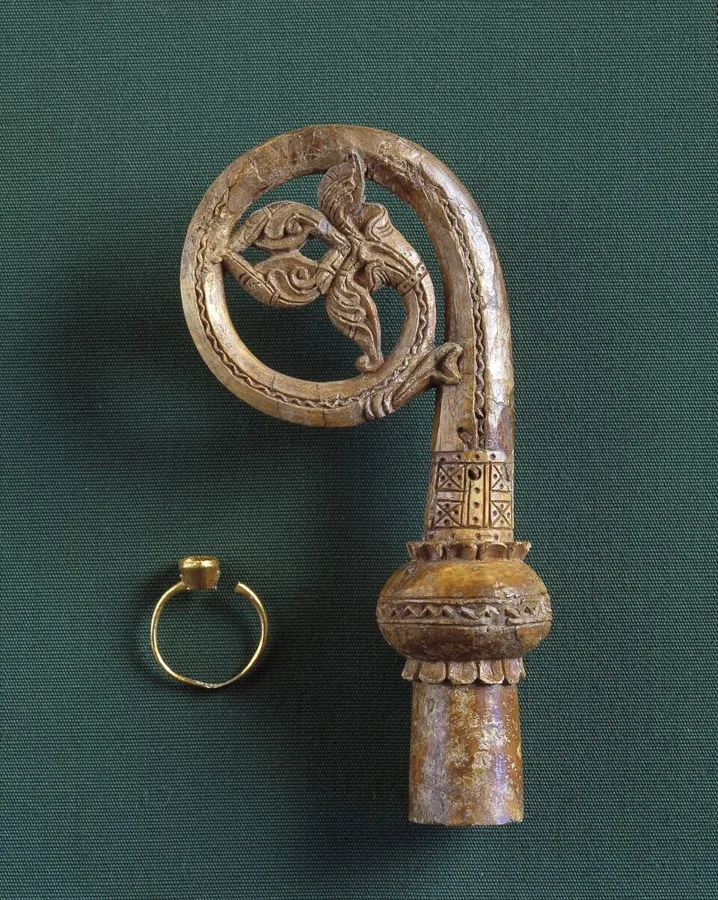
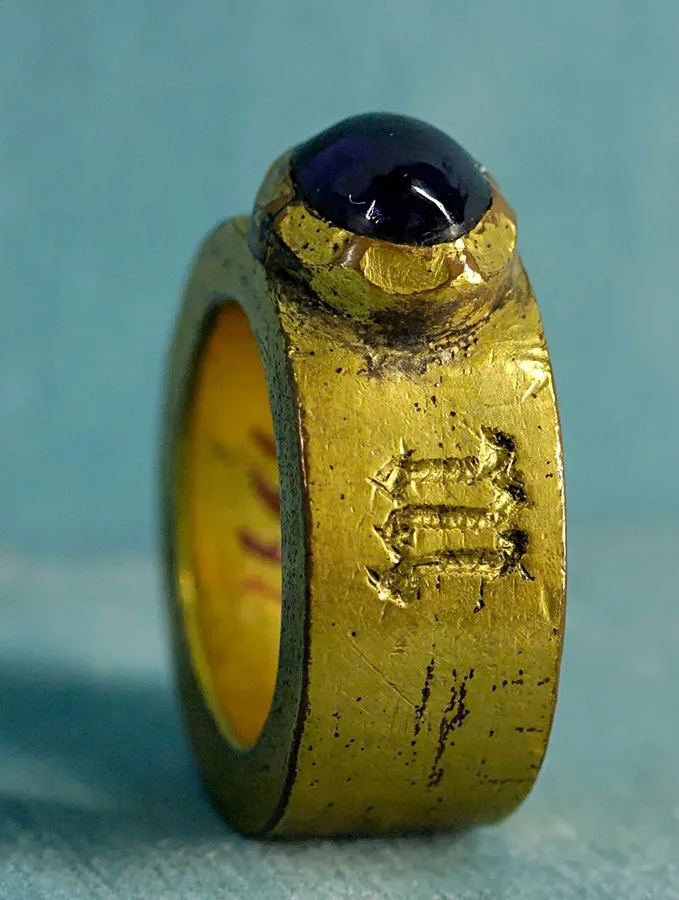
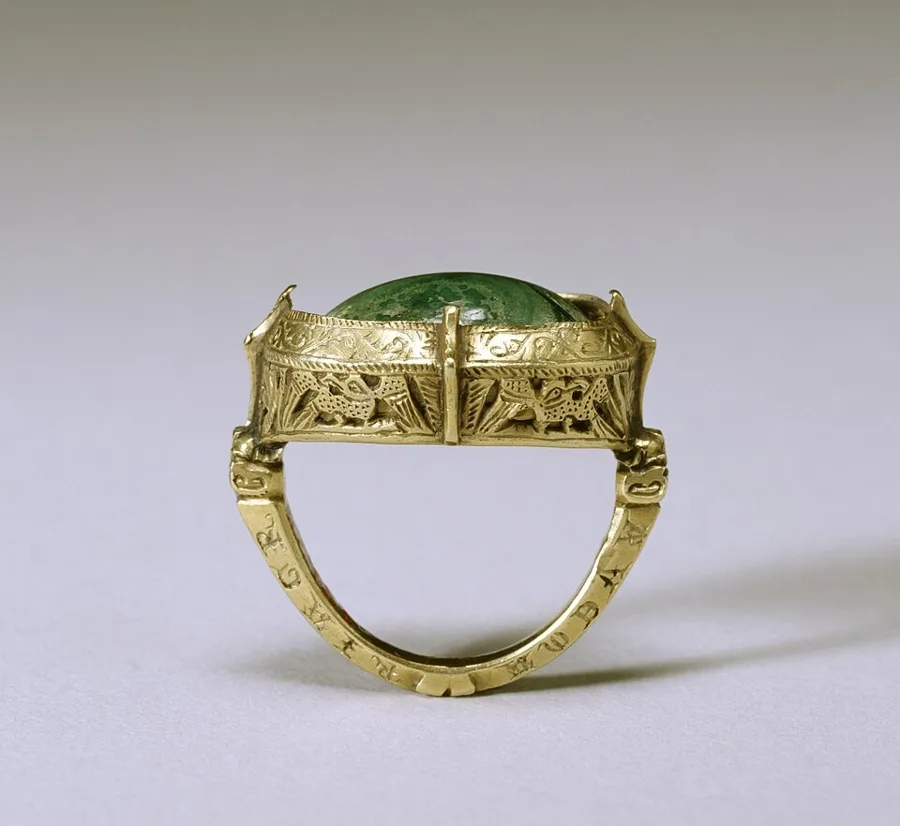
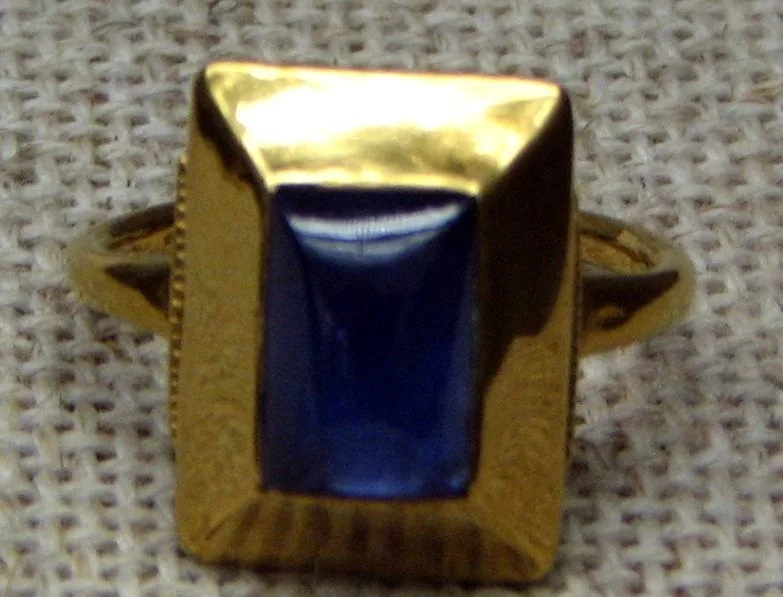
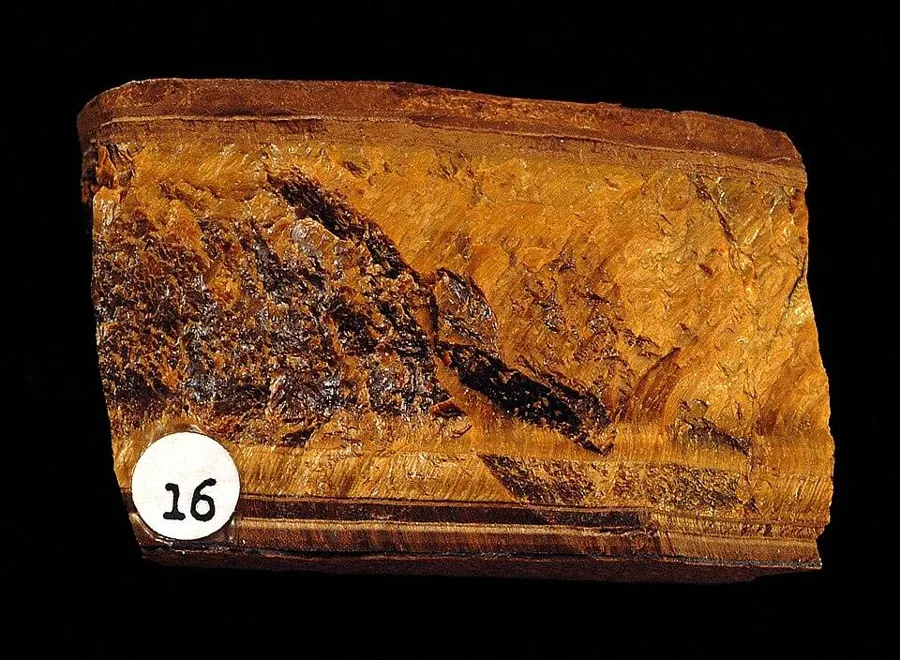
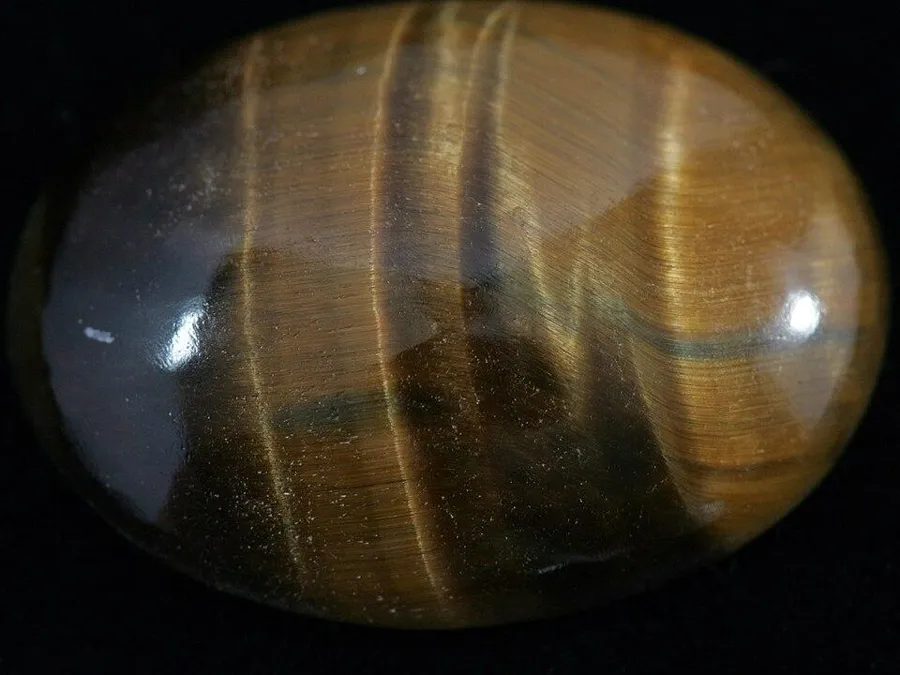
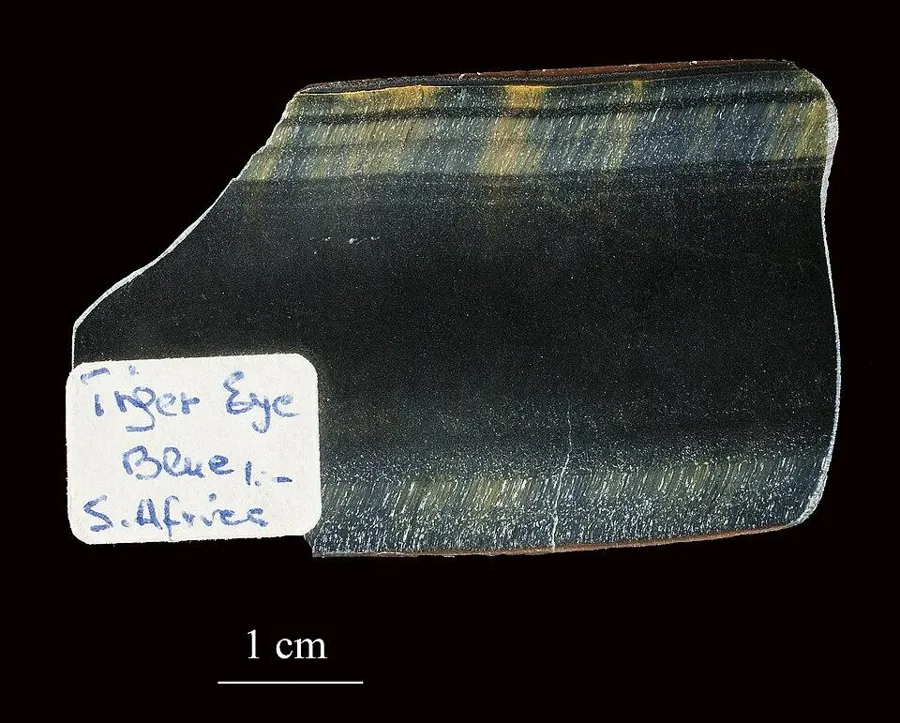
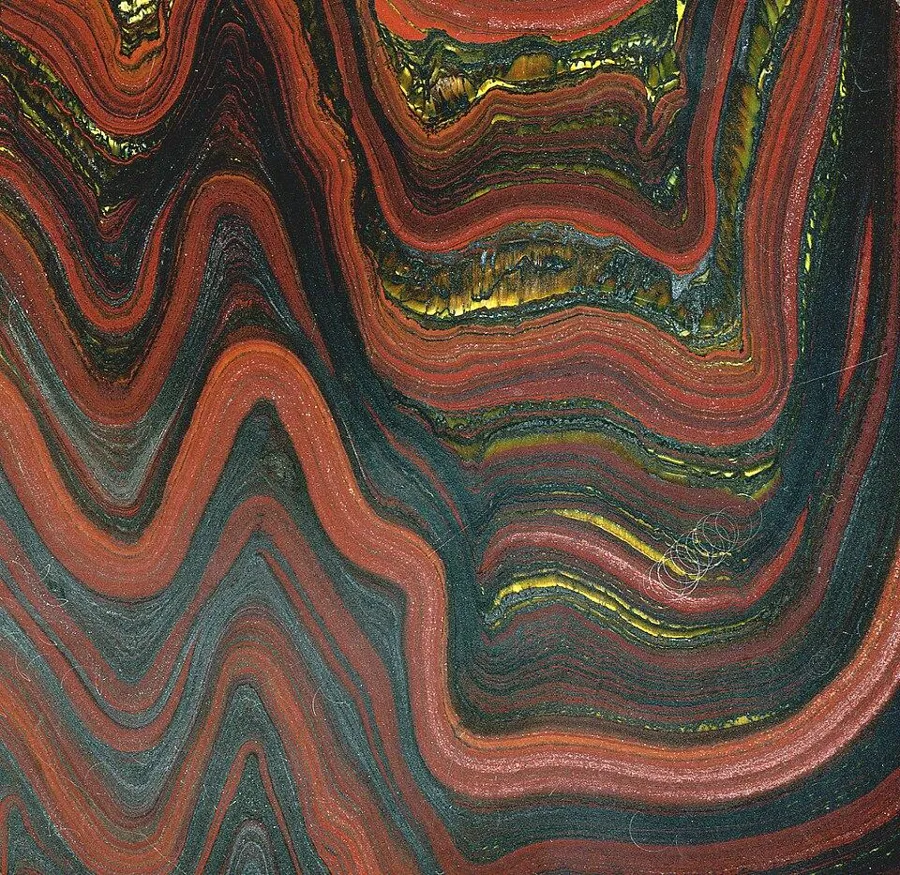
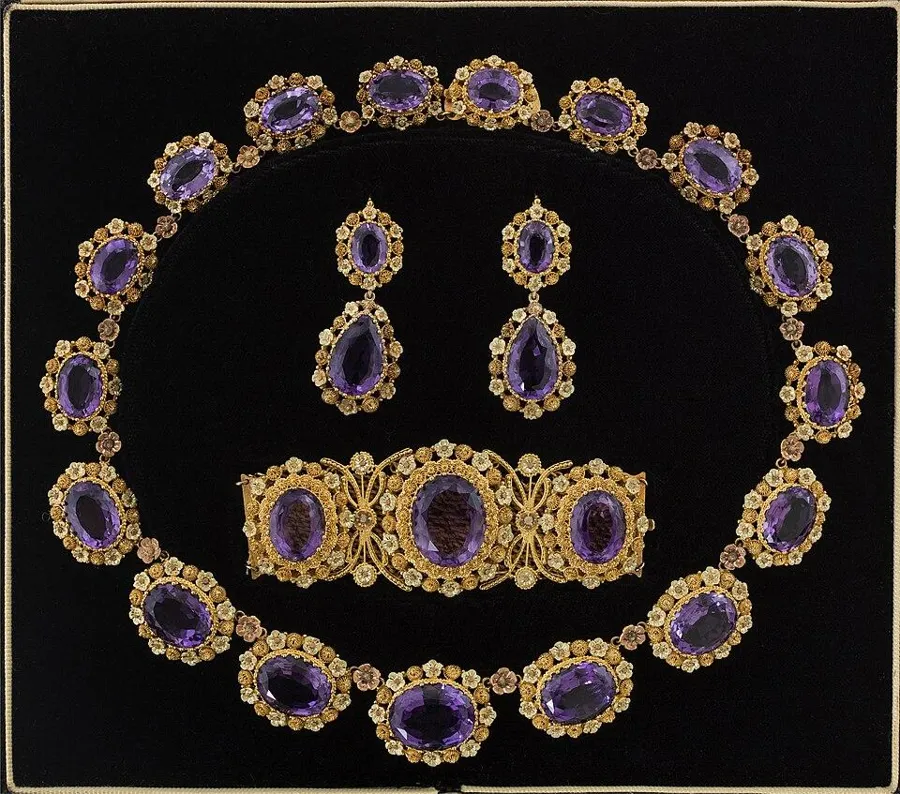
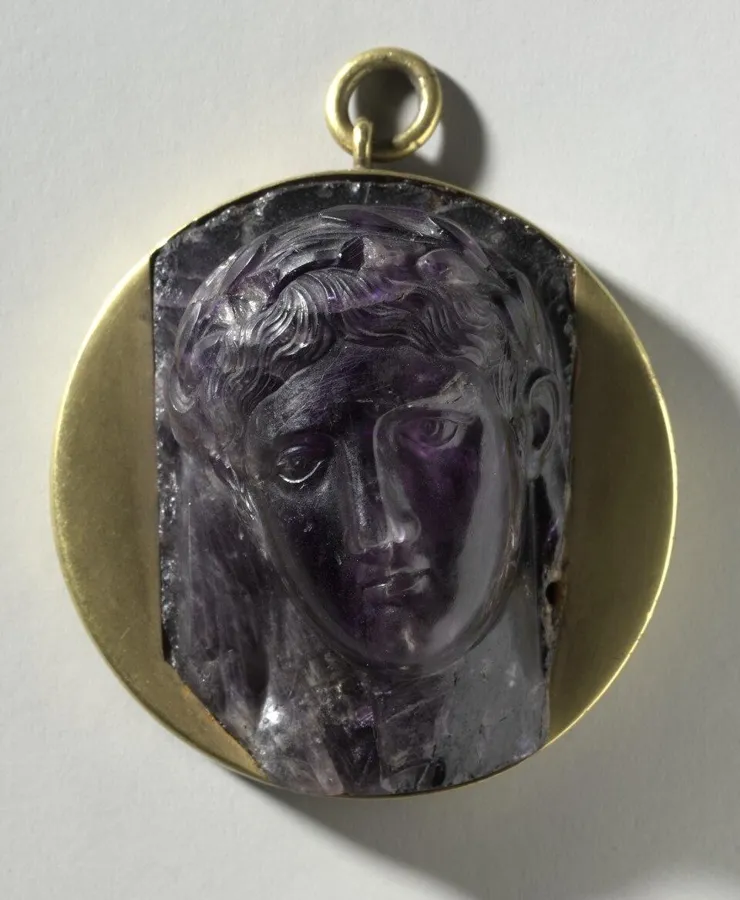
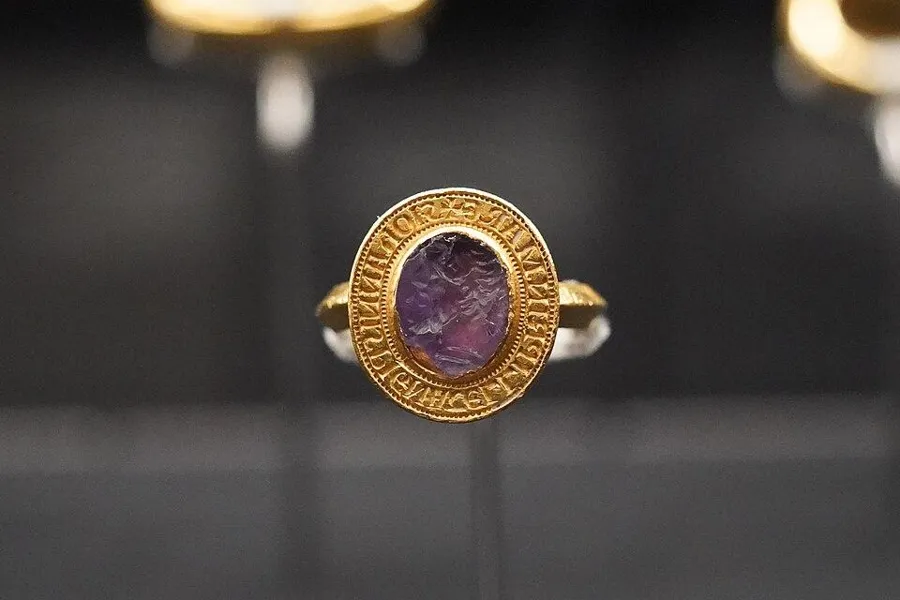
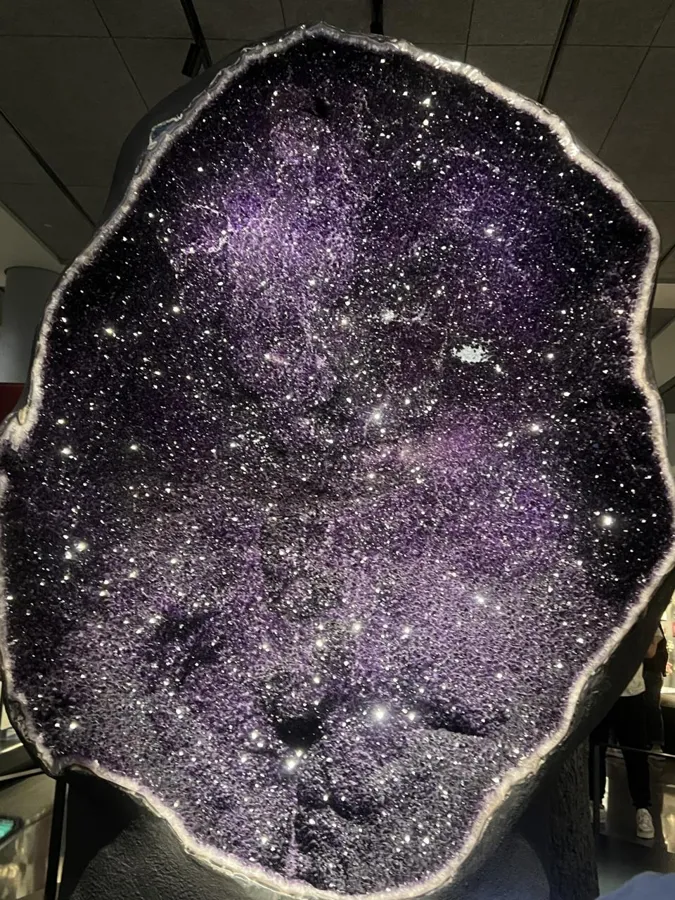
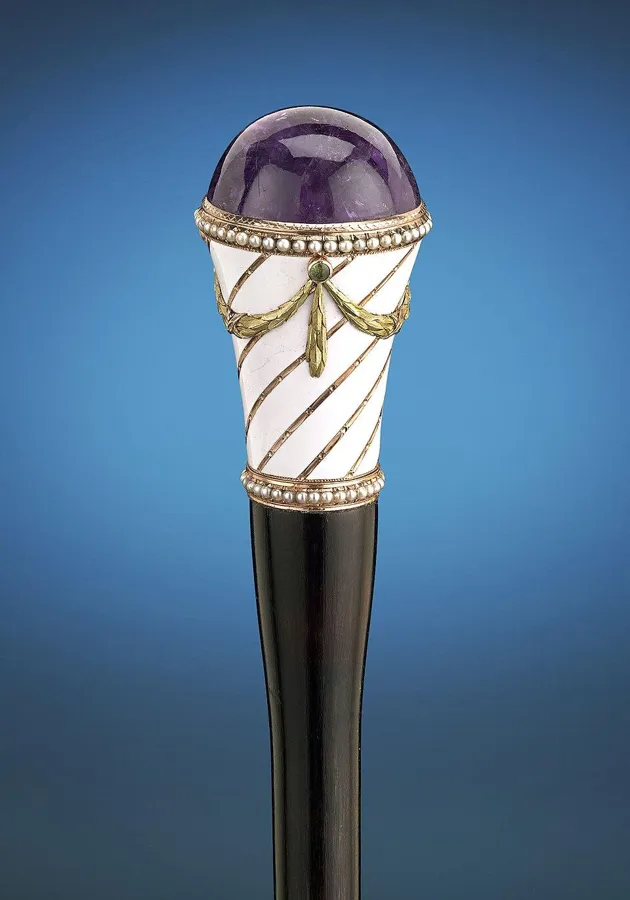
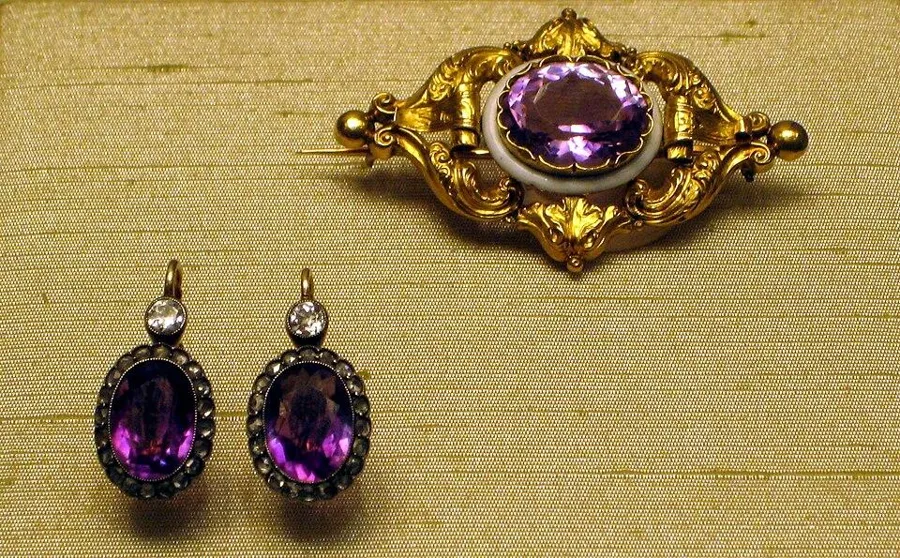
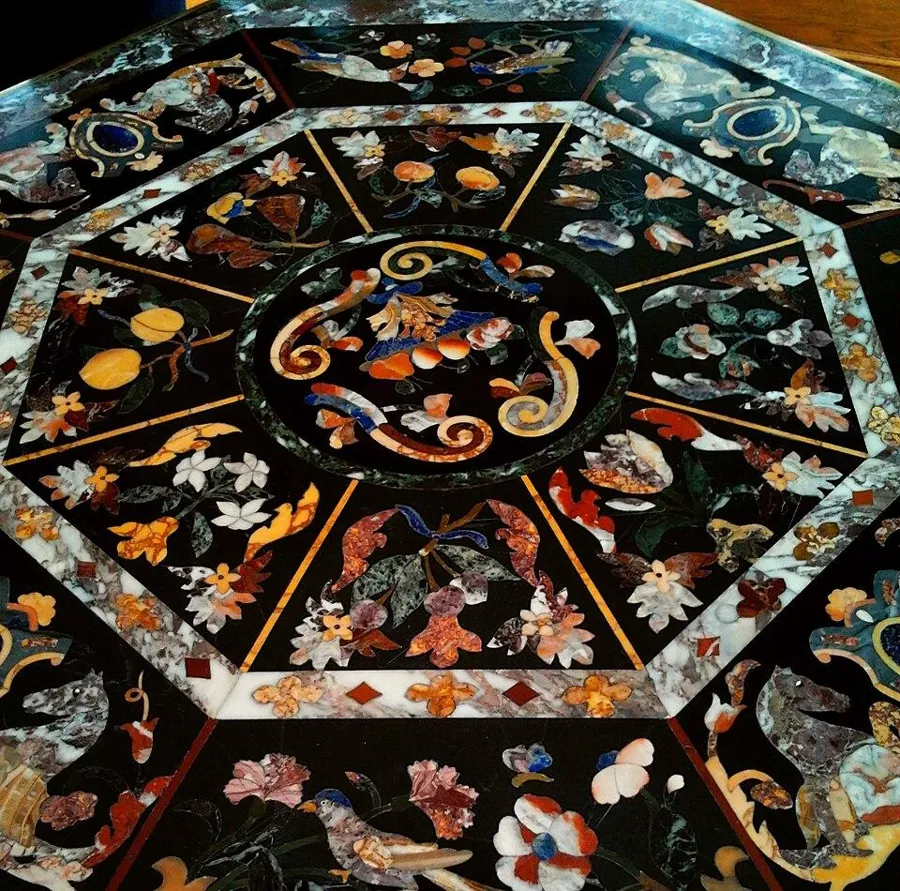
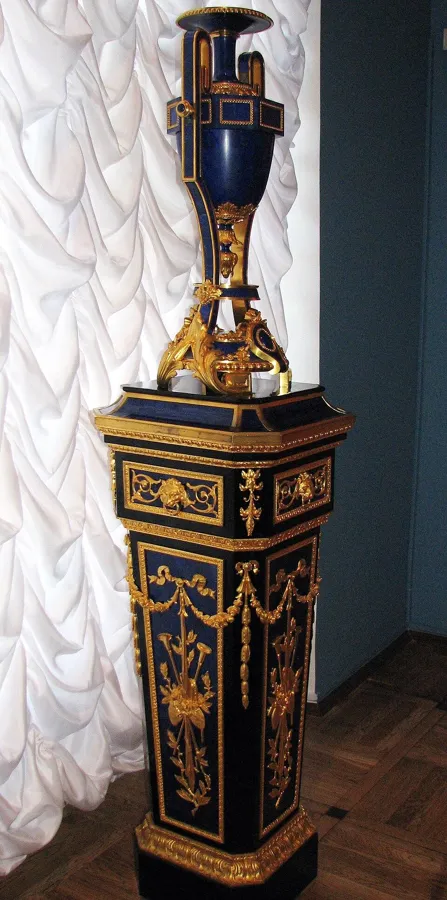
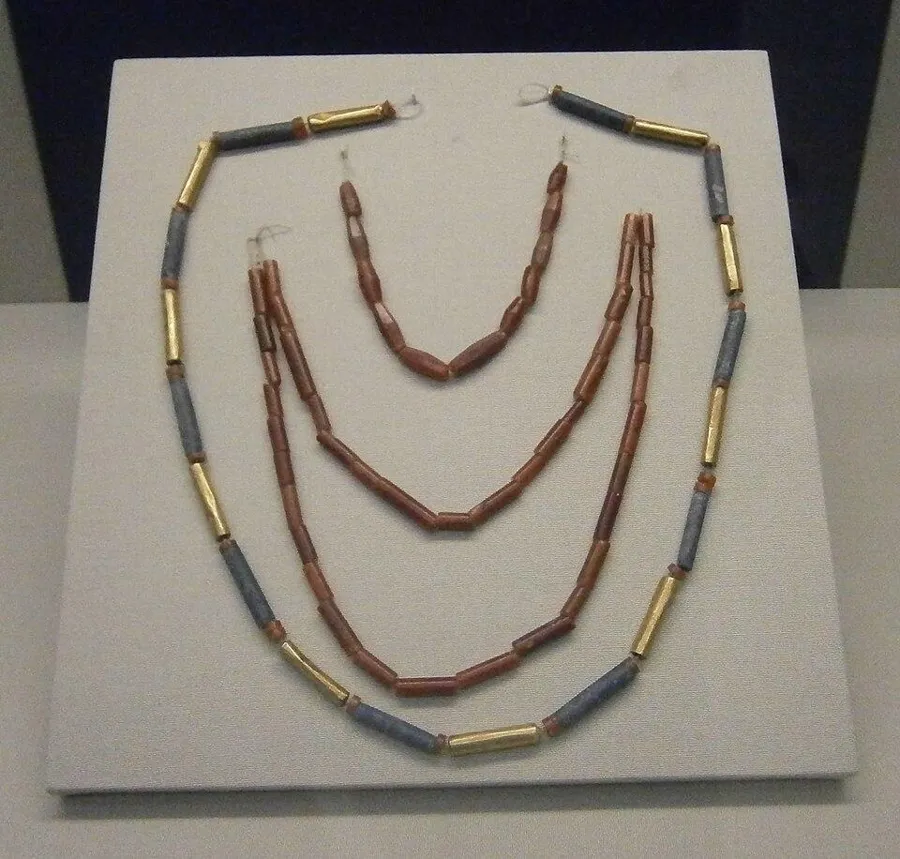
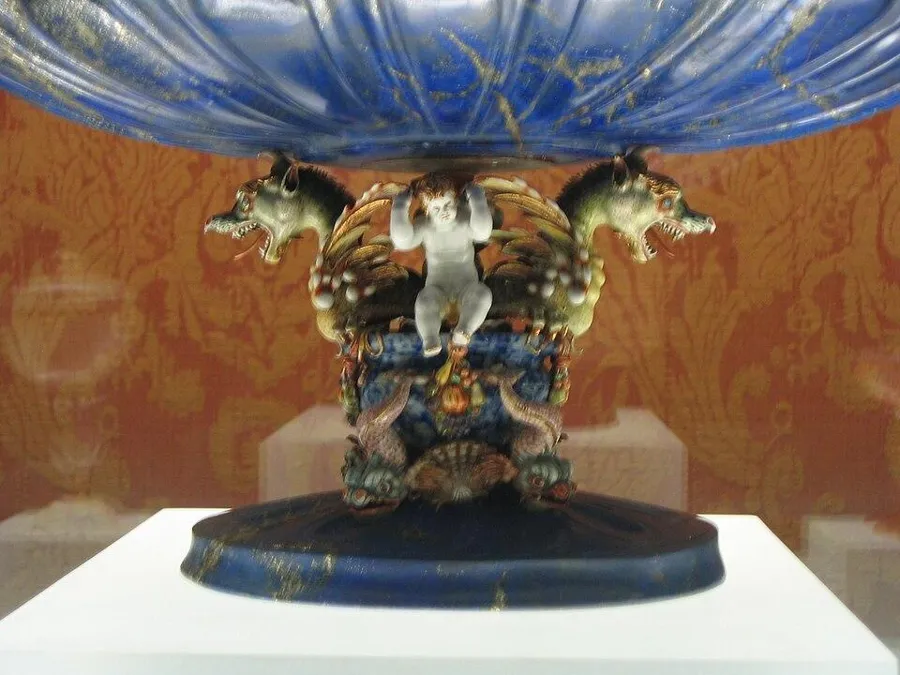
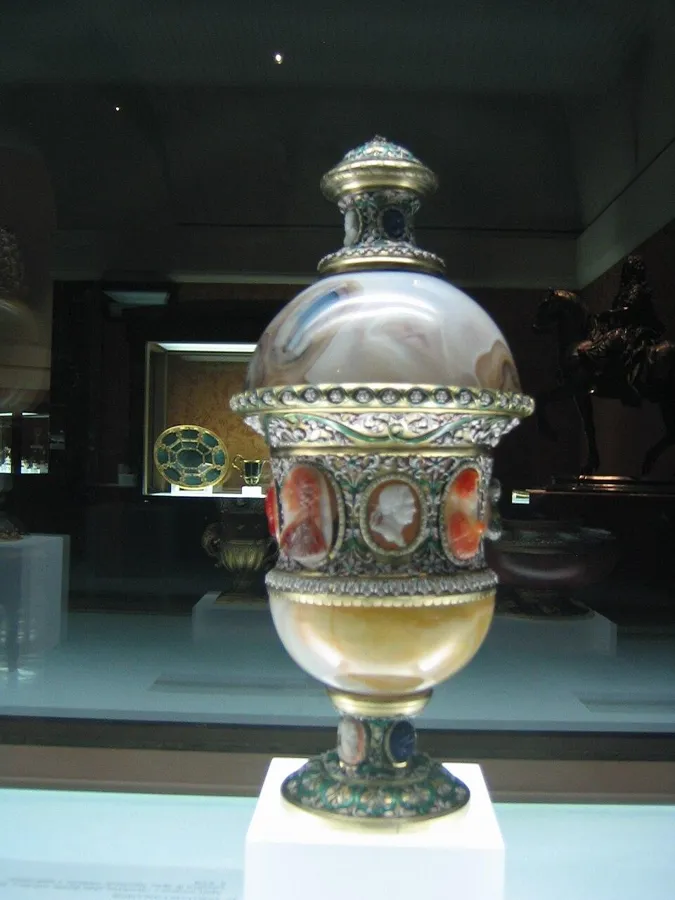
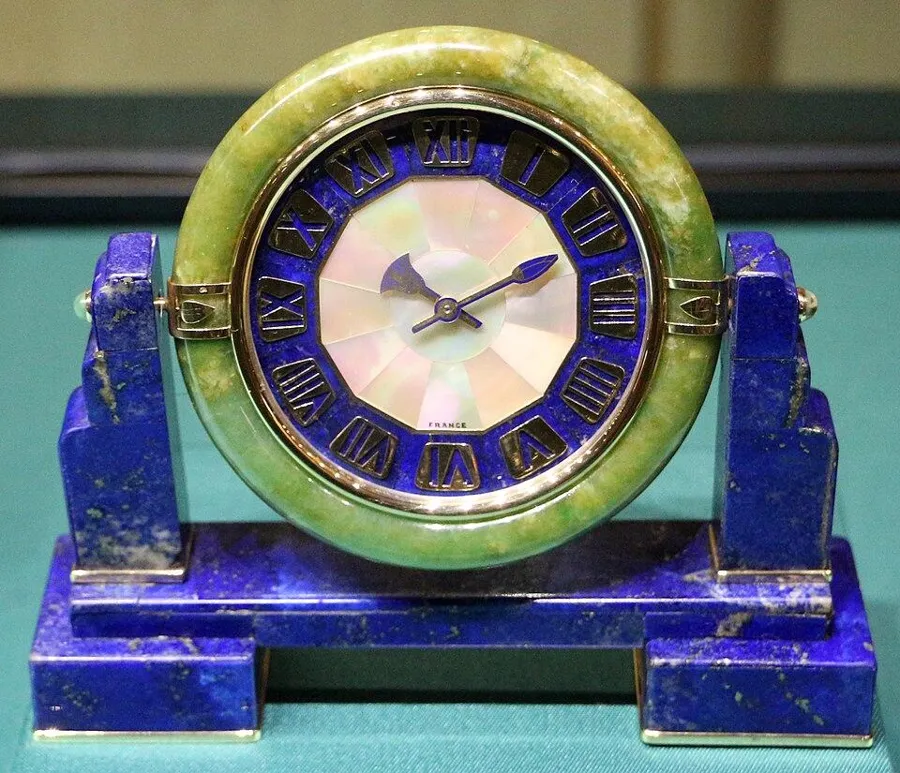
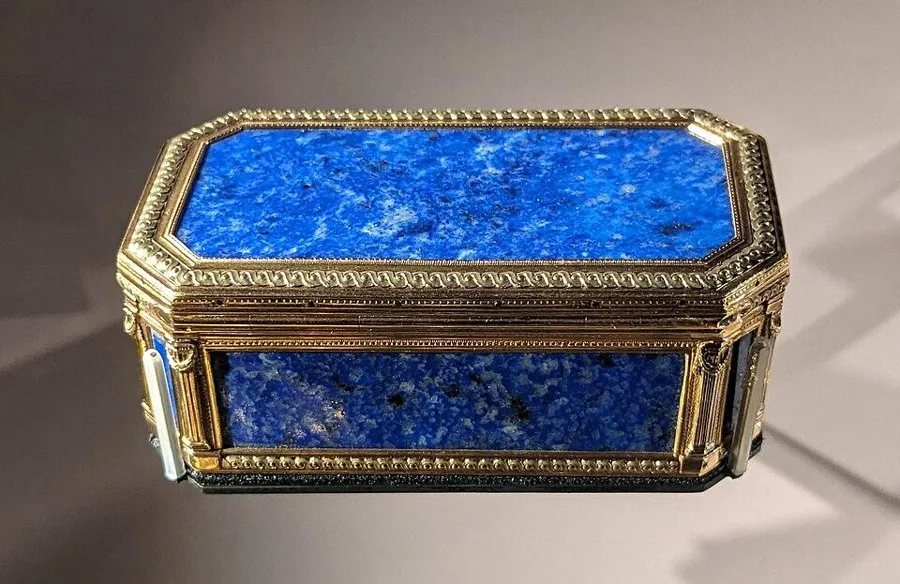
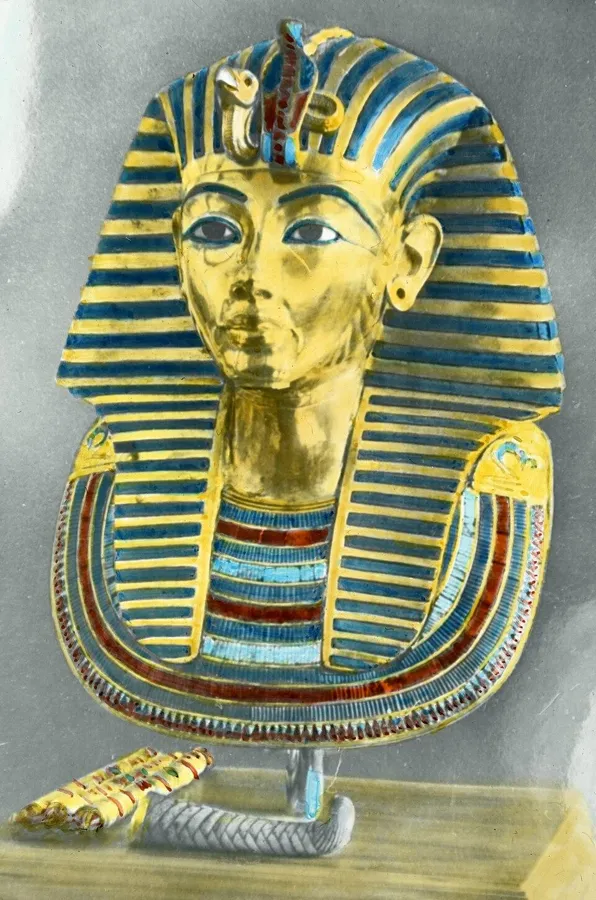
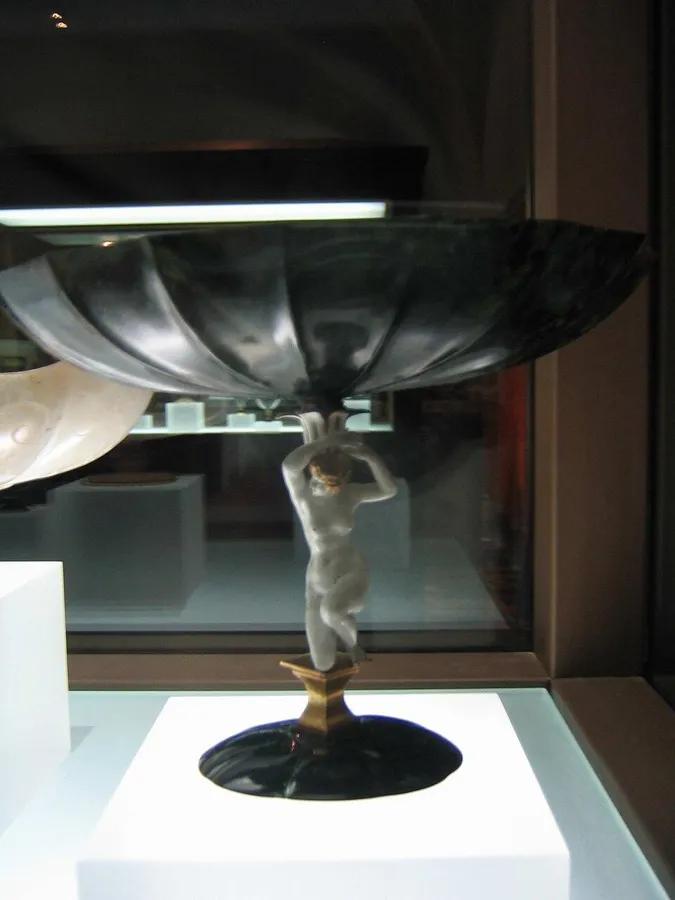
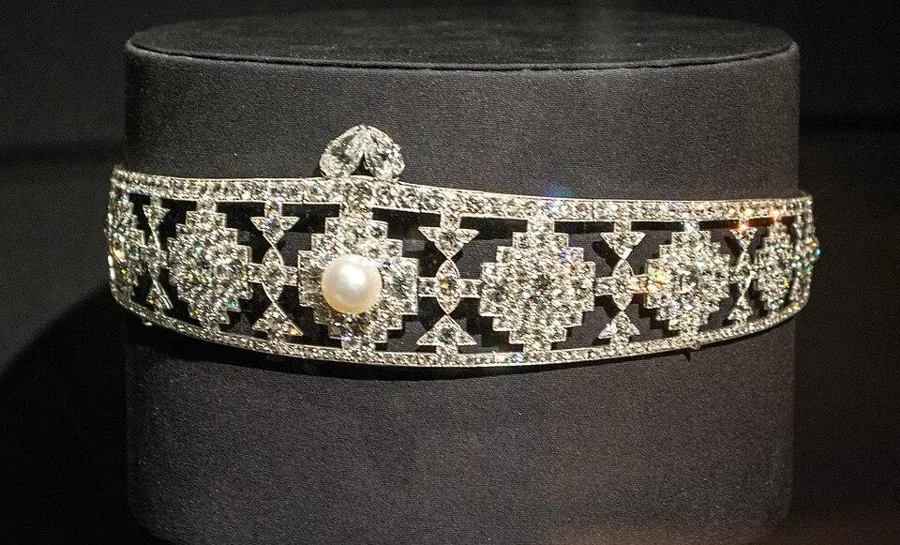
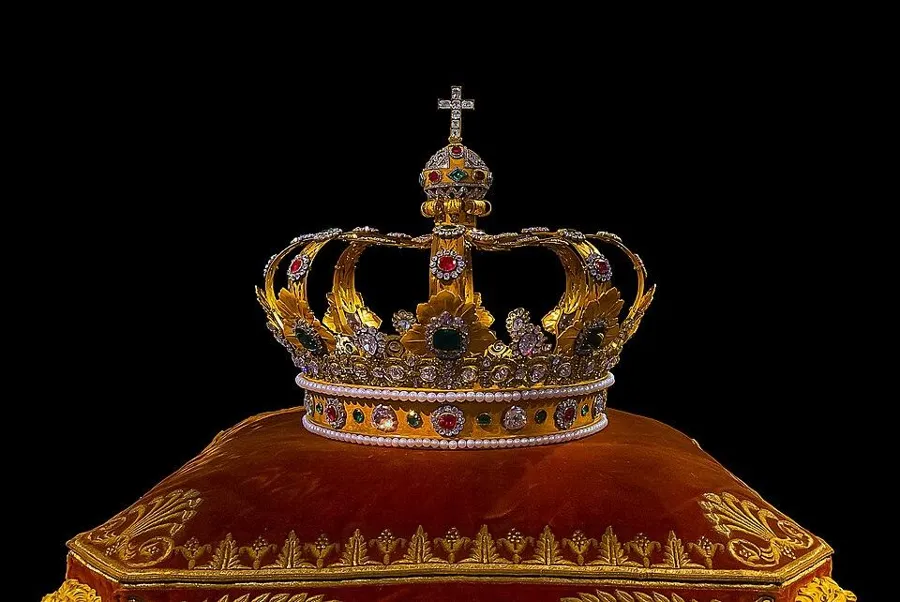
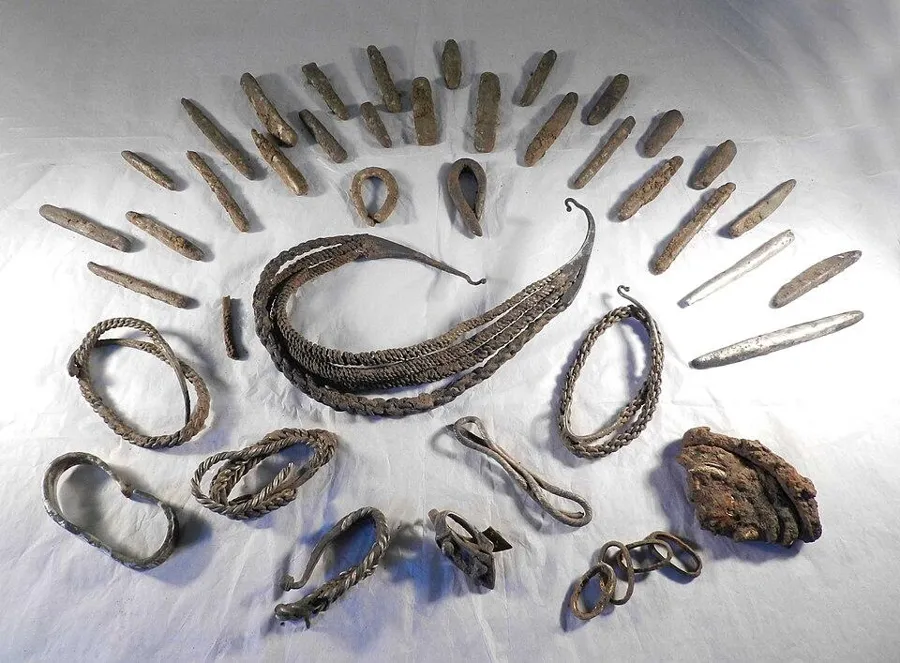
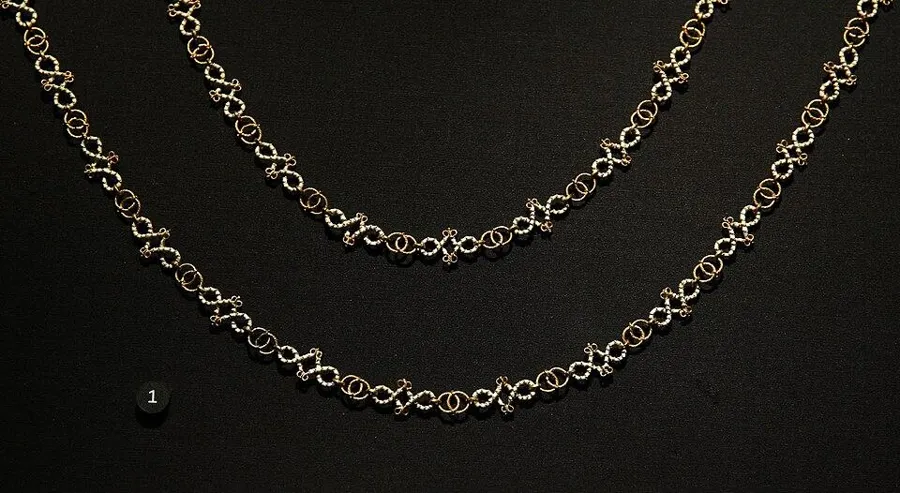
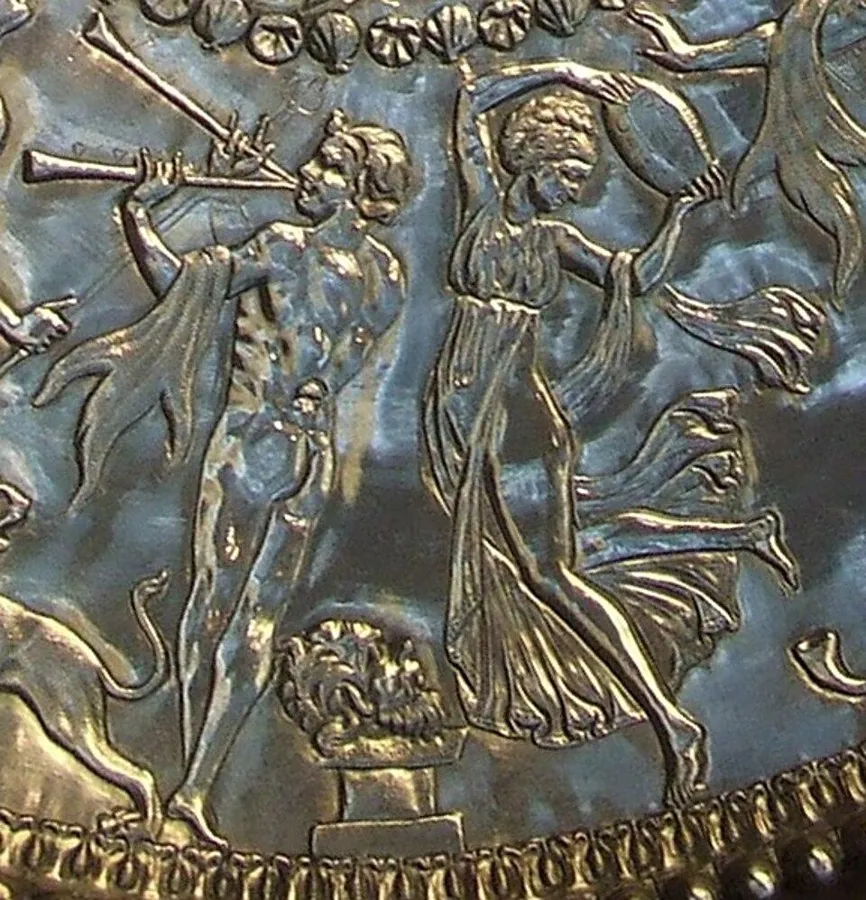
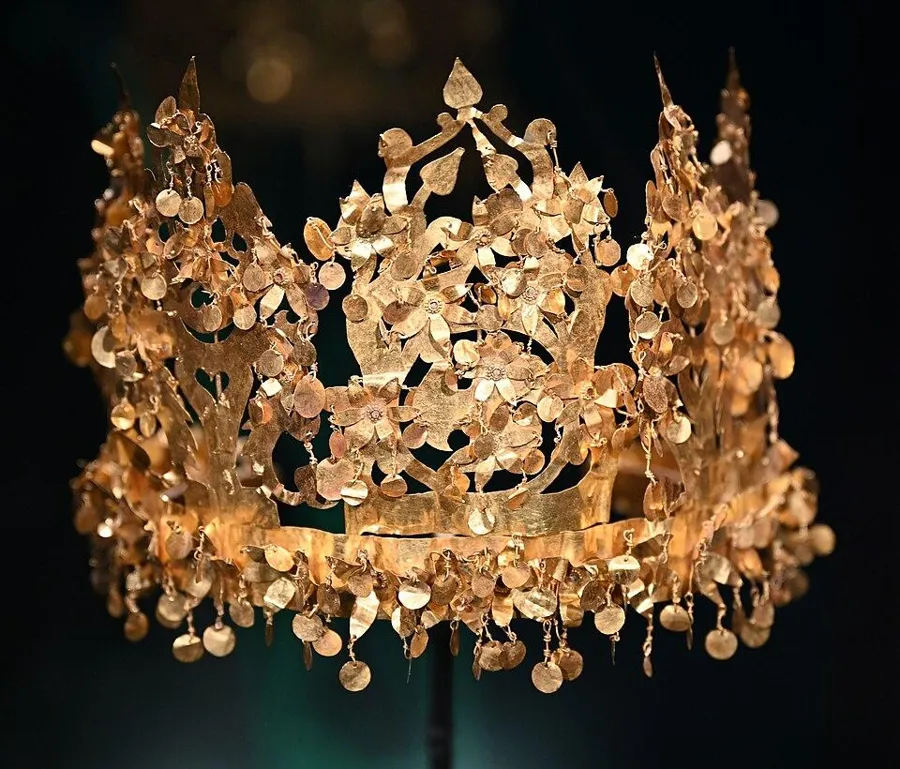
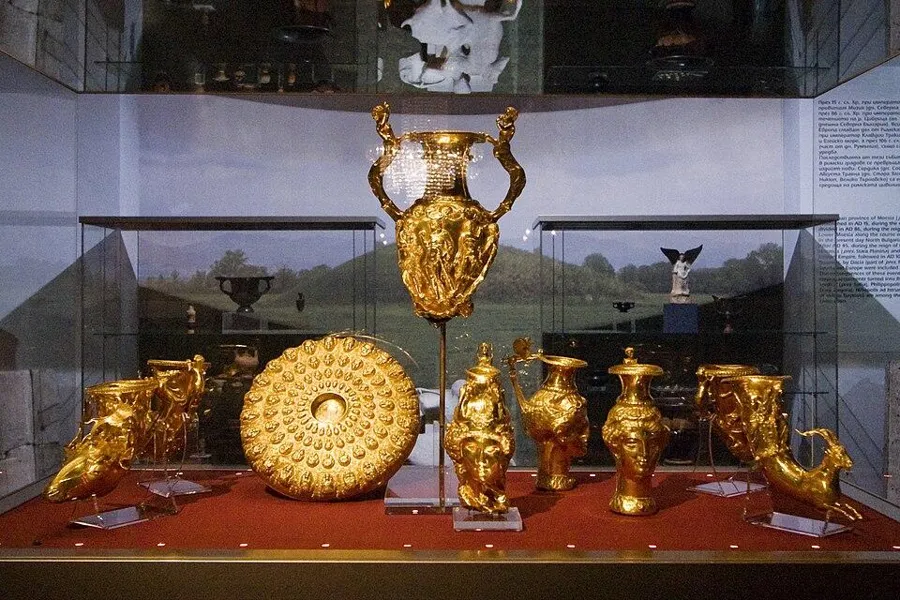
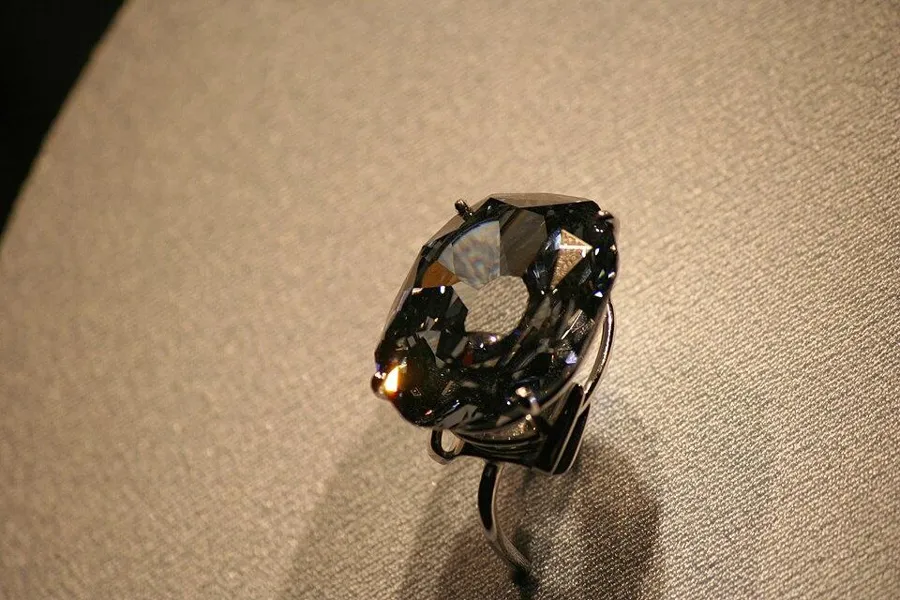
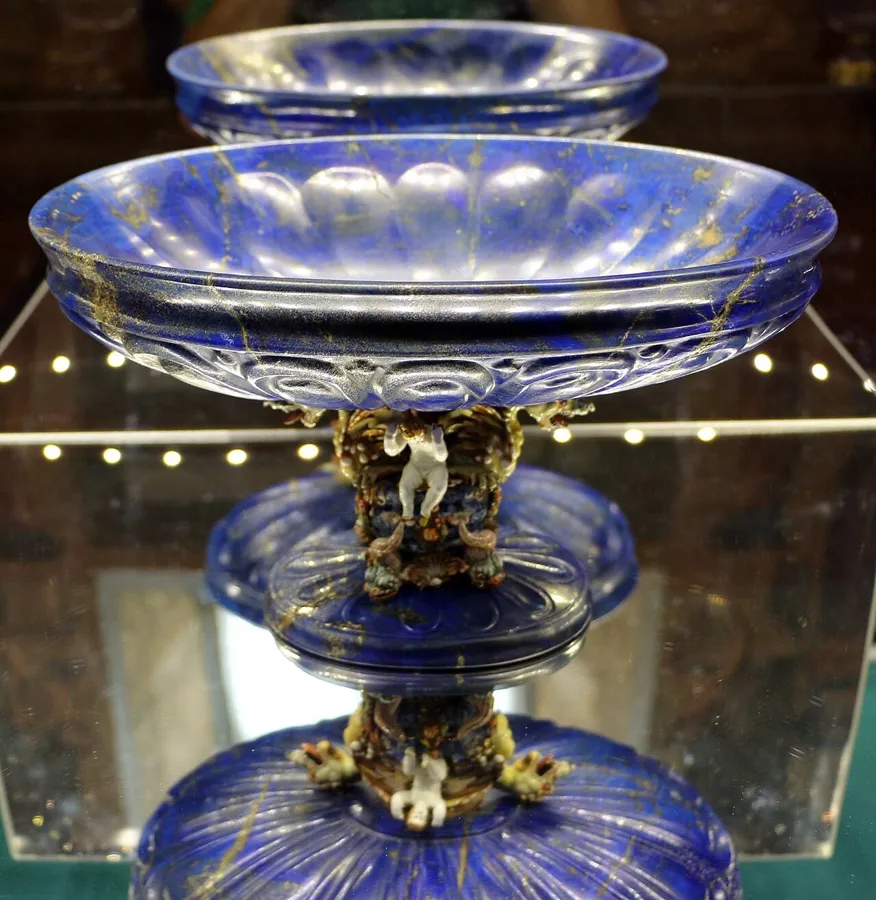

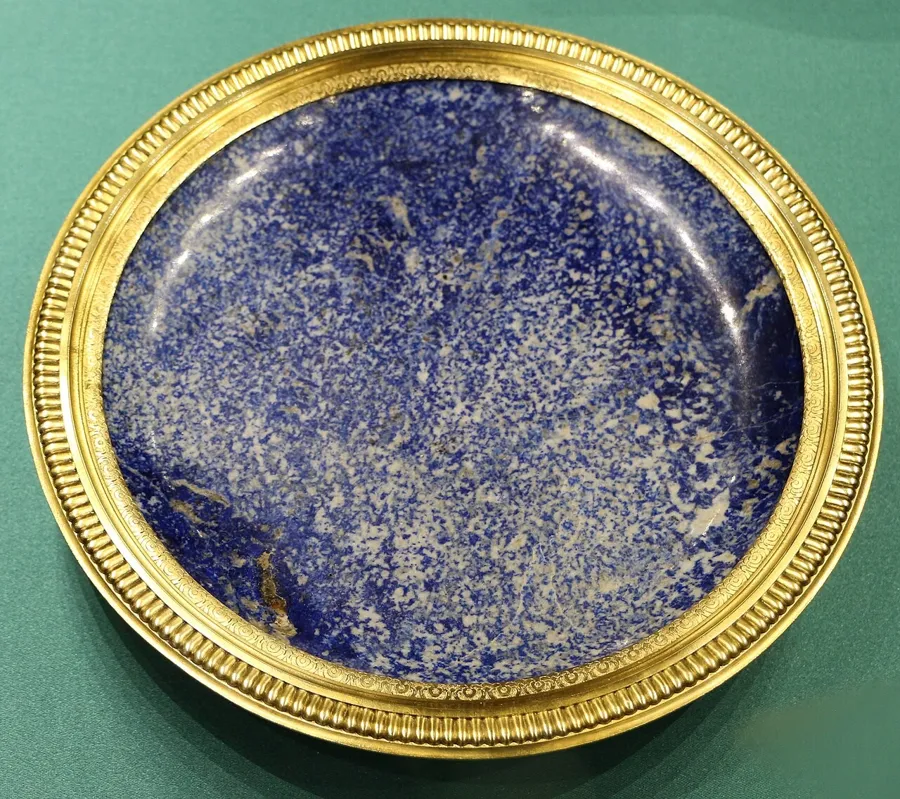
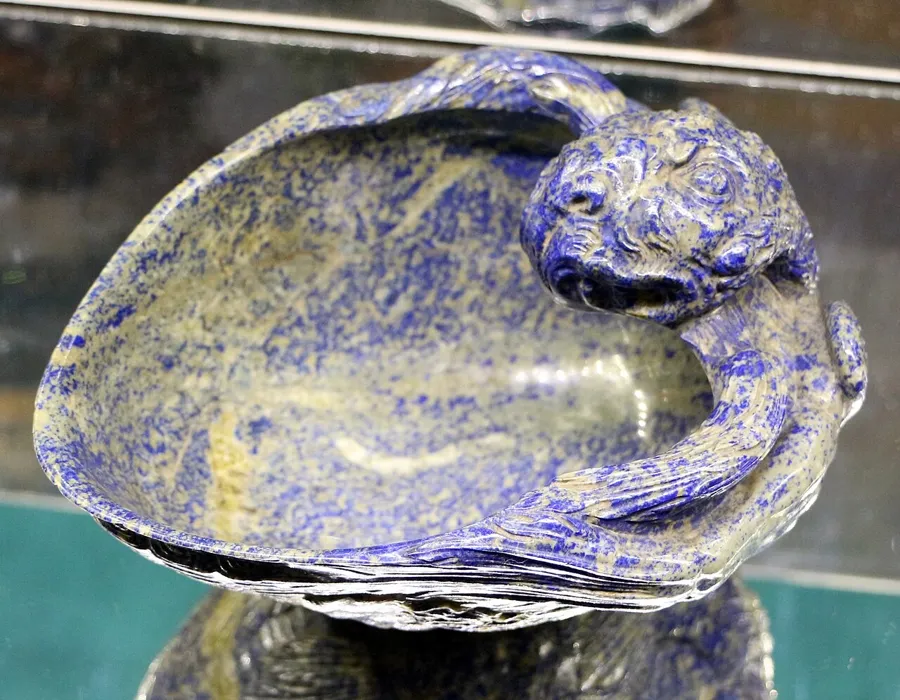
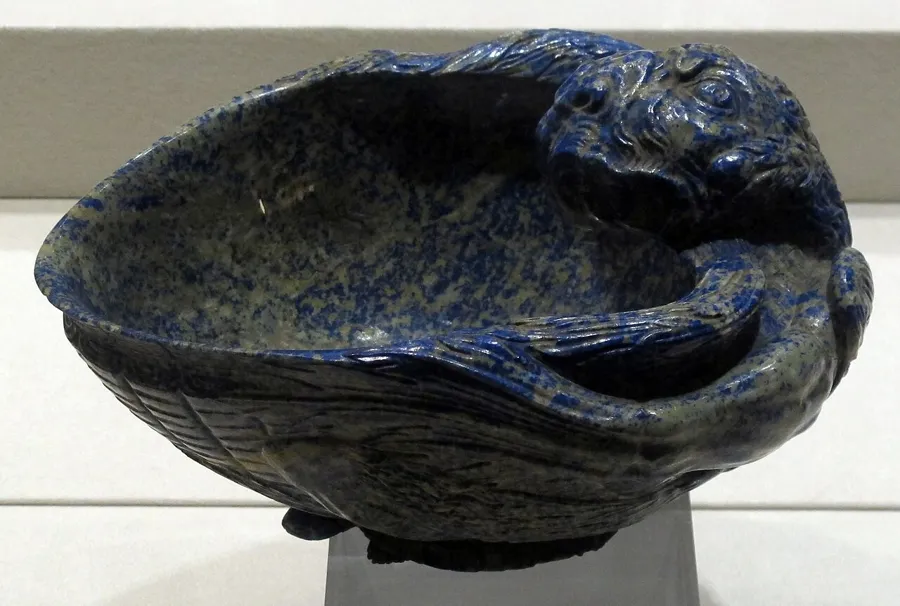
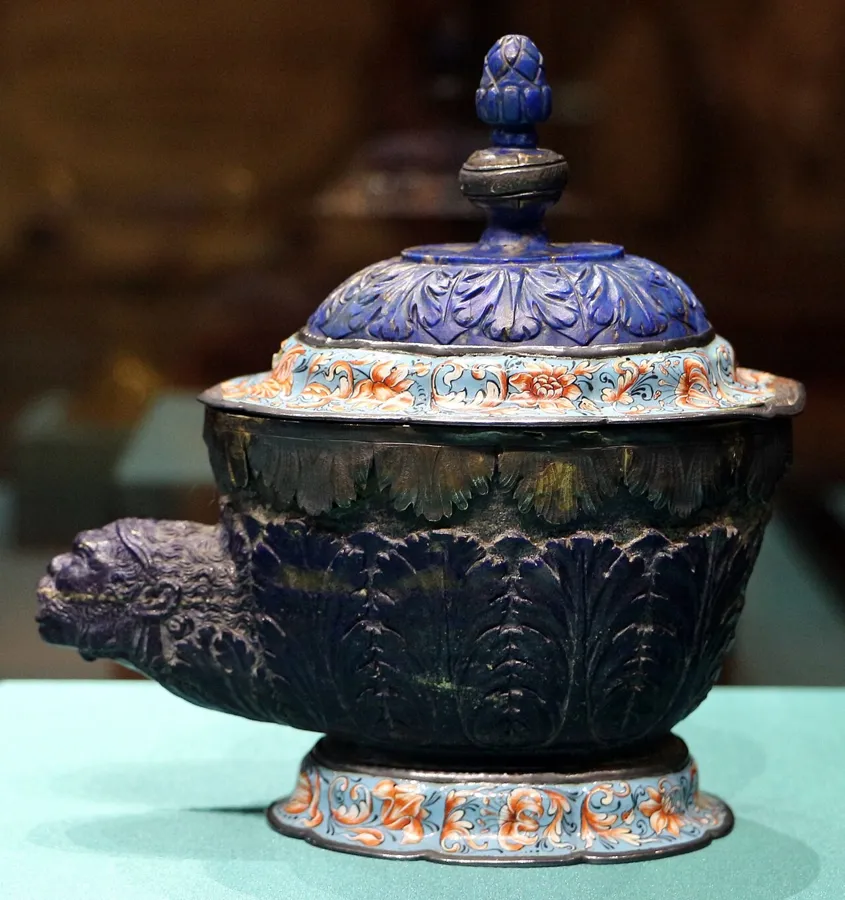
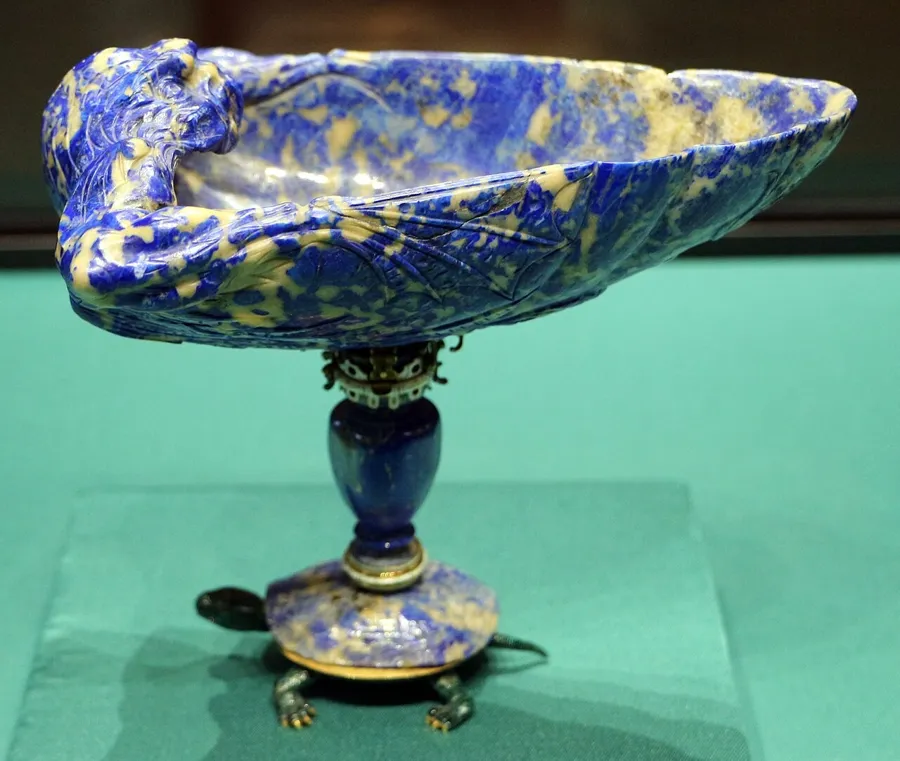
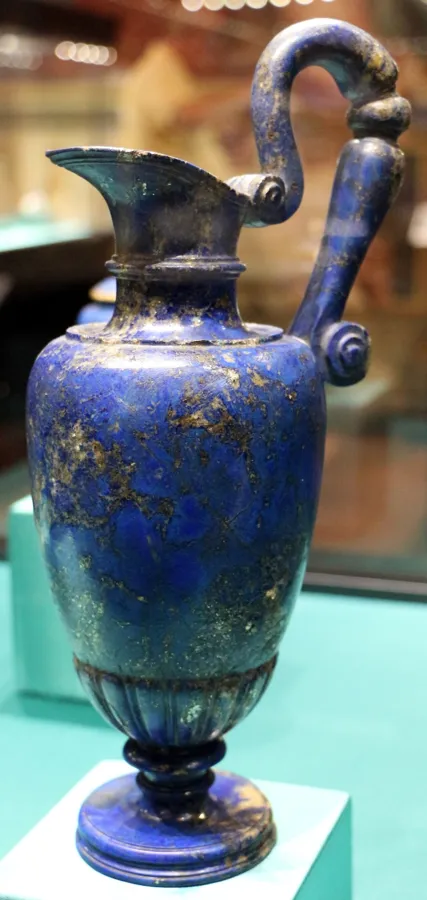
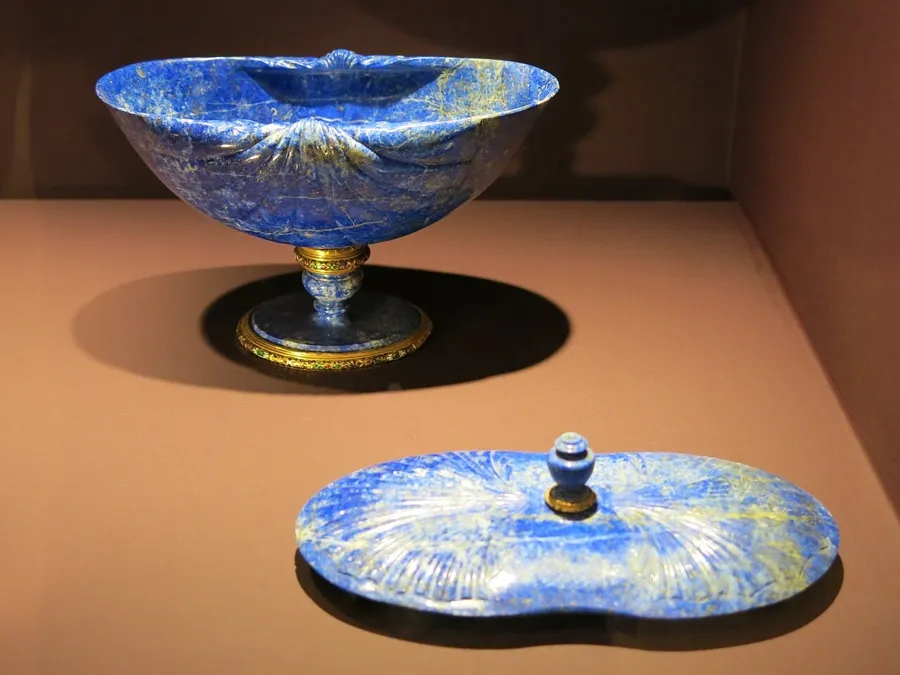
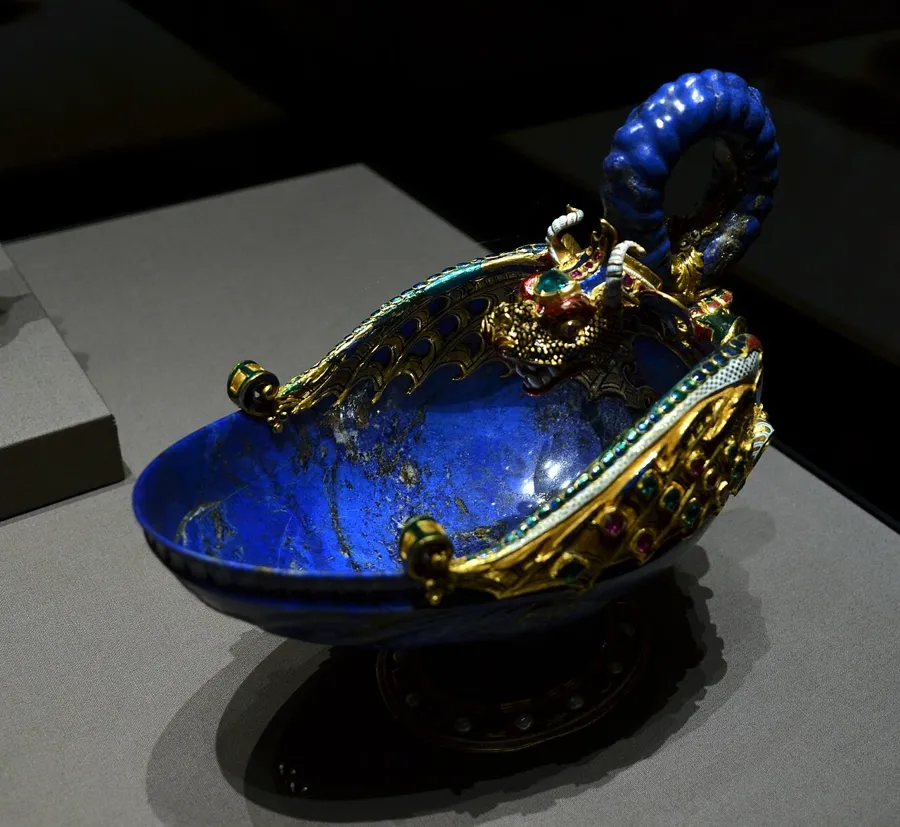
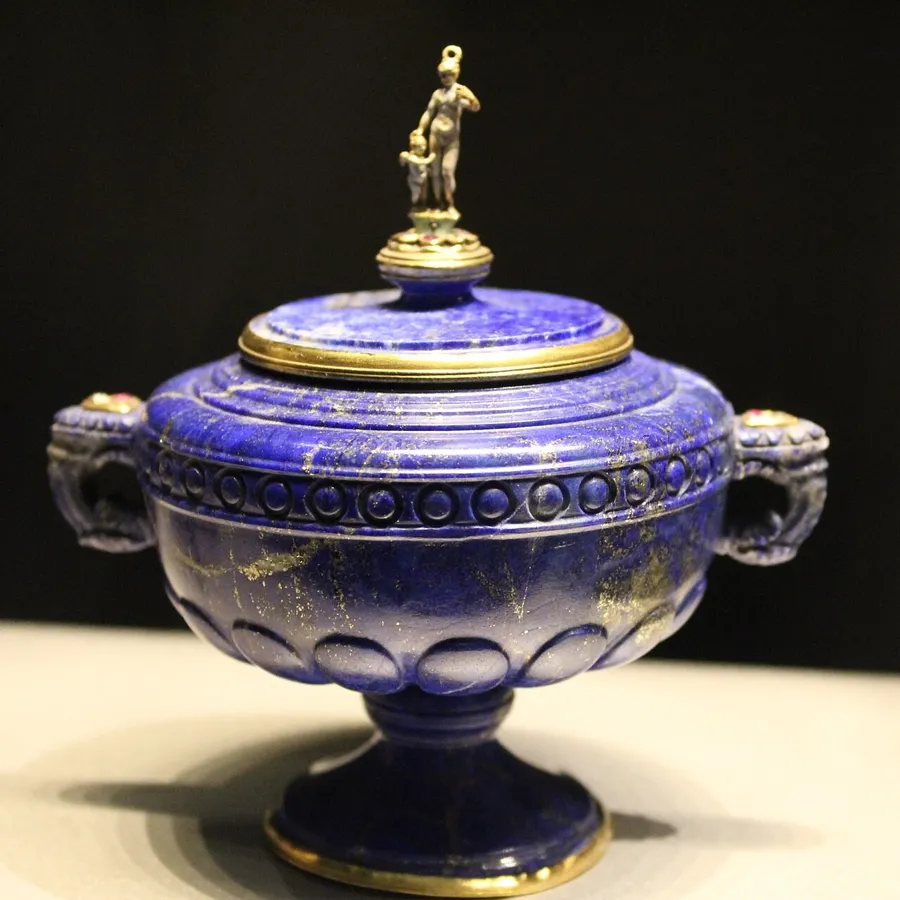
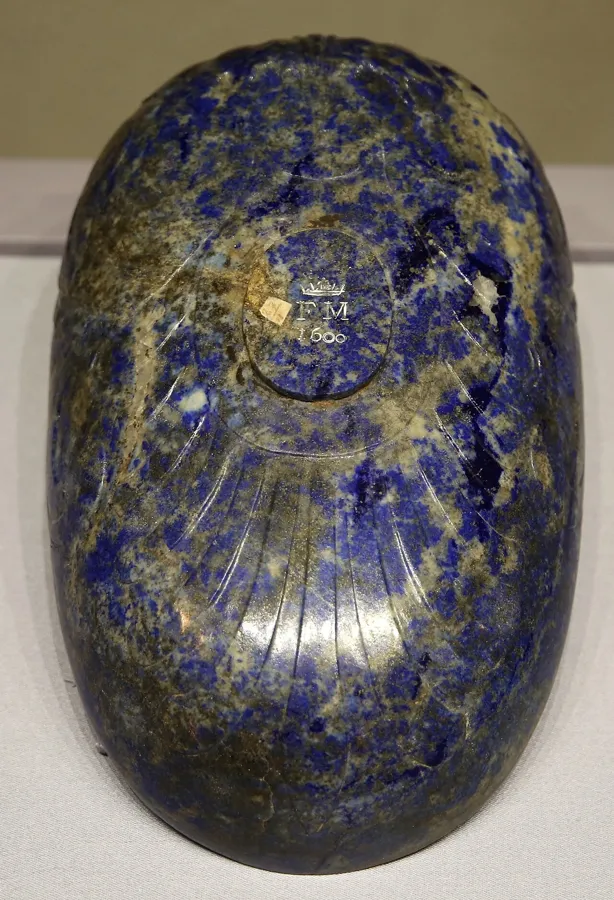
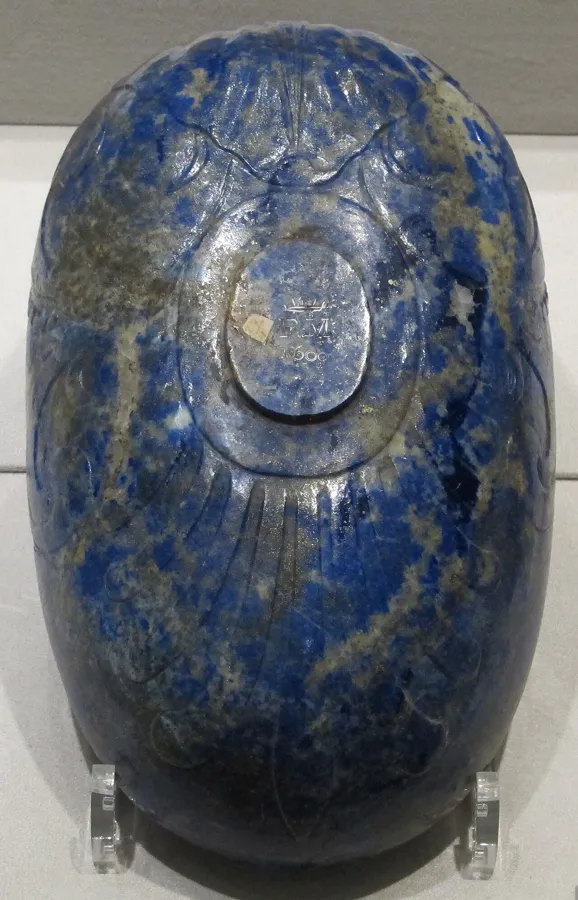
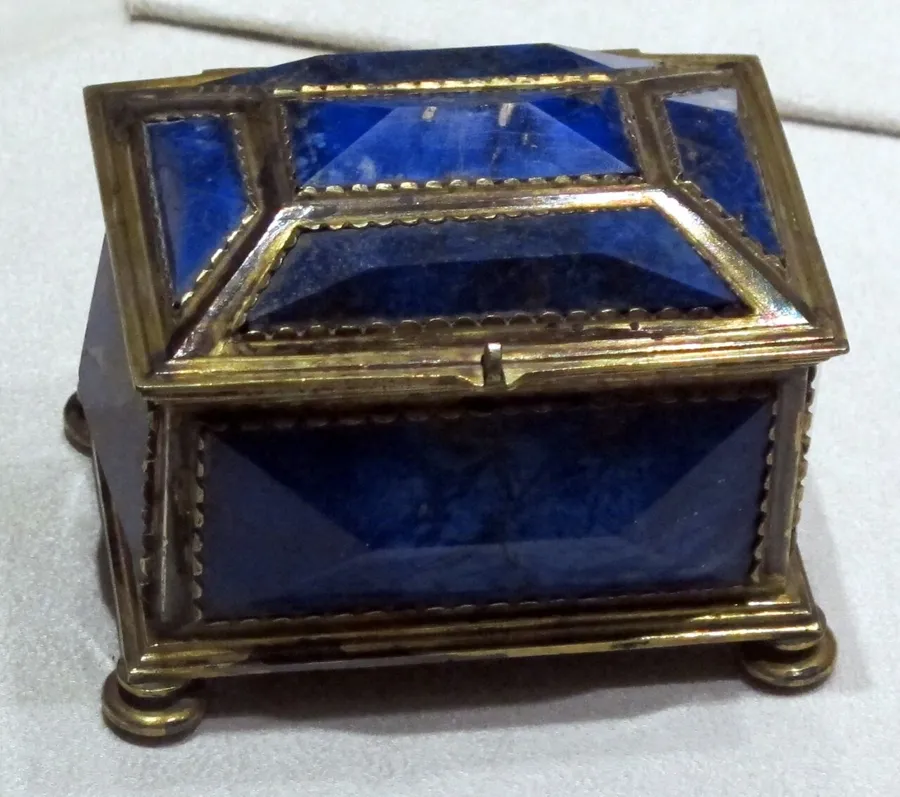

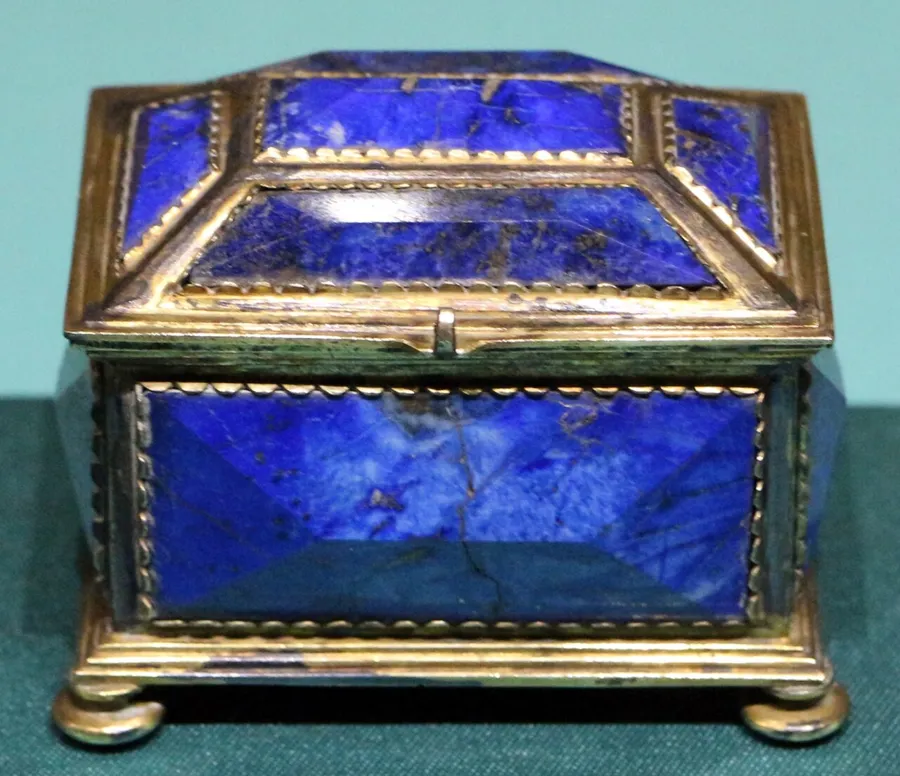
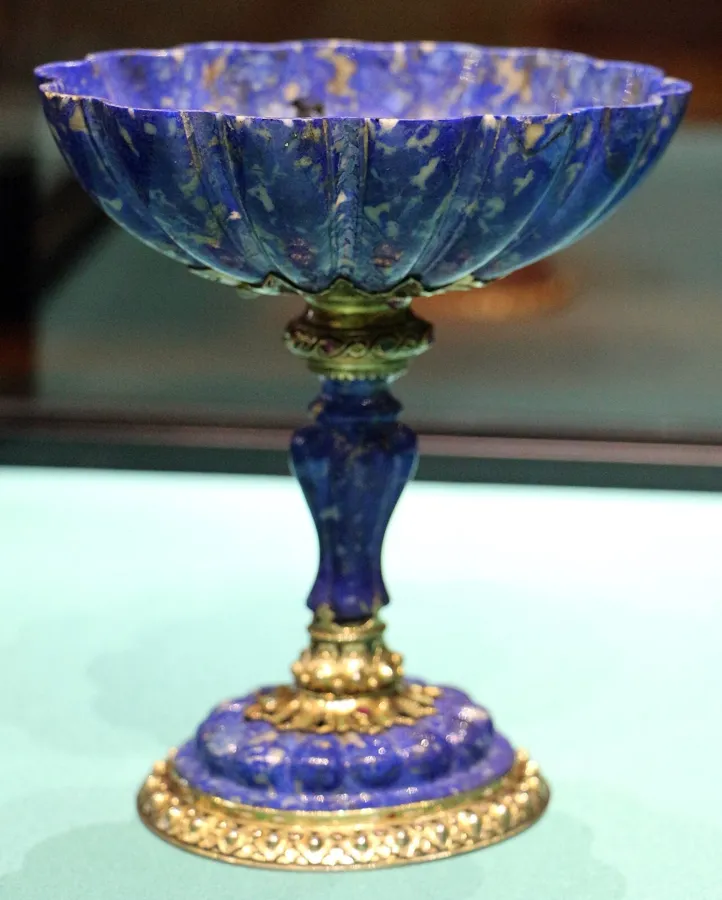
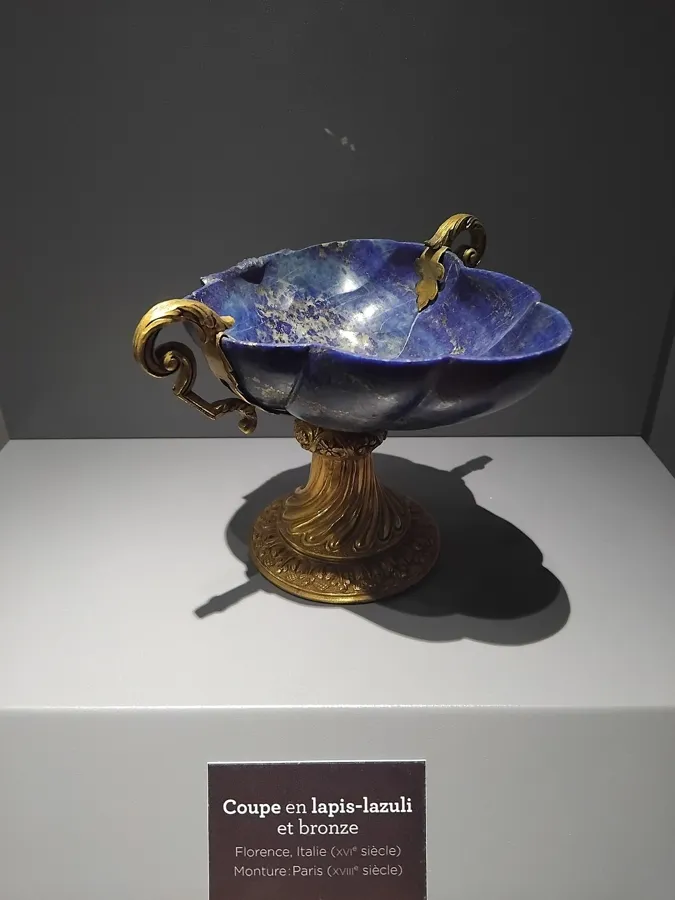
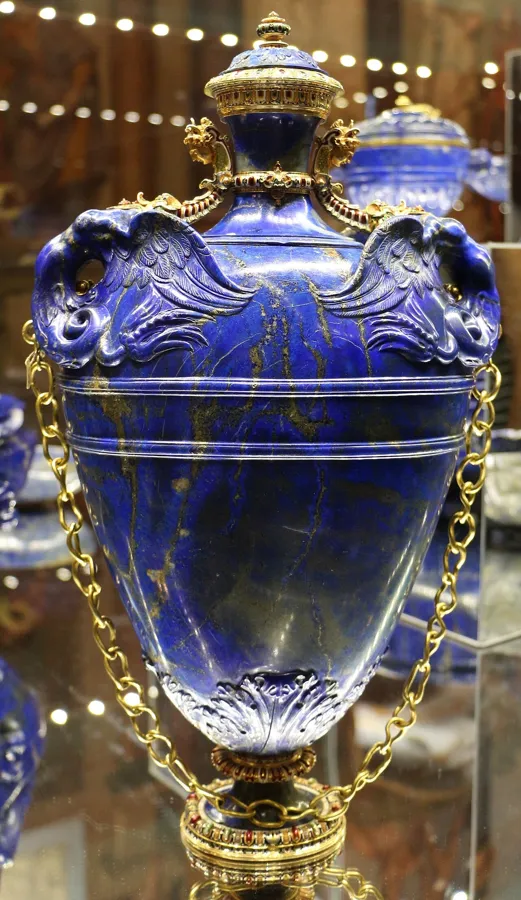
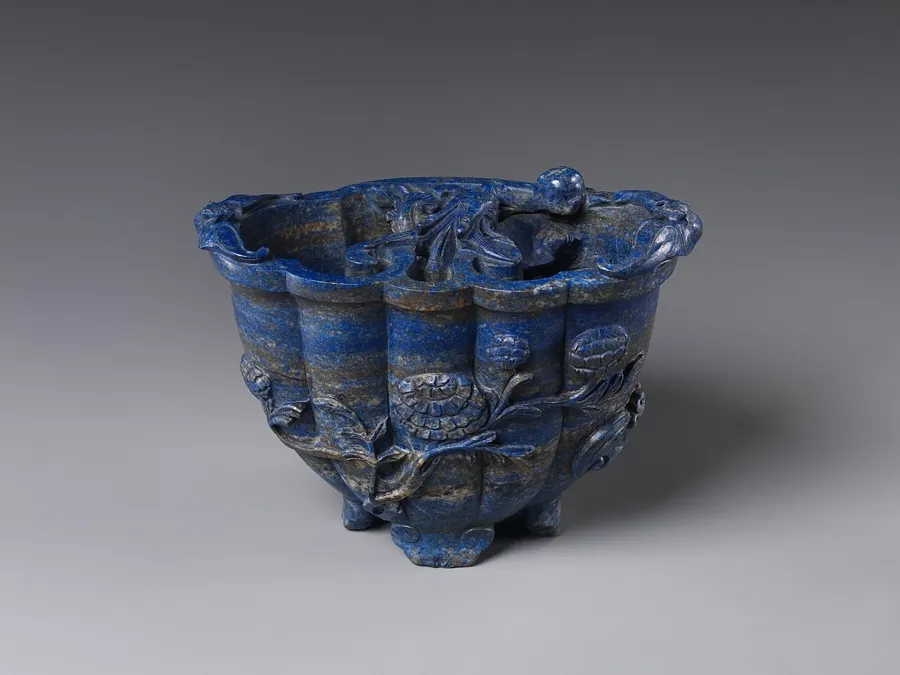

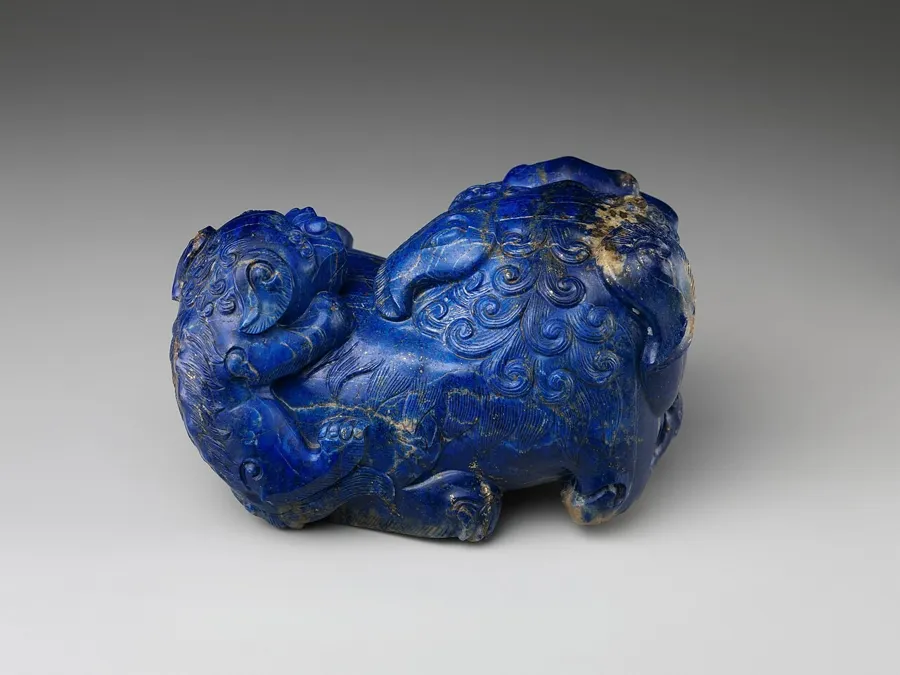
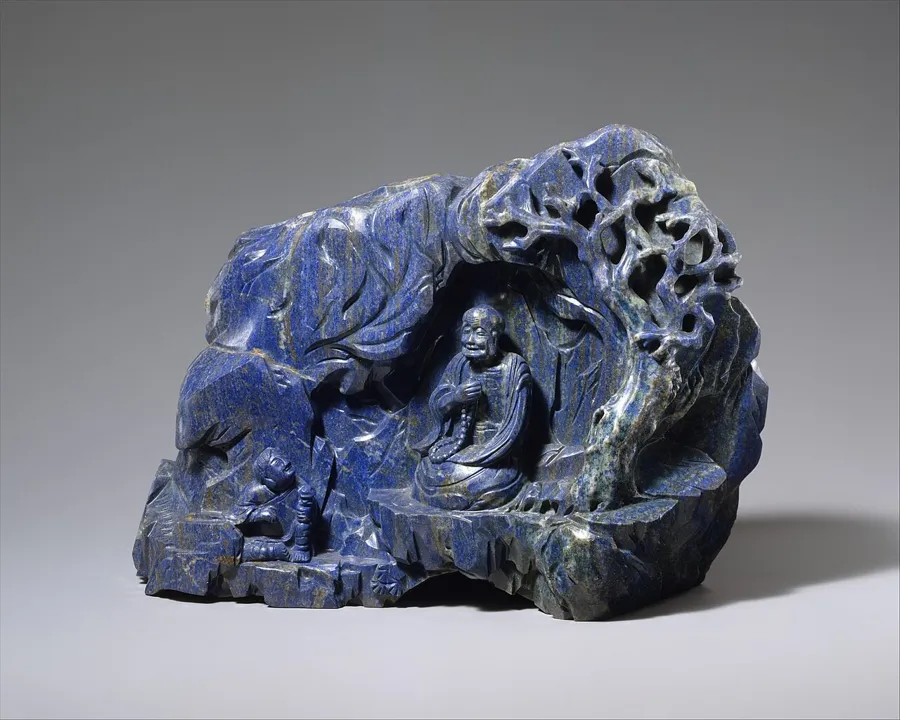
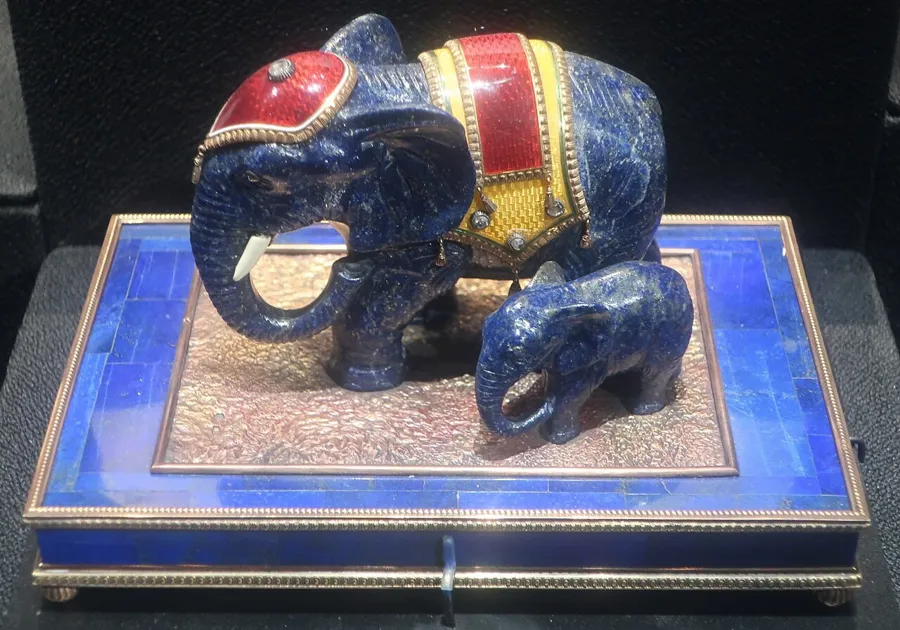
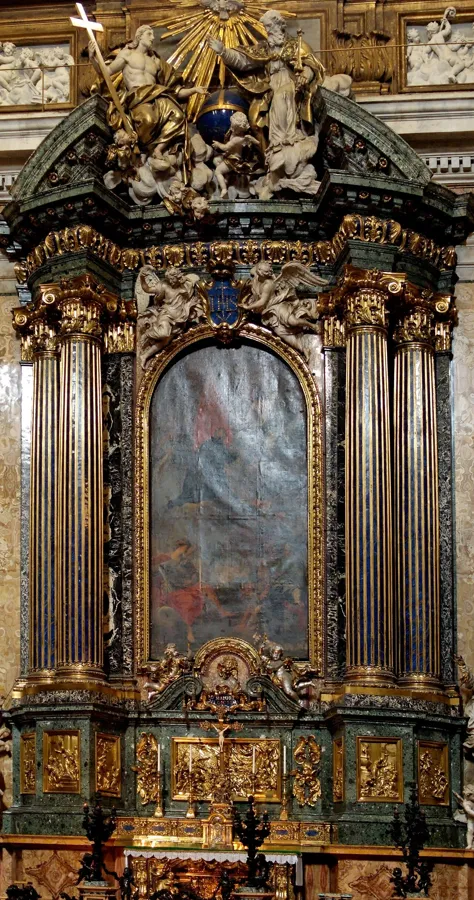
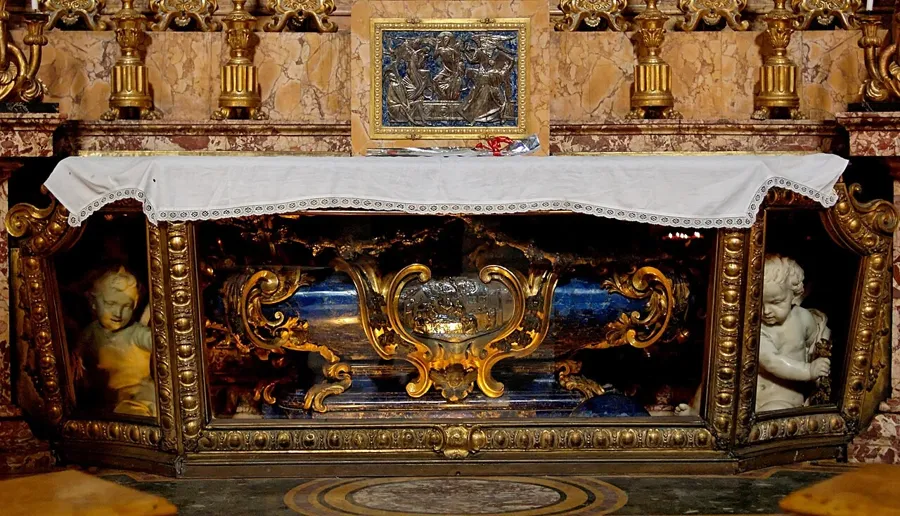
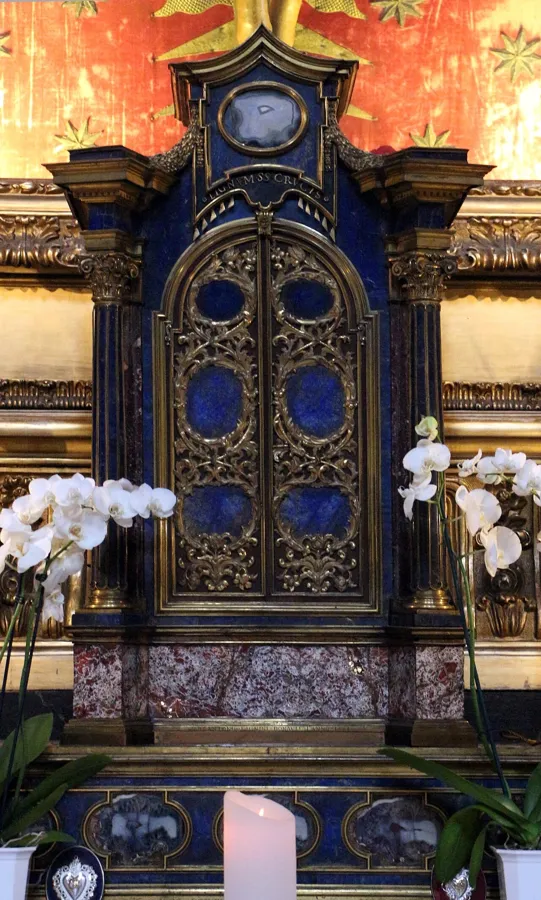

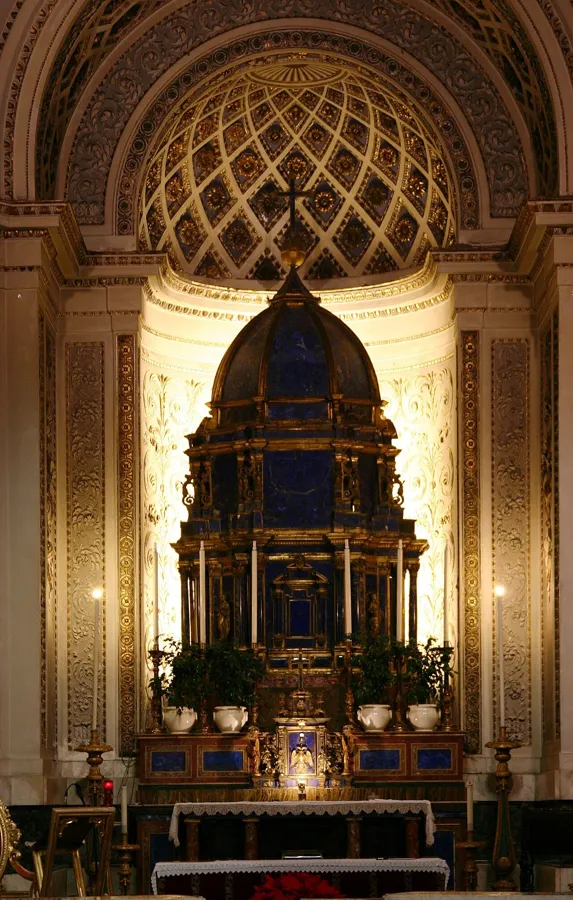
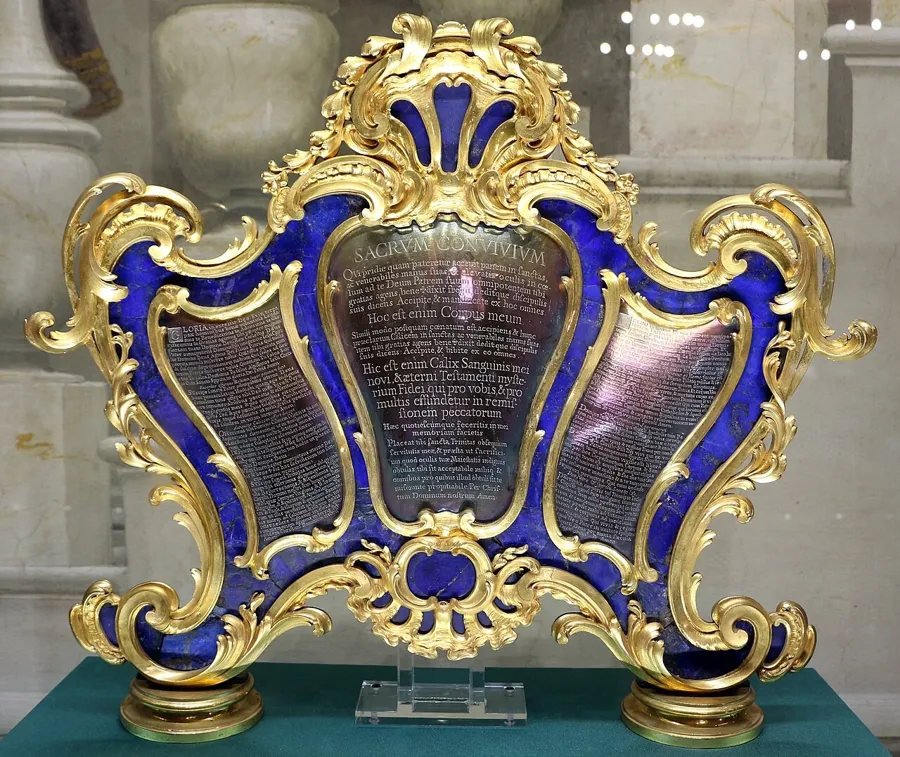
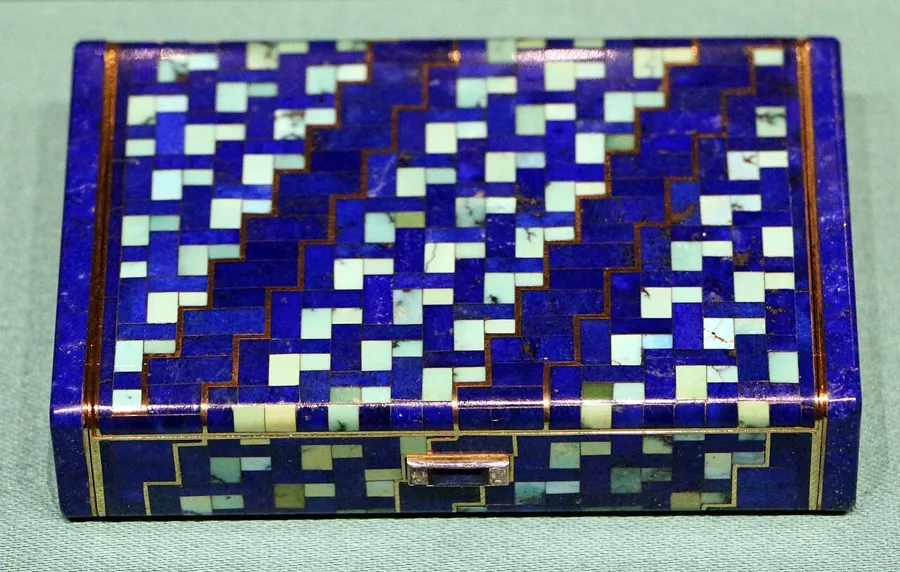
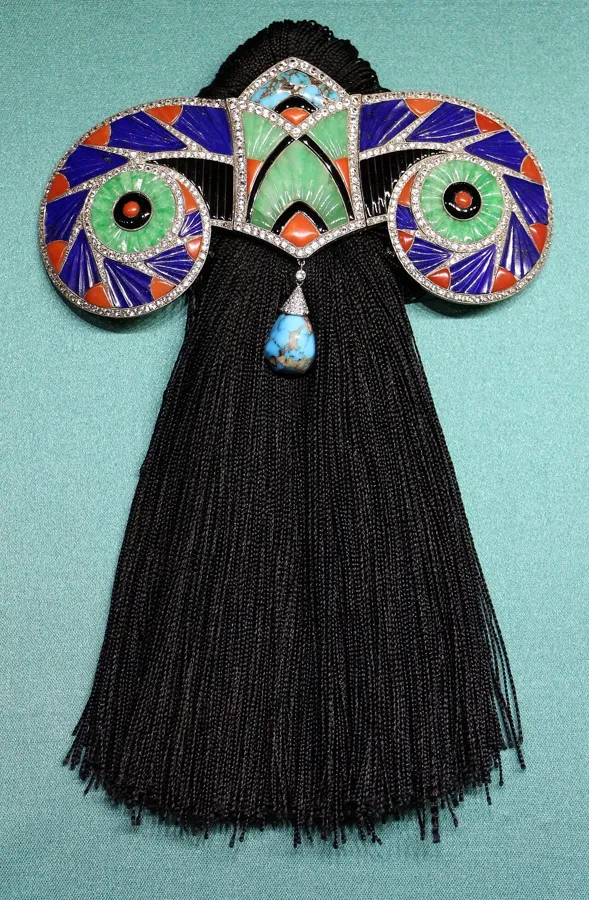
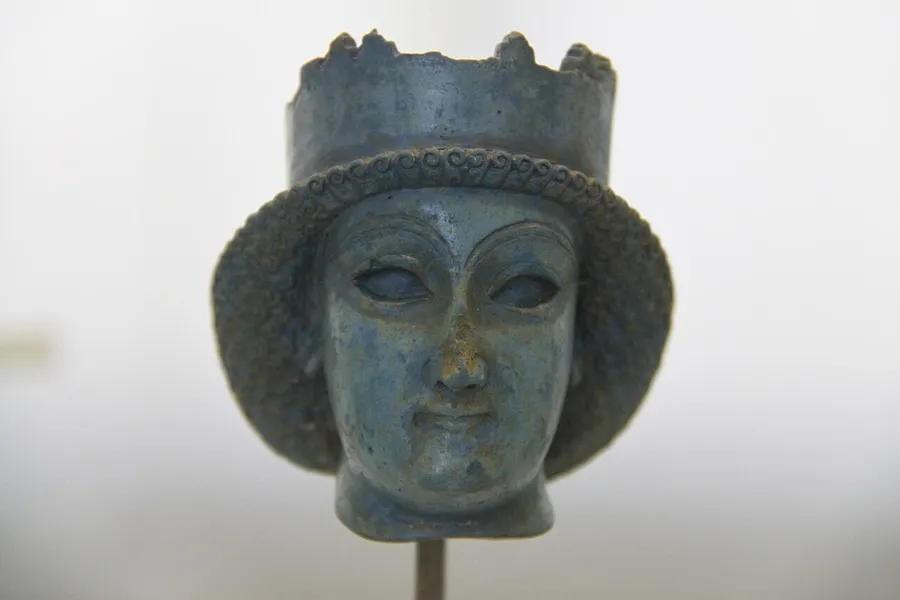
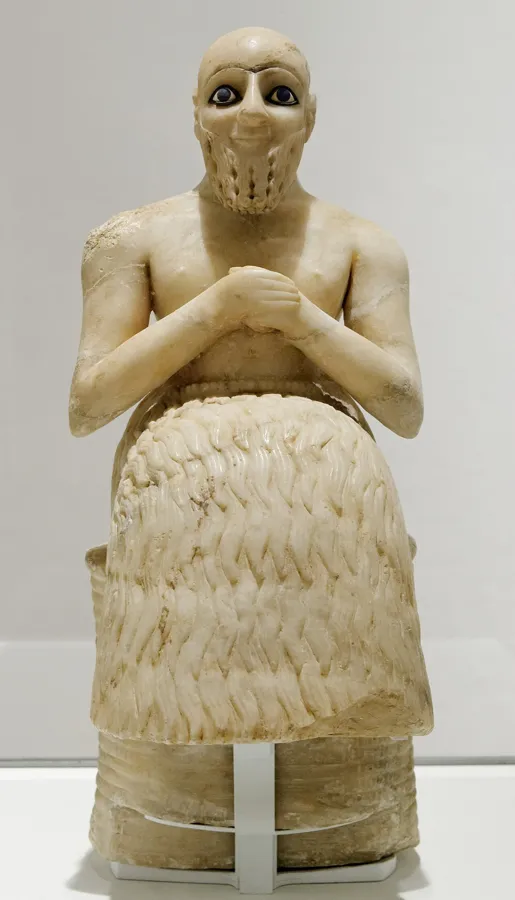
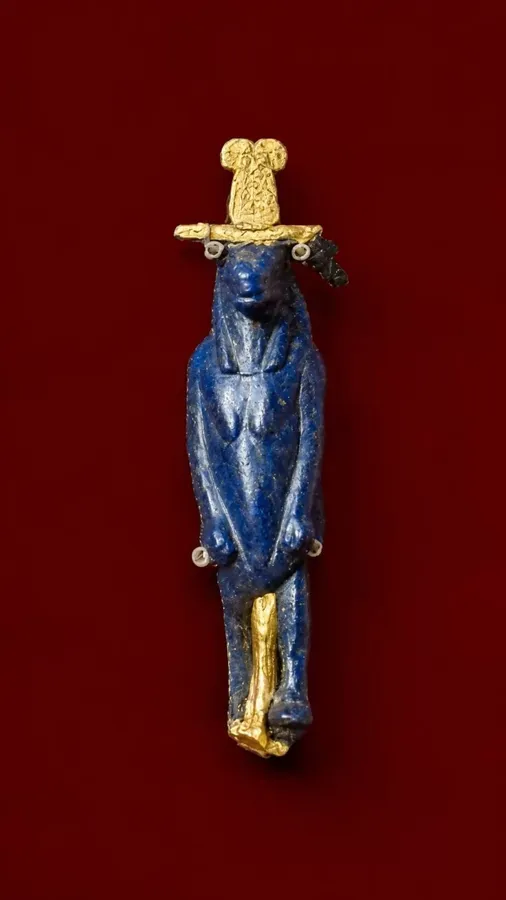
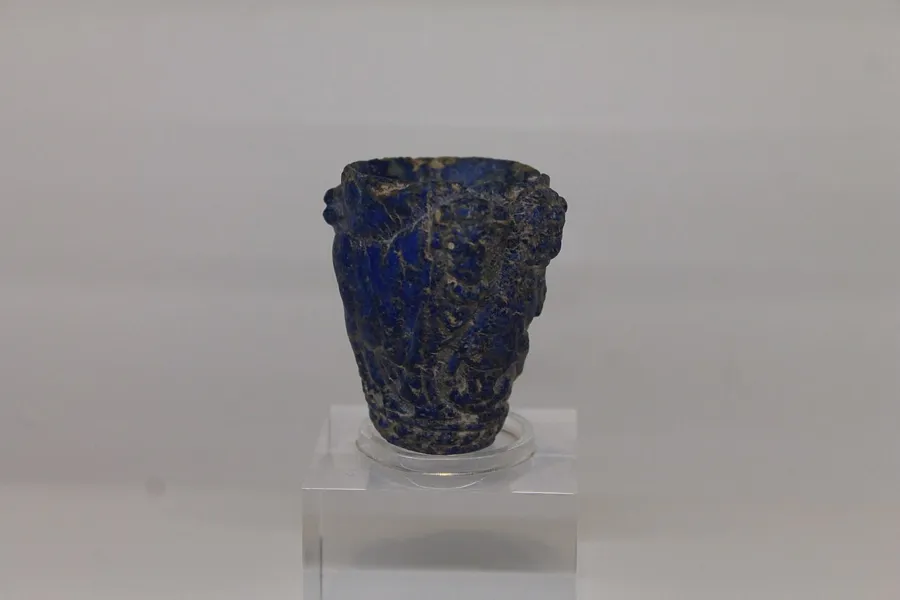
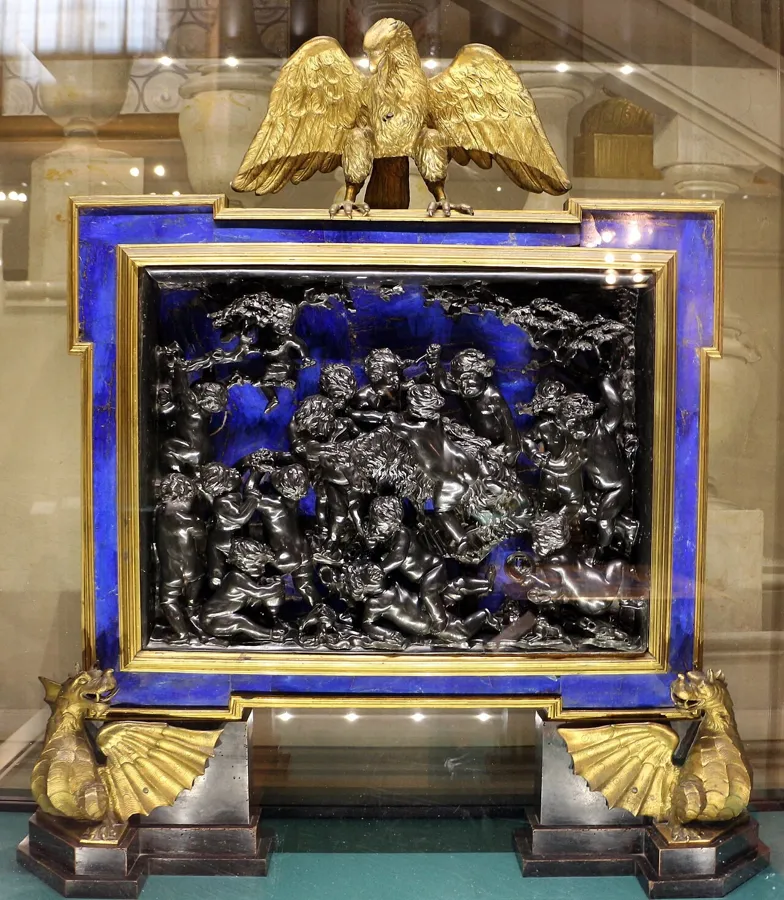
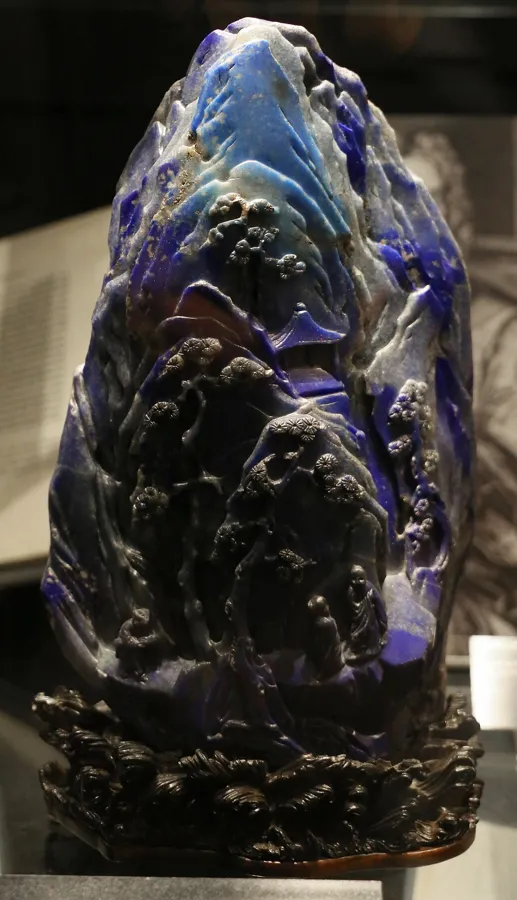
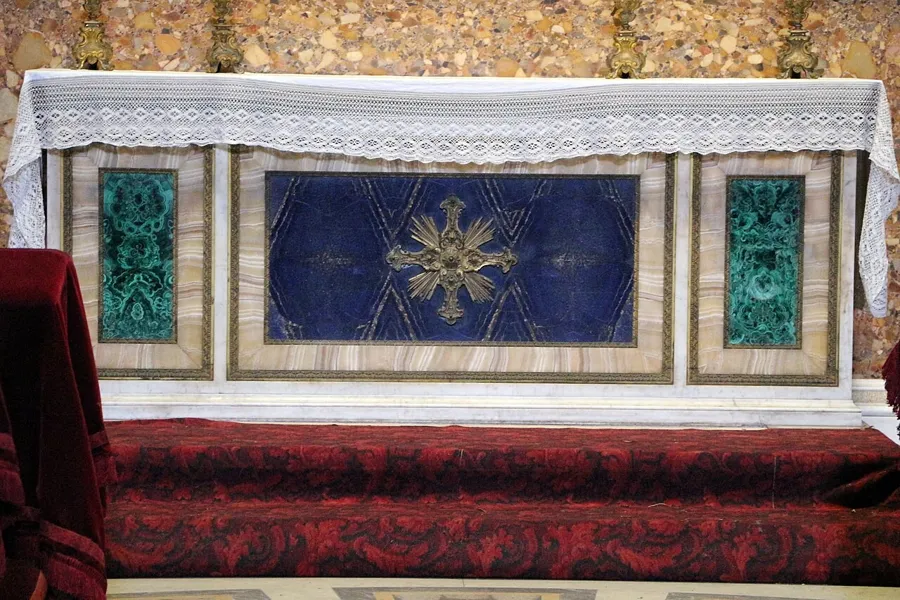
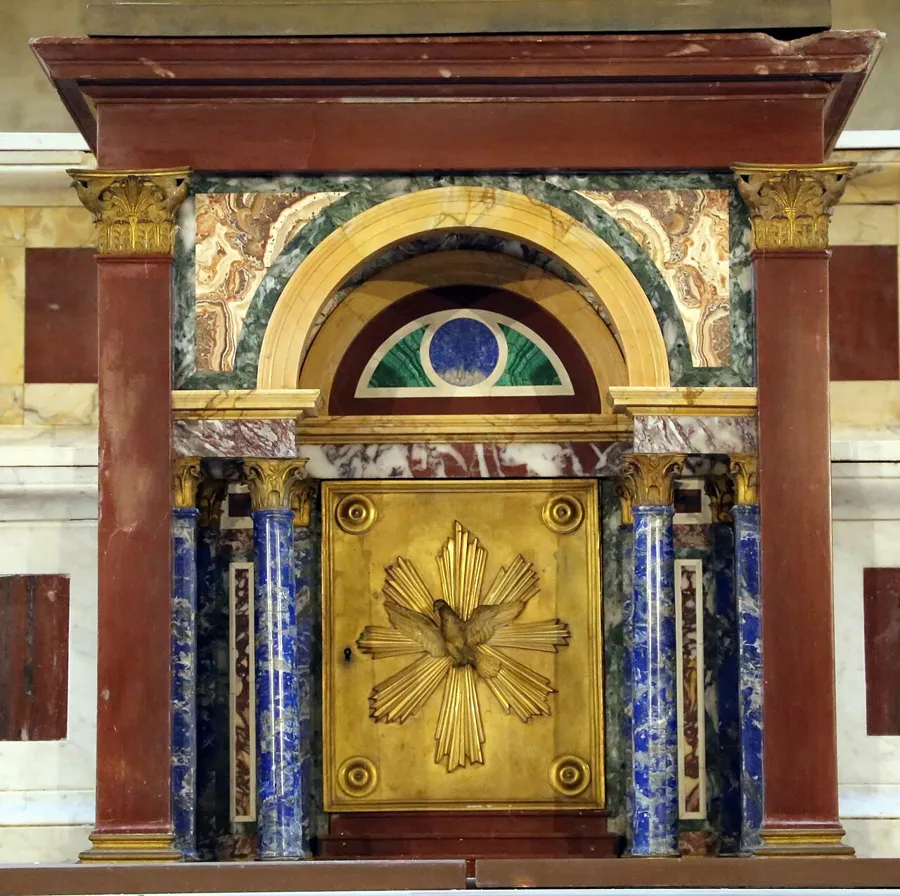
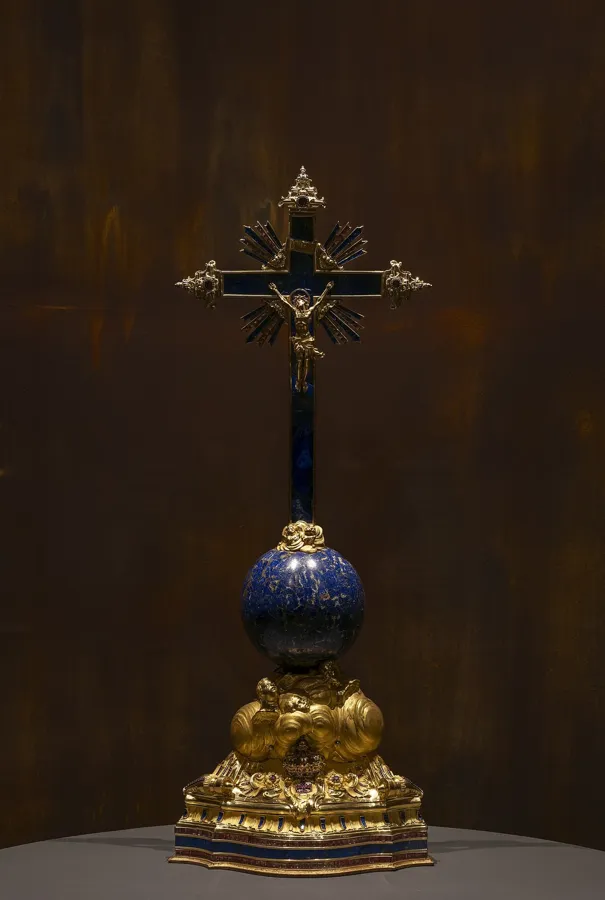
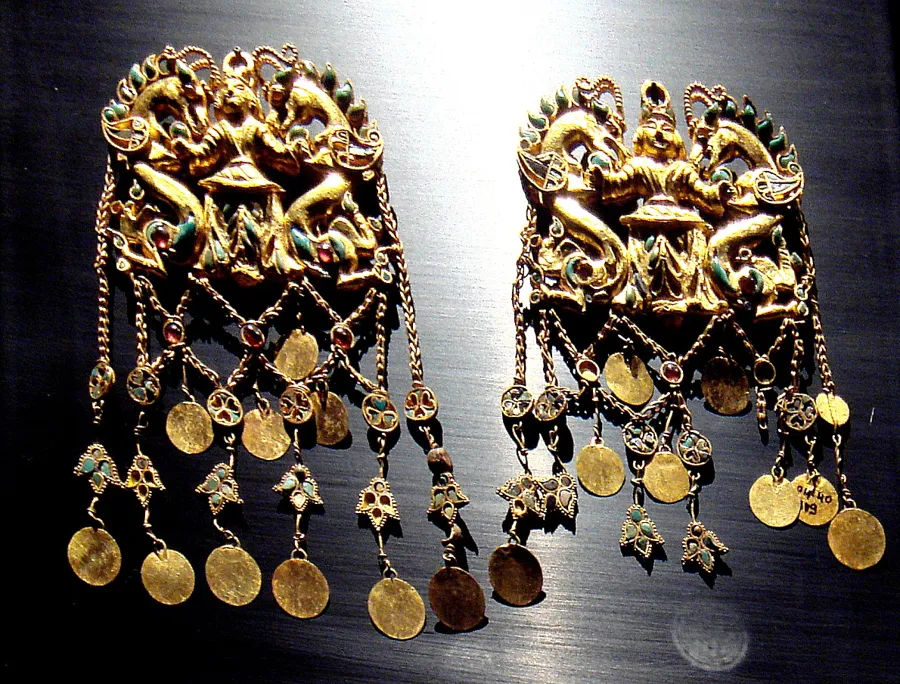
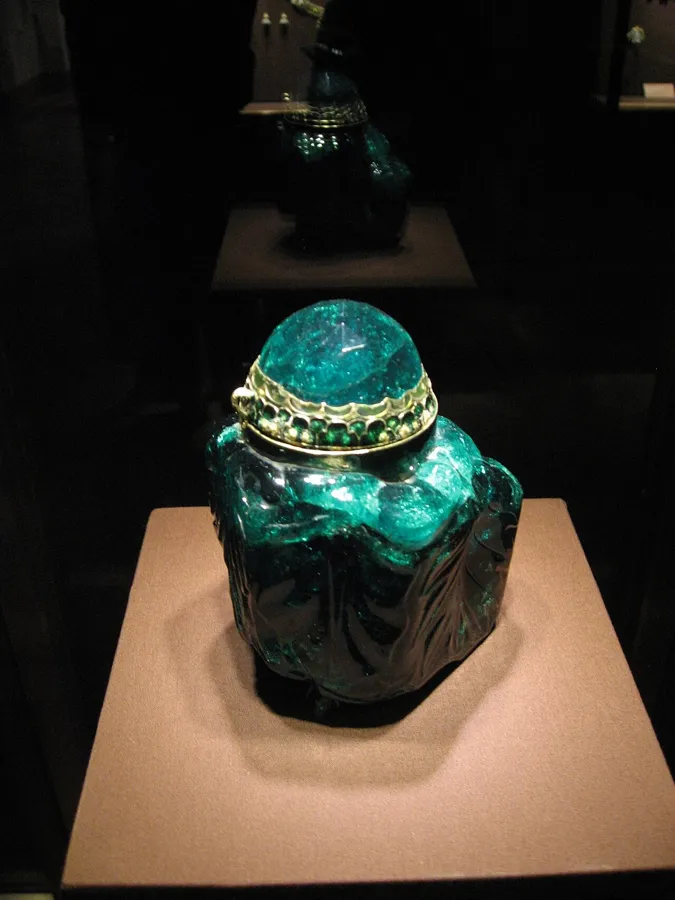
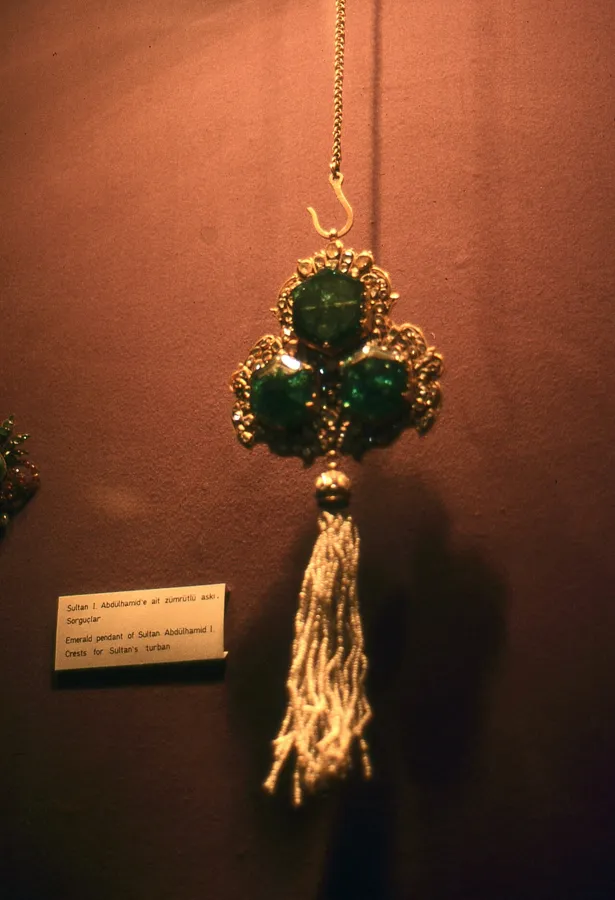
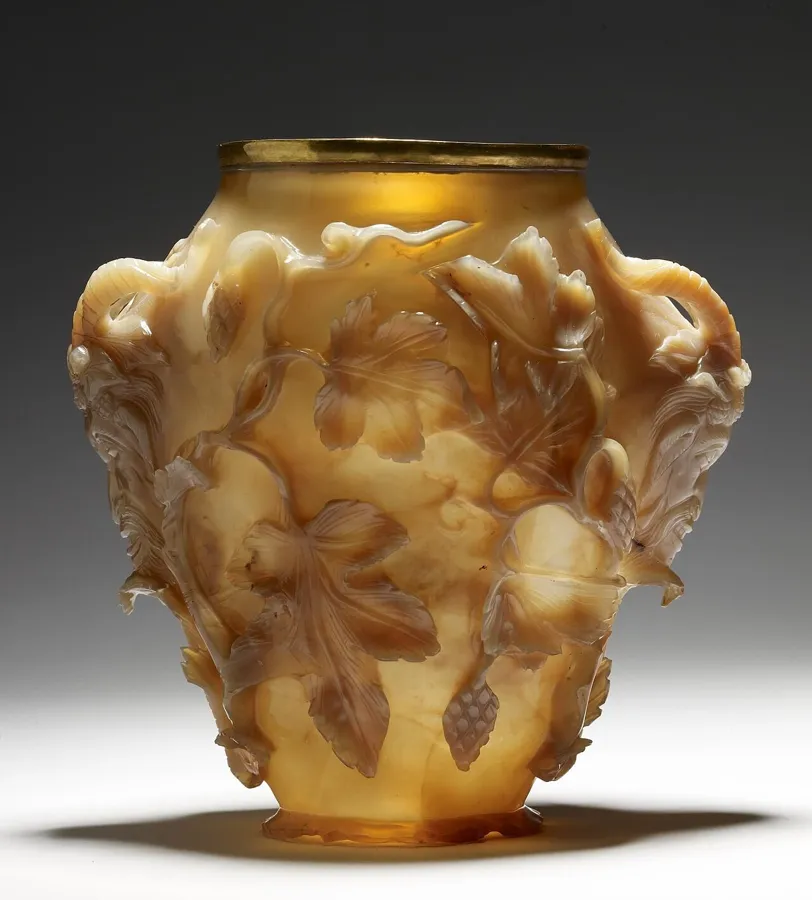
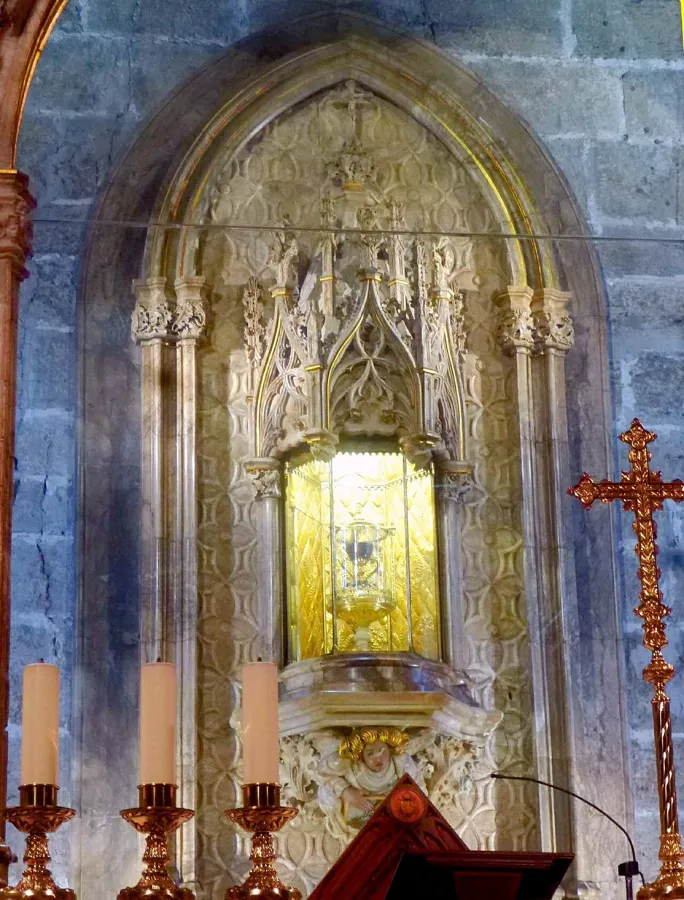
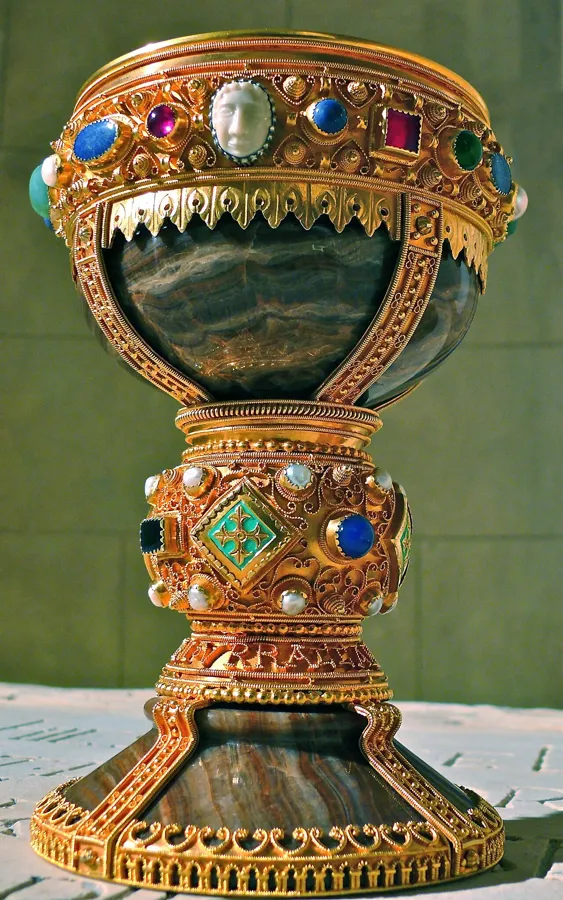
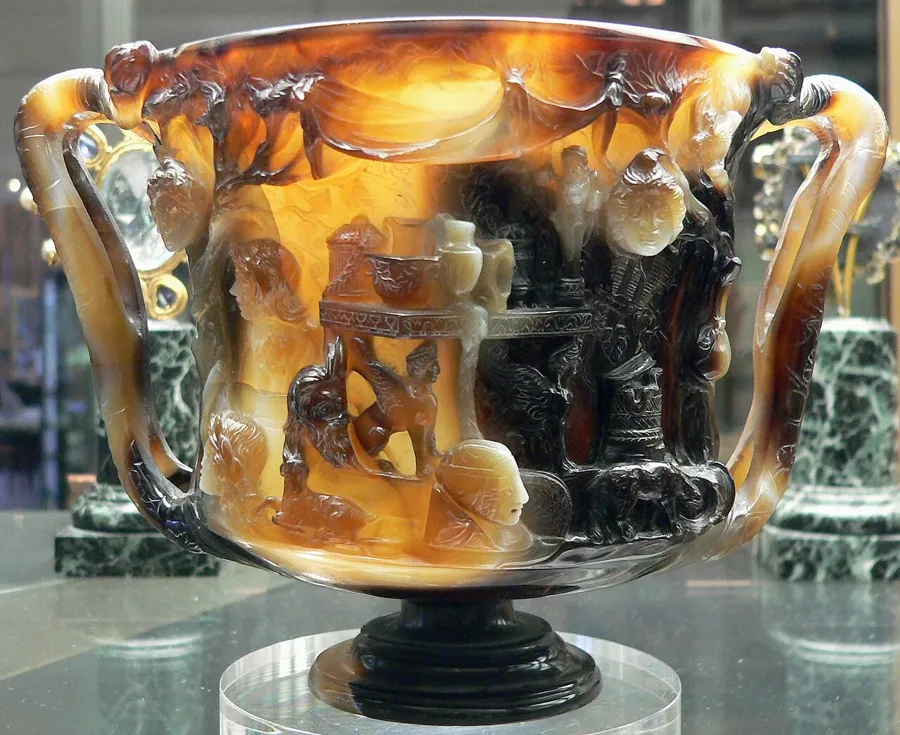
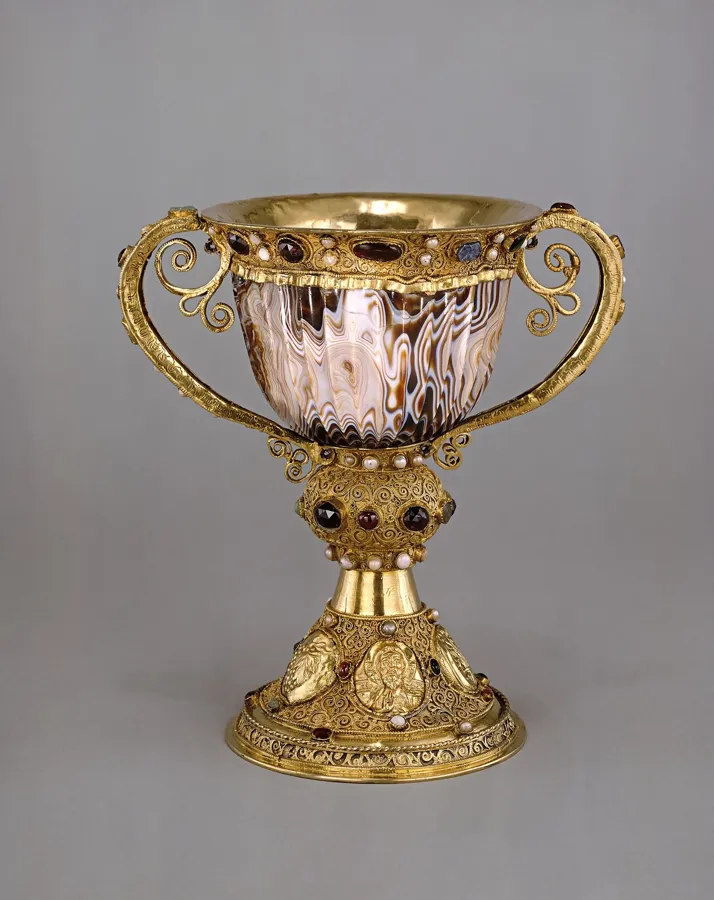
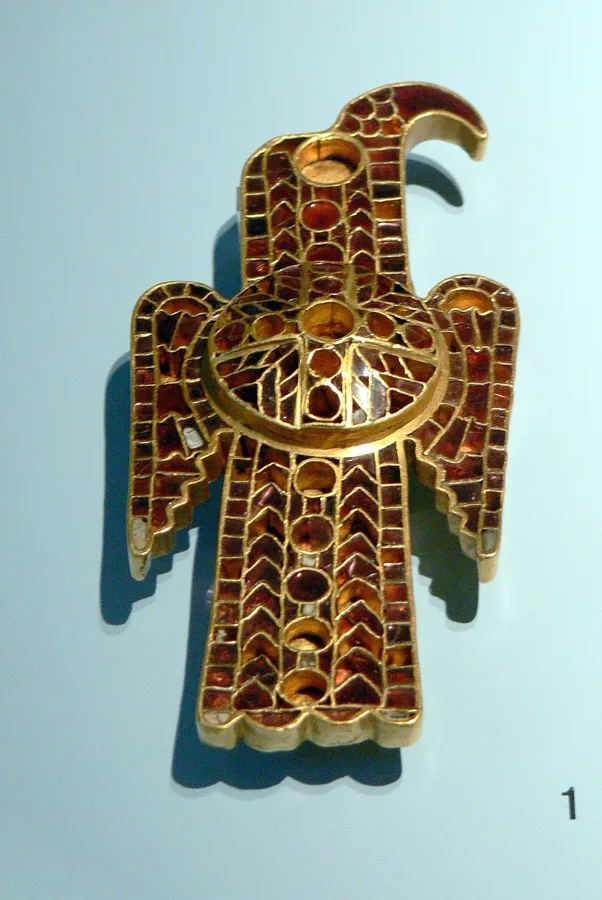
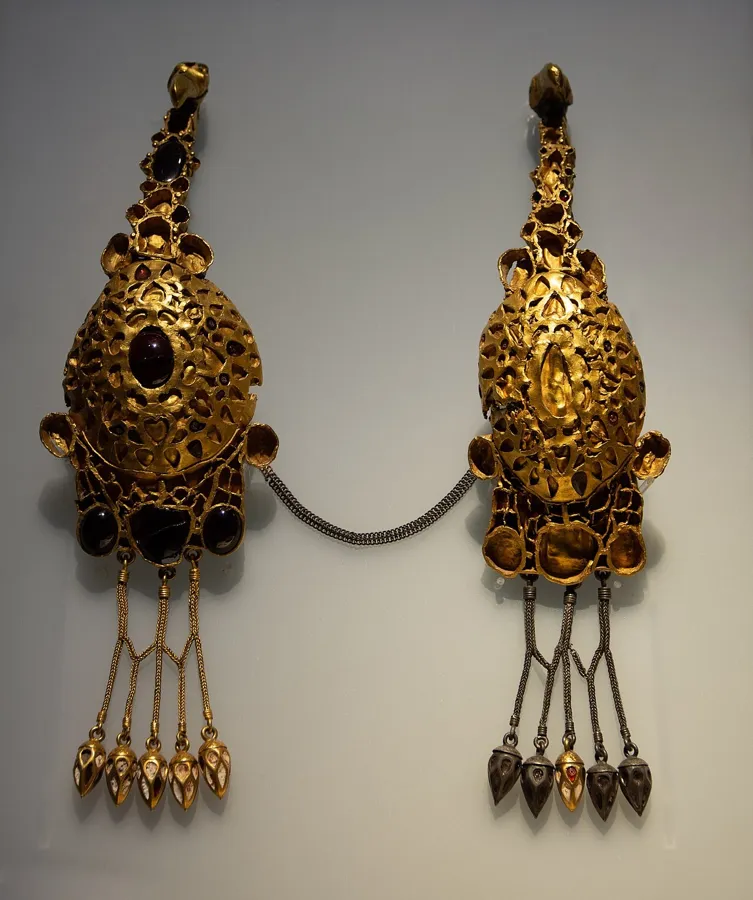
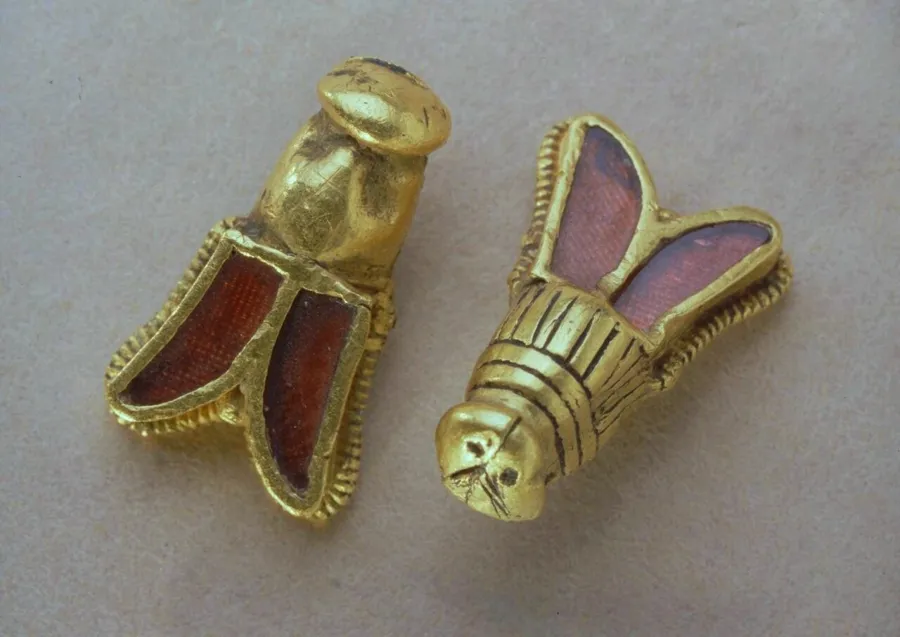
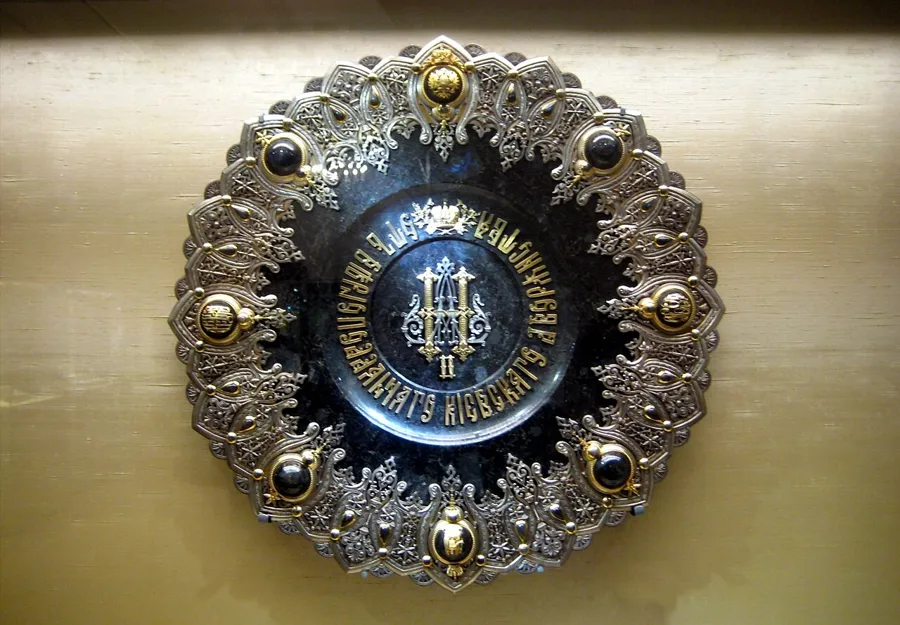
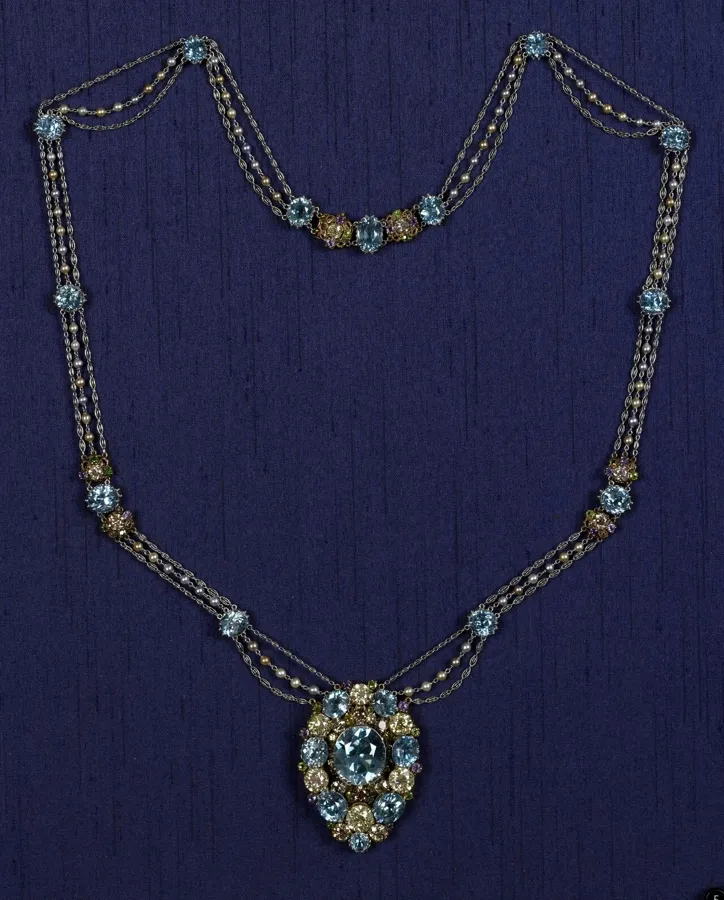
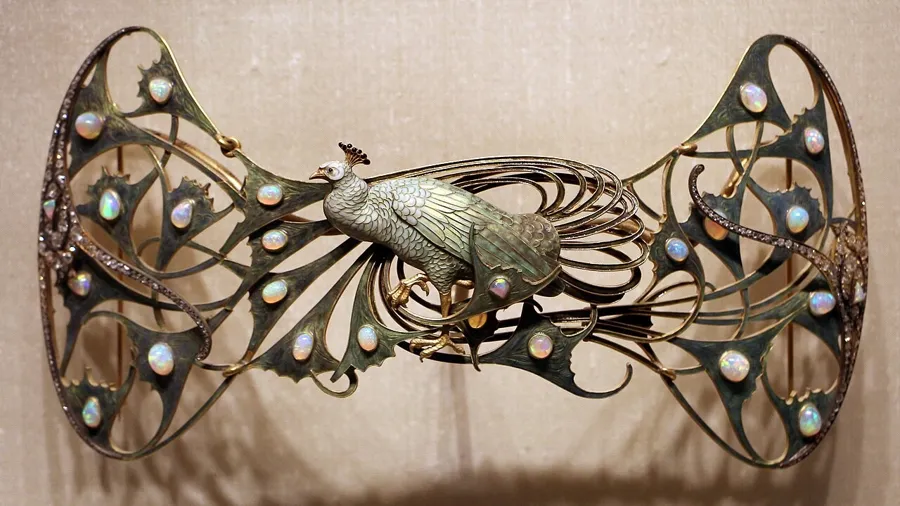
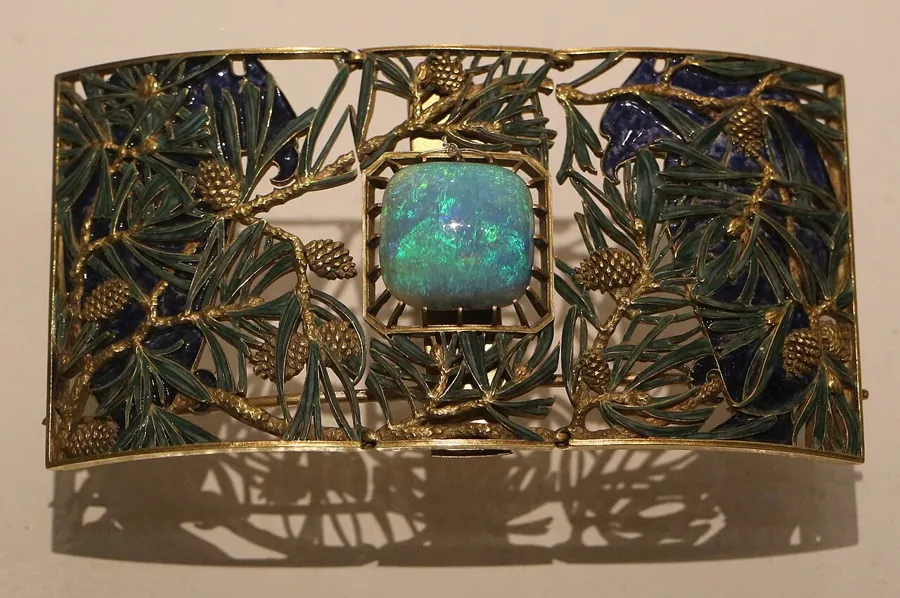
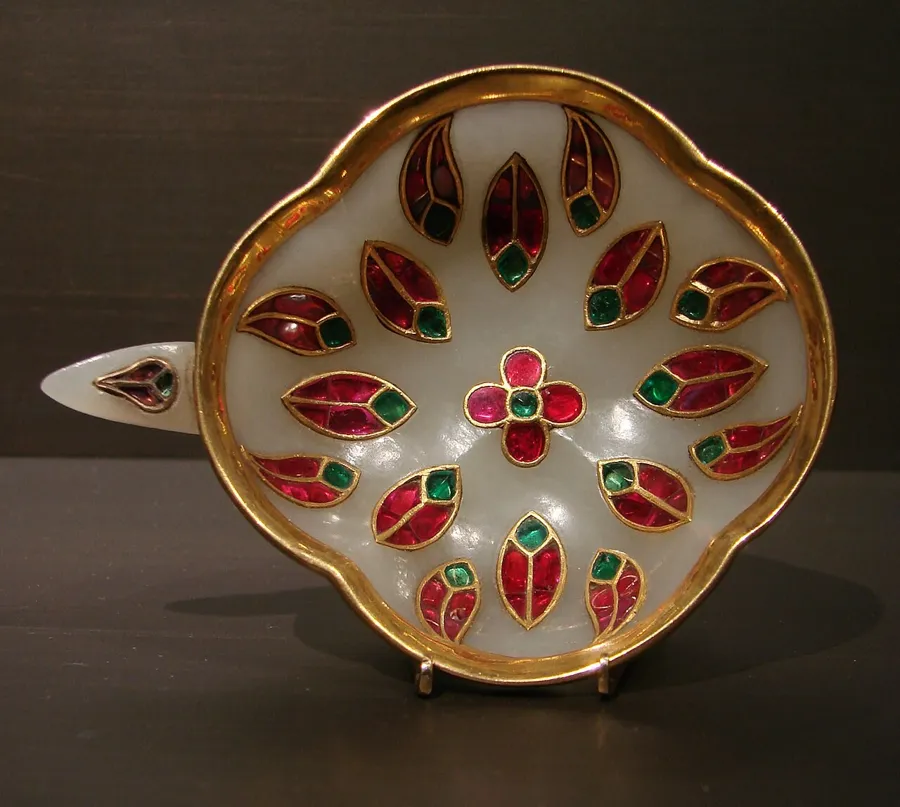
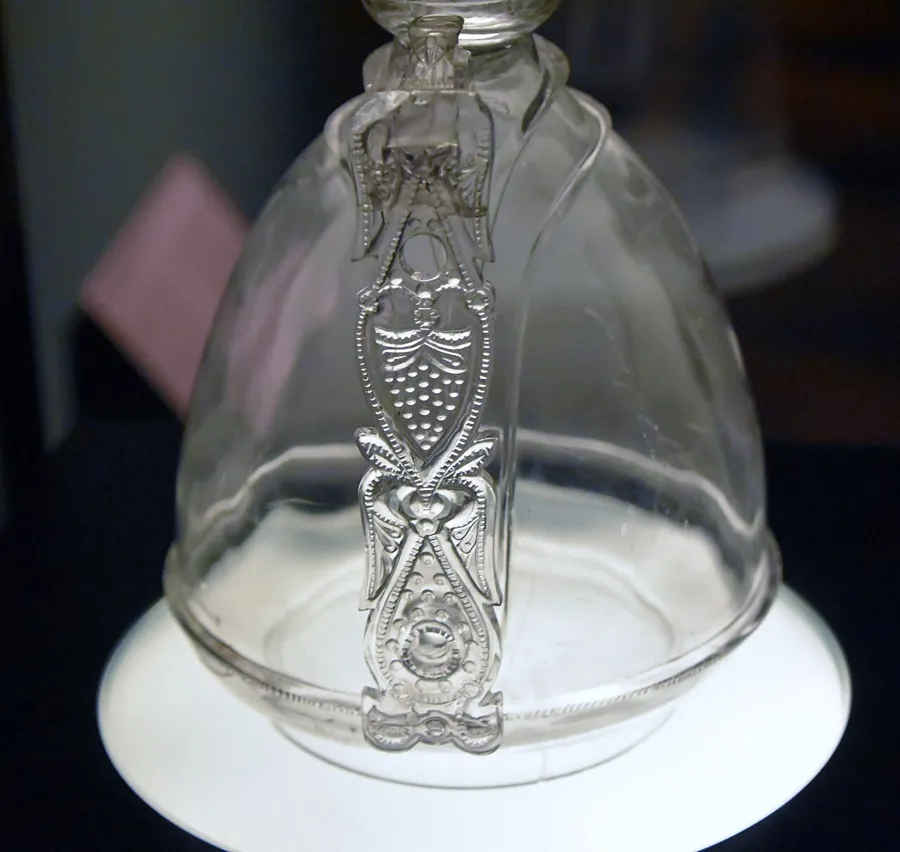
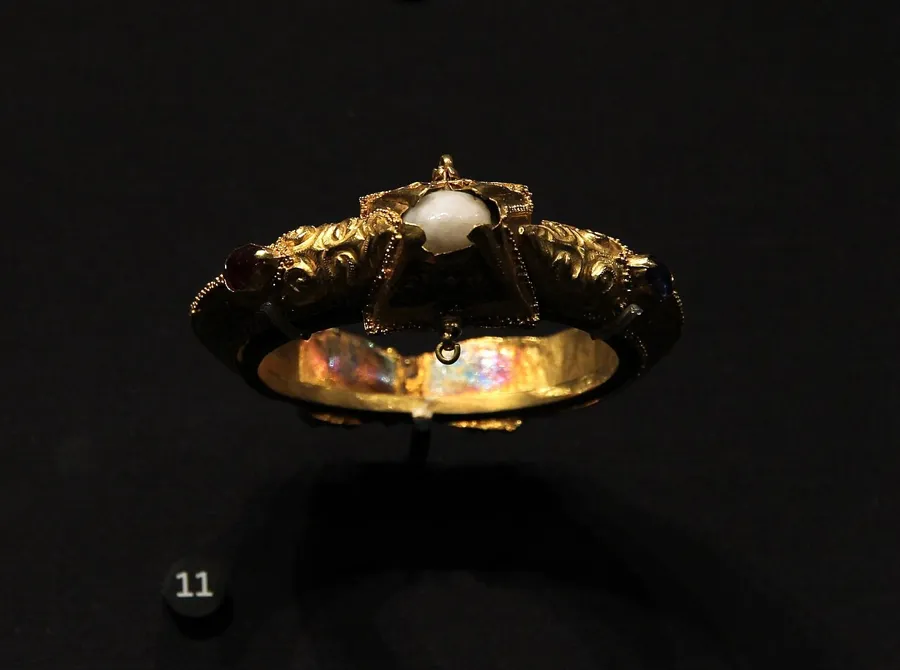
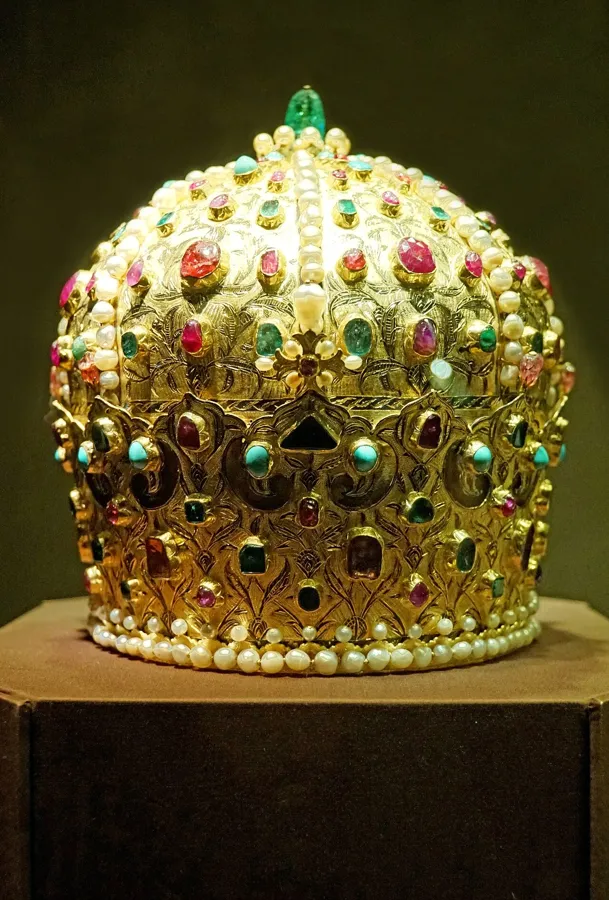
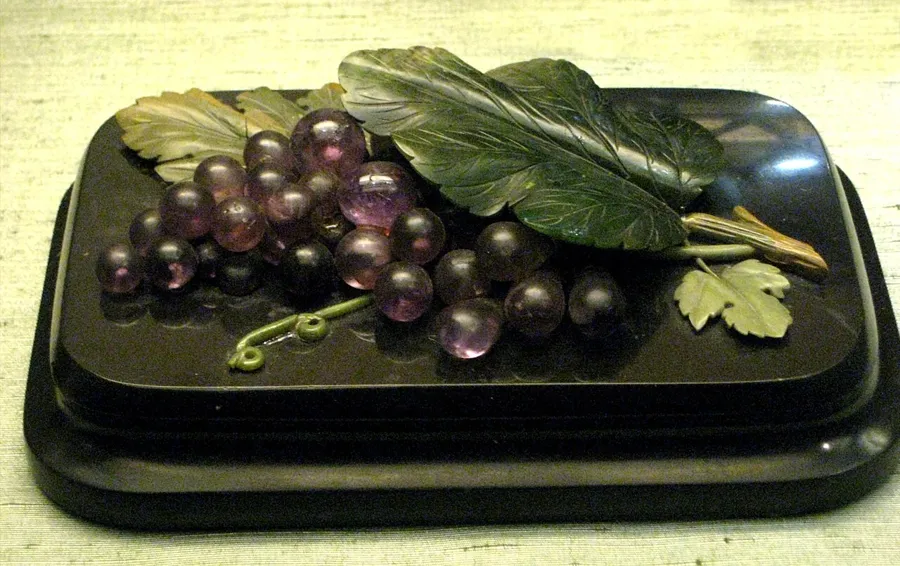
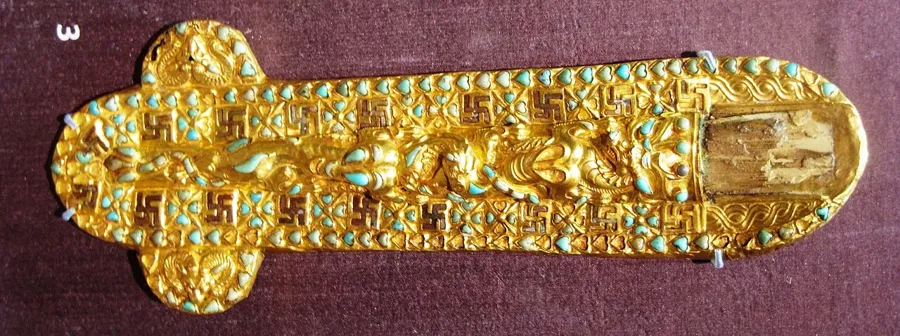
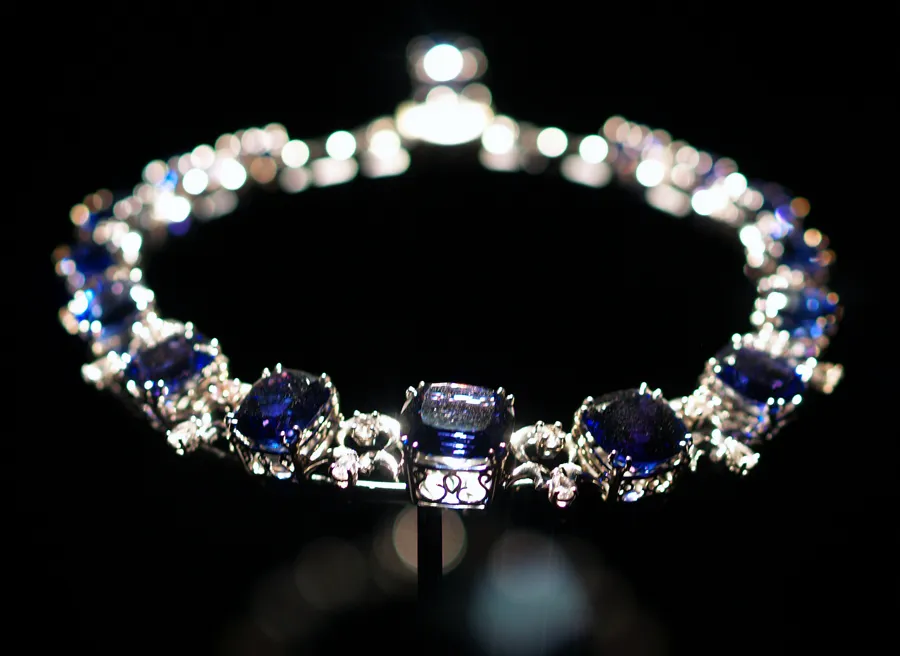
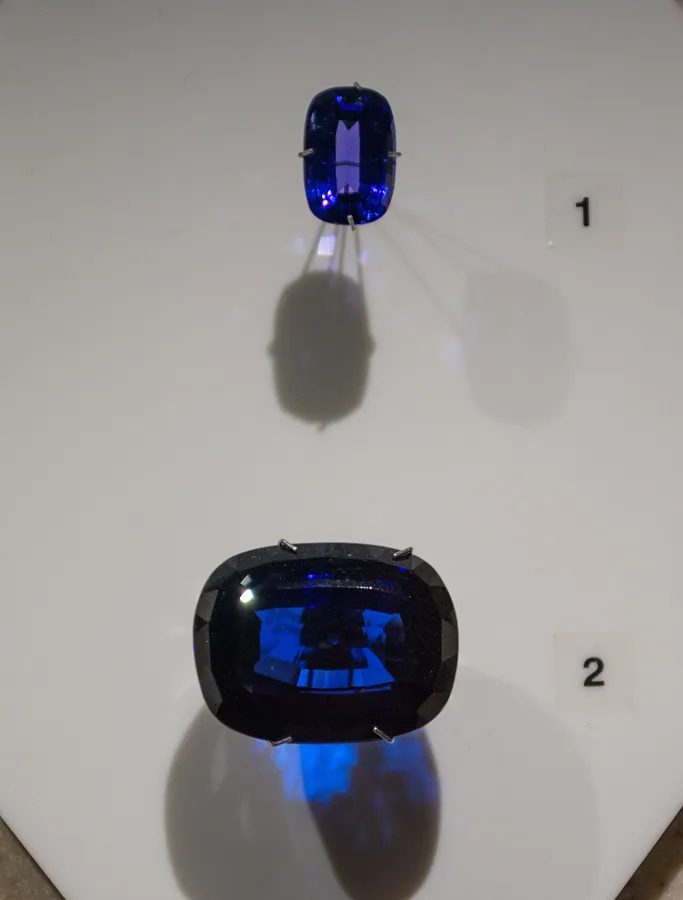
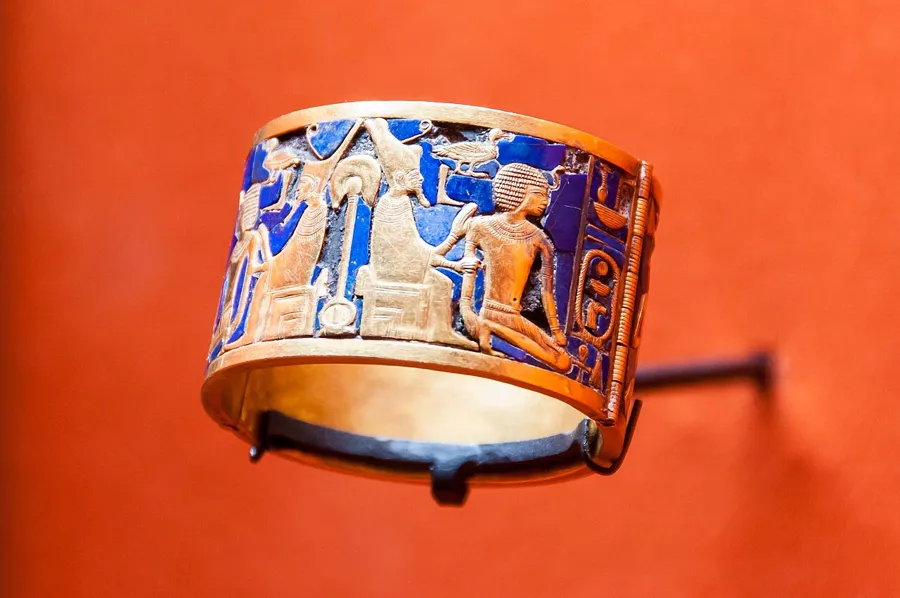
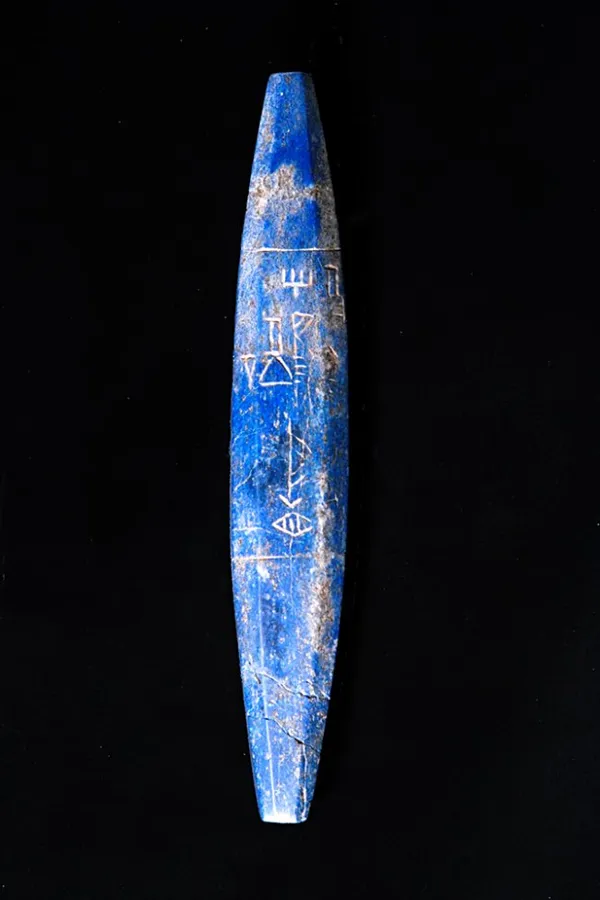
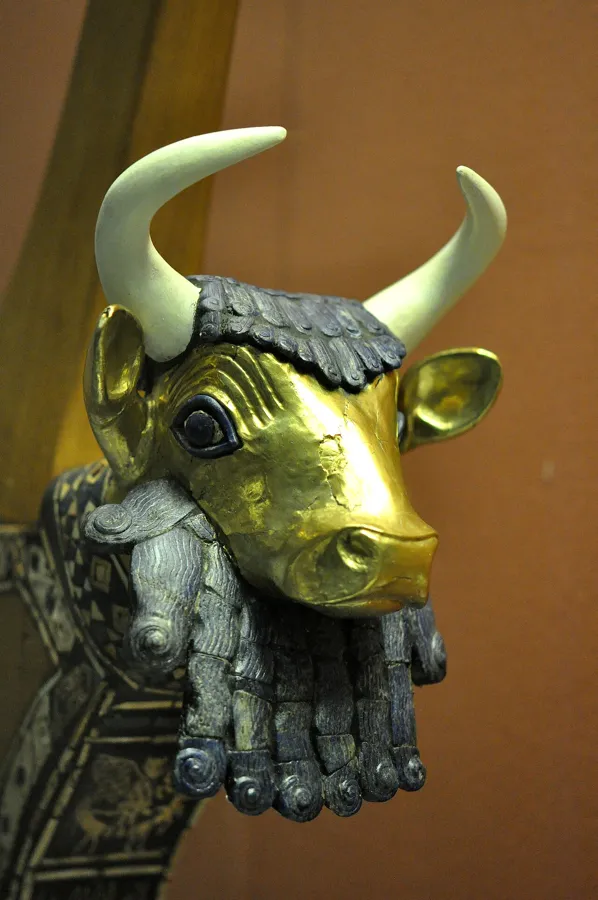
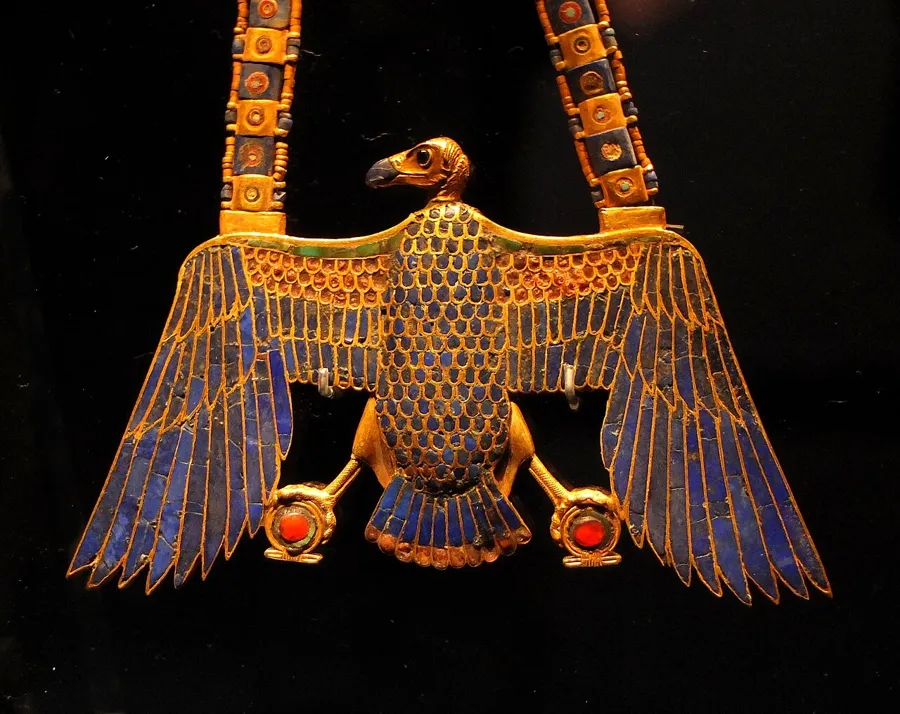
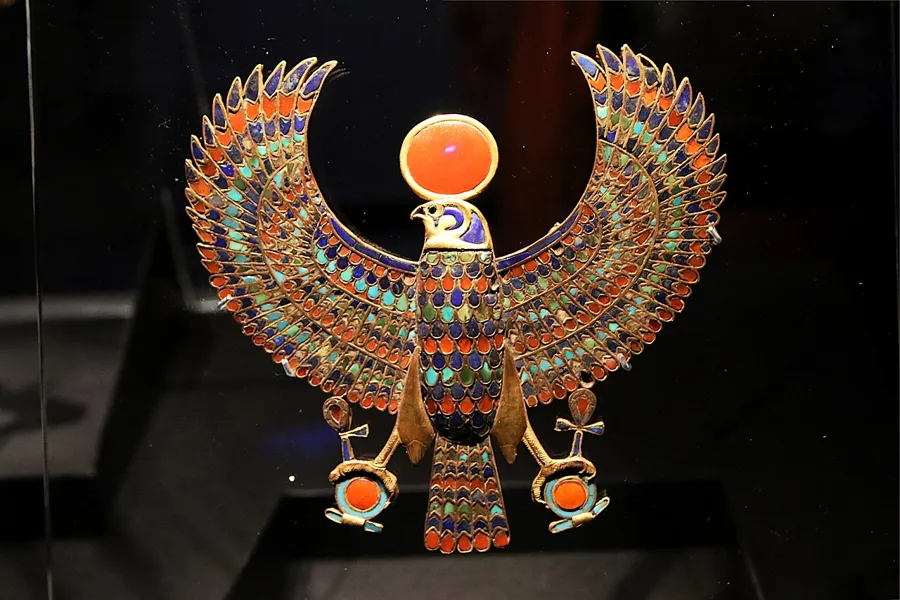
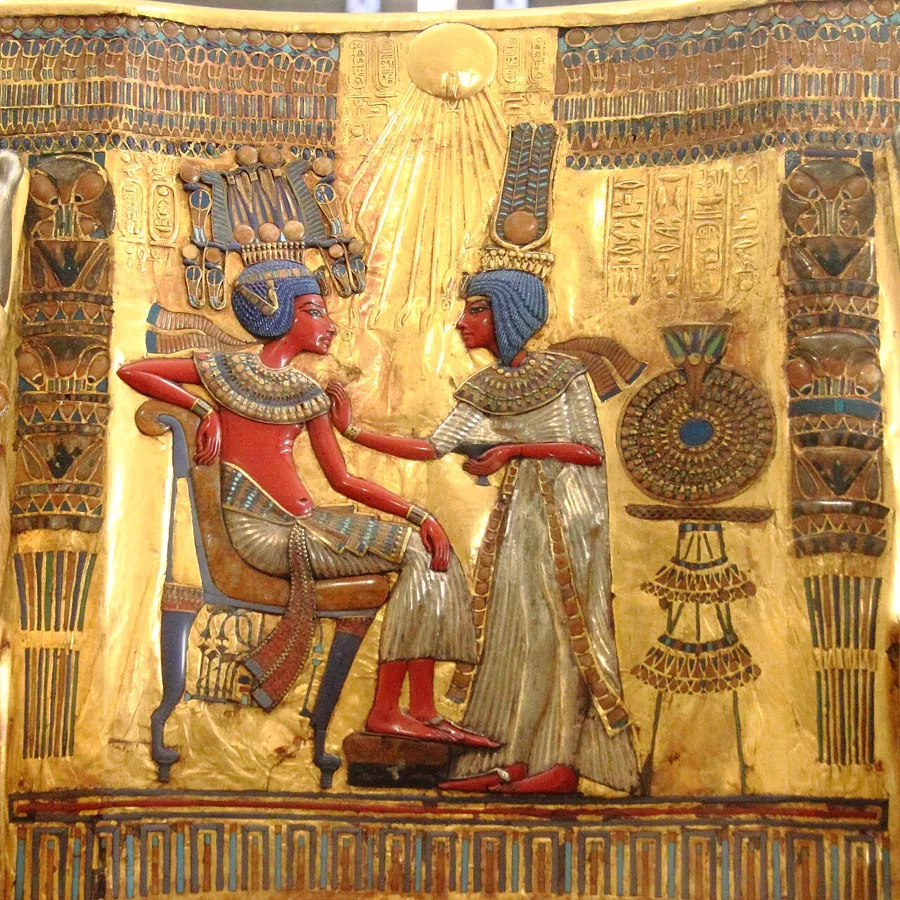
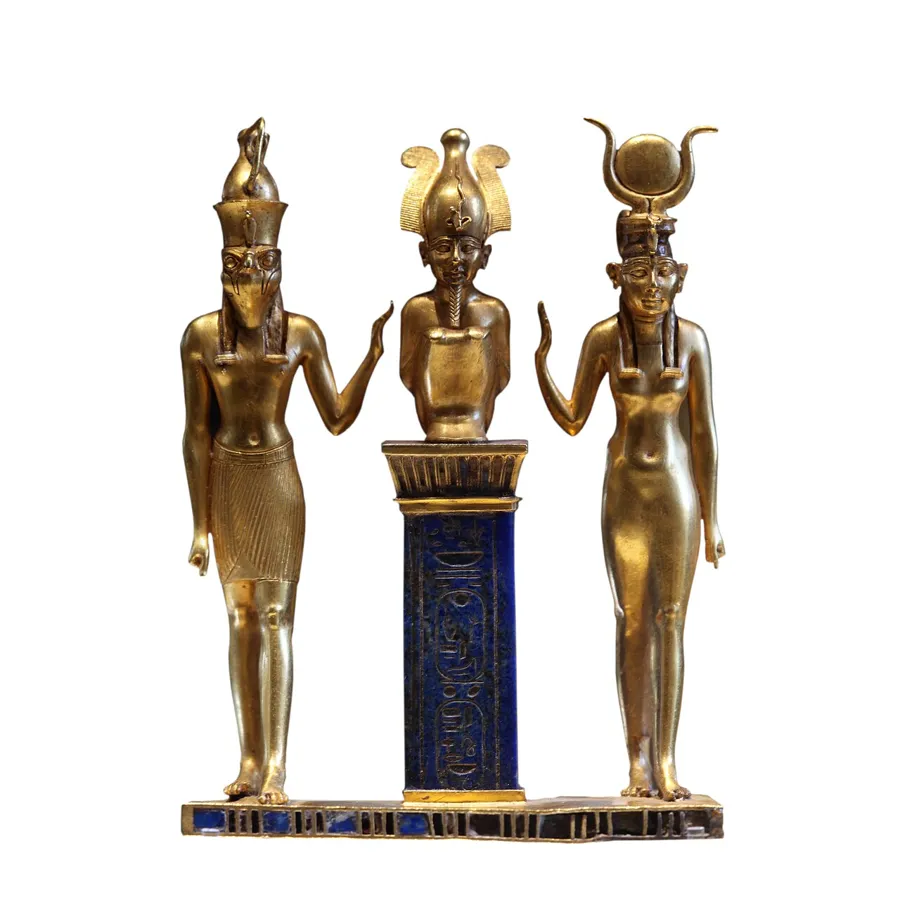
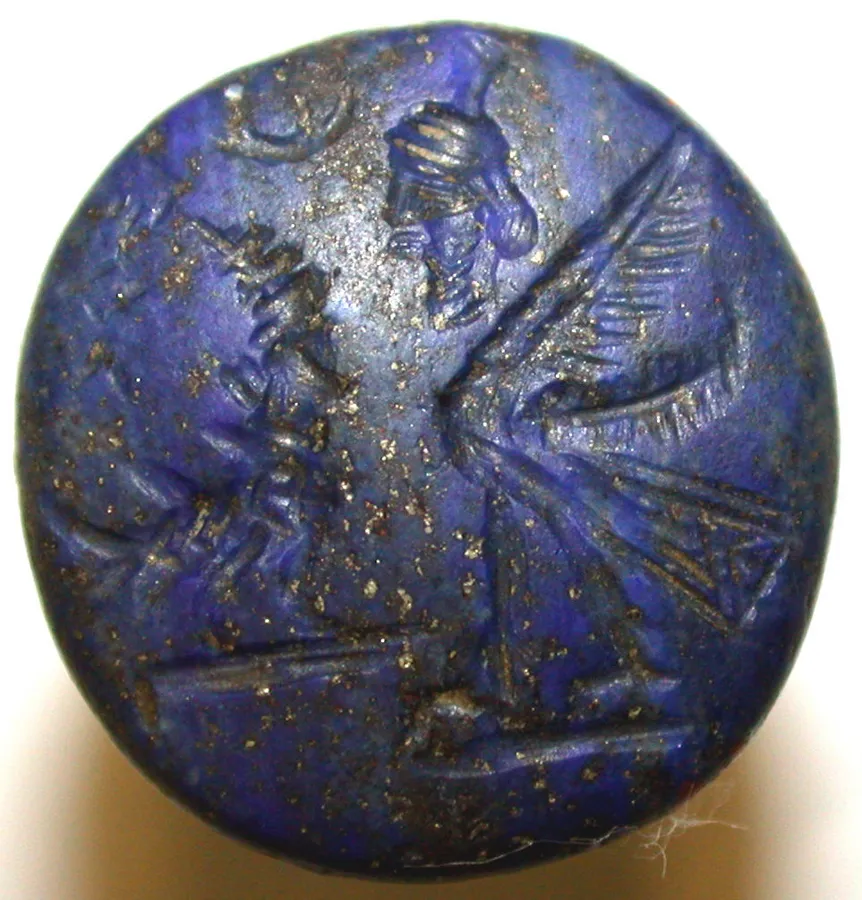
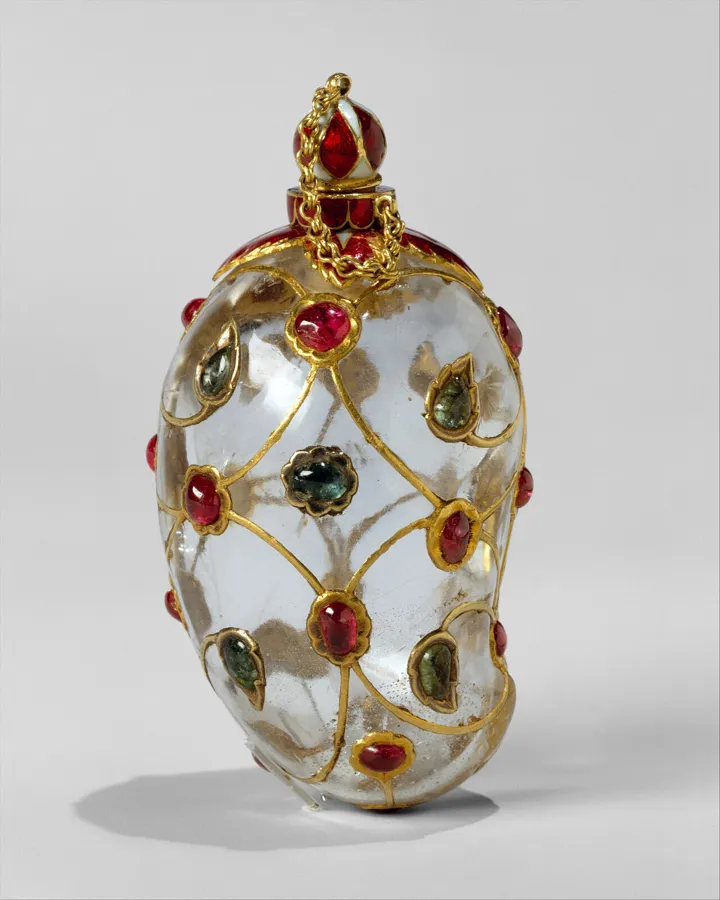
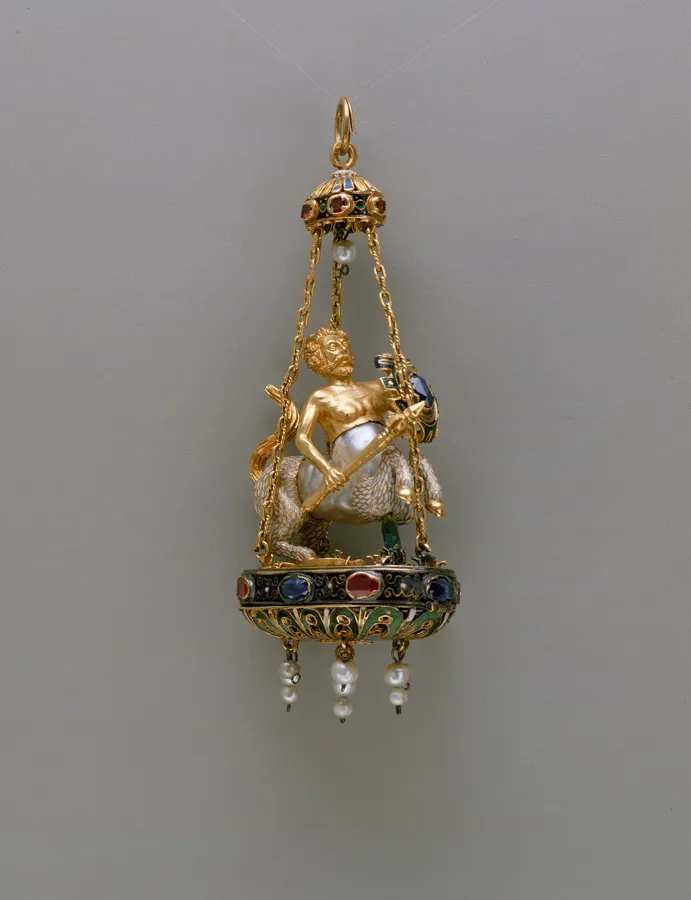
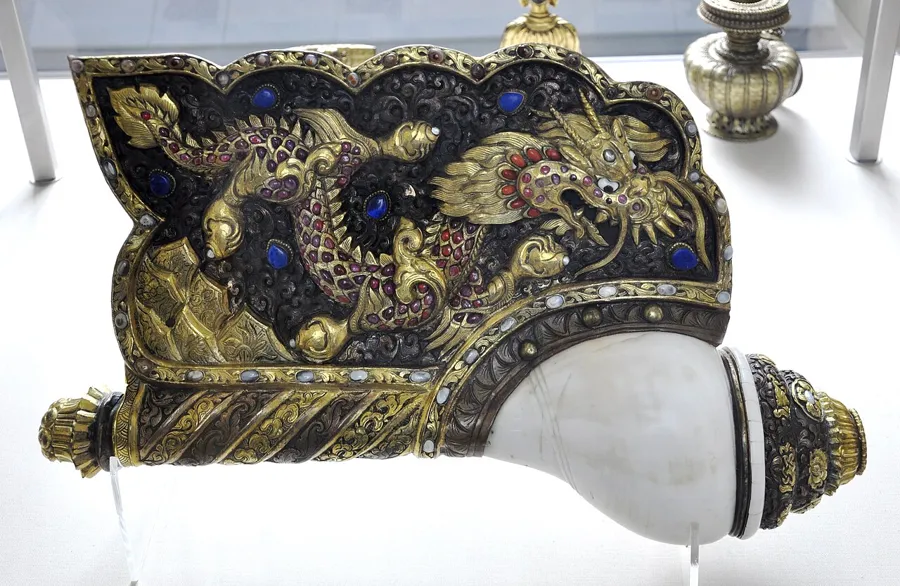
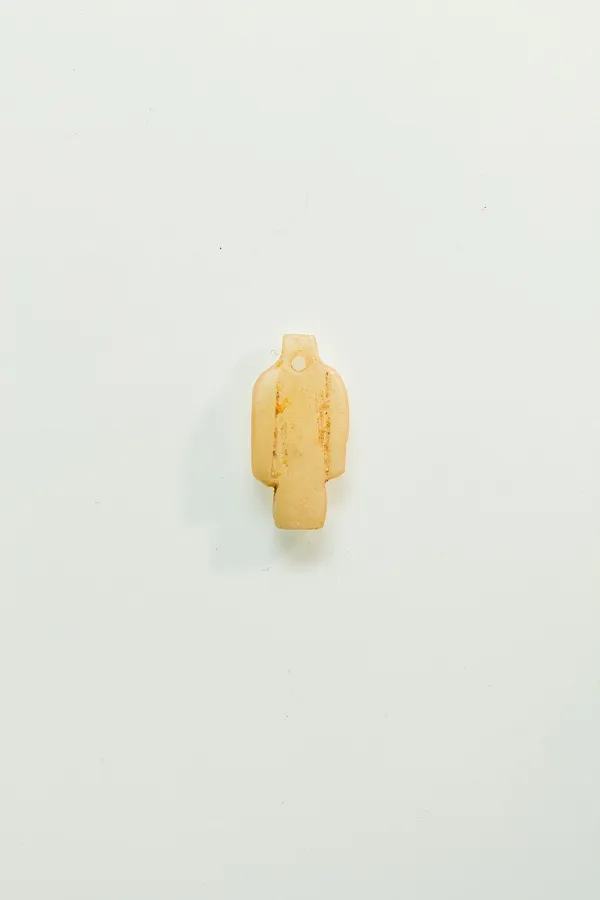
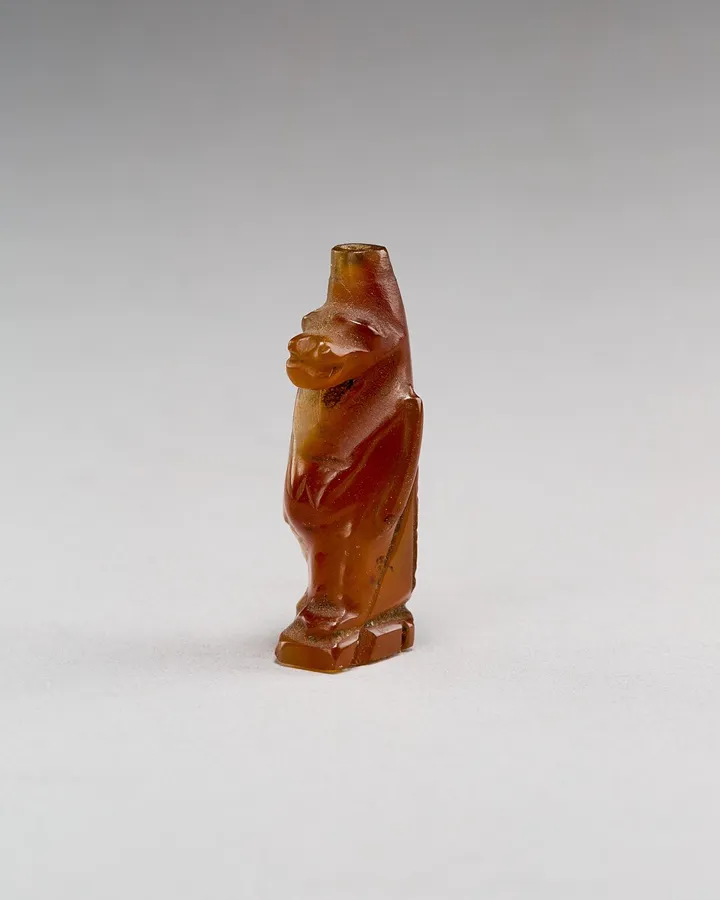
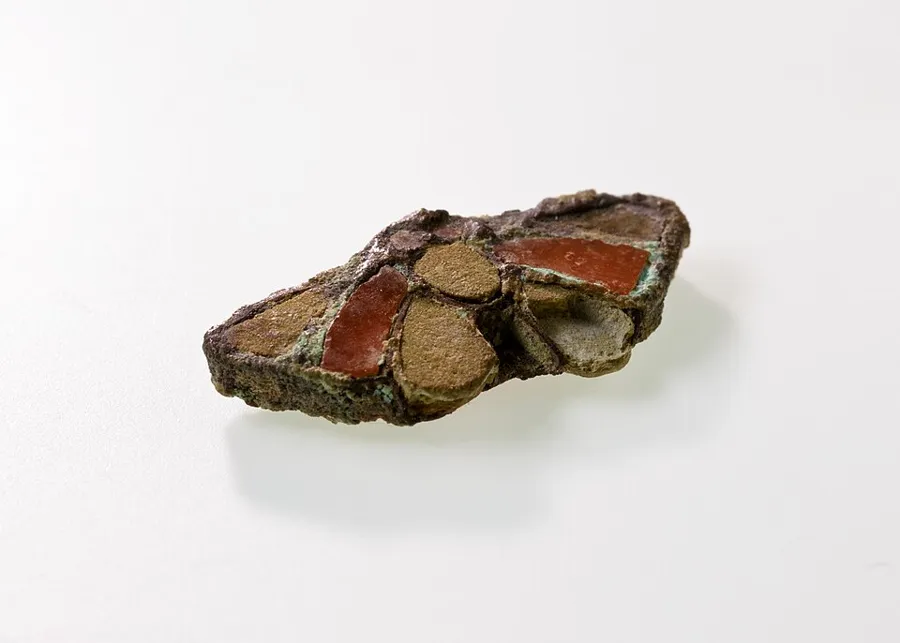
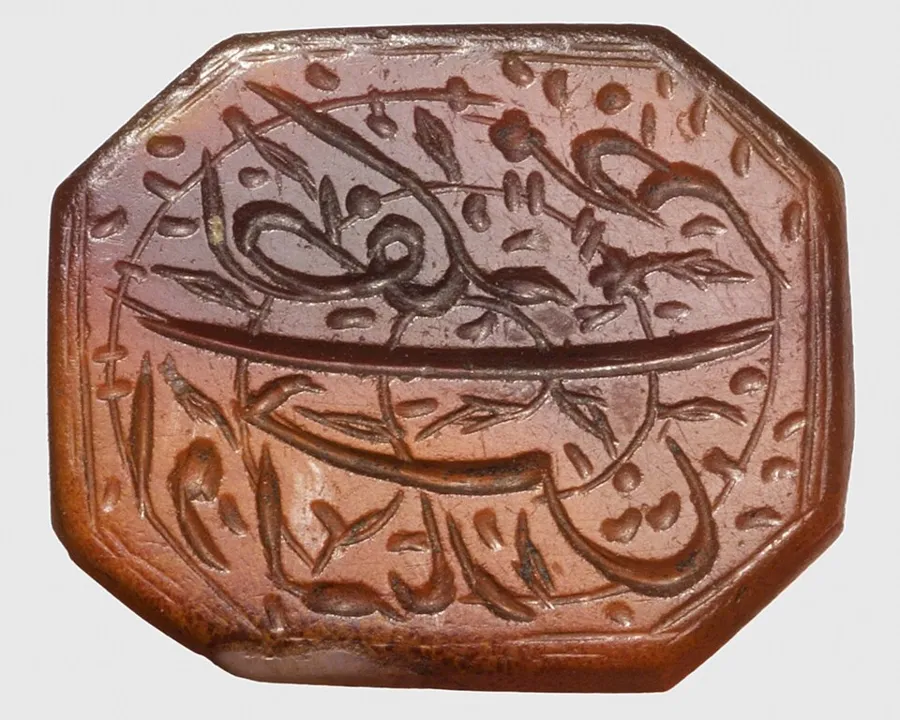
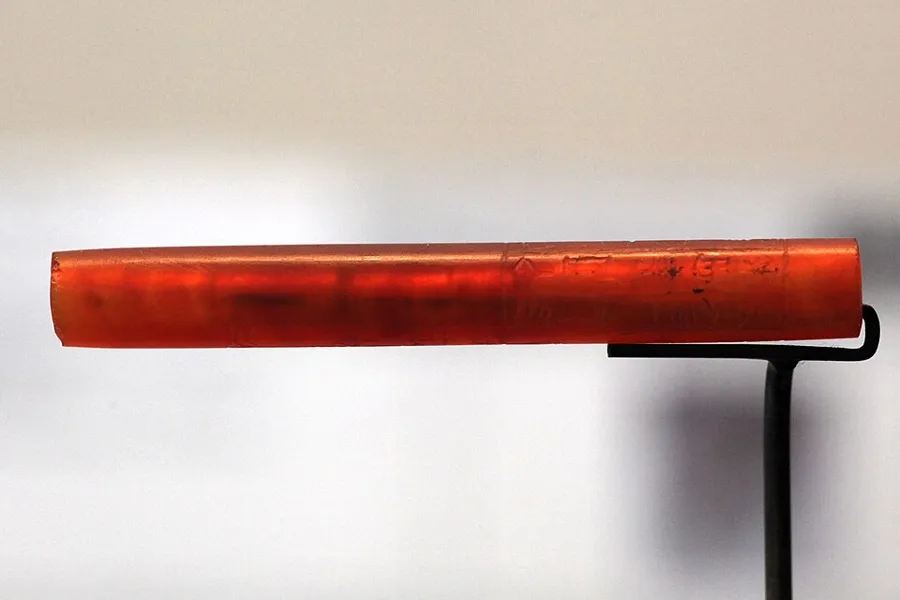
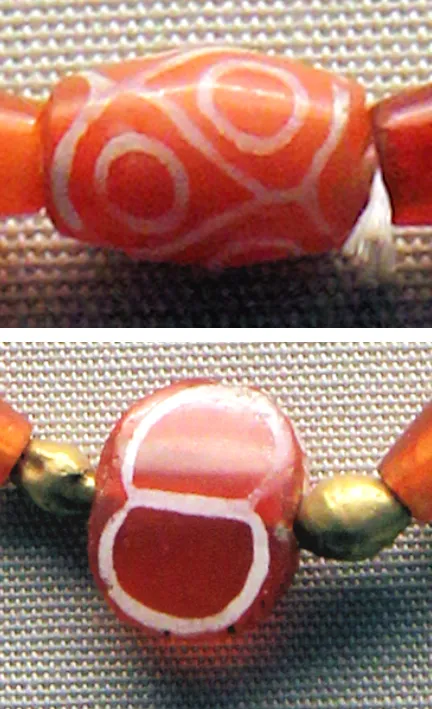
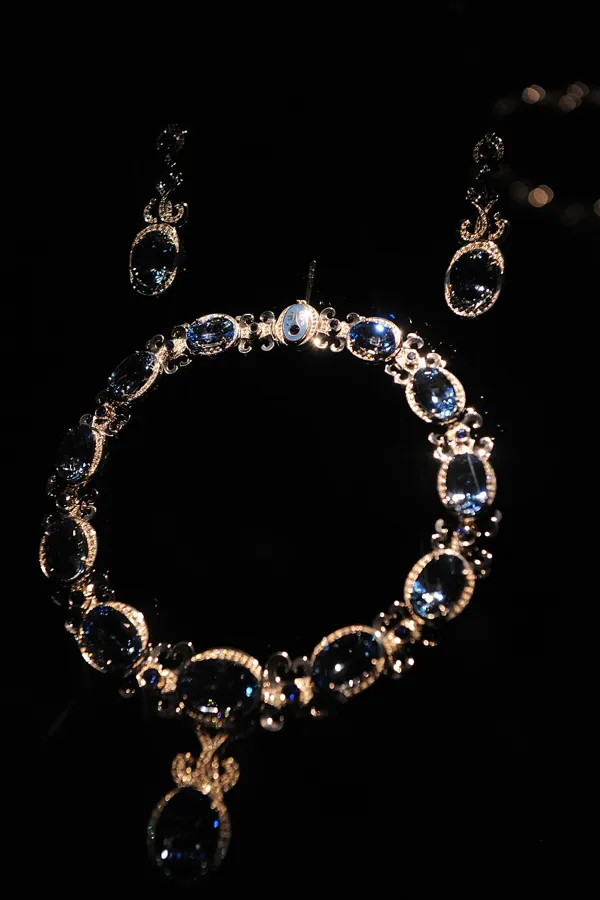
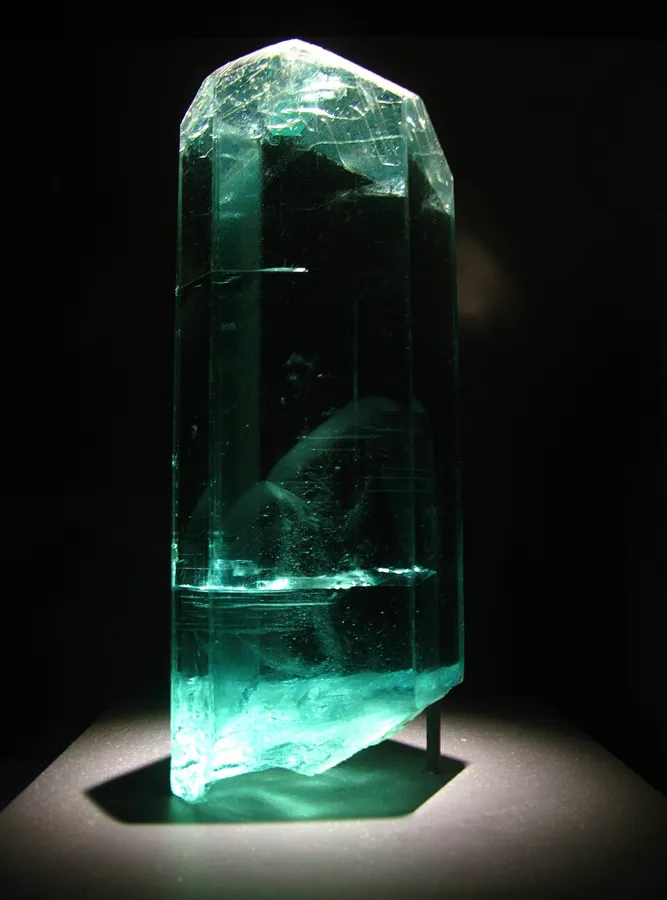
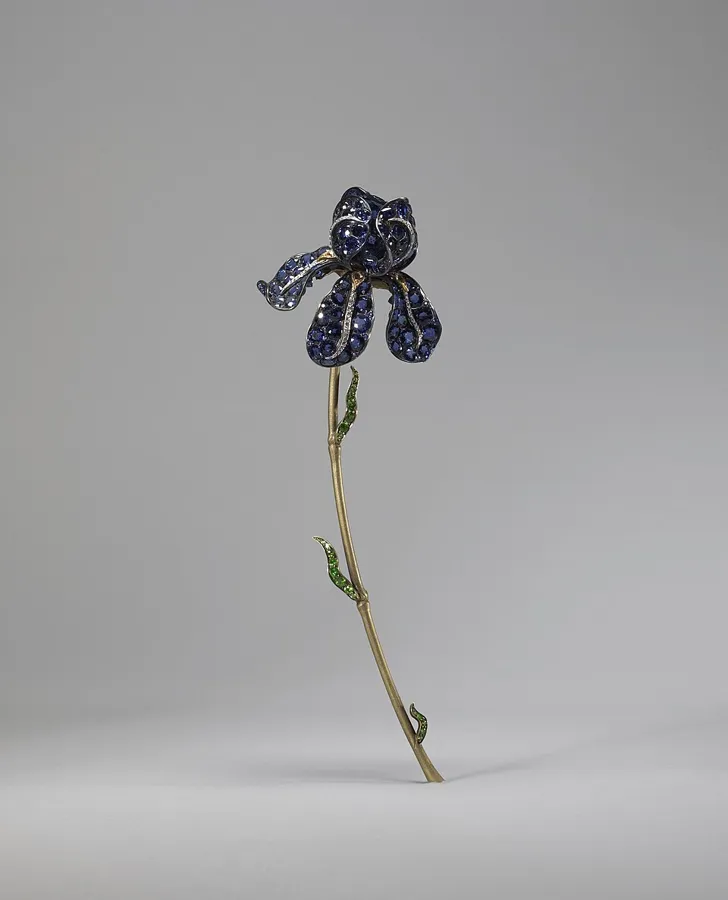
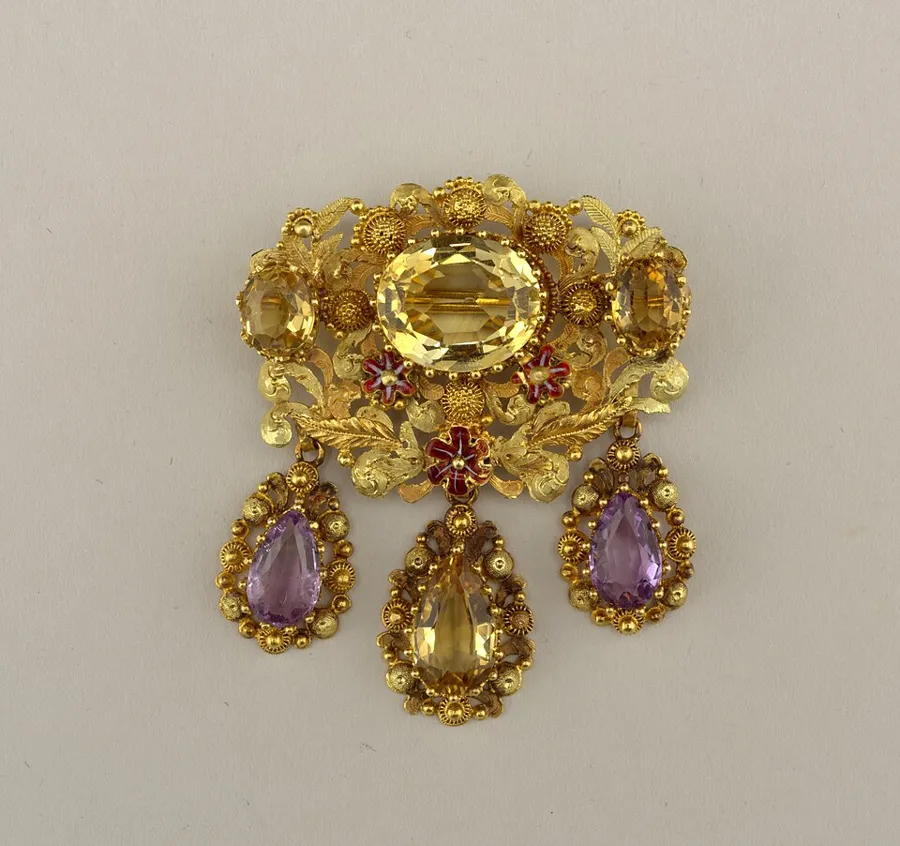
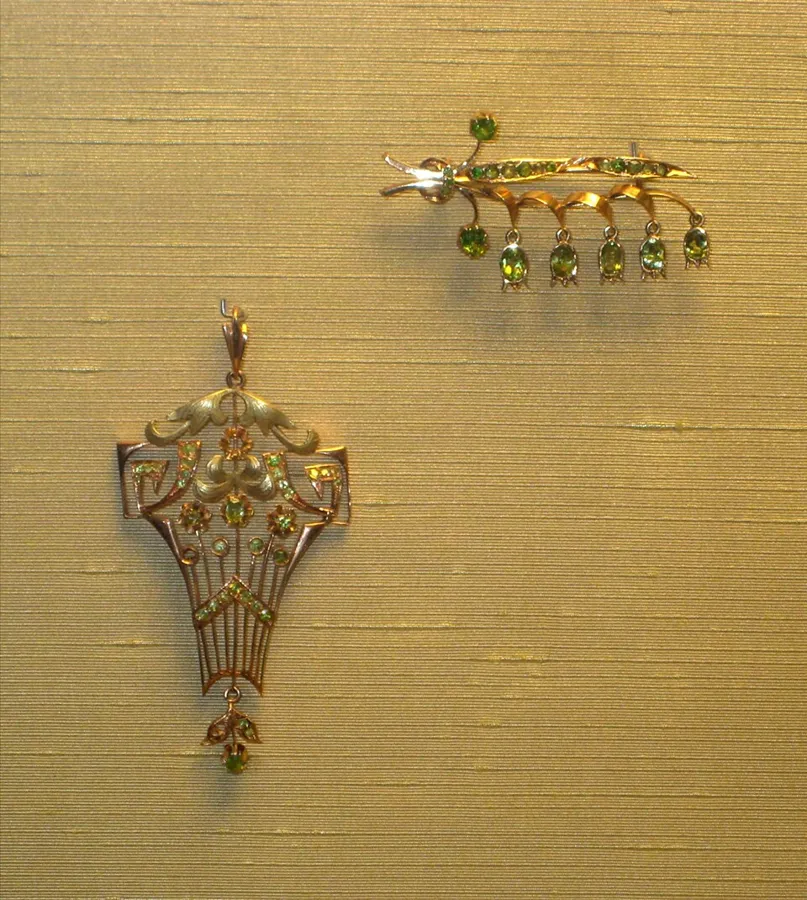
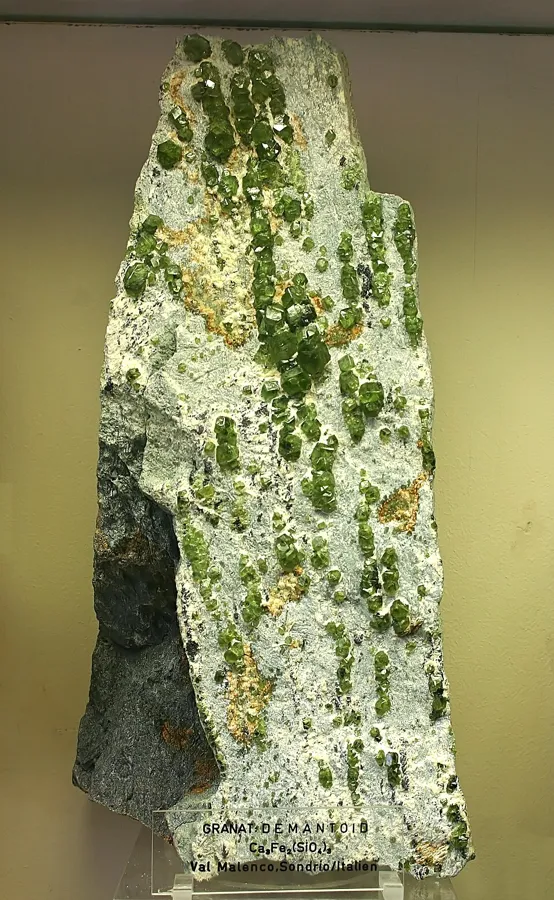
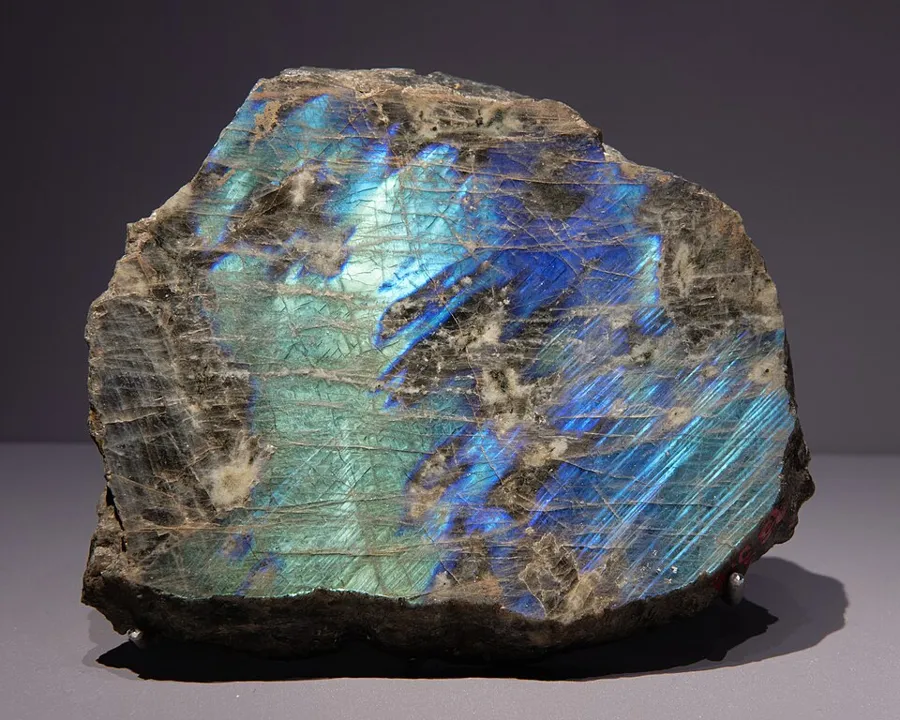
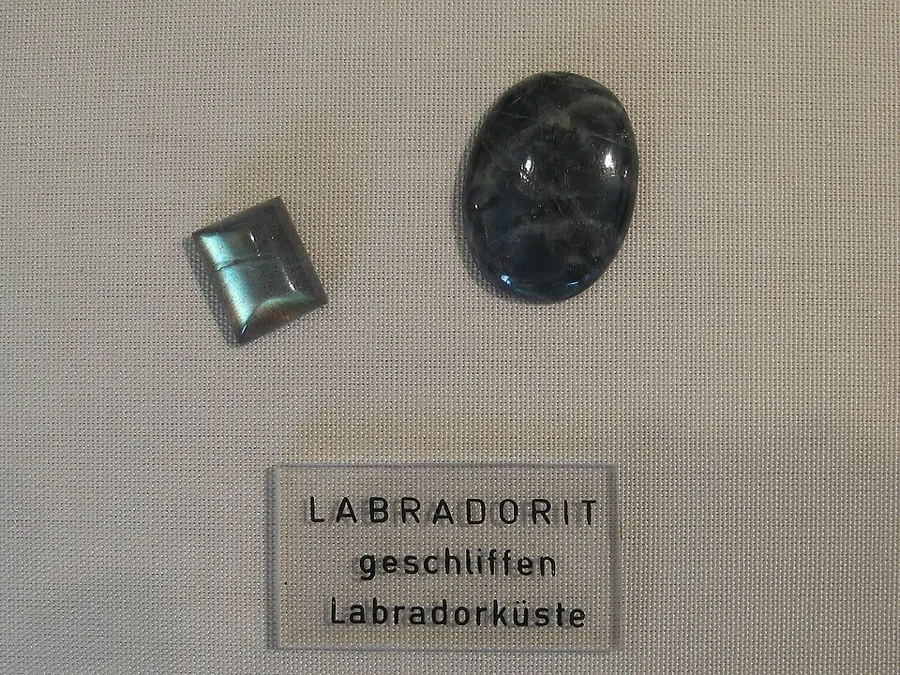
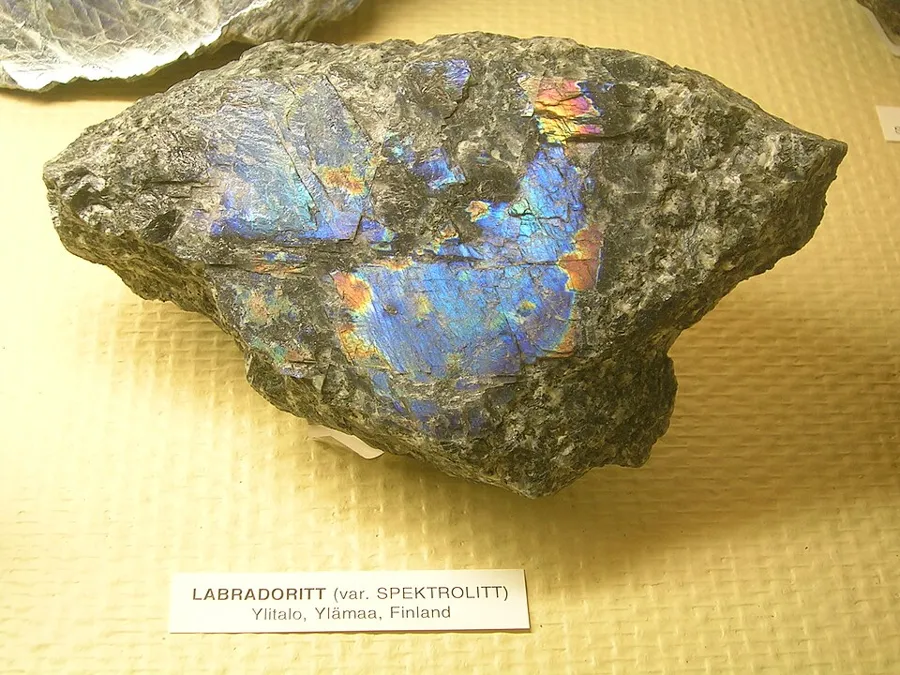
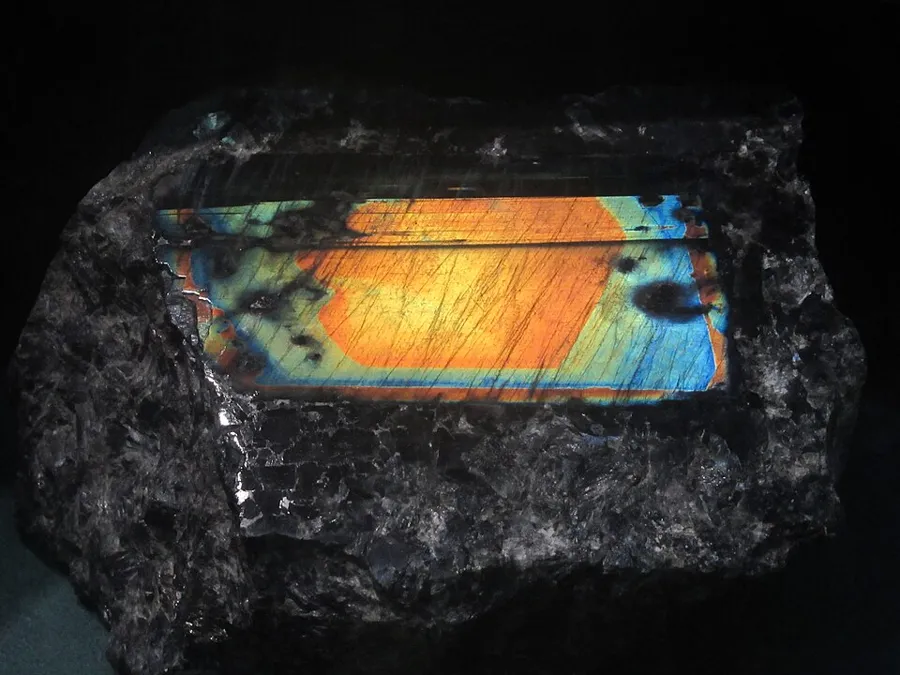
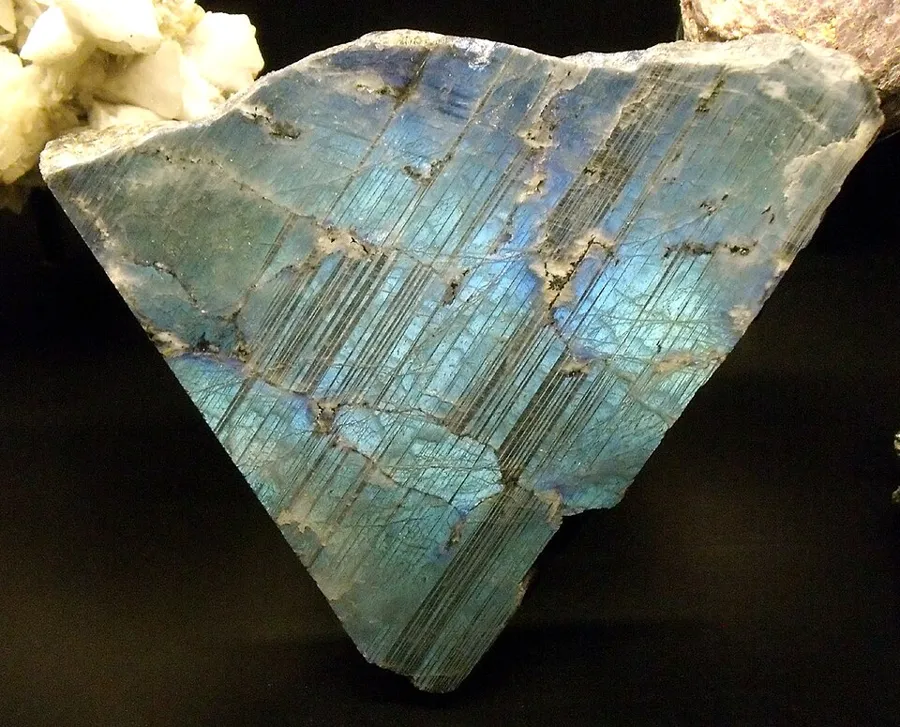
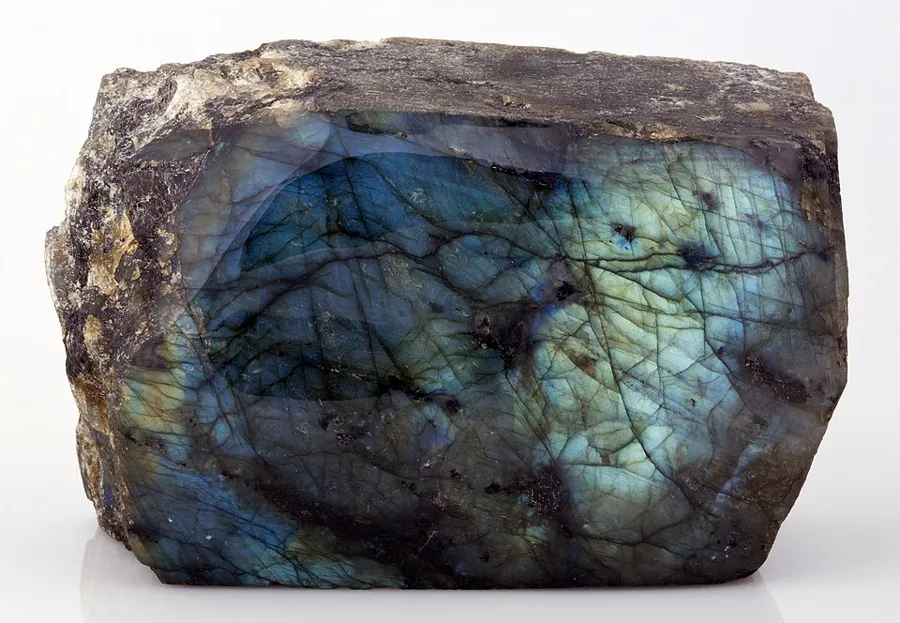
 The Napoleon necklace 50 ct lab diamond riviera necklace A full riviera of lab diamonds: museum scale, if not museum price. about $22,350 on Amazon →
  A riviera to start 4 ct lab diamond riviera necklace The same style in a wearable size. about $1,050 on Amazon →
  Crown-jewel scale, in moissanite Moissanite tennis chain, 6.5 mm stones, 24 in, 96 ct total More than twice the Hope Diamond’s weight in sparkle, on one chain. Gem’s Beauty, sterling silver. about $1,100 on Amazon →
  Crown-jewel scale, in moissanite Moissanite tennis chain, 6.5 mm stones, 22 in AnuClub, sterling silver: a full line of big stones from clasp to clasp. about $1,000 on Amazon →
  Iced like a treasury piece Moissanite Cuban link, 20 mm wide, 24 in Every link paved with moissanite. The widest chain we found; also sold at 14 mm. about $700 on Amazon →
  Iced like a treasury piece Moissanite Cuban link, 10 mm wide, 18 in Ucciyo, sterling silver, set link by link. about $660 on Amazon →
  Iced like a treasury piece Moissanite Cuban link, 6 mm, 20 in KRKCLIFE, dozens of ratings. Comes as a necklace or matching bracelet. about $420 on Amazon →
  A wrist full of light Moissanite tennis bracelet, 8 mm stones, 7 in, 44 ct total The biggest stones in any tennis bracelet we found. TUHE, ships on a lead time. about $420 on Amazon →
  A wrist full of light Moissanite tennis bracelet, 6.5 mm stones, 7.5 in, 28 ct total AnuClub, sterling silver, with a certificate card. about $500 on Amazon →
  A wrist full of light Moissanite tennis bracelet, 4 mm stones, 8 in, 10.5 to 14 ct Over 150 ratings: the most-reviewed big bracelet. about $280 on Amazon →
  The front of a royal necklace Moissanite 7-stone necklace, 7.6 ct Seven big stones across the collarbone, gold-plated silver. about $240 on Amazon →
  The Logan and Bismarck sapphires Lab sapphire emerald-cut halo necklace, 4.25 ct One big blue centre stone ringed with white. about $190 on Amazon →
  The Chalk and Mackay emeralds Lab emerald emerald-cut halo necklace, 3 ct An emerald-cut green centre in a halo. about $170 on Amazon →
  The Hope Diamond IGI lab fancy-colour diamond, cushion (blue option) Blue by boron, like the Hope, grown in a lab. from about $2,300 on Amazon →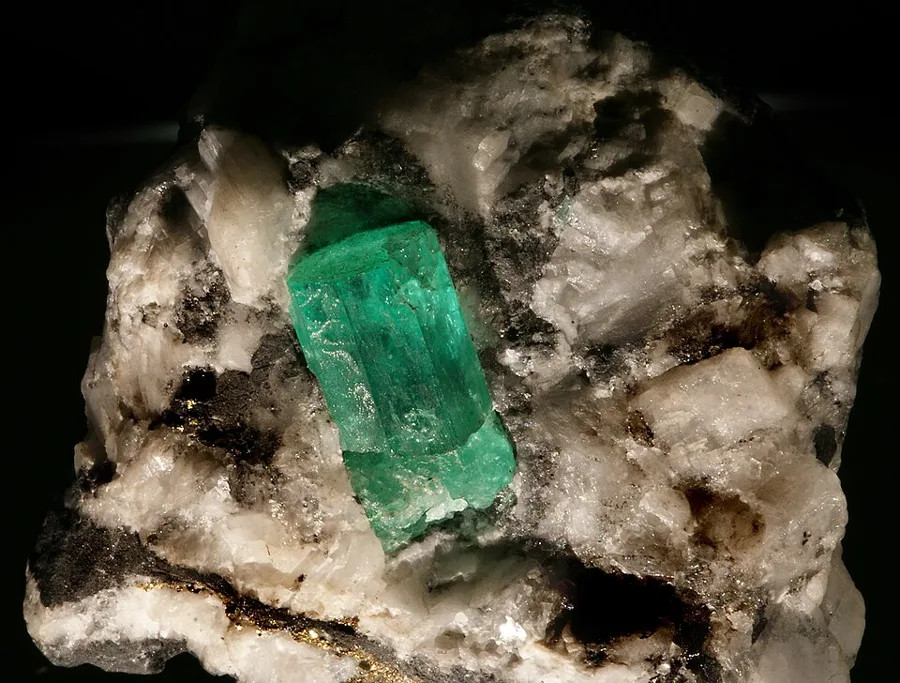
 Own the most similarStarborn emerald crystal in matrixabout $50 on Amazon →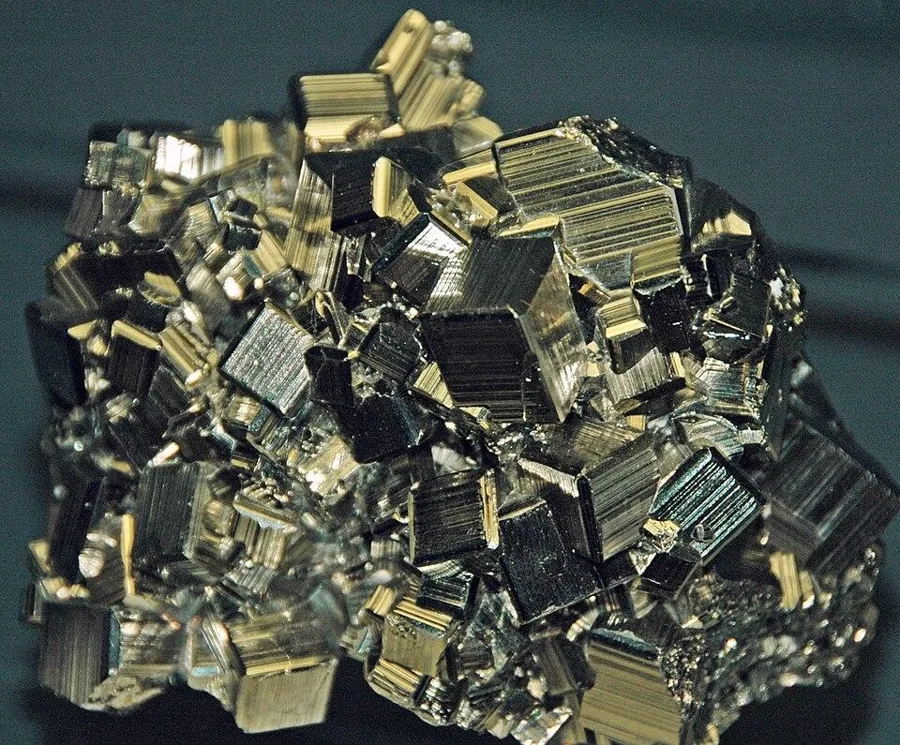
 Own the most similarKALIFANO pyrite cluster from Peruabout $20 on Amazon →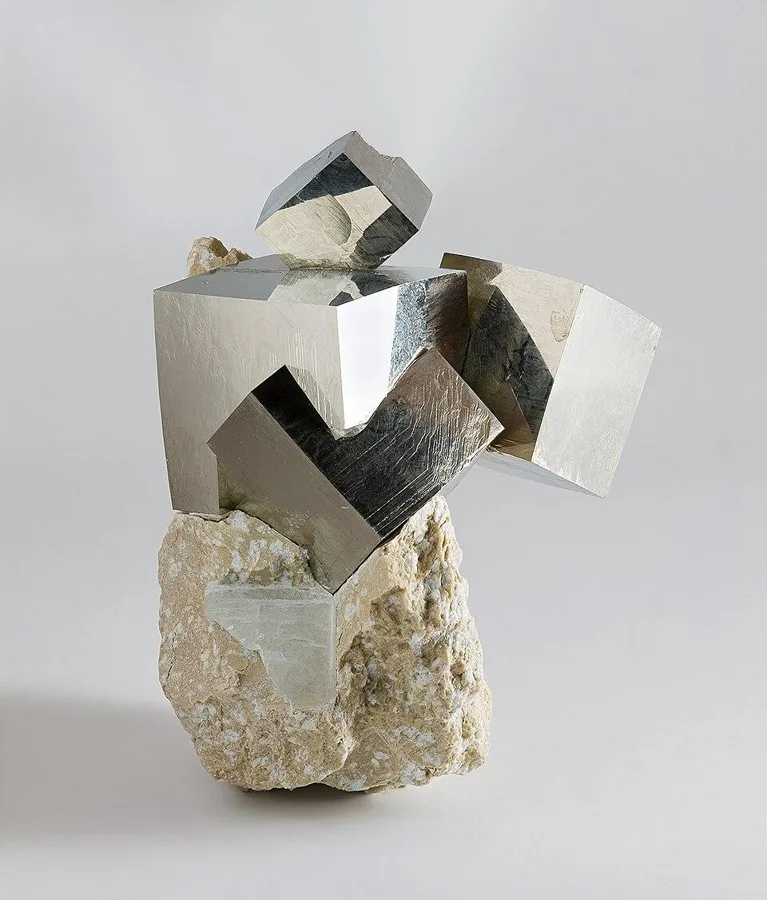
 Own the most similarNatural pyrite cube from Navajún, Spain, 1.5 inabout $60 on Amazon →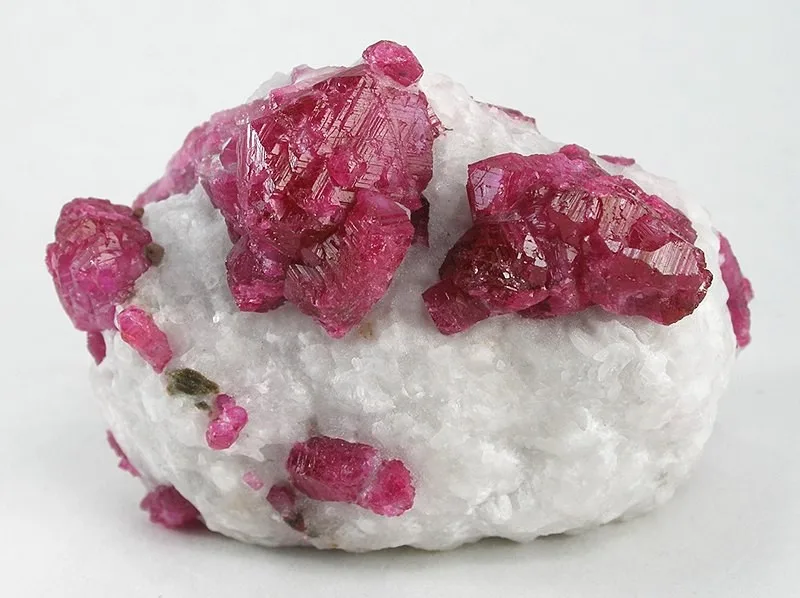
 Own the most similarNatural ruby crystal with mica on matrix, 58 gabout $65 on Amazon →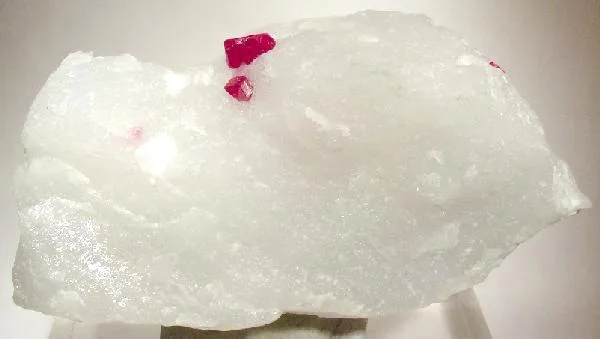
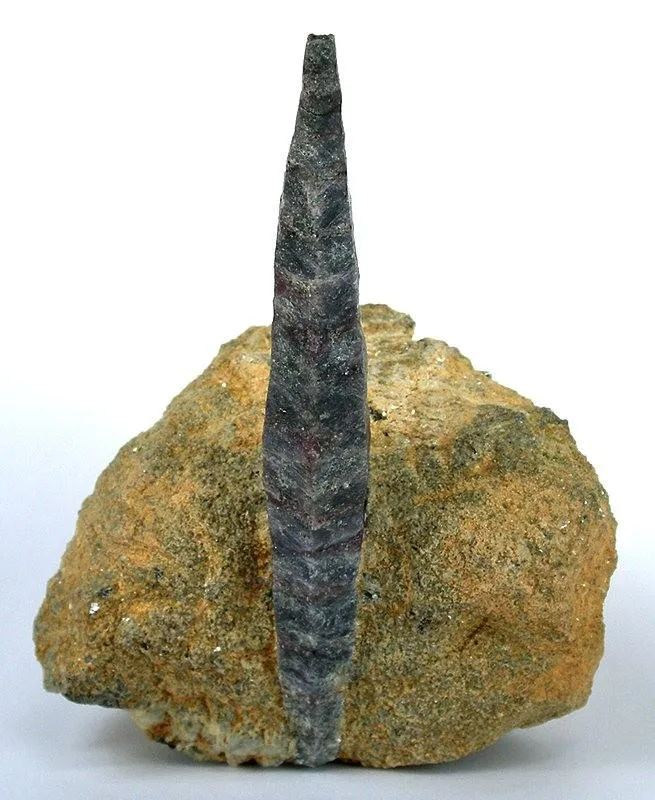
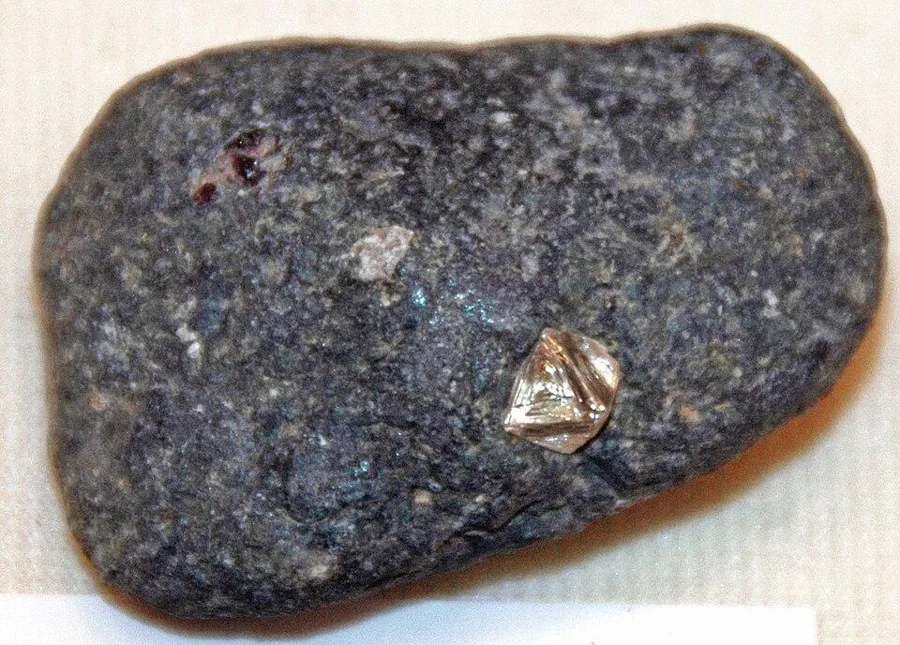
 Own the most similarNatural rough diamond, white-grey, 5.5 to 7 mmabout $130 on Amazon →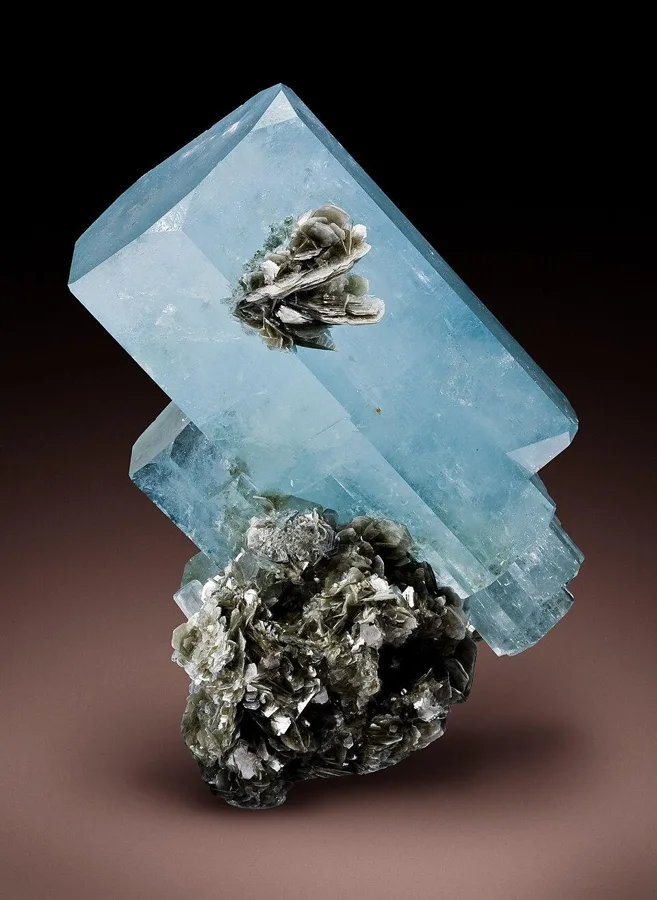
 Own the most similarStarborn natural beryl crystal, 10 to 15 ctabout $20 on Amazon →