In the starter kit
GemOro 10x triplet loupe
under $20
The one tool every jeweller carries. A triplet lens is sharp to the edges, so you can see inclusions, growth lines, facet doubling in moissanite and wear on facet edges.
See it on AmazonThe hobby
The tools jewellers and gem dealers actually use, and what each one is for. Start with the six-piece starter kit: a loupe to see inside a stone, a UV torch to make it glow, locking tweezers to hold it, a box to keep it safe, a scale to weigh it and a turntable to show it off. Everything else on this page is for when the hobby grows.
Six tools, about $100 together. Enough to check every stone on this site.
 LookGemOro 10x triplet loupeunder $20
 LookDARKBEAM filtered 365 nm UV flashlightabout $10
 HandleHonoson locking tweezers, 3 packabout $10
 StoreTeensery gem display boxes with clear lids, 10 packabout $9
 ShowComXim motorized turntable, adjustable speed and directionabout $15
 MeasureGemOro Platinum XP500 pocket scale, 0.01 gabout $40
Tools need something to look at. The cheapest real start is a mixed lot of natural cut gems from GemMartUSA, a long-running gem seller with about 1,900 ratings. Each lot is a random mix of cut and polished stones that can include garnet, amethyst, citrine, peridot, topaz, carnelian and green onyx. Expect small stones with visible , which is exactly what makes them good for learning: look inside them with the loupe, weigh them on the scale, shine the UV torch on them, and sort them into boxes. The blue topaz in these lots is treated, as almost all blue topaz is.
 Natural, mixed lot GemMartUSA mixed gemstones, 50 carats A handful of cut stones: enough to fill a 10-pack of gem boxes. about $22 on Amazon → Natural, mixed lot GemMartUSA mixed gemstones, 100 carats Twice the stones for not much more, so you can keep the best and practise on the rest. about $34 on Amazon →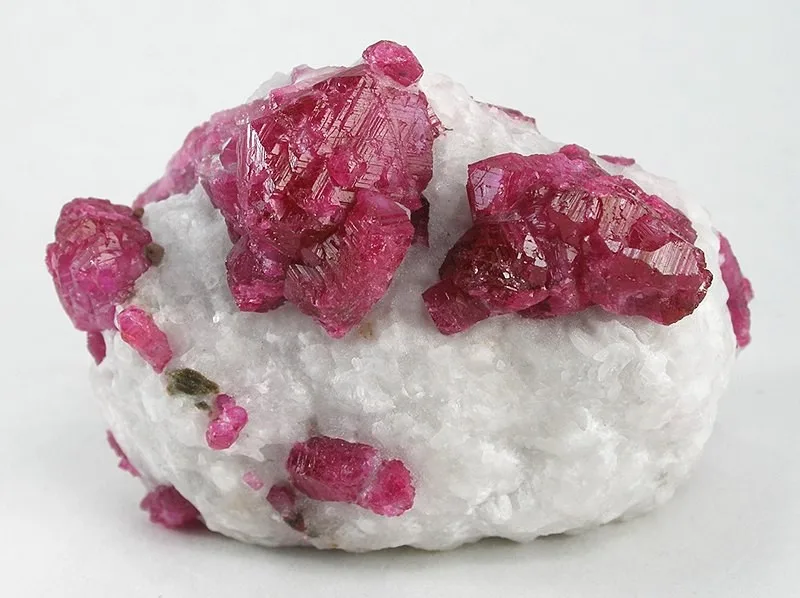
See inside a stone the way a jeweller does.
under $20
The one tool every jeweller carries. A triplet lens is sharp to the edges, so you can see inclusions, growth lines, facet doubling in moissanite and wear on facet edges.
See it on Amazonabout $70
A gem-grading torch with a daylight-balanced white beam and a separate UV beam. Shine it through a stone to judge colour and spot inclusions, or switch to UV to check .
See it on Amazonabout $10
The cheap version of the UV test: lab ruby glows strong red, many diamonds glow blue, and some glass and fillers glow differently from the stone around them.
See it on AmazonNever touch a loose stone with your fingers: skin oil dulls it and dropped stones vanish.
about $10
Locking tweezers hold a stone without you squeezing; one pair has a claw that grips round stones from three sides.
See it on Amazonunder $10
Fine, grooved tips with a slide lock, the style dealers use to turn a stone under the loupe.
See it on Amazonabout $10
Wipe stones and settings before you look at them. Fingerprints hide more than you think.
See it on AmazonLoose stones scratch each other and go missing. Give each one a home and a label.
about $9
The classic dealer’s gem box, 3 cm square: each stone sits on a soft cushion under a clear lid, so you can see it without opening the box. Write the stone and its weight on the lid and they stack neatly. The best first home for a new collection.
See it on Amazonunder $10
A single stone floats between two clear films, visible from both sides and safe from scratches.
See it on Amazonabout $40
A case for a growing collection: one stone per cell, room for a label.
See it on Amazonabout $20
Screw-top jars for rough, small stones and chips, sorted in a tray.
See it on Amazonabout $30
The folded papers dealers have used for centuries. Write the stone, weight and source on the outside.
See it on AmazonA cut stone comes alive when it moves under a light: every facet flashes in turn.
about $15
Set a stone in a display box or on a ring stand on top and it turns slowly under your lamp, the way jewellers show a diamond. USB-C powered.
See it on Amazonabout $13
Holds a sphere, an egg or a rough piece upright on a shelf.
See it on Amazonabout $25
Steps of clear acrylic lift the best pieces to eye level, so a flat table becomes a little shop window.
See it on Amazonabout $9
Tilts slabs, geodes and big cut stones toward the viewer.
See it on Amazonabout $13
Tiny clear cradles that hold a point or tumbled stone upright.
See it on Amazonabout $15
Lights a crystal or geode from below. Amethyst and quartz glow; opaque stones look better lit from above.
See it on AmazonEverything to set up a stall at a market or gem show and pack it away again in minutes, like a travelling merchant.
about $50
Folds in half like a suitcase. Six feet is the standard vendor table at fairs and gem shows.
See it on Amazonabout $55
A light second table that rolls up into a bag, for a corner display or your cash box.
See it on Amazonabout $16
A fitted black cover makes any table look professional and hides your boxes underneath. Black makes colour pop.
See it on Amazonabout $140
One-push shade for outdoor markets. Over 11,000 ratings.
See it on Amazonabout $20
Blocks low sun and wind on one side, and gives you a backdrop.
See it on Amazonabout $47
Your best stones go here: customers can see everything, nothing walks away.
See it on Amazonabout $160
A real jeweller’s counter case that sits on a folding table.
See it on Amazonabout $35
Fifty loose stones, each in its own lidded jar, in one case you can carry and open on the table.
See it on Amazonabout $60
Shallow glass-topped cases, the way museums show minerals. Stack them to travel.
See it on Amazonabout $20
A grid of small stones for kids and starter buyers.
See it on Amazonabout $10
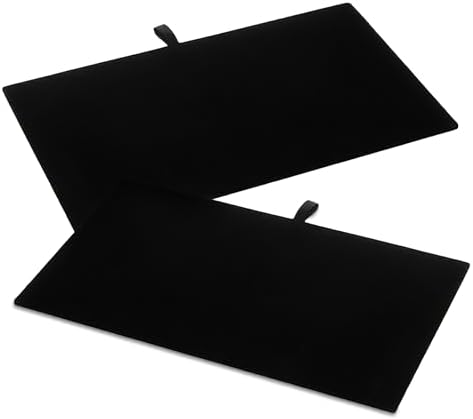
Lay chains and loose stones on velvet so nothing rolls and colour stands out.
See it on Amazonabout $16
Necklace busts show a pendant the way it hangs.
See it on Amazonabout $50
Opens into an earring display and closes into a case.
See it on Amazonabout $9
A loupe with a light for customers to look into stones themselves. Trust sells gems.
See it on Amazonabout $100
Rolls everything from the car to the table, and locks.
See it on AmazonWeight and size together tell you what a stone is made of.
about $40
Weighs to a hundredth of a gram, which is 0.05 carat. With calipers, feed both numbers into our weight checker to tell from glass.
See it on Amazonunder $10
Measure length, width and depth in millimetres, the other half of the weight test.
See it on AmazonThe next step up: real gemmology tools for the curious.
about $20
Through this filter, chromium-coloured stones like emerald and ruby turn red or pink, while many green glasses and dyed stones stay green.
See it on Amazonabout $20
Shows the two colours a doubly refractive stone like sapphire sends in different directions. Glass and garnet show one.
See it on Amazonabout $90
Measures how much a stone bends light, the single most useful number for identifying a gem. Needs a contact liquid and practice.
See it on Amazonabout $250
Tests heat and electrical conductivity, so it can tell diamond from moissanite, which a basic thermal tester cannot.
See it on AmazonGem dealers have always travelled: from the caravans that carried lapis out of Afghanistan to the tents at the Tucson gem show today. A good stall packs into one car and sets up in half an hour. Here is the order that works.
Check the rules where you sell: many markets need a vendor permit, and gem shows have their own booth rules.
A 10x loupe, locking tweezers, a UV flashlight, a few gem boxes and a pocket scale. Together they cost about as much as a good meal out, and they let you see, handle, store and check every stone you buy.
Skin oil leaves a film that dulls a stone and hides what you are trying to see, and small stones are easy to drop. Locking tweezers hold a stone steady while you turn it under the loupe.
Only if you buy diamonds or moissanite. A basic thermal tester cannot tell diamond from moissanite; you need one that also measures electrical conductivity, like the GemOro UltraTester.
Amazon links are affiliate links (tag thegemtray-20): buying through them costs you nothing extra and supports the site. As an Amazon Associate we earn from qualifying purchases. Checked in stock October 10, 2026; prices rounded.