Gem treatments explained
Most mined coloured gems are treated: heated, filled, oiled, irradiated or dyed to look better than they came out of the ground. That is normal and often harmless. What matters is which treatment, whether it lasts, and whether the price reflects it. A heated sapphire is a normal sapphire; a "ruby" that is mostly lead glass is not.
Part of the gem world, laid out.
Natural, treated, lab-grown, imitation
Every stone you will be sold falls into one of four groups. Natural untreated: mined and only cut. Natural treated: mined, then improved, which is most of them. Lab-grown: the same mineral grown in a furnace or press, usually not treated at all (see how lab gems are grown). Imitation (or simulant): a different material that only looks like the gem, such as glass or cubic zirconia. This page is about the second group.
The treatments, one table
| Treatment | What it does | Where you meet it | Permanent? | Care | How the trade sees it |
|---|---|---|---|---|---|
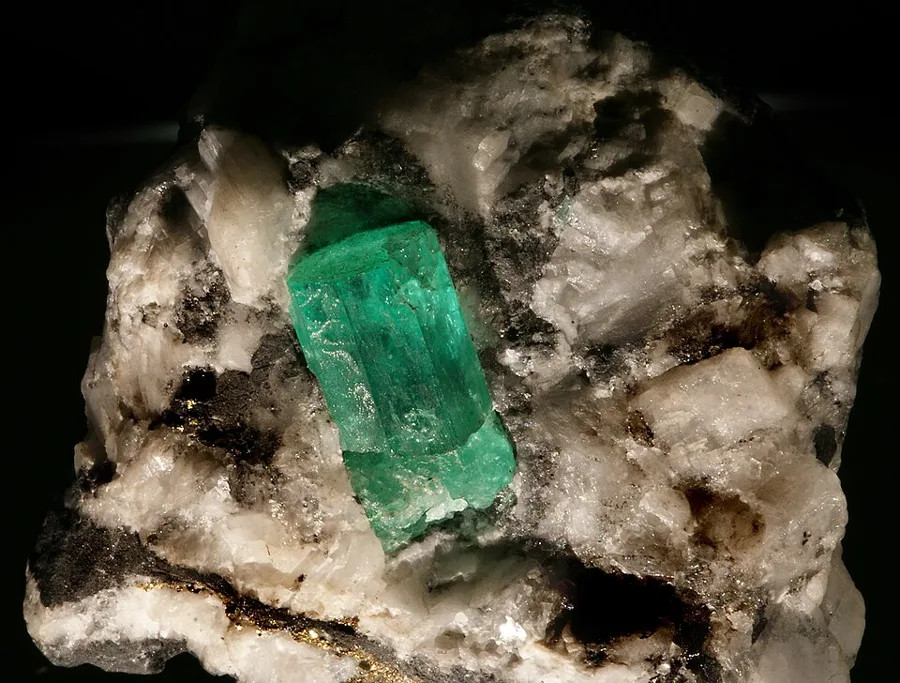
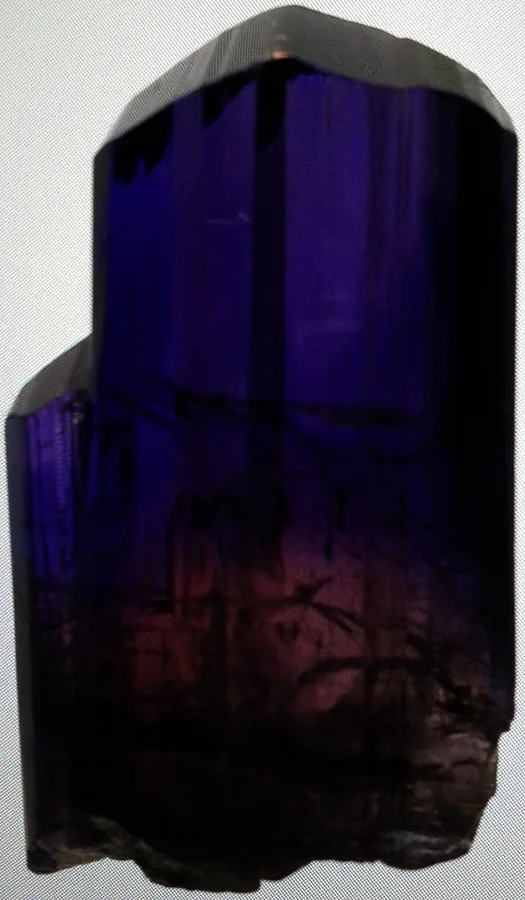
| Heating | Bakes the stone to improve or change colour and dissolve silk | Sapphire and ruby (most on the market), tanzanite (nearly all), aquamarine, citrine (heated amethyst), zircon | Yes | None | Standard and accepted; an unheated stone of good colour costs more |
| Glass filling (lead glass) | Fills fractures in low-grade ruby with lead glass so it looks clean | Cheap "ruby", often sold as natural | No | Acids (even lemon juice) and a jeweller's torch can damage it | Not accepted as a normal treatment; some are more glass than ruby |
| Oiling and resin | Fills surface-reaching cracks with oil or resin to hide them | Emerald (most), some ruby | No, oil can dry out | No ultrasonic or steam cleaning | Normal for emerald, but the amount matters |
| Diffusion | Drives colouring elements (titanium, beryllium) into the surface or through the stone at very high heat | Blue and orange sapphire, "padparadscha" colours | Surface diffusion: colour is skin-deep | Recutting can remove the colour | Must be disclosed; worth far less than natural colour |
| Irradiation | Changes colour by exposing the stone to radiation, often followed by heating | Blue topaz (nearly all), some coloured diamonds, some pearls | Usually | None | Standard for blue topaz |
| Dyeing | Soaks colour into a porous stone | Jade (C jade), "Swiss lapis" (dyed jasper), howlite sold as turquoise, chalcedony, pearls | No, may fade or rub off | Avoid solvents | Must be disclosed; dye collects in cracks |
| Coating | A thin film on the surface for colour or a rainbow effect | "Mystic" topaz, some tanzanite and diamonds | No, wears off | Avoid abrasion and harsh cleaners | Must be disclosed |
| Stabilising and impregnation | Fills a porous stone with resin or polymer to harden it and deepen colour | Turquoise (most), bleached and polymer-filled jade (B jade) | Mostly | Avoid heat and solvents | Common for turquoise; B jade is worth a fraction of untreated A jade |
| Laser drilling and fracture filling | Burns a tunnel to bleach a dark inclusion, or fills cracks with glass | Diamond | Drilling yes; filling no | Filled diamonds: no torch, care with cleaning | Must be disclosed; lowers value |
The one that fools Amazon buyers: glass-filled ruby
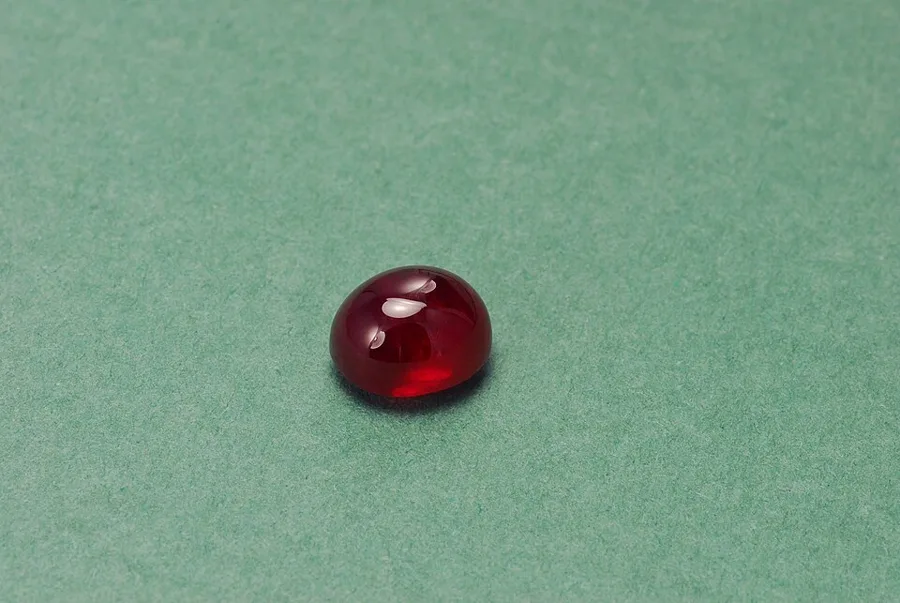
Low-grade, heavily cracked ruby is heated with lead-rich glass that flows into the fractures. The glass has nearly the same as ruby, so the cracks disappear and an opaque pebble looks like a clean red gem. GIA studied these stones in 2006 and found them easy to identify under a microscope, by the same signs as filled diamonds: a flash of colour along the cracks and trapped gas bubbles. In some the glass is a large share of the stone. Many of the "natural certified 30 carat ruby for $25" listings online are stones like these. The glass is soft and chemically weak: an acid as mild as lemon juice, or the heat of a jeweller's torch during a repair, can etch it and bring the cracks back. If you want a big red stone cheaply, a lab-grown ruby is real ruby all the way through and costs less.
What the seller has to tell you
In the US, the FTC Jewelry Guides (16 CFR 23.22) treat it as deceptive not to disclose a treatment that is not permanent, that creates special care requirements, or that significantly affects the value of the stone. In practice: heating of sapphire is often not mentioned because it is permanent and expected; glass filling, oiling, dyeing, coating and diffusion should always be. The Guides are guidance on what the FTC considers deceptive, and a listing that says "natural" with no treatment note on a cheap, perfect-looking stone is the thing to be wary of.
How to protect yourself
- Price is the first test. A large, clean, natural stone at a lab-stone price has been treated heavily or is not what it says.
- Ask, and get it in writing. "Is this stone treated, and how?" A reputable seller answers.
- For anything expensive, get a lab report from GIA, AGL, SSEF or Gubelin that lists treatments. A seller's own "certificate" is not one.
- Home checks catch the crude ones: an acetone swab for dye, a loupe for bubbles and flash, and the home tests for lab stones.
Keep going
Frequently Asked Questions
Is a treated gem fake?
No. A heated sapphire is still natural sapphire; treatment changes how it looks, not what it is. What makes it a problem is not being told. US guidance says a treatment must be disclosed when it is not permanent, needs special care, or significantly affects value.
Is lab-grown a treatment?
No. A lab-grown gem is the mineral itself, grown rather than mined, and it is usually not treated at all. A treatment is something done to a natural stone after it came out of the ground.
How can I tell if my ruby is glass-filled?
Under a 10x loupe, look for flattened gas bubbles in the cracks and a blue or orange flash when you tilt the stone. Glass-filled rubies are also often sold as huge, cheap "natural" stones, which is a warning on its own.
Should I avoid treated stones?
Not necessarily. Heated sapphire and irradiated blue topaz are stable and normal. Pay the price of a treated stone, know how to care for it, and avoid treatments that are unstable or hide the fact that most of the stone is glass.
Sources
- McClure, Smith, Wang and Hall, "Identification and durability of lead glass-filled rubies", Gems & Gemology, Summer 2006: gia.edu
- GIA, gemstone analysis and treatment testing FAQ: my.gia.edu
- FTC, Guides for the Jewelry, Precious Metals and Pewter Industries, 16 CFR Part 23 (as reproduced in Gems & Gemology, 2004): gia.edu
- GemGuide, gemstone treatments: gemguide.com