Which gems can be lab-grown?
Only a handful of gems are grown commercially: ruby and sapphire, diamond, emerald, spinel, alexandrite, opal, quartz, plus moissanite and cubic zirconia, which are lab materials in their own right. Garnet, topaz, tourmaline, peridot and tanzanite are not grown. So when a listing says "lab tanzanite" or "lab topaz", it is a different material in that colour, usually cubic zirconia, glass or spinel. Knowing the list is the fastest way to read a gem listing honestly.
Part of the gem world, laid out.
Gems that really are grown in labs
| Gem | Mineral | How it is grown | Cost of the lab version | What you usually get |
|---|---|---|---|---|
| Ruby and sapphire | Flame fusion (1902), Czochralski, flux, hydrothermal | Very cheap (flame fusion) to moderate (flux) | Usually real lab corundum. Check the listing says corundum. | |
| Diamond | Carbon | HPHT press (first in 1954), CVD gas growth | Moderate, and falling | Real lab diamond when it comes with an IGI or GIA report. |
| Emerald | Flux (from the 1930s), hydrothermal (from the 1960s) | Expensive for a lab gem: tens of dollars a carat | Often glass or "nano" glass-ceramic when cheap. Real lab emerald is never a few dollars for a big stone. | |
| Spinel | Spinel | Flame fusion, since the early 1900s | Very cheap | Real, and widely used to imitate other gems: "aquamarine colour", blue zircon, birthstone stones. |
| Alexandrite | Chrysoberyl | Flux and Czochralski, since the 1970s | Expensive: often $50 or more a carat | Cheap "lab alexandrite" is usually colour-change corundum or spinel, not chrysoberyl. |
| Opal | Silica | Gilson (1974) and others; many contain a little resin | Cheap to moderate | Lab opal, or "opal" made of resin or glass. Look for "Gilson" or "Kyocera". |
| Amethyst, citrine, rock crystal | Quartz | Hydrothermal; grown industrially for electronics since the mid-1900s | Very cheap | Lab quartz is so cheap and so close to natural that much "natural" amethyst cannot be told apart without a lab. |
| Moissanite | Seeded sublimation; gem moissanite since 1998 | Cheap | Always lab-made: natural moissanite is far too rare and tiny to sell. | |
| Cubic zirconia | Zirconium oxide | Skull melting, since the 1970s | Almost free | Always lab-made, and the most common diamond imitation. |
How each method works, from flame fusion to CVD diamond, is on how lab gems are grown, with photos of real lab rough straight out of the furnace.
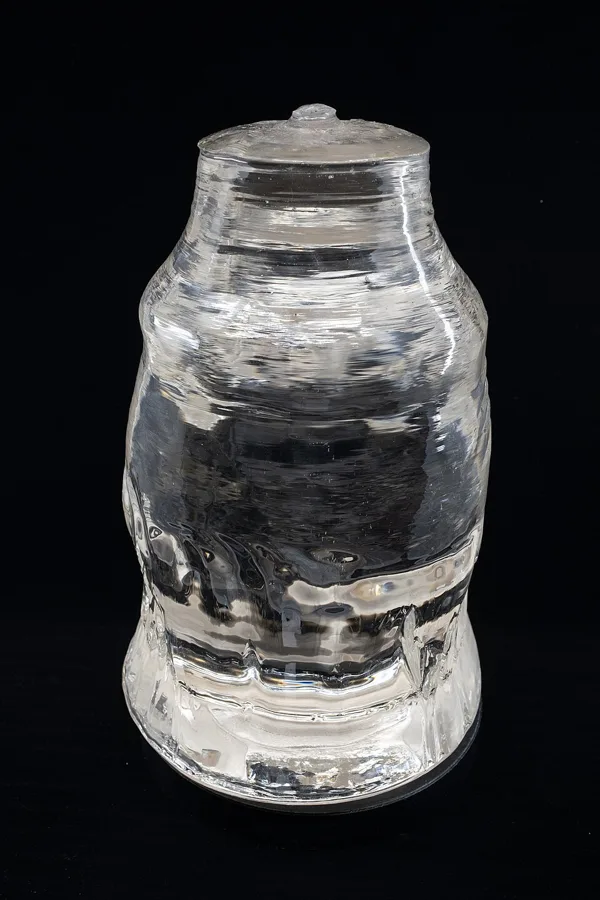
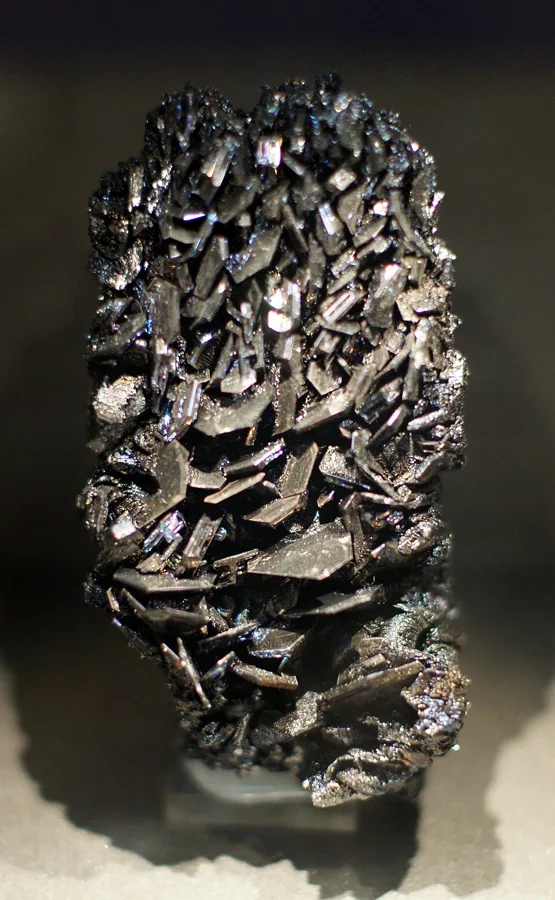
Gems that are not grown, and what a "lab" one really is
- Garnet. CZ or glass in garnet colours. (YAG and GGG are lab "garnets" by structure, but not the garnet sold as a gem.)
- Topaz. Glass or CZ. Blue topaz itself is natural topaz that was irradiated.
- Tourmaline and Paraiba. Glass, CZ, YAG or "nano" glass-ceramic.
- Peridot. Glass or CZ.
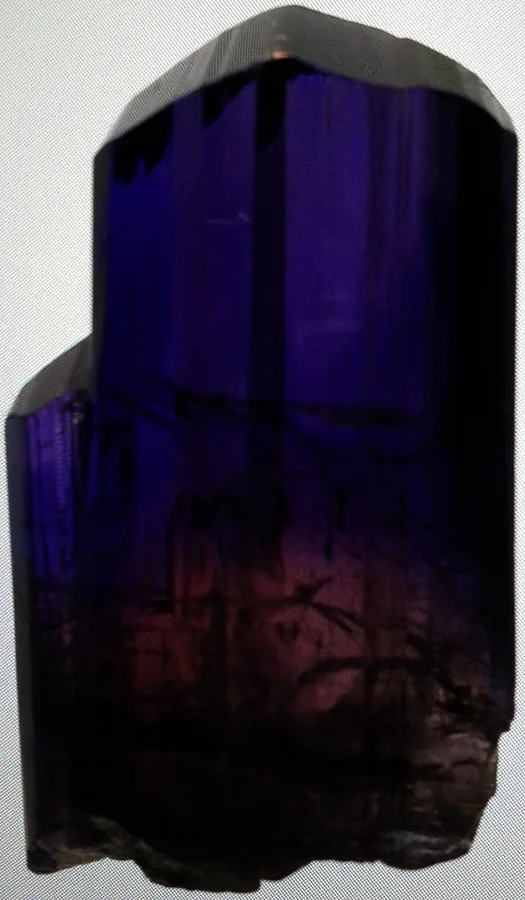
- Tanzanite. CZ, glass, YAG or synthetic forsterite in a violet-blue colour.
- Aquamarine and morganite. Lab beryl in these colours exists but is rare. A cheap "lab aquamarine" is almost always spinel or glass, and "lab morganite" is pink CZ or glass.
- Jade. Not grown commercially. Imitations are dyed quartzite, serpentine or glass.
- Lapis lazuli and turquoise. Mostly imitations: dyed jasper or howlite, and resin-bonded powder. Gilson made both in the 1970s, but you will rarely meet them.
- Pearls. Not lab-grown: cultured pearls grow in a living oyster or mussel around a bead or tissue a person inserted. Imitation pearls are coated glass or shell.
None of these is a scam if it is sold honestly: a CZ in tanzanite colour is a perfectly good violet stone. The problem is the word. Under US rules, "lab-created tanzanite" should mean real zoisite grown in a lab, and nobody makes that. Look for "simulated", "imitation" or the real material named in the listing.
Why some lab gems cost cents and others cost dollars
It comes down to how the crystal has to grow. Corundum and spinel melt cleanly, so a flame can build a crystal in hours, and a factory can run hundreds of furnaces at once. Emerald breaks down before it melts, so it must crystallise slowly from a molten flux or hot water under pressure, over weeks or months. Diamond needs a press or a reactor. That is why a 30 carat lab ruby can cost about $35 while a 2 carat lab emerald costs more, and why a cheap, giant "lab emerald" is glass. Our checked list of lab gems worth buying shows real prices for each.
Keep going
Frequently Asked Questions
What is the difference between lab-grown and simulated?
Lab-grown means the same mineral as the mined gem: lab ruby is corundum, lab diamond is carbon. Simulated (or imitation) means a different material that only looks like the gem: CZ for diamond, spinel or glass for aquamarine. Only lab-grown can legally be called by the gem name with "lab-grown" or "created" in front.
Is there such a thing as a lab-grown garnet or topaz?
Not in the jewellery market. Neither is grown commercially as a gem, so a "lab garnet" or "lab topaz" is cubic zirconia, glass or another lab material in that colour.
Why are some lab gems so much more expensive than others?
The growth method. Ruby, sapphire and spinel grow by flame fusion in hours, so they cost cents a carat. Emerald and alexandrite need slow flux or crystal-pulling methods over weeks or months in platinum , so they cost tens of dollars a carat.
Sources
- GIA, "Synthetic gems" and lab-grown diamond background: gia.edu gem encyclopedia
- Nassau, K., Gems Made by Man (Gemological Institute of America, 1980), the standard history of gem synthesis.
- FTC Jewelry Guides, 16 CFR 23.25, on "laboratory-created" and "imitation": gia.edu