


Our first pick
Instagem lab-created emerald, emerald cut, 8 x 6 mm, 1.04 to 2.11 ct
about $75
Real lab beryl from a long-running lab-gem seller, priced like the real thing.
See it on Amazon· Be₃Al₂Si₆O₁₈ · 7.5 to 8
Emerald is green beryl, coloured by chromium or vanadium. Almost every mined emerald is cracked and included, and most are oiled to hide it. Lab emerald is real beryl too, but it cannot be grown in a flame: it crystallises slowly from flux or hot water over weeks or months, so it costs tens of dollars a carat. A big, cheap "lab emerald" is glass.
The same stone at four moments. Tap a photo of a listing to see it on Amazon.
01 In the ground (step 1 of 4)
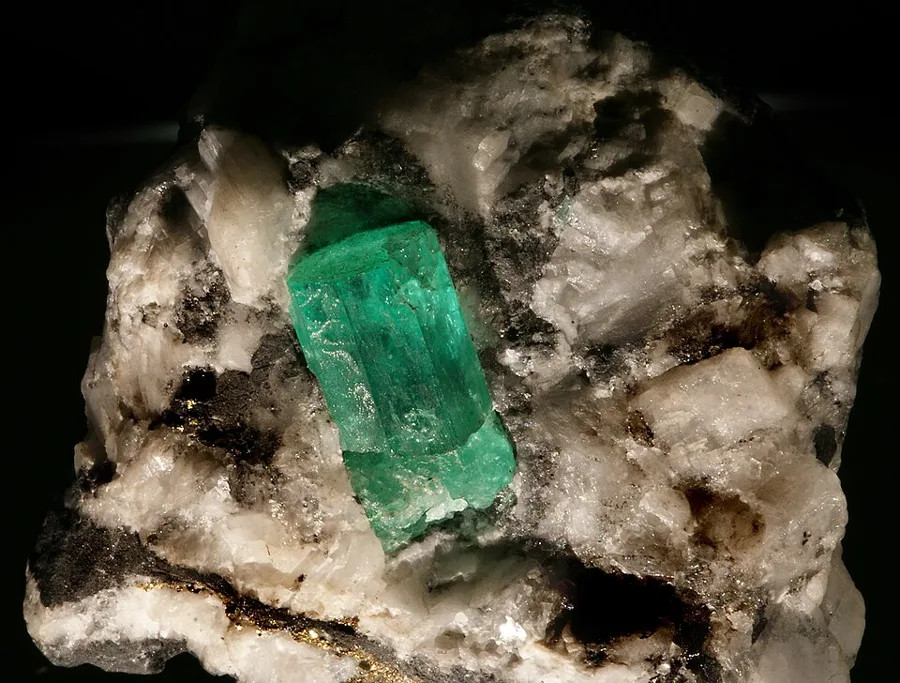
A natural emerald crystal in its host rock, Muzo mine, Colombia: the benchmark for emerald colour.
Real specimen. Photo: Didier Descouens, CC BY-SA 3.0.
02 Out of the lab (step 2 of 4)
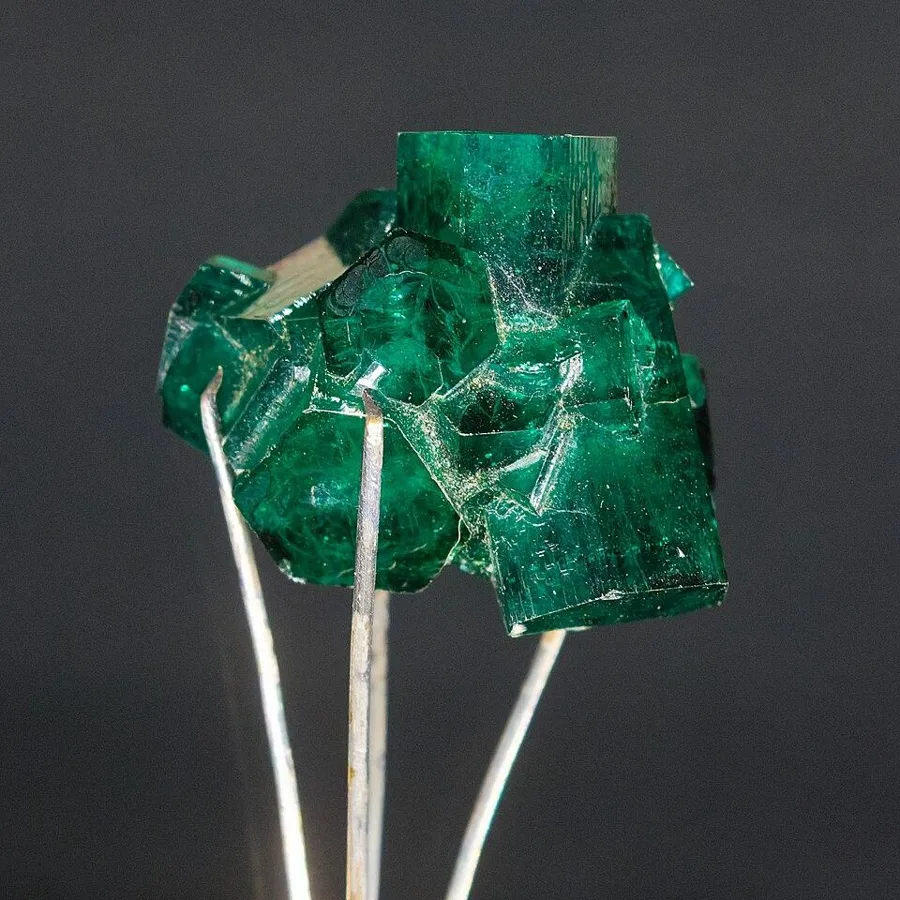
Real lab emerald, straight out of the : flux-grown crystals still hanging on the wires they grew on. Hydrothermal lab emerald comes out as flat slabs grown on instead. Real lab emerald rough is not sold cheaply; the 300 ct "lab emerald rough" for $20 listings are glass.
Real specimen. Photo: Marie-Lan Taÿ Pamart, CC BY 4.0.
03 Cut (step 3 of 4)

A lab-created emerald, emerald cut, 8 x 6 mm (about 1 to 2 ct).
Amazon listing photo. See it on Amazon
04 Set (step 4 of 4)

A created emerald in a Celtic sterling silver ring.
Amazon listing photo. See it on Amazon
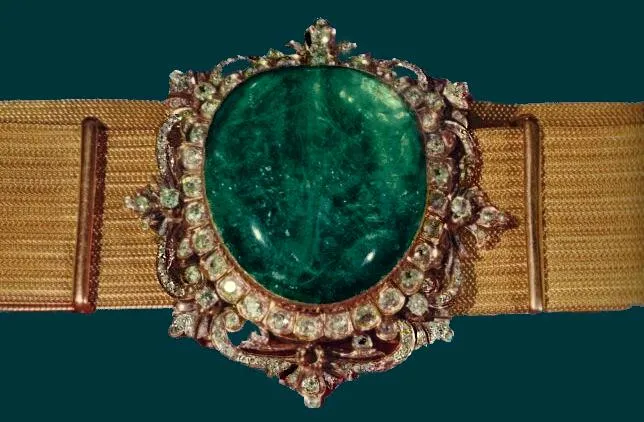
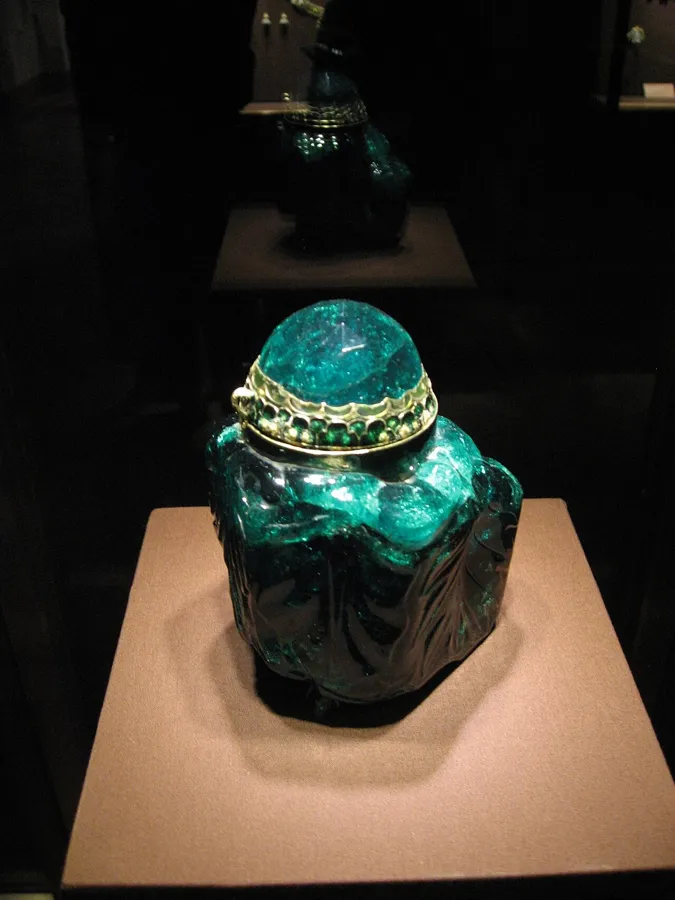
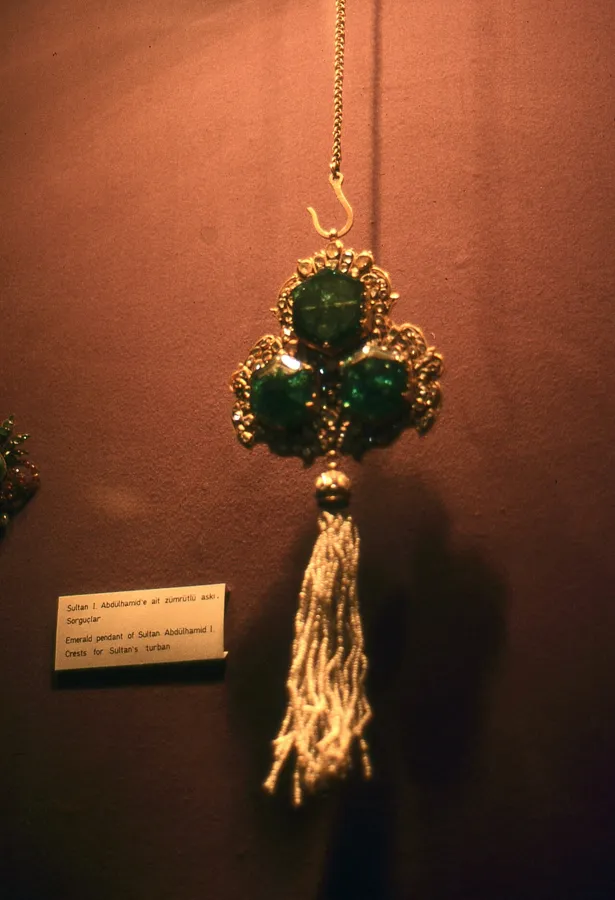
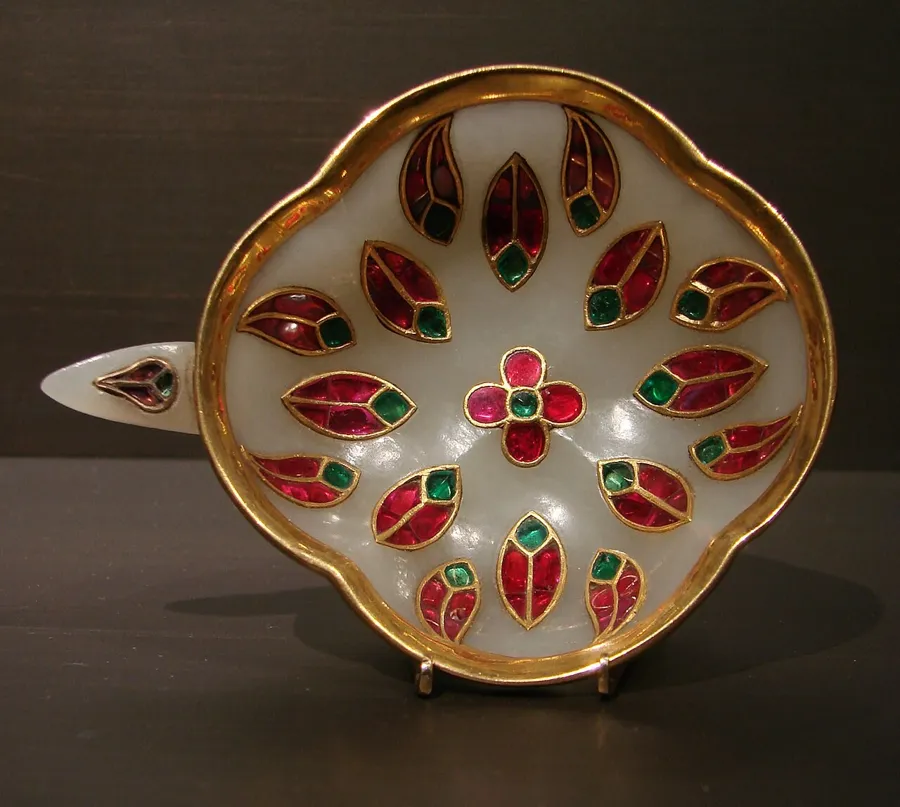
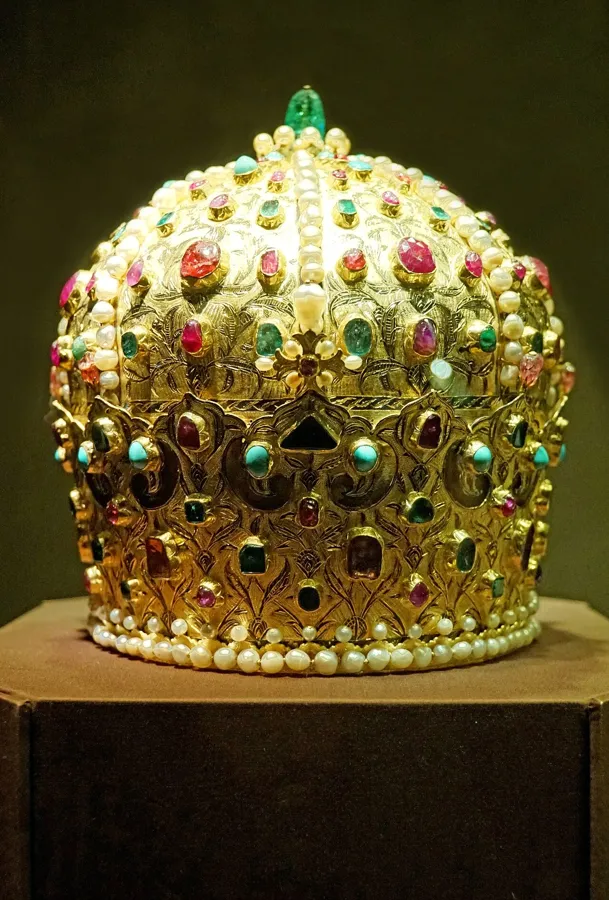
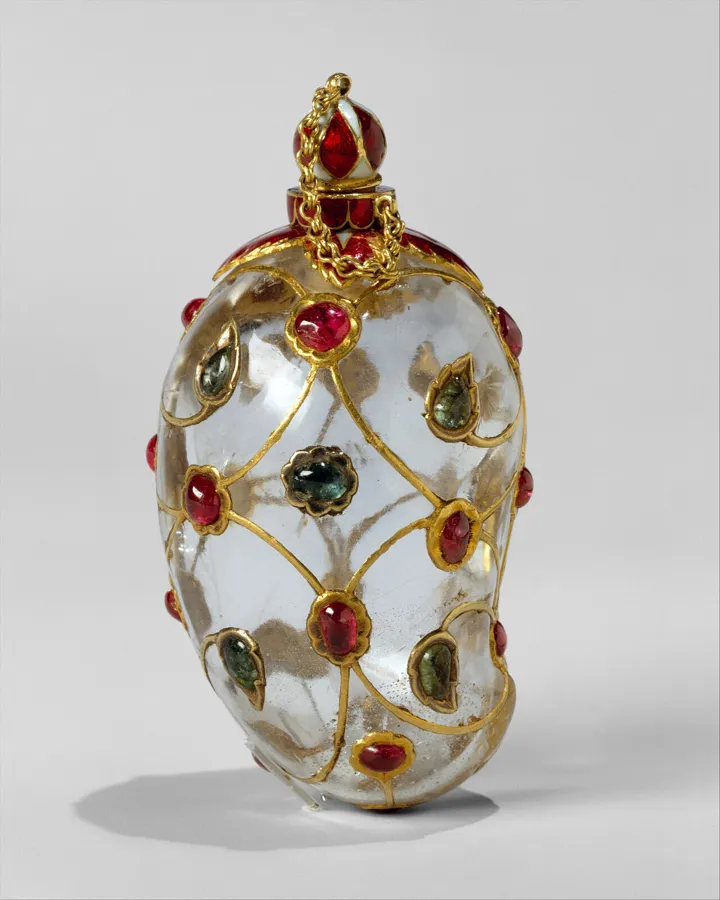
What the finest natural stones look like: real pieces in public collections. The whole gem museum.
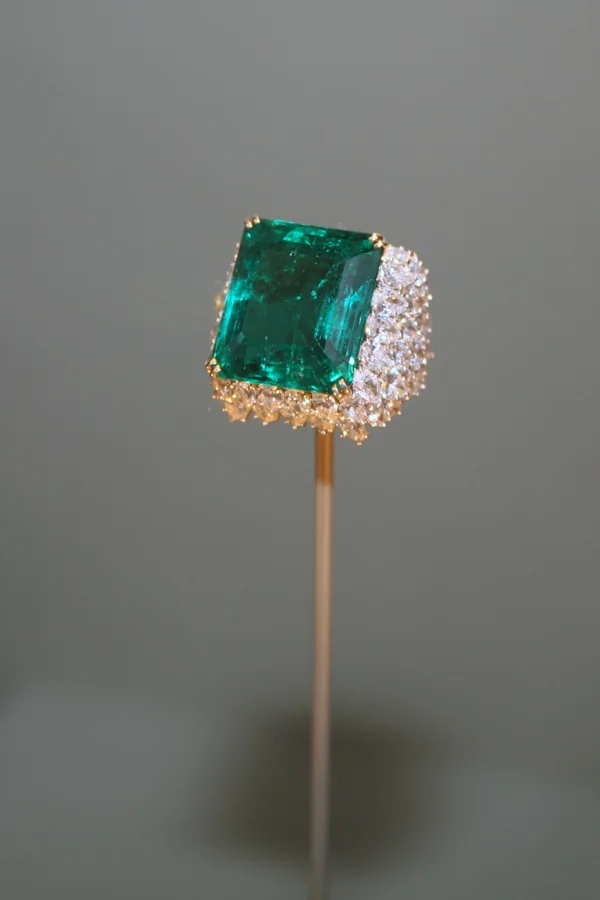
Own a lab version
The same emerald cut in real lab-grown beryl. Fine natural Colombian emerald of this size is sold by specialist dealers with lab reports, not on Amazon.
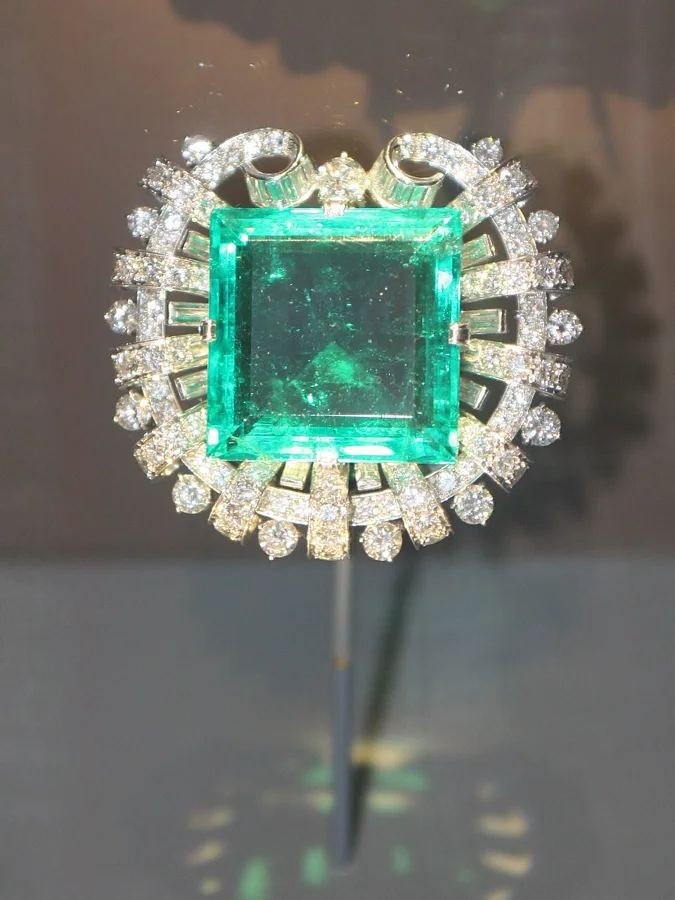
Own a lab version
The square-cornered emerald cut in lab-grown beryl.
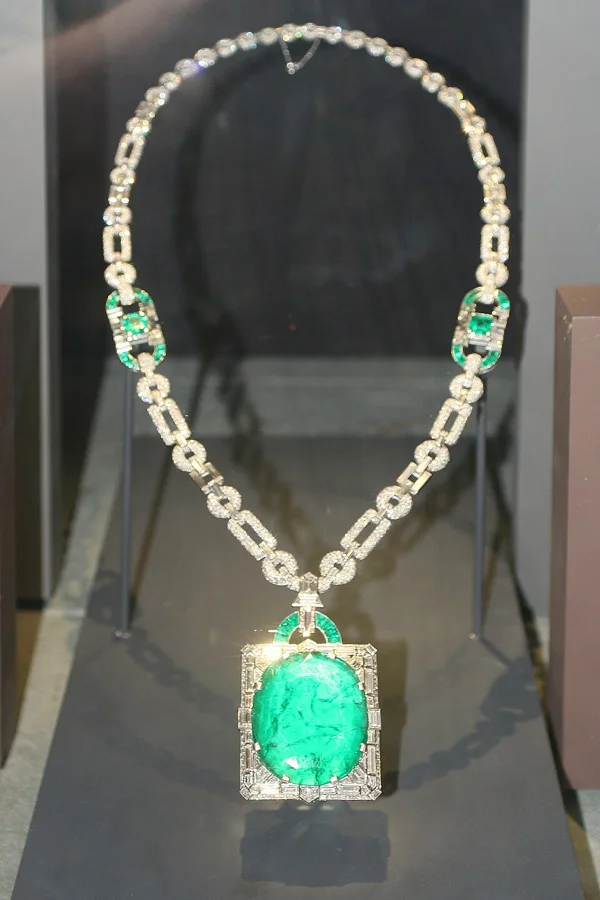
Own a lab version
The largest lab emerald in this cut we found on Amazon; the Mackay is more than ten times bigger.
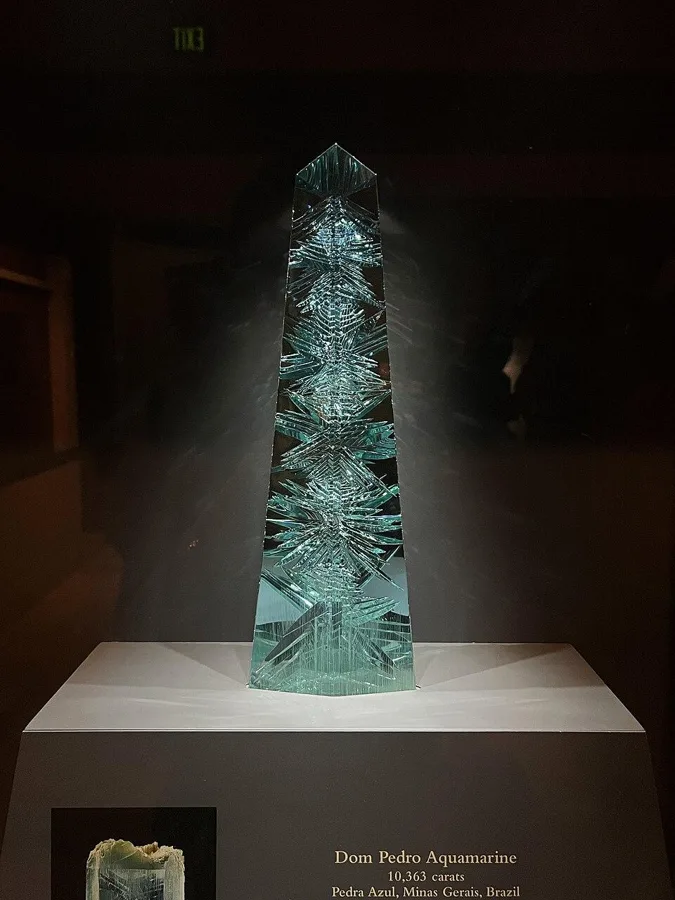
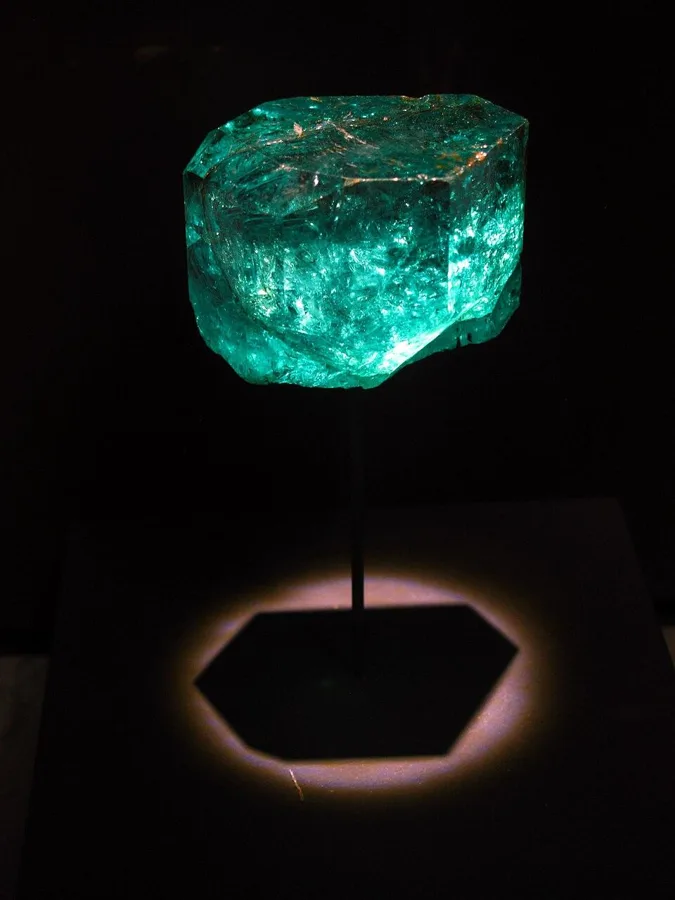
Own a lab version
Real lab-grown emerald, the same green beryl, at the biggest size we could find.
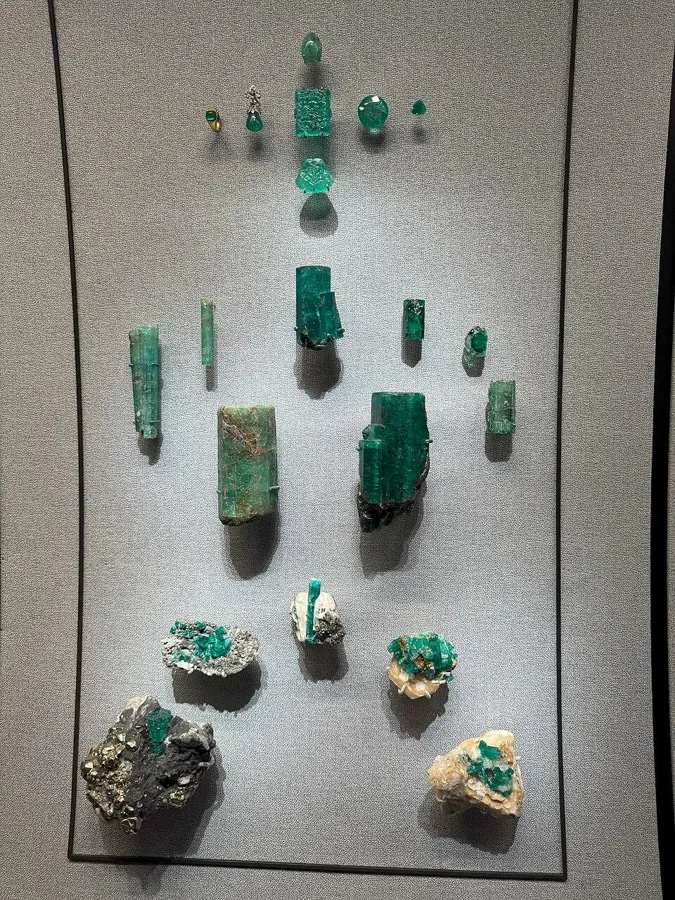
Own a lab version
Lab emerald grows as the same six-sided beryl.
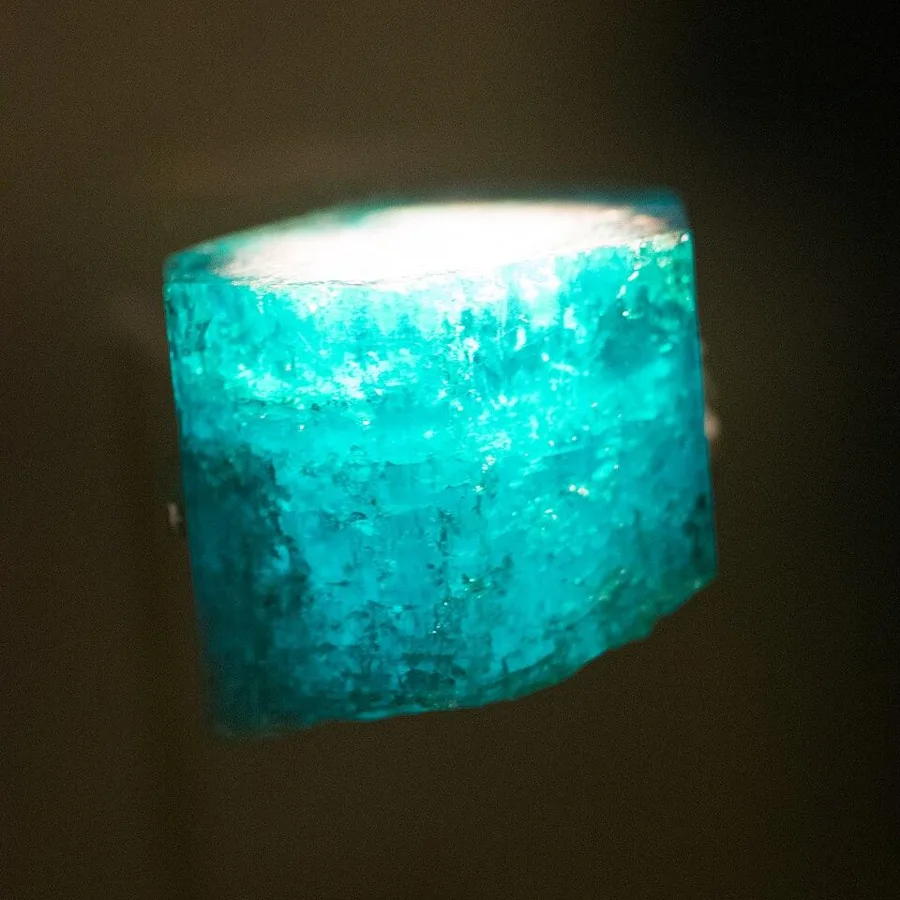
Own a lab version
A lab emerald big enough to see the colour properly.
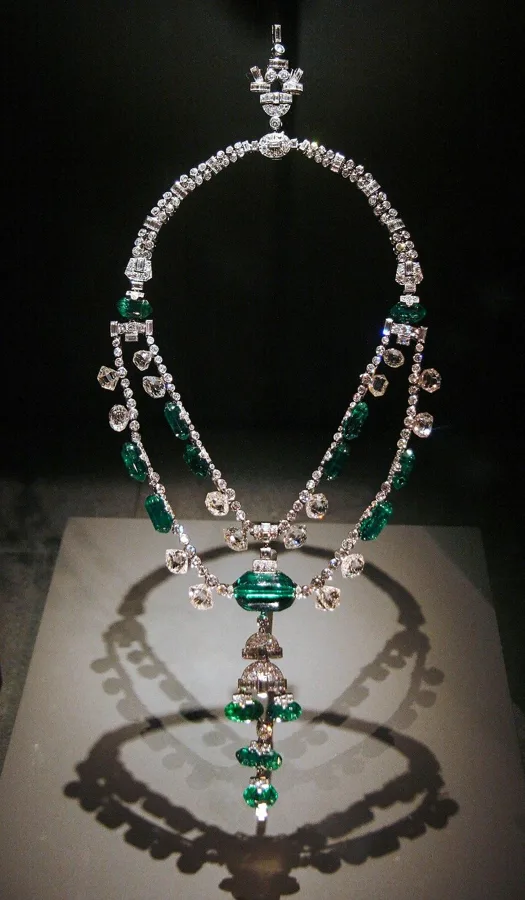
Own a lab version
Emerald and white stones on a necklace, lab-grown.
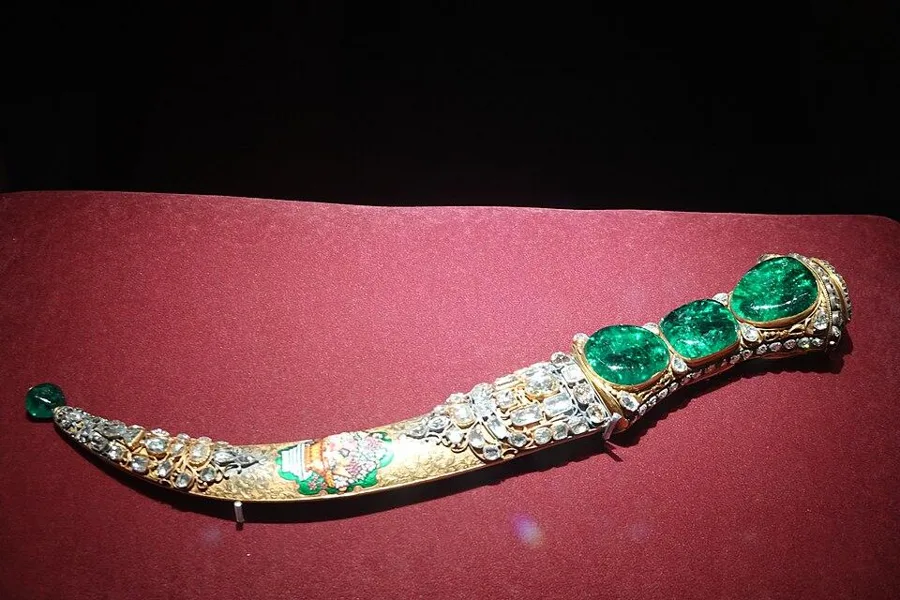
Own a lab version
Smooth domed emerald, the way the dagger’s stones are cut.
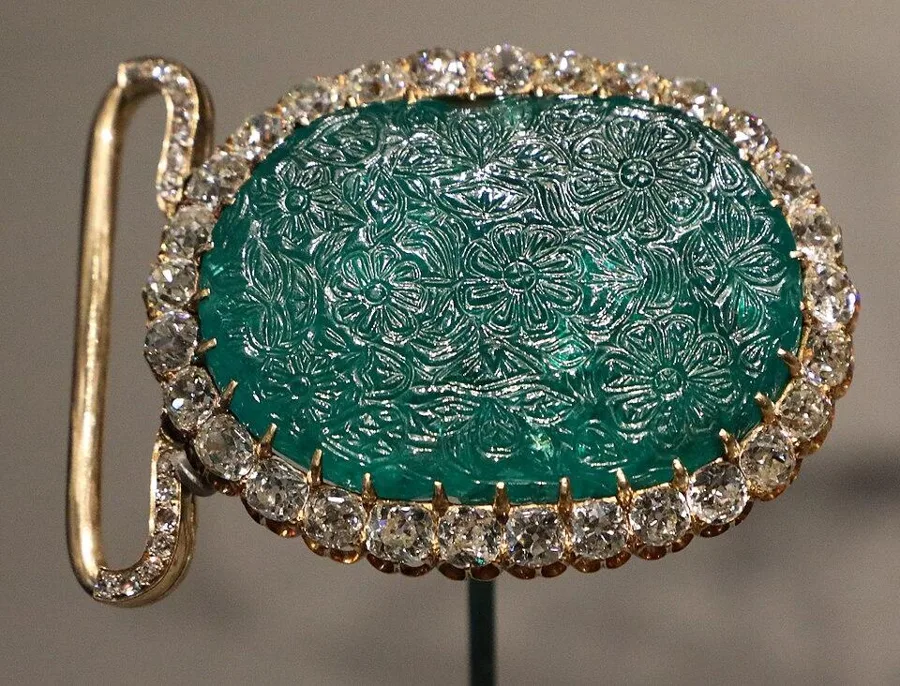
Own a lab version
Lab emerald , ready to carve or set.
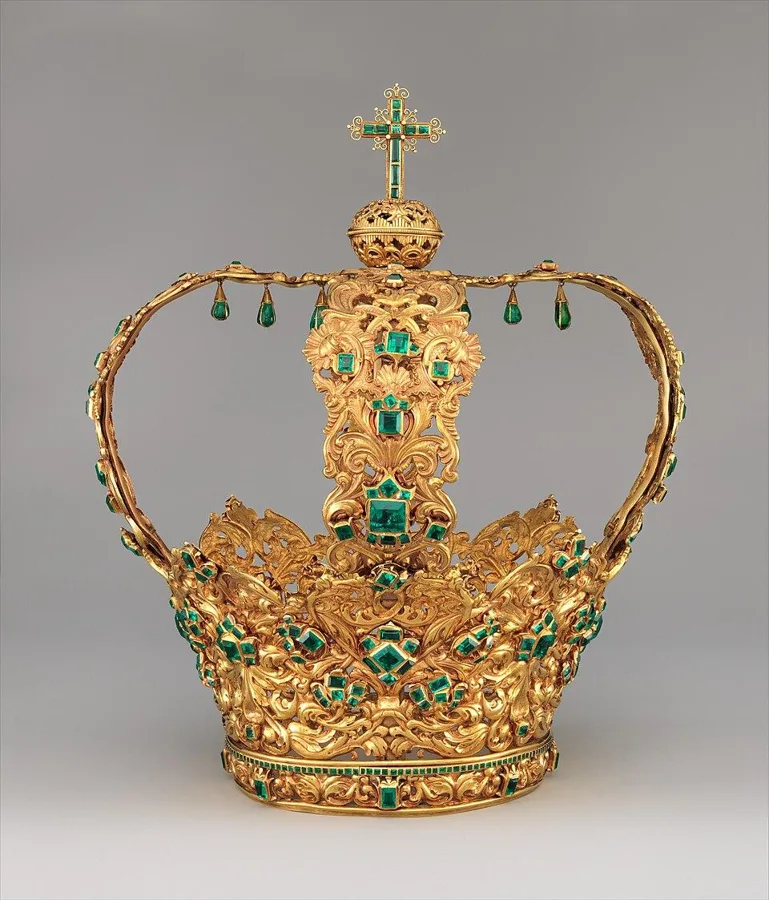
Own a lab version
A lab emerald pendant, a long way down in price.
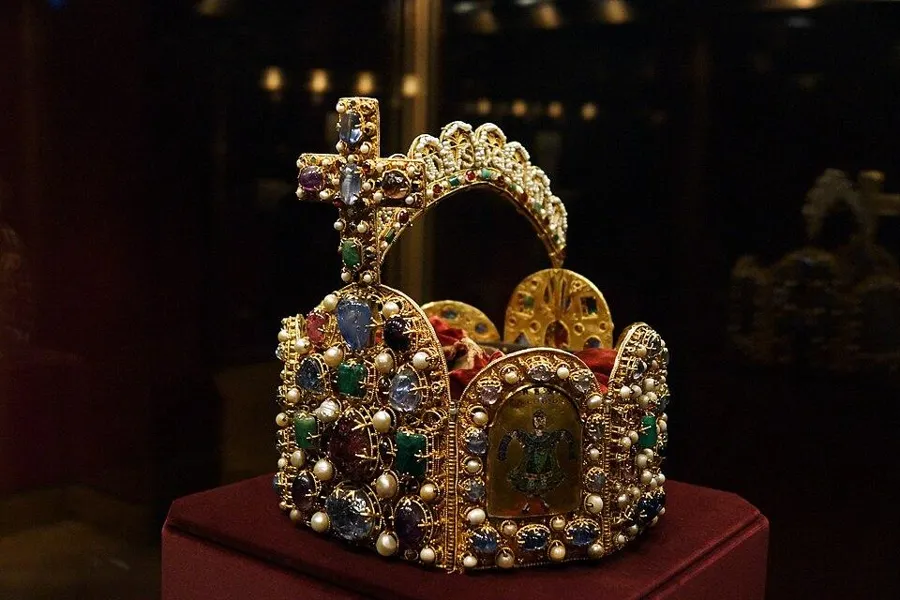
Own a lab version
A lab sapphire of the same blue, set and ready to wear or keep loose.
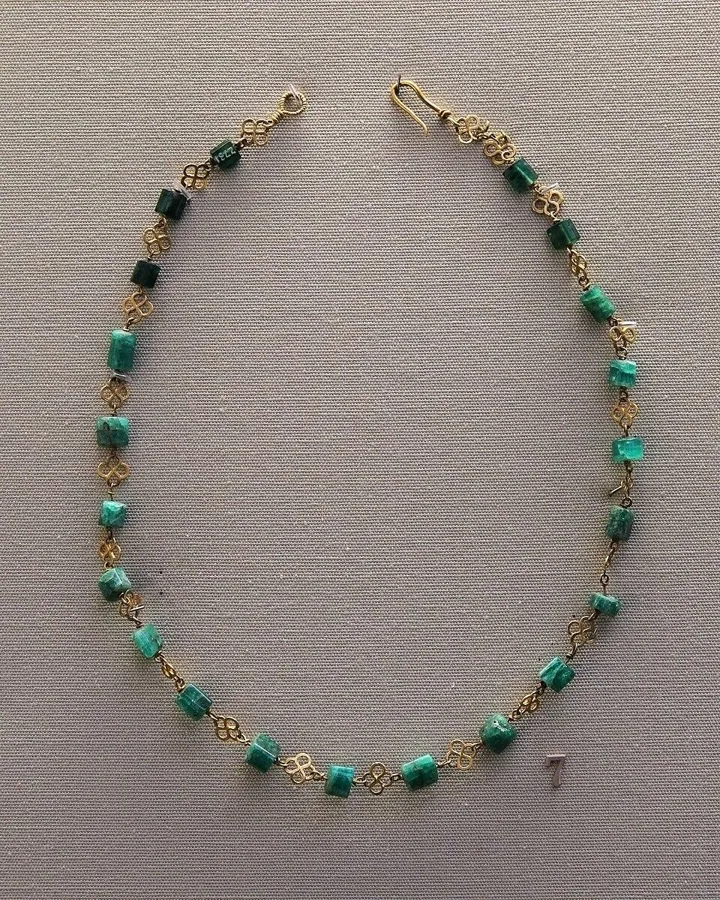
Own a lab version
Smooth lab emerald cabochons in the same green, a few dollars each.
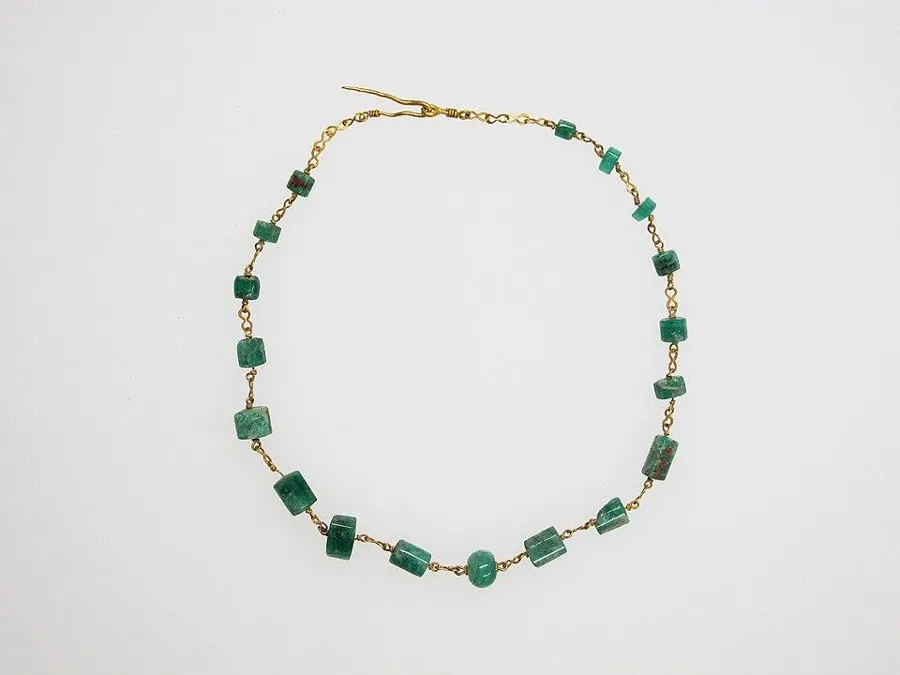
Own a lab version
A big lab emerald in the same green, about the size of the biggest Roman beads.
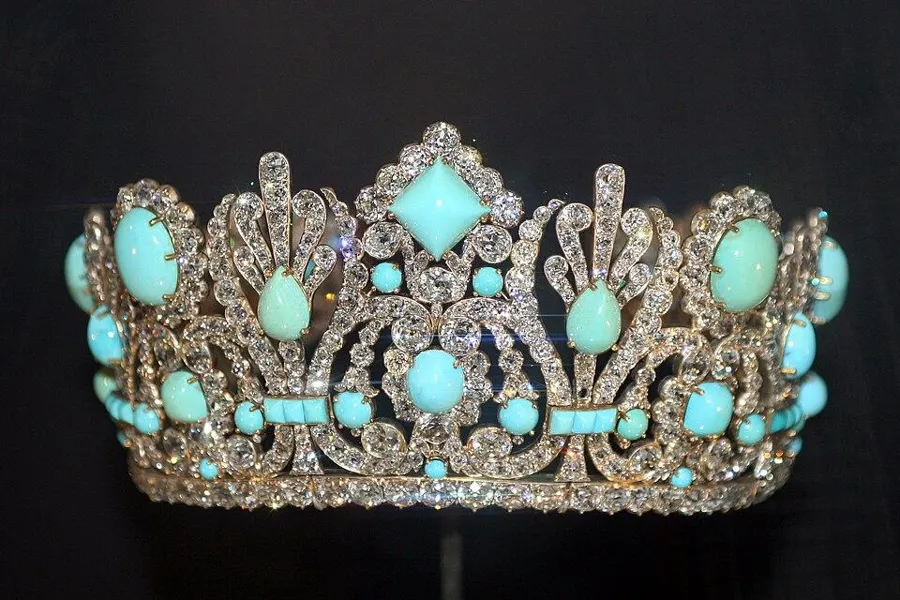
Own a lab version, or a natural one
 Lab-grownLab emerald, emerald cut, 18 x 13 mm, 11 to 15 ctabout $1,070on Amazon →
 NaturalSleeping Beauty turquoise studs, sterling silverabout $30on Amazon →
Own both sides of its story: a big lab emerald like the stones it began with, and real turquoise like the stones it wears now.
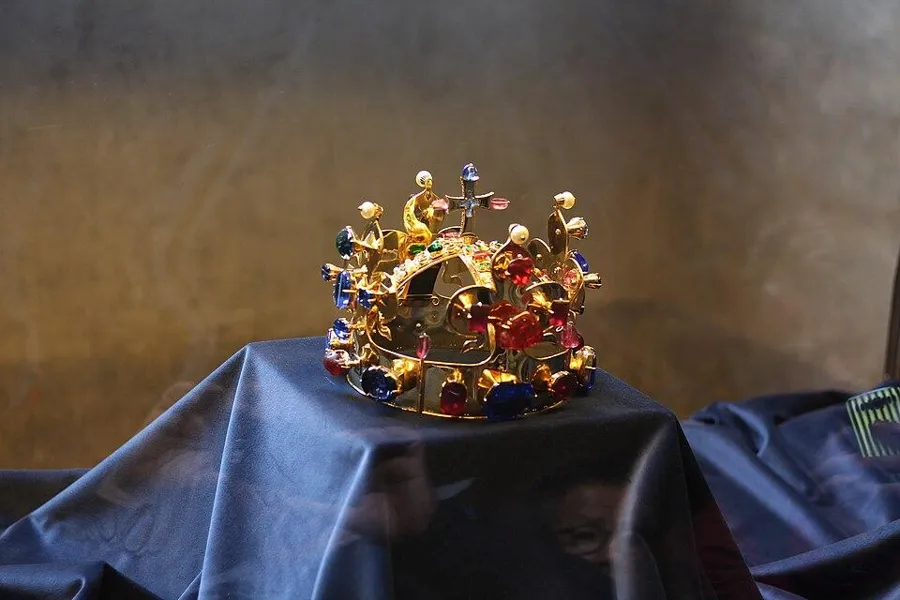
Own a lab version
A lab sapphire in the same deep blue.
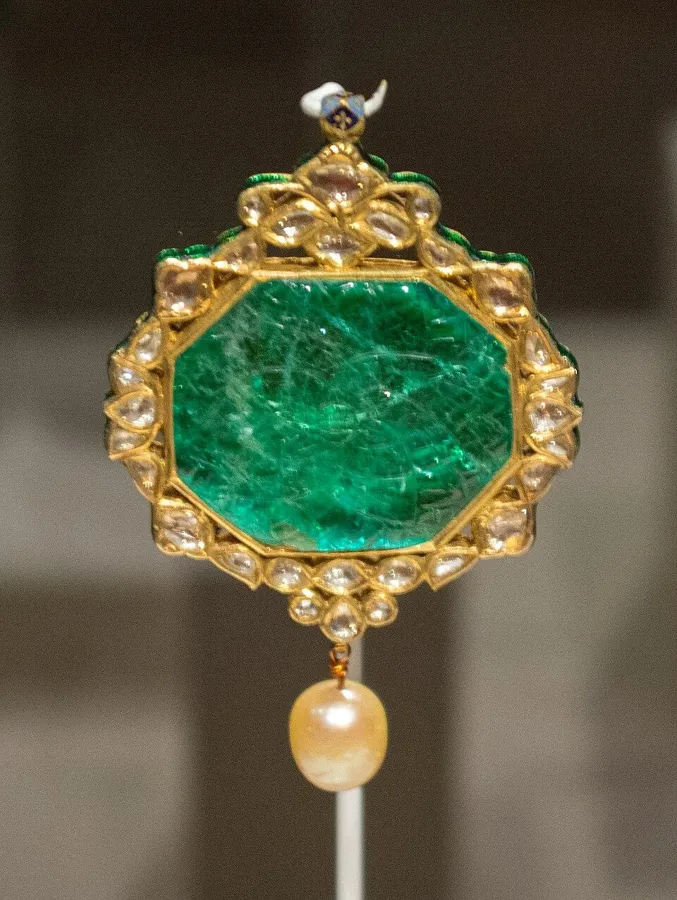
Own a lab version
A big lab emerald in the same green.
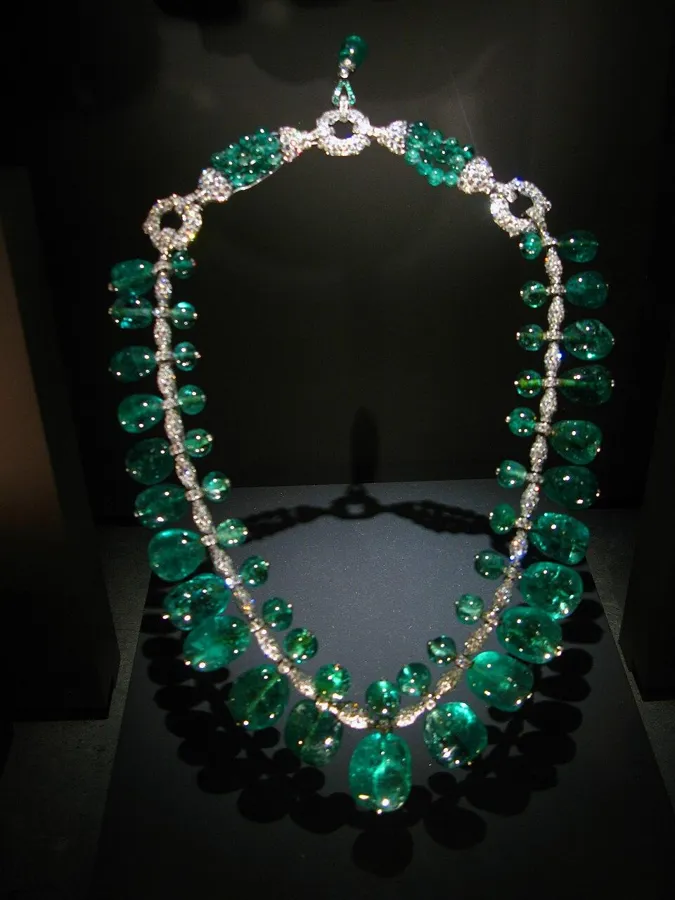
Own a lab version
A lab emerald halo necklace to own the look.
Own a lab version
A big lab emerald, cut the same way.
Lab emerald is grown two main ways, and each one leaves a different look inside the stone. Neither is a quality grade.
Hydrothermal emerald grows in hot, high-pressure water inside a sealed steel vessel, usually on a thin seed plate of beryl. It grows layer by layer over weeks, and it can come out remarkably clean and transparent.
That clarity is its strength and its tell. A big emerald with perfectly even colour and almost nothing inside does not look like the emeralds most people have seen, because mined emerald almost never looks like that. If you want a clear, saturated green centre stone, that is exactly what you are paying for.
Under a loupe a gemmologist may find the seed plate, colour zoning, (zigzag) growth lines, or tiny tubes with a crystal at one end, called nail-head . Biron and Tairus are well-known hydrothermal growers.
Flux emerald grows from the ingredients dissolved in a molten chemical bath inside a platinum crucible, cooled very slowly over months. As the crystal grows it traps wisps of the flux.
Those wispy veils and fingerprint-like trails are lab , but they give the stone the soft inner texture people expect from a mined emerald, the or garden. That is why some buyers, and many jewellers, prefer flux emerald when they want a stone that looks natural rather than perfect. Chatham and Gilson are the classic flux names.
A beautiful hydrothermal emerald can look better than a dull flux one, and the other way round. Judge the colour, how clear it is and how much character you want, with the stone in front of you or on video. If a seller charges more because a stone is flux or hydrothermal, ask what the extra money changes to your eye. Do not pay for factory words.
Most mined emeralds have cracks that reach the surface, and nearly all are oiled or filled with resin to hide them. A clean lab emerald avoids most of that crack weakness and needs no oil. It is still beryl, though: 7.5 to 8 on the hardness scale and brittle, so a bezel or protective setting is still the smart choice for a ring.
The bigger the stone, the bigger the gap. A large, clean, saturated mined emerald is one of the most expensive coloured gems there is; the lab version of the same size and colour costs a small fraction of that. For a small accent stone the saving is smaller, and a mined stone may be worth it to you.
What a lab stone does not give you: a place of origin, natural inclusions, rarity, or resale value. Buy it for the ring you want to wear now, not as something that will gain value.
For an inexpensive lab emerald you do not need a laboratory report. A report earns its fee when the identity changes the price: proving a pricey stone is natural, or that it is lab-grown and not glass or a doublet.
A report cannot tell you whether an emerald looks too perfect to you, or whether you like its garden. Only seeing the stone does that.
| Mined | Lab-grown | |
|---|---|---|
| How it formed | From rare hot brines carrying beryllium and chromium | From flux or hot pressurised water, over weeks to months |
| Inside | Many cracks and inclusions (the "garden") | Cleaner; flux veils or chevron growth lines |
| Treatment | Most are oiled or resin-filled | Normally none |
| Price | Hundreds to thousands of dollars a carat | Tens of dollars a carat |
| Resale | Fine stones hold value | Little |
Treatments. Most mined emeralds are oiled or filled with resin to hide surface-reaching cracks. Oil can dry out, so keep emeralds away from ultrasonic and steam cleaners. All gem treatments explained.
Pins mark mining districts, not exact mines. Drag to move, pinch or scroll to zoom, tap a pin to read about it. Map data © OpenStreetMap contributors.
Lab emerald is mostly machine-cut in calibrated sizes, which is why a cut lab stone costs little more than its rough. Fine mined stones are often native-cut to keep weight, then recut by precision cutters. See cuts from easiest to hardest and whether cutting your own is cheaper than buying cut.
Checked in stock on October 10, 2026. Photos are the listings' own; prices are rounded.
Our first pick
about $75
Real lab beryl from a long-running lab-gem seller, priced like the real thing.
See it on AmazonAlso good
about $75
With an AGL certificate per the listing. Choose the Colombia or Zambia colour; the YAG option is not emerald.
See it on AmazonAlso good
about $55
An oval green stone in an ornate Celtic band.
See it on AmazonThe same lab-created emerald from one long-running seller, Instagem, from a ring stone to a showpiece. Drawn to scale: each step up roughly doubles the weight and the price, which is how real lab emerald behaves.
Shapes drawn to scale. Tap any size to see it on Amazon.
 Round5 mm, 0.40 to 0.62 ctabout $33 on Amazon → Round10 mm, 2.93 to 3.10 ctabout $180 on Amazon →
  Oval7 x 5 mm, 0.68 to 0.75 ctabout $33 on Amazon →
  Oval14 x 10 mm, 4.95 to 6.02 ctabout $300 on Amazon →
  Oval16 x 12 mm, 9.20 to 9.75 ctabout $440 on Amazon →
  Pear12 x 8 mm, 2.64 to 2.97 ctabout $165 on Amazon → Pear16 x 12 mm, 5.28 to 6.46 ctabout $530 on Amazon →
  Cushion5 x 5 mm, 0.48 to 0.58 ctabout $33 on Amazon → Cushion10 x 10 mm, 3.38 to 4.14 ctabout $235 on Amazon →
  Heart7 mm, 1.04 to 1.09 ctabout $44 on Amazon →
  Princess7 mm, 1.49 to 1.69 ctabout $90 on Amazon →
  Trillion8 mm, 1.51 to 1.84 ctabout $95 on Amazon →
 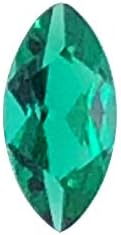 Marquise6 x 3 mm, 0.22 to 0.26 ctabout $27 on Amazon →
  Asscher10 mm, weight not listedabout $255 on Amazon →
  Oval cabochon7 x 5 mm, weight not listedabout $55 on Amazon →
  Coffin6 x 4 mm, weight not listedabout $33 on Amazon →
  Kite10 x 4.5 mm, weight not listedabout $63 on Amazon →
  Lozenge14 x 7 mm, weight not listedabout $120 on Amazon →
  Long baguette17 x 4 mm, weight not listedabout $165 on Amazon →
 All 10 checked emerald picks
Every piece names the real stone and comes from a seller with a record, checked in stock on October 11, 2026. Photos are the listings' own; prices are rounded.
Loose stones11.18 to 14.79 ctInstagem lab emerald, emerald cut, 18 x 13 mmThe big one, and the most honest price tag on this page. A lab ruby this size costs about $35; a lab emerald costs a thousand dollars, because it grows for months in a flux or an autoclave and most of the crystal is lost in cutting. Any big lab emerald for a few dollars is glass, and this listing is how you know.about $1,070on Amazon → Loose stones3.80 to 4.64 ctInstagem lab emerald, cushion cut, 12 x 10 mmA softer cushion shape, for a centre stone.about $300on Amazon →Loose stones3.26 to 4.50 ctInstagem lab emerald, emerald cut, 11 x 9 mmThe middle step: a real ring centre at about a fifth of the big stone price.about $230on Amazon →Loose stones2.57 to 3.83 ctInstagem lab emerald, emerald cut, 10 x 8 mmPrice climbs steeply with size, which is exactly what real lab emerald does.about $170on Amazon →Loose stones1.51 to 1.84 ctInstagem lab emerald, trillion cut, 8 x 8 mmA three-sided cut, flat and wide, so it looks bigger than its weight.about $95on Amazon →
 Loose stonesTianzuan hydrothermal lab emerald, 7 x 9 mmThe listing names the growth method and admits inclusions, both signs of an honest seller. Ships on lead time.about $90on Amazon →
 WomenAmazon Essentials created emerald flower studsThe matching earrings.about $38on Amazon →
 Women3 ctEcoGems lab emerald emerald-cut halo necklaceFrom a seller that sells only lab-grown stones.about $170on Amazon →
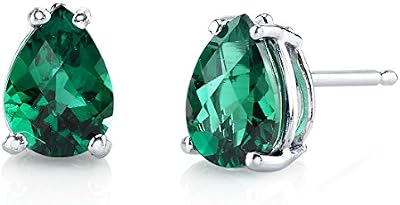 Jewellery1.25 ctLab emerald earrings, pear, 1.25 ct, 14K white goldabout $250on Amazon →
 Jewellery1.5 ctLab emerald earrings, round, 6 mm, 1.5 ct, 14K yellow goldabout $280on Amazon →
 Jewellery1.75 ctLab emerald earrings, radiant, 7 x 5 mm, 1.75 ct, 14K white goldabout $300on Amazon →
 Jewellery1 ctLab emerald pendant, cushion, 6 mm, 14K yellow gold, 1 ctabout $250on Amazon →
 Jewellery2.2 ctLab emerald pendant, princess, 8 mm, 14K yellow gold, 2.2 ctabout $250on Amazon →
 Jewellery1.75 ctLab emerald earrings, 1.75 ct, 14K yellow goldabout $300on Amazon →
 Jewellery1.5 ctLab emerald earrings, heart, 6 mm, 1.5 ct, 14K white goldabout $330on Amazon →
 Jewellery1.25 ctLab emerald earrings, pear, 1.25 ct, 14K yellow goldabout $250on Amazon →
 JewelleryLab emerald earringsabout $110on Amazon →
 Jewellery1 ctLab emerald pendant, cushion, 6 mm, 14K white gold, 1 ctabout $250on Amazon →
 Jewellery2.25 ctLab emerald pendant, princess, 8 mm, 14K white gold, 2.25 ctabout $250on Amazon →
 Jewellery3 ctLab emerald ring, oval, 3 ctabout $140on Amazon →
 Jewellery1.75 ctLab emerald pendant, pear, 10 x 7 mm, 14K yellow gold, 1.75 ctabout $250on Amazon →
 Jewellery1.72 ctLab emerald pendant, pear, 10 x 7 mm, 14K white gold, 1.72 ctabout $250on Amazon →
 Jewellery1.75 ctLab emerald earrings, cushion, 6 mm, 1.75 ct, 14K white goldabout $300on Amazon →
 Jewellery0.45 ctLab emerald bracelet, 0.45 ct, platedabout $130on Amazon →
 Jewellery2 ctLab emerald earrings, princess, 2 ct, 14K white goldabout $330on Amazon →
 Jewellery1.2 ctLab emerald ring with lab white sapphires, round, 8 x 6 mm, 10K yellow gold, 1.2 ctabout $520on Amazon →
 Jewellery2 ctLab sapphire and emerald earrings, heart, 2 ctabout $280on Amazon →
 Jewellery4.5 ctLab emerald ring, emerald cut, 4.5 ct, 14K yellow goldabout $710on Amazon →
 Jewellery1.5 ctLab emerald earrings, round, 1.5 ct, 14K white goldabout $280on Amazon →
 Jewellery1 to 6 ctLab emerald ring, 1 to 6 ct, 14K goldabout $770on Amazon →
 Jewellery2 ctLab emerald pendant, 2 ct, 14K goldabout $130on Amazon →
 Jewellery0.41 ctLab emerald ring, round, 10K white gold, 0.41 ctabout $290on Amazon →
 Jewellery4.5 ctLab emerald pendant, emerald cut, 4.5 ct, 14K goldabout $770on Amazon →
 Jewellery3 ctLab emerald pendant, pear, 3 ct, 14K goldabout $630on Amazon →
 Jewellery2.8 ctLab emerald earrings, oval, 8 x 6 mm, 2.8 ct, 14K yellow goldabout $1,150on Amazon →
 Jewellery2.5 ctLab emerald ring, emerald cut, 2.5 ct, 14K white goldabout $1,100on Amazon →
 Jewellery5.5 ctLab emerald ring, oval, 5.5 ct, 14K yellow goldabout $1,000on Amazon →
 Jewellery2.75 ctLab emerald pendant, heart, 14K yellow gold, 2.75 ctabout $860on Amazon →
 Jewellery0.32 ctLab emerald ring, emerald cut, 8 x 6 mm, 14K white gold, 0.32 ctabout $1,050on Amazon →
 Jewellery1.02 ctLab emerald pendant, round, 6 mm, 1.02 ct, 14K white goldabout $300on Amazon →
 Jewellery1.25 ctLab emerald ring, oval, 6 x 4 mm, 1.25 ctabout $700on Amazon →
 Jewellery4.5 ctLab emerald pendant, oval, 14K yellow gold, 4.5 ctabout $730on Amazon →
 Jewellery1 ctLab emerald pendant, heart, 14K white gold, 1 ctabout $390on Amazon →
 Jewellery2.04 ctLab emerald pendant, 14K white gold, 2.04 ctabout $1,200on Amazon →
 Jewellery1.9 ctLab emerald pendant, 14K white gold, 1.9 ctabout $490on Amazon →
 JewelleryChatham lab emerald earrings, 3 mmabout $170on Amazon →
 Jewellery0.41 ctLab emerald pendant, 6 x 4 mm, 14K white gold, 0.41 ctabout $450on Amazon →
 Jewellery8.56 ctLab emerald pendant, emerald cut, 14K white gold, 8.56 ctabout $1,200on Amazon →
 Jewellery1.4 ctLab emerald pendant, round, 7 mm, 14K white gold, 1.4 ctabout $360on Amazon →
 Jewellery0.78 ctLab emerald ring, cushion, 0.78 ct, sterling silverabout $140on Amazon →
 Loose stones4.55 to 6.11 ctLab emerald, emerald cut, 12 x 10 mm, 4.55 to 6.11 ctabout $310on Amazon →
 Loose stones7.5 to 8.36 ctLab emerald, emerald cut, 11 x 9 mm, 7.5 to 8.36 ct the pairabout $460on Amazon →
 Loose stones5.7 to 7.66 ctLab emerald, emerald cut, 10 x 8 mm, 5.7 to 7.66 ct the pairabout $340on Amazon →
 Loose stones2.52 to 3.39 ctLab emerald, emerald cut, 10 x 8 mm, 2.52 to 3.39 ctabout $70on Amazon →
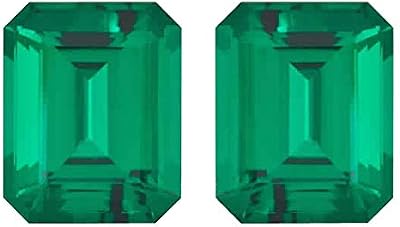 Loose stones5.65 to 6.1 ctLab emerald, emerald cut, 10 x 8 mm, 5.65 to 6.1 ct the pairabout $220on Amazon →
 Loose stones4.2 ctLab emerald, asscher, 10 mm, about 4.2 ctabout $250on Amazon →
 Loose stones3.0 ctLab emerald, round, 10 mm, about 3.0 ctabout $210on Amazon →
 Loose stones4.7 to 4.9 ctLab emerald, round, 9 mm, 4.7 to 4.9 ct the pairabout $270on Amazon →
 Loose stones2.9 ctLab emerald, emerald cut, 14 x 7 mm, about 2.9 ctabout $120on Amazon →
 Loose stones1.92 to 2.12 ctLab emerald, round, 8 mm, 1.92 to 2.12 ctabout $90on Amazon →Loose stones3.01 to 4.12 ctLab emerald, round, 8 mm, 3.01 to 4.12 ct the pairabout $220on Amazon →
 Loose stones1.06 to 1.3 ctLab emerald, emerald cut, 12 x 6 mm, 1.06 to 1.3 ctabout $180on Amazon →Loose stones2.08 to 3.46 ctLab emerald, emerald cut, 8 x 6 mm, 2.08 to 3.46 ct the pairabout $150on Amazon →
 Loose stones1.49 to 1.69 ctLab emerald, princess, 7 mm, 1.49 to 1.69 ctabout $90on Amazon →
 Loose stones1.33 to 1.63 ctLab emerald, cushion, 7 mm, 1.33 to 1.63 ctabout $80on Amazon →
 Loose stones1.33 to 1.62 ctLab emerald, cushion, 7 mm, 1.33 to 1.62 ctabout $55on Amazon →Loose stones1.5 ctLab emerald, round, 8 mm, about 1.5 ctabout $90on Amazon →
 Loose stones2.6 to 3.19 ctLab emerald, emerald cut, 8 x 6 mm, 2.6 to 3.19 ct the pairabout $80on Amazon →
Five tools that let you check what you bought (a loupe, a UV torch, locking tweezers, a gem box and a pocket scale), plus a turntable that spins your stone under the light the way jewellers show one. The full collector's kit.
 LookGemOro 10x triplet loupeunder $20
 LookDARKBEAM filtered 365 nm UV flashlightabout $10
 HandleHonoson locking tweezers, 3 packabout $10
 StoreTeensery gem display boxes with clear lids, 10 packabout $9
 ShowComXim motorized turntable, adjustable speed and directionabout $15
 MeasureGemOro Platinum XP500 pocket scale, 0.01 gabout $40
In short
Emerald grows over millions of years in the earth, or in hours to months in a lab. Both are real emerald; the mined stone is rare and priced for rarity, the lab stone is priced for the cost of growing it. Buy lab to wear and enjoy, check the listing names the mineral, and test it when it arrives.
See our first pick: Instagem lab-created emerald, emerald cut, 8 x 6 mm, 1.04 to 2.11 ctYes, if it is lab-grown beryl. It has the same chemistry and structure as mined emerald and is usually cleaner. Many cheap "lab emeralds" are glass or other materials, so price is the first check.
Beryl breaks down before it melts, so it cannot be grown in a flame. It must crystallise slowly from a flux or hot water in expensive equipment over weeks or months.
Hard but brittle. Their inclusions and cracks make them vulnerable to knocks, heat and ultrasonic cleaning, so protective settings suit them best.
Neither is a grade. Hydrothermal emerald tends to be very clean and even; flux emerald traps wispy veils that look more like the garden of a mined stone. Choose by colour, clarity and the look you want, not the method name.
Hydrothermal lab emerald can grow almost free of inclusions, which mined emerald almost never is. If you want a more natural look, choose a flux-grown stone (Chatham is the best-known) with soft inner veils.
Not for an inexpensive one. A report is worth it when identity changes the price, such as proving a costly stone is natural, or that a lab stone is real beryl and not glass.
Amazon links are affiliate links (tag thegemtray-20): buying through them costs you nothing extra and supports the site. As an Amazon Associate we earn from qualifying purchases.
