The gem world, laid out
Gems are minerals, and most famous gems are colour varieties of a few of them: ruby and sapphire are both , emerald and aquamarine are both . Every stone you will ever be sold is one of four kinds: natural and untreated, natural and treated, lab-grown, or imitation. Lab-grown is the same mineral grown in a furnace or press; imitation is a different material that only looks the part. Learn the four, and the words sellers use for them, and the rest of the gem world falls into place. This page lays it out in order and links to the page that goes deeper on each part.
1. What a gem is
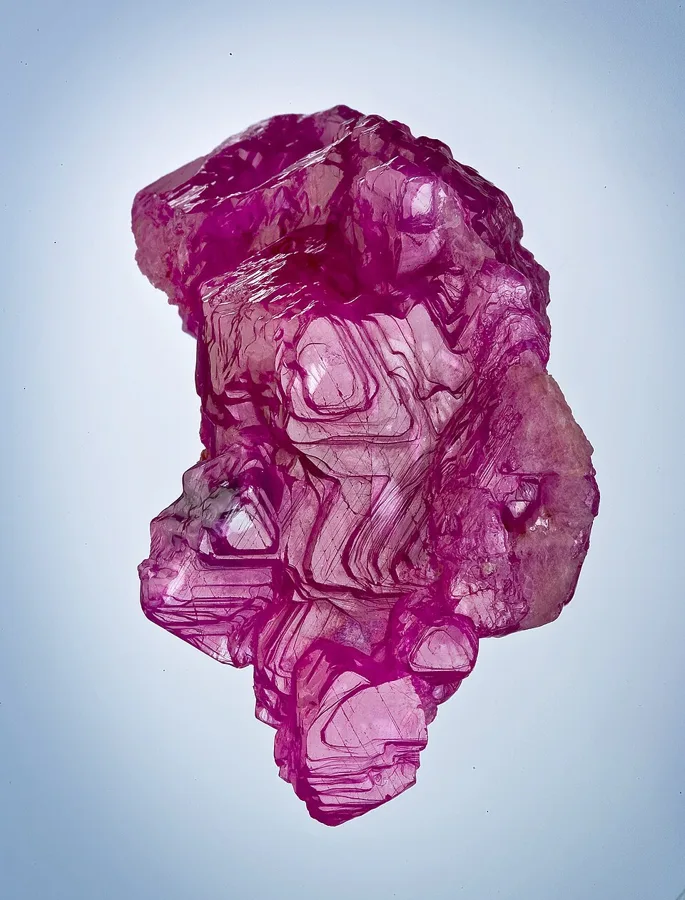
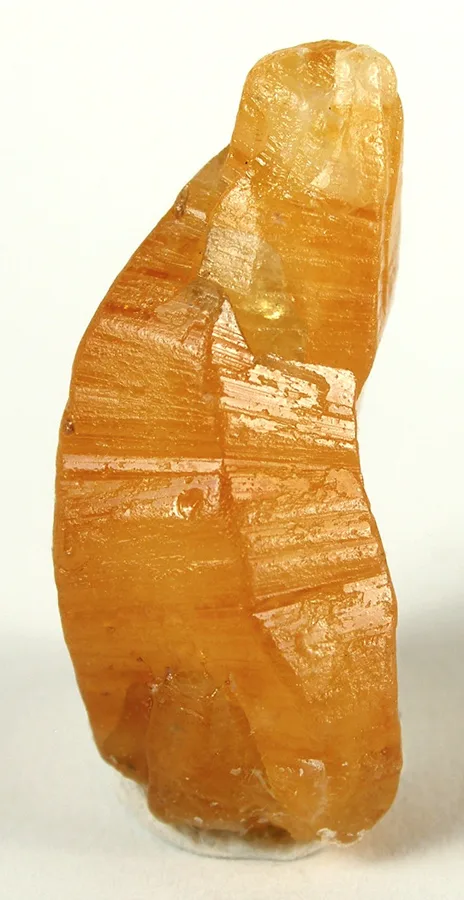
A gem is a mineral (or occasionally something organic, like pearl or amber) that is beautiful, durable enough to wear, and rare enough to value. The name on the label is often a variety, not a mineral: ruby is red corundum and sapphire is corundum of any other colour; emerald is green beryl and aquamarine is blue beryl. Knowing the family tells you the hardness, how it can be grown, and what it is imitated with.
| Mineral | Gems it gives | Hardness | Grown in labs? |
|---|---|---|---|
| Corundum | Ruby (red), sapphire (every other colour) | 9 | Yes, very cheap |
| Beryl | Emerald (green), aquamarine (blue), morganite (pink), heliodor (yellow) | 7.5 to 8 | Emerald yes, costly; others rare |
| Quartz | Amethyst, citrine, rose quartz, rock crystal, agate, carnelian | 7 | Yes, very cheap |
| Chrysoberyl | Alexandrite (colour change), cat's-eye | 8.5 | Alexandrite yes, costly |
| Garnet | Almandine, pyrope, rhodolite, tsavorite, demantoid | 6.5 to 7.5 | No |
| Spinel | Red, pink, blue, black spinel | 8 | Yes, very cheap |
| Diamond | White and fancy-colour diamond | 10 | Yes |
| Topaz, tourmaline, peridot, zircon, tanzanite | Each its own mineral | 6 to 8 | No |
Hardness matters for wear: anything under about 7 is scratched by everyday dust, which is mostly quartz. Full numbers are on key facts, and which gems are really grown is on which gems can be lab-grown.
2. The four kinds of stone you will be sold
3. From the ground or the furnace to your hand
- Formed. A natural gem crystallises over millions of years deep in rock. A lab gem grows in hours (flame fusion ruby), weeks (CVD diamond) or months (flux emerald). How lab gems are grown, with photos of real lab rough out of the furnace.
- Treated (most mined coloured stones): heated, filled, oiled, irradiated or dyed. Gem treatments explained.
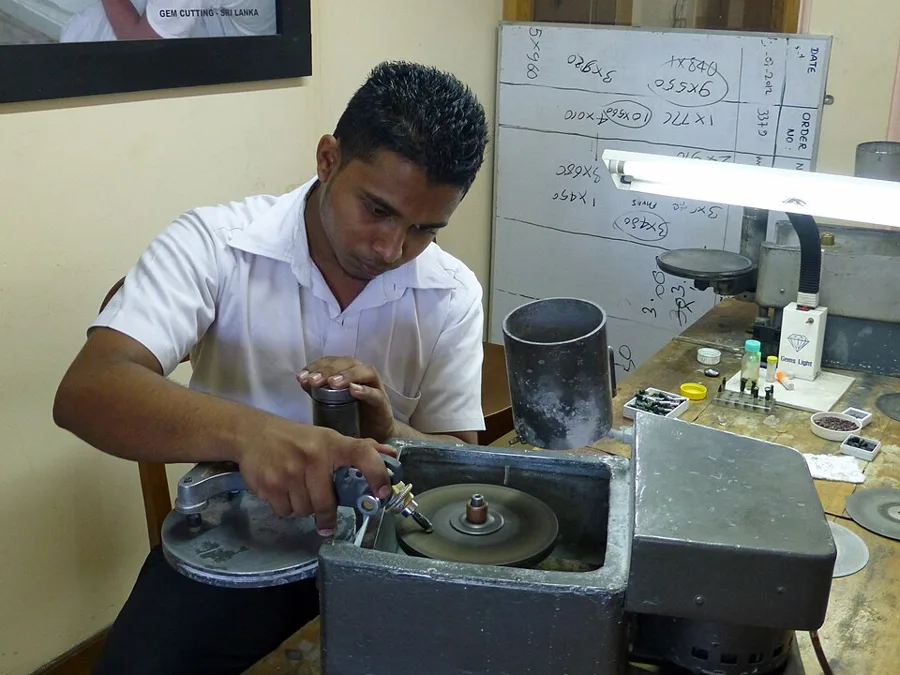
- Cut. Rough is read, sawn, preformed, faceted and polished, usually in India, Thailand, Sri Lanka or, for lab stones, Wuzhou in China. Most of the weight is lost. How gems are cut, and whether cutting your own is cheaper than buying it cut (it is not).
- Graded and sold. Valuable stones get a lab report; most stones are sold on the seller's word. How to read a gem listing.
4. What sets the price
- Natural or lab. The biggest factor by far. A lab ruby costs cents to a few dollars a carat; a fine mined ruby costs thousands.
- Size, for natural stones. Large clean crystals are rare, so price per carat jumps as size goes up. For lab stones it barely moves, which is why big lab gems are such good value.
- Colour, clarity and cut. For coloured stones, colour matters most; for diamonds, the four Cs (colour, clarity, cut, carat) are graded on the report.
- Treatment. An untreated stone is worth more than the same stone heated, and far more than a filled or dyed one.
- Origin and paperwork. For fine natural stones, a famous source (Burma ruby, Kashmir sapphire, Colombian emerald) and a top lab report add a premium.
5. Checking what you have
Most of the gem world runs on trust, so learn the few checks anyone can do. Read the listing for the mineral's name and the words below. Weigh and measure the stone: every mineral has its own density, and our weight checker turns the numbers into an answer. Use a loupe and a UV torch (the tools). For anything expensive, get a report from an independent lab such as GIA, IGI or AGL, and look the number up yourself.
The starter kit, about $100 together (the full kit):
 LookGemOro 10x triplet loupeunder $20
 LookDARKBEAM filtered 365 nm UV flashlightabout $10
 HandleHonoson locking tweezers, 3 packabout $10
 StoreTeensery gem display boxes with clear lids, 10 packabout $9
 ShowComXim motorized turntable, adjustable speed and directionabout $15
 MeasureGemOro Platinum XP500 pocket scale, 0.01 gabout $40
6. The words that matter
- Lab-grown, lab-created, created, synthetic
- All mean the same thing legally: the real mineral, made by people. "Synthetic" is not a polite word for fake.
- Simulated, imitation, "-colour"
- A different material that only looks like the gem. "Ruby colour" or "emerald green" describes a colour and claims nothing about the stone.
- Natural
- Mined. Says nothing about treatment. A huge, cheap, "natural" stone is a warning.
- Genuine, real, certified
- Marketing words with no fixed meaning. A certificate is only worth the lab that issued it.
- Treated, enhanced, heated
- A natural stone improved after mining. See treatments.
- Moissanite, cubic zirconia
- Lab materials in their own right, used as diamond alternatives. Moissanite is not diamond; see moissanite vs lab diamond.
7. Where natural gems come from
Natural gems come from a short list of places: ruby from Myanmar and Mozambique, emerald from Colombia and Zambia, tanzanite from one hillside in Tanzania. Explore them all on the interactive gem world map, and meet stones in depth in the carnelian and green onyx guides.
8. Where to go next
Frequently Asked Questions
Is a lab-grown gem real?
Yes. A lab-grown ruby is corundum and a lab-grown diamond is carbon, the same as the mined stones. What differs is origin, price and resale value. An imitation is a different material that only looks like the gem.
Why are mined gems so much more expensive than lab gems?
Rarity. A clean, well-coloured mined stone over a few carats is found rarely, so price per carat climbs steeply with size. A lab gem costs only what it takes to grow and cut it, so size barely changes the price.
Where should a beginner start?
With the four kinds of stone (natural, treated, lab-grown, imitation) and the words that go with them. Once you can tell which of the four a listing is selling, almost everything else in the gem world makes sense.