


Our first pick
RTZN lapis lazuli bead bracelet
$50 to $60
Deep blue lapis with visible gold pyrite, on an adjustable cord.
See it on AmazonRock: lazurite + calcite + pyrite · 5 to 5.5
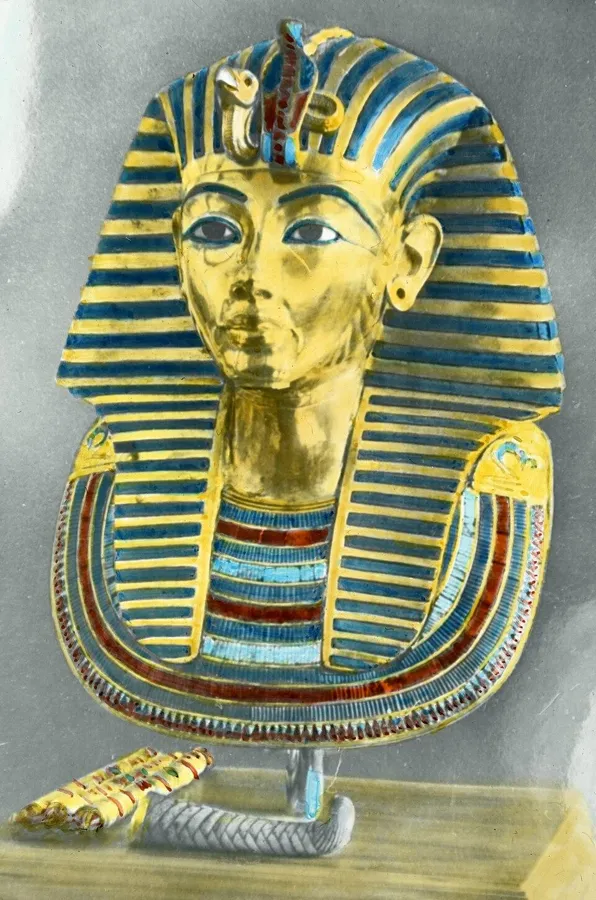
Lapis lazuli is not one mineral but a rock: deep blue lazurite with white calcite and flecks of gold-coloured pyrite. The finest has come from the same valley in Afghanistan for about 6,000 years; it inlaid Tutankhamun's mask and, ground to powder, became the ultramarine blue of Renaissance paintings. It is not grown in labs. The fakes are dyed stone and resin.
The same stone at four moments. Tap a photo of a listing to see it on Amazon.
01 In the ground (step 1 of 4)
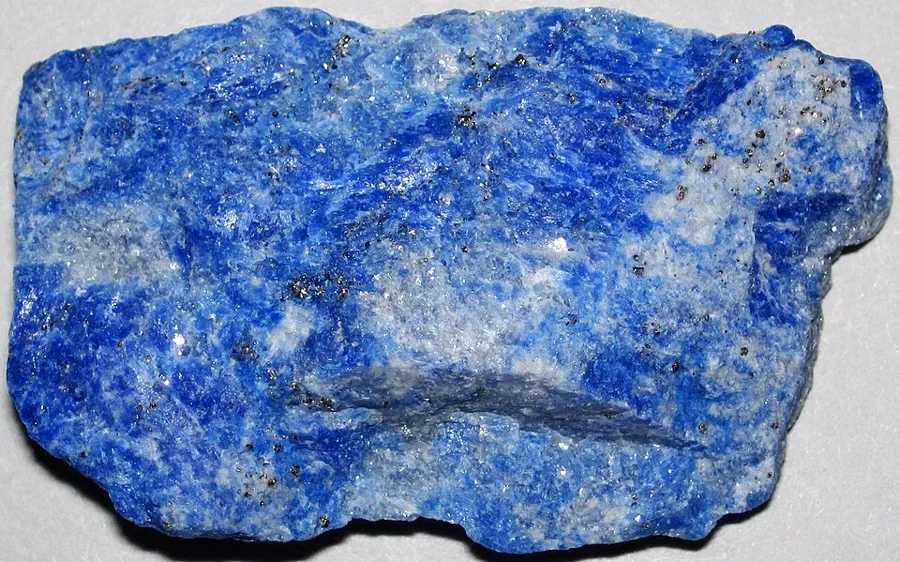
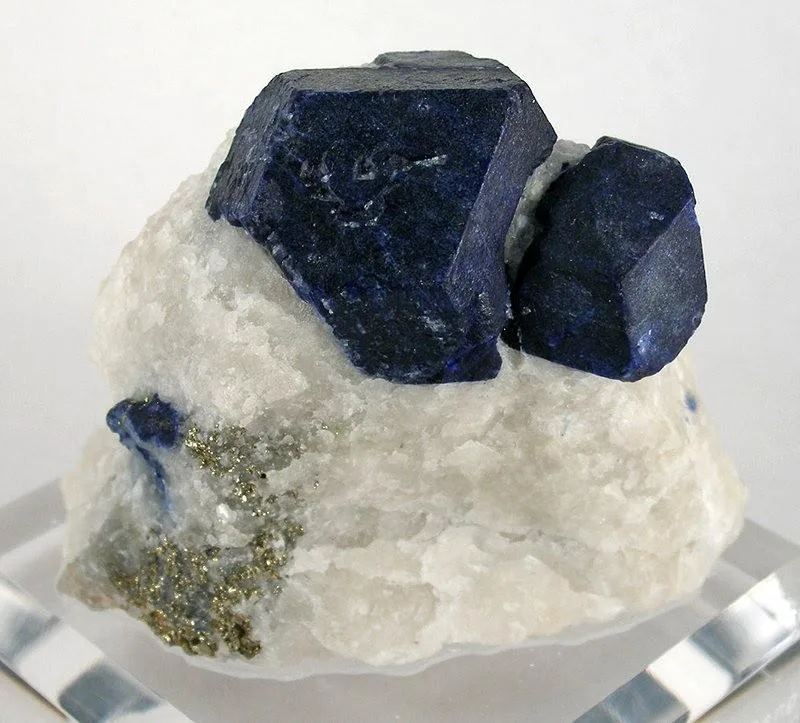
Lapis lazuli rough from Sar-e-Sang, Afghanistan, the classic source for 6,000 years.
Real specimen. Photo: James St. John, CC BY 2.0.
02 Rough (step 2 of 4)

Raw lapis lazuli, 2 lb, for tumbling and cutting.
Amazon listing photo. See it on Amazon
03 Cut (step 3 of 4)

A natural lapis lazuli , 8.40 ct.
Amazon listing photo. See it on Amazon
04 Set (step 4 of 4)

A lapis lazuli bead bracelet.
Amazon listing photo. See it on Amazon
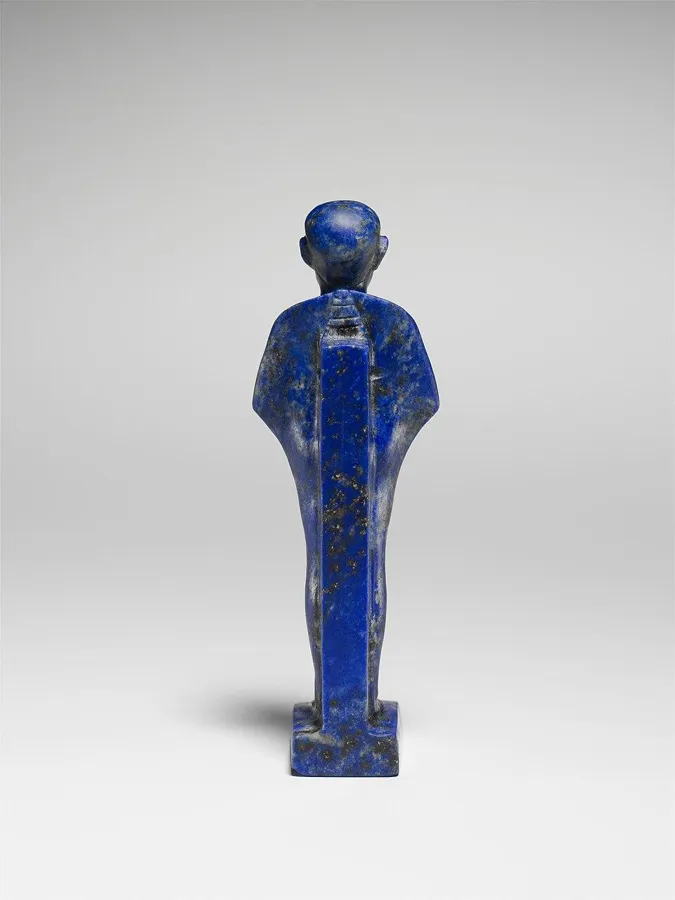
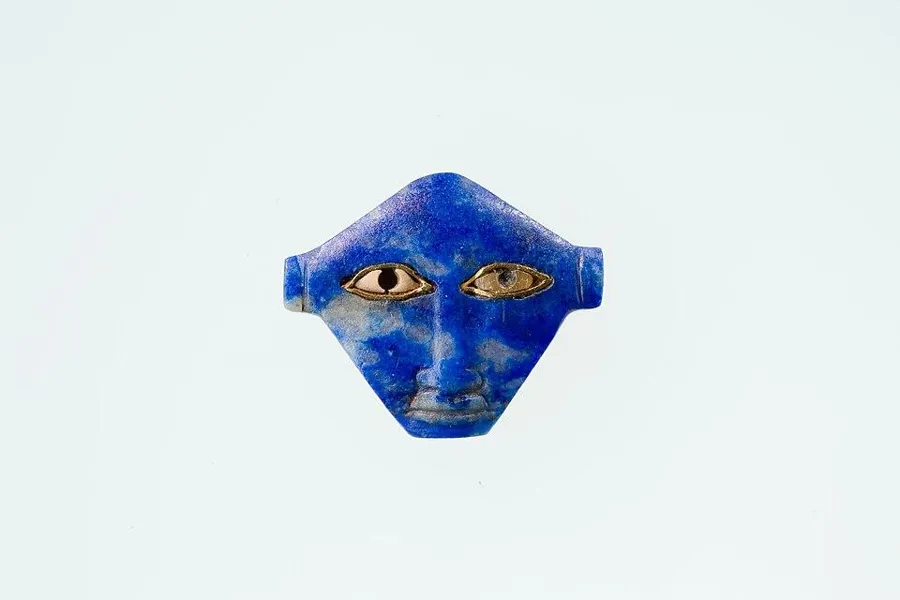
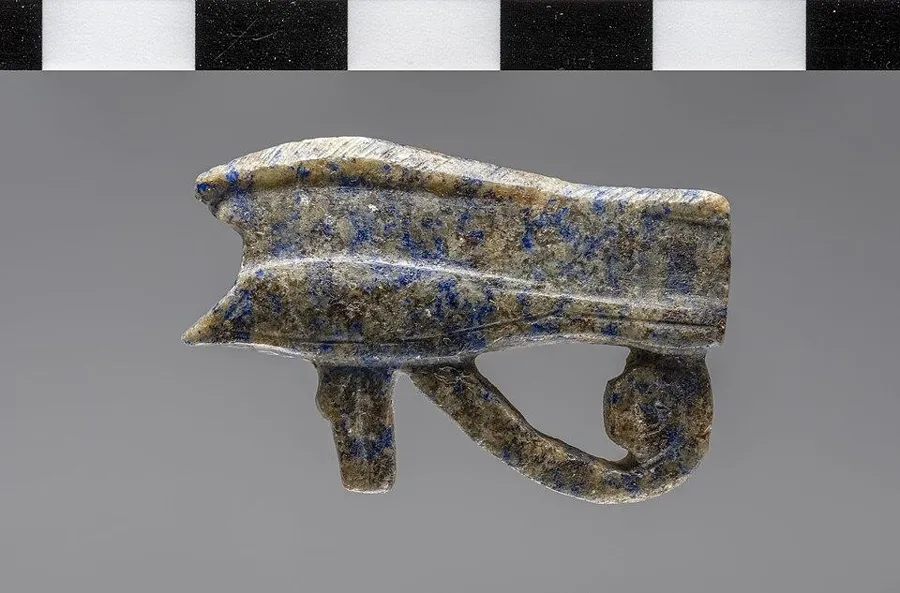
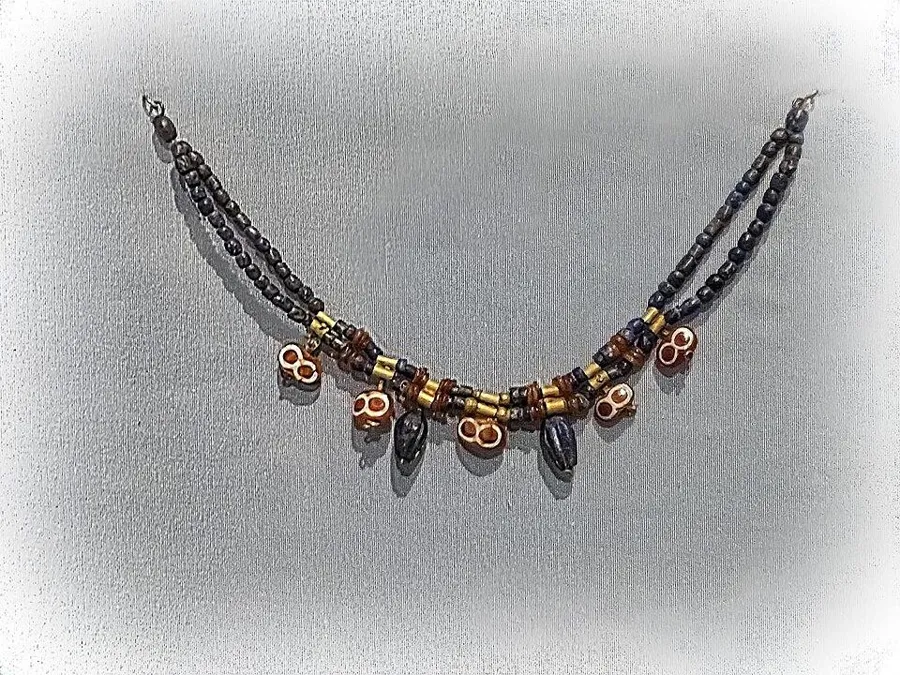
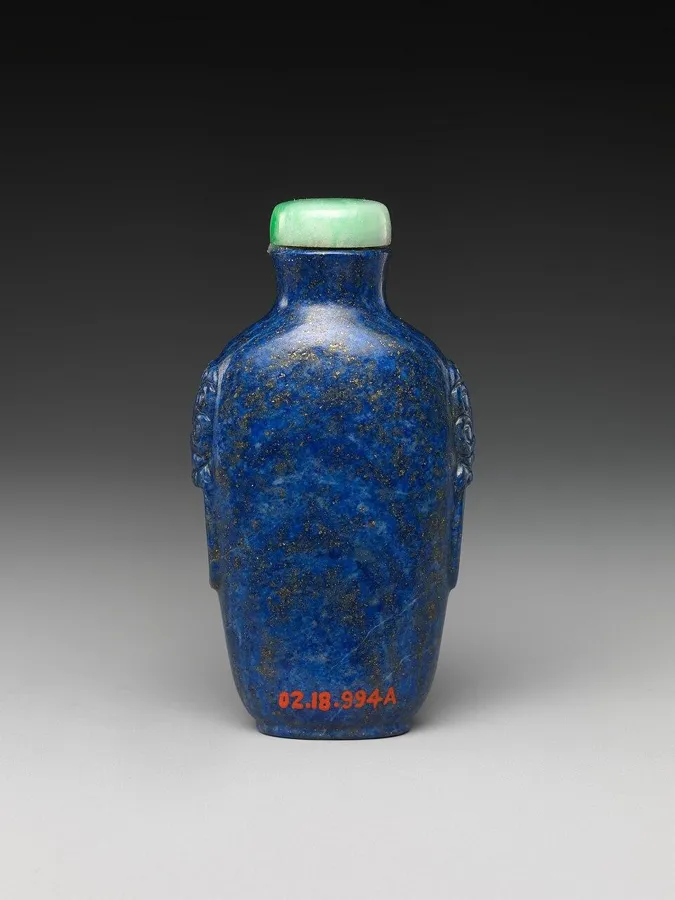
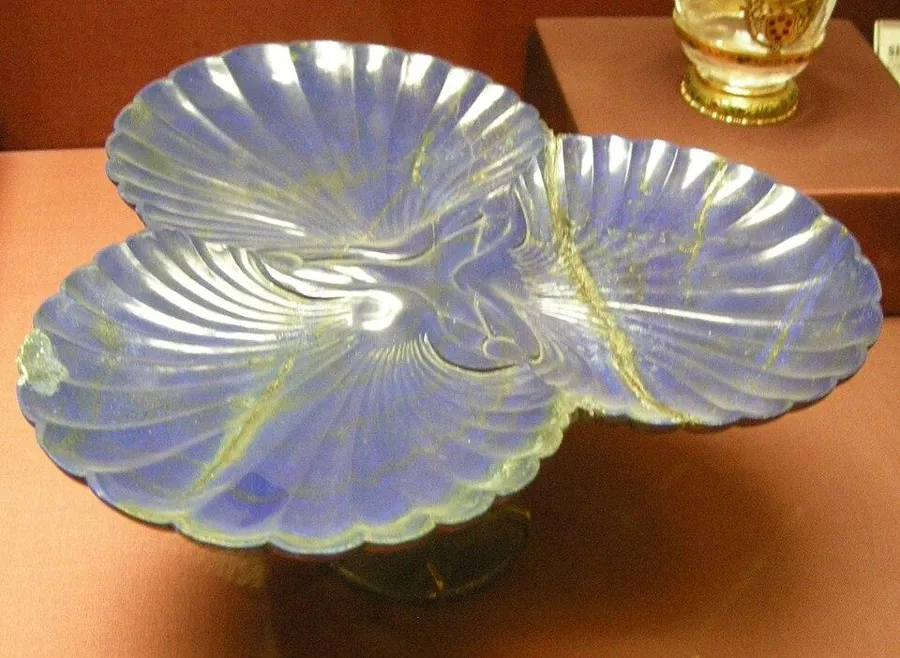
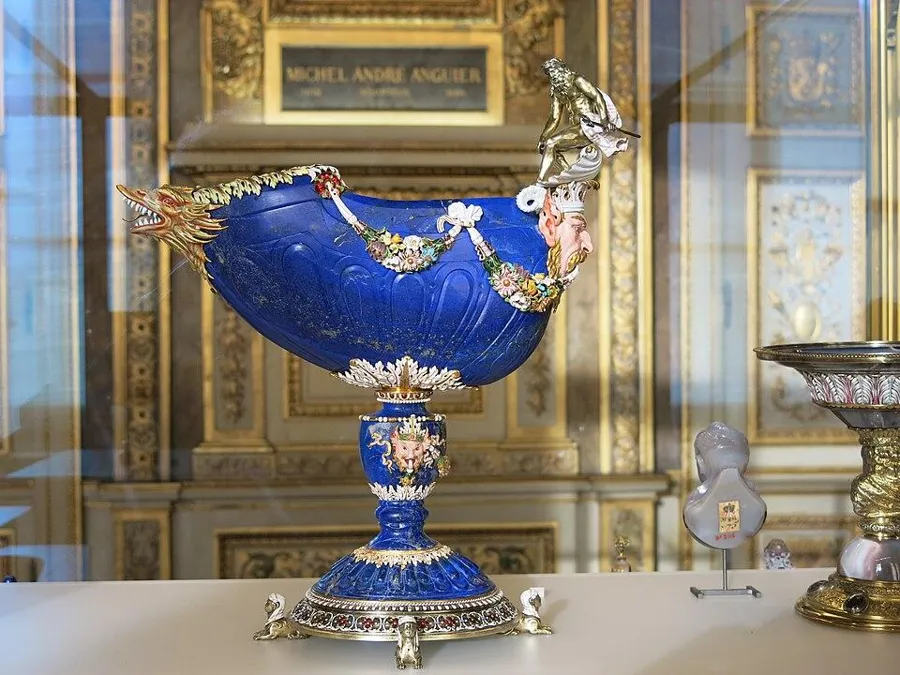
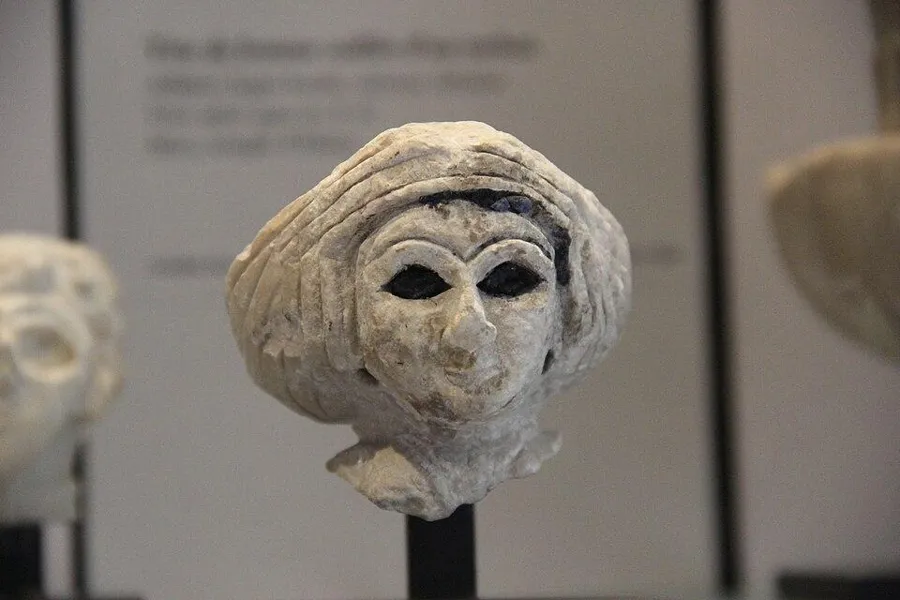
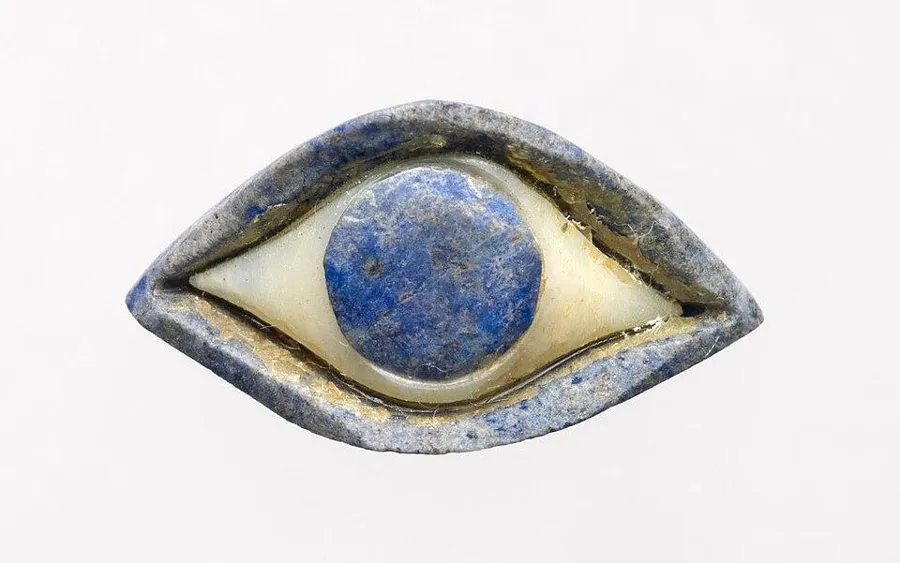
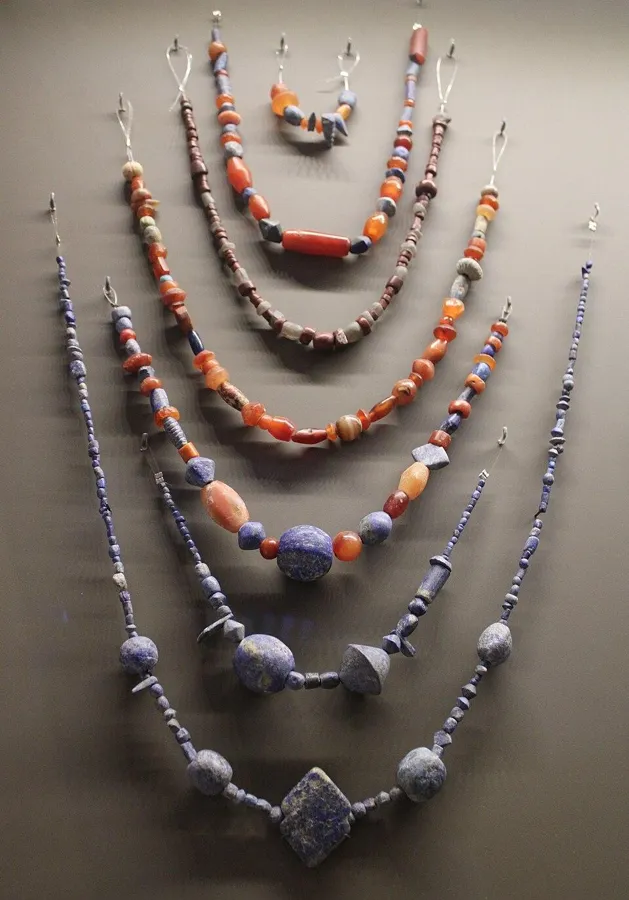
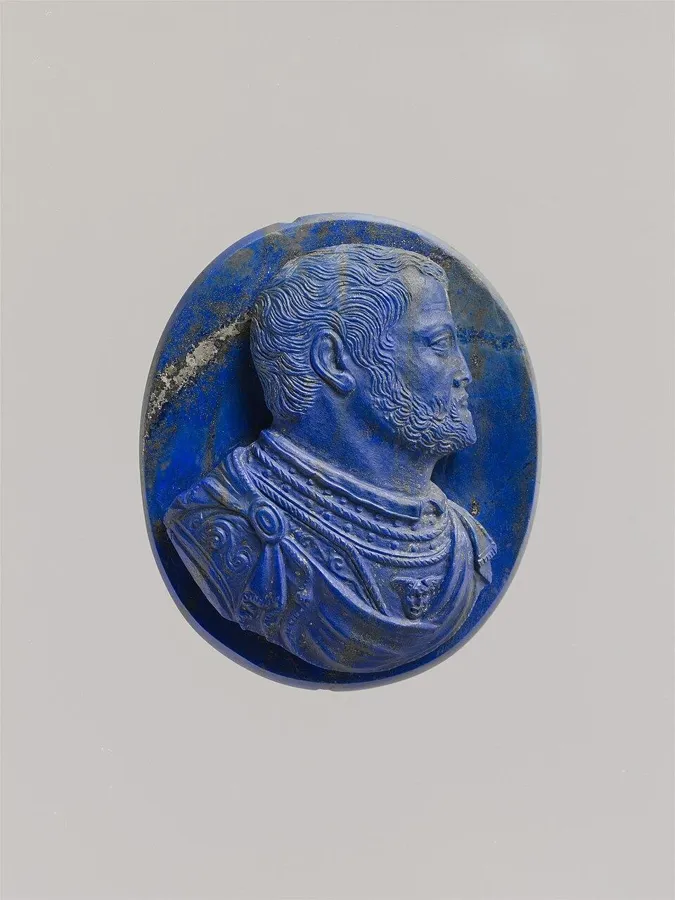
What the finest natural stones look like: real pieces in public collections. The whole gem museum.
Own a natural piece
Lapis is not grown in labs. A natural cabochon of the same deep blue, with gold pyrite.
Own a natural piece
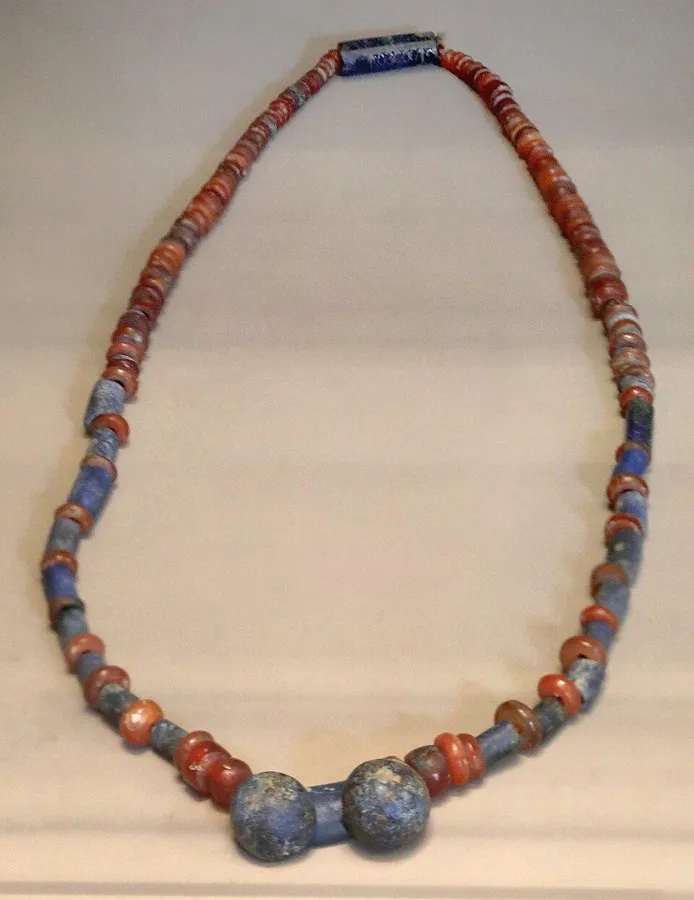
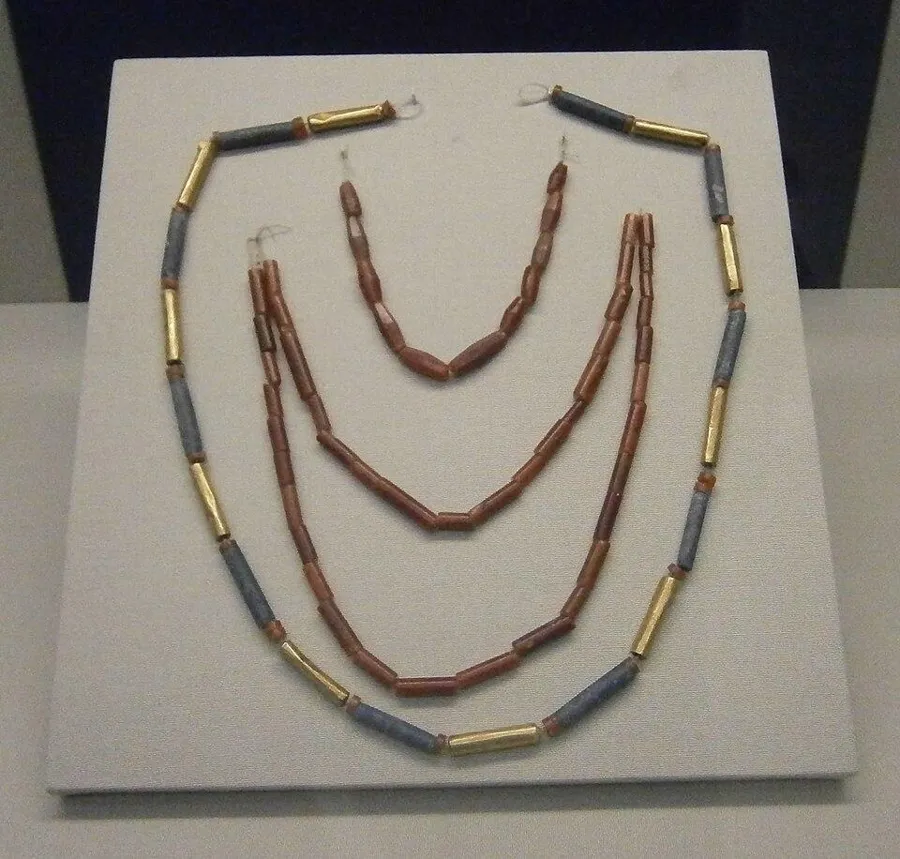
The same Afghan lapis, in beads, 4,500 years later.
Own a natural piece
Natural lapis, polished whole.
Own a natural piece
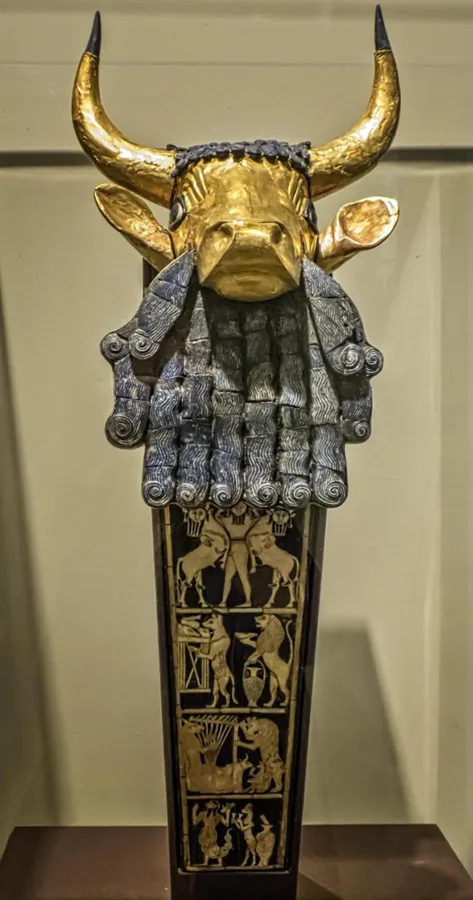
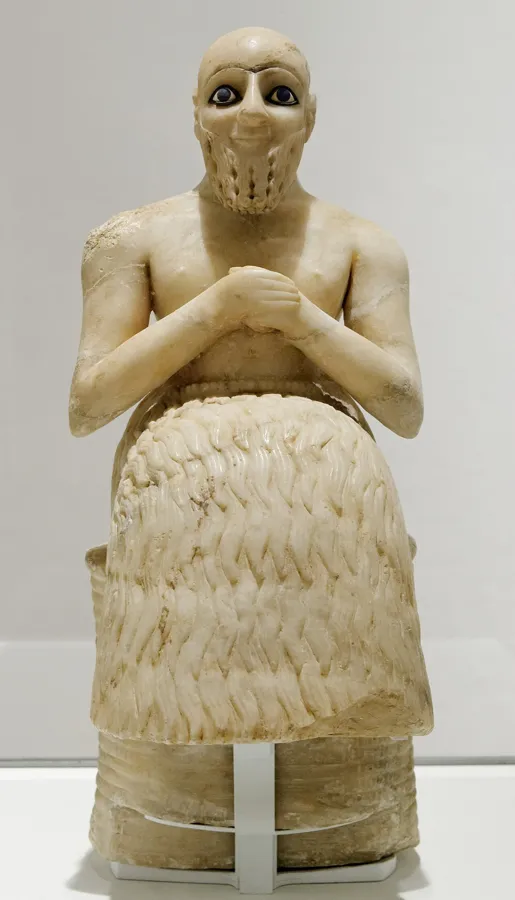
A single natural lapis cabochon, the same deep blue as the beard.
Own a natural piece
Natural lapis for your own mosaic.
Own a natural piece
Afghan lapis from the same valley.
Own a natural piece
A natural lapis cabochon for your own inlay.
Build the necklace part: real gem beads
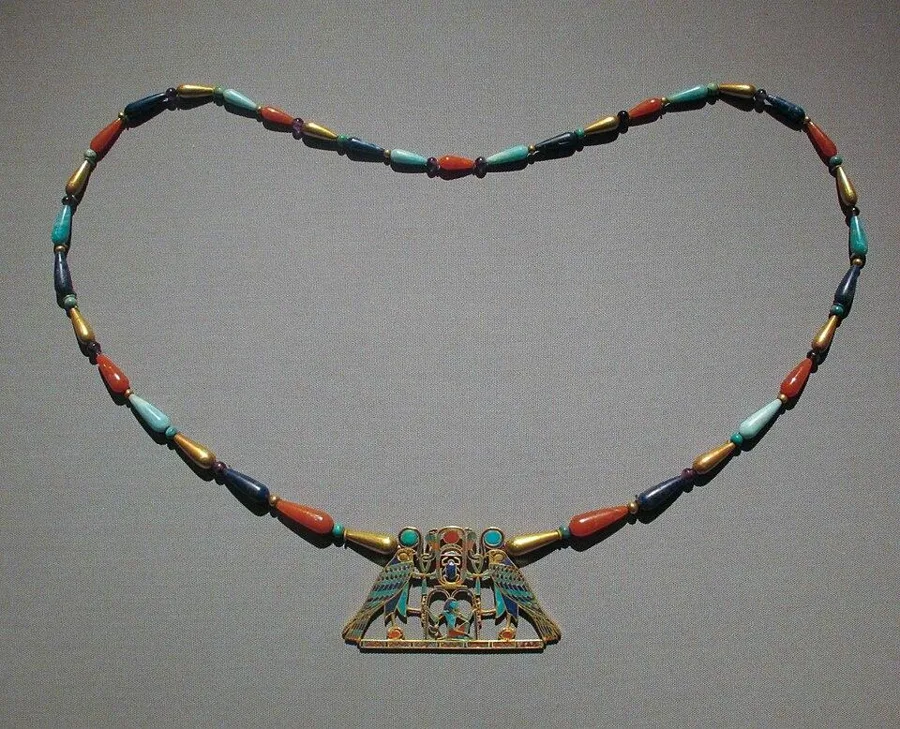
The princess wore drop beads of lapis, carnelian, turquoise and amethyst between gold. All but turquoise come as honest natural beads; cheap turquoise beads are almost always dyed howlite, so skip them or use a real turquoise piece.
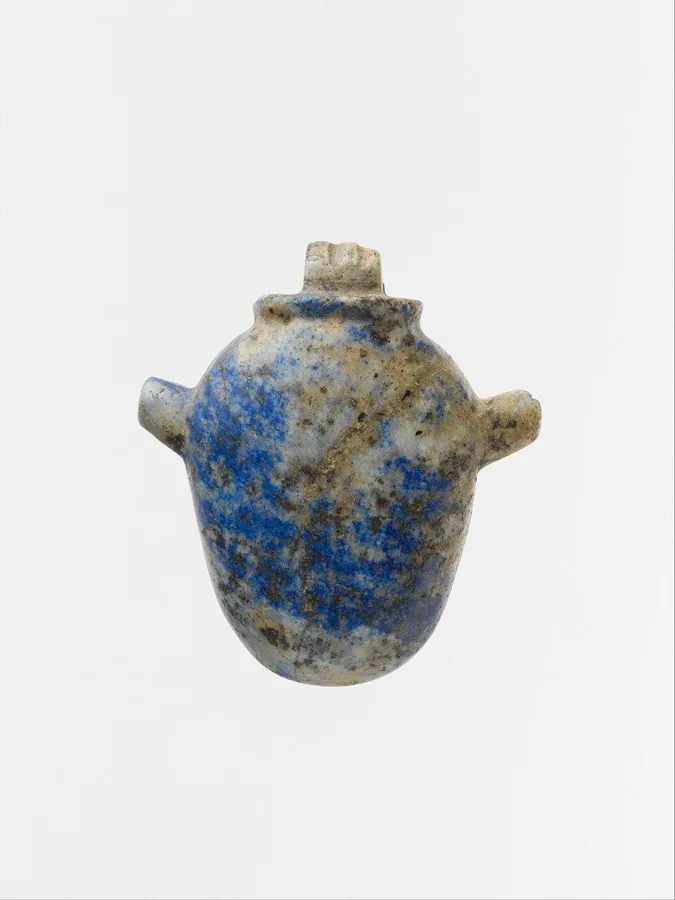
Own a natural piece
Natural lapis with gold pyrite.
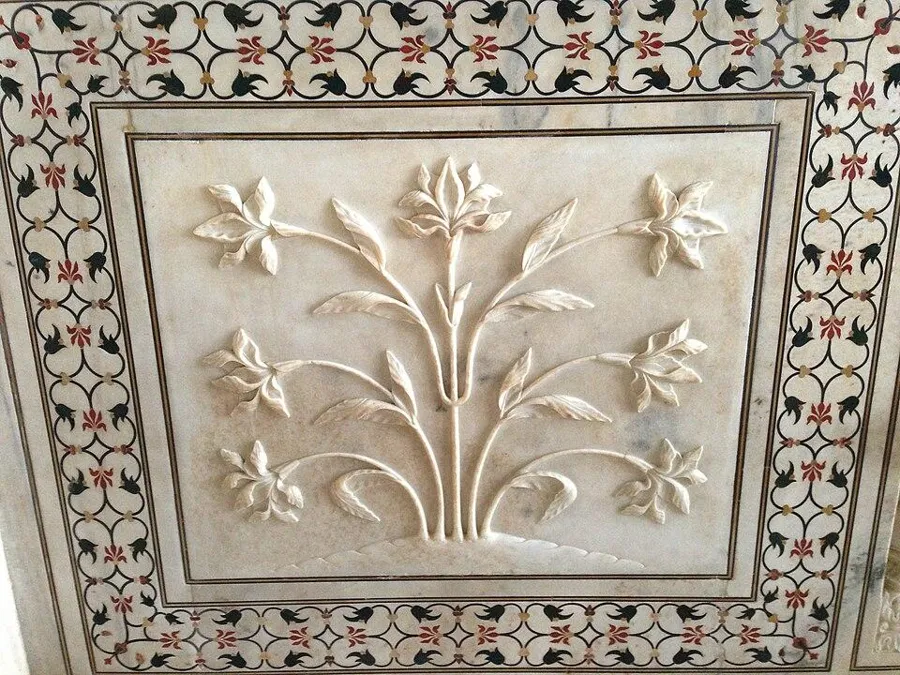
Own a natural piece
Lapis is one of the stones in the Taj flowers. A polished lapis sphere shows off the same deep blue.
Own a natural piece
Real Afghan lapis beads, the same blue the pharaoh wore.
Own a natural piece
A natural lapis cabochon, flecked with the same gold pyrite.
Own a natural piece
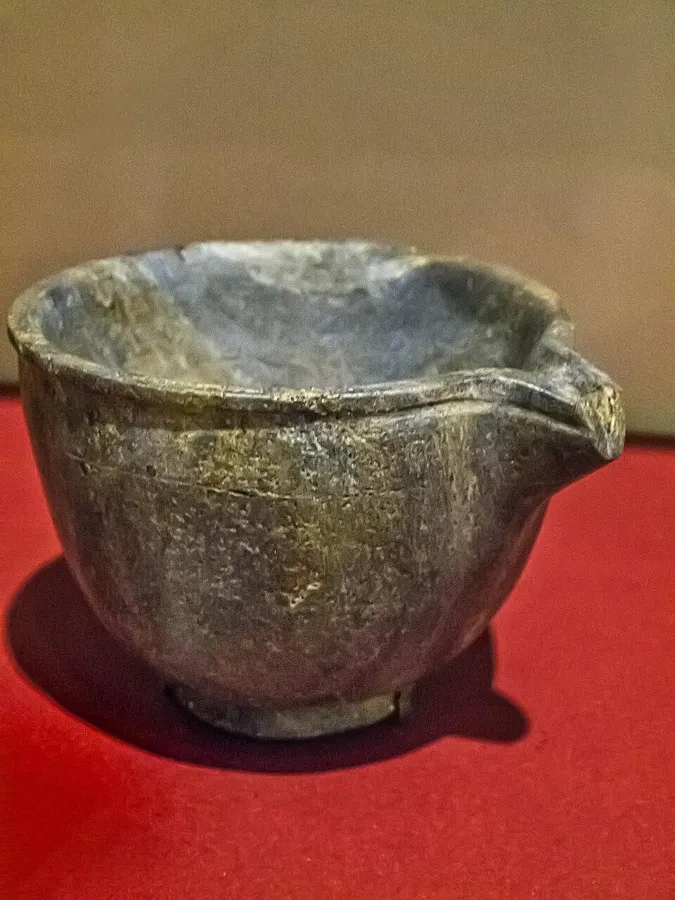
Lapis beads with pyrite, the same stone as the Ur necklaces.
Own a natural piece
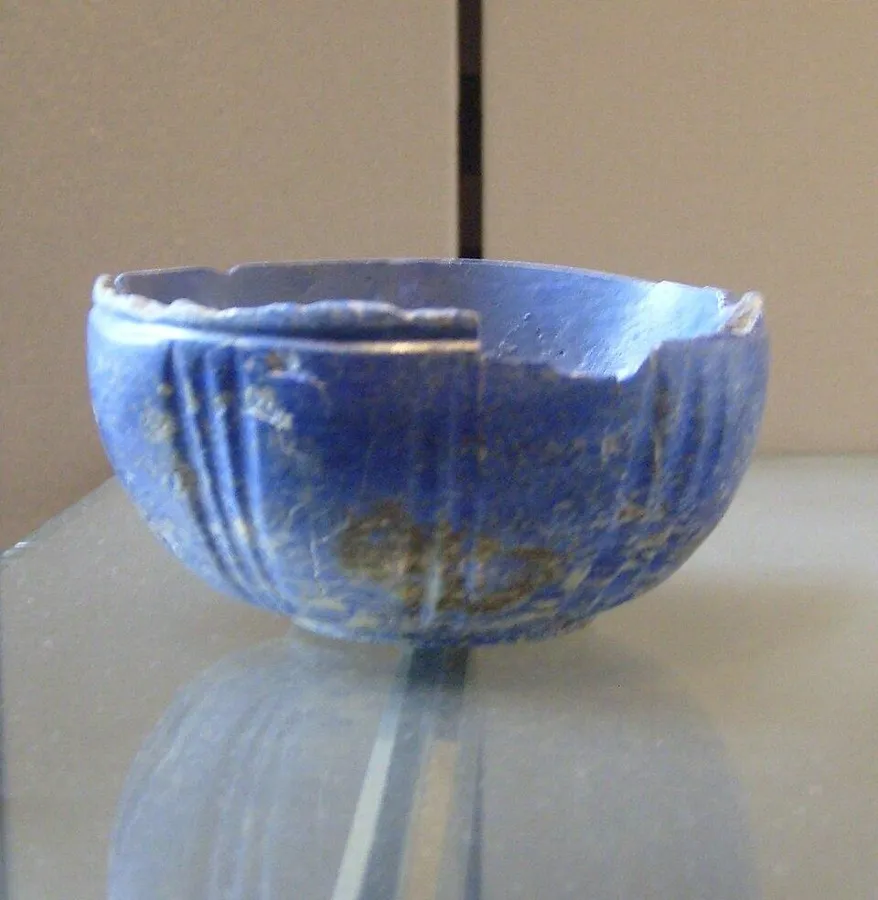
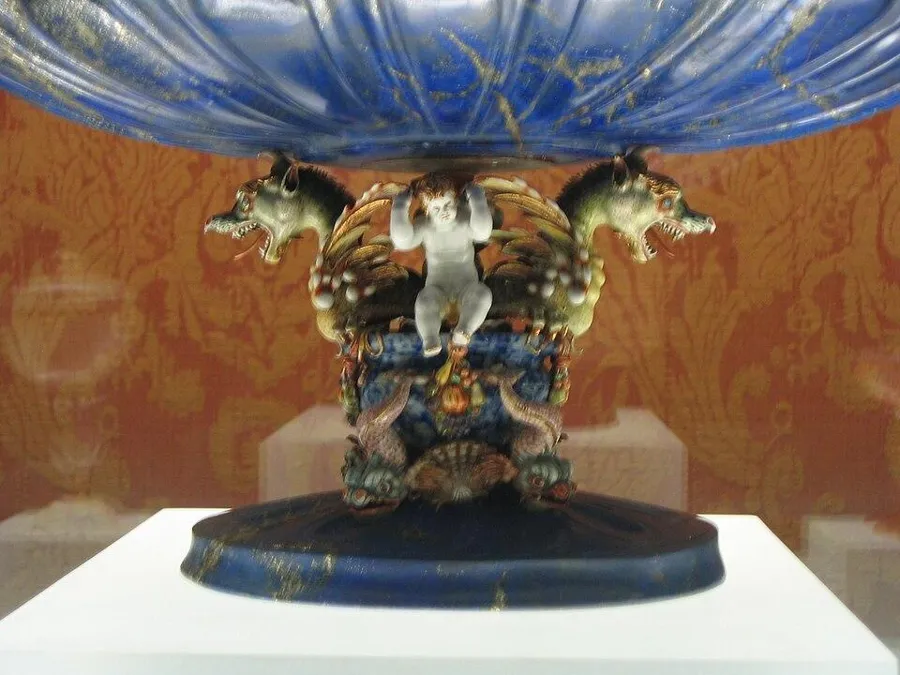
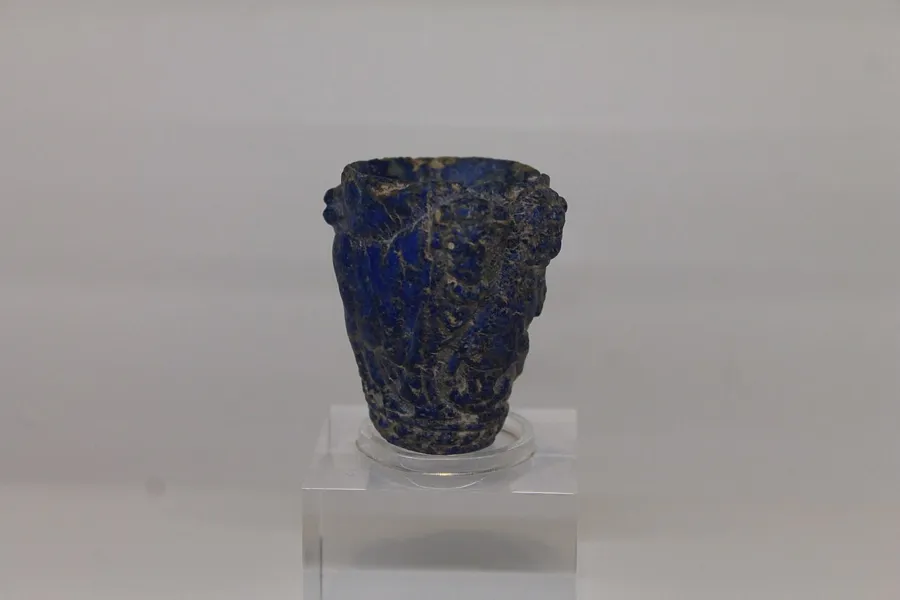
A polished lapis sphere, carved from one block like the bowl.
Own a natural piece
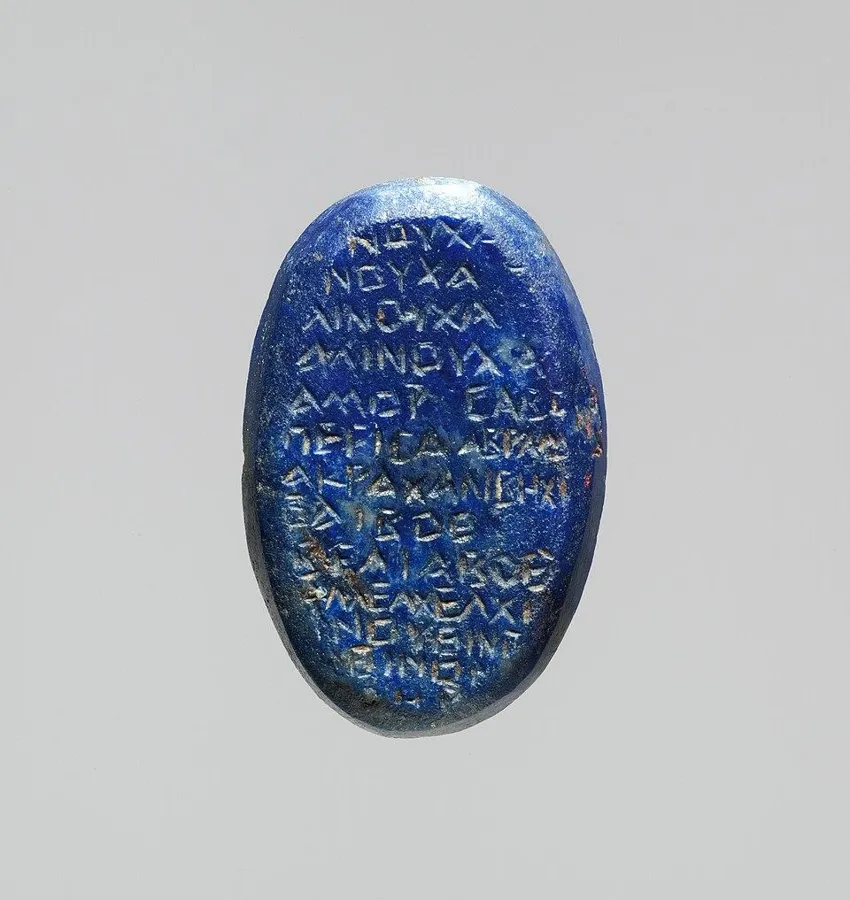
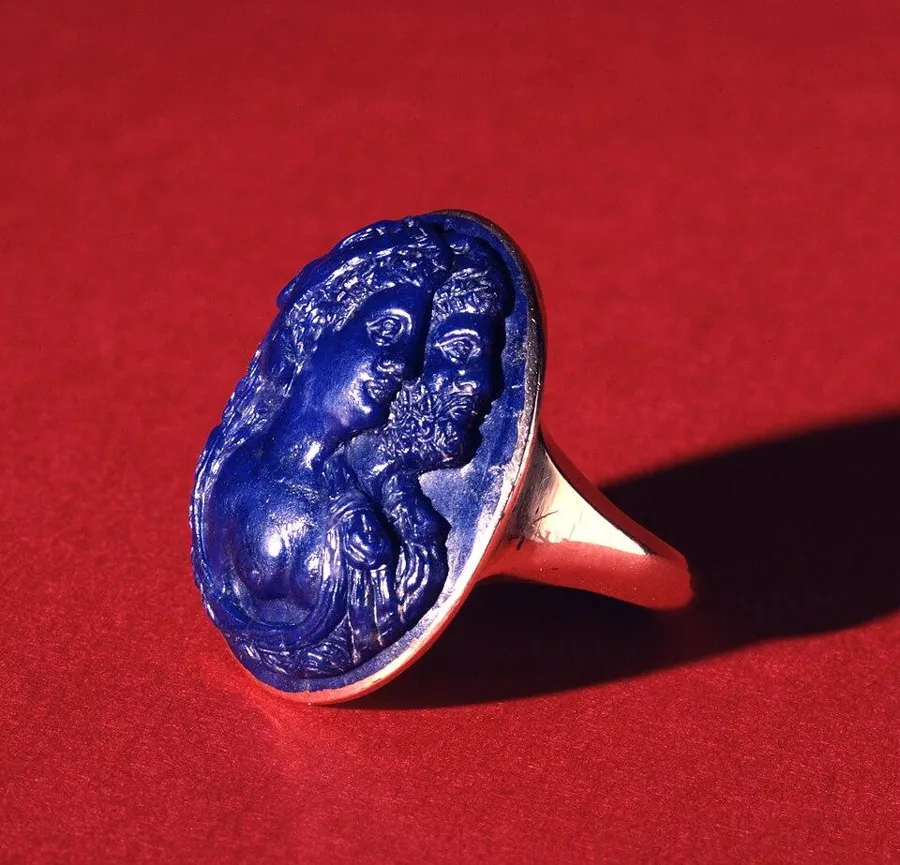
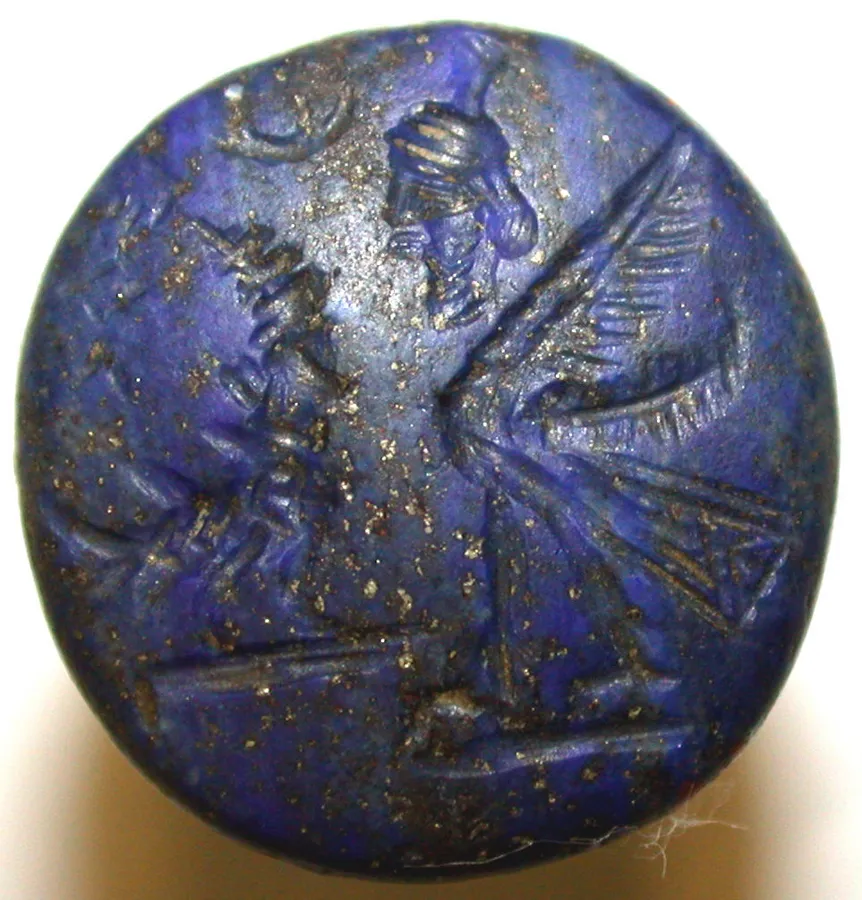
A lapis cabochon of the kind Roman gem cutters engraved.
Own a natural piece
A polished lapis sphere: the same stone, without the king’s price.
Own a natural piece
Real lapis beads, the same stone Uruk traded for.
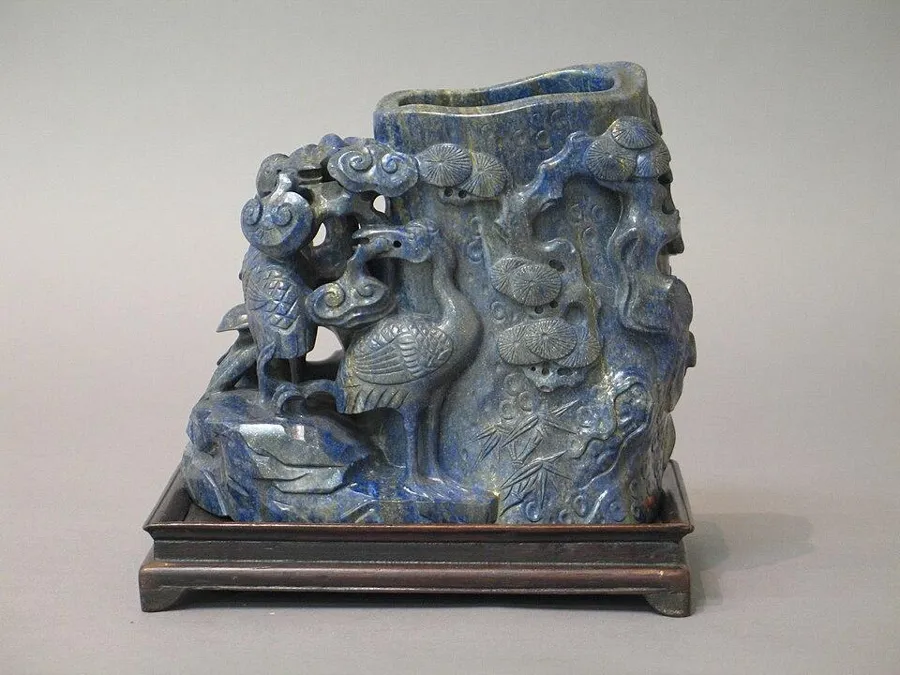
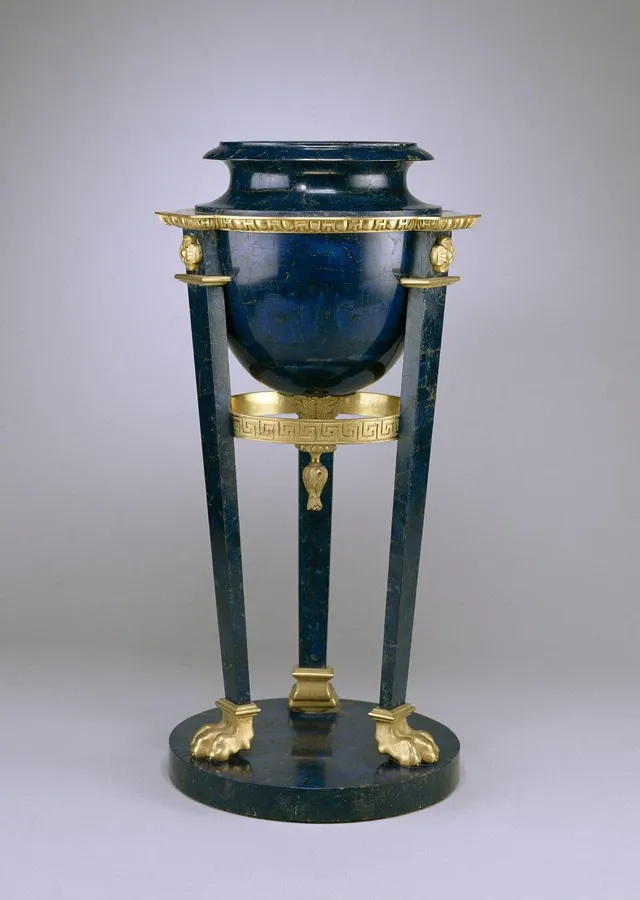
Own a natural piece
A polished lapis sphere: the same blue in one solid piece.
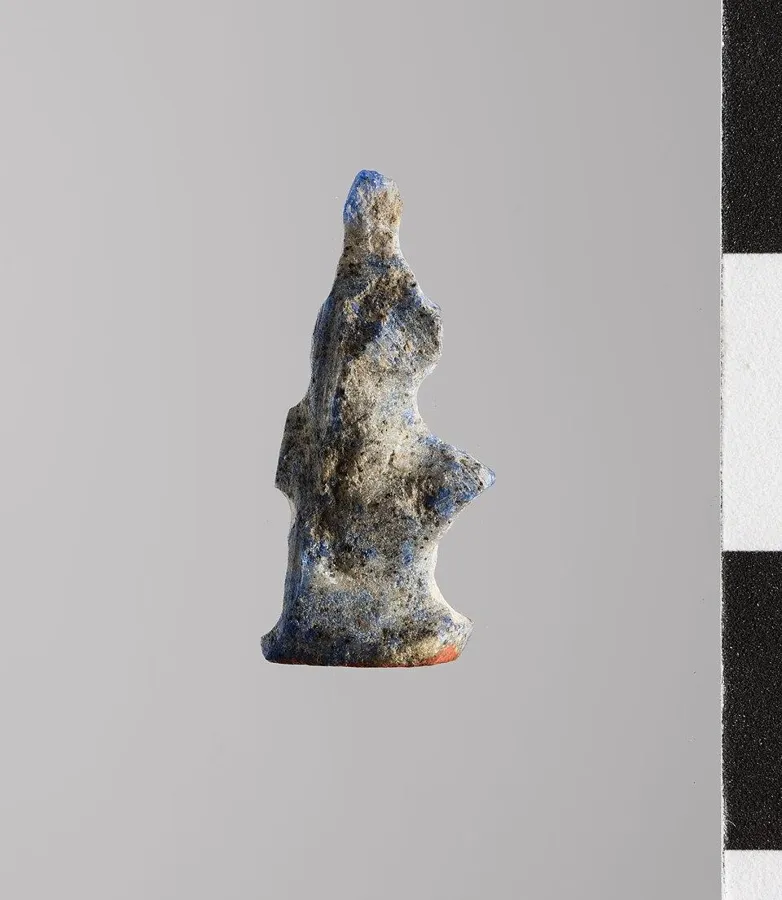
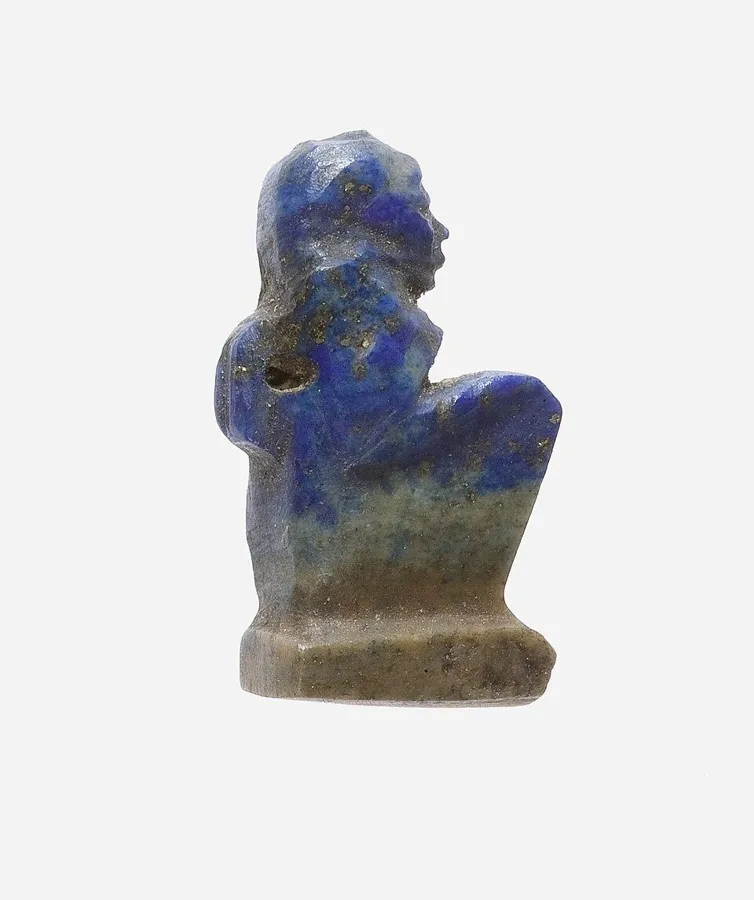
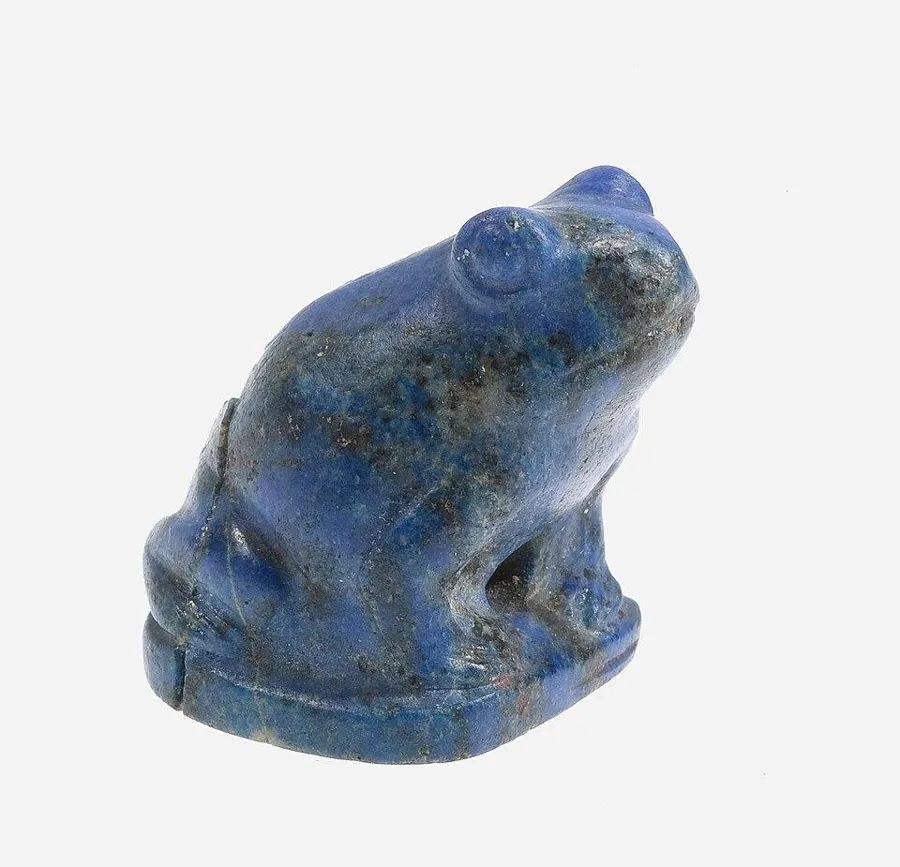
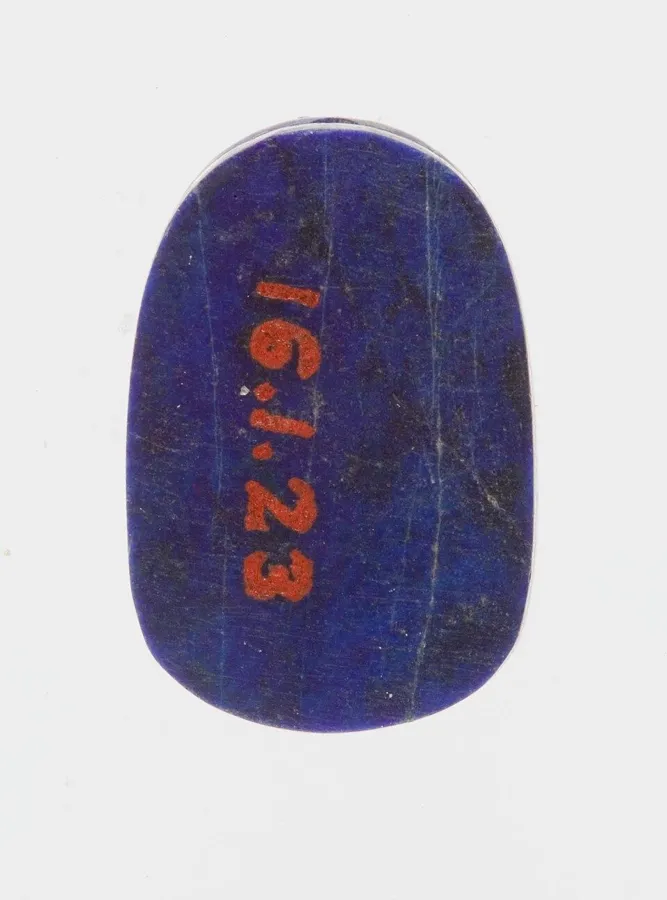
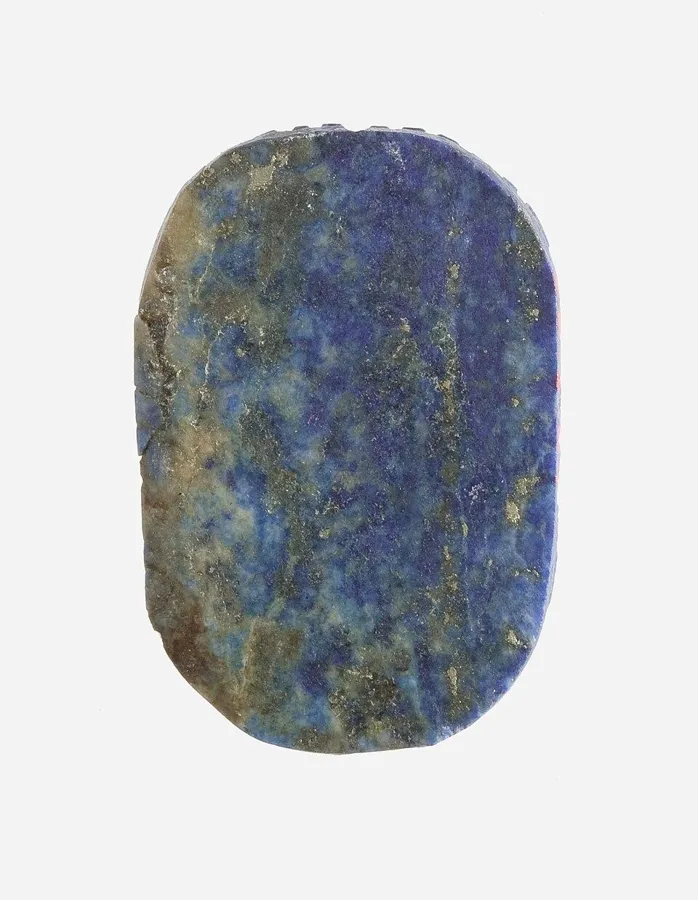
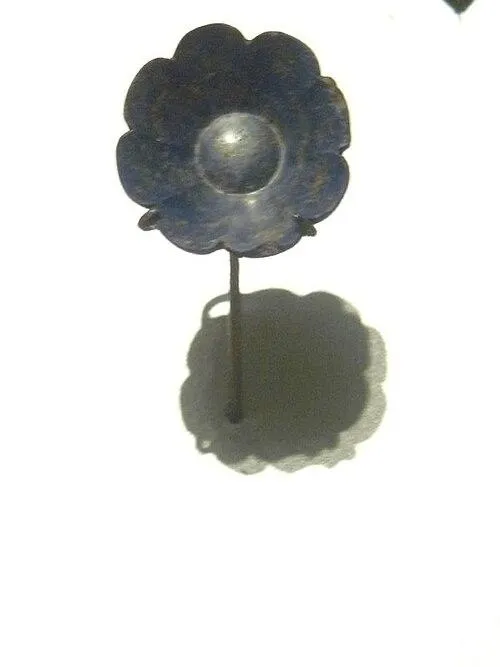
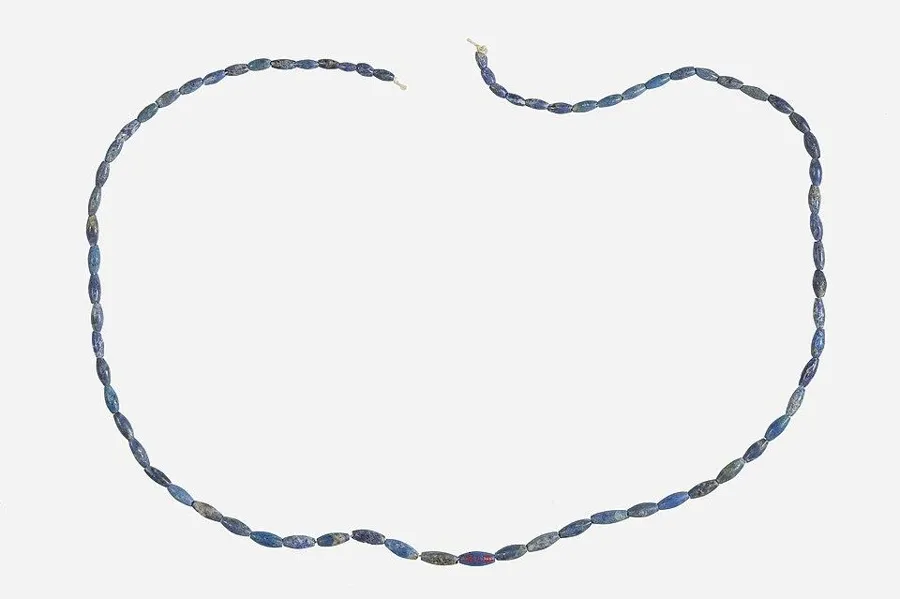
Own a natural piece
Lapis beads to own, the same stone.
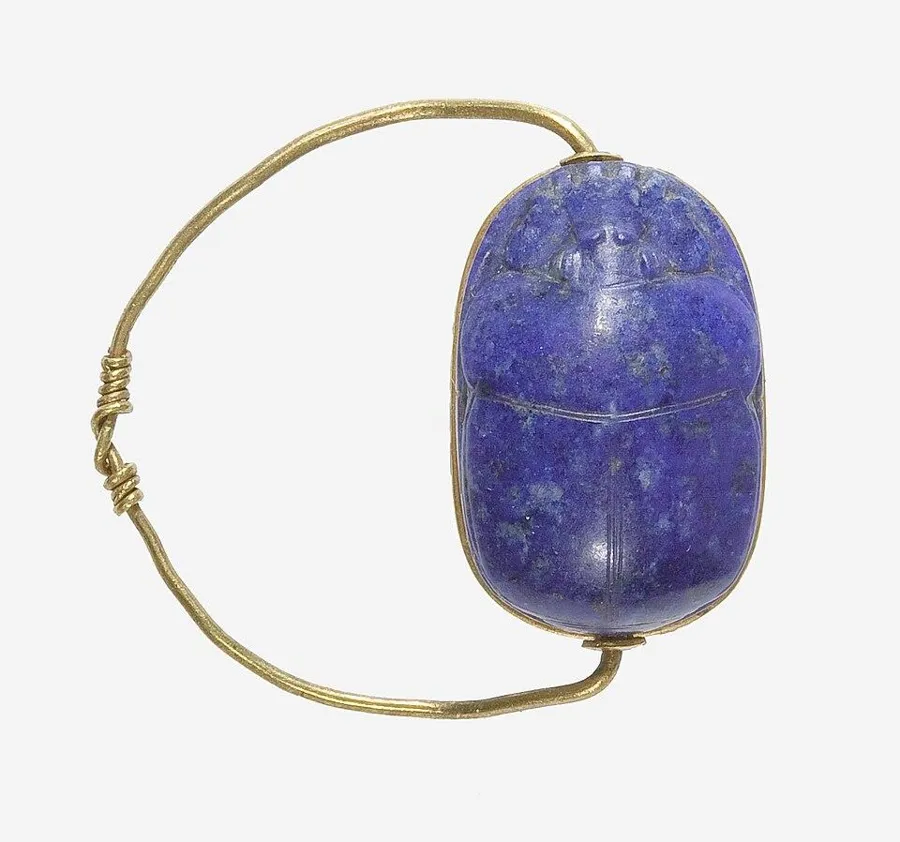
Own a natural piece
A lapis cabochon of the kind set in rings.
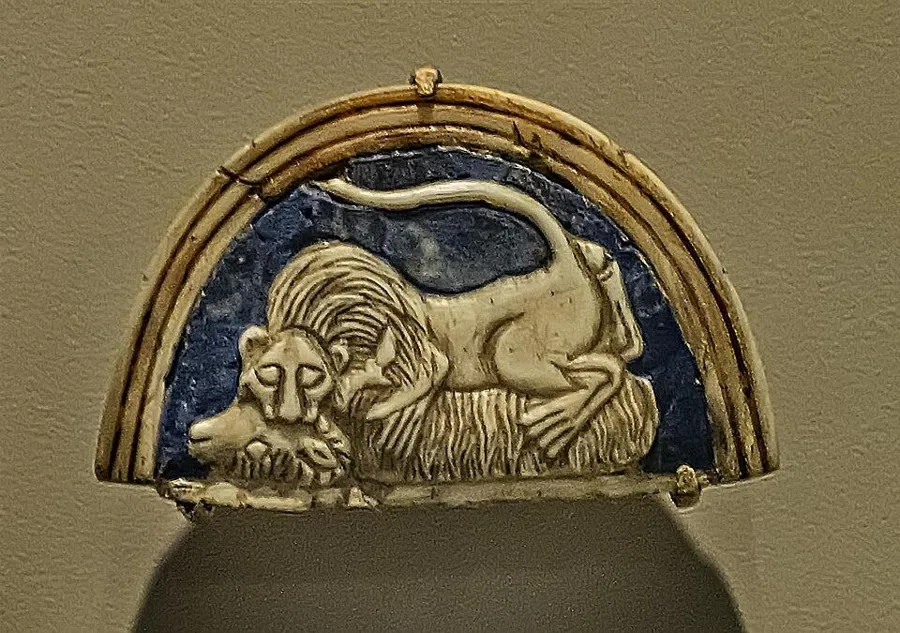
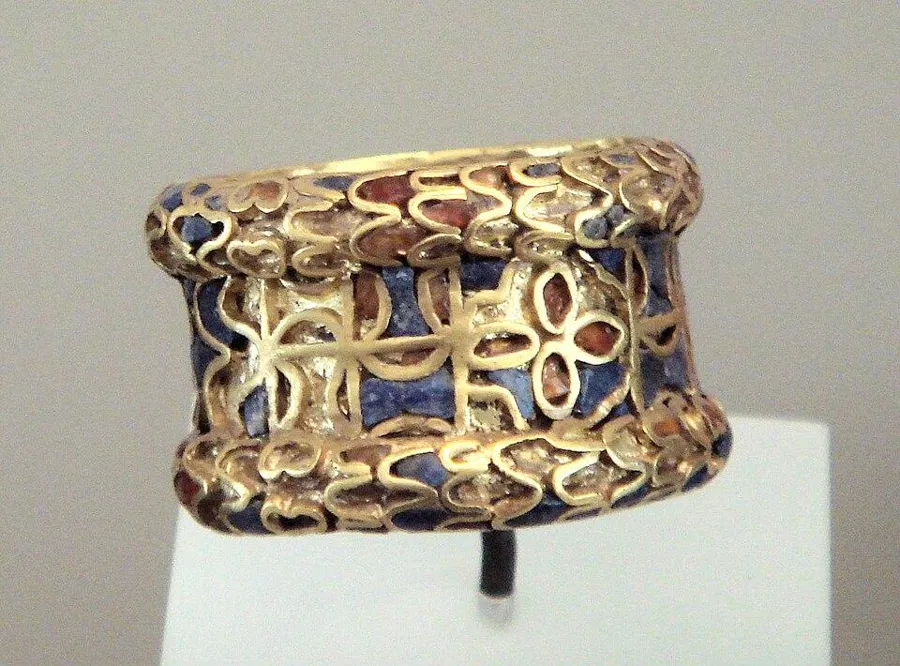
Own a natural piece
Real lapis beads to string your own.
Own a natural piece
A polished lapis sphere, the same blue in one piece.
Own a natural piece
A polished lapis sphere, the same blue.
Own a natural piece
Lapis beads to string your own.
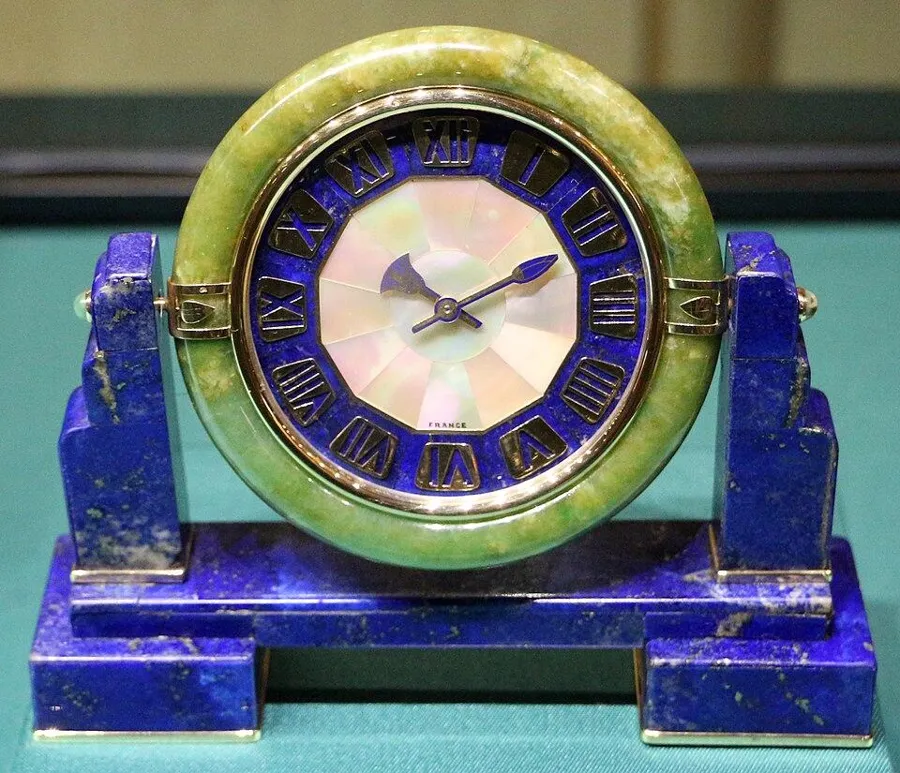
Own a natural piece
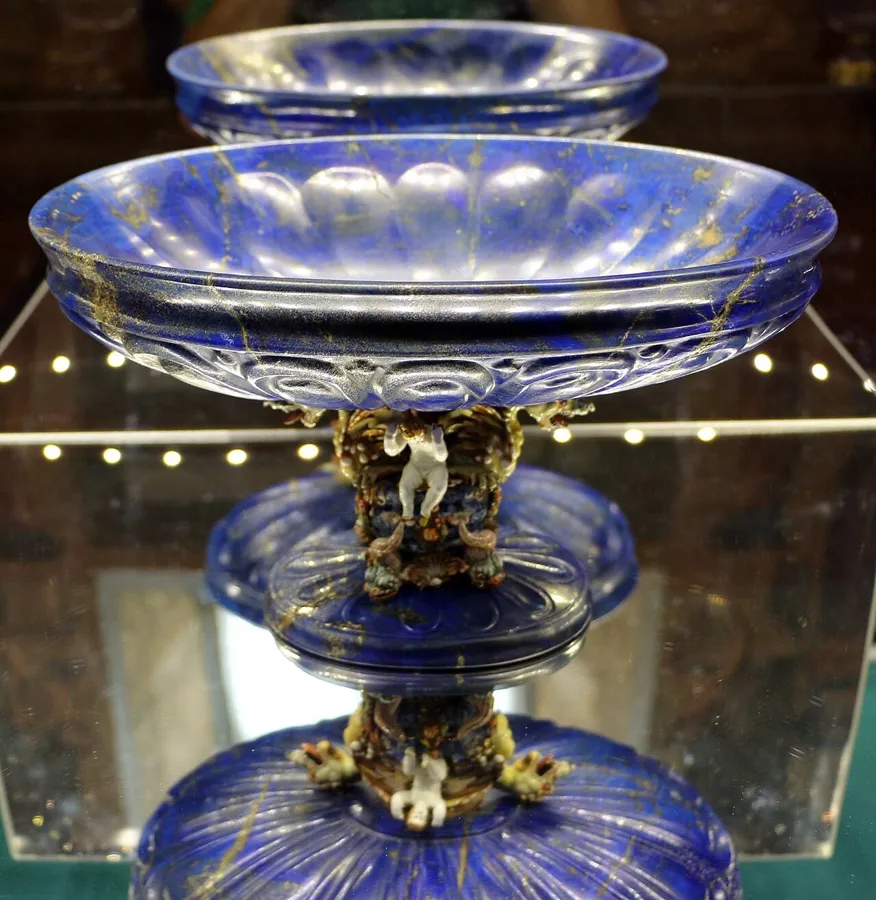
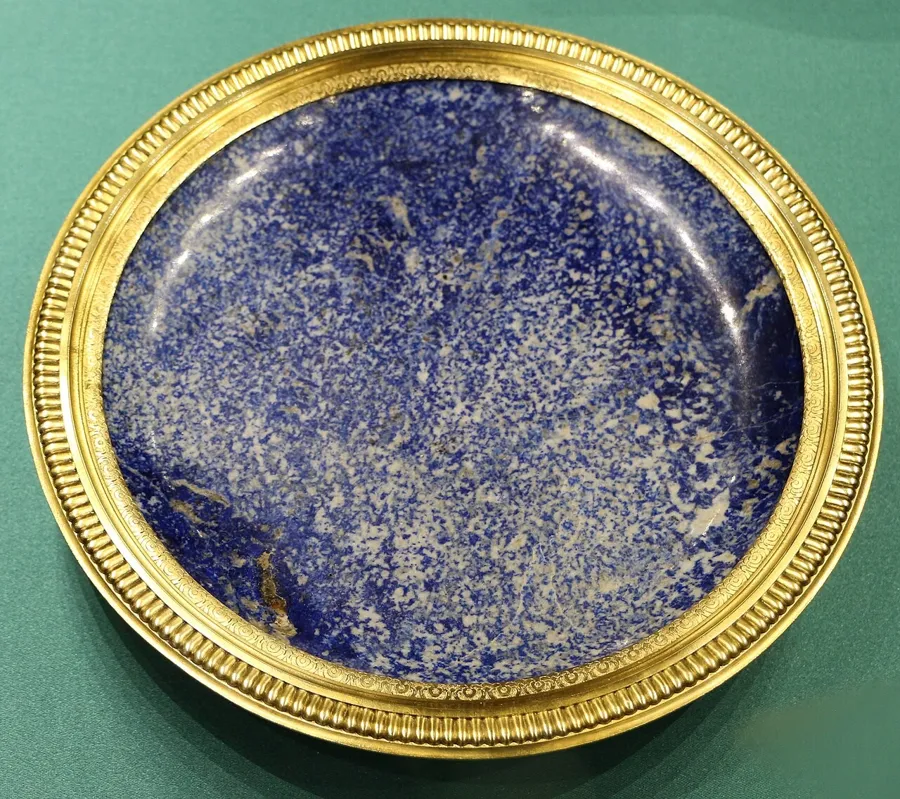
A bowl carved from a single block of Afghan lapis, 6 inches across.
Own a natural piece
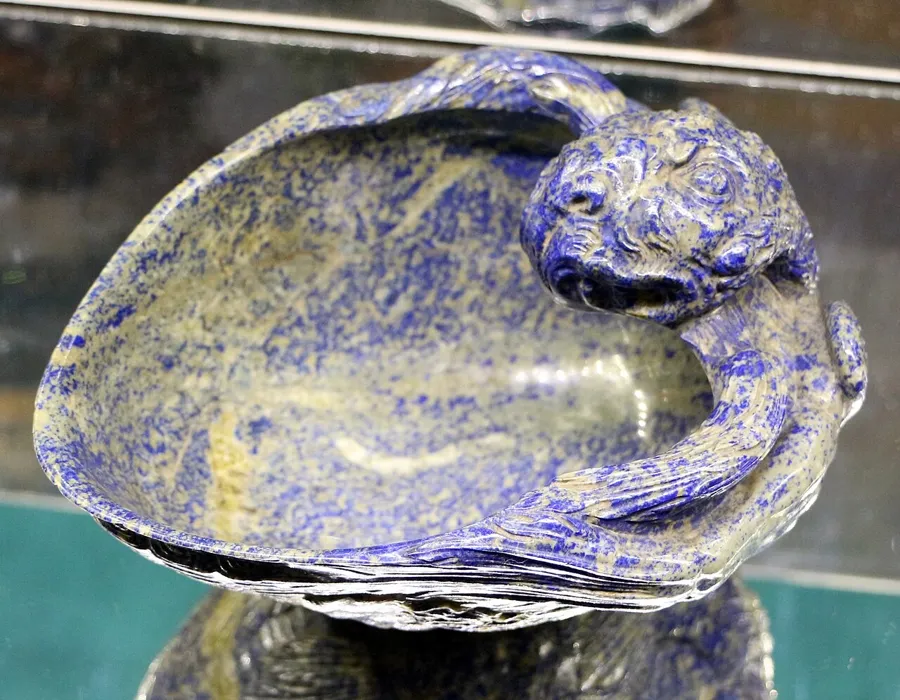
A bowl carved from a single block of Afghan lapis, 6 inches across.
Own a natural piece
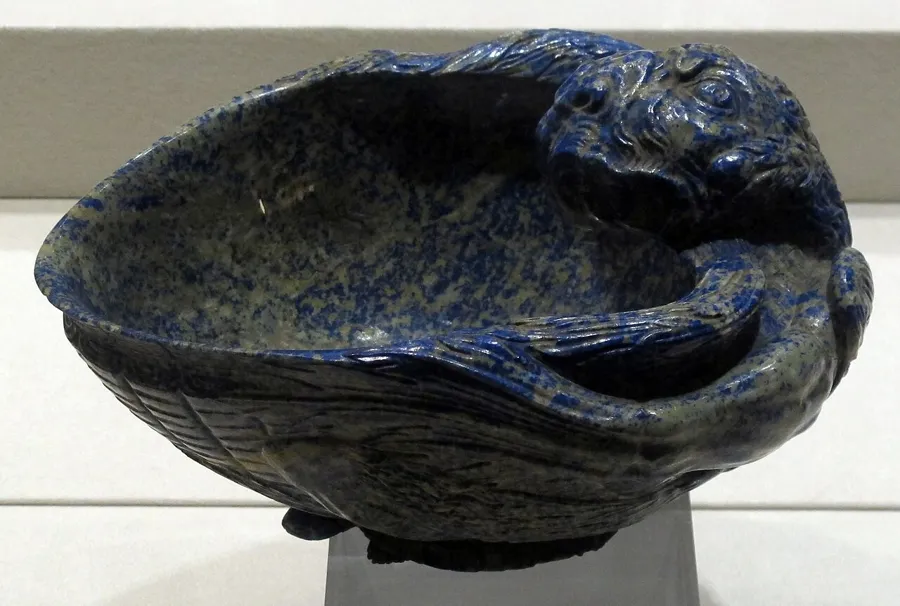
A bowl carved from a single block of Afghan lapis, 6 inches across.
Own a natural piece
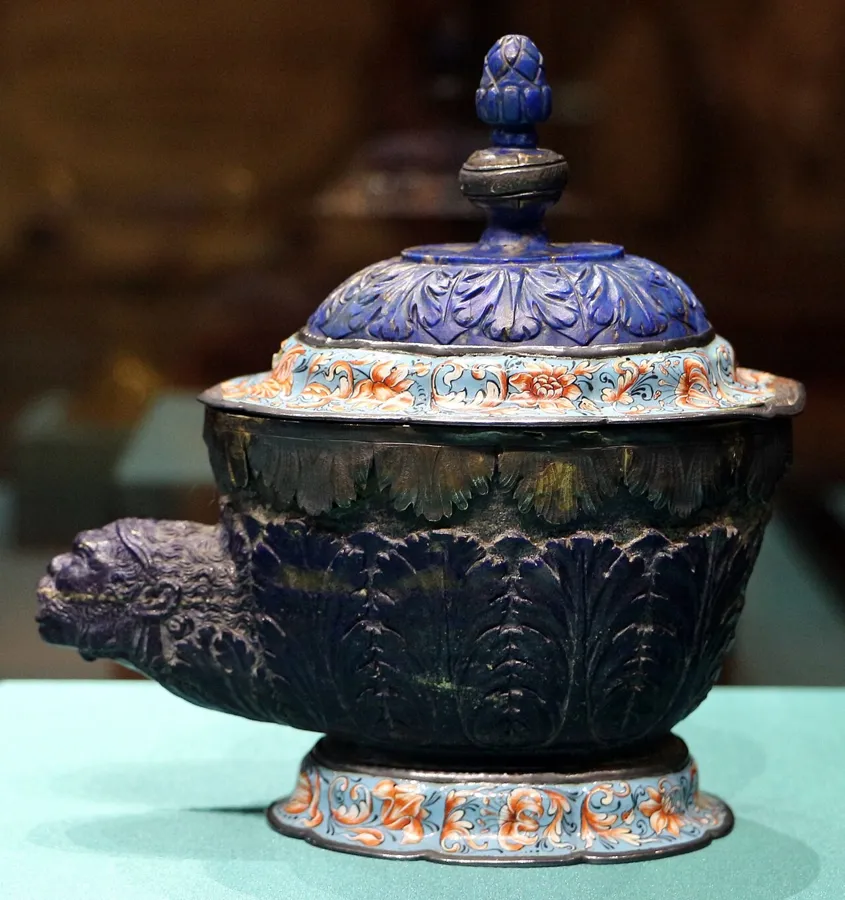
A bowl carved from a single block of Afghan lapis, 6 inches across.
Own a natural piece
A bowl carved from a single block of Afghan lapis, 6 inches across.
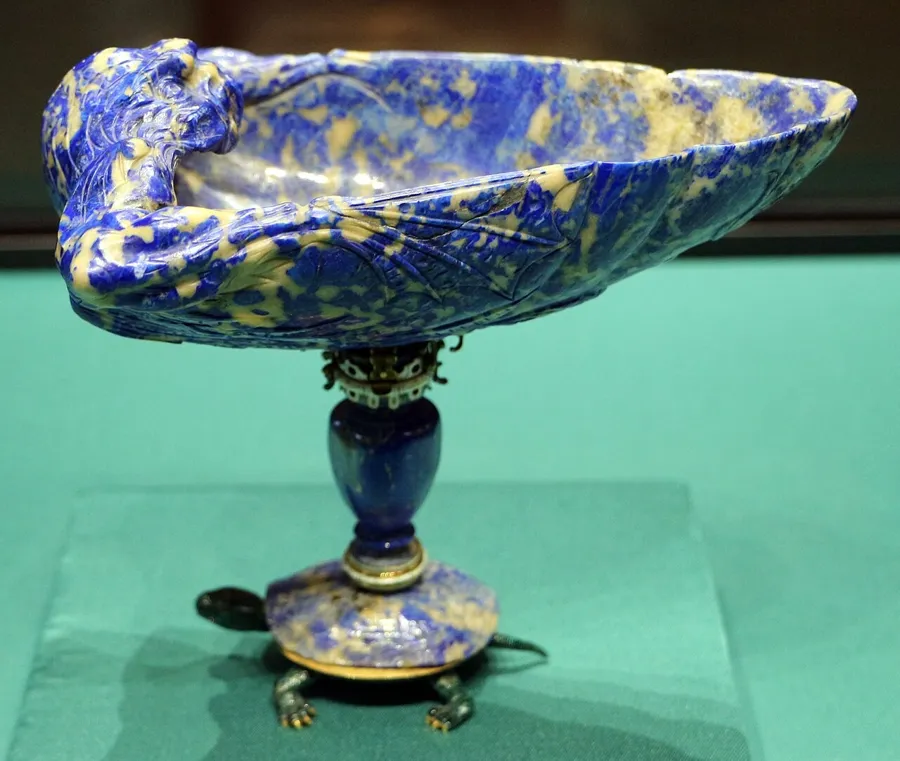
Own a natural piece
A bowl carved from a single block of Afghan lapis, 6 inches across.
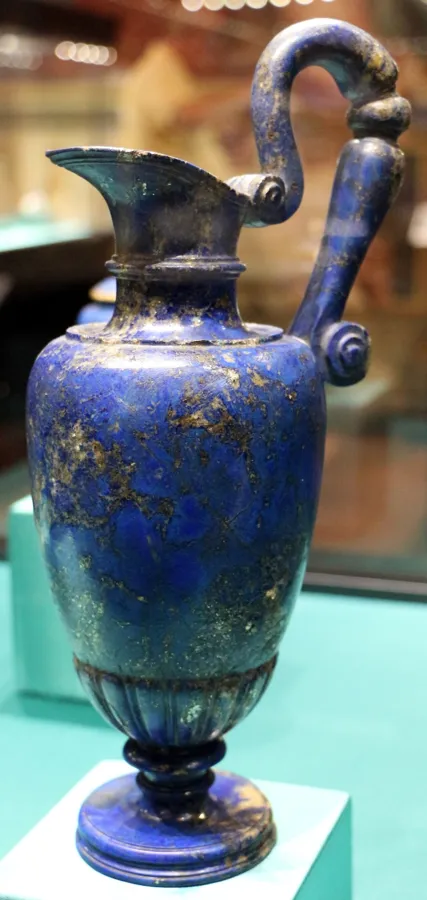
Own a natural piece
A bowl carved from a single block of Afghan lapis, 6 inches across.
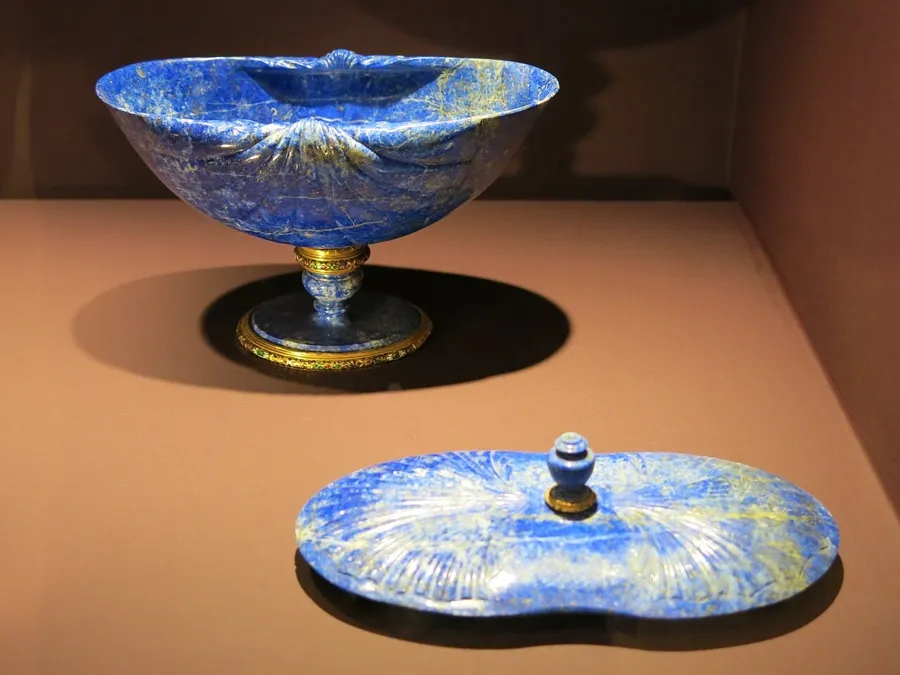
Own a natural piece
A bowl carved from a single block of Afghan lapis, 6 inches across.
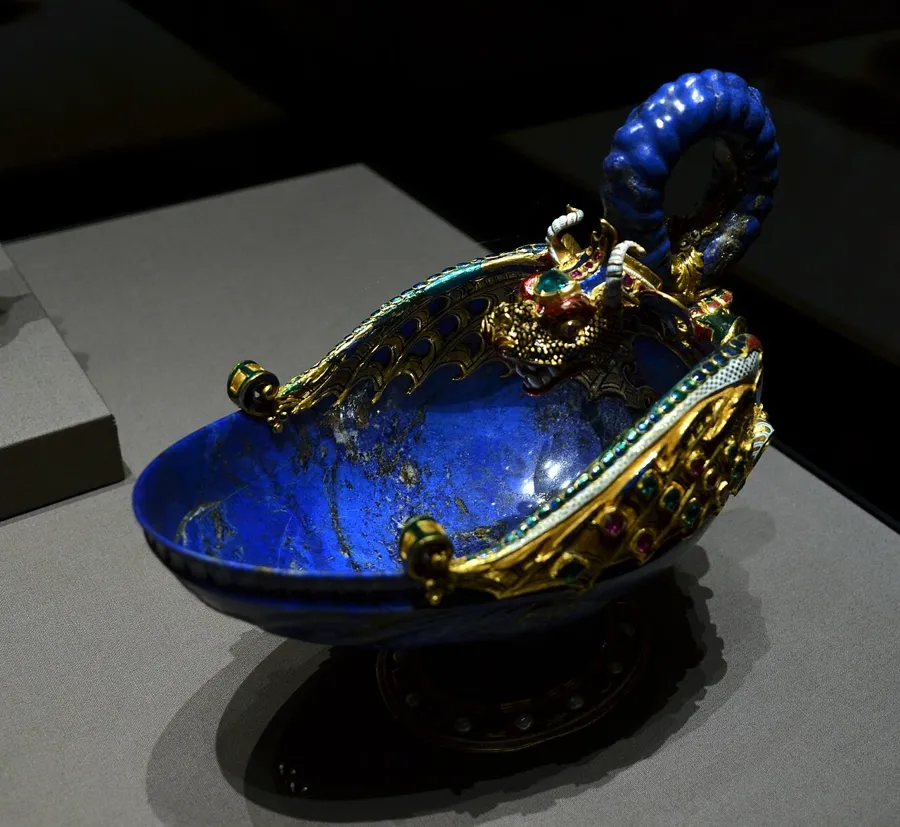
Own a natural piece
A bowl carved from a single block of Afghan lapis, 6 inches across.
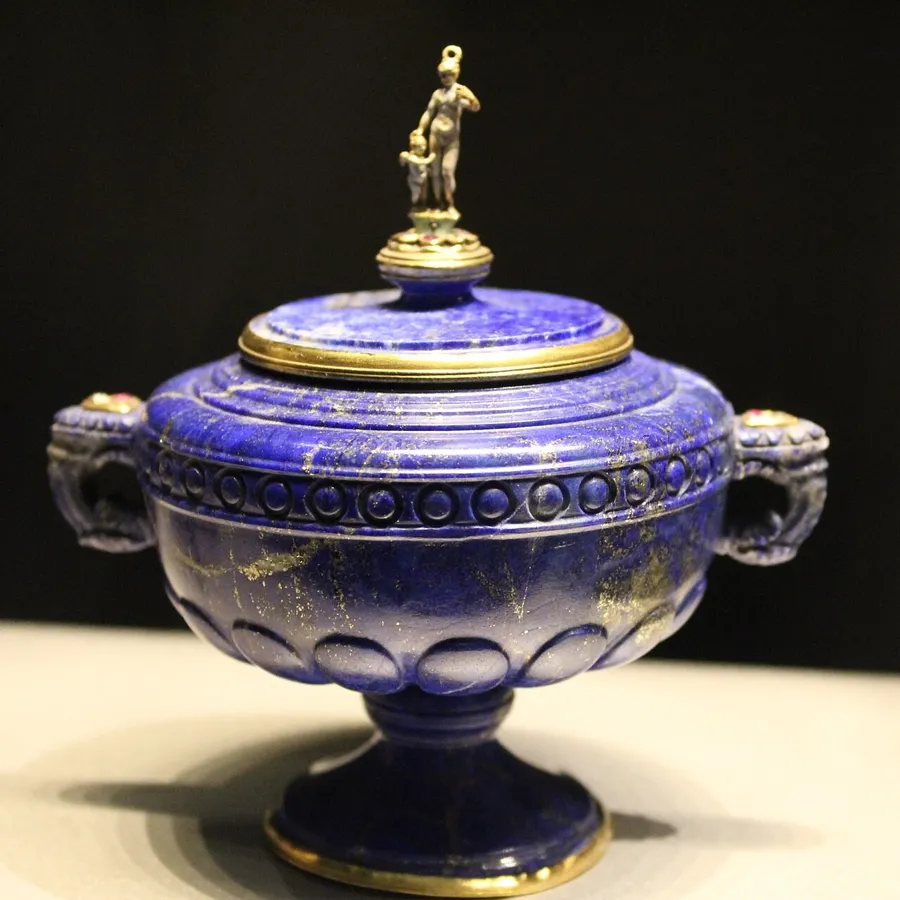
Own a natural piece
A bowl carved from a single block of Afghan lapis, 6 inches across.
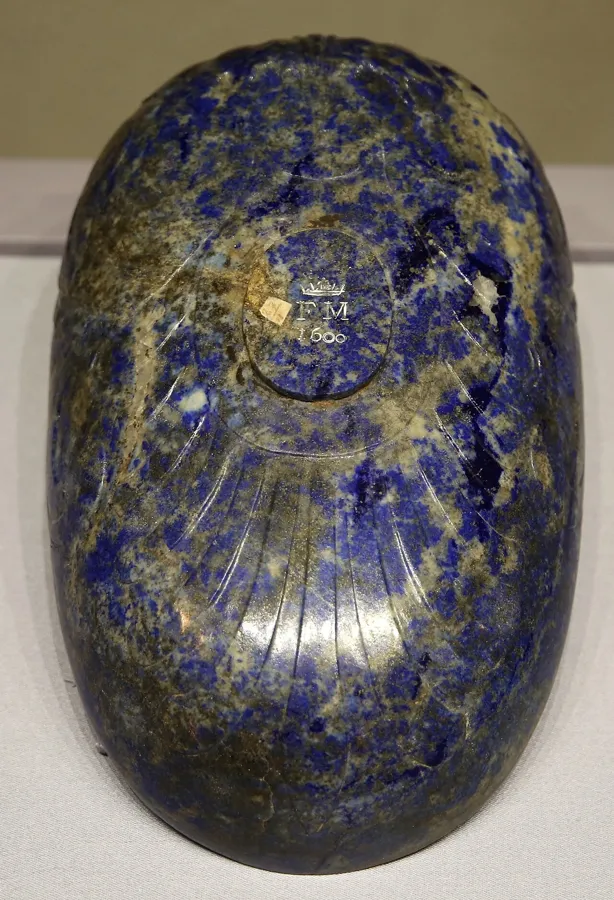
Own a natural piece
A bowl carved from a single block of Afghan lapis, 6 inches across.
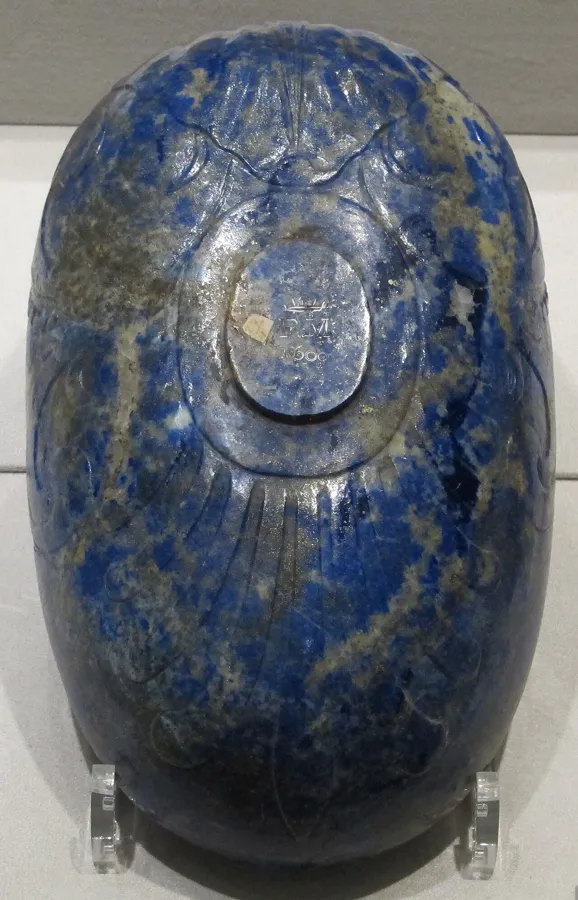
Own a natural piece
A bowl carved from a single block of Afghan lapis, 6 inches across.
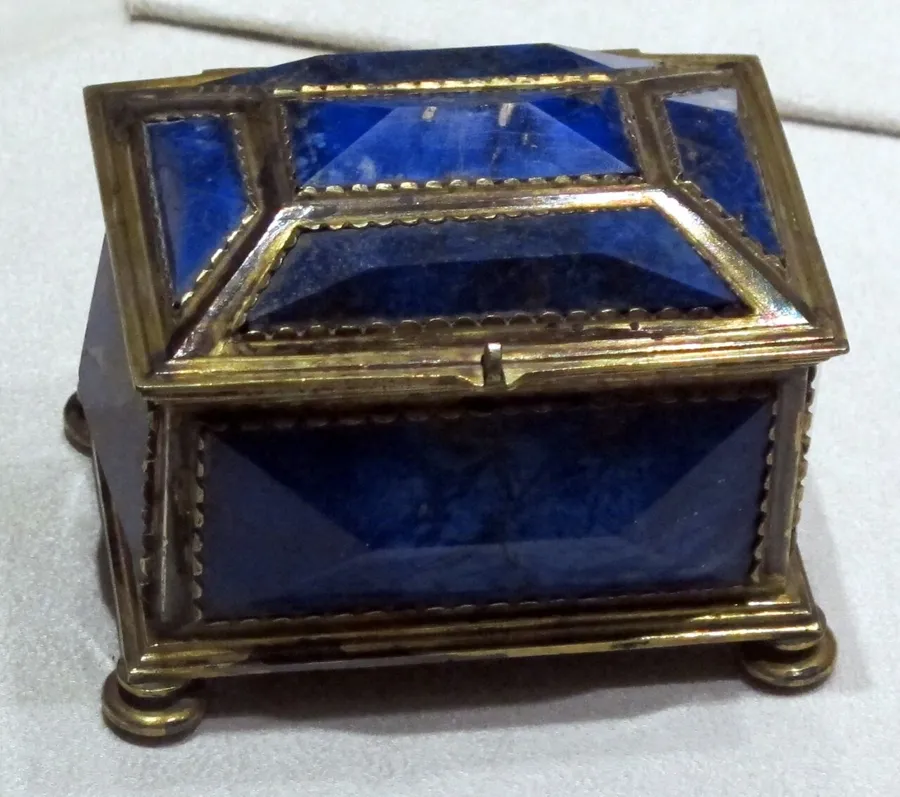
Own a natural piece
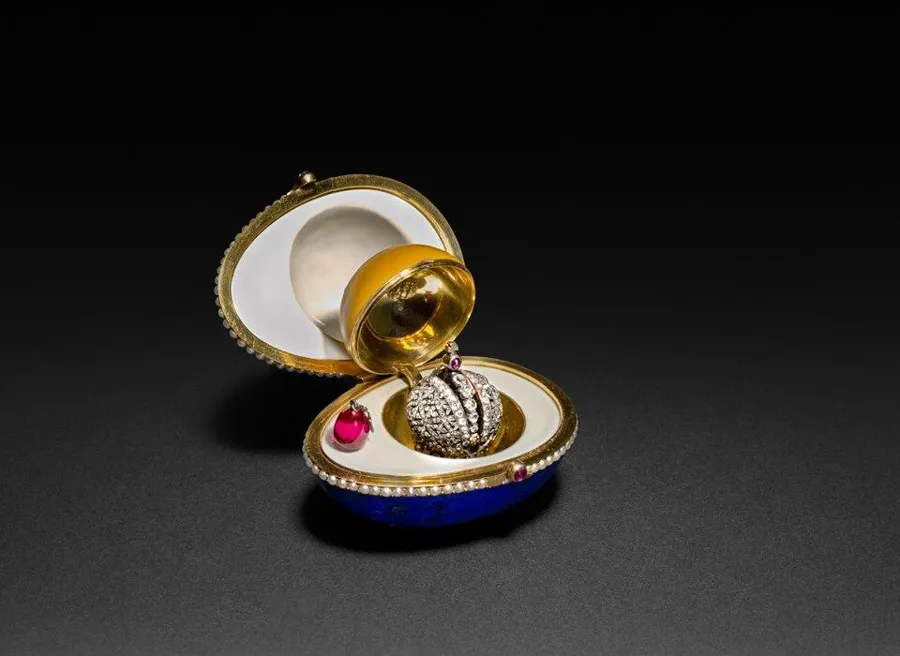
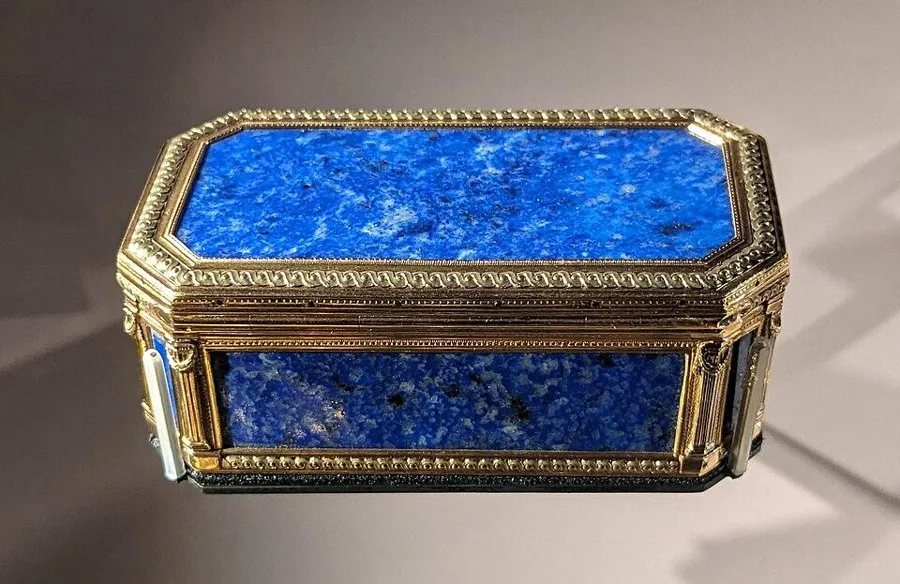
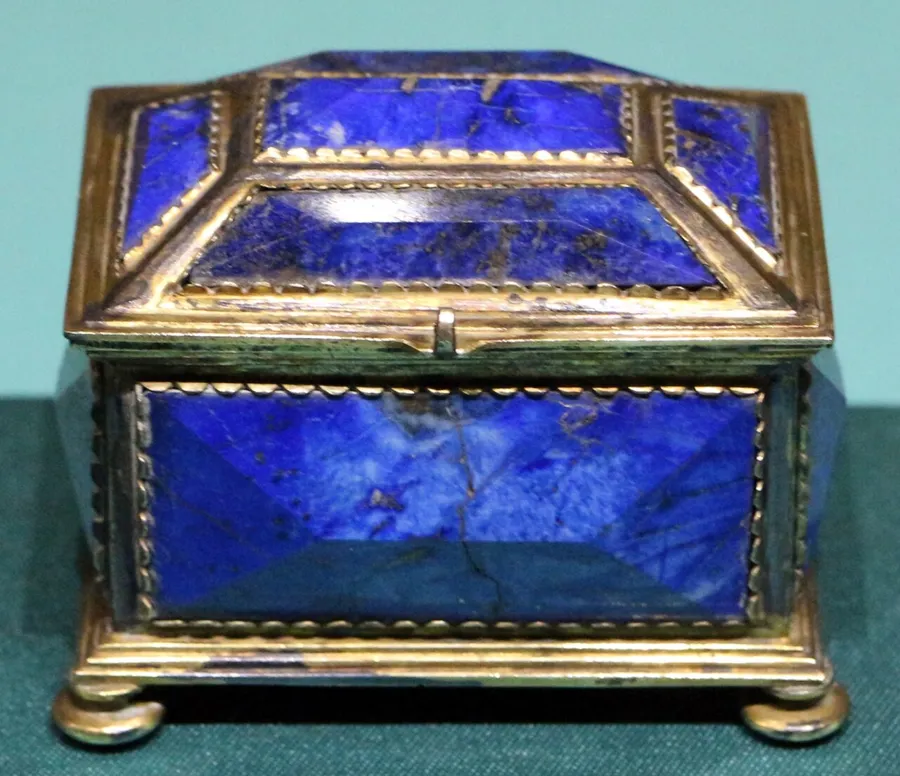
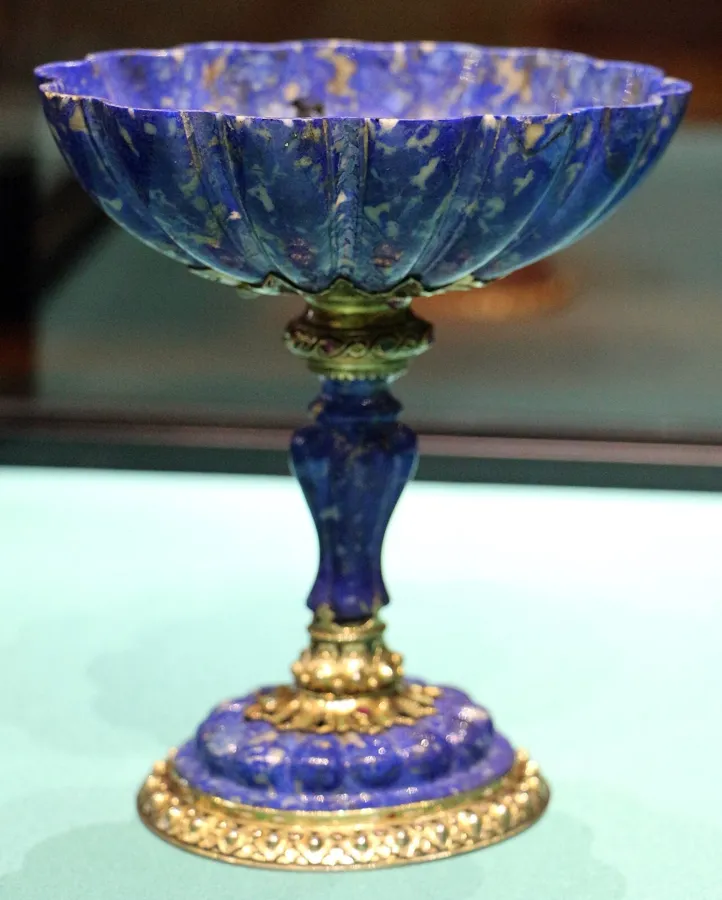
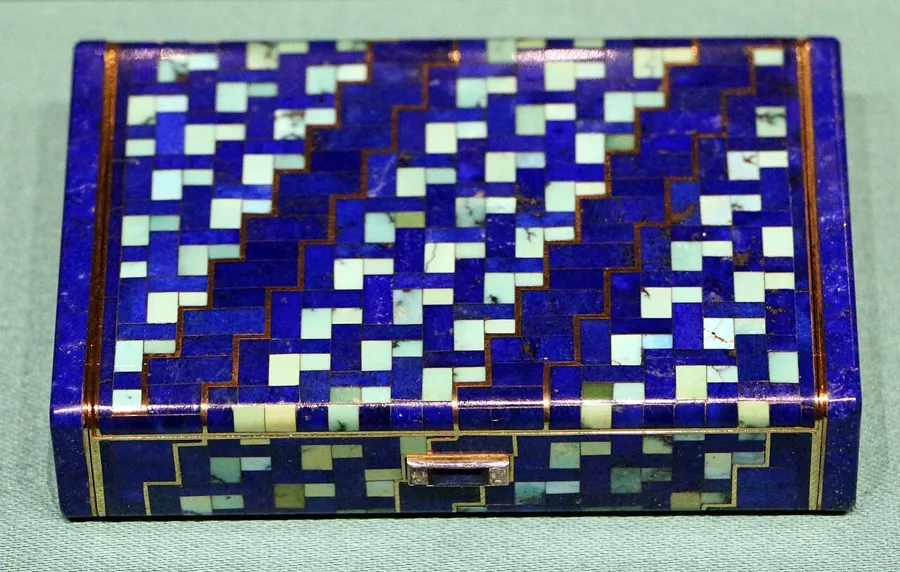
A lapis lazuli jewellery box cut from Afghan lapis, the same stone as the Medici caskets.
Own a natural piece
A lapis lazuli jewellery box cut from Afghan lapis, the same stone as the Medici caskets.
Own a natural piece
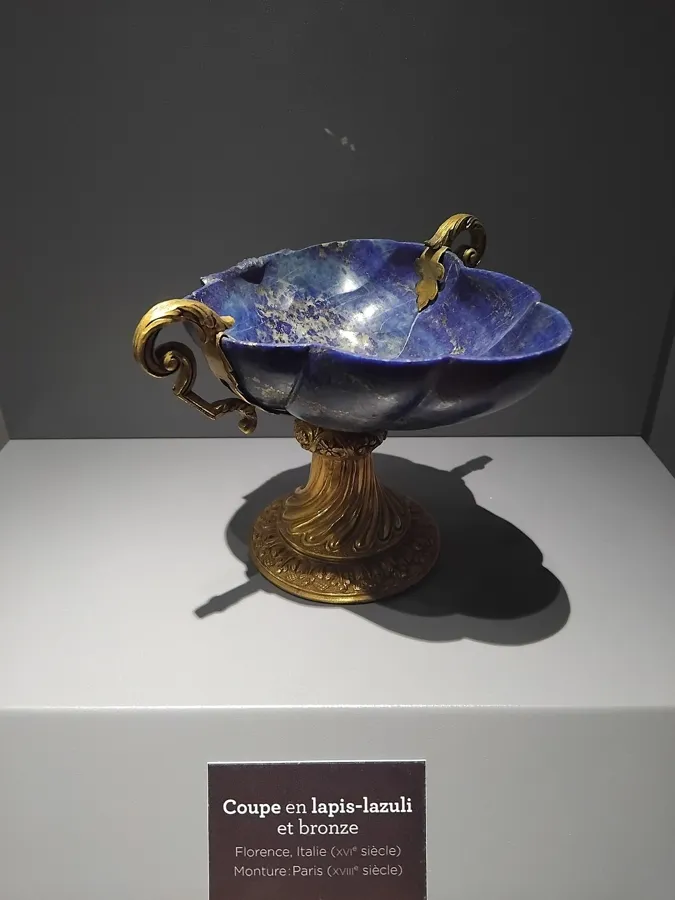
A bowl carved from a single block of Afghan lapis, 6 inches across.
Own a natural piece
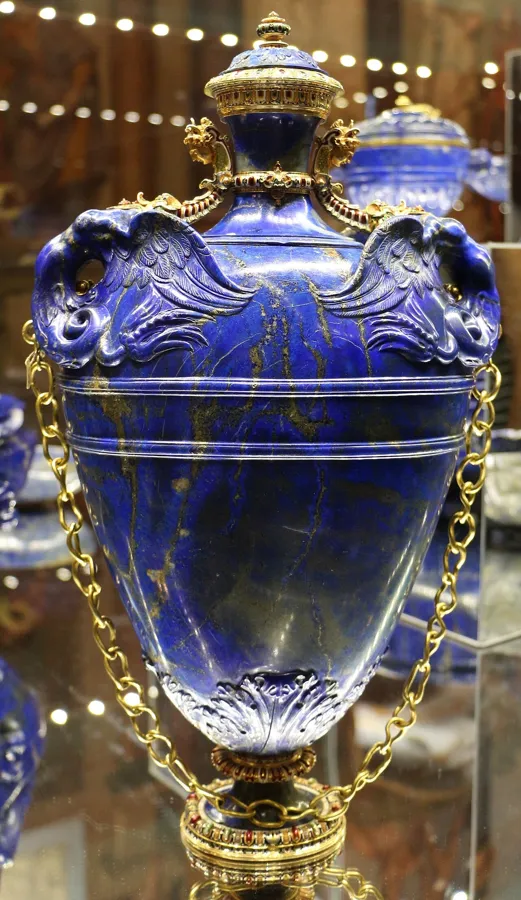
A bowl carved from a single block of Afghan lapis, 6 inches across.
Own a natural piece
A bowl carved from a single block of Afghan lapis, 6 inches across.
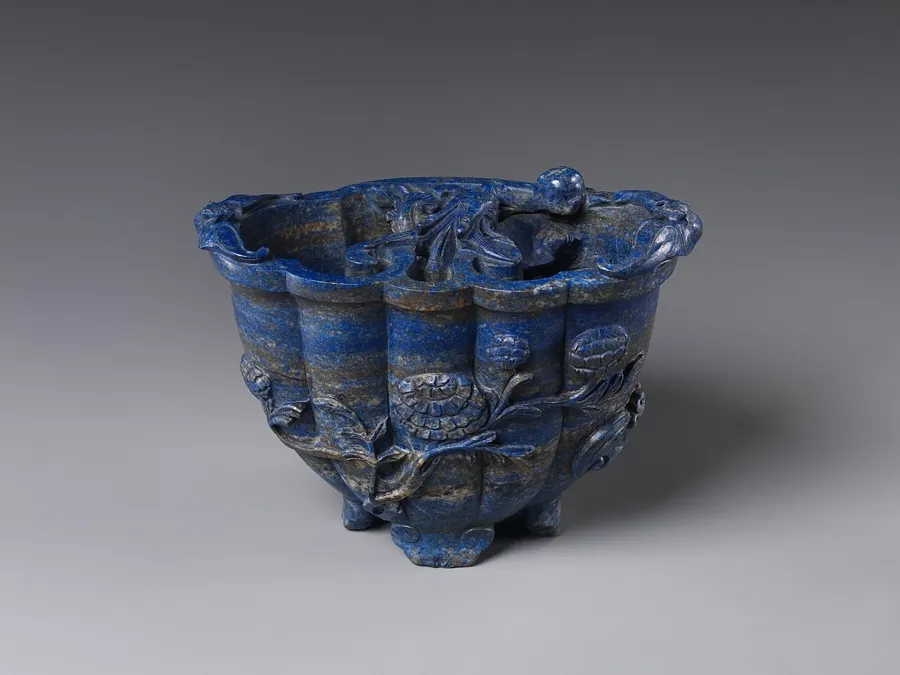
Own a natural piece
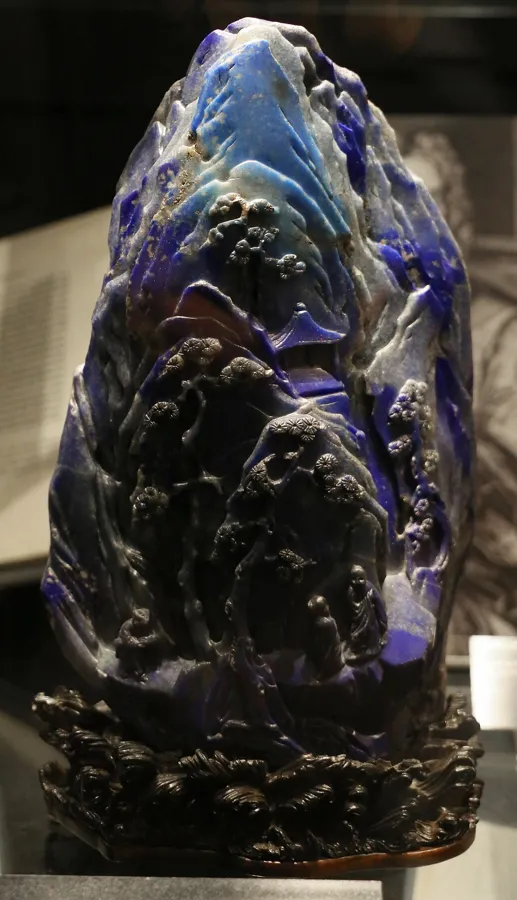
A small lapis carving with gold pyrite flecks.
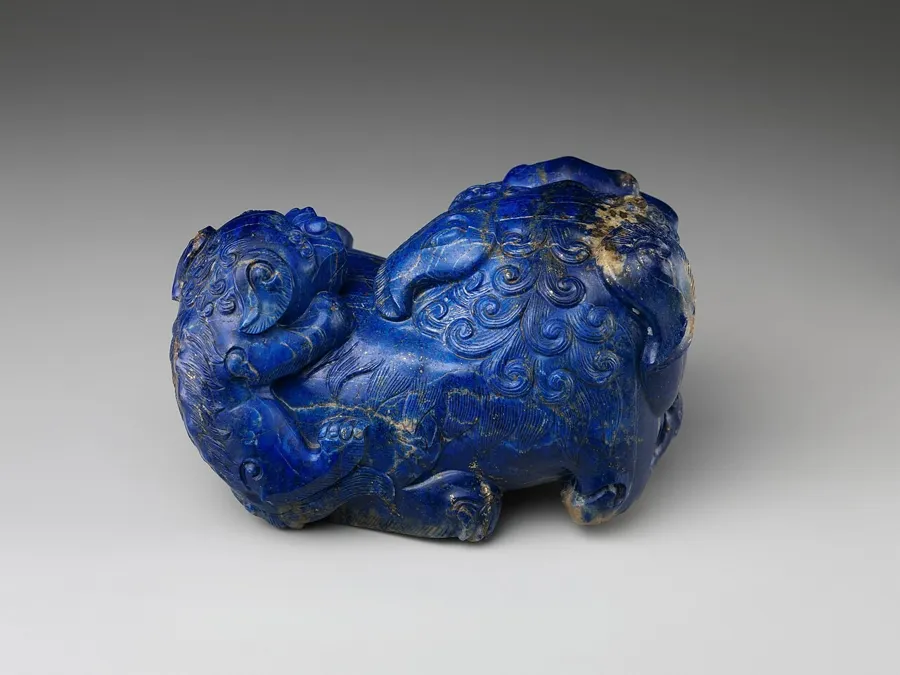
Own a natural piece
A small lapis carving with gold pyrite flecks.
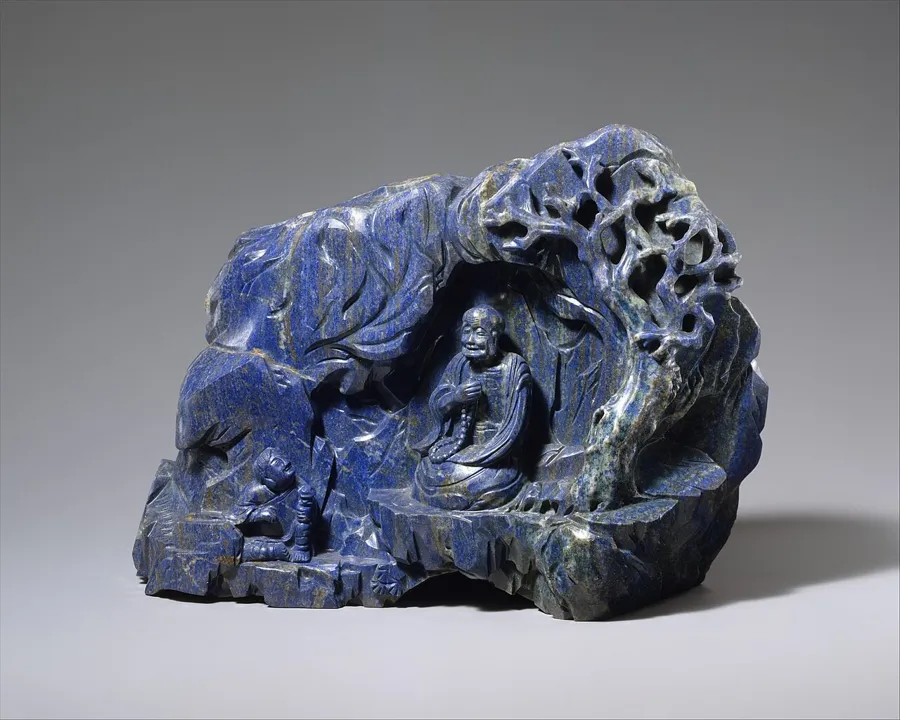
Own a natural piece
A small lapis carving with gold pyrite flecks.
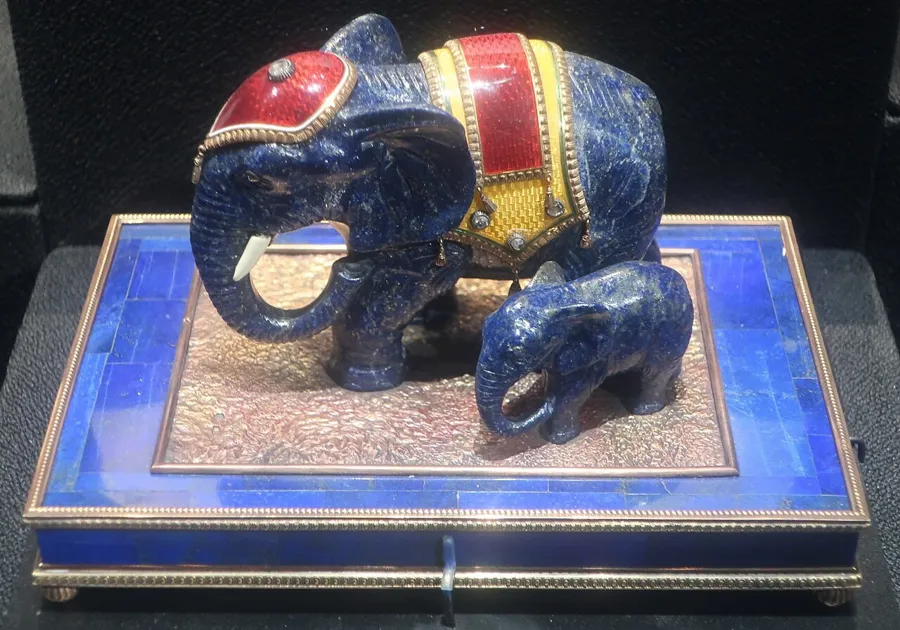
Own a natural piece
A small lapis carving with gold pyrite flecks.
Own a natural piece
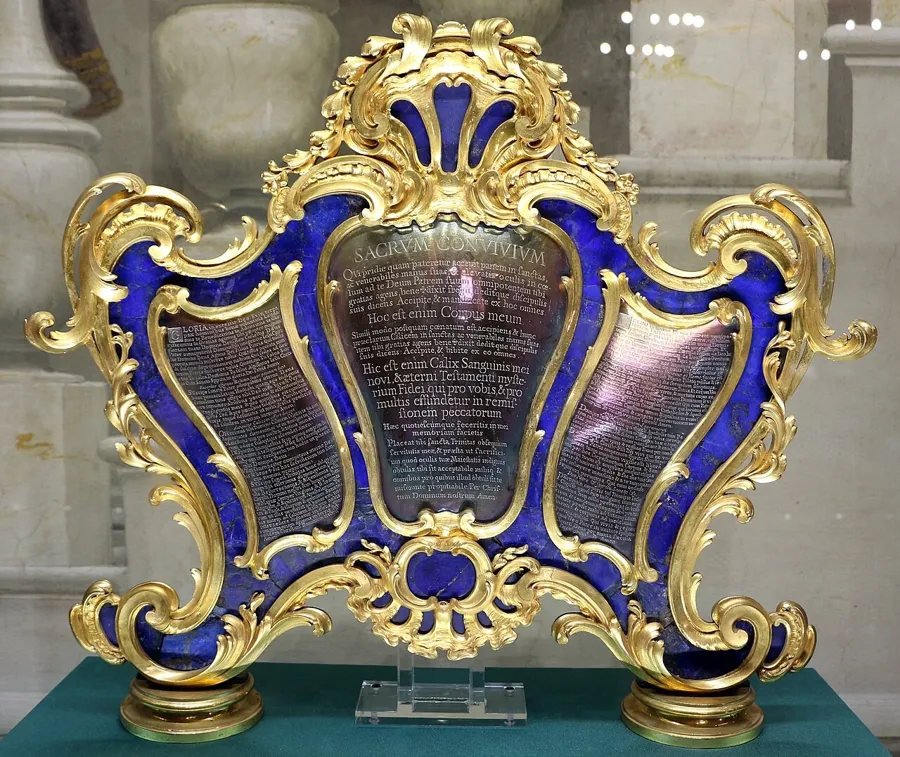
A silver chalice set with lapis stones, made in Italy today.
Own a natural piece
A silver chalice set with lapis stones, made in Italy today.
Own a natural piece
A silver chalice set with lapis stones, made in Italy today.
Own a natural piece
A lapis lazuli jewellery box cut from Afghan lapis, the same stone as the Medici caskets.
Own a natural piece
A small lapis carving with gold pyrite flecks.
Own a natural piece
A bowl carved from a single block of Afghan lapis, 6 inches across.
Own a natural piece
A small lapis carving with gold pyrite flecks.
Own a natural piece
A silver chalice set with lapis stones, made in Italy today.
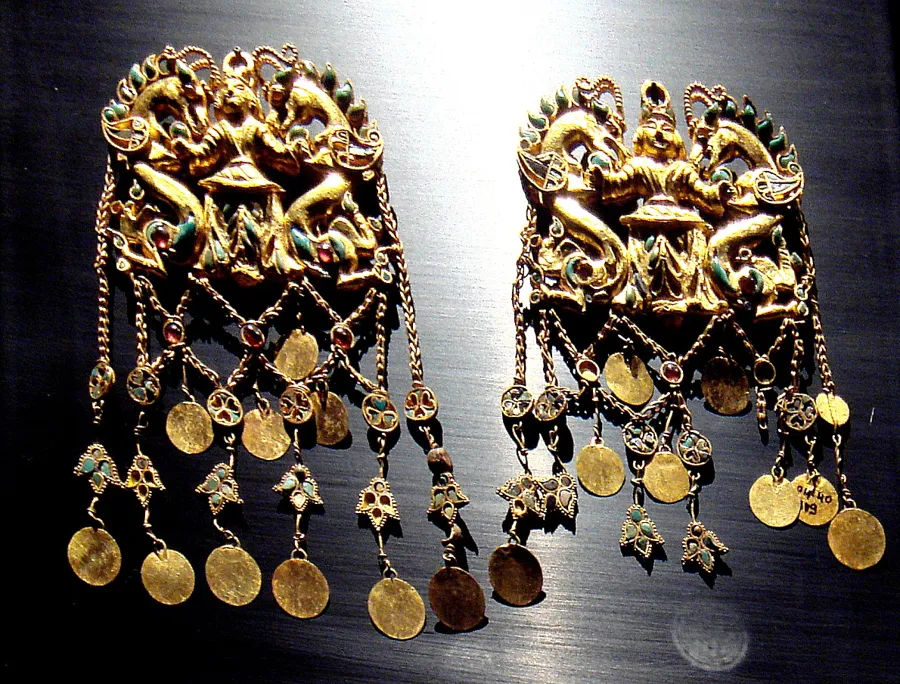
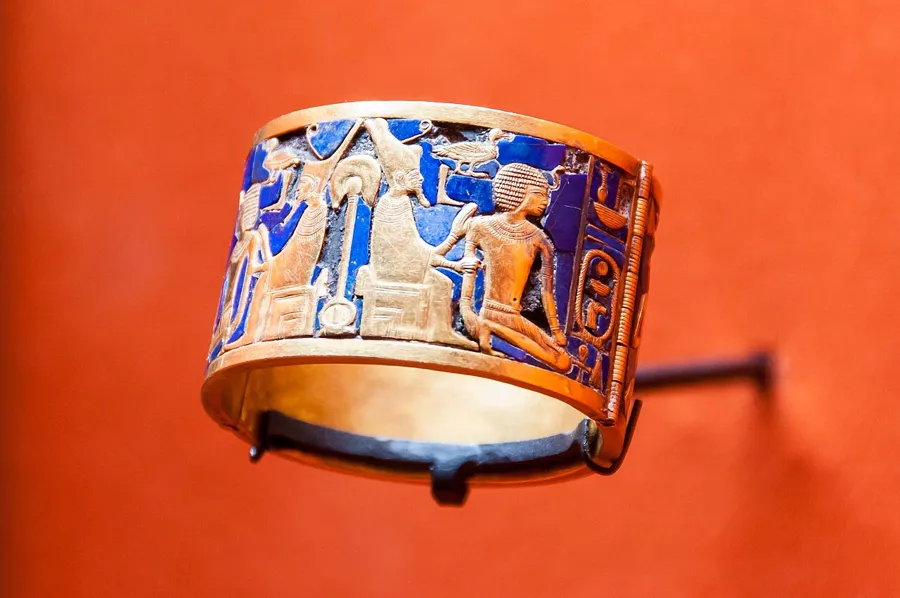
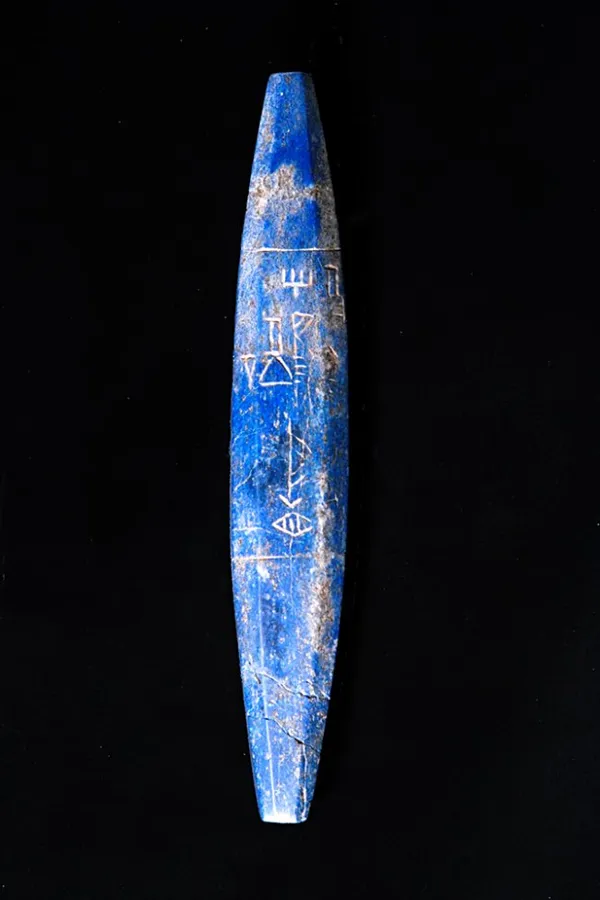
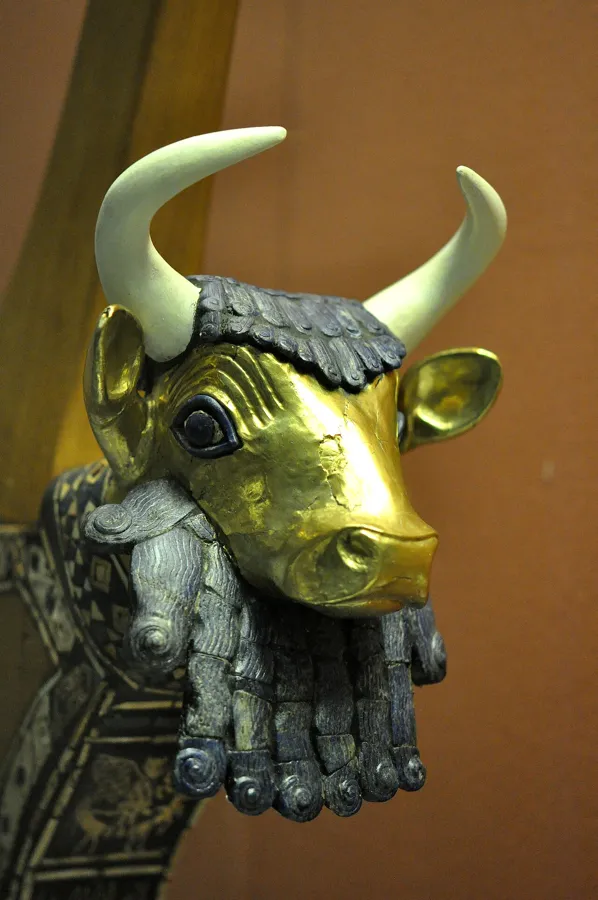
Why a blue rock from one mountain valley became the most valuable colour in history.
Most gems are one mineral grown as one crystal. Lapis lazuli is a rock: a mix of minerals packed together. The blue is lazurite, a mineral of the sodalite family. The gold sparks are pyrite, the same mineral as fool’s gold. The white streaks are calcite, the mineral of marble. Good lapis is mostly lazurite with a scatter of pyrite and little calcite.
The blue itself comes from a tiny group of three sulfur atoms carrying an extra electron, trapped inside the lazurite crystal frame. That same trapped sulfur is what makes the pigment ultramarine blue, natural or synthetic.
The finest lapis still comes from Sar-e-Sang, high in the Kokcha valley of Badakhshan in northeast Afghanistan, and it has been mined there for more than 6,000 years. Miners once split the rock by heating it with fire and throwing cold water on it.
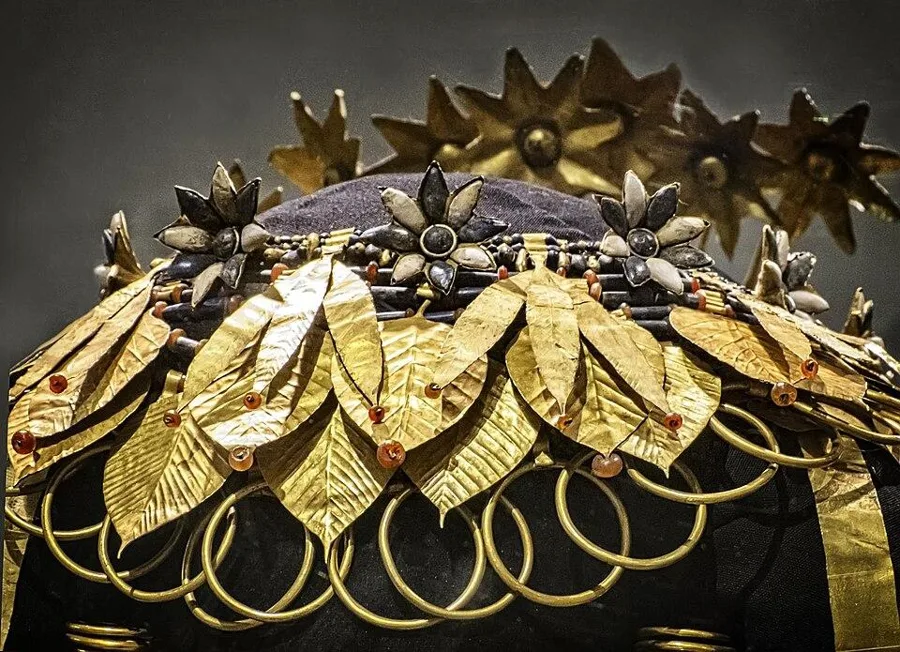
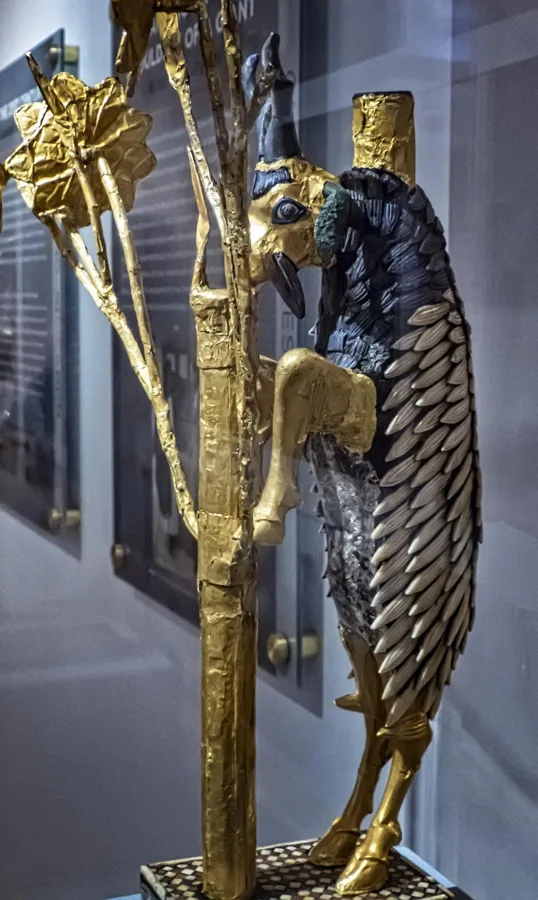
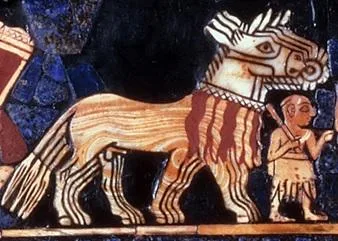
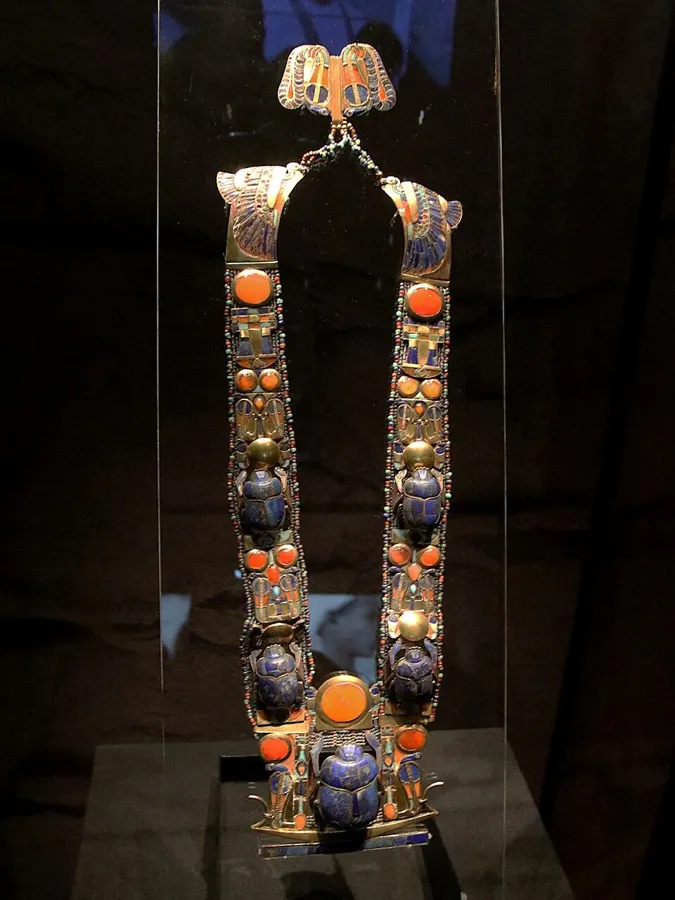
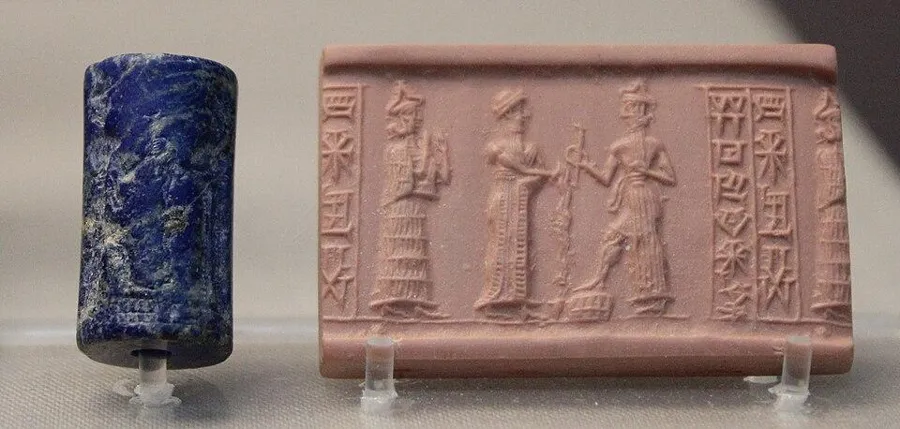
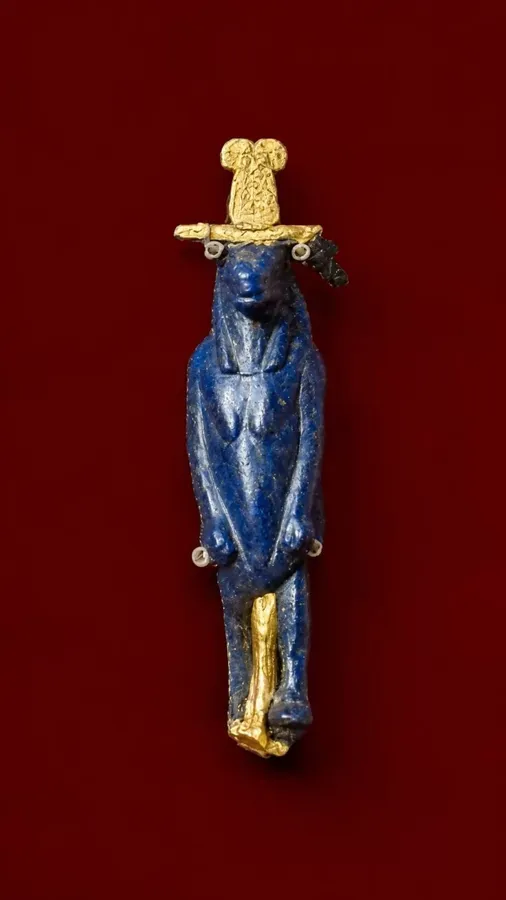
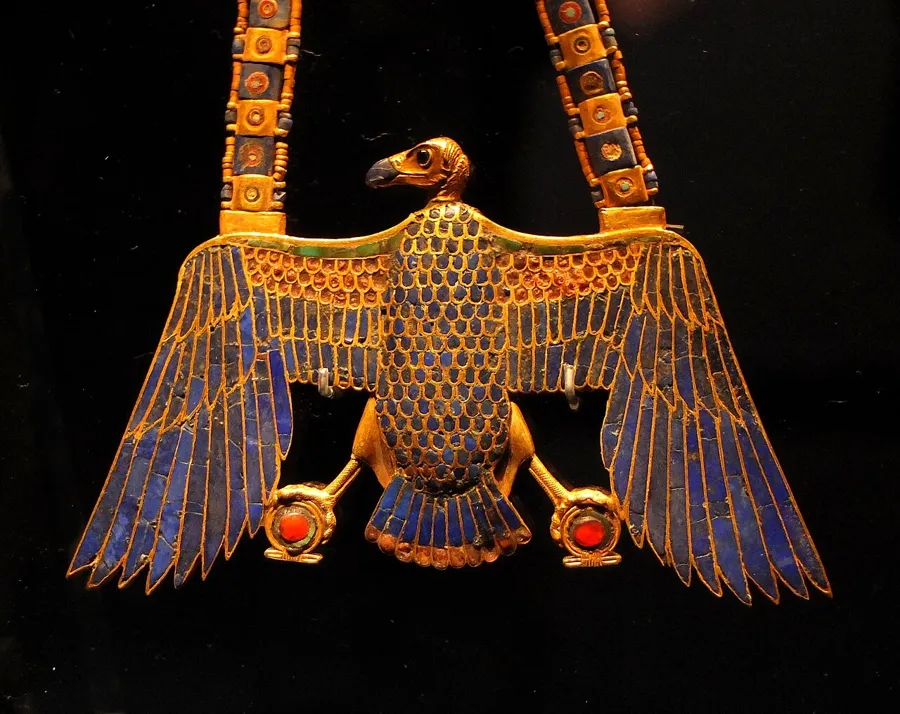
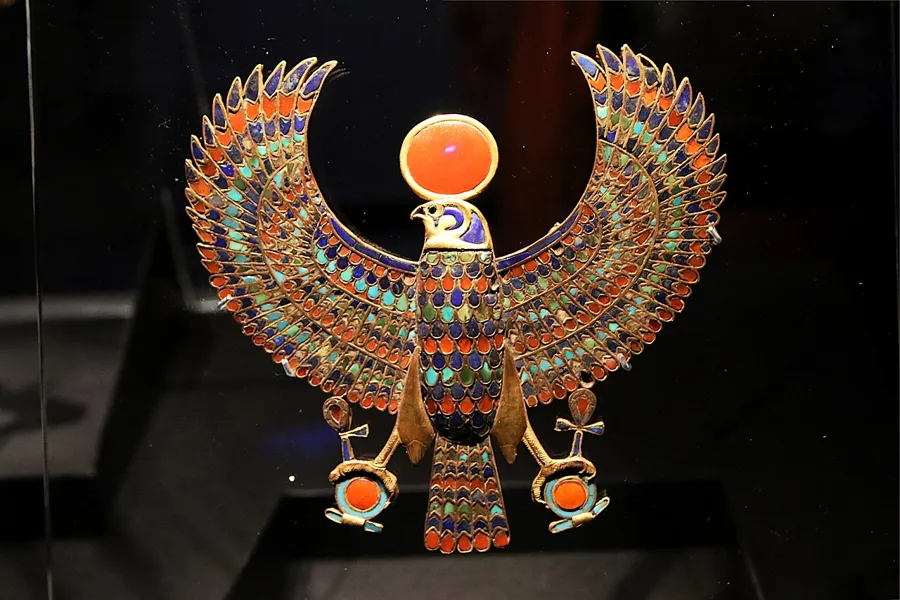
From there it travelled astonishing distances. Around 2500 BCE the royal tombs of Ur, in southern Iraq, were filled with it: Queen Puabi’s headdress, the Ram in a Thicket, the bull-headed lyre, the Standard of Ur. In Egypt it was inlaid into the jewellery of princesses and the treasures of Tutankhamun. Every piece of it came by caravan from the same Afghan mountains.
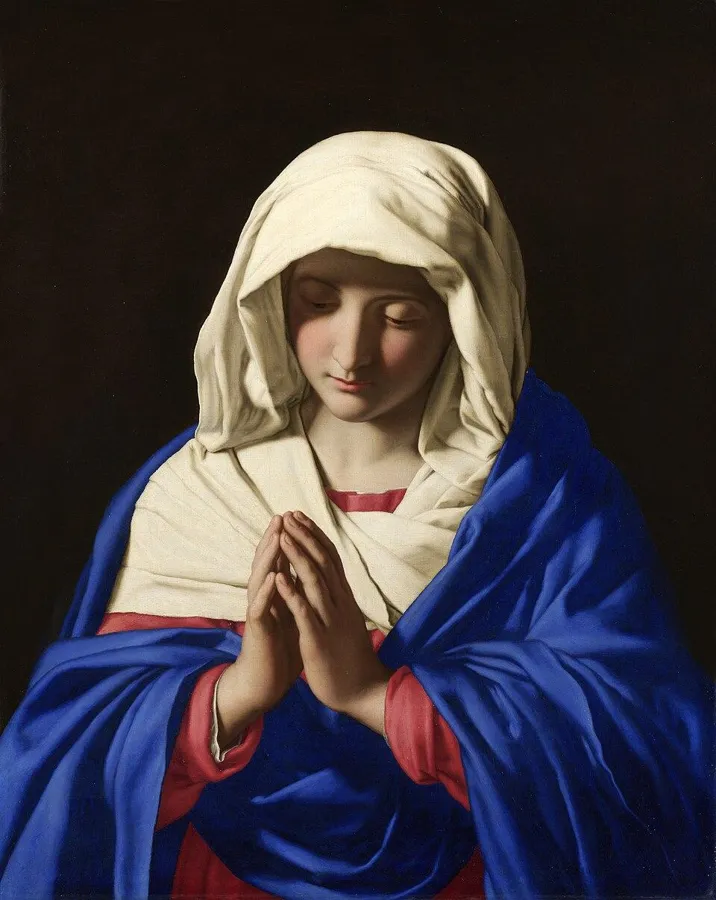
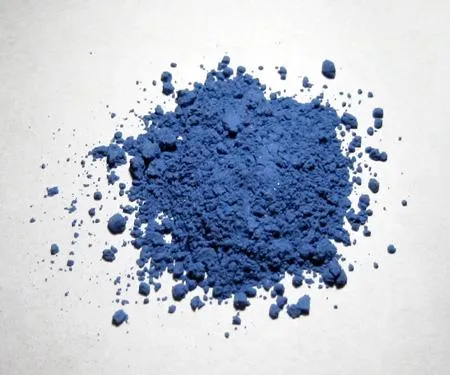
Grind lapis, knead the powder into a dough of wax, resin and oil, and squeeze it under lye, and the blue lazurite washes out while the grey rubbish stays behind. The result is ultramarine, from the Latin for beyond the sea, because it came to Europe by ship from the east. It took so much stone and labour that at times it cost about as much as gold.
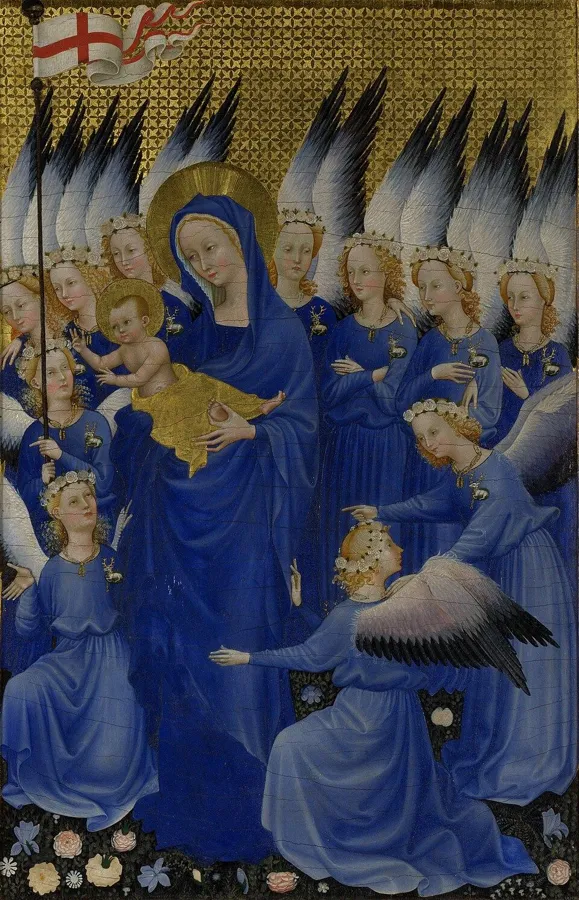
Renaissance painting contracts often listed it separately, sometimes with the patron supplying it, and saved it for the most important thing in the picture: usually the robe of the Virgin Mary. In fifteenth-century Florence the best ultramarine cost ten to fifteen times as much as azurite, the ordinary blue.
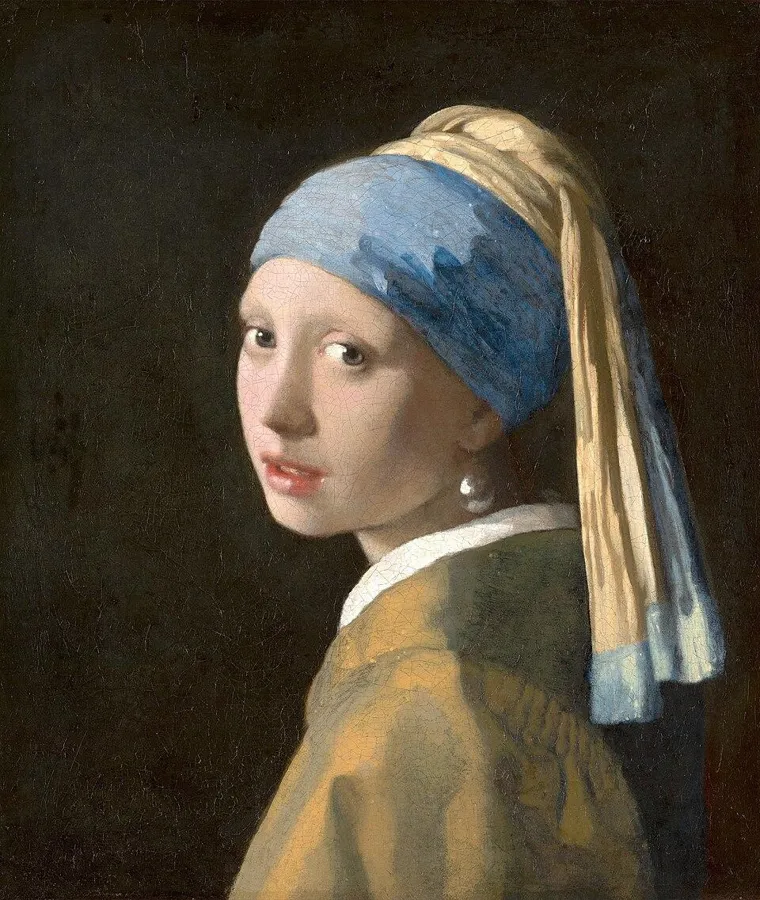
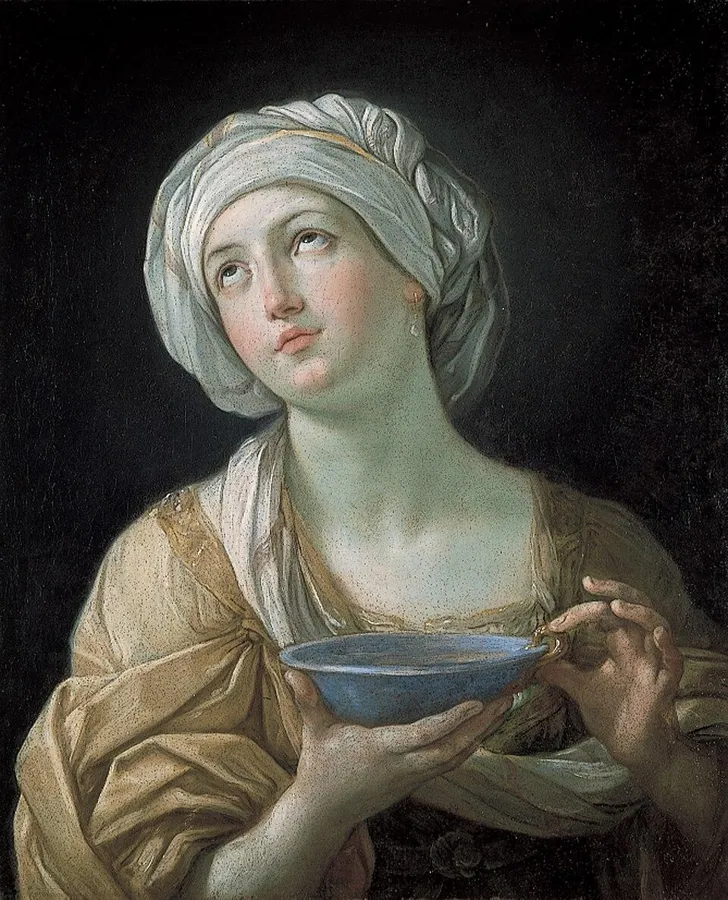
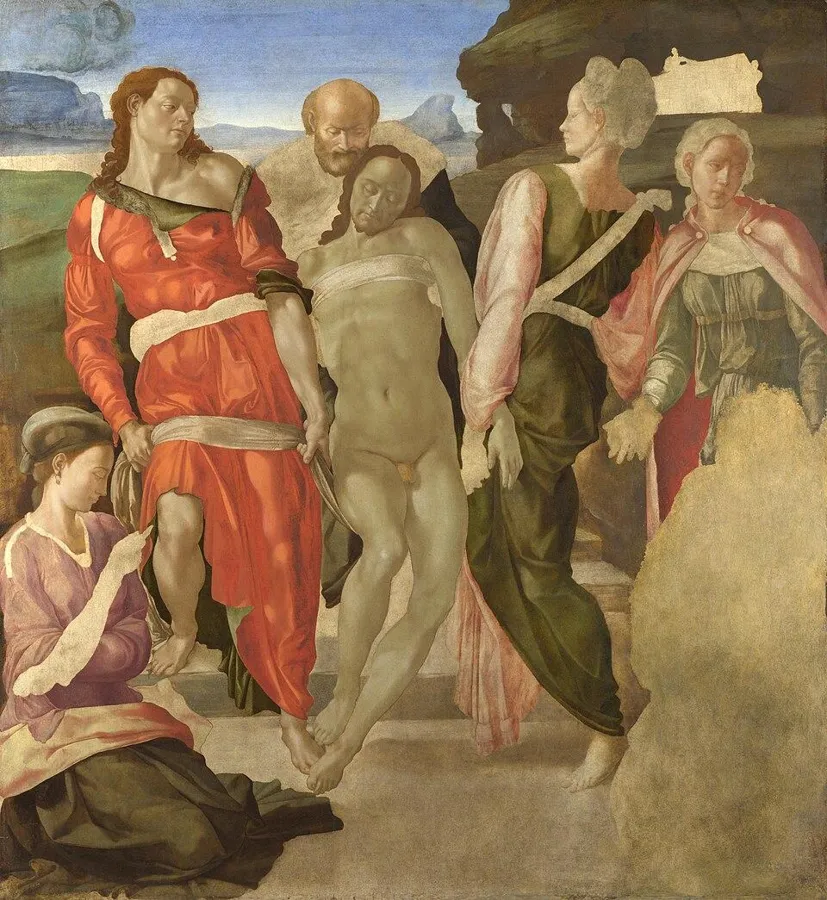
Two famous stories go with it. Michelangelo left his painting The Entombment unfinished, and the National Gallery in London suggests one reason may be that he could not get the ultramarine he needed for the Virgin’s robe. And Johannes Vermeer used real ultramarine so freely, including in the turban of Girl with a Pearl Earring, that he is often said to have pushed his family into debt; that part is a story, not a record.
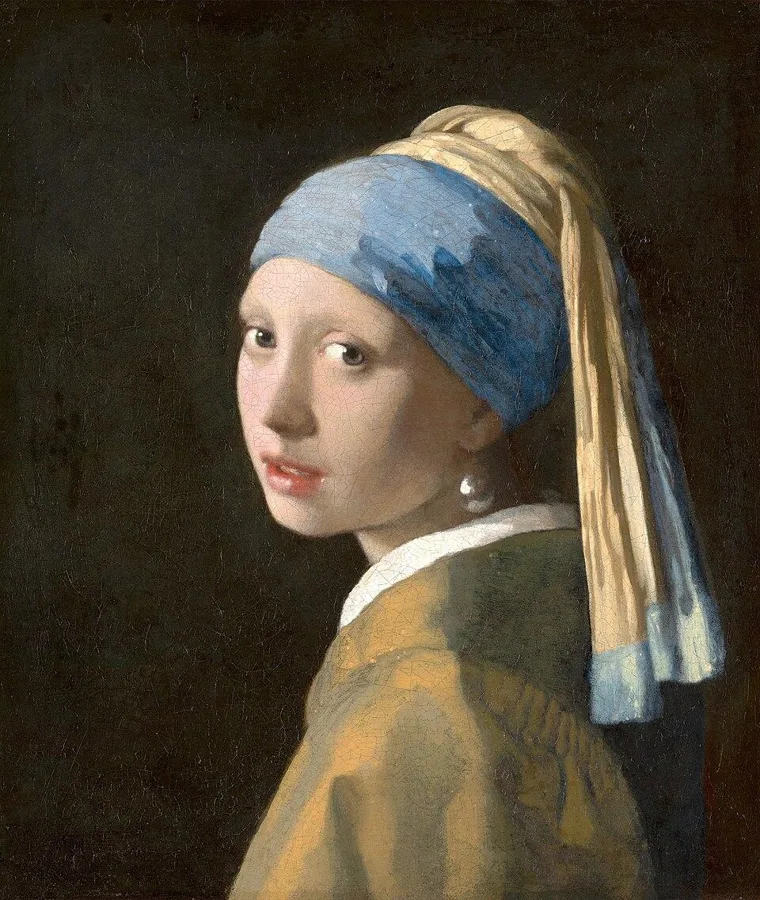
In 1824 a French society for national industry offered a prize to anyone who could make ultramarine artificially. Jean-Baptiste Guimet managed it in 1826 and won; in Germany, Christian Gmelin published his own method in 1828. Synthetic ultramarine is the same compound, with the same trapped sulfur, and it made the colour cheap overnight. The blue in your paint box, and in old-fashioned laundry blue, is that invention.
The best lapis is an even, deep violet-blue with small, evenly spread gold pyrite and almost no white. Afghan lapis sets the standard. Chilean lapis, from the Andes, is usually paler and streaked with more calcite, and Russian lapis from near Lake Baikal sits in between.
Fakes are common. Dyed howlite or dyed jasper, sometimes sold as Swiss lapis, takes a blue dye but has no lazurite in it. Reconstituted lapis is powder bound with resin. Glass imitations exist too. There is no lab-grown lapis: a listing that says created lapis is selling an imitation.
The home test: wipe a hidden spot with a cotton bud dipped in nail polish remover (acetone). Real lapis leaves the bud clean; dyed stone often turns it blue.
Lapis is soft and the calcite in it dissolves in acid, so keep it away from vinegar, lemon juice and harsh cleaners, and out of ultrasonic cleaners. Clean it with a damp cloth and a little mild soap, dry it, and store it apart from harder gems, which will scratch it.
To the Sumerians lapis was the colour of the night sky and of the gods. In the poem of Inanna’s descent to the underworld, the goddess dresses for the journey in a necklace of lapis beads and carries a measuring rod and line of lapis. The kings of Ur were buried under it.
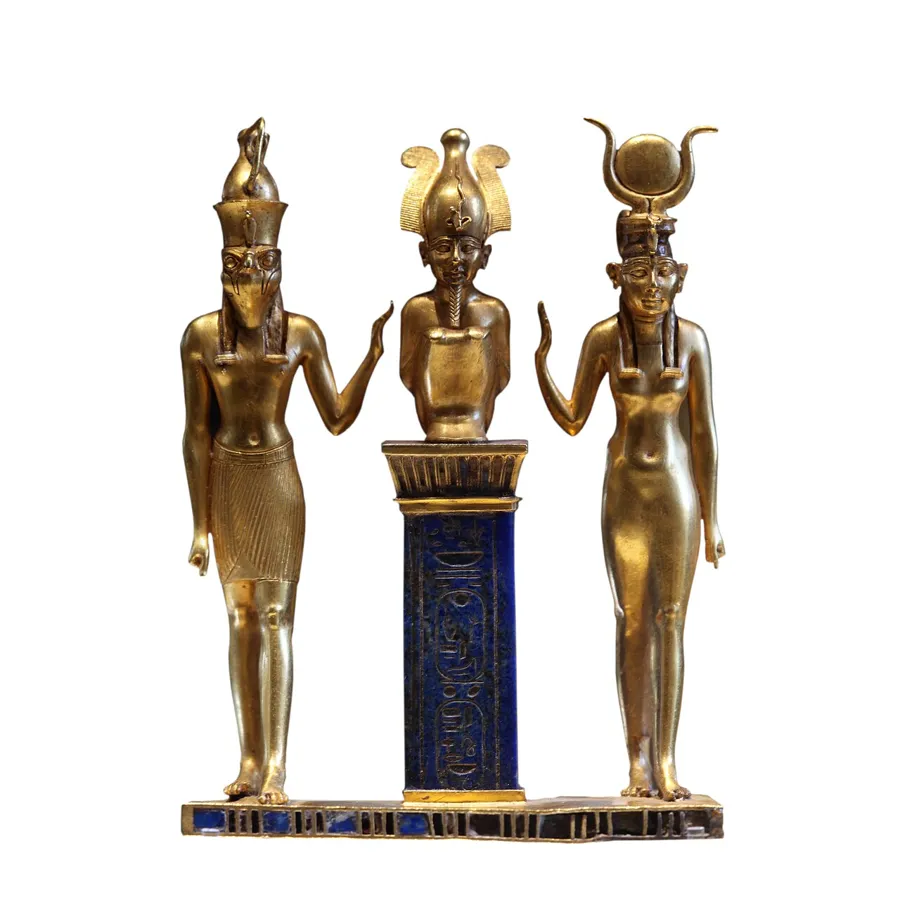
Egyptians wrote that the gods had bones of silver, flesh of gold and hair of real lapis lazuli. That is why statues and coffins of gods and kings so often have blue hair, brows and beards.
Many scholars think the "sapphire" of the Bible and of ancient writers was really lapis. The Roman writer Pliny described a blue "sapphirus" sprinkled with specks of gold, which is a description of lapis with pyrite, not of the gem we call sapphire today.
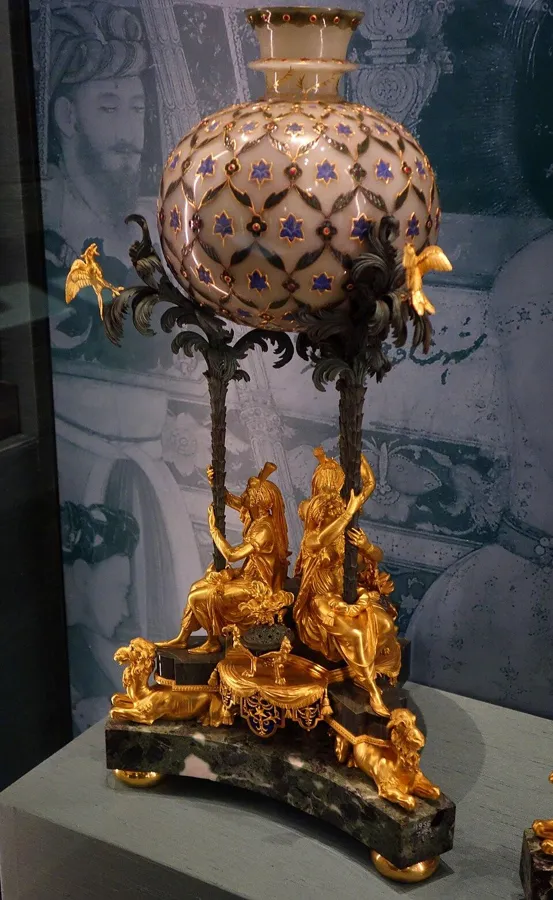
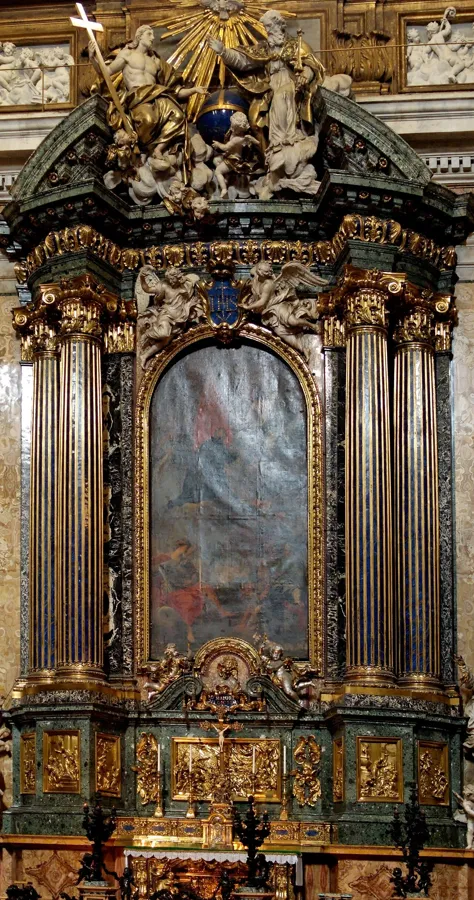
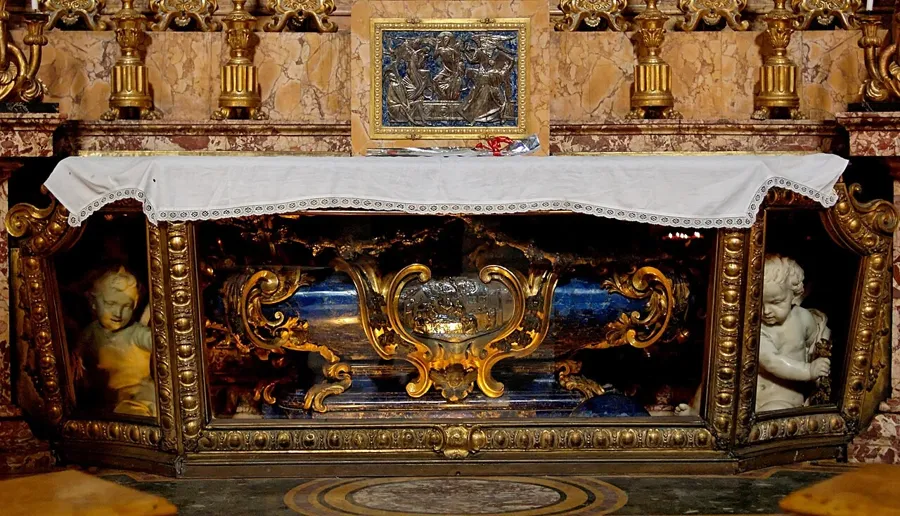
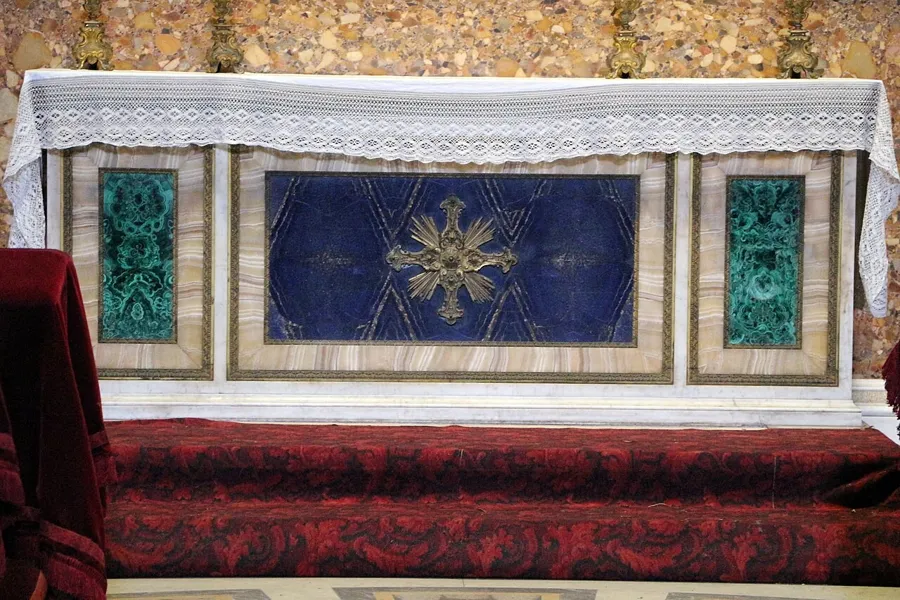
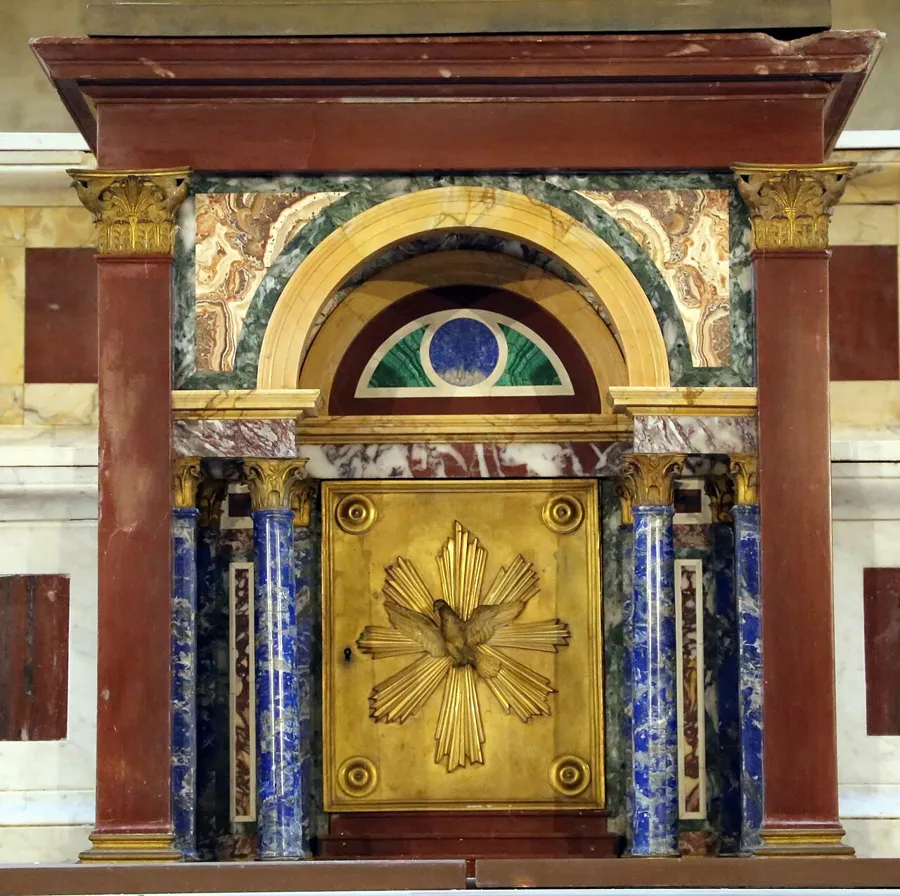
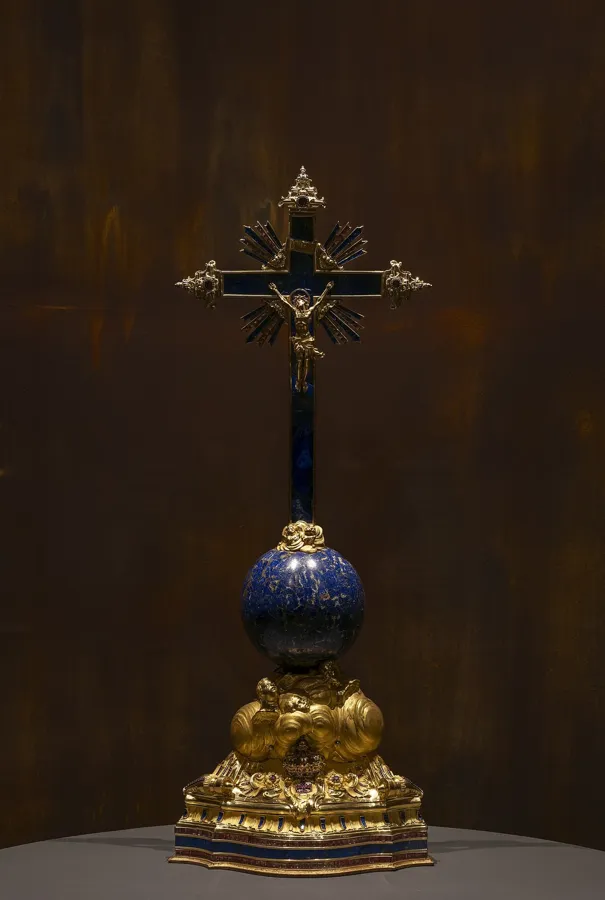
Read the originalPliny, Natural History, Book 37, section 119: in sappiri the gold shines in pointsOpen at the passage →In the 1600s and 1700s lapis moved from jewellery into architecture. The altar of Saint Ignatius in the Gesù in Rome, finished in 1699, is crowned by a globe faced with lapis lazuli.
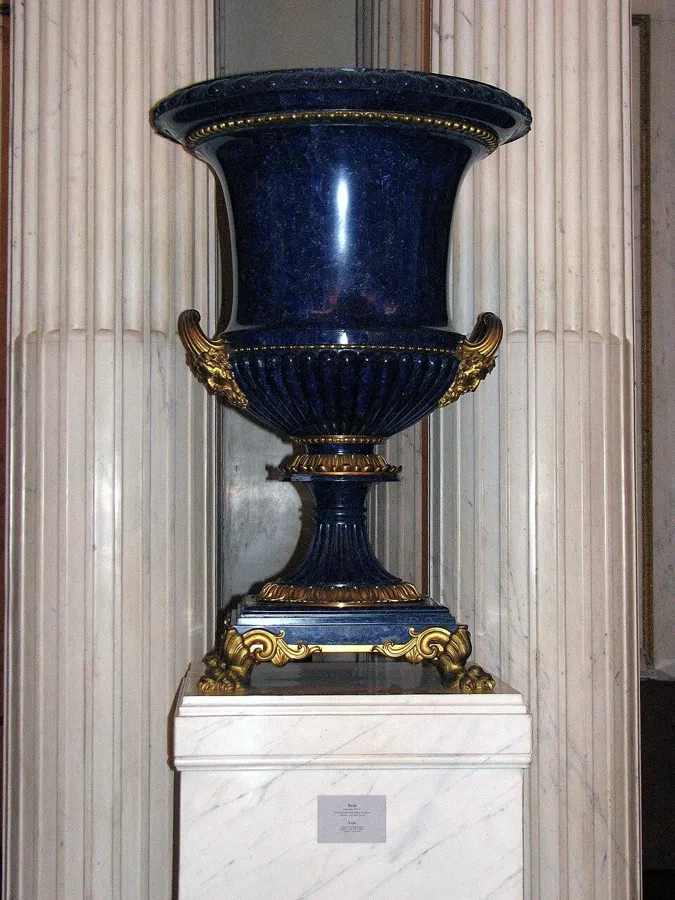
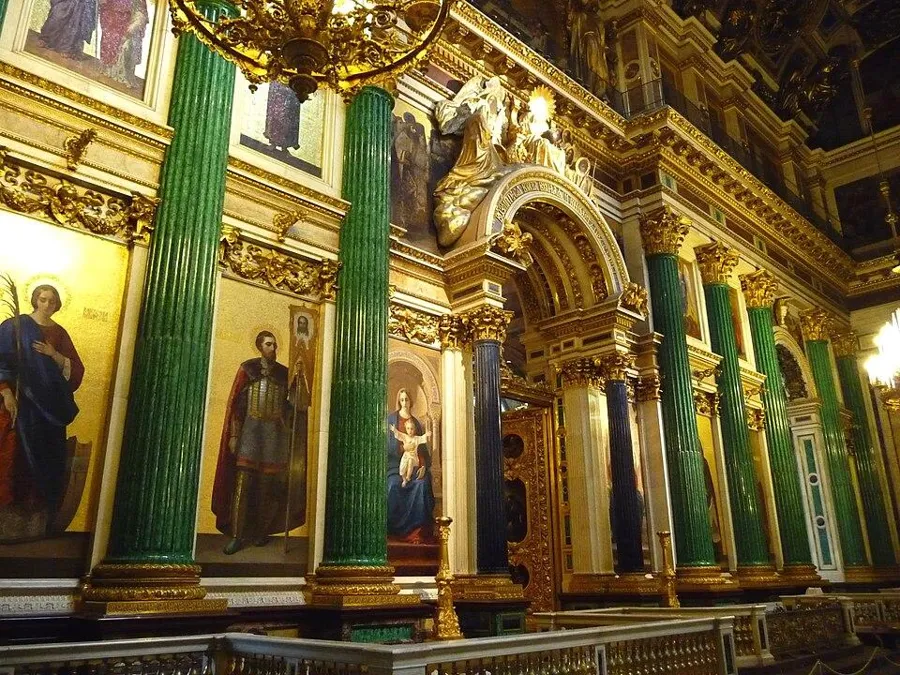
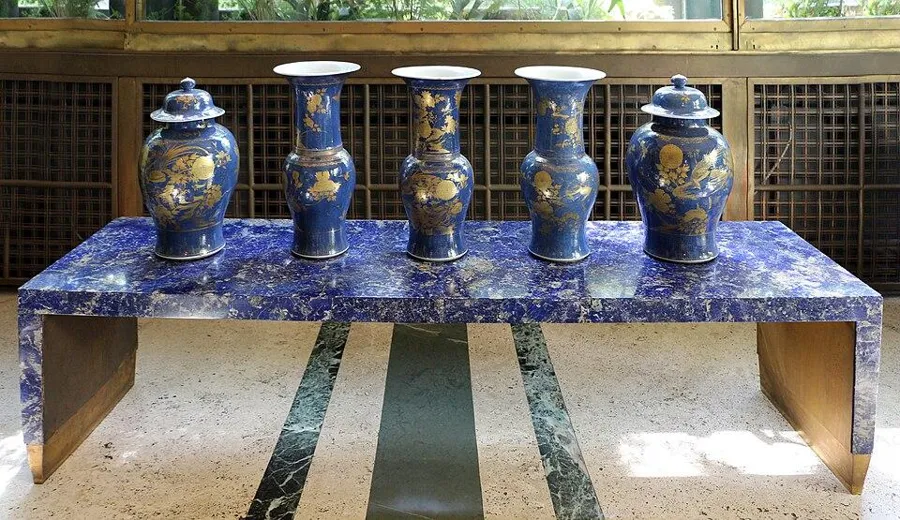
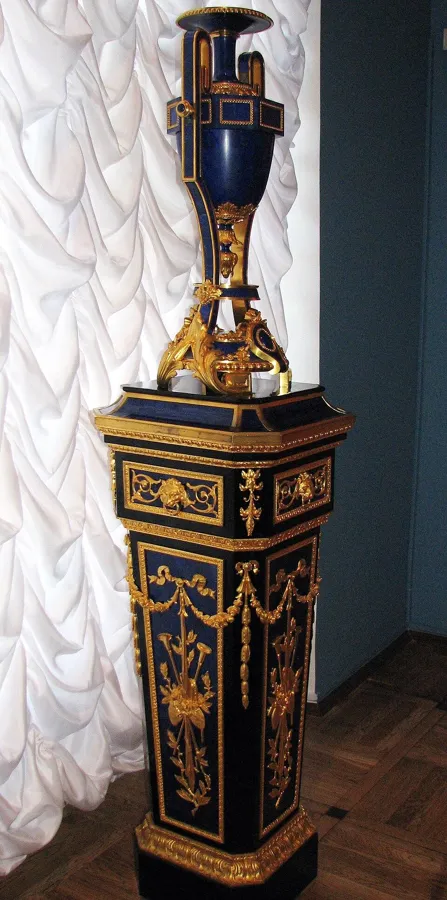
In Russia, craftsmen covered vases, tabletops and whole columns with thin slices of lapis and malachite fitted together so tightly the joins disappear, a technique the world came to call Russian mosaic. The two lapis columns of St Isaac’s Cathedral and the lapis vases of the Winter Palace are its masterpieces.
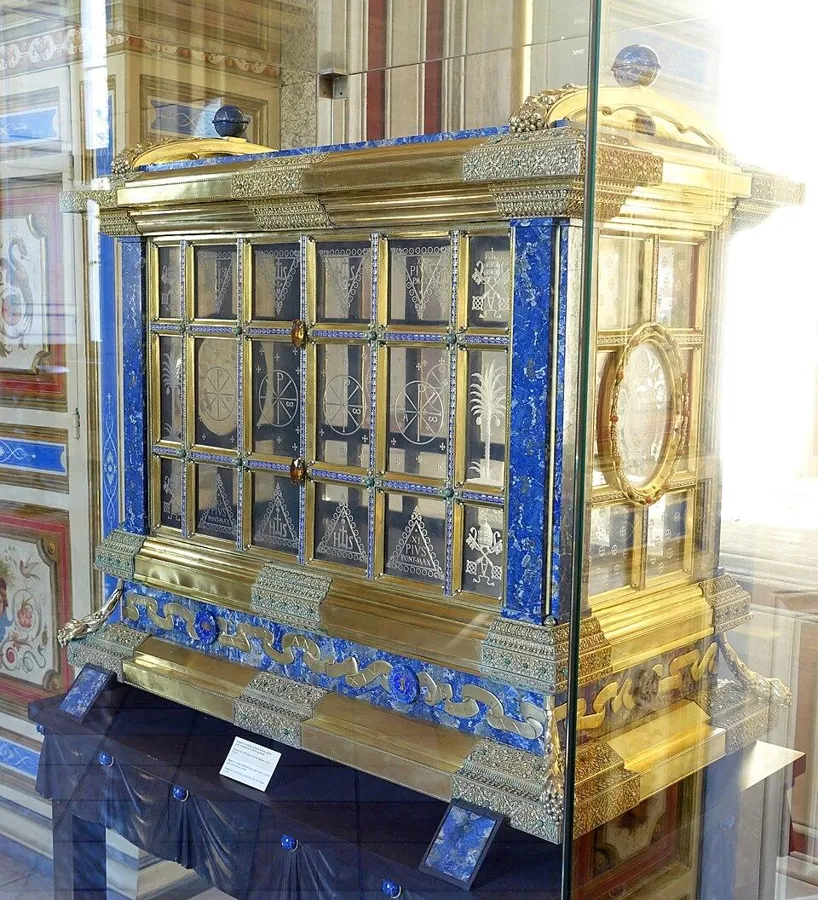
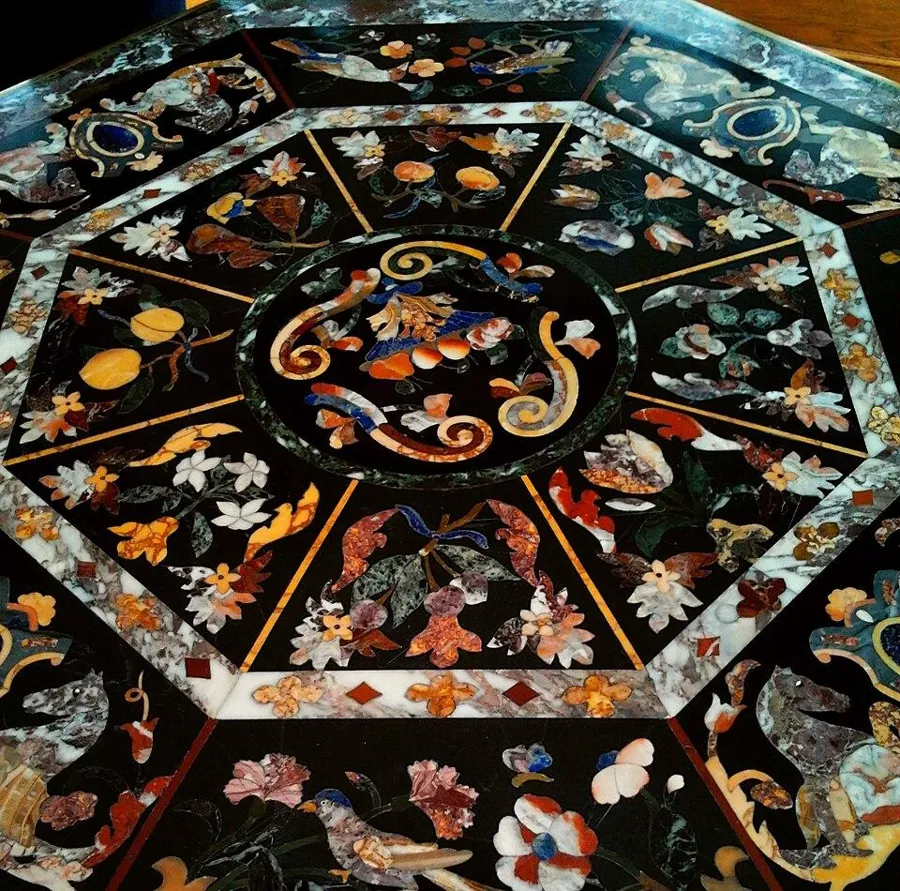
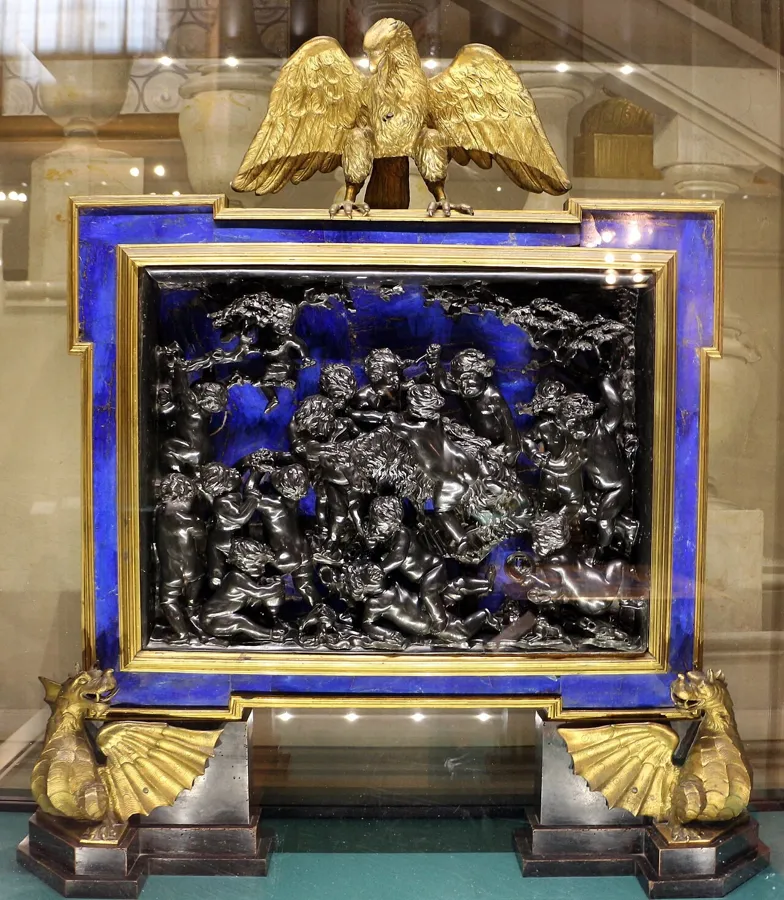
In Florence, the Medici workshops cut lapis into commesso, pictures made of fitted hardstones, for tables and cabinets that still fill the Pitti Palace.
Afghanistan’s Badakhshan still produces the finest: deep, even blue with fine gold pyrite and little white.
Chile, in the Andes near Ovalle, produces lapis that is usually paler and streaked with white calcite, sold more cheaply as "Chilean lapis".
Russia’s Lake Baikal region gave the tsars their lapis; it is often lighter and more patchy. Smaller amounts come from Pakistan, Myanmar, Canada and Colorado in the United States.
At the bottom: "lapis" that is dyed howlite, dyed jasper ("Swiss lapis") or reconstituted powder in resin. Cheap, and not lapis.
Next: real but pale or heavily white-streaked lapis, often Chilean, and "denim lapis", a soft mid-blue with white mottling. Honest and inexpensive.
Then: good Afghan lapis with even blue and some pyrite, the kind in most real lapis beads and cabochons.
At the top: deep royal blue, almost no calcite, a fine scatter of gold pyrite. Collectors call it "Persian" grade; a large flawless piece is a real treasure.
Kings who paid each other in lapis, the first fake, a medieval painter with ultramarine in her teeth, and the mines today. Every story links to its sources.
In a churchyard at Dalheim in western Germany, archaeologists found a woman who died in middle age sometime between about AD 997 and 1162. When scientists dissolved the hardened plaque on her teeth, hundreds of tiny bright blue specks came loose.
Tests with X-ray and Raman spectroscopy showed the specks were lazurite: ground lapis lazuli, the finest blue a medieval painter could buy. The most likely explanation, the team said in Science Advances in 2019, is that she painted illuminated manuscripts and licked her brush to a fine point as she worked.
It matters because the convent's books burned in the 1300s, and medieval scribes were long assumed to be men. A few flecks of Afghan stone in one woman's teeth are now the only surviving evidence that a skilled female artist worked there.
Sources: pmc.ncbi.nlm.nih.gov, york.ac.uk
Lapis was traded long before the first cities. Beads made from Badakhshan lapis turn up in early burials at Mehrgarh, a farming village in what is now Pakistan, hundreds of kilometres from the mines, and by around 4000 BCE the village had a workshop drilling lapis beads.
Around 2000 BCE the Indus civilisation went a step further. At Shortugai, where the Kokcha river meets the Amu Darya in northern Afghanistan, it planted a small trading town of its own, the farthest north any Indus settlement is known to reach. Britannica describes it as most likely placed to control the lapis trade coming down from Badakhshan.
Sources: britannica.com, en.wikipedia.org, harappa.com
In the 1300s BCE the great kings of the Near East wrote to Egypt on clay tablets, now called the Amarna letters. Burna-Buriash II of Babylon sent horses, chariots and lapis lazuli, and asked for gold in return. When the gold arrived underweight, he complained in writing.
One of his gifts was personal. To celebrate the birth of the pharaoh's first daughter, Meritaten, he sent a necklace of lapis beads shaped like crickets, along with two minas of lapis, roughly a kilogram. The tablet that came with it is now in the British Museum.
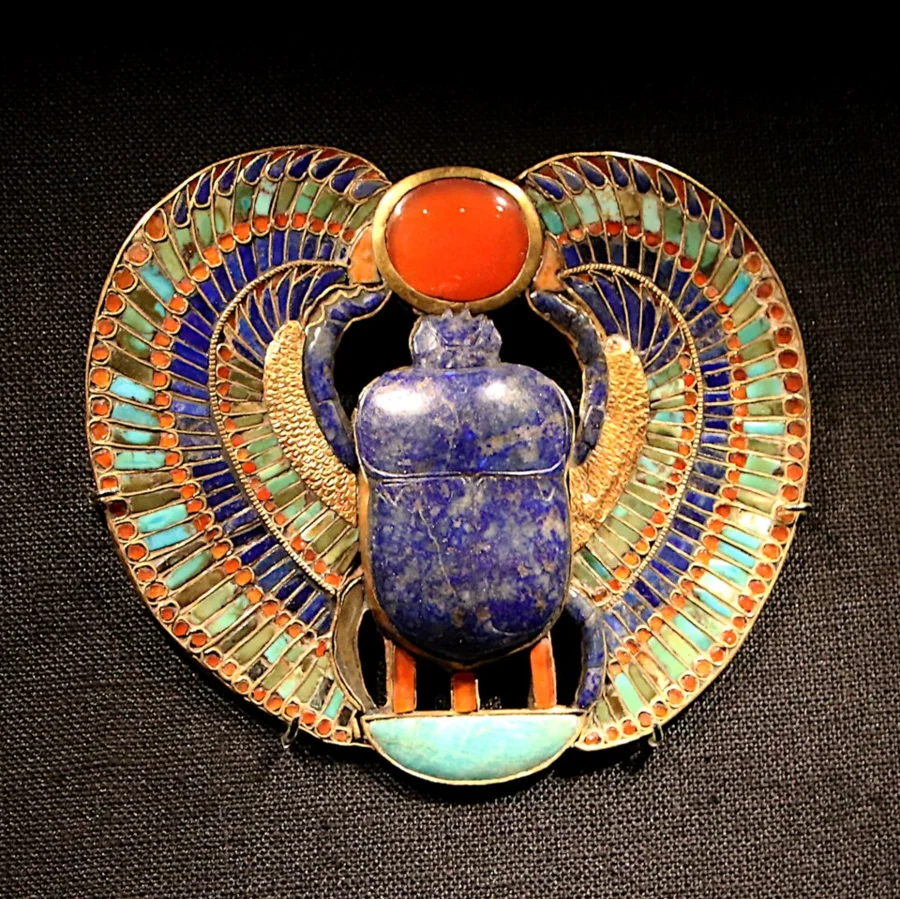
Egypt had no lapis of its own, so every piece in a pharaoh's treasure came by trade or gift. On the gold mask of Tutankhamun, the eyebrows and the long lines painted around the eyes are inlaid lapis lazuli.
Sources: en.wikipedia.org, britishmuseum.org, en.wikipedia.org, globalegyptianmuseum.org
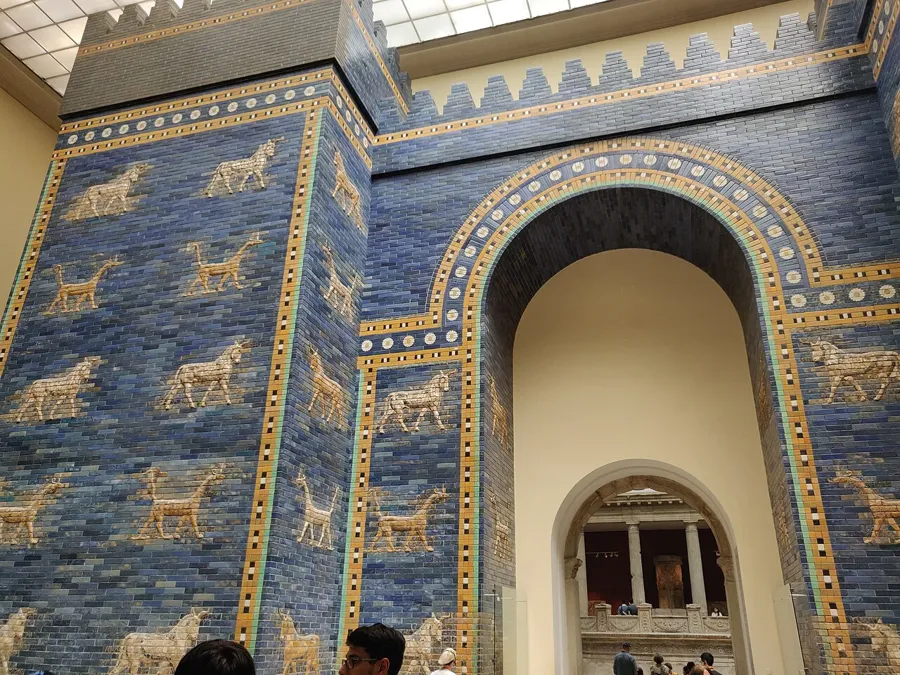
You will often read that Babylon’s Ishtar Gate is built of lapis lazuli. It is not. Nebuchadnezzar II (604 to 562 BC) had it built of baked clay bricks, each moulded in relief and coated with coloured glaze: yellow and brown dragons, bulls and lions striding across a brilliant blue glazed ground.
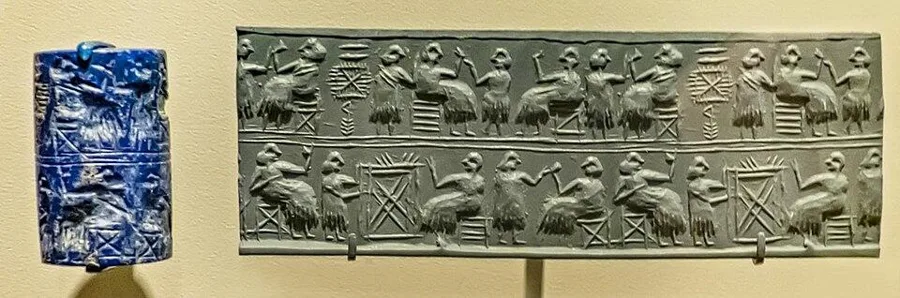
The reconstruction in Berlin’s Pergamon Museum combines the excavated glazed-brick fragments with modern blue bricks. Writers often say the blue was meant to recall lapis, but the museums themselves describe only a blue glaze, so treat that as a guess, not a fact. The real lapis of Mesopotamia is in the jewellery and seals, such as Queen Puabi’s headdress from Ur.
Sources: metmuseum.org, isaw.nyu.edu, smb.museum
Real lapis was so costly that Egyptian craftsmen learned to copy its colour. Blue-glazed faience, a fired quartz paste with a copper glaze, was used for amulets, beads and little figures. The Brooklyn Museum notes that the blue of lapis was valued so highly that it was imitated in this cheaper material, which kept the same sacred meaning.
Egyptians also made Egyptian blue, one of the first man-made pigments, from about the third millennium BCE, partly to stand in for lapis and turquoise. So the long story of lapis imitations, from Egyptian faience to dyed howlite on Amazon, is about five thousand years old.
Sources: brooklynmuseum.org, en.wikipedia.org, langantiques.com
The Epic of Gilgamesh, one of the oldest stories ever written down, opens with an invitation. The reader is told to find a cedar box, undo its bronze clasps, lift the lid and take out a tablet of lapis lazuli, on which the king's whole story is written.
Nobody wrote long texts on real lapis: it was far too precious. The point was the image. To a Babylonian audience a story kept on lapis was a story worth keeping forever, the way we might say something is written in gold.
Egypt felt the same. Its word for lapis, usually written khesbed, came in later periods to be used for joy and delight as well.
Sources: library.biblicalarchaeology.org, gradesaver.com, isiopolis.com
For thousands of years lapis was carved and inlaid, not painted. Among the earliest known paintings made with ground lapis are the Buddhist cave murals at Bamiyan in Afghanistan, from around the sixth and seventh centuries AD, not far from the Badakhshan mines.
A Japanese conservation study found the Bamiyan painters had used natural lapis abundantly and had deliberately refined and washed it into a true ultramarine pigment. The same caves later made news for another first: some of the world's oldest known oil paint, from the mid 600s.
Sources: tobunken.go.jp, world-archaeology.com
In Buddhism lapis is the colour of healing. The Medicine Buddha, Bhaisajyaguru, is called the King of Lapis Lazuli Light, and his sutra describes a pure eastern land made of lapis. He is usually painted with deep blue skin and his body is said to glow like the stone.
In Qing dynasty China, lapis was part of the strict rules for court dress. The emperor's court necklaces could include lapis, called qingjinshi or blue-gold stone, alongside pearls, coral and turquoise. Collectors' notes going back to the scholar Soame Jenyns say the emperor wore lapis beads when he made sacrifices at the Temple of Heaven, where blue stood for the sky.
Sources: en.wikipedia.org, publikace.nm.cz, woolleyandwallis.co.uk
Around 1400 the Florentine painter Cennino Cennini wrote a handbook for artists that includes the classic method for making ultramarine. For every pound of ground lapis, melt together six ounces of pine rosin, three of gum mastic and three of new wax, strain it through linen, and knead it into the powder to make a stiff dough. Grease your hands with linseed oil so it does not stick.
Then wait. The dough rests at least three days, worked a little each day, and can be kept for weeks. Finally you knead it with two wooden sticks in a basin of warm lye. The pure blue lazurite slips out into the lye and the grey rock stays trapped in the wax. The first washes give the best, deepest blue; later washes give paler grades.
If poor stone gave a violet blue, Cennini had a fix: tint it with a crimson boiled from kermes and brazilwood. Modern restorers who try the recipe say it is much harder than it reads.
Sources: drypigment.net, naturalpigments.com, mitra.artcons.artsci.udel.edu
In the Wilton Diptych, painted for King Richard II of England in the 1390s, the Virgin's robe and the robes of all eleven angels around her are ultramarine. The National Gallery in London points out that a whole crowd in lapis blue made the little altarpiece a treasure in its own right.
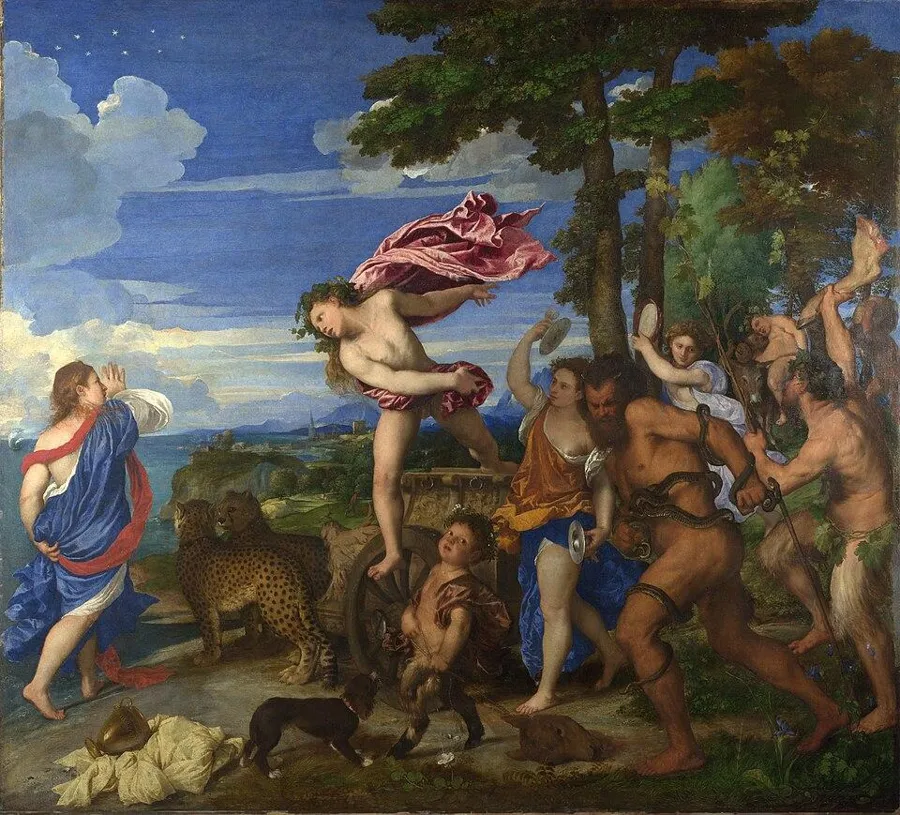
Titian went bigger. In Bacchus and Ariadne, from about 1520 to 1523, he spread ultramarine across the whole sky, the sea and Ariadne's robe. The National Gallery's guide describes it as a deliberate display of the patron's wealth, using a pigment far more expensive than any other. The stars above Ariadne are her crown, thrown into the sky to become the constellation Corona Borealis.
Sources: en.wikipedia.org, nationalgallery.org.uk, nationalgallery.org.uk, en.wikipedia.org
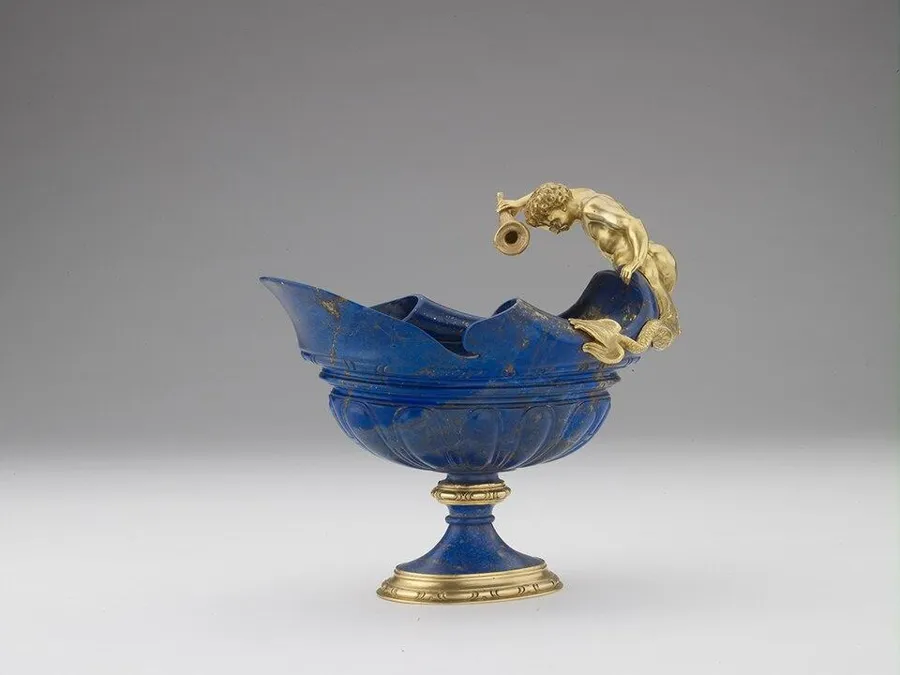
In 1583 Grand Duke Francesco I de' Medici had a flask carved from a single block of lapis to a design by Bernardo Buontalenti, about 40 cm tall, with gold mounts by the goldsmith Jacques Bylivelt. It still has the date and his initials on the base. It survives in the Treasury of the Grand Dukes at the Pitti Palace, even though the gallery's first caretaker stole its precious parts in the 1700s; they were recovered in 1768.
In 1588 the Medici founded a stone workshop, the Opificio delle Pietre Dure, largely to decorate their family mausoleum, the Chapel of the Princes, with walls of inlaid lapis, coral and mother of pearl. The work went on for more than two centuries.
In India, Shah Jahan's craftsmen set Afghan lapis into the white marble of the Taj Mahal as flowers and vines. In Russia, Charles Cameron's Lyons Hall for Catherine the Great at Tsarskoye Selo used Lake Baikal lapis for its doors and panels; after it was wrecked in the Second World War it was rebuilt, and the museum says it holds about 2.5 tonnes of lapis.
Sources: uffizi.it, wikipedia.classicistranieri.com, italyguides.it, 4cs.gia.edu, en.wikipedia.org, gazprom.com
Most lapis sold outside Afghanistan comes from a single deposit high in the Chilean Andes, the Flor de los Andes mine in the Coquimbo region, about 3,500 m up near the town of Ovalle. It has been worked since 1905, and snow closes it in winter, so mining happens only in the summer months.
GIA researchers found Chilean lapis is a mix of lazurite with wollastonite, calcite, hauyne, diopside and pyrite, which is why it tends to be lighter and greyer than Afghan stone with more white in it. About 150 tonnes come out each year, much of it cut in Chile into jewellery, carvings, tabletops and tiles. The best pieces, GIA says, come close to fine Afghan lapis.
Sources: gia.edu, mindat.org, diariodecuyo.com.ar
The ancient mines are still worked, in Kuran wa Munjan district of Badakhshan, and they have become a prize in Afghanistan's wars. A two-year Global Witness investigation, published in June 2016, estimated that armed groups including the Taliban took about 20 million dollars from lapis in 2013 and 12 million in 2014, while the government lost out on similar sums.
A Kabul-licensed company won the lapis contract in 2013, but local strongmen pushed it out and ran the mines themselves. Global Witness called the mines one of the richest assets of the Afghan people and warned they were funding conflict. For buyers this is one more reason to prefer sellers who can say where their lapis comes from.
The name lives on in diplomacy too. In November 2017 Afghanistan, Turkmenistan, Azerbaijan, Georgia and Turkey signed the Lapis Lazuli Corridor agreement, a road, rail and ferry route to Europe named after the old lapis trade.
Sources: globalwitness.org, globalinitiative.net, newsecuritybeat.org, civil.ge
| Real lapis lazuli | Common imitations | |
|---|---|---|
| Material | Lazurite rock with calcite and pyrite | Dyed jasper ("Swiss lapis"), dyed howlite, resin with powder |
| Flecks | Brassy gold pyrite, white calcite streaks | None, or glitter that looks painted |
| Acetone test | Swab stays clean | Swab turns blue |
| Colour | Deep blue, slightly uneven | Often too even, or blue in the cracks |
| Price | Cheap to moderate; even, deep blue costs most | Very cheap |
Treatments. Lapis is often waxed or oiled to deepen its polish, and lower grades are dyed to hide white calcite. A cotton bud with acetone on a hidden spot lifts dye. Being soft, it scratches easily; keep it away from harder stones. All gem treatments explained.
Pins mark mining districts, not exact mines. Drag to move, pinch or scroll to zoom, tap a pin to read about it. Map data © OpenStreetMap contributors.
Lapis is opaque, so it is never faceted: it is cut as cabochons, beads, inlay and carvings. Its softness makes it easy to carve and quick to polish, which is one reason it has been worked since the earliest civilisations. See cuts from easiest to hardest and whether cutting your own is cheaper than buying cut.
Checked in stock on October 10, 2026. Photos are the listings' own; prices are rounded.
Our first pick
$50 to $60
Deep blue lapis with visible gold pyrite, on an adjustable cord.
See it on AmazonAlso good
under $10
Tumbled raw chips with grey and white matrix: lapis the way it comes out of the ground, for the price of a coffee.
See it on AmazonAlso good
about $17
Afghan lapis from the Kokcha valley, over a thousand reviews.
See it on AmazonAlso good
about $45
A single certified cabochon for setting.
See it on AmazonAll 17 checked lapis lazuli picks
Solid lapis lazuli objects, from palm-size spheres to a 30 lb sphere, carved skulls, Afghan lapis jewellery boxes and silver chalices set with lapis. Every piece is natural lapis from a named dealer or carver, checked in stock in October 2026. We found no cup carved from solid lapis on Amazon; the chalices here are silver set with lapis stones. Photos are the listings’ own; prices are rounded.
 Carvings and decorSilver 800 filigree chalice with lapis lazuli stones, 30 cmA church chalice made in Italy, set with polished lapis stones: the closest thing to a lapis chalice you can buy new.about $6,600on Amazon →
 Carvings and decorChiseled ciborium with lapis lazuli insets, matches the chaliceA church chalice made in Italy, set with polished lapis stones: the closest thing to a lapis chalice you can buy new.about $5,000on Amazon →
 Carvings and decorLapis lazuli jewelry box, 8 x 5.5 inch, the largestCut from Afghan lapis by a specialist stone dealer. One of a kind: the exact piece is pictured.about $950on Amazon →
 Carvings and decorCarved lapis lazuli jewelry box, about 6 x 4 inchCut from Afghan lapis by a specialist stone dealer. One of a kind: the exact piece is pictured.about $900on Amazon →
 Carvings and decorLapis lazuli Ganesh statue on a black agate base, 4.5 inchHand made in India, with solid lapis.about $1,000on Amazon →
 Carvings and decorSilver Ganesh idol and diya with lapis lazuli, 3.8 inchHand made in India, with solid lapis.about $740on Amazon →
 Carvings and decorAfghan lapis lazuli sphere, 7.9 inch, about 30 lb, with standCut from Afghan lapis by a specialist stone dealer. One of a kind: the exact piece is pictured.about $3,000on Amazon →
 Carvings and decorAfghan lapis lazuli egg, 5 inch, 2.5 lbFrom Astro Gallery of Gems, a New York gem and mineral gallery. The exact piece is pictured.about $750on Amazon →
 Carvings and decorLapis lazuli skull, 9.1 inch hand carvedHand carved from one block of lapis by Skullis, a specialist carver. The listing shows the exact piece with its size and weight.about $4,600on Amazon →
 Carvings and decorLapis lazuli skull, 4.9 inch hand carvedHand carved from one block of lapis by Skullis, a specialist carver. The listing shows the exact piece with its size and weight.about $2,900on Amazon →
 BeadsLapis lazuli prayer beads (tesbih), 33 beadsReal lapis beads with pyrite flecks, for prayer or meditation.about $45on Amazon →
 BeadsLapis lazuli mala, 108 beads, 8 mmReal lapis beads with pyrite flecks, for prayer or meditation.about $20on Amazon →Carvings and decorChiseled chalice with lapis lazuli insets and crystal nodeA church chalice made in Italy, set with polished lapis stones: the closest thing to a lapis chalice you can buy new.about $4,200on Amazon →
 Carvings and decorSterling silver Kiddush cup and plate set with lapis stonesHandmade sterling silver set with lapis stones, made in Israel.about $2,100on Amazon →
 Carvings and decorSterling silver Kiddush cup and matched plate with lapisHandmade sterling silver set with lapis stones, made in Israel.about $1,900on Amazon →
 Carvings and decorAfghan lapis lazuli bowl, 6 inchFrom Astro Gallery of Gems, a New York gem and mineral gallery. The exact piece is pictured.about $450on Amazon →
 Carvings and decorHand carved lapis lazuli bowlFrom Ag Minerals, a museum-grade mineral dealer. The exact piece is pictured.about $400on Amazon →
 Carvings and decorCarved deep blue lapis lazuli jewelry box, 6 x 4.25 inchCut from Afghan lapis by a specialist stone dealer. One of a kind: the exact piece is pictured.about $890on Amazon →
 Carvings and decorCarved deep blue lapis lazuli jewelry box, 5.9 x 4.25 inchCut from Afghan lapis by a specialist stone dealer. One of a kind: the exact piece is pictured.about $890on Amazon →
 Carvings and decorCarved deep blue lapis lazuli jewelry box, 6 x 4.25 inch (second piece)Cut from Afghan lapis by a specialist stone dealer. One of a kind: the exact piece is pictured.about $890on Amazon →
 Carvings and decorAfghan lapis lazuli jewelry box, 6 inch, brass hingesCut from Afghan lapis by a specialist stone dealer. One of a kind: the exact piece is pictured.about $800on Amazon →
 Carvings and decorAfghan lapis lazuli jewelry box, 6 inch, one of a kindCut from Afghan lapis by a specialist stone dealer. One of a kind: the exact piece is pictured.about $800on Amazon →
 Carvings and decorLapis lazuli jewelry box, 6 x 4 inch, matched lidCut from Afghan lapis by a specialist stone dealer. One of a kind: the exact piece is pictured.about $750on Amazon →
 Carvings and decorAfghan lapis lazuli jewelry box, 6 inchCut from Afghan lapis by a specialist stone dealer. One of a kind: the exact piece is pictured.about $600on Amazon →
 Carvings and decorAfghan lapis lazuli jewelry box, 6 x 4 inchCut from Afghan lapis by a specialist stone dealer. One of a kind: the exact piece is pictured.about $600on Amazon →
 Carvings and decorAfghan lapis lazuli jewelry box, 4 inch, brass hingesCut from Afghan lapis by a specialist stone dealer. One of a kind: the exact piece is pictured.about $600on Amazon →
 Carvings and decorCarved lapis lazuli jewelry box, 6 x 4 inch, lighter gradeCut from Afghan lapis by a specialist stone dealer. One of a kind: the exact piece is pictured.about $490on Amazon →
 Carvings and decorAfghan lapis lazuli jewelry box, 4 inchCut from Afghan lapis by a specialist stone dealer. One of a kind: the exact piece is pictured.about $250on Amazon →
 Carvings and decorAfghan lapis lazuli jewelry box, 4 inch (second piece)Cut from Afghan lapis by a specialist stone dealer. One of a kind: the exact piece is pictured.about $250on Amazon →
 Carvings and decorMarble jewelry box with lapis lazuli pietra dura inlay, 6 x 4 inchWhite marble inlaid with lapis in the pietra dura style of the Taj Mahal, made in Agra.about $180on Amazon →
 Carvings and decorHexagon lapis lazuli jewelry box with lidReal lapis lazuli with its gold pyrite flecks, carved and polished.about $160on Amazon →
 Carvings and decorWhite marble jewelry box with lapis lazuli inlay, 6 inchWhite marble inlaid with lapis in the pietra dura style of the Taj Mahal, made in Agra.about $150on Amazon →
 Carvings and decorSmall marble trinket box with a lapis lazuli flower inlay, 3 inchWhite marble inlaid with lapis in the pietra dura style of the Taj Mahal, made in Agra.about $45on Amazon →
 Carvings and decorBrass angel on a lapis lazuli base, candle holder, 7 inchHand made in India, with solid lapis.about $740on Amazon →
 Carvings and decorPolished Afghan lapis lazuli freeform, 254 gFrom Astro Gallery of Gems, a New York gem and mineral gallery. The exact piece is pictured.about $110on Amazon →
 Carvings and decorLapis lazuli merkaba star, 2 inchReal lapis lazuli with its gold pyrite flecks, carved and polished.about $75on Amazon →
 Carvings and decorPolished Afghan lapis lazuli freeform, 3.75 inchCut from Afghan lapis by a specialist stone dealer. One of a kind: the exact piece is pictured.about $70on Amazon →
 Carvings and decorLapis lazuli angel carving, 4 inchReal lapis lazuli with its gold pyrite flecks, carved and polished.about $60on Amazon →
 Carvings and decorLapis lazuli merkaba star, 1 inchReal lapis lazuli with its gold pyrite flecks, carved and polished.about $20on Amazon →
 Carvings and decorLapis lazuli pyramid, 1.5 inchReal lapis lazuli with its gold pyrite flecks, carved and polished.about $20on Amazon →
 Carvings and decorLapis lazuli bear carving, 2 inchReal lapis lazuli with its gold pyrite flecks, carved and polished.about $15on Amazon →
 Carvings and decorLapis lazuli pyramid with carved symbols, 1 inchReal lapis lazuli with its gold pyrite flecks, carved and polished.about $15on Amazon →
 Carvings and decorLapis lazuli merkaba star, 1 inchReal lapis lazuli with its gold pyrite flecks, carved and polished.about $15on Amazon →
 Carvings and decorLapis lazuli bear carving, 1.5 inchReal lapis lazuli with its gold pyrite flecks, carved and polished.about $10on Amazon →Carvings and decorLapis lazuli angel carving, 1.5 inchReal lapis lazuli with its gold pyrite flecks, carved and polished.about $10on Amazon →
 Carvings and decorLapis lazuli sphere, 965 g, on a sterling silver basePolished all round, so the gold pyrite and white calcite show from every side.about $590on Amazon →
 Carvings and decorAfghan lapis lazuli sphere, 3.25 inch, about 2 lbFrom Astro Gallery of Gems, a New York gem and mineral gallery. The exact piece is pictured.about $400on Amazon →
 Carvings and decorAfghan lapis lazuli sphere, 2.75 inchFrom Astro Gallery of Gems, a New York gem and mineral gallery. The exact piece is pictured.about $240on Amazon →
 Carvings and decorAfghan AAA lapis lazuli eggPolished all round, so the gold pyrite and white calcite show from every side.about $140on Amazon →
 Carvings and decorAfghan lapis lazuli sphere, 2 inchFrom Astro Gallery of Gems, a New York gem and mineral gallery. The exact piece is pictured.about $120on Amazon →
 Carvings and decorAfghan lapis lazuli sphere, 2.25 inchFrom Astro Gallery of Gems, a New York gem and mineral gallery. The exact piece is pictured.about $120on Amazon →
 Carvings and decorLapis lazuli obelisk, 3.5 to 4 lbPolished lapis with gold pyrite flecks, standing upright on a shelf.about $95on Amazon →
 Carvings and decorAfghan lapis lazuli egg, 2.5 inch, with standCut from Afghan lapis by a specialist stone dealer. One of a kind: the exact piece is pictured.about $75on Amazon →
 Carvings and decorLapis lazuli obelisk, 2.6 to 3 lbPolished lapis with gold pyrite flecks, standing upright on a shelf.about $70on Amazon →
 Carvings and decorLapis lazuli sphere with stand, 2.4 to 2.8 inchPolished all round, so the gold pyrite and white calcite show from every side.about $45on Amazon →
 Carvings and decorLapis lazuli obelisk, 1 to 1.5 lbPolished lapis with gold pyrite flecks, standing upright on a shelf.about $40on Amazon →
 Carvings and decorLapis lazuli sphere, 2 inch (5 to 6 cm), with basePolished all round, so the gold pyrite and white calcite show from every side.about $35on Amazon →
 Carvings and decorAfghan lapis lazuli obelisk, 2.6 to 3.9 inchPolished lapis with gold pyrite flecks, standing upright on a shelf.about $30on Amazon →
 Carvings and decorLapis lazuli sphere with wood stand, 50 mmPolished all round, so the gold pyrite and white calcite show from every side.about $30on Amazon →
 Carvings and decorLapis lazuli sphere with stand, 2 to 2.4 inchPolished all round, so the gold pyrite and white calcite show from every side.about $30on Amazon →
 Carvings and decorLapis lazuli sphere with wood stand, 40 mmPolished all round, so the gold pyrite and white calcite show from every side.about $25on Amazon →
 Carvings and decorLapis lazuli tower, 6 inchPolished lapis with gold pyrite flecks, standing upright on a shelf.about $25on Amazon →
 Carvings and decorLapis lazuli sphere on brass stand, 1.5 inchPolished all round, so the gold pyrite and white calcite show from every side.about $20on Amazon →
 Carvings and decorLapis lazuli tower, 3 to 4 inchPolished lapis with gold pyrite flecks, standing upright on a shelf.about $20on Amazon →
 Carvings and decorLapis lazuli tower, 5 inchPolished lapis with gold pyrite flecks, standing upright on a shelf.about $20on Amazon →
 Carvings and decorSmall lapis lazuli point, 1.3 to 2 inchPolished lapis with gold pyrite flecks, standing upright on a shelf.about $15on Amazon →Carvings and decorLapis lazuli tower, 2 to 3 inchPolished lapis with gold pyrite flecks, standing upright on a shelf.about $15on Amazon →
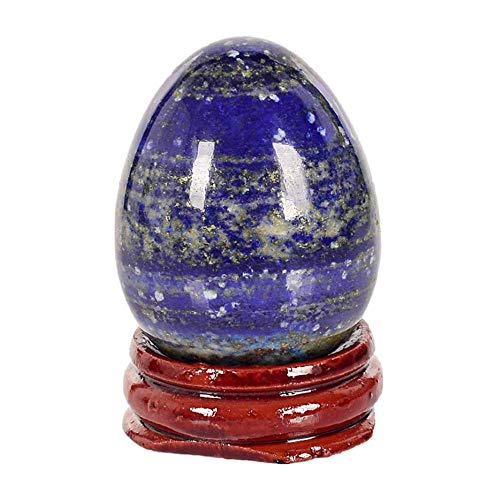 Carvings and decorSmall lapis lazuli egg with wood stand, 1.7 inchPolished all round, so the gold pyrite and white calcite show from every side.about $10on Amazon →
 Carvings and decorLapis lazuli saber-toothed cat skull, 6 inch hand carvedHand carved from one block of lapis by Skullis, a specialist carver. The listing shows the exact piece with its size and weight.about $1,900on Amazon →
 Carvings and decorLapis lazuli skull with owl, 6.5 inch hand carvedHand carved from one block of lapis by Skullis, a specialist carver. The listing shows the exact piece with its size and weight.about $1,500on Amazon →
 Carvings and decorLapis lazuli skull with spider, 5.1 inch hand carvedHand carved from one block of lapis by Skullis, a specialist carver. The listing shows the exact piece with its size and weight.about $1,400on Amazon →
 Carvings and decorLapis lazuli skull, 6.9 inch hand carvedHand carved from one block of lapis by Skullis, a specialist carver. The listing shows the exact piece with its size and weight.about $1,400on Amazon →
 Carvings and decorLapis lazuli skull, 7 inch life-size, hand carvedHand carved from one block of lapis by Skullis, a specialist carver. The listing shows the exact piece with its size and weight.about $1,300on Amazon →
 Carvings and decorLapis lazuli skull planter, 6.1 inch hand carvedHand carved from one block of lapis by Skullis, a specialist carver. The listing shows the exact piece with its size and weight.about $1,100on Amazon →
 Carvings and decorLapis lazuli skull, 7 inch hand carvedHand carved from one block of lapis by Skullis, a specialist carver. The listing shows the exact piece with its size and weight.about $1,100on Amazon →
 Carvings and decorLapis lazuli skull, 6.3 inch hand carvedHand carved from one block of lapis by Skullis, a specialist carver. The listing shows the exact piece with its size and weight.about $1,100on Amazon →
 Carvings and decorLapis lazuli skull, 6.9 inch life-size, hand carvedHand carved from one block of lapis by Skullis, a specialist carver. The listing shows the exact piece with its size and weight.about $1,000on Amazon →
 Carvings and decorLapis lazuli skull, 3.5 inch hand carvedHand carved from one block of lapis by Skullis, a specialist carver. The listing shows the exact piece with its size and weight.about $1,000on Amazon →
 Carvings and decorLapis lazuli star being skull, 3.6 inch hand carvedHand carved from one block of lapis by Skullis, a specialist carver. The listing shows the exact piece with its size and weight.about $1,000on Amazon →
 Carvings and decorLapis lazuli skull, 5.7 inch hand carvedHand carved from one block of lapis by Skullis, a specialist carver. The listing shows the exact piece with its size and weight.about $1,000on Amazon →
 Carvings and decorLapis lazuli Incan skull, 5.6 inch hand carvedHand carved from one block of lapis by Skullis, a specialist carver. The listing shows the exact piece with its size and weight.about $920on Amazon →
 Carvings and decorLapis lazuli skull, 5.1 inch hand carvedHand carved from one block of lapis by Skullis, a specialist carver. The listing shows the exact piece with its size and weight.about $920on Amazon →
 Carvings and decorLapis lazuli dragon skull, 4.6 inch hand carvedHand carved from one block of lapis by Skullis, a specialist carver. The listing shows the exact piece with its size and weight.about $860on Amazon →
 Carvings and decorLapis lazuli skull, 5 inch hand carvedHand carved from one block of lapis by Skullis, a specialist carver. The listing shows the exact piece with its size and weight.about $800on Amazon →
 Carvings and decorLapis lazuli star being skull, 4.1 inch hand carvedHand carved from one block of lapis by Skullis, a specialist carver. The listing shows the exact piece with its size and weight.about $780on Amazon →
 Carvings and decorLapis lazuli skull, 5.2 inch hand carvedHand carved from one block of lapis by Skullis, a specialist carver. The listing shows the exact piece with its size and weight.about $740on Amazon →
 Carvings and decorLapis lazuli skull, 5.1 inch hand carvedHand carved from one block of lapis by Skullis, a specialist carver. The listing shows the exact piece with its size and weight.about $690on Amazon →
 Carvings and decorLapis lazuli star being skull, 3.4 inch hand carvedHand carved from one block of lapis by Skullis, a specialist carver. The listing shows the exact piece with its size and weight.about $690on Amazon →
 Carvings and decorLapis lazuli skull, 5 inch hand carvedHand carved from one block of lapis by Skullis, a specialist carver. The listing shows the exact piece with its size and weight.about $570on Amazon →
 Carvings and decorLapis lazuli singing skull, 5.1 inch hand carvedHand carved from one block of lapis by Skullis, a specialist carver. The listing shows the exact piece with its size and weight.about $570on Amazon →
 Carvings and decorLapis lazuli star being skull, 4.2 inch hand carvedHand carved from one block of lapis by Skullis, a specialist carver. The listing shows the exact piece with its size and weight.about $570on Amazon →
 Carvings and decorLapis lazuli skull, 1.6 inch hand carvedHand carved from one block of lapis by Skullis, a specialist carver. The listing shows the exact piece with its size and weight.about $100on Amazon →
 Carvings and decorLapis lazuli star being skull, 1.8 inch hand carvedHand carved from one block of lapis by Skullis, a specialist carver. The listing shows the exact piece with its size and weight.about $85on Amazon →
 Carvings and decorLapis lazuli star being skull, 1.8 inch hand carved (second piece)Hand carved from one block of lapis by Skullis, a specialist carver. The listing shows the exact piece with its size and weight.about $80on Amazon →
 Carvings and decorLapis lazuli skull, 2 inch hand carvedHand carved from one block of lapis by Skullis, a specialist carver. The listing shows the exact piece with its size and weight.about $70on Amazon →
 Carvings and decorLapis lazuli skull, 1.1 inch hand carvedHand carved from one block of lapis by Skullis, a specialist carver. The listing shows the exact piece with its size and weight.about $70on Amazon →
 Carvings and decorLapis lazuli skull, 1.5 inch hand carvedHand carved from one block of lapis by Skullis, a specialist carver. The listing shows the exact piece with its size and weight.about $60on Amazon →
Every piece names the real stone and comes from a seller with a record, checked in stock on October 11, 2026. Photos are the listings' own; prices are rounded.
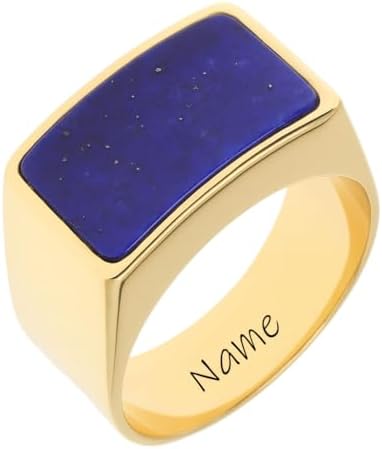 Signet ringsMOLICACI rectangular lapis signet ring, solid 10K, 14K or 18K goldMade to order, engravable inside. No reviews yet.about $940on Amazon →
 Signet ringsMOLICACI octagon faceted lapis signet ring, sterling silver or solid goldPrice is for silver; 10K to 18K gold costs more. Made to order, no reviews yet.about $250on Amazon →
 Signet ringsYOAIYOJIA cushion lapis signet ring, sterling silver or solid goldMade to order. One review so far.about $210on Amazon →
 Signet ringsHeavy sterling silver lapis signet ring with ribbed shouldersHandmade to order, no reviews yet.about $75on Amazon →
 Signet ringsJBK cushion lapis signet ring, sterling silverDeep blue with gold flecks. New listing, no reviews yet.about $36on Amazon →
 WomenSolid 14K gold faceted lapis teardrop earringsSolid gold, not plated. 4.6 stars.about $220on Amazon →
 WomenTrustmark 14K yellow gold 8 mm lapis ball stud earringsSolid 14K gold from Trustmark.about $67on Amazon →
 WomenRoss-Simons 16 mm lapis bead pendant in 14kt yellow goldabout $119on Amazon →
 WomenRoss-Simons lapis bead bracelet in 10kt yellow gold, 4 to 4.5 mmabout $99on Amazon →
 WomenRoss-Simons lapis bead stretch ring with 14kt goldabout $79on Amazon →
 WomenRoss-Simons lapis teardrop earrings, 18kt gold over sterlingAbout 60 ratings, 4.4 stars.about $129on Amazon →
 WomenRoss-Simons square lapis ring, 18kt gold over sterlingabout $95on Amazon →
 WomenRoss-Simons lapis bar drop earrings, 18kt gold over sterlingabout $99on Amazon →
 WomenRoss-Simons bezel-set lapis stud earrings, 18kt gold over sterlingabout $99on Amazon →
 WomenRoss-Simons lapis bead toggle necklace, 18kt gold over sterling, 16 inabout $89on Amazon →
 WomenRoss-Simons lapis heart drop earrings, sterling silverabout $59on Amazon →
 WomenRoss-Simons twisted hoop earrings with lapis, 14kt gold platedabout $59on Amazon →
 WomenNOVICA handmade lapis floral pendant, sterling silverArtisan made in India. About 60 ratings.about $138on Amazon →
 WomenNOVICA lapis and citrine dangle earrings, sterling silverHandmade in India.about $108on Amazon →
 WomenNOVICA lapis and amethyst beaded dangle earringsOver 80 ratings.about $35on Amazon →
 WomenBarse Abby lapis pendant necklace, golden bronzeBarse is a long-running maker of bronze and real stone jewellery.about $128on Amazon →
 WomenBarse denim lapis and mother-of-pearl pendant necklaceabout $98on Amazon →
 WomenBarse Duality lapis and turquoise bracelet, golden bronzeabout $178on Amazon →
 WomenBarse Cirrus lapis and mother-of-pearl necklace, bronzeabout $38on Amazon →
 WomenBarse Golden Spark lapis ring, bronzeabout $58on Amazon →
 WomenBarse Nova lapis oval ring, golden bronzeabout $58on Amazon →
 WomenNavajo-made lapis bracelet, certified authenticNative American silverwork.about $80on Amazon →
 WomenNavajo lapis bracelet, handcrafted, 8.5 inabout $78on Amazon →
 WomenNavajo handmade lapis earrings, sterling silver4.7 stars.about $45on Amazon →
 WomenNative American handmade 4 mm lapis stud earrings, sterlingabout $25on Amazon →
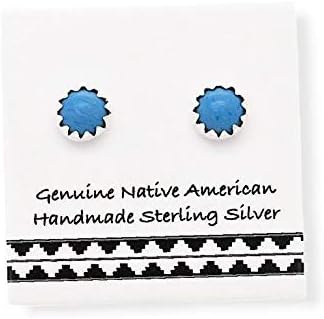 WomenNative American handmade denim lapis stud earrings, 5 mmDenim lapis is the paler, natural grade with more white calcite. 4.9 stars.about $25on Amazon →
 WomenLapis teardrop earrings, sterling silver hooks4.8 stars, 25 ratings.about $36on Amazon →
 WomenGempires raw lapis crystal stud earringsUncut lapis in prong settings.about $20on Amazon →
 WomenShop LC lapis hoop earrings, platinum platedOver 100 ratings.about $22on Amazon →
 WomenSeninio AAA lapis cross pendant, 18 inabout $130on Amazon →
 WomenMuseum Reproductions Isis pendant with lapis, antique goldA copy of an ancient Egyptian design.about $59on Amazon →
 Women4 mm lapis bracelet with 14K gold-filled beads4.8 stars.about $26on Amazon →
 WomenANEMONE lapis tube bangle, 14k gold filledMade to order.about $169on Amazon →
 MenIceCarats sterling silver lapis cufflinksabout $323on Amazon →
 MenKartini Studio lapis and sterling silver bead bracelet for menabout $50on Amazon →
 WomenAvicrafts lapis lazuli statement ring, sterling silverHandmade, with hundreds of ratings.about $30on Amazon →
 WomenJEWELOPORIUM lapis lazuli ring, sterling silverA large oval of deep blue in a plain silver band.about $50on Amazon →
 WomenNOVICA lapis lazuli cocktail ring, handmade in IndiaArtisan made, a single big stone.about $110on Amazon →
 WomenADITA GOLD lapis lazuli pendant, sterling silverA finer pendant with even blue.about $100on Amazon →
 WomenRocks2Rings lapis and moonstone pendant, gold filledGold-filled, made in small batches.about $100on Amazon →
 WomenAyana Wellness lapis lazuli pendant on a cordA simple polished stone on a cord.about $20on Amazon →
 WomenShop LC lapis lazuli flower dangle earringsGold-plated flowers with lapis petals.about $20on Amazon →
 Womencrystalhouzz lapis tube bead bracelet, gold toneLong tube beads, the shape used in ancient Egyptian collars.about $20on Amazon →
 MenJewelets rectangular lapis signet ring, sterling silverA flat lapis table in a signet ring, for men or women.about $40on Amazon →
 MenRTZN lapis lazuli pendant necklace for menFrom the maker of the lapis bracelet.about $50on Amazon →
 MenRTZN lapis lazuli cross necklace for menA cross carved from lapis.about $50on Amazon →
 MenTRUMIUM tungsten ring with lapis inlay, 4 mmA thin strip of lapis set into a tungsten band.about $25on Amazon →
 Men100S JEWELRY gunmetal tungsten ring with lapis inlayA wider band with a lapis stripe.about $40on Amazon →
 MenAmazing Gemstone lapis lazuli bead braceletA plain unisex bead bracelet.about $20on Amazon →
 Carvings and decorJIC Gem extra large lapis lazuli sphereThe biggest lapis ball we found, a centrepiece.about $85on Amazon →
 Carvings and decorJIC Gem lapis lazuli sphere, 8 to 9 cmPyrite and calcite all the way round.about $65on Amazon →
 Carvings and decorJIC Gem lapis lazuli sphere, 7 to 8 cmA large ball at a lower price.about $50on Amazon →
 Carvings and decorMOGEMT large lapis lazuli obelisk towerA tall six-sided point.about $60on Amazon →
 Carvings and decorAmazing Gemstone large lapis lazuli towerA big polished point for a shelf.about $75on Amazon →
 Carvings and decorSkullis hand-carved lapis lazuli skull, 2 inchFine carving from a carving specialist.about $60on Amazon →
 Carvings and decorLapis lazuli dice set, 7 pieces, with metal boxReal lapis polyhedral dice for tabletop games.about $50on Amazon →
 Carvings and decorRockcloud lapis lazuli pyramid, 1 inchA small Egyptian-style pyramid.about $20on Amazon →
 Carvings and decorMAIBAOTA lapis lazuli heart, 60 mmA large polished heart.about $20on Amazon →
 Carvings and decorAmazing Gemstone carved lapis lazuli angelA small carving for a pocket or a shelf.about $20on Amazon →
 Carvings and decorArtistone lapis lazuli worry stone, 2 inchSmooth thumb groove.about $10on Amazon →
 Carvings and decorLAIDANLA lapis lazuli wand, 3.5 to 4 inchA polished wand.about $15on Amazon →
 Raw and tumbledZenkeeper raw lapis lazuli, 1 lbRough for tumbling or cabbing.about $15on Amazon →
 Raw and tumbledCrystal Allies bulk rough lapis lazuli, 1 lbLarge 1 inch pieces.about $14on Amazon →
 Raw and tumbledMAIBAOTA raw lapis lazuli crystalsRough pieces with visible pyrite.about $12on Amazon →
 Raw and tumbledSUNYIK lapis lazuli tumbled chips, 1 lbSmall chips for jars and wire wrapping.about $20on Amazon →
 BeadsABCGEMS Afghan lapis beads, large 2.5 mm holesBig holes take leather cord.about $15on Amazon →
 BeadsBEADIA lapis lazuli tube beads, 13 x 4 mmLong tubes like the ones in ancient collars.about $11on Amazon →
 BeadsBEADIA lapis lazuli cube beads, 4 mmLittle cubes for spacing.about $12on Amazon →
 BeadsBEADIA lapis lazuli round beads, 10 mmBig rounds for a bold strand.about $14on Amazon →
 BeadsSong Xi faceted dark lapis beads, 4 mmFaceted, so they sparkle.about $10on Amazon →
 BeadsBONNY BOXX lapis rondelle beads, 2 x 4 mmFlat disc spacers.about $10on Amazon →
 BeadsHAAMIIQII lapis chip beads, 5 to 8 mmDrilled chips for a raw look.about $9on Amazon →
 Carvings and decorAg Minerals hand-carved lapis lazuli heart, 23.5 lbThe biggest lapis carving we found on Amazon: a heart of solid lapis heavier than a bowling ball.about $2,940on Amazon →
 Carvings and decorSkullis life-size lapis lazuli skull, 6.9 inCarved from one block of lapis, life size.about $1,260on Amazon →
 Carvings and decorSkullis lapis lazuli skull, 5.1 inabout $800on Amazon →
 Carvings and decorStonKraft marble and lapis lazuli chess board with brass piecesabout $290on Amazon →
 Carvings and decorSS Murti lapis lazuli Buddha, about 3 inabout $100on Amazon →
 Carvings and decorSS Murti lapis lazuli jewellery box, 3 inA little box made of lapis panels.about $100on Amazon →
 Carvings and decorAMOYSTONE large lapis lazuli obelisk, 3 to 3.5 lbabout $78on Amazon →Carvings and decorMOGEMT lapis lazuli obelisk, 1.5 to 2 lbabout $47on Amazon →
 Carvings and decorYATSKIA lapis lazuli tree of lifeabout $30on Amazon →
 Carvings and decorLapis lazuli bowl, 2 inCarved from one piece.about $30on Amazon →
 Carvings and decorLapis lazuli owl figurineAbout 45 ratings.about $24on Amazon →
 Carvings and decorLapis lazuli cube, 130 to 150 gA hand-cut block that shows the gold pyrite flecks on every face.about $20on Amazon →Carvings and decorLapis lazuli angel, 2 inabout $15on Amazon →
 Carvings and decorPolished lapis lazuli pebbles, 1 lbOver 2,600 ratings. A bowl of these looks like a museum drawer.about $13on Amazon →
 Raw and tumbledAierCrystal lapis lazuli sphere, 6 to 7 cm, with standA whole ball of lapis shows how it really looks: deep blue, gold pyrite sparks and white calcite veins all the way through.about $45on Amazon →
 Raw and tumbledAierCrystal lapis lazuli sphere, 6 to 7 cmThe same size from the same seller at a lower price; the pattern varies piece by piece.about $30on Amazon →
 Loose stones100 ctGemSymphony lapis lazuli cabochon lot, 100 ctA pile of polished stones for jewellery making, or to see how much one rock varies.about $20on Amazon →
 Loose stonesCRYSTALINES lapis lazuli flatback cabochons, 5 stonesFlat backs for gluing into bezels and wire wraps.about $20on Amazon →
 Raw and tumbledZenQ tumbled lapis lazuli, half a poundTumbled pieces, the cheapest way to hold real Afghan lapis.about $13on Amazon →Raw and tumbledLuckeeper raw lapis lazuli, 2 lbRough for tumbling or cabbing.about $20on Amazon →WomenAvicrafts lapis lazuli ring, sterling silverHandmade, with hundreds of ratings.about $30on Amazon →
 WomenEchmeck lapis lazuli oval pendant, sterling silver, 15 x 20 mmA big oval of blue with gold pyrite flecks.about $58on Amazon →
 WomenYAFEINI filigree teardrop lapis pendant, sterling silverOld-style silver lace around the stone.about $50on Amazon →
 WomenBling Jewelry lapis lazuli 8 mm ball drop earringsMore than a thousand ratings.about $23on Amazon →
 WomenEchmeck round lapis lazuli studs, 9 mm, sterling silverFlat round cabochons that show the blue.about $50on Amazon →
 MenGT collection mens flat-bead lapis braceletFlat square beads on a braided cord: the most masculine lapis piece we found.about $95on Amazon →
 MenMorchic lapis lazuli stretch bracelet, 8 mmA simple unisex bead bracelet with hundreds of ratings.about $18on Amazon →
Five tools that let you check what you bought (a loupe, a UV torch, locking tweezers, a gem box and a pocket scale), plus a turntable that spins your stone under the light the way jewellers show one. The full collector's kit.
 LookGemOro 10x triplet loupeunder $20
 LookDARKBEAM filtered 365 nm UV flashlightabout $10
 HandleHonoson locking tweezers, 3 packabout $10
 StoreTeensery gem display boxes with clear lids, 10 packabout $9
 ShowComXim motorized turntable, adjustable speed and directionabout $15
 MeasureGemOro Platinum XP500 pocket scale, 0.01 gabout $40
In short
Lapis is a blue rock flecked with gold pyrite, mined in one Afghan valley for 6,000 years and never grown in labs. Look for pyrite and white calcite, do the acetone test on anything cheap, and treat it gently, because it is soft.
See our first pick: RTZN lapis lazuli bead braceletLook for gold-coloured pyrite flecks and some white calcite. Rub a cotton bud with acetone on a hidden spot: blue on the swab means dye. Real lapis also feels cool and has a slightly uneven colour.
A trade name for jasper dyed blue. It is not lapis lazuli and should be cheap.
It is soft (about 5 to 5.5), so it scratches and can lose its polish. It suits pendants, earrings and bracelets better than everyday rings.
They are pyrite, iron sulphide, the mineral called fool’s gold. Lapis is a rock, so pyrite crystals grew in it alongside the blue lazurite. A fine, even scatter of pyrite is prized; big patches lower the value.
No, but they are related: sodalite is in the same mineral family as lazurite, the blue in lapis. Sodalite is a darker, greyer blue with white veins and almost never has gold pyrite.
Real lapis with a softer, lighter blue mottled with white calcite, like faded denim. It is cheaper than deep royal blue lapis and honest to buy.
Many scholars think so. Ancient writers described "sapphire" as an opaque blue stone with gold specks, which fits lapis with pyrite. The transparent blue gem we call sapphire got that name later.
Briefly, yes, but it is a soft, slightly porous rock. Take lapis jewellery off for swimming, cleaning and showers, and keep it away from perfume, chemicals and ultrasonic cleaners.
Amazon links are affiliate links (tag thegemtray-20): buying through them costs you nothing extra and supports the site. As an Amazon Associate we earn from qualifying purchases.
