


Our first pick
The Pearl Source white freshwater cultured pearl necklace, AAA grade
about $190
A classic white strand from a pearl specialist.
See it on AmazonOrganic gem · nacre (calcium carbonate) · 2.5 to 4.5
Updated
Narrated by an AI voice (Kokoro, an open-source voice model) from a script we wrote from this page and its sources, fact-checked line by line.
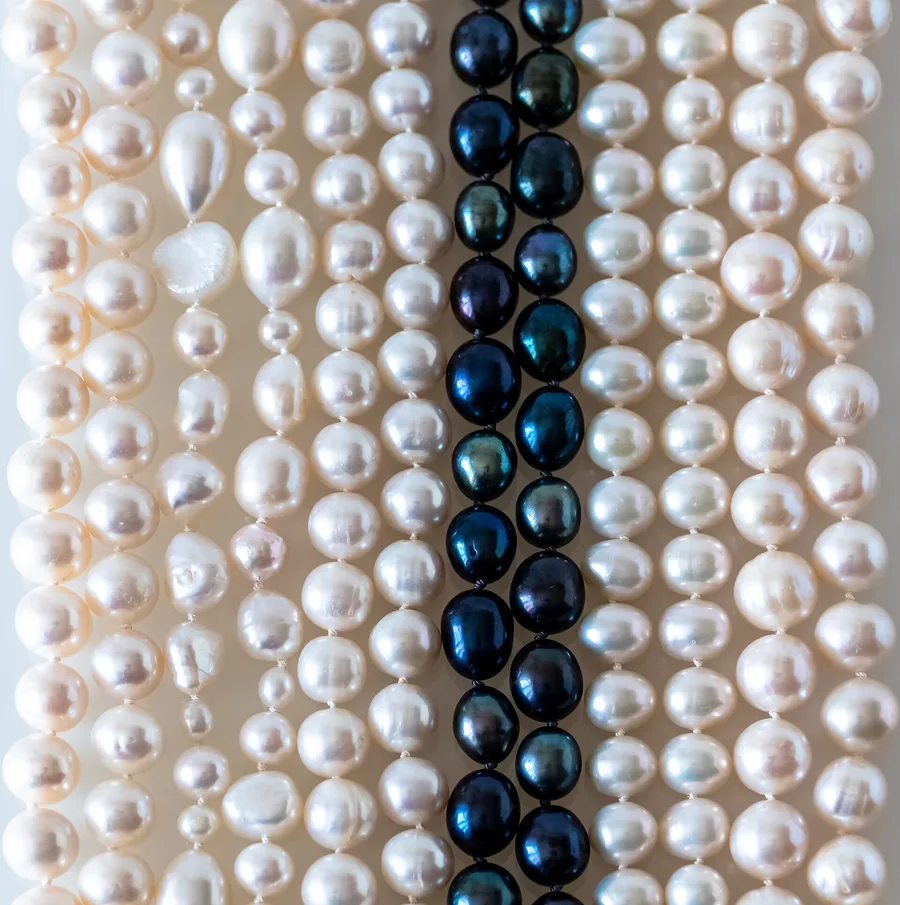
A pearl is made by a living mollusc, which coats an irritant in layer after layer of nacre, the same shiny material that lines its shell. Natural pearls formed this way without help are very rare today. Almost every pearl sold now is cultured: a pearl farmer places a shell bead or a scrap of tissue inside an oyster or mussel, and the animal grows the pearl over months to years. Cultured pearls are real pearls. Imitations are glass, plastic or shell beads with a pearly coating.
From the rock to the finished piece. Where gems are mined.
01 In the water (step 1 of 4)
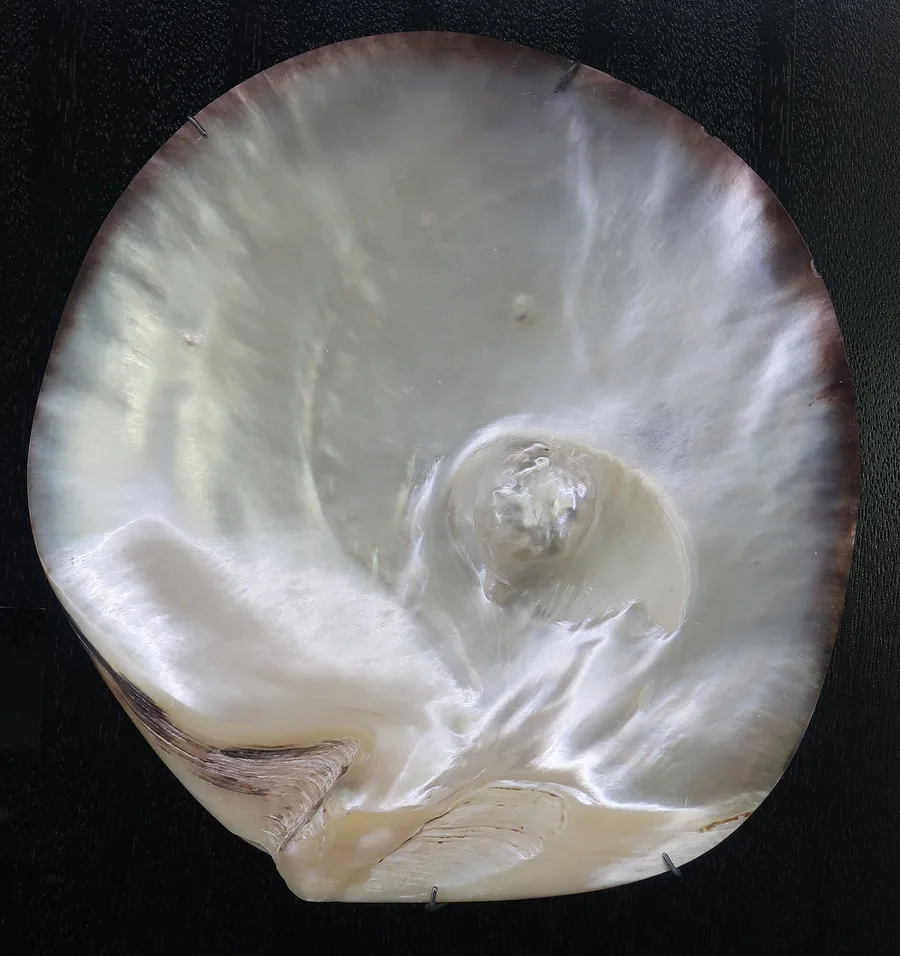
A black-lipped pearl oyster with a natural pearl still attached, from the Robert Wan Pearl Museum, Tahiti.
Real specimen. Photo: Wmpearl, CC0.
02 Farmed (step 2 of 4)

Freshwater oysters sold with a cultured pearl inside to open at home. The pearls are real but small, and the bright colours are usually dyed.
Amazon listing photo. See it on Amazon
03 Strung (step 3 of 4)

A strand of white freshwater cultured pearls.
Amazon listing photo. See it on Amazon
04 Set (step 4 of 4)

Japanese Akoya cultured pearl studs in 14K gold.
Amazon listing photo. See it on Amazon
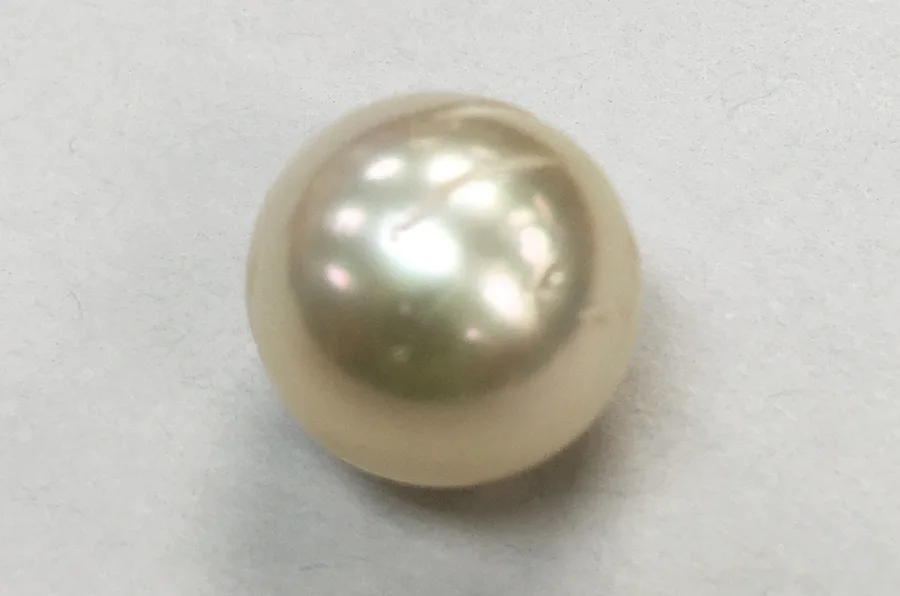
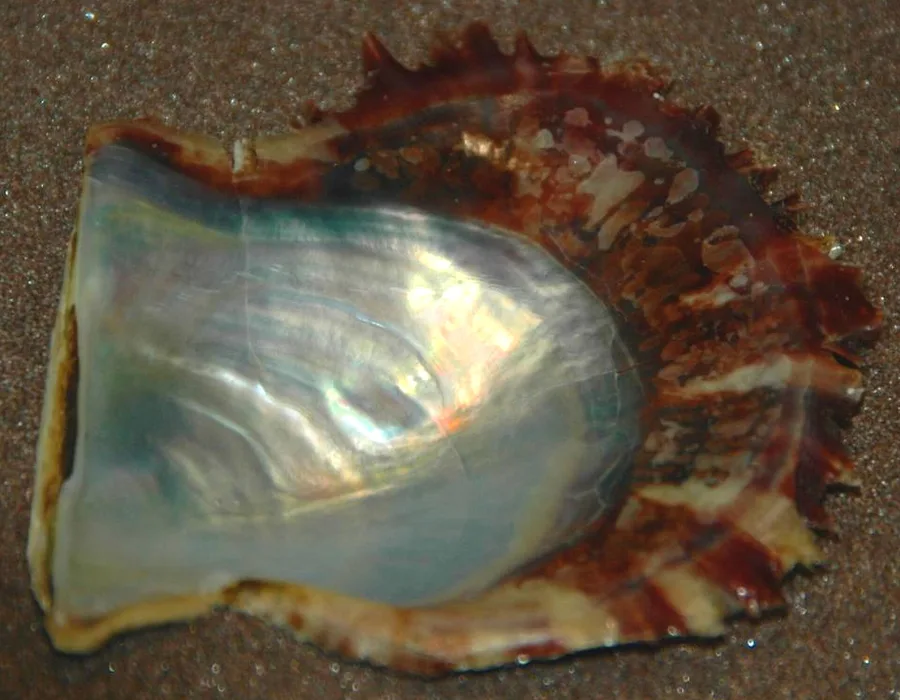
Real pieces in public collections. The whole gem museum.
Amazon prices as of . Prices and availability are accurate as of that date and time and are subject to change; the price shown on Amazon at the time of purchase applies.
Own a natural piece
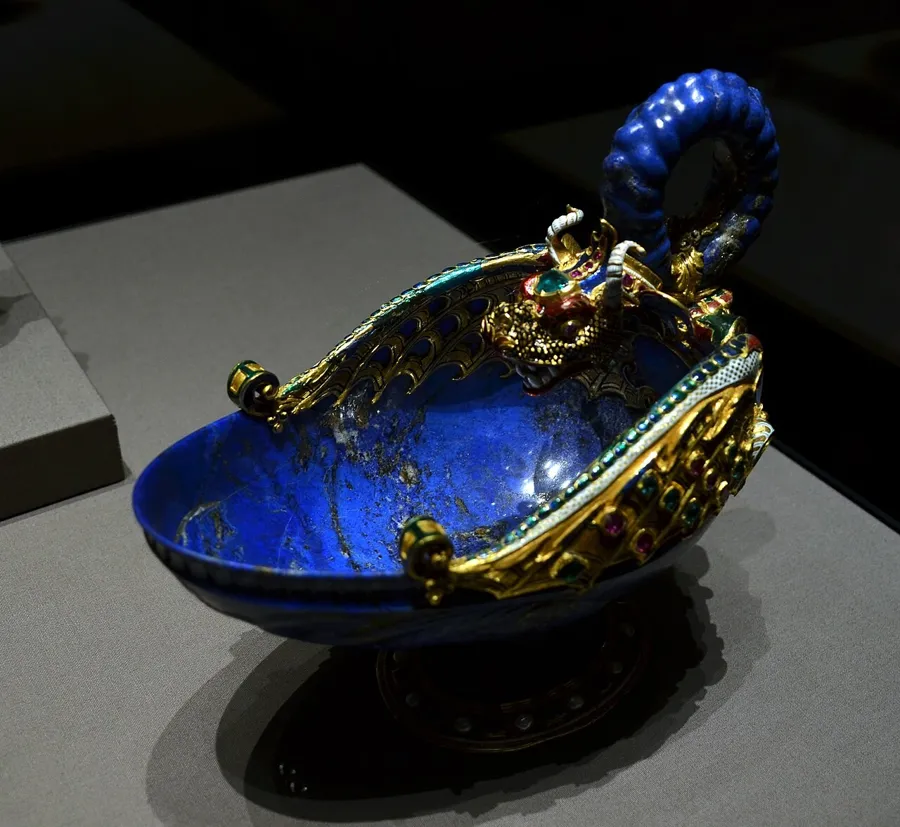
A bowl carved from a single block of Afghan lapis, 6 inches across.
Own a natural piece
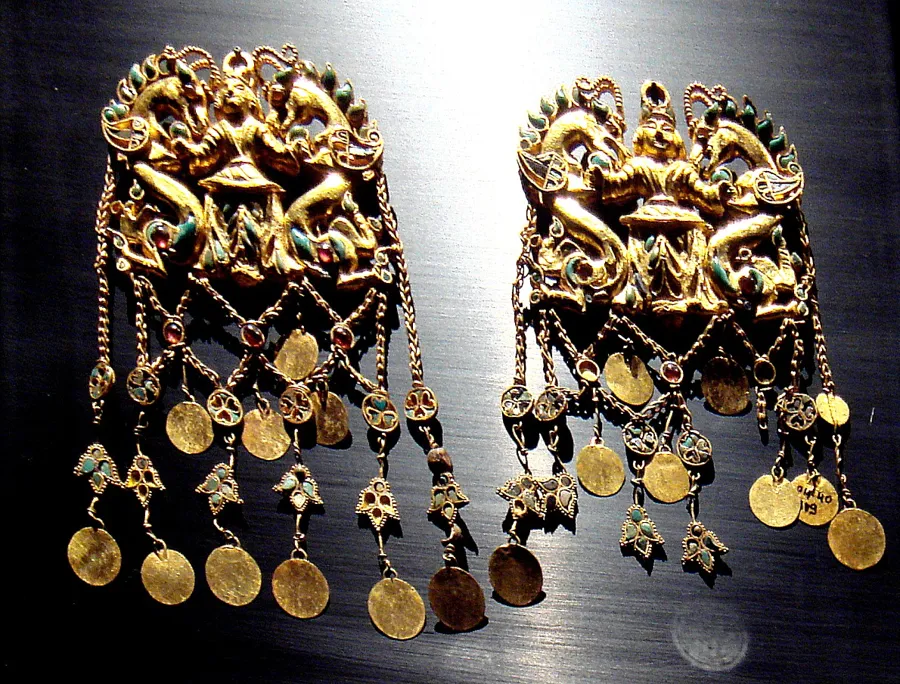
Real turquoise set in silver.

Own a natural piece
Chalcedony, the family of onyx, agate and carnelian, in a carved signet ring.
Own a natural piece
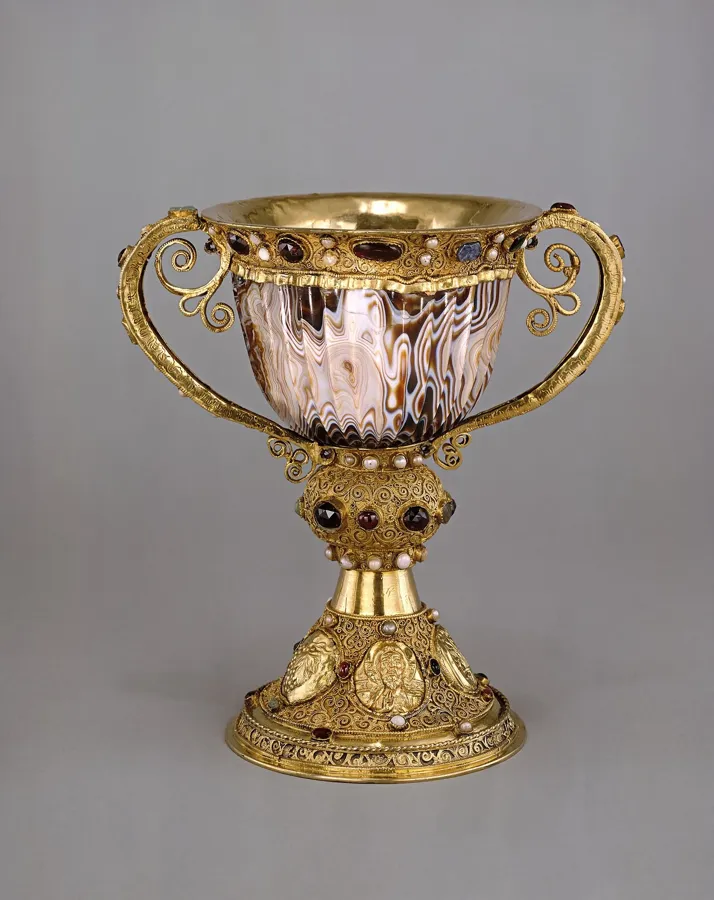
Chalcedony, the family of onyx, agate and carnelian, in a carved signet ring.
Own a natural piece
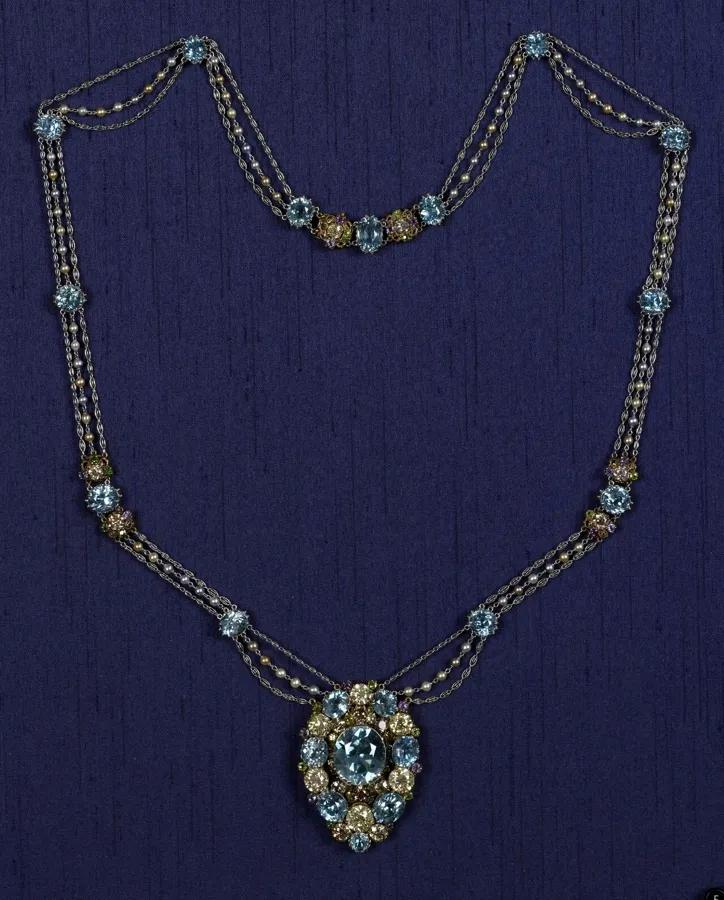
Natural zircon, the gem (not cubic zirconia).
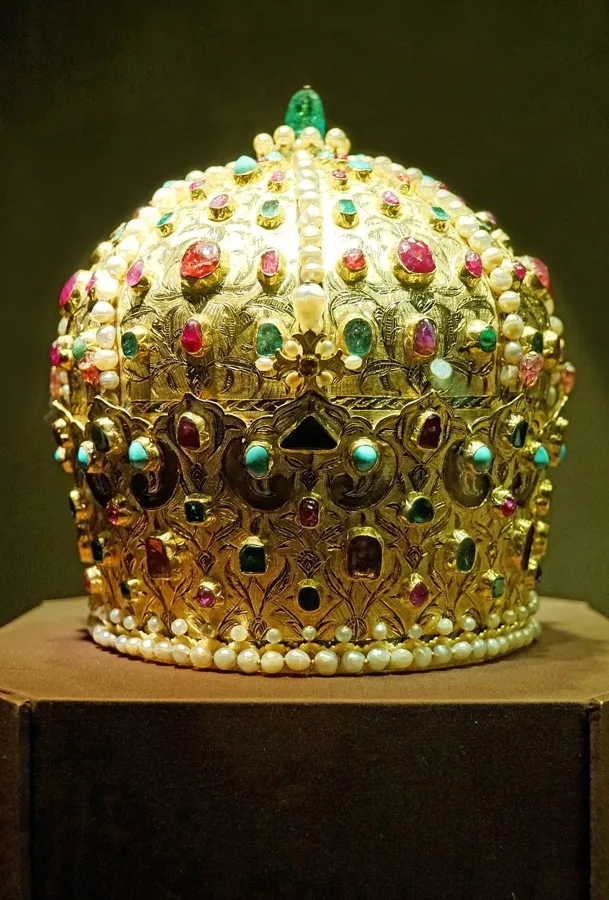
Own a lab version
Lab-grown spinel, the same mineral.
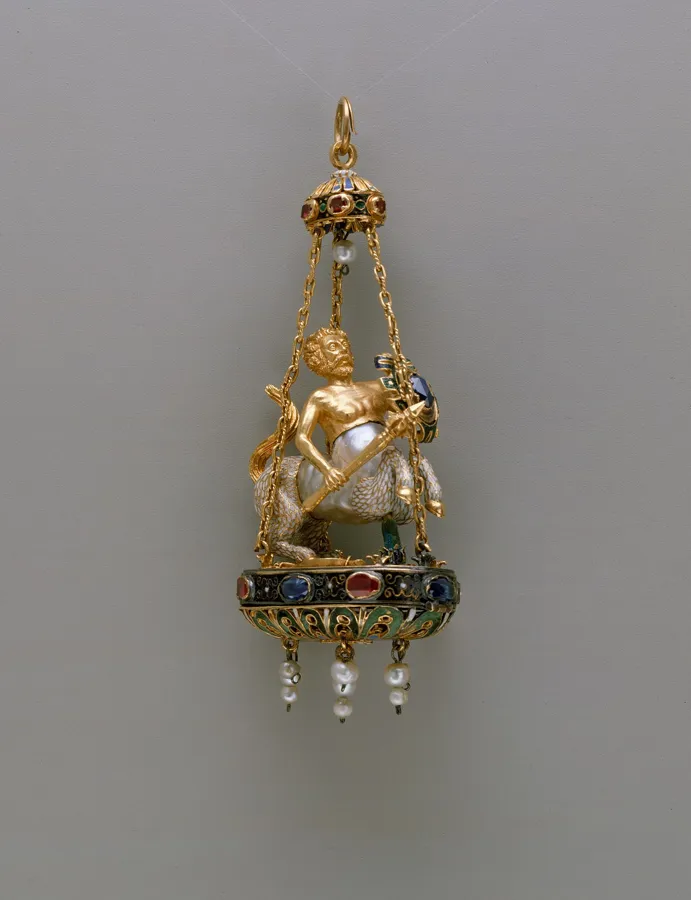
Own a natural piece
Cultured pearls: the way almost all pearls are grown today.
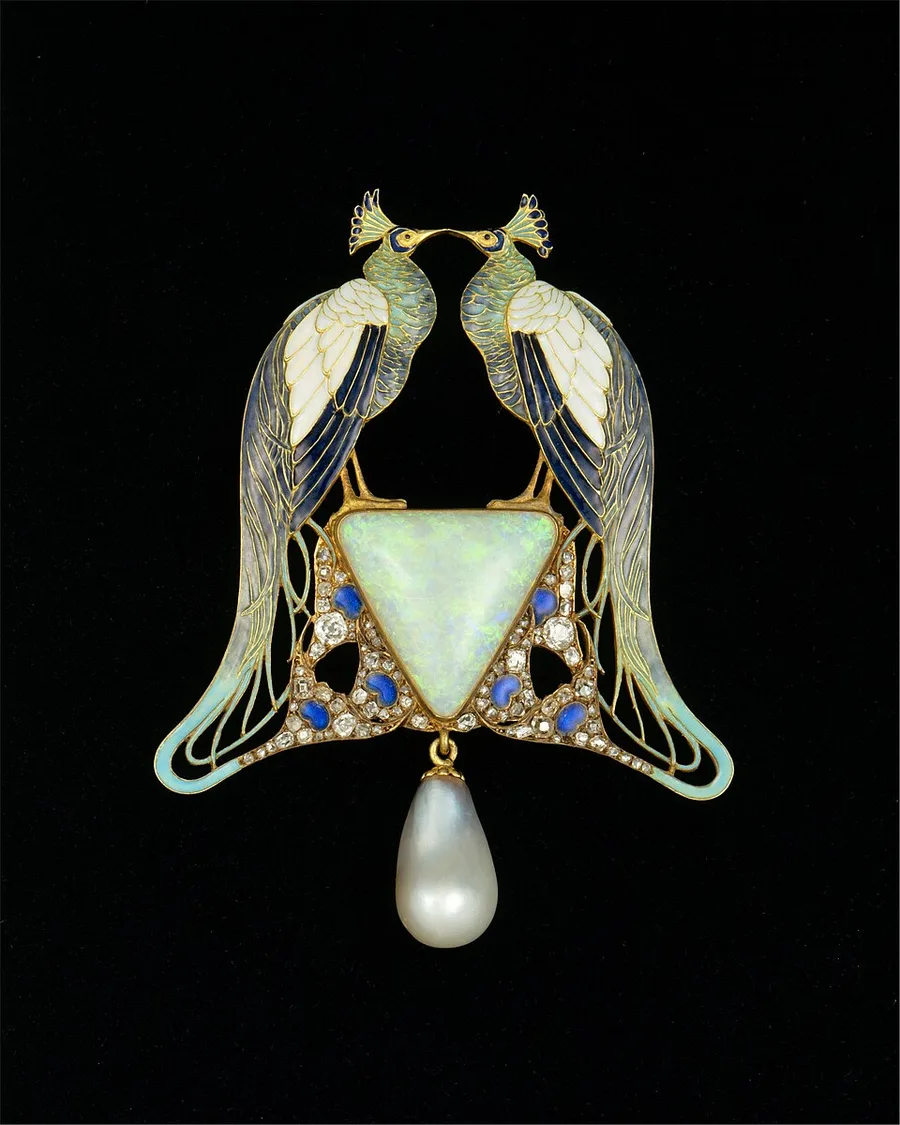
Own a lab version, or a natural one
 Lab-grownGilson lab opal tripletabout $13on Amazon →
 NaturalEthiopian Welo opal cabochonsabout $30on Amazon →
Opal with play of colour: a lab opal, or natural Ethiopian opal.
See all 19 pearl pieces in the museum →
| Kind | What it is |
|---|---|
| Natural pearl | Formed with no human help; very rare and mostly antique, sold with a lab report |
| Akoya (cultured, saltwater) | From the small Japanese pearl oyster; round, white, very lustrous, usually 6 to 9 mm |
| Freshwater (cultured) | Mostly from mussels farmed in China; many pearls per shell, often solid nacre, the best value |
| Tahitian and South Sea (cultured) | From the large black-lipped and gold-lipped oysters; big pearls, naturally dark or golden |
| Imitation | Glass, plastic or shell beads coated to look pearly; feels smooth on the teeth |
The strands and studs we picked are cultured pearls from established pearl sellers, named by type (freshwater or Akoya). The open-at-home oysters are fun and the pearls inside are real, but expect small pearls, often dyed bright colours.
Treatments. Many cultured pearls are bleached and polished to even out their colour, and dark or bright colours in freshwater pearls are often dyed. Pearls are soft and react to acids, perfume, hairspray and sweat: put them on last, wipe them with a soft cloth after wearing, and keep them away from ultrasonic cleaners. A quick check for imitations is to rub a pearl gently against your front teeth: real pearls feel slightly gritty, imitations feel glassy smooth. All gem treatments explained.
Pins mark mining districts, not exact mines. Drag to move, pinch or scroll to zoom, tap a pin to read about it. Map data © OpenStreetMap contributors.
Pearls are not cut: they come out of the shell finished, and their beauty is the lustre of the nacre. They are sorted by size, shape, colour, surface and lustre, then drilled and strung, usually with a knot between each pearl so they do not rub together and do not scatter if the strand breaks. See cuts from easiest to hardest and whether cutting your own is cheaper than buying cut.
Listing photos; prices are rounded. How we choose.
Our first pick
about $190
A classic white strand from a pearl specialist.
See it on AmazonAlso good
about $90
Akoya studs on solid gold posts, the traditional first pearls.
See it on AmazonAlso good
about $40
A lower-priced white freshwater strand.
See it on Amazon LookGemOro 10x triplet loupeabout $15
 LookDARKBEAM filtered 365 nm UV flashlightabout $13
 HandleHonoson locking tweezers, 3 packabout $10
 StoreTeensery gem display boxes with clear lids, 10 packabout $9
 ShowComXim motorized turntable, adjustable speed and directionabout $14
 MeasureGemOro Platinum XP500 pocket scale, 0.01 gabout $40
In short
Pearls are grown by molluscs, and nearly all sold today are cultured on farms, which makes them real pearls, not fakes. Freshwater pearls are the best value; Akoya, Tahitian and South Sea pearls cost more. Pearls are soft, so put them on last, and use the tooth test to spot imitations.
See our first pick: The Pearl Source white freshwater cultured pearl necklace, AAA gradeYes. A cultured pearl is grown by a living oyster or mussel, layer by layer, exactly like a natural pearl; the only difference is that a farmer started it. Imitation pearls, made of glass, plastic or coated shell, are the fakes.
Rub a pearl gently against the edge of your front teeth. Real and cultured pearls feel slightly gritty, because nacre is made of tiny overlapping plates; imitations feel smooth. Real pearls also feel cool at first and are rarely perfectly identical.
Not one person. The British biologist William Saville-Kent worked out the technique in Australia; Tatsuhei Mise and Tokichi Nishikawa brought it to Japan, and Nishikawa was granted the patent in 1916. Kokichi Mikimoto, who grew half-pearls from the 1890s, built the business that made cultured pearls famous.
Amazon links are affiliate links (tag thegemtray-20): buying through them costs you nothing extra and supports the site. As an Amazon Associate we earn from qualifying purchases.

